
Why Does My Dog Lick Everything? Real Reasons, Meaning & When to Worry
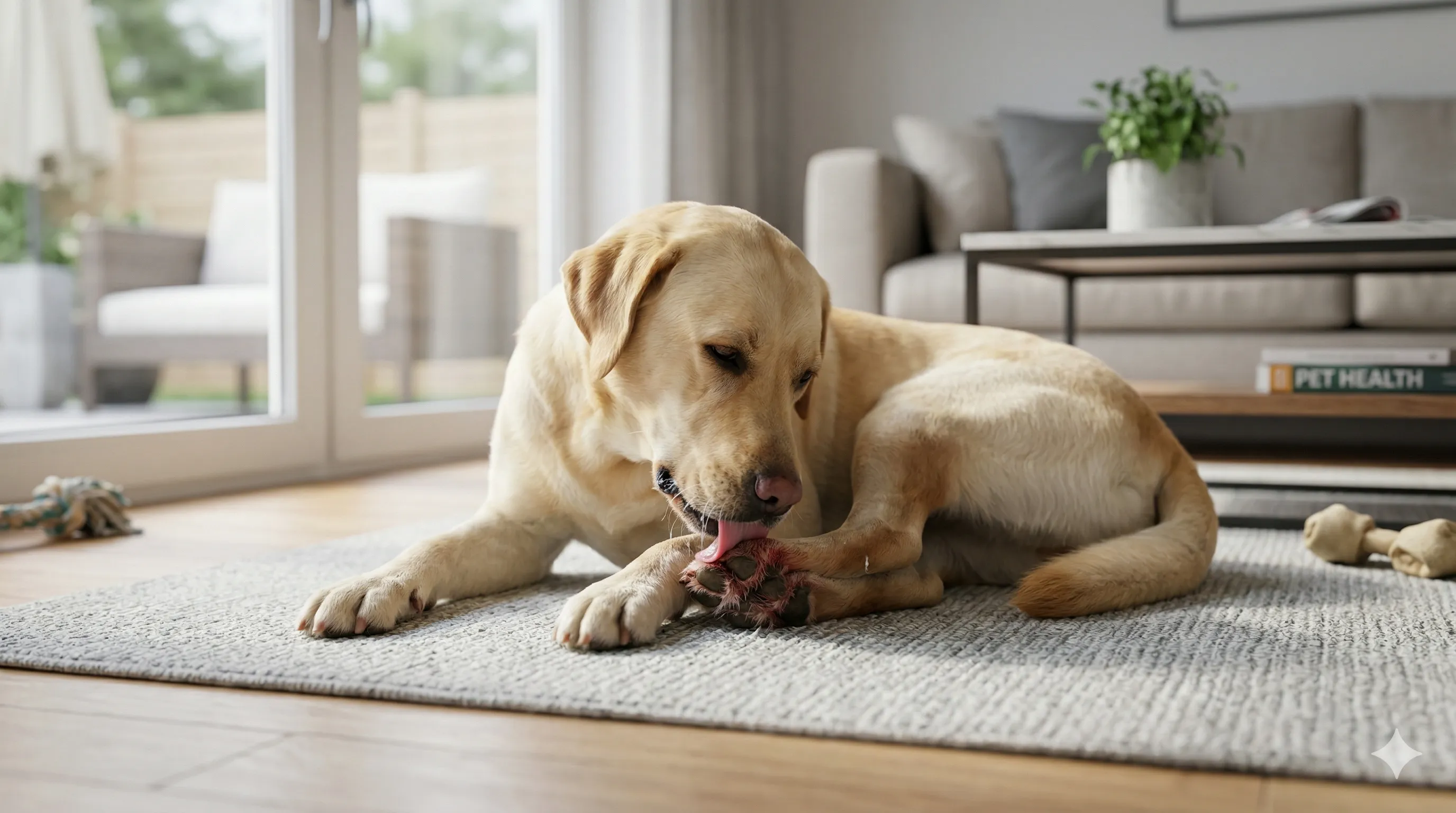
- Why Do Dogs Lick Everything? (Quick Answer)
- What Type of Dog Licking Is Normal?
- When Does Licking Become Excessive?
- The Real Reasons Dogs Lick Everything
- 1. Sensory Exploration
- 2. Boredom and Lack of Mental Stimulation
- 3. Anxiety and Emotional Self-Soothing
- 4. Attention-Seeking Behavior
- 5. Habit Formation and Compulsive Behavior
- 6. Digestive Discomfort or Nausea
- 7. Medical or Skin Issues
- Why Dogs Lick Specific Things
- Licking the Floor
- Licking Furniture
- Licking People
- Licking Walls or Air
- How to Stop Excessive Licking
- Increase Daily Mental Enrichment
- Improve Physical Exercise
- Reduce Stress Triggers
- Avoid Reinforcing the Behavior
- Create More Structured Daily Routines
- When Should You Be Concerned?
- Common Mistakes Owners Make
- Assuming All Licking Is Harmless
- Punishing the Behavior
- Ignoring Boredom
- Expecting Immediate Results
- Example Scenario
- Final Thoughts
Note: This article is for informational purposes only and does not replace professional veterinary advice.
Dogs experience the world very differently from humans. While people rely heavily on vision, dogs depend far more on scent, taste, and sensory exploration. That is one reason many owners eventually find themselves asking the same question: why does my dog lick everything?
Some dogs lick floors, furniture, carpets, blankets, walls, shoes, people, or even random objects around the house. In many cases, occasional licking is completely normal. However, when licking becomes repetitive, obsessive, or unusually intense, it may signal boredom, anxiety, compulsive behavior, digestive discomfort, or an underlying medical issue. try indoor activities for bored dogs to reduce repetitive boredom-related behaviors
Understanding the emotional and behavioral reasons behind licking is important because dogs rarely repeat behaviors without some form of mental, sensory, or emotional reward.
This guide explains why dogs lick everything, what behaviors are considered normal, how stress and boredom influence licking habits, and when excessive licking may require closer attention.
Why Do Dogs Lick Everything? (Quick Answer)
Dogs lick everything because licking helps them explore their environment, relieve boredom, self-soothe during stress, seek attention, or satisfy sensory curiosity. Occasional licking is normal, but obsessive or sudden excessive licking may indicate anxiety, nausea, compulsive behavior, or medical problems.
The key to managing excessive licking is identifying the underlying trigger rather than simply stopping the behavior itself.
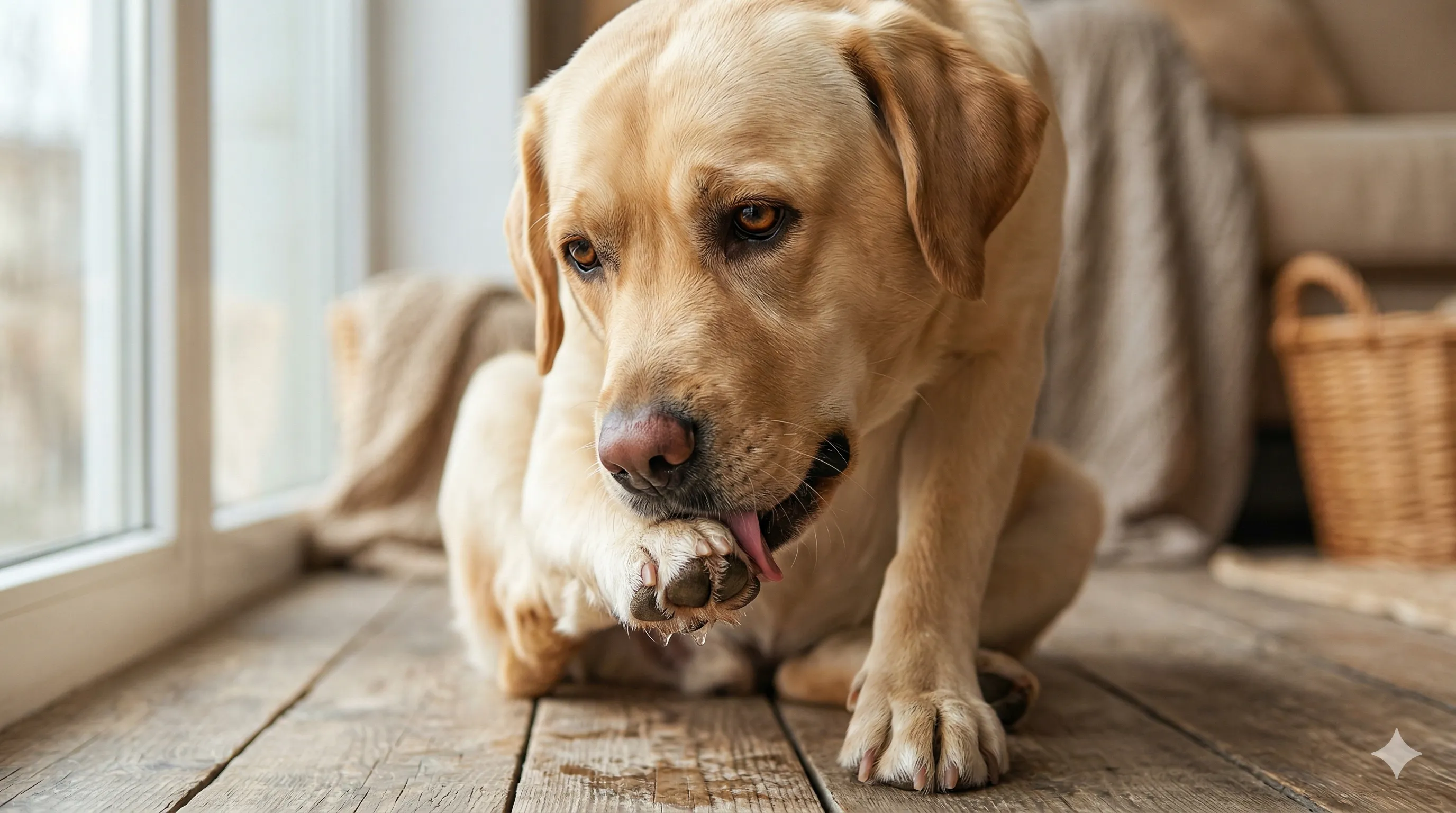
What Type of Dog Licking Is Normal?
Not all licking behavior should be treated as a problem.
Dogs naturally use licking for:
- Exploration
- Social bonding
- Grooming
- Stress relief
- Communication
Many healthy dogs occasionally lick:
- Floors after meals
- Their owners' hands
- Blankets or bedding
- Interesting smells outdoors
Occasional curiosity licking is usually harmless.
When Does Licking Become Excessive?
Licking becomes more concerning when it appears:
- Constant
- Compulsive
- Difficult to interrupt
- Sudden or unusual
- Connected with anxiety or illness
Behavior patterns matter more than isolated moments.
| Licking Pattern | Likely Meaning | Should You Monitor? |
|---|---|---|
| Occasional object licking | Normal exploration | No |
| Licking after eating | Taste and smell response | Usually no |
| Repeated floor licking | Stress, nausea, or habit | Yes |
| Obsessive nonstop licking | Compulsive behavior or anxiety | Yes |
| Sudden excessive licking | Possible health issue | Definitely |

The Real Reasons Dogs Lick Everything
1. Sensory Exploration
Dogs explore their environment using both smell and taste.
Even objects that seem clean to humans may carry fascinating scent particles for dogs.
Licking allows dogs to gather information about:
- Food residue
- Human scent
- Environmental changes
- Outdoor smells tracked indoors
This is one reason dogs often lick floors, shoes, furniture, or recently touched objects.
2. Boredom and Lack of Mental Stimulation
One of the most common causes of repetitive licking is boredom.
Dogs without enough physical or mental engagement often create self-rewarding repetitive habits.
Licking can become a simple way to pass time and release nervous energy.
Dogs left alone for long periods or lacking enrichment activities may develop:
- Floor licking
- Furniture licking
- Obsessive chewing
- Pacing behaviors
3. Anxiety and Emotional Self-Soothing
Licking often acts as a calming mechanism for stressed dogs.
Repetitive licking may temporarily release calming neurochemical responses that help dogs self-soothe emotionally.
This is similar to stress-related repetitive habits seen in humans.
Anxiety-triggered licking commonly increases during:
- Storms
- Separation anxiety
- Loud environments
- Household changes
- Overstimulation
Some dogs specifically lick soft fabrics or furniture because familiar textures feel emotionally comforting.
4. Attention-Seeking Behavior
Dogs quickly learn which behaviors get owner reactions.
If licking consistently leads to:
- Talking
- Touch
- Eye contact
- Interaction
the behavior may become reinforced over time.
Even negative attention can unintentionally strengthen repetitive licking habits.
5. Habit Formation and Compulsive Behavior
Some dogs continue licking simply because the habit becomes neurologically rewarding and repetitive.
Over time, repetitive behaviors may become increasingly automatic.
This is especially true in dogs experiencing:
- Chronic stress
- Low stimulation
- Environmental frustration
- Long periods of inactivity
Compulsive licking often appears difficult for the dog to stop voluntarily.
6. Digestive Discomfort or Nausea
Excessive floor licking sometimes appears in dogs experiencing digestive discomfort.
Some dogs lick surfaces excessively when dealing with:
- Nausea
- Acid reflux
- Upset stomach
- Digestive irritation
This type of licking often appears suddenly and repeatedly.
mental stimulation and routine can also help stop dog barking at night caused by anxiety7. Medical or Skin Issues
Some forms of licking may relate to:
- Allergies
- Skin irritation
- Pain
- Neurological discomfort
- Dental problems
Dogs may lick objects, surfaces, or their own bodies excessively when uncomfortable.
Why Dogs Lick Specific Things
Licking the Floor
Floor licking commonly relates to:
- Food residue
- Interesting smells
- Nausea
- Anxiety habits
Persistent floor licking deserves closer observation.
Licking Furniture
Furniture often carries strong human scent traces.
Dogs experiencing boredom or emotional attachment sometimes repeatedly lick couches, blankets, or beds.
Licking People
Dogs may lick owners because of:
- Affection
- Attention-seeking
- Salt on skin
- Social bonding
Moderate licking toward owners is usually normal.
Licking Walls or Air
Repeated air licking or wall licking is less typical and may occasionally relate to:
- Nausea
- Stress
- Neurological issues
- Compulsive disorders
These patterns deserve closer monitoring.

How to Stop Excessive Licking
Increase Daily Mental Enrichment
Mental stimulation is one of the best ways to reduce repetitive licking.
Helpful enrichment includes:
- Puzzle feeders
- Scent games
- Training exercises
- Food-dispensing toys
- Structured play
Dogs with mentally engaging routines often show fewer compulsive behaviors.
Improve Physical Exercise
Dogs with excess energy may redirect frustration into repetitive licking.
Daily exercise appropriate for your dog's breed and age is extremely important.
Reduce Stress Triggers
Identify situations that increase licking behavior.
Common triggers include:
- Loneliness
- Loud sounds
- Lack of routine
- Overstimulation
- Insufficient rest
Avoid Reinforcing the Behavior
Repeated dramatic reactions may accidentally strengthen licking habits.
Instead:
- Redirect calmly
- Reward alternative behaviors
- Avoid emotional overreaction
Create More Structured Daily Routines
Dogs generally feel calmer with predictable routines.
Consistent schedules help reduce stress-related compulsive behaviors.
When Should You Be Concerned?
You should monitor excessive licking more carefully if it appears alongside:
- Loss of appetite
- Vomiting
- Restlessness
- Sudden personality changes
- Sleep disruption
- Low energy
- Obsessive pacing
Sudden major behavioral changes may indicate emotional or medical problems that deserve professional evaluation.
Common Mistakes Owners Make
Assuming All Licking Is Harmless
Occasional licking is normal, but obsessive repetitive licking may signal deeper issues.
Punishing the Behavior
Harsh punishment often increases anxiety-related licking instead of fixing it.
Ignoring Boredom
Many dogs simply lack enough enrichment and stimulation.
Expecting Immediate Results
Compulsive habits usually improve gradually through routine changes and consistent management.
Example Scenario
The scenario below is an illustrative example of how this situation can play out, not a documented case study.
One indoor dog developed frequent floor licking every evening after the family's schedule changed significantly.
The dog was receiving less exercise and spending longer periods inactive during the day.
After introducing puzzle feeders, evening walks, and structured play sessions, the licking behavior gradually decreased over several weeks.
The owners also noticed the licking worsened most during stressful or chaotic evenings, helping them identify emotional triggers more clearly.
Final Thoughts
Dogs lick for many different reasons, and not all licking should be viewed as problematic.
In many cases, licking is simply part of natural sensory exploration, social bonding, or emotional comfort behavior.
However, excessive or compulsive licking often signals that something deeper is happening emotionally, behaviorally, or physically.
By paying attention to patterns, triggers, routines, and overall behavior changes, owners can better understand why their dog licks everything and take practical steps to reduce unhealthy repetitive habits.
This content is written to provide general educational guidance for dog owners. It should not replace professional veterinary care for compulsive behaviors, digestive problems, or medical concerns.
Medical Disclaimer
This content is provided for informational and educational purposes only and should not be considered veterinary, medical, behavioral, or training advice. While we strive for accuracy, we make no guarantees regarding completeness or results. Always consult a licensed veterinarian or qualified pet care professional before making decisions about your pet’s health, diet, or behavior.
AI Illustration Notice
Some images in this article may have been generated or enhanced using artificial intelligence for illustrative purposes.
Frequently Asked Questions
Excessive licking may be caused by boredom, anxiety, compulsive habits, digestive discomfort, or learned behavior patterns.
Yes. Occasional licking is a completely normal way for dogs to explore their environment and interact socially.
Yes. Many dogs use repetitive licking as a self-soothing behavior during stress, insecurity, or overstimulation.
Constant floor licking may be linked to smell exploration, nausea, stress, boredom, or compulsive behavior patterns.
Increasing mental stimulation, exercise, enrichment activities, and structured routines can help reduce excessive licking behaviors.
Yes. Allergies, digestive problems, skin irritation, pain, or neurological discomfort can sometimes trigger excessive licking.
Dogs often lick furniture and blankets because these objects carry familiar scents and may provide emotional comfort or stress relief.
Editorial Note
This article is part of PetNurture's educational library.
Topics draw on publicly available educational resources, recognised veterinary organisations, academic publications and established animal welfare references where appropriate.
The specific sources this article draws on are listed in its References section. If you spot an error, please let us know.
References
The information in this article has been reviewed and supported using the following sources.
PetMD
Why Does My Dog Lick Everything?
Confirms that excessive licking can stem from boredom, anxiety, or medical issues like nausea; supports the quick-answer and causes sections of this article.
Accessed Aug 6, 2026
PetMD
Canine Compulsive Disorder: Everything a Pet Parent Should Know About CCD in Dogs
Explains compulsive repetitive behaviors like excessive licking and the need to rule out medical causes first; supports the 'When Does Licking Become Excessive' section of this article.
Accessed Aug 6, 2026
Pet Emergency Guidance
Every pet is unique. If your pet exhibits severe symptoms, sudden behavioral changes, or a medical emergency, do not rely on online guides — contact a licensed veterinarian or emergency clinic immediately.
About PetNurture
PetNurture is an educational library of pet care guides, interactive tools and practical resources for pet parents. We work continuously to keep our content accurate and up to date. Reader feedback helps us maintain content quality.
Related Articles


Popular Dog Guides



Dog
Dog Chocolate Toxicity Calculator
Assess chocolate toxicity risk based on your dog's weight and the amount eaten.