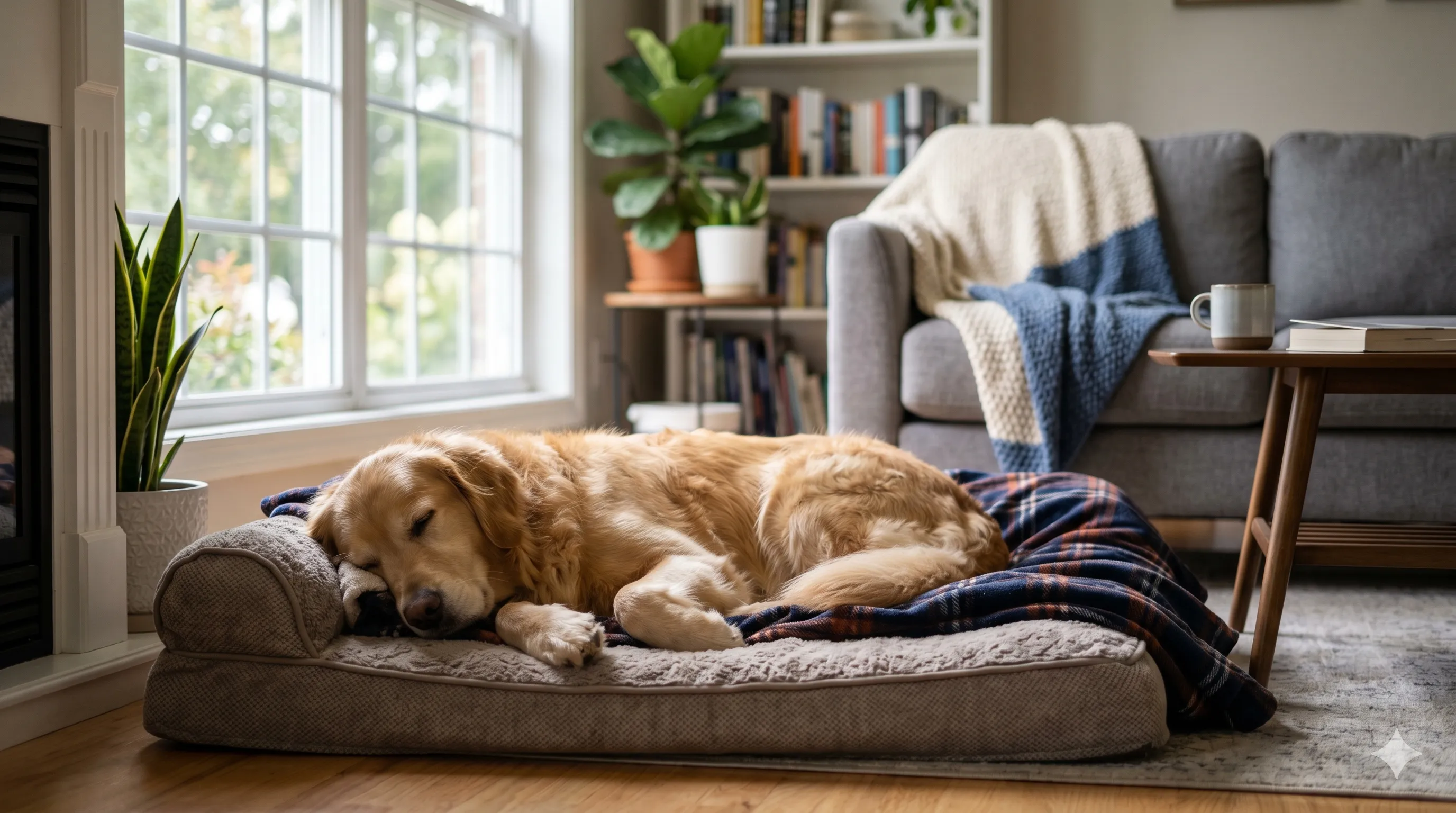
Why Does My Dog Lick Its Paws? (Real Causes, Hidden Health Signs & How to Stop It Fast)
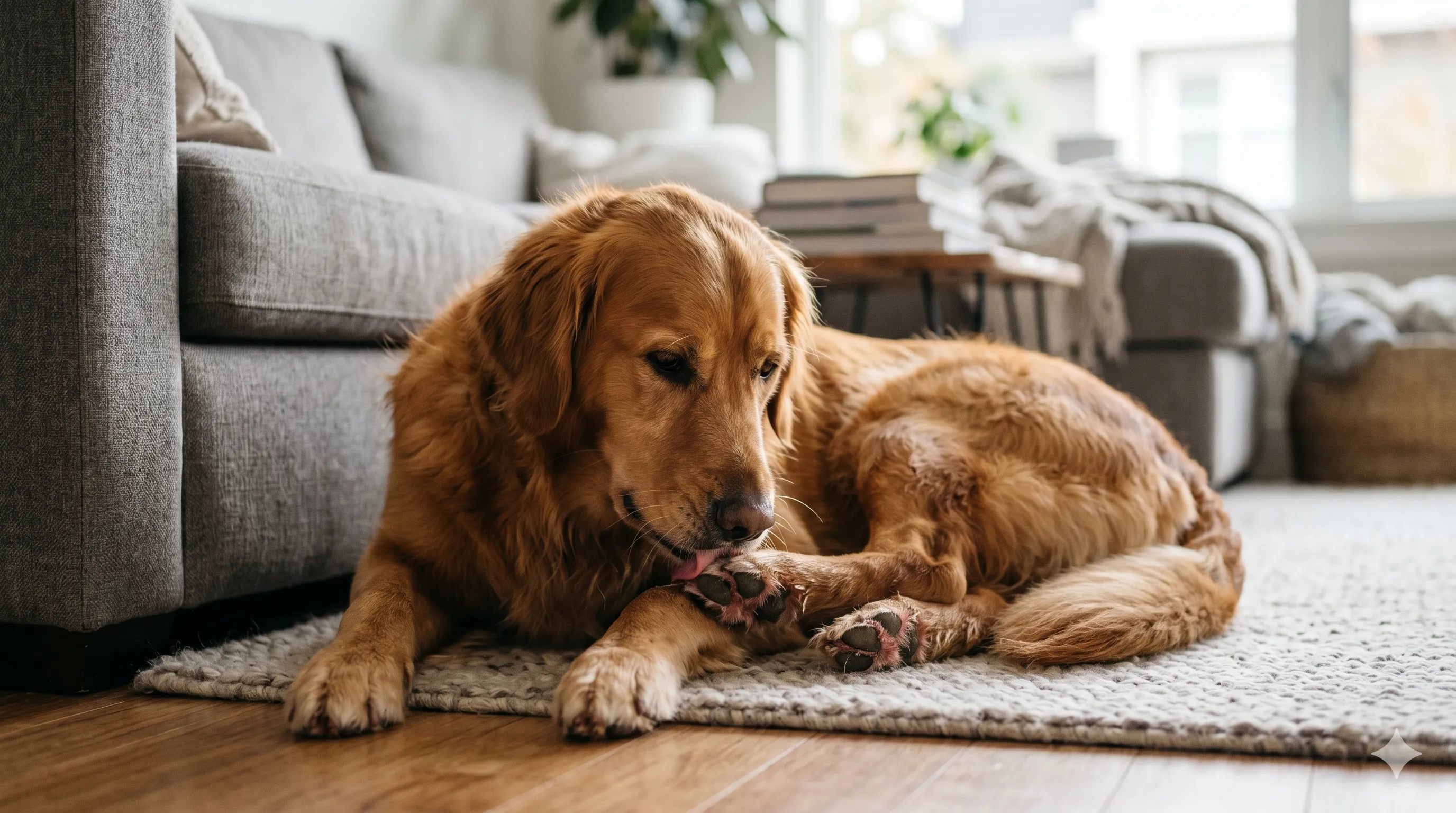
- Why Does My Dog Lick Its Paws? (Quick Answer)
- Dog Paw Licking Meaning (Quick Overview)
- What Counts as Normal Paw Licking?
- 7 Real Reasons Why Dogs Lick Their Paws
- 1. Allergies (Most Common Cause)
- 2. Irritation from Outdoor Surfaces
- 3. Dry or Cracked Paw Pads
- 4. Injury or Pain
- 5. Anxiety and Stress
- 6. Parasites or Skin Infections
- 7. Habitual or Compulsive Behavior
- Signs Your Dog's Paw Licking Is Becoming Serious
- Why Dogs Often Lick More at Night
- How to Stop Excessive Paw Licking (Most Important Section)
- 1. Inspect the Paws Carefully
- 2. Clean Paws After Walks
- 3. Improve Mental and Physical Stimulation
- 4. Support Healthy Skin
- 5. Reduce Environmental Triggers
- 6. Avoid Punishment
- 7. Consult a Veterinarian When Needed
- Common Mistakes Dog Owners Make
- Real-Life Example
- Final Thoughts
Note: This article is for informational purposes only and does not replace professional veterinary advice.
You notice your dog quietly licking its paws sometimes after a walk, sometimes late at night, and sometimes so often that it starts becoming impossible to ignore. If you've been asking yourself why does my dog lick its paws, you're definitely not alone. constant scratching or body shaking alongside paw licking may indicate irritation or allergies
Many dog owners assume paw licking is harmless grooming behavior, but excessive licking is often a sign that something deeper is happening. In some cases, it's simple irritation from dirt or seasonal allergies. In others, it may point toward stress, skin conditions, pain, or hidden health problems.
The challenge is understanding the difference between normal cleaning behavior and repetitive licking that signals discomfort.
Dogs communicate through behavior. Since they cannot explain pain, itching, stress, or irritation with words, repetitive licking becomes one of the clearest signals that something feels wrong.
This guide will help you understand the real reasons behind paw licking, how to identify warning signs early, and the best ways to stop the behavior safely without creating additional stress for your dog.
Why Does My Dog Lick Its Paws? (Quick Answer)
Dogs lick their paws occasionally as part of normal grooming. However, repeated or obsessive licking is usually caused by allergies, irritation, dry skin, anxiety, injury, parasites, or underlying pain. The key is identifying when the behavior happens, how often it occurs, and whether other symptoms appear alongside it.
Occasional licking is normal. Constant licking is usually your dog's way of communicating discomfort.
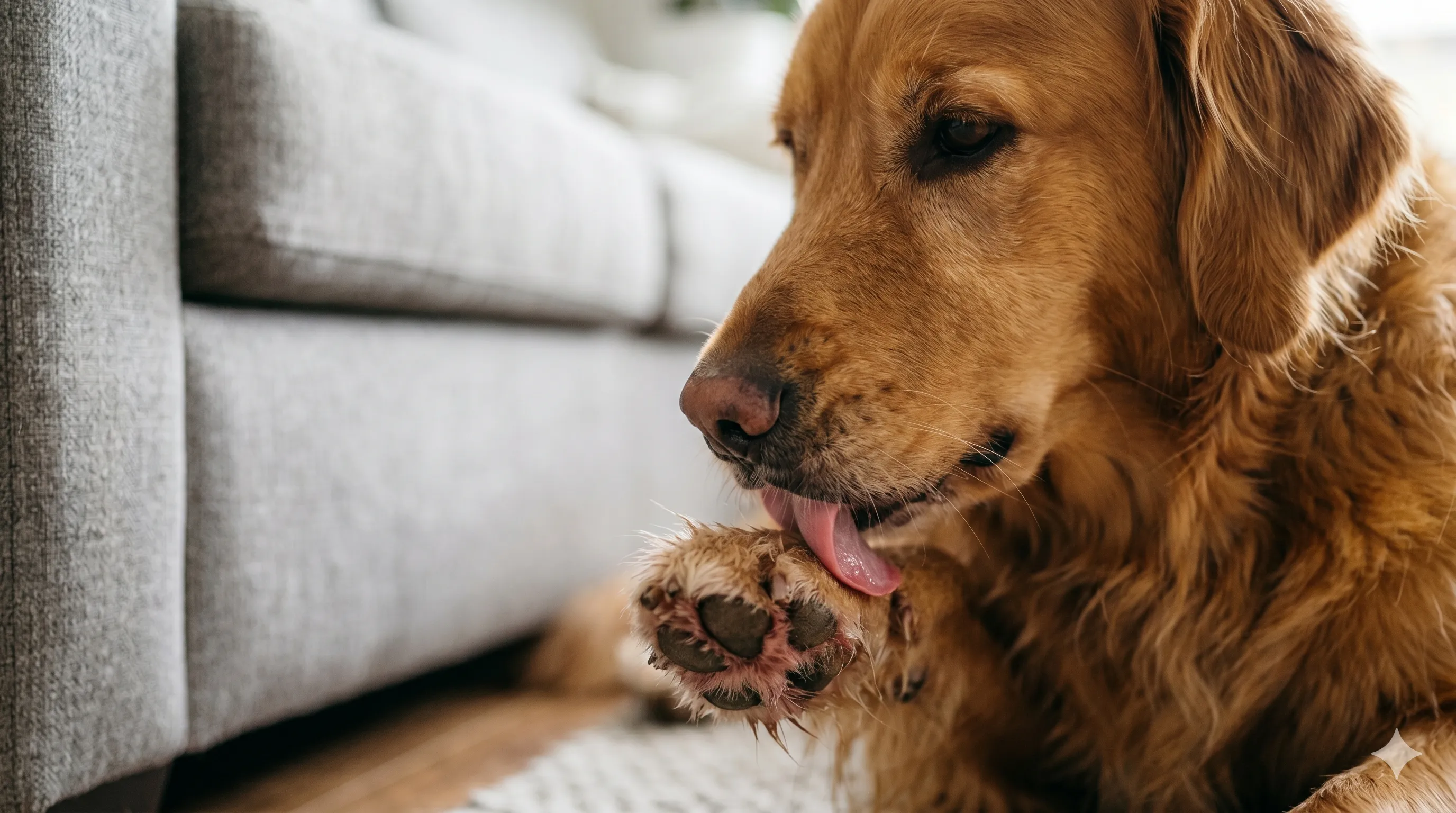
Dog Paw Licking Meaning (Quick Overview)
| Behavior | Possible Meaning | Normal or Concern? | Recommended Action |
|---|---|---|---|
| Occasional licking | Basic grooming | Normal | Monitor casually |
| Licking after walks | Dirt or allergens | Usually normal | Clean paws gently |
| Constant licking | Allergies or irritation | Concern | Inspect paws closely |
| Licking one paw only | Localized pain or injury | Concern | Check for cuts or swelling |
| Licking at night | Stress or boredom | Possible concern | Increase stimulation |
Understanding the context behind the behavior is extremely important. The timing, frequency, and intensity often reveal more than the licking itself.
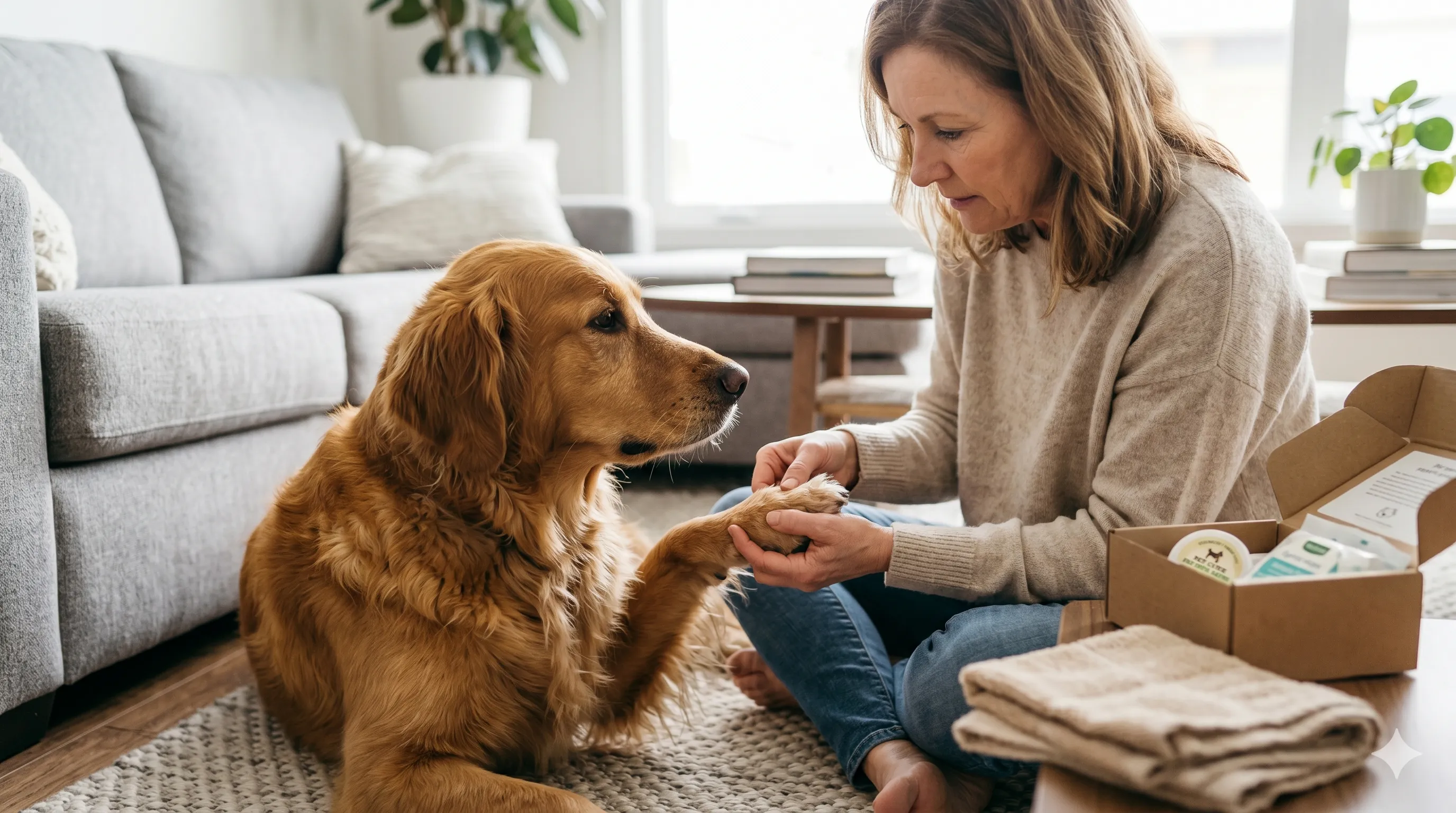
What Counts as Normal Paw Licking?
Before assuming something is wrong, it's important to understand that some paw licking is completely natural.
Dogs naturally clean their paws after outdoor activity, exposure to moisture, or contact with dirt and debris. You may notice occasional licking after walks, rainy weather, or playtime outside.
This type of licking is usually:
- Short in duration
- Not obsessive
- Not focused on one paw constantly
- Not accompanied by redness or swelling
- Easy for the dog to stop naturally
If your dog quickly moves on after a few moments, the behavior is usually harmless.
The real concern begins when the licking becomes repetitive, intense, or emotionally compulsive.
7 Real Reasons Why Dogs Lick Their Paws
1. Allergies (Most Common Cause)
Allergies are one of the biggest reasons dogs obsessively lick their paws.
Environmental allergens like grass, pollen, mold, dust, and cleaning chemicals can irritate the skin between the paw pads. Many dogs respond by licking repeatedly to soothe the itching sensation.
Food allergies may also contribute to chronic paw irritation.
Common allergy signs include:
- Red or inflamed paws
- Frequent licking after outdoor activity
- Ear irritation
- Skin itching
- Seasonal flare-ups
2. Irritation from Outdoor Surfaces
Hot pavement, rough ground, road salt, lawn chemicals, or sharp debris can irritate your dog's paws.
Even minor irritation can trigger constant licking because paw pads are extremely sensitive.
This is especially common during:
- Summer heat
- Winter salt exposure
- Freshly treated lawns
- Long hikes or walks
Cleaning your dog's paws after walks can significantly reduce irritation-related licking.
3. Dry or Cracked Paw Pads
Dry skin can make paw pads uncomfortable and sensitive.
Cold weather, low humidity, excessive bathing, or poor nutrition can contribute to dryness and cracking. Dogs often lick their paws in an attempt to soothe the discomfort.
Signs include:
- Flaky skin
- Rough paw texture
- Small cracks
- Sensitivity while walking
4. Injury or Pain
If your dog focuses intensely on one paw, pain or injury may be the cause.
Common problems include:
- Small cuts
- Splinters
- Burns
- Broken nails
- Insect stings
- Muscle or joint discomfort
Dogs instinctively lick painful areas because it provides temporary soothing relief.
bored or under-stimulated dogs sometimes develop repetitive behaviors like licking and digging5. Anxiety and Stress
Not all paw licking is physical. Emotional stress can also trigger repetitive licking behavior.
Dogs sometimes lick to self-soothe during anxiety, boredom, frustration, or emotional overstimulation.
This behavior is similar to nervous habits humans develop under stress.
Stress-related licking often happens:
- Late at night
- When left alone
- After stressful events
- During boredom
- During changes in routine
Many dogs experiencing emotional stress also display other repetitive behaviors. stress and anxiety linked to nighttime barking can also trigger compulsive paw licking behaviors
6. Parasites or Skin Infections
Fleas, mites, yeast infections, or bacterial infections can create severe itching and discomfort.
If the licking becomes intense and persistent, secondary infections may develop from excess moisture and skin damage.
Warning signs include:
- Strong odor
- Discharge
- Swelling
- Darkened skin
- Hair loss
- Hot spots
These situations usually require veterinary treatment.
7. Habitual or Compulsive Behavior
Sometimes the original trigger disappears, but the licking habit remains.
Over time, dogs can develop compulsive licking patterns, especially if the behavior provided emotional relief previously.
This is why early intervention matters. The longer the pattern continues, the harder it becomes to stop.
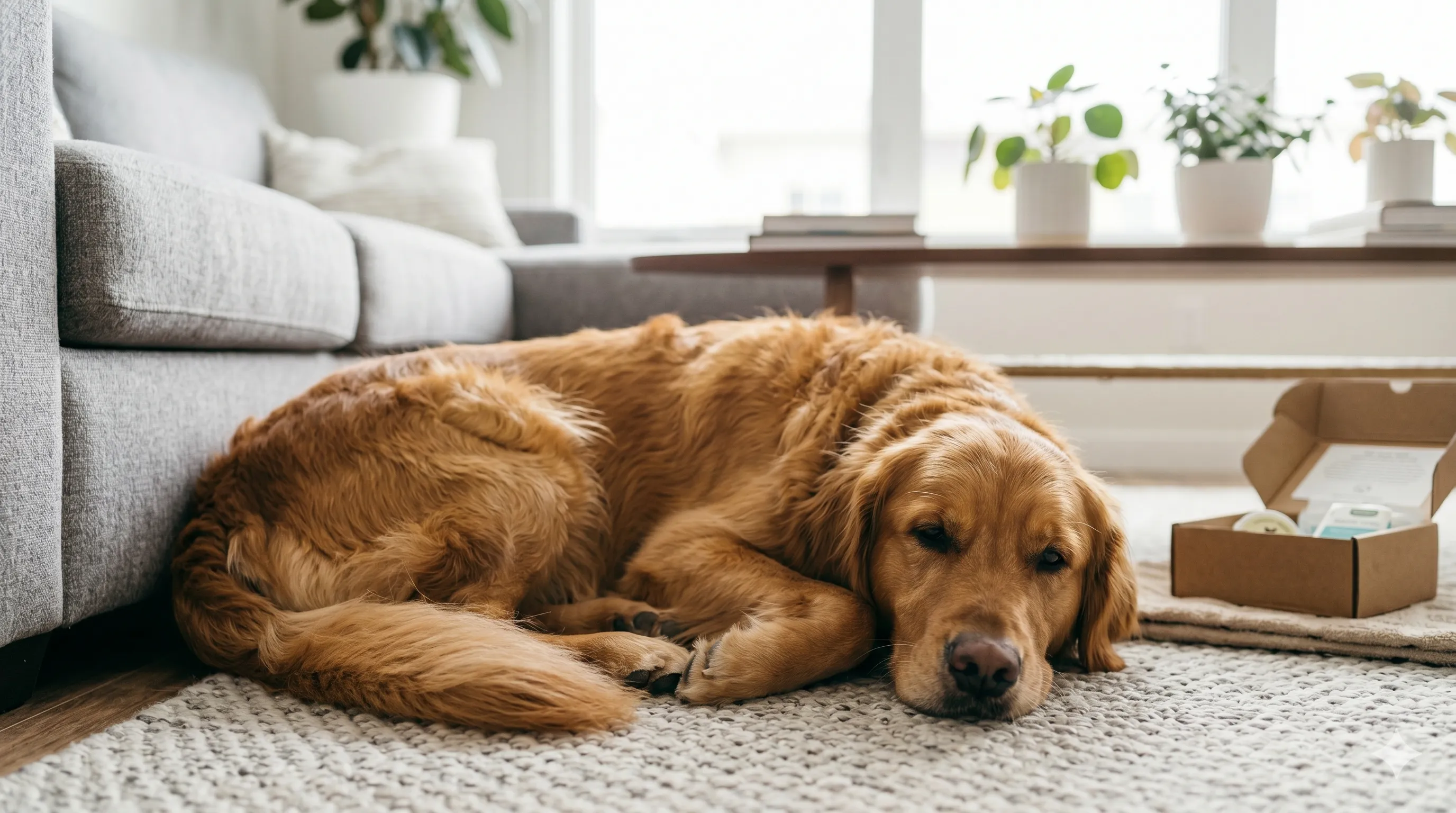
Signs Your Dog's Paw Licking Is Becoming Serious
Many owners wait too long before addressing excessive licking because the behavior develops gradually.
You should pay closer attention if you notice:
- Daily repetitive licking
- Licking that interrupts sleep
- Hair loss around paws
- Red or swollen skin
- Bleeding or sores
- Limping
- Bad odor from paws
- Changes in mood or energy
Excessive licking rarely improves on its own once irritation becomes chronic.
Why Dogs Often Lick More at Night
Many owners notice paw licking becomes worse in the evening.
This happens for several reasons:
- The environment becomes quieter
- Boredom increases
- Stress becomes more noticeable
- Allergens build up after outdoor activity
- Dogs finally relax enough to focus on discomfort
Nighttime licking is especially common in dogs lacking sufficient mental stimulation during the day. poor emotional stimulation during puppy development can increase repetitive stress-related behaviors
How to Stop Excessive Paw Licking (Most Important Section)
If you're trying to solve why does my dog lick its paws, the solution starts with identifying the root cause rather than simply stopping the behavior.
1. Inspect the Paws Carefully
Look between the paw pads and around the nails.
Check for:
- Cuts
- Redness
- Swelling
- Foreign objects
- Dry skin
- Cracked pads
- Ticks or parasites
Small injuries are often easy to miss.
2. Clean Paws After Walks
Wiping your dog's paws after outdoor exposure removes allergens, chemicals, dirt, and irritants before they cause inflammation.
This simple habit helps many dogs significantly.
3. Improve Mental and Physical Stimulation
Bored dogs are far more likely to develop repetitive behaviors.
Daily exercise, enrichment games, training sessions, and structured routines help reduce stress-driven licking behaviors.
mental engagement during walks and leash training helps reduce anxiety-driven habits in dogs4. Support Healthy Skin
Good nutrition directly affects skin and coat health.
Dogs with poor skin health are more vulnerable to dryness and irritation.
Hydration, balanced nutrition, and proper grooming all matter.
5. Reduce Environmental Triggers
If allergies appear seasonal or location-specific, reducing exposure may help.
Some dogs react strongly to:
- Fresh-cut grass
- Pollen-heavy areas
- Cleaning products
- Artificial lawn chemicals
- Dusty environments
6. Avoid Punishment
Many owners try stopping licking through scolding or constant interruption.
This usually increases stress and can worsen compulsive behaviors.
Instead, focus on solving the underlying discomfort.
7. Consult a Veterinarian When Needed
If licking becomes constant, painful, or physically damaging, professional evaluation is important.
Chronic licking may require treatment for:
- Allergies
- Infections
- Joint pain
- Parasites
- Behavioral issues
Common Mistakes Dog Owners Make
- Ignoring early signs: Small irritation can quickly become severe
- Assuming licking is always normal: Excessive licking almost always has a reason
- Only treating symptoms: The root cause remains unresolved
- Using harsh chemicals: Some treatments worsen irritation
- Skipping mental stimulation: Emotional causes are often overlooked
Real-Life Example
A dog owner noticed their Labrador licking its paws every evening after walks. At first, they assumed it was harmless grooming behavior.
Over time, the licking became more intense, and the paws started turning red.
After investigating the pattern, they realized the problem worsened after playing in freshly cut grass. By cleaning the paws after walks and limiting exposure during peak allergy season, the licking reduced dramatically within a few weeks.
This example shows how identifying patterns often reveals the real trigger.
Final Thoughts
Understanding why does my dog lick its paws helps you recognize when your dog is simply grooming and when they're trying to communicate discomfort.
In many cases, excessive licking is linked to allergies, irritation, stress, or pain rather than simple cleaning behavior.
The earlier you identify the cause, the easier it becomes to prevent long-term skin damage, infections, and emotional stress.
Instead of ignoring repetitive licking, treat it as valuable communication because your dog's behavior is often the first sign that something needs attention.
Medical Disclaimer
This content is provided for informational and educational purposes only and should not be considered veterinary, medical, behavioral, or training advice. While we strive for accuracy, we make no guarantees regarding completeness or results. Always consult a licensed veterinarian or qualified pet care professional before making decisions about your pet’s health, diet, or behavior.
AI Illustration Notice
Some images in this article may have been generated or enhanced using artificial intelligence for illustrative purposes.
Frequently Asked Questions
Frequent paw licking is usually caused by allergies, irritation, stress, pain, or skin problems rather than normal grooming.
Occasional paw licking is normal, but repeated or obsessive licking is usually a sign of discomfort.
Yes, environmental and food allergies are among the most common causes of excessive paw licking in dogs.
Licking one paw repeatedly often indicates localized pain, injury, irritation, or a foreign object stuck in the paw.
You should identify the root cause, clean the paws regularly, reduce irritants, improve mental stimulation, and seek veterinary advice if needed.
You should be concerned if licking causes redness, swelling, bleeding, hair loss, limping, or behavioral changes.
Yes, anxious or bored dogs sometimes lick their paws compulsively as a self-soothing behavior.
A veterinarian should evaluate persistent paw licking to rule out allergies, infections, parasites, or underlying pain issues.
Editorial Note
This article is part of PetNurture's educational library.
Topics are researched using publicly available educational resources, recognised veterinary organisations, academic publications and established animal welfare references where appropriate.
Every article is reviewed by the PetNurture editorial team for clarity, structure, readability and consistency before publication.
References
The information in this article has been reviewed and supported using the following sources.
American Kennel Club
Why Does My Dog Lick Their Paws?
Confirms environmental and food allergies as a leading cause of chronic paw licking, along with contact irritants and parasites; supports the 'Allergies' and 'Parasites or Skin Infections' sections of this article.
Accessed Aug 6, 2026
American Kennel Club
Dog Allergies: What You Need to Know
Covers the distinction between environmental, food, and contact allergies in dogs; supports the overview of allergy-related causes in this article.
Accessed Aug 6, 2026
Pet Emergency Guidance
Every pet is unique. If your pet exhibits severe symptoms, sudden behavioral changes, or a medical emergency, do not rely on online guides — contact a licensed veterinarian or emergency clinic immediately.
About PetNurture
PetNurture is an educational library of pet care guides, interactive tools and practical resources for pet parents. We work continuously to keep our content accurate and up to date. Reader feedback helps us maintain content quality.
Related Articles
Popular Dog Guides
Dog
Dog Feeding Calculator
Calculate how much food your dog needs daily based on weight, age, and activity level.
Dog
Dog Calorie Calculator
Find the right daily calorie target for your dog's weight and activity level.