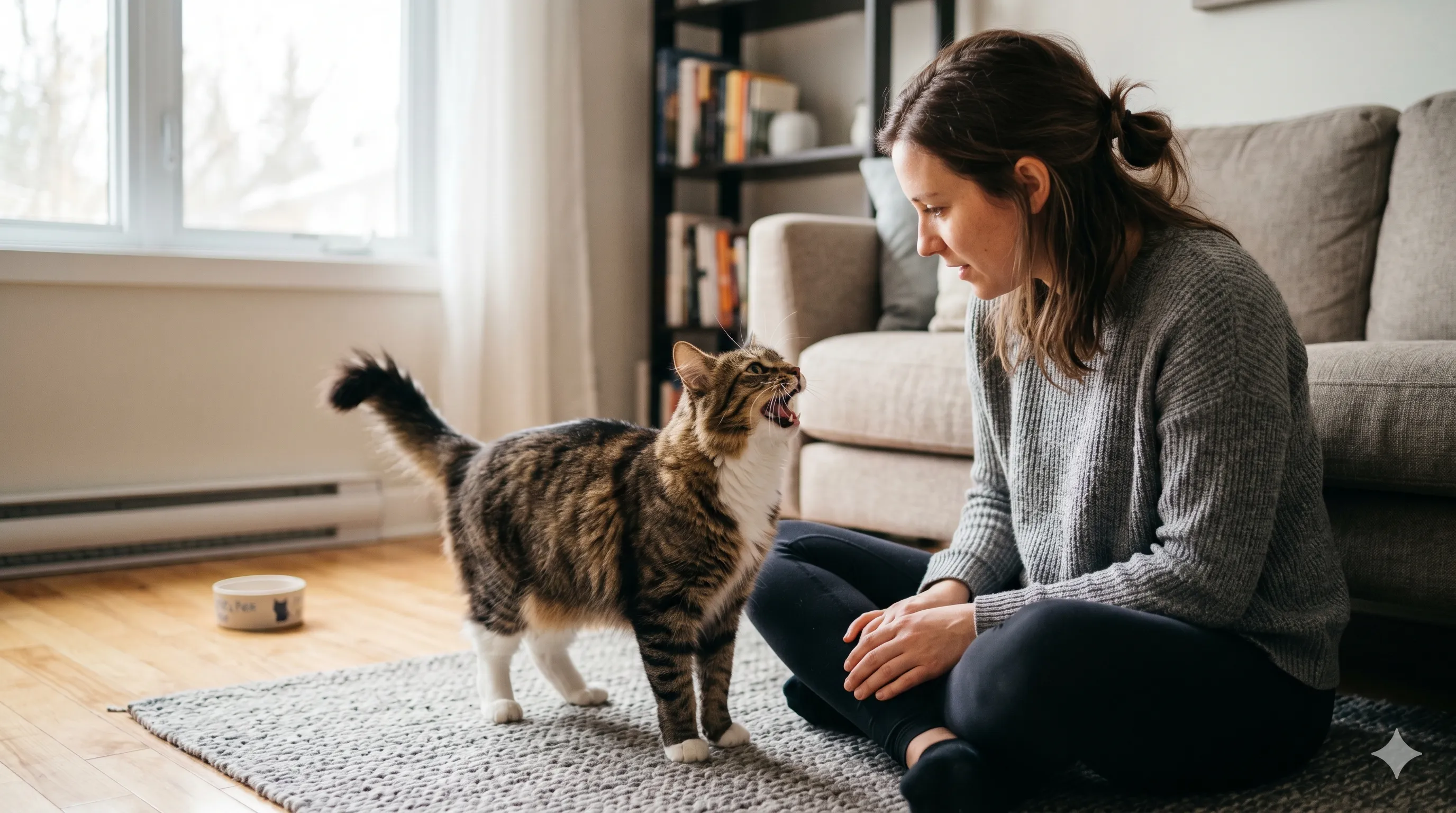
Why Do Cats Sleep So Much? (Real Reasons, Sleep Cycles & When You Should Worry)
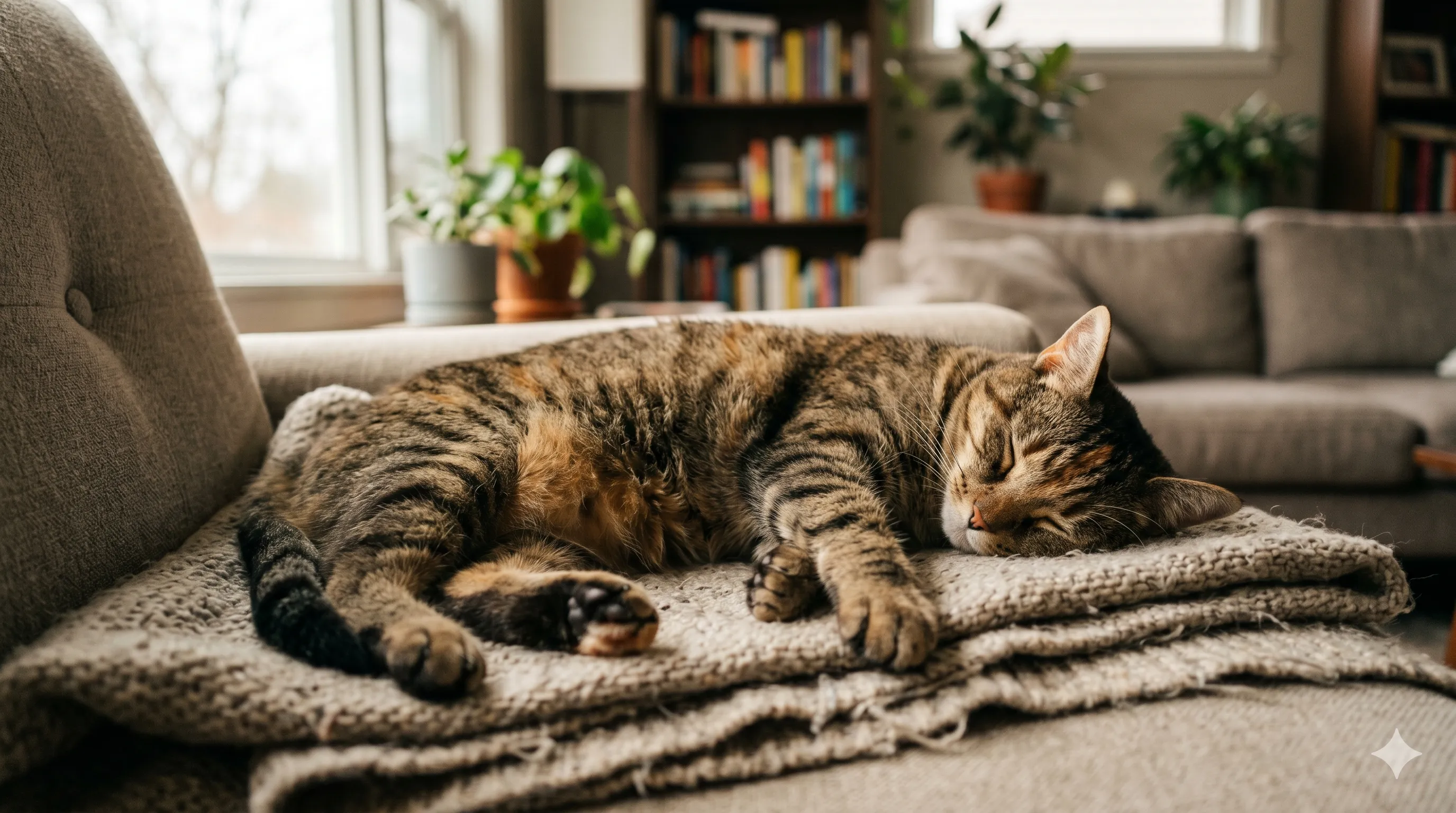
- Why Do Cats Sleep So Much? (Quick Answer)
- Cat Sleep Patterns Explained (Quick Overview)
- How Much Sleep Is Normal for Cats?
- Why Cats Naturally Sleep More Than Humans
- 7 Real Reasons Why Cats Sleep So Much
- 1. Natural Predator Instinct
- 2. Crepuscular Activity Cycles
- 3. Energy Conservation
- 4. Age and Growth
- 5. Comfort and Safety
- 6. Weather and Seasonal Changes
- 7. Boredom or Lack of Stimulation
- Understanding Cat Sleep Cycles
- Normal Sleep vs Problematic Lethargy
- When Should You Be Concerned About Your Cat Sleeping Too Much?
- How Indoor Lifestyle Affects Cat Sleep
- How to Keep Your Cat Active and Mentally Stimulated
- 1. Schedule Daily Interactive Play
- 2. Create Vertical Spaces
- 3. Rotate Toys Frequently
- 4. Use Puzzle Feeders
- 5. Maintain Consistent Routines
- 6. Encourage Window Observation
- 7. Monitor Behavioral Changes Early
- Common Mistakes Cat Owners Make
- Real-Life Example
- Final Thoughts
Note: This article is for informational purposes only and does not replace professional veterinary advice.
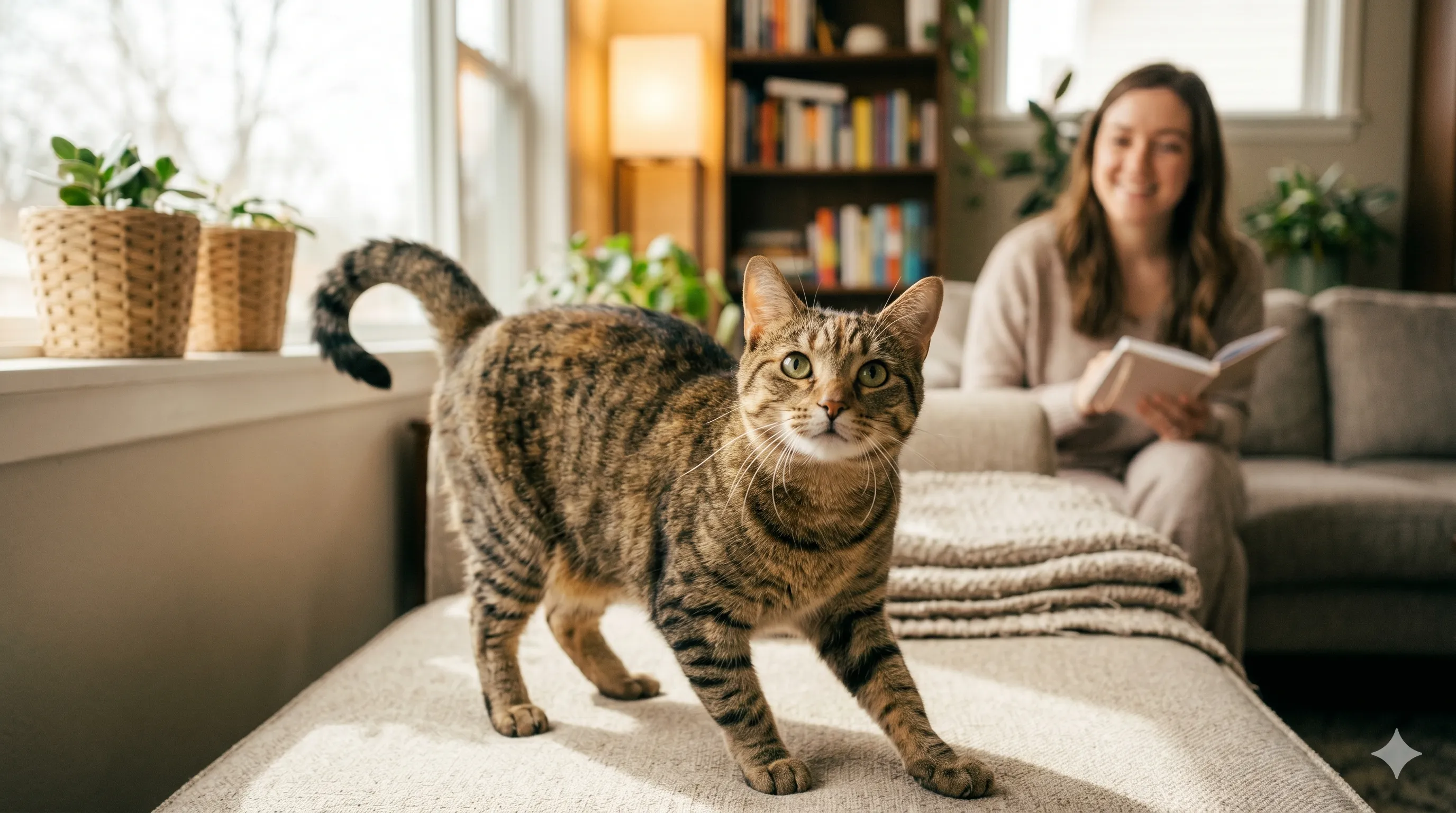
You glance over at your cat for the third time today and once again, they're asleep. Maybe they're curled into a tiny ball near the window, stretched across the couch, or hiding under a blanket in complete comfort. Naturally, many pet owners start asking the same question: why do cats sleep so much? sudden excessive sleeping combined with hiding behavior may sometimes indicate stress or illness
At first, it can seem excessive especially compared to dogs or humans. But cats are biologically designed to sleep far more than we do. Their bodies, instincts, and energy cycles work very differently, and much of their sleep behavior is completely normal.
However, while most sleeping patterns are healthy, sudden changes in sleep habits can sometimes signal stress, boredom, emotional discomfort, or even hidden health issues. Understanding the difference between normal feline rest and concerning lethargy is important for every cat owner.
This guide explains exactly why cats sleep so much, how feline sleep cycles work, when you should worry, and what you can do to support healthier energy and activity levels.
Why Do Cats Sleep So Much? (Quick Answer)
Cats sleep so much because their bodies are naturally designed to conserve energy for short bursts of activity. Most healthy cats sleep between 12-16 hours daily, while kittens and senior cats may sleep even longer. In most cases, this behavior is completely normal and linked to instinct, age, comfort, and natural feline sleep cycles.
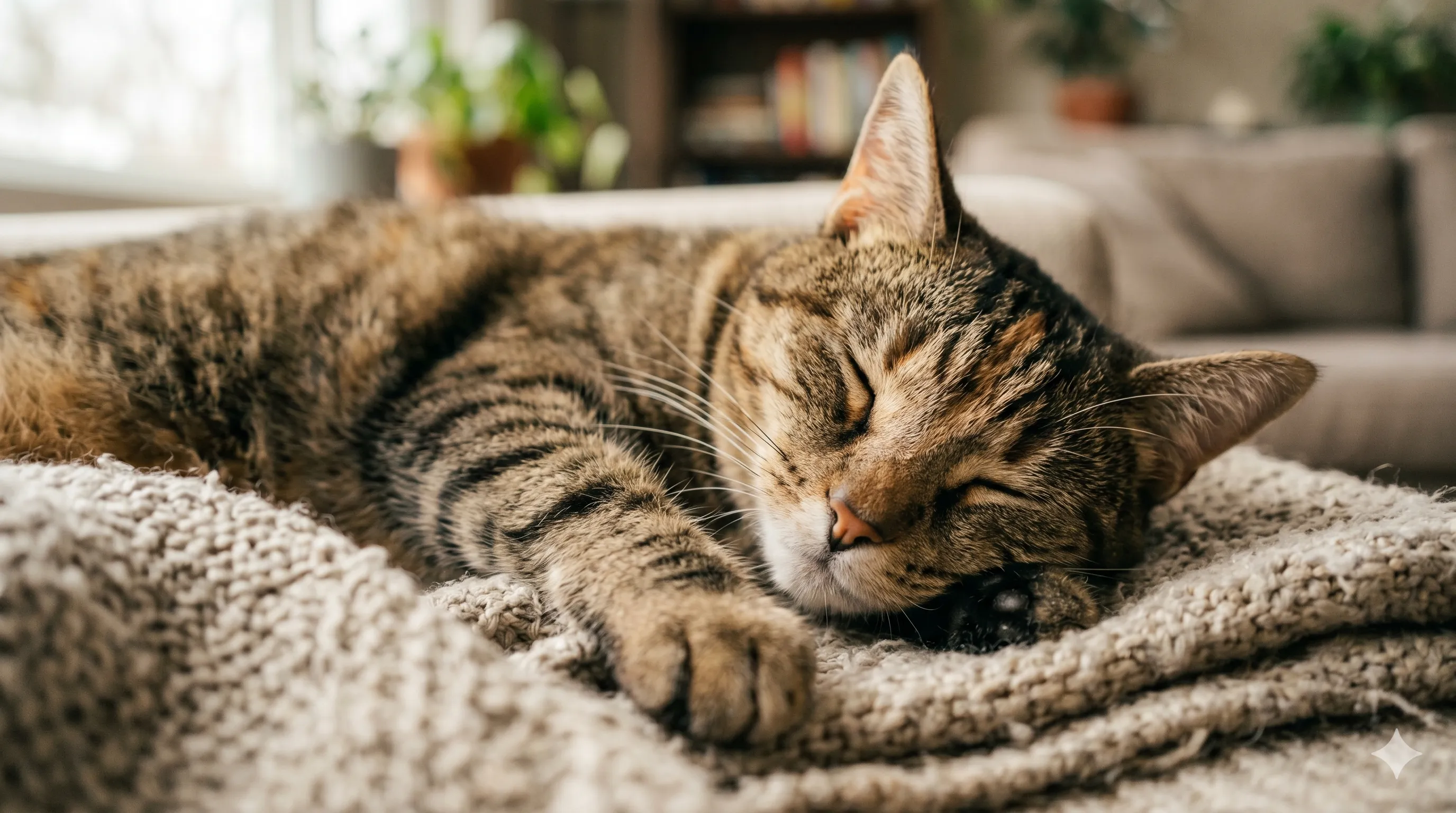
Cat Sleep Patterns Explained (Quick Overview)
| Sleep Behavior | Meaning | Normal or Concern? | Recommended Action |
|---|---|---|---|
| 12-16 hours daily | Healthy adult cat sleep | Normal | No action needed |
| 18-20 hours daily | Kitten or senior cat sleep | Usually normal | Monitor activity levels |
| Sudden increase in sleep | Possible stress or illness | Potential concern | Observe behavior closely |
| Sleeping + low energy | Lethargy | Concern | Consult veterinarian |
| Sleeping after play | Energy recovery | Normal | Healthy behavior |
Understanding context is important because not all "sleeping a lot" means the same thing in cats.
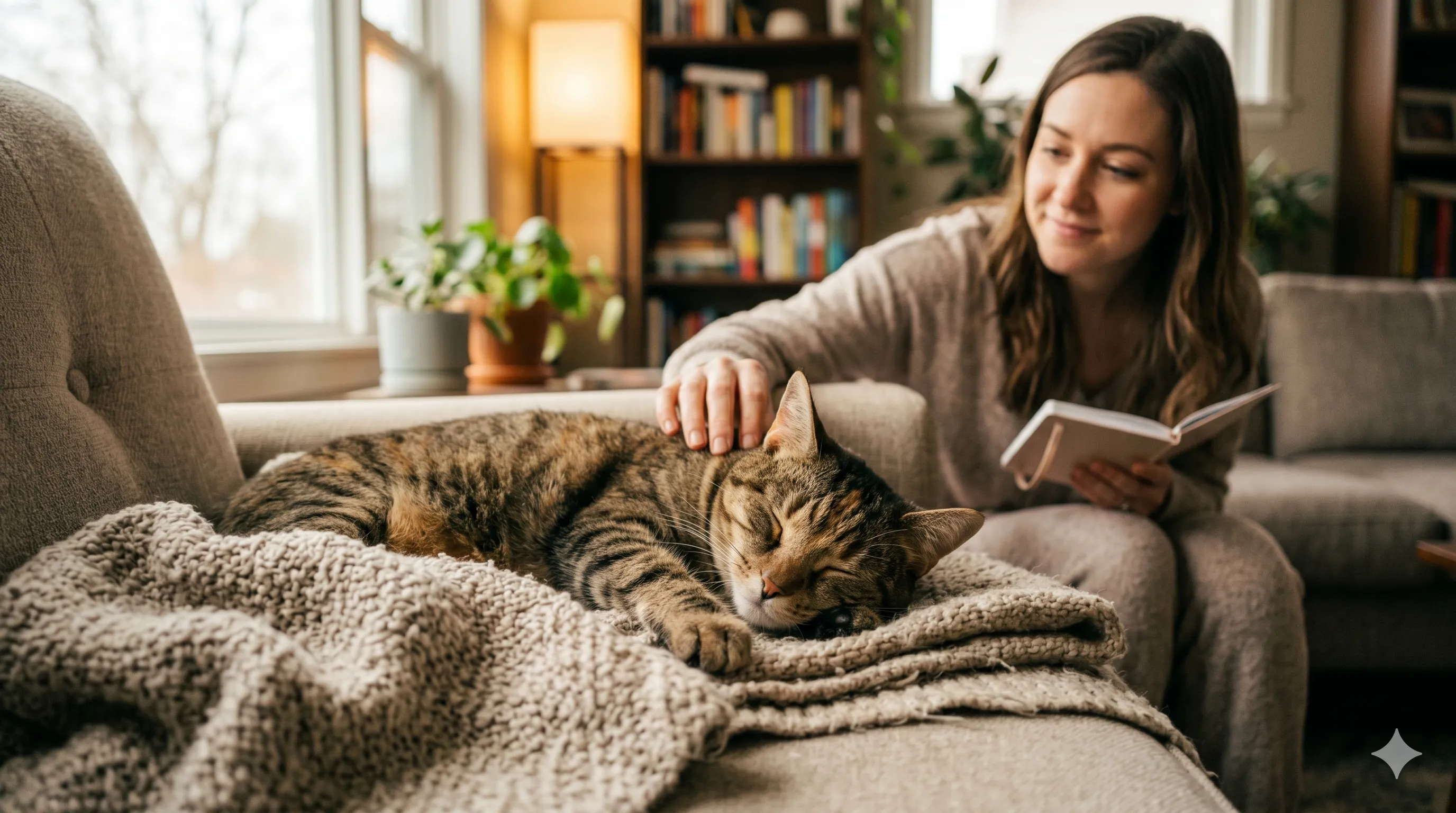
How Much Sleep Is Normal for Cats?
Most healthy adult cats sleep somewhere between 12 and 16 hours per day. Some cats naturally sleep even longer depending on personality, breed, age, environment, and activity level.
Kittens often sleep close to 20 hours daily because their bodies are rapidly developing. Senior cats also spend more time resting due to lower energy levels and slower metabolism.
Indoor cats generally sleep more than outdoor cats because they experience less stimulation and fewer physical challenges. lack of stimulation during the day often leads to both excessive sleeping and sudden nighttime zoomies in cats
What matters most is not the number alone, but how your cat behaves while awake. A healthy cat should still:
- Respond normally to interaction
- Eat and drink consistently
- Show curiosity and awareness
- Groom regularly
- Display occasional active periods
If your cat sleeps often but behaves normally while awake, it is usually not a problem.
Why Cats Naturally Sleep More Than Humans
Cats evolved as hunters that rely on explosive bursts of energy rather than constant movement throughout the day.
In the wild, hunting requires intense focus, patience, stealth, and short periods of rapid physical activity. To support this energy pattern, cats developed long resting periods between active moments.
Even though domestic cats no longer hunt for survival, their biological programming remains almost identical to their wild ancestors.
This means your indoor cat still follows many of the same natural instincts despite living comfortably inside your home.
7 Real Reasons Why Cats Sleep So Much
1. Natural Predator Instinct
Cats are biologically designed to conserve energy for hunting behavior. Their ancestors spent large portions of the day resting between short hunting periods.
Domestic cats still follow these patterns even when food is always available.
2. Crepuscular Activity Cycles
Cats are naturally most active during dawn and dusk. This is called crepuscular behavior.
Because of this schedule, cats often sleep heavily during the middle of the day and parts of the night.
cats with irregular sleep patterns may become more vocal and active during nighttime hours3. Energy Conservation
Unlike humans who maintain moderate energy throughout the day, cats alternate between deep rest and quick energy bursts.
This cycle allows them to recover efficiently after activity.
4. Age and Growth
Kittens require extra sleep because growth and development consume enormous energy.
Senior cats also sleep more due to aging muscles, slower metabolism, and reduced stamina.
5. Comfort and Safety
Cats sleep longer when they feel secure in their environment. A cat that feels emotionally safe will often nap openly and deeply.
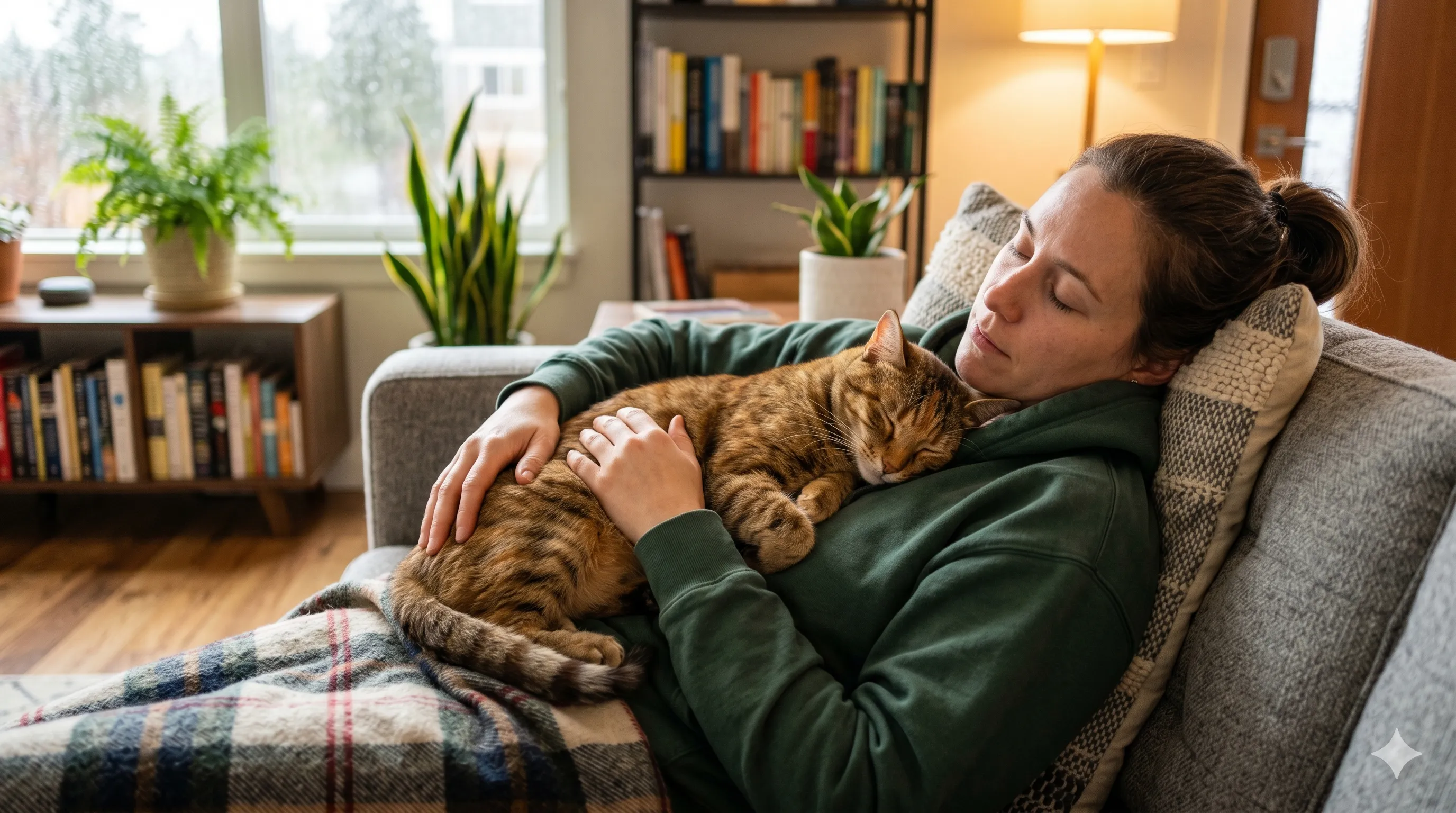
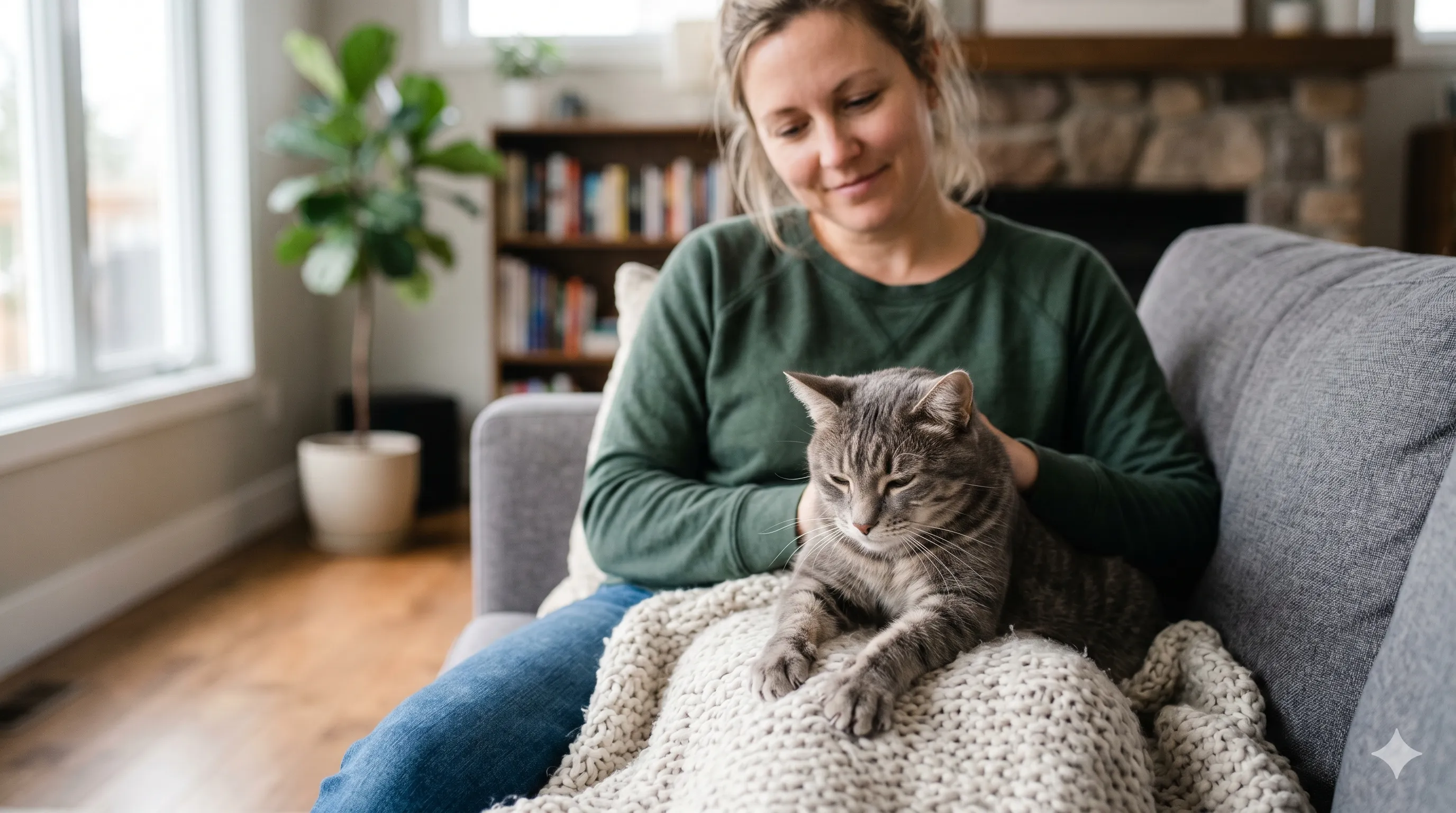
Cats that sleep close to their owners often feel highly bonded and protected. cats that sleep close to their owners usually feel emotionally safe and strongly bonded
6. Weather and Seasonal Changes
Many cats sleep more during colder weather, rainy days, or seasonal changes because lower temperatures naturally reduce activity.
7. Boredom or Lack of Stimulation
Indoor cats sometimes sleep excessively simply because there is little mental or physical stimulation available.
A lack of climbing, play, hunting-style activities, and environmental enrichment can increase inactivity dramatically.
Understanding Cat Sleep Cycles
Cat sleep is very different from human sleep.
Most feline sleep consists of light sleep rather than deep sleep. During light sleep, cats remain partially alert and can wake extremely quickly if needed.
You may notice:
- Twitching ears
- Tail movement
- Partial eye opening
- Quick reactions to sound
- Sudden alertness
Deep sleep usually lasts only a short period but is extremely important for recovery and health.
This is why cats appear to sleep constantly while still reacting instantly to noises, movement, or food.
Normal Sleep vs Problematic Lethargy
One of the biggest mistakes cat owners make is confusing healthy sleep with lethargy.
- Normal Sleep: Cat wakes normally, eats well, responds to interaction, and shows activity during awake periods
- Lethargy: Low energy even while awake, reduced movement, poor appetite, weakness, hiding, or behavioral changes
The difference is extremely important because lethargy may indicate underlying illness.
When Should You Be Concerned About Your Cat Sleeping Too Much?
While most sleeping behavior is completely harmless, certain signs should never be ignored.
- Sudden increase in sleeping time
- Low energy during awake periods
- Reduced appetite or drinking
- Weakness or difficulty moving
- Excessive hiding behavior
- Weight loss
- Lack of grooming
- Behavioral changes or confusion
If multiple symptoms appear together, it may indicate stress, illness, infection, pain, or emotional discomfort.
changes in sleep combined with appetite loss should never be ignored in catsHow Indoor Lifestyle Affects Cat Sleep
Indoor cats generally experience fewer physical and mental challenges than outdoor cats.
Without stimulation, many cats naturally drift toward longer sleeping periods simply because there is little else happening.
Indoor cats especially benefit from:
- Interactive play sessions
- Vertical climbing spaces
- Puzzle feeders
- Window perches
- Rotating toys
- Structured daily routines
Providing stimulation helps maintain healthier activity cycles and prevents boredom-related inactivity.
How to Keep Your Cat Active and Mentally Stimulated
1. Schedule Daily Interactive Play
Short hunting-style play sessions help mimic natural feline instincts and reduce boredom.
2. Create Vertical Spaces
Cat trees, shelves, and climbing areas encourage movement and exploration.
3. Rotate Toys Frequently
Cats lose interest in static environments. Rotating toys keeps stimulation fresh.
4. Use Puzzle Feeders
Food puzzles encourage mental activity and natural foraging behavior.
5. Maintain Consistent Routines
Predictable feeding and activity schedules support emotional stability and balanced sleep cycles.
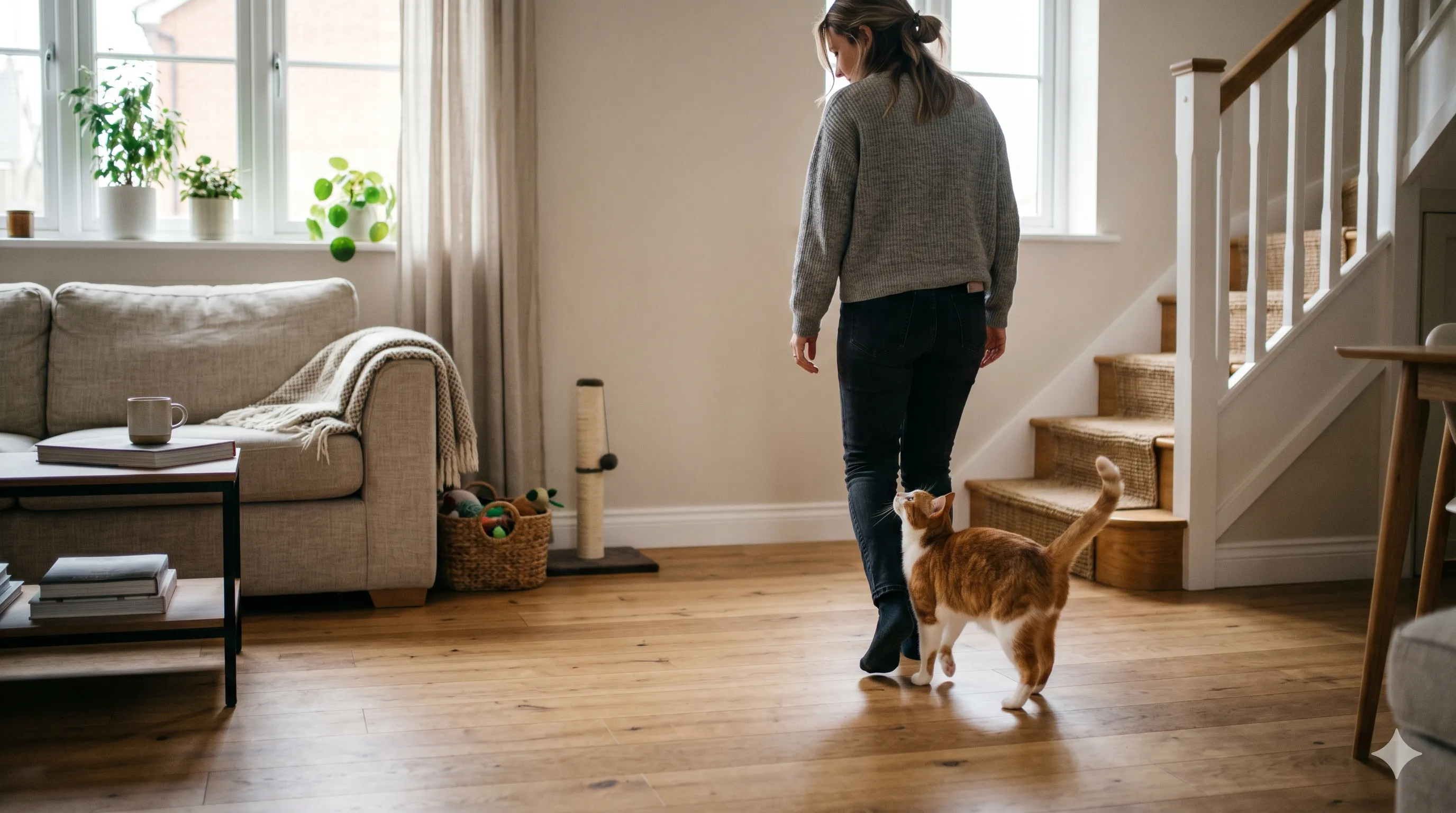
cats that follow their owners constantly often feel safest resting near familiar people6. Encourage Window Observation
Watching birds, movement, and outdoor activity provides important mental stimulation.
7. Monitor Behavioral Changes Early
Tracking your cat's normal habits helps you identify unusual sleep changes quickly.
Common Mistakes Cat Owners Make
- Assuming all excessive sleep is normal
- Ignoring sudden behavioral changes
- Not providing enough stimulation
- Overlooking stress-related behaviors
- Failing to notice appetite changes
- Confusing lethargy with relaxation
Early observation is one of the best ways to catch health problems before they become serious.
Real-Life Example
A cat owner noticed their indoor cat sleeping nearly all day and showing less interest in playtime.
Initially, they assumed it was simply normal cat behavior. However, after a few weeks, the cat also began eating less and hiding more frequently.
A veterinary checkup revealed an early health issue that was treated successfully because the owner recognized the behavioral change early.
This example highlights why context matters more than sleep duration alone.
Final Thoughts
Understanding why do cats sleep so much helps you separate completely normal feline behavior from signs that may require attention.
In most cases, cats simply sleep more because their biology, instincts, and energy cycles are fundamentally different from humans.
Healthy sleep is normal. Sudden changes, lethargy, and behavioral shifts are what deserve closer attention.
By providing stimulation, maintaining routine, and observing your cat carefully, you can support both healthy sleep and long-term wellbeing.
Medical Disclaimer
This content is provided for informational and educational purposes only and should not be considered veterinary, medical, behavioral, or training advice. While we strive for accuracy, we make no guarantees regarding completeness or results. Always consult a licensed veterinarian or qualified pet care professional before making decisions about your pet’s health, diet, or behavior.
AI Illustration Notice
Some images in this article may have been generated or enhanced using artificial intelligence for illustrative purposes.
Frequently Asked Questions
Most healthy adult cats sleep between 12 and 16 hours daily, while kittens and senior cats may sleep even longer.
Yes, cats naturally sleep for long periods as part of their biological energy conservation cycle.
Indoor cats usually experience less stimulation and physical activity, which often increases sleeping time.
You should be concerned if excessive sleep is combined with lethargy, appetite loss, hiding, weakness, or behavioral changes.
Yes, kittens need significantly more sleep because their bodies and brains are developing rapidly.
Yes, low stimulation and boredom can lead to excessive sleeping in indoor cats.
Cats often sleep near owners because they feel emotionally secure, safe, and comfortable around familiar people.
Daily play sessions, climbing spaces, puzzle feeders, and interactive toys help improve feline activity levels.
Editorial Note
This article is part of PetNurture's educational library.
Topics are researched using publicly available educational resources, recognised veterinary organisations, academic publications and established animal welfare references where appropriate.
Every article is reviewed by the PetNurture editorial team for clarity, structure, readability and consistency before publication.
References
The information in this article has been reviewed and supported using the following sources.
VCA Animal Hospitals
Is Your Pet Sleeping Too Much?
Covers the distinction between normal feline sleep and concerning lethargy, including appetite and activity changes to watch for; supports the 'Normal Sleep vs Problematic Lethargy' and 'When Should You Be Concerned' sections of this article.
Accessed Aug 6, 2026
VCA Animal Hospitals
Cat Behavior Problems - Nocturnal Activity
Confirms cats are naturally most active at dawn and dusk (crepuscular behavior) and recommends daytime/evening play to align activity with household schedules; supports the 'Crepuscular Activity Cycles' section of this article.
Accessed Aug 6, 2026
Pet Emergency Guidance
Every pet is unique. If your pet exhibits severe symptoms, sudden behavioral changes, or a medical emergency, do not rely on online guides — contact a licensed veterinarian or emergency clinic immediately.
About PetNurture
PetNurture is an educational library of pet care guides, interactive tools and practical resources for pet parents. We work continuously to keep our content accurate and up to date. Reader feedback helps us maintain content quality.
Related Articles
Popular Cat Guides
Cat
Cat Feeding Calculator
Calculate how much food your cat needs daily based on weight, age, and activity level.