How to Train a Cat to Use the Litter Box (Complete Guide for Stress-Free & Reliable Training)
- How to Train a Cat to Use the Litter Box (Quick Answer)
- Litter Box Training Quick Guide
- Why Cats Naturally Use Litter Boxes
- Choosing the Right Litter Box
- 1. Pick the Correct Size
- 2. Covered vs Open Litter Boxes
- 3. Avoid Automatic Boxes Initially
- Best Litter Type for Training
- Where to Place the Litter Box
- Step-by-Step: How to Train a Cat to Use the Litter Box
- 1. Introduce the Box Immediately
- 2. Guide After Meals and Naps
- 3. Reward Correct Behavior
- 4. Keep the Box Extremely Clean
- 5. Maintain Routine and Stability
- Common Reasons Cats Avoid the Litter Box
- Dirty Litter Box
- Stress or Anxiety
- Medical Problems
- Wrong Litter Type
- Poor Placement
- Signs Your Cat May Be Stressed About the Litter Box
- How to Fix Litter Box Problems
- 1. Deep Clean Accident Areas
- 2. Add More Litter Boxes
- 3. Reduce Environmental Stress
- 4. Keep Other Pets Away
- 5. Watch for Health Changes
- Common Litter Training Mistakes
- Indoor Cats vs Outdoor Cats
- Real-Life Example
- Final Thoughts
Note: This article is for informational purposes only and does not replace professional veterinary advice.
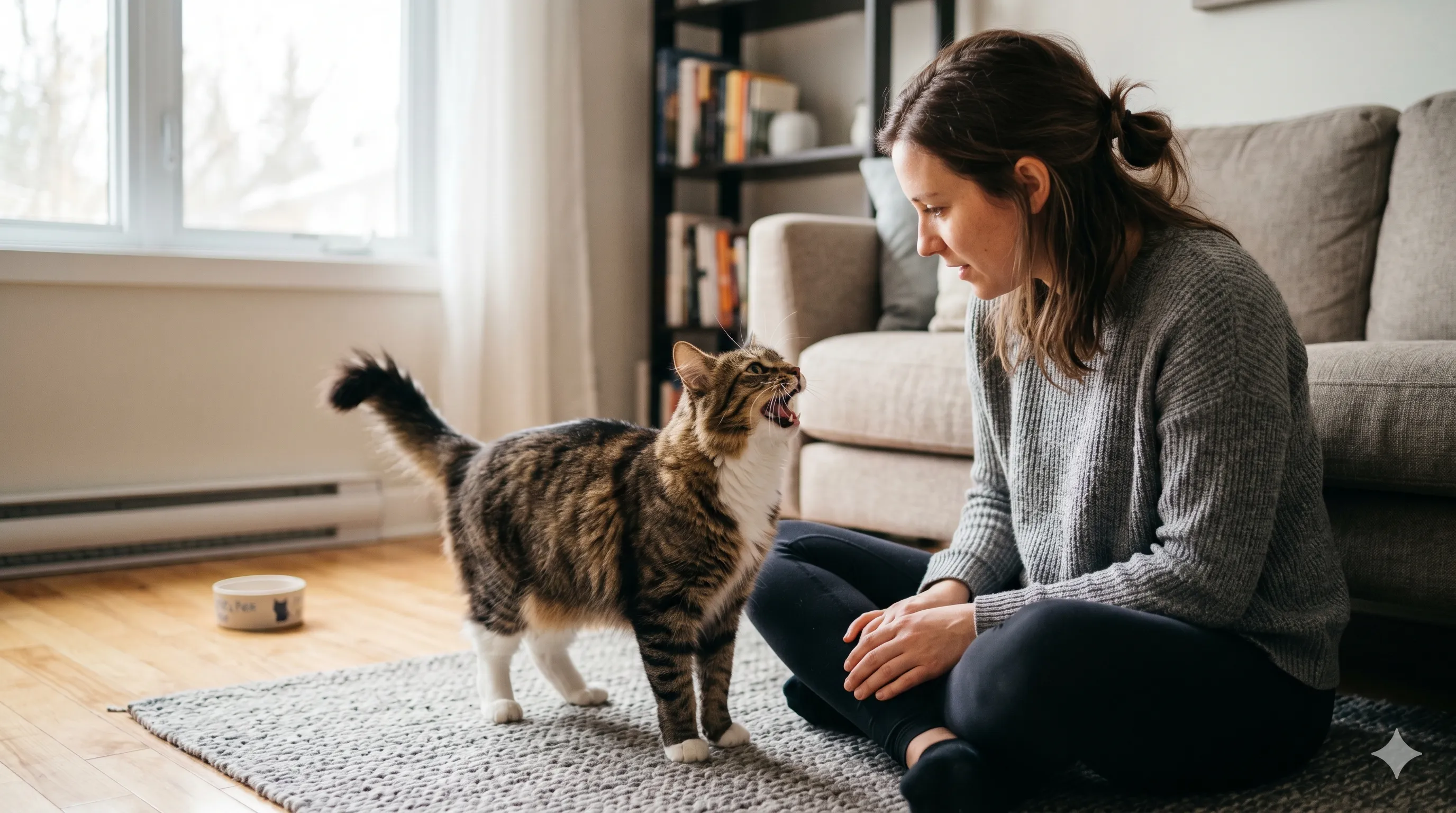
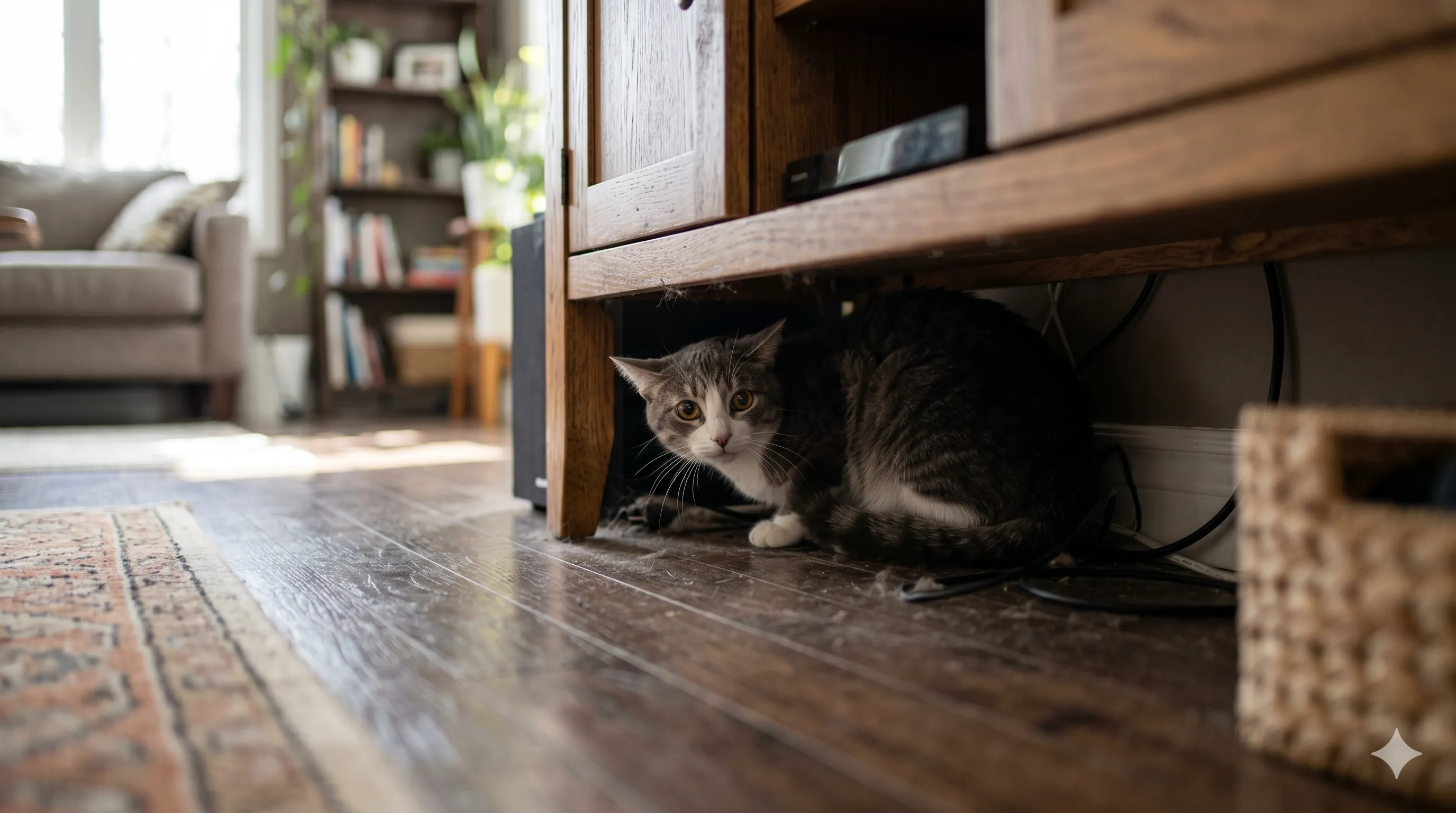
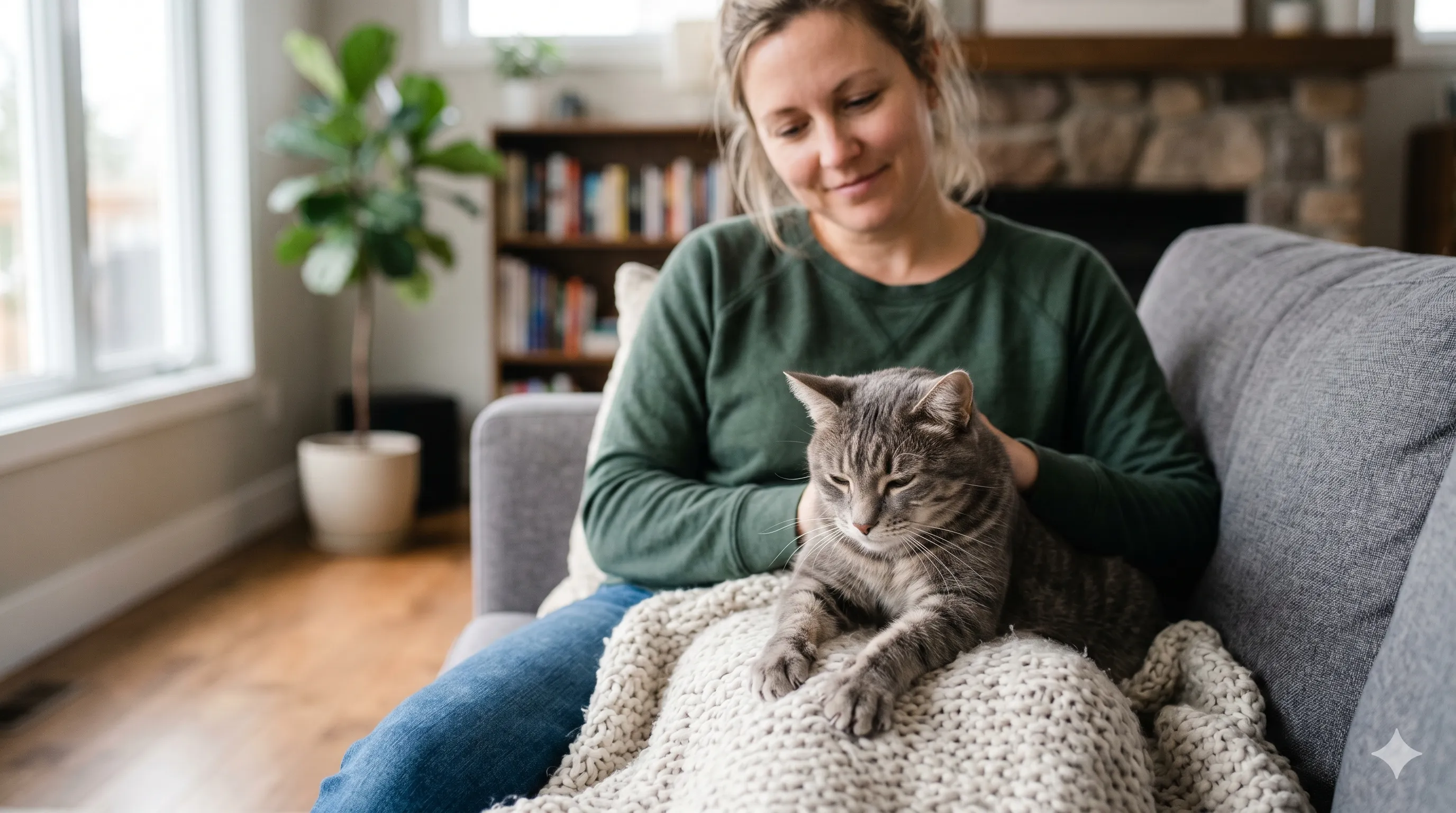
Bringing a new cat or kitten home is exciting, but one of the first challenges many owners face is teaching proper bathroom habits. If you're searching for how to train a cat to use litter box, the good news is that cats are naturally clean animals and most can learn quickly with the right environment and routine. stressed or anxious cats often hide when they no longer feel comfortable using the litter box
Unlike dogs, cats already have a strong instinct to bury waste. However, litter box training can still fail when important details are overlooked. The wrong litter type, poor placement, strong smells, stress, or inconsistent cleaning can all cause confusion and accidents around the house.
Many owners assume cats avoid the litter box out of stubbornness, but that's rarely true. In most cases, there is an environmental, emotional, or medical reason behind the behavior.
This complete guide explains exactly how to litter train a cat successfully, how to prevent common mistakes, and what to do if your cat suddenly stops using the box.
How to Train a Cat to Use the Litter Box (Quick Answer)
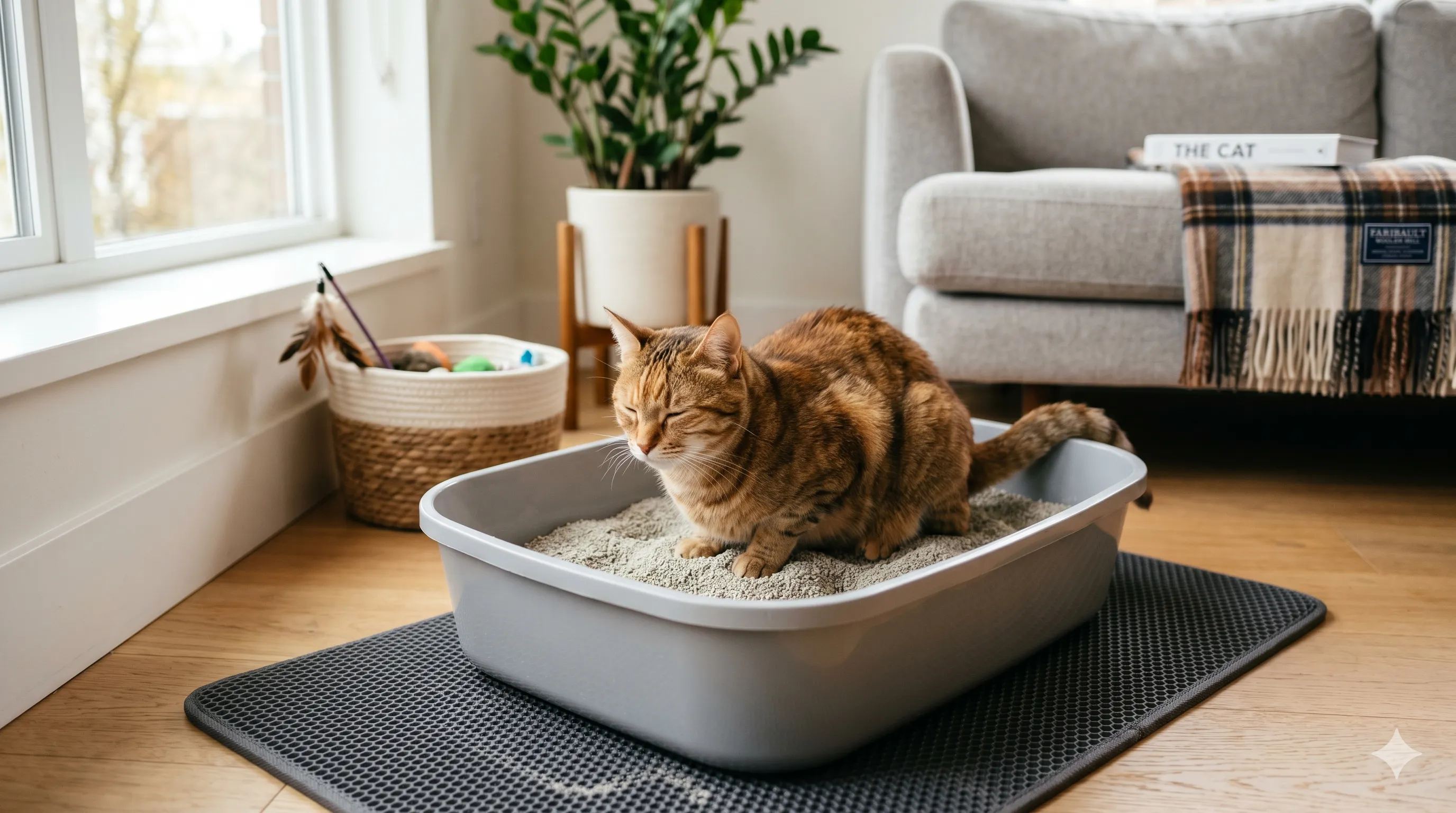
To train a cat to use the litter box, choose the right litter and box size, place it in a quiet location, keep it consistently clean, and gently guide your cat after meals or naps. Positive reinforcement, low stress, and routine are the keys to successful long-term litter training.
Litter Box Training Quick Guide
| Factor | Why It Matters | Common Mistake | Best Solution |
|---|---|---|---|
| Litter box location | Creates safety and comfort | Noisy area | Quiet low-traffic spot |
| Cleanliness | Encourages regular use | Dirty litter buildup | Scoop daily |
| Litter type | Affects comfort | Strong scented litter | Unscented soft litter |
| Routine | Builds habit consistency | Changing setup often | Keep environment stable |
| Stress level | Impacts bathroom behavior | Forcing interaction | Create calm environment |
Why Cats Naturally Use Litter Boxes
One reason litter training is easier for cats than many other pets is because felines already have natural bathroom instincts. In the wild, cats bury their waste to stay hidden from predators and avoid attracting threats.
Domestic cats retain these same instincts even when living indoors. This means the litter box already feels familiar if the setup is comfortable and stress-free.
However, modern indoor environments sometimes work against those instincts. Loud appliances, dirty litter, poor placement, or uncomfortable textures can make cats avoid the box entirely.
Understanding the psychology behind litter habits helps you solve problems faster instead of simply reacting to accidents.
Choosing the Right Litter Box
1. Pick the Correct Size
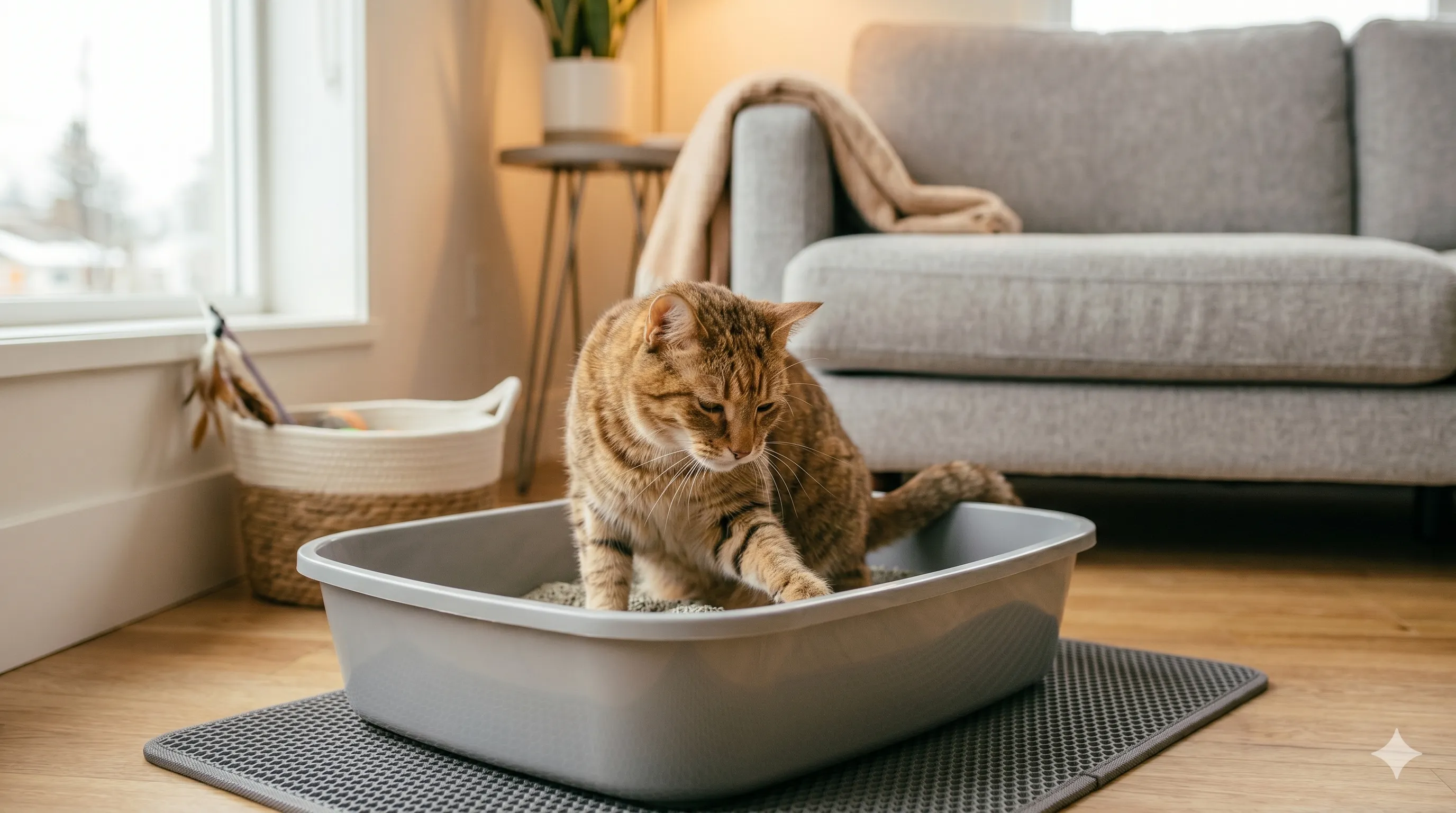
Your cat should be able to turn around comfortably inside the box. Small litter boxes are one of the most overlooked reasons cats stop using them.
For kittens, lower-entry boxes work best because they are easier to access. Adult cats generally prefer larger open boxes with enough room to move naturally.
2. Covered vs Open Litter Boxes
Some cats enjoy the privacy of covered boxes, while others feel trapped inside them. Open boxes usually work better for initial training because they feel safer and less restrictive.
If your cat suddenly avoids a covered box, switching to an open style may solve the issue immediately.
3. Avoid Automatic Boxes Initially
Automatic self-cleaning litter boxes may seem convenient, but the sound and movement can scare kittens or anxious cats during training.
It's usually better to start simple and introduce advanced options later if needed.
Best Litter Type for Training
The litter itself matters more than many people realize.
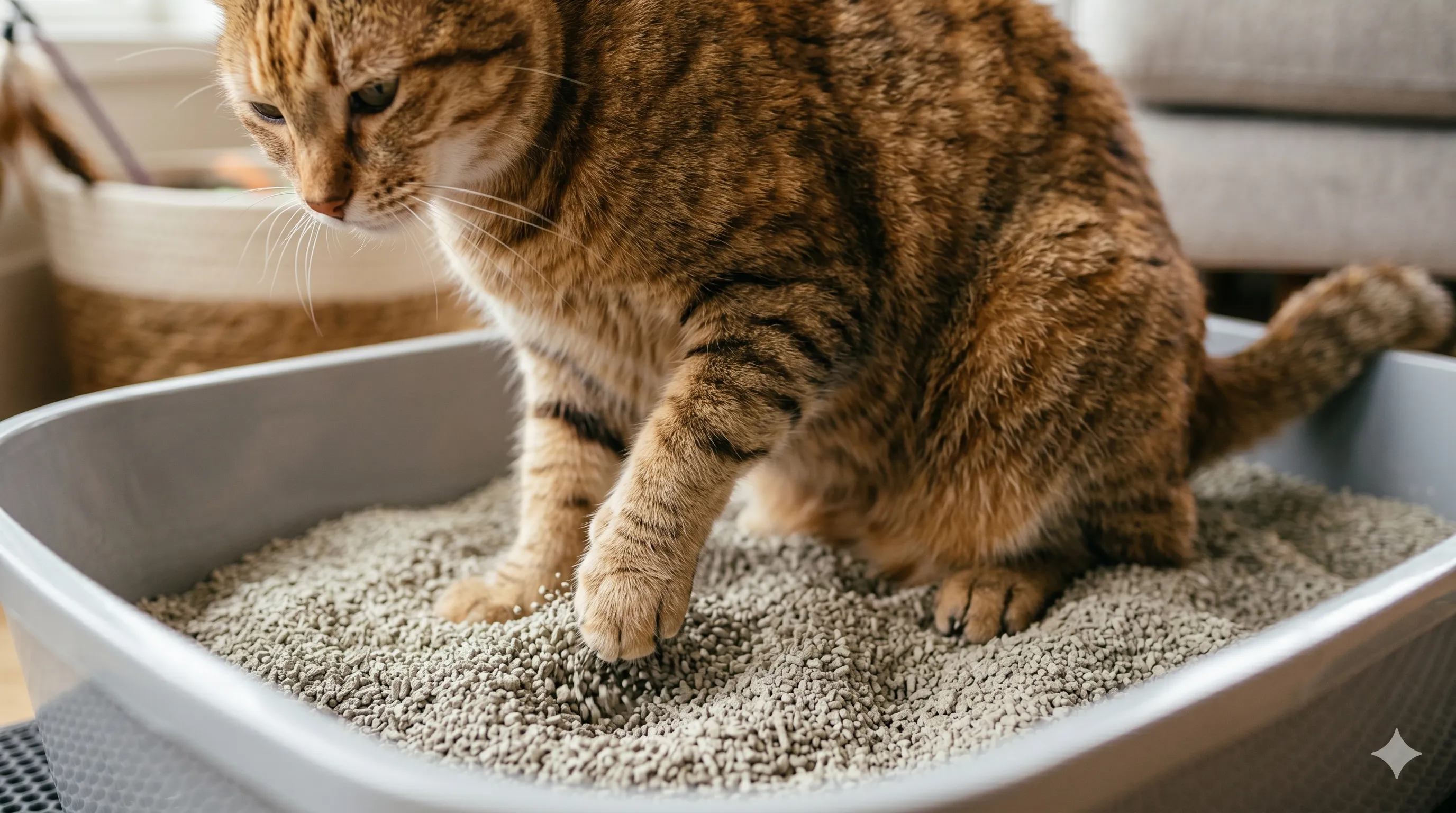
Most cats prefer soft, unscented clumping litter because it feels natural under their paws. Strong fragrances may smell pleasant to humans but can overwhelm sensitive feline noses.
Cats are extremely texture-sensitive animals. If they dislike the feeling of a litter type, they may avoid the box completely.
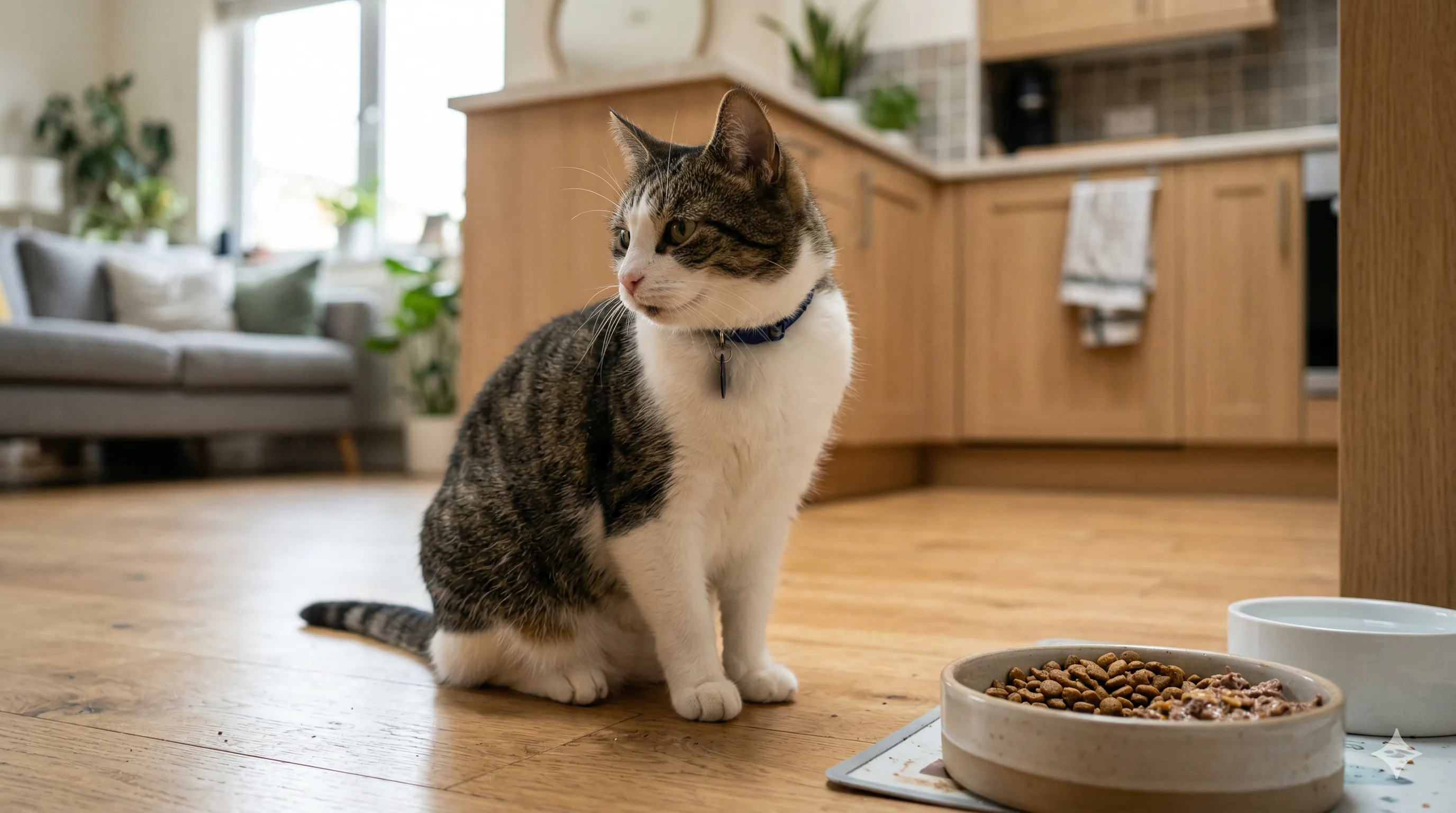
When introducing a new cat, avoid switching litter types too often. Consistency builds trust and habit stability. sudden litter box avoidance combined with appetite changes may sometimes indicate an underlying health issue
Where to Place the Litter Box
Location is one of the biggest factors in successful litter training.
Cats want privacy, safety, and easy access. A litter box placed near loud washing machines, crowded hallways, or busy family areas can create stress and avoidance behavior.
Ideal litter box locations include:
- Quiet corners
- Low-traffic rooms
- Easy-to-access areas
- Places away from food and water bowls
If you have multiple floors in your home, placing a litter box on each level can prevent accidents and improve consistency.
Step-by-Step: How to Train a Cat to Use the Litter Box
1. Introduce the Box Immediately
As soon as your cat arrives home, gently place them near the litter box and allow them to explore naturally.
Do not force them inside repeatedly, as this can create negative associations.
2. Guide After Meals and Naps
Kittens especially are more likely to use the bathroom after eating or waking up. Place them near the litter box during these times to encourage routine development.
3. Reward Correct Behavior
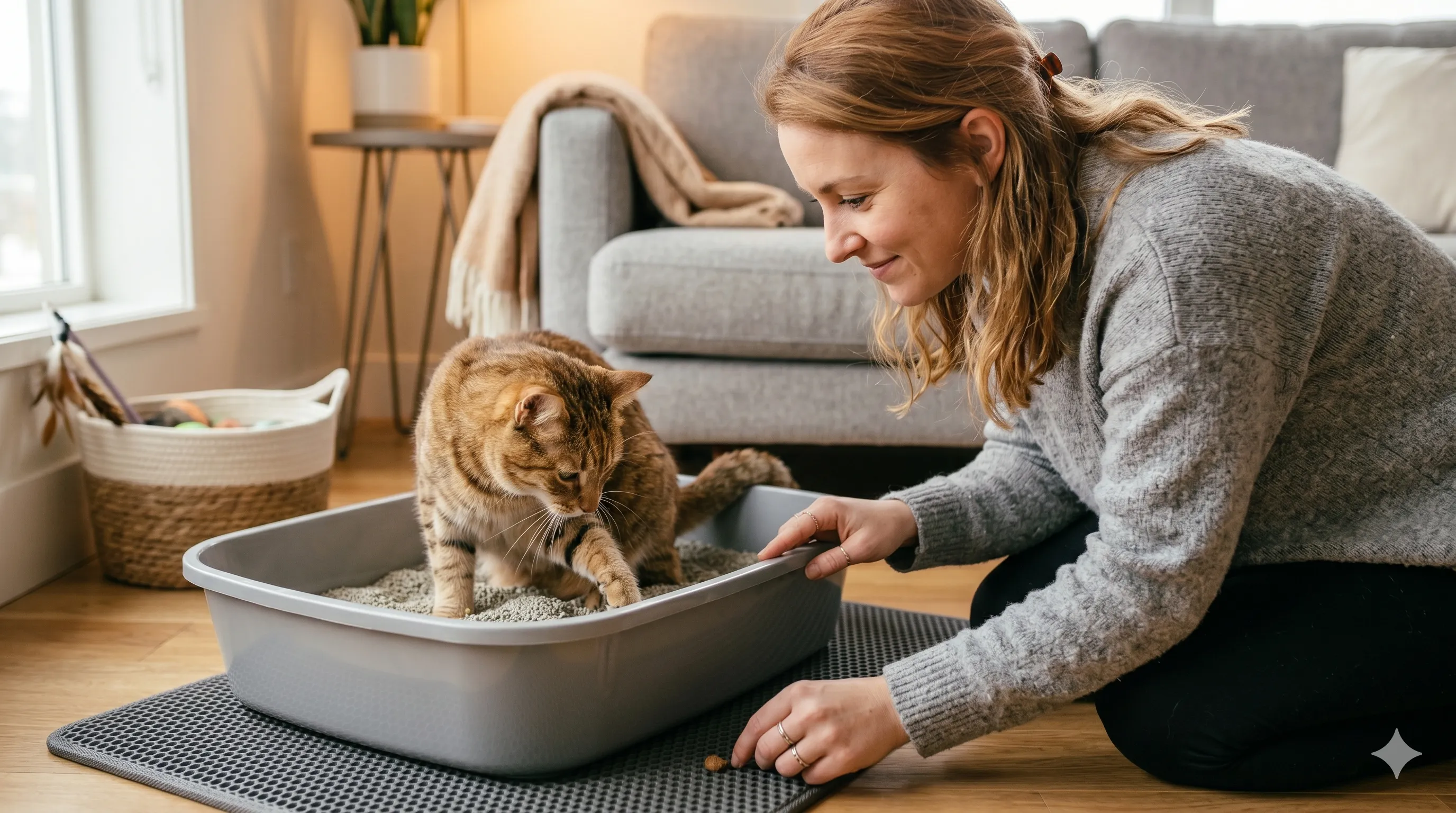
Positive reinforcement works extremely well with cats. Calm praise, treats, or gentle affection help reinforce successful litter box use.
Never punish accidents. Punishment increases fear and often makes the problem worse.
4. Keep the Box Extremely Clean
Cats often refuse dirty litter boxes. Scoop waste daily and fully clean the box regularly to maintain comfort and hygiene.
Many litter box issues disappear once cleanliness improves.
5. Maintain Routine and Stability
Cats thrive on predictability. Moving the litter box frequently or constantly changing litter types can interrupt habit formation and create confusion.
Common Reasons Cats Avoid the Litter Box
Dirty Litter Box
This is the most common reason. Cats dislike strong odors and unsanitary conditions.
Stress or Anxiety
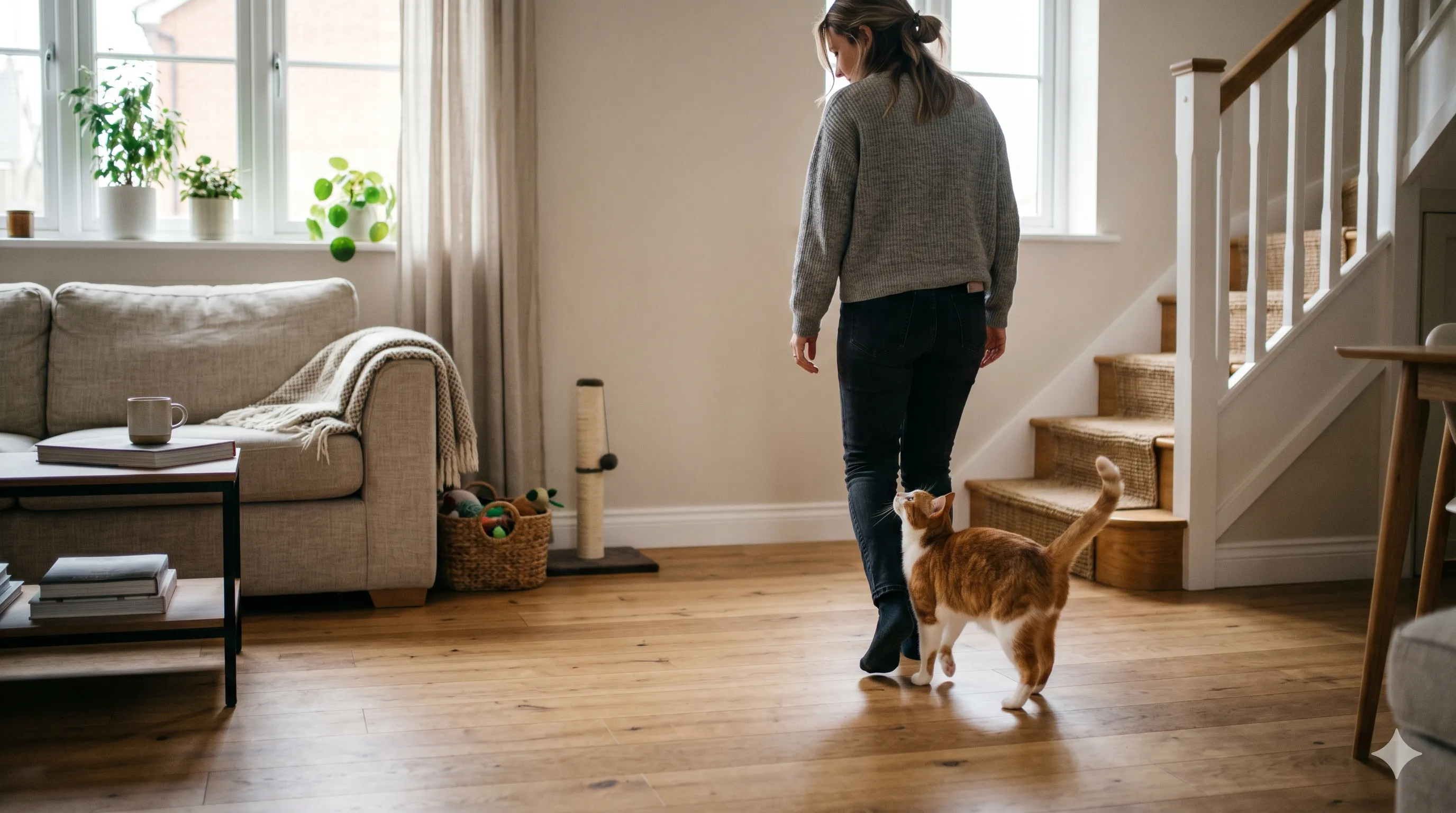
Environmental changes, guests, loud noises, or new pets can make cats feel unsafe. nighttime vocalization can sometimes increase when cats feel stressed or uncomfortable with their bathroom setup
Medical Problems
Urinary tract infections, digestive problems, or pain can suddenly change litter box behavior.
Wrong Litter Type
Texture or scent aversion can cause immediate rejection.
Poor Placement
If the litter box feels unsafe or inaccessible, cats may choose another location.
Signs Your Cat May Be Stressed About the Litter Box
- Scratching around the box excessively
- Entering but not using the box
- Frequent accidents in the same location
- Sudden hiding behavior
- Vocalizing near the litter area
- Avoiding certain rooms completely
Behavioral changes like these often point to emotional discomfort rather than disobedience.
How to Fix Litter Box Problems
1. Deep Clean Accident Areas
Use enzyme cleaners to fully remove odors. Cats often return to places that still smell like urine.
2. Add More Litter Boxes
The general recommendation is one litter box per cat plus one extra.
3. Reduce Environmental Stress
Calm, stable environments improve bathroom consistency dramatically. cats experiencing environmental stress may redirect frustration into scratching furniture or nearby surfaces
4. Keep Other Pets Away
Dogs or aggressive cats near the litter box can make nervous cats avoid using it.
5. Watch for Health Changes
If your cat suddenly stops using the litter box after previously doing well, consult a veterinarian.
Common Litter Training Mistakes
- Punishing accidents
- Using heavily scented litter
- Placing the box near loud appliances
- Cleaning too infrequently
- Changing litter types constantly
- Using boxes that are too small
- Moving the box repeatedly
Most litter problems are caused by environment and routine not by the cat intentionally misbehaving.
Indoor Cats vs Outdoor Cats
Indoor cats usually adapt to litter training quickly because they rely entirely on indoor bathroom routines.
Outdoor cats transitioning indoors may require more patience because they are used to different textures and spaces.
For these cats, gradually mixing outdoor soil textures with litter can sometimes help ease the transition.
Real-Life Example
A kitten owner struggled with repeated accidents despite trying multiple cleaning products. After reviewing the setup carefully, they realized the litter box was located beside a noisy dryer.
The kitten was simply too nervous to use it comfortably.
After moving the box to a quiet bedroom corner and switching to unscented litter, the accidents stopped within a few days.
This example shows how small environmental adjustments often solve litter box issues faster than punishment or frustration.
Final Thoughts
Learning how to train a cat to use litter box is less about strict training and more about creating the right environment.
Cats naturally want cleanliness, safety, and consistency. When those needs are met, reliable litter box habits usually develop very quickly.
By focusing on comfort, routine, stress reduction, and proper setup, you can prevent accidents and build long-term healthy habits for your cat.
The goal is not just successful litter training but creating an environment where your cat feels secure, relaxed, and confident every day.
Medical Disclaimer
This content is provided for informational and educational purposes only and should not be considered veterinary, medical, behavioral, or training advice. While we strive for accuracy, we make no guarantees regarding completeness or results. Always consult a licensed veterinarian or qualified pet care professional before making decisions about your pet’s health, diet, or behavior.
AI Illustration Notice
Some images in this article may have been generated or enhanced using artificial intelligence for illustrative purposes.
Frequently Asked Questions
Most cats learn litter box habits within a few days to a couple of weeks depending on age and environment.
Sudden litter box avoidance is often caused by stress, dirty litter, poor placement, or medical issues.
No, punishment creates fear and usually makes litter box problems worse.
Unscented soft-texture clumping litter is preferred by most cats during training.
Experts generally recommend one litter box per cat plus one extra.
Scratching around the litter box is often linked to instinctive burying behavior or discomfort with the setup.
Yes, environmental stress and sudden routine changes can strongly affect litter box behavior.
The best litter box location is a quiet, low-traffic, easily accessible area away from food and loud appliances.
Editorial Note
This article is part of PetNurture's educational library.
Topics are researched using publicly available educational resources, recognised veterinary organisations, academic publications and established animal welfare references where appropriate.
Every article is reviewed by the PetNurture editorial team for clarity, structure, readability and consistency before publication.
References
The information in this article has been reviewed and supported using the following sources.
Cornell Feline Health Center
Choosing and Caring for Your New Cat
Cornell Feline Health Center recommends providing as many litter boxes as you have cats, plus one additional box, commonly known as the n+1 rule.
Accessed Aug 6, 2026
Pet Emergency Guidance
Every pet is unique. If your pet exhibits severe symptoms, sudden behavioral changes, or a medical emergency, do not rely on online guides — contact a licensed veterinarian or emergency clinic immediately.
About PetNurture
PetNurture is an educational library of pet care guides, interactive tools and practical resources for pet parents. We work continuously to keep our content accurate and up to date. Reader feedback helps us maintain content quality.
Related Articles
Popular Cat Guides
Cat
Cat Feeding Calculator
Calculate how much food your cat needs daily based on weight, age, and activity level.