How to Introduce a New Cat to Your Home: Step-by-Step Guide + Timeline
Bringing a new cat into your home can be exciting, but it can also create stress for both your new pet and any existing…
Answer 8 questions about your lifestyle, home, and preferences, and we'll match you with your top cat breed recommendations from our database of 20 popular breeds.
1 of 8
Some active cat breeds thrive in larger homes, while calm breeds are perfect for cozy spaces.
Some highly active or unique hairless breeds benefit from experienced care.
Do you want a relaxed lap napper or an active, playful companion?
Long-haired coats require frequent brushing to prevent painful mats.
Matches breeds based on patience, sociability, and noise tolerance.
Some breeds are exceptionally friendly with dogs or other cats.
Do you want a cuddle bug or an independent explorer?
Small, standard, or large breeds?
The best cat breed for you depends on matching a breed's typical traits — activity level, grooming needs, sociability, family- and pet-friendliness — to your living space, experience, and household, not just appearance. This 8-question quiz scores dozens of breeds against your answers and shows your closest matches.
Answer questions about your living space, activity level, experience, household, and preferences, and the quiz scores each breed in its database against your answers.
Rabbits, dogs, and cats all have different space needs. For apartments, look for quiet, lower-energy cats. Breeds like the Persian, British Shorthair, and Ragdoll are perfectly content with compact spaces. Active breeds like Bengals and Abyssinians need vertical vertical space and tall cat trees to prevent boredom.
Beginner cat owners should look for easygoing, resilient temperaments. The American Shorthair and Burmese are famous for being forgiving and easy to train. Experienced cat owners are better suited for demanding vocal breeds like the Siamese or hairless Sphynx, which need regular bathing.
Affectionate lap cats like Ragdolls and Tonkinese will bond deeply and want to sit on your lap constantly. If you work long hours, independent breeds like British Shorthairs or Russian Blues are happy to have their own space during the day without experiencing separation anxiety.
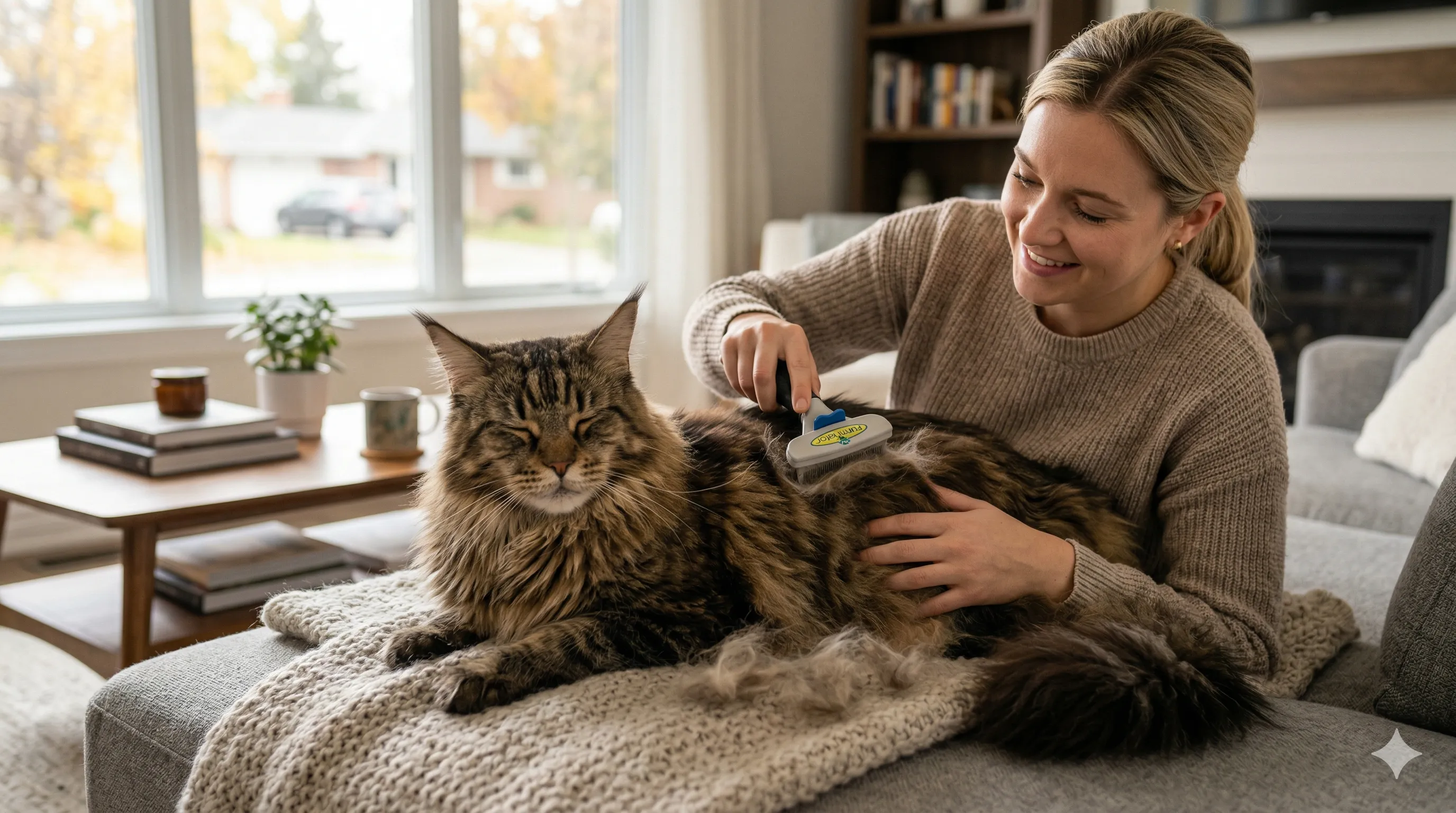
Long-haired cats (Persian, Maine Coon, Norwegian Forest Cat) require daily brushing to prevent painful matting and reduce hairballs. If you don't have 10-15 minutes a day for grooming, choose a shorthaired breed like the Burmese or Russian Blue.
Prospective cat owners often debate choosing a purebred cat from a breeder versus adopting a mixed-breed cat (Domestic Shorthair or Longhair) from a shelter. Both have unique benefits:
Regardless of your choice, early socialization, proper nutrition, and regular vet checkups are the foundations of raising a healthy, happy companion.
Each breed is scored on a weighted point system across 8 lifestyle factors. Factors judged to matter most for day-to-day compatibility — living space and activity level — carry more weight than lower-impact factors.
This is a lifestyle-compatibility score based on typical breed traits, not a temperament test of an individual cat, and not a guarantee of how any specific cat will behave.
This tool provides an estimate, not a diagnosis. Keep these limitations in mind when reading your result:
How a match score is calculated for an apartment dweller with a moderately active lifestyle.
General public resources referenced while researching this tool's topic.
This tool is part of PetNurture's educational library. Its formulas and guidance are researched using publicly available educational resources, recognised veterinary organisations, and established animal welfare references where appropriate — see the References section below for the specific sources used on this page.
It is reviewed by the PetNurture editorial team for clarity and accuracy, but it is not a substitute for advice, diagnosis, or treatment from a qualified veterinarian. Content reviewed: August 2026.
The information provided by this tool is for general educational and informational purposes only. Results are estimates, not a diagnosis, and may vary based on your pet's breed, age, health conditions, activity level, diet, and individual factors.
PetNurture does not provide veterinary, medical, or emergency care advice. Always consult a licensed veterinarian or qualified pet care professional regarding your pet's specific health, nutrition, or medical needs.
While we strive to keep calculations accurate and up to date, PetNurture makes no guarantees regarding completeness, reliability, or accuracy. Use this tool at your own discretion.
How we calculate results: This tool uses commonly referenced veterinary formulas, feeding guidelines, and breed-size estimates to provide general educational guidance. Individual pets may have different nutritional, behavioral, or medical needs that are not captured by any generalized formula.

Join our newsletter for simple care guides, feeding charts, and trusted product recommendations.