Why Does My Cat Follow Me Everywhere? Real Reasons Behind Clingy Cat Behavior & Emotional Attachment

- Why Does My Cat Follow Me Everywhere? (Quick Answer)
- Is It Normal for Cats to Follow Their Owners?
- What Your Cat's Following Behavior Usually Means
- Real Reasons Why Cats Follow Their Owners Everywhere
- 1. Your Cat Feels Emotionally Safe Around You
- 2. Cats Are Extremely Curious Animals
- 3. Your Cat Has Learned Your Daily Routine
- 4. Attention-Seeking Behavior
- 5. Indoor Cats Often Become Bored
- 6. Stress or Environmental Changes
- 7. Some Cat Breeds Naturally Stay Closer to Humans
- Common Situations Explained
- Why Does My Cat Follow Me to the Bathroom?
- Why Does My Cat Follow Me at Night?
- Why Does My Cat Follow Only Me?
- When Should You Be Concerned?
- How to Reduce Excessive Clingy Behavior
- Increase Independent Enrichment
- Schedule Daily Playtime
- Don't Reinforce Constant Demands
- Maintain Predictable Routines
- Common Mistakes Cat Owners Make
- Real-Life Example
- Final Thoughts
Note: This article is for informational purposes only and does not replace professional veterinary advice.
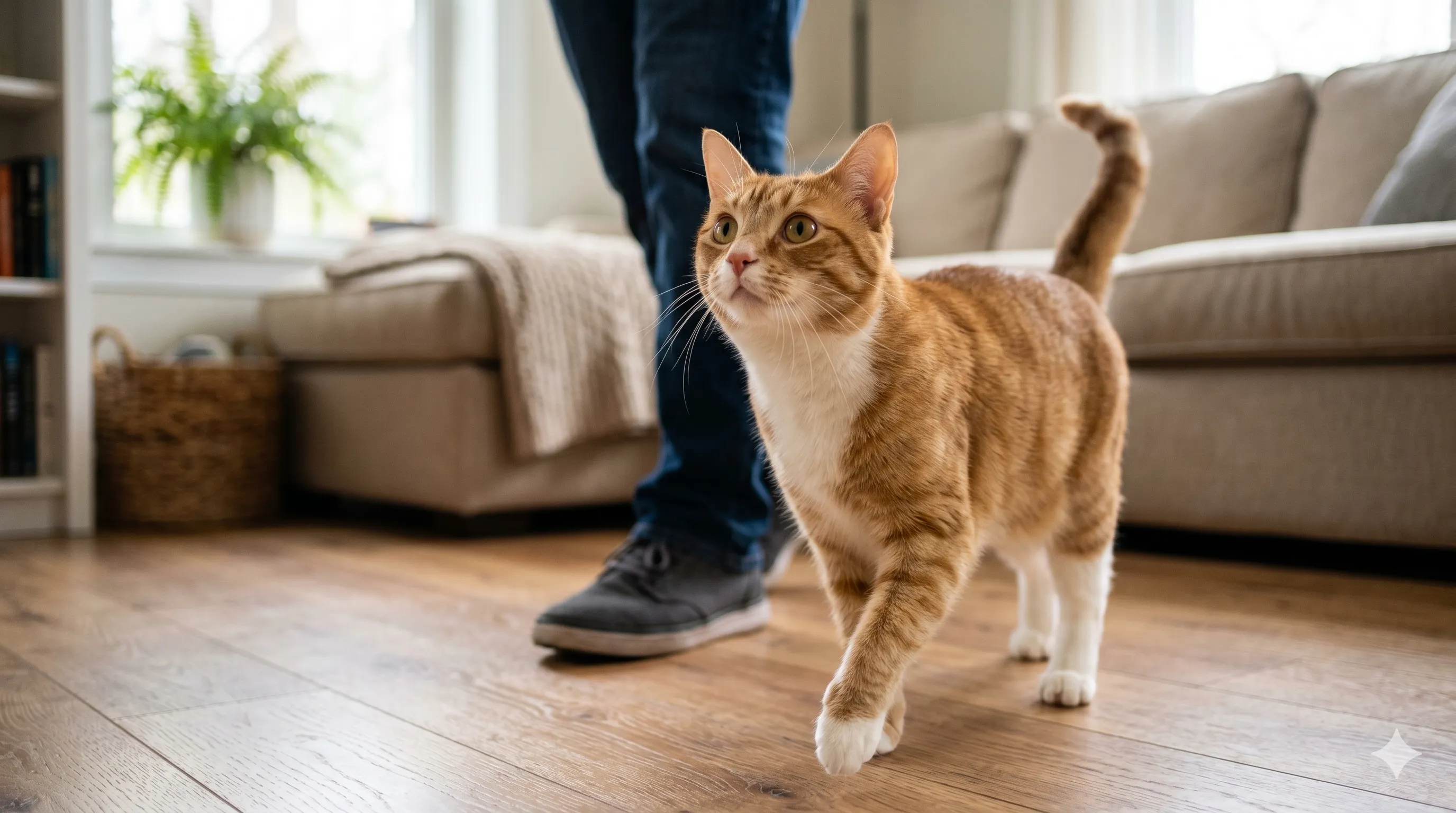
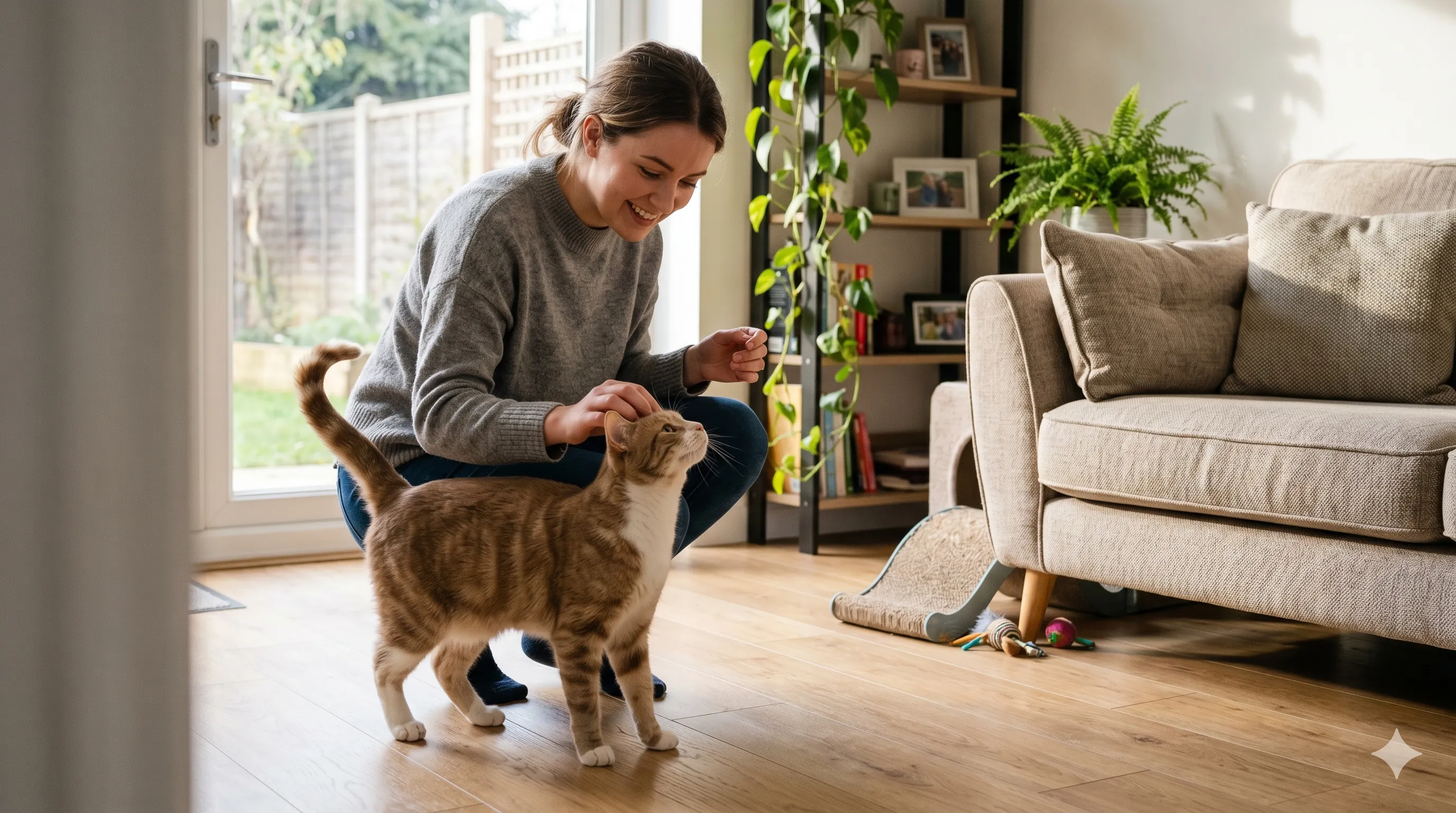
Your cat waits outside the bathroom, follows you into the kitchen, watches you fold laundry, and quietly walks behind you from room to room. While this behavior may feel unusual, it's actually one of the most common behaviors cat owners notice.
If you've been wondering why does my cat follow me everywhere, the answer is usually connected to trust, emotional attachment, curiosity, routine, or environmental stimulation. In many cases, your cat simply enjoys being close to the person they feel safest around.
Some cats follow occasionally, while others behave almost like tiny shadows throughout the day. The behavior itself is usually harmless, but sudden clinginess or excessive dependency can sometimes signal boredom, stress, anxiety, or changes in your cat's emotional state. cats that sleep on you often display similar trust and emotional attachment behaviors
Understanding the reason behind the behavior helps you respond correctly while building a healthier bond with your cat.
Why Does My Cat Follow Me Everywhere? (Quick Answer)
Cats follow their owners because of emotional bonding, curiosity, learned routines, food expectations, or a desire for attention and interaction. In most homes, this behavior is completely normal and often a positive sign that your cat feels secure around you.
However, sudden clingy behavior combined with vocalization, hiding, appetite changes, or stress signals may require closer attention.
Is It Normal for Cats to Follow Their Owners?
Yes. Many cats naturally stay close to the people they trust most.
Unlike the old stereotype that cats are distant or independent all the time, modern research and real-life experience show that cats often form strong emotional bonds with humans. Some cats express that bond quietly by sitting nearby, while others actively follow their owners throughout the house.
Indoor cats especially tend to develop stronger people-focused routines because humans become a major source of stimulation, safety, food, and interaction.
In most situations, following behavior is actually a healthy social sign.
What Your Cat's Following Behavior Usually Means
| Behavior | Most Likely Meaning | Should You Worry? |
|---|---|---|
| Quietly following room to room | Trust and emotional bonding | No |
| Following during feeding routines | Food expectation and routine | No |
| Following while meowing | Attention or communication | Usually no |
| Sudden clingy behavior | Stress or insecurity | Monitor |
| Constant dependency | Boredom or anxiety | Sometimes |
| Following with hiding behavior | Emotional stress | Yes |
Real Reasons Why Cats Follow Their Owners Everywhere
1. Your Cat Feels Emotionally Safe Around You
The most common reason cats follow their owners is simple emotional trust.
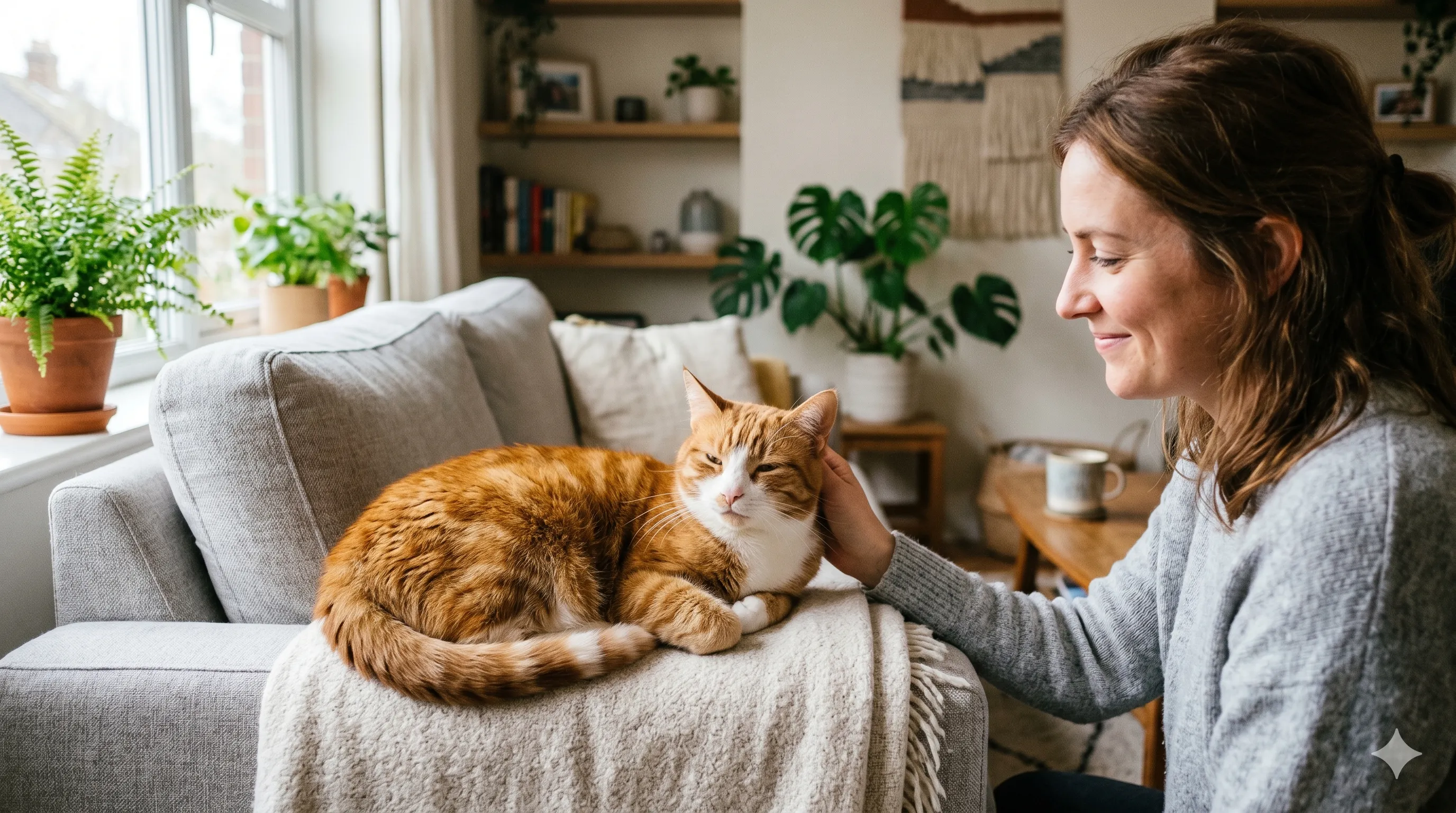
Your cat sees you as a source of safety, comfort, predictability, and security. Staying close helps them feel relaxed and emotionally regulated.
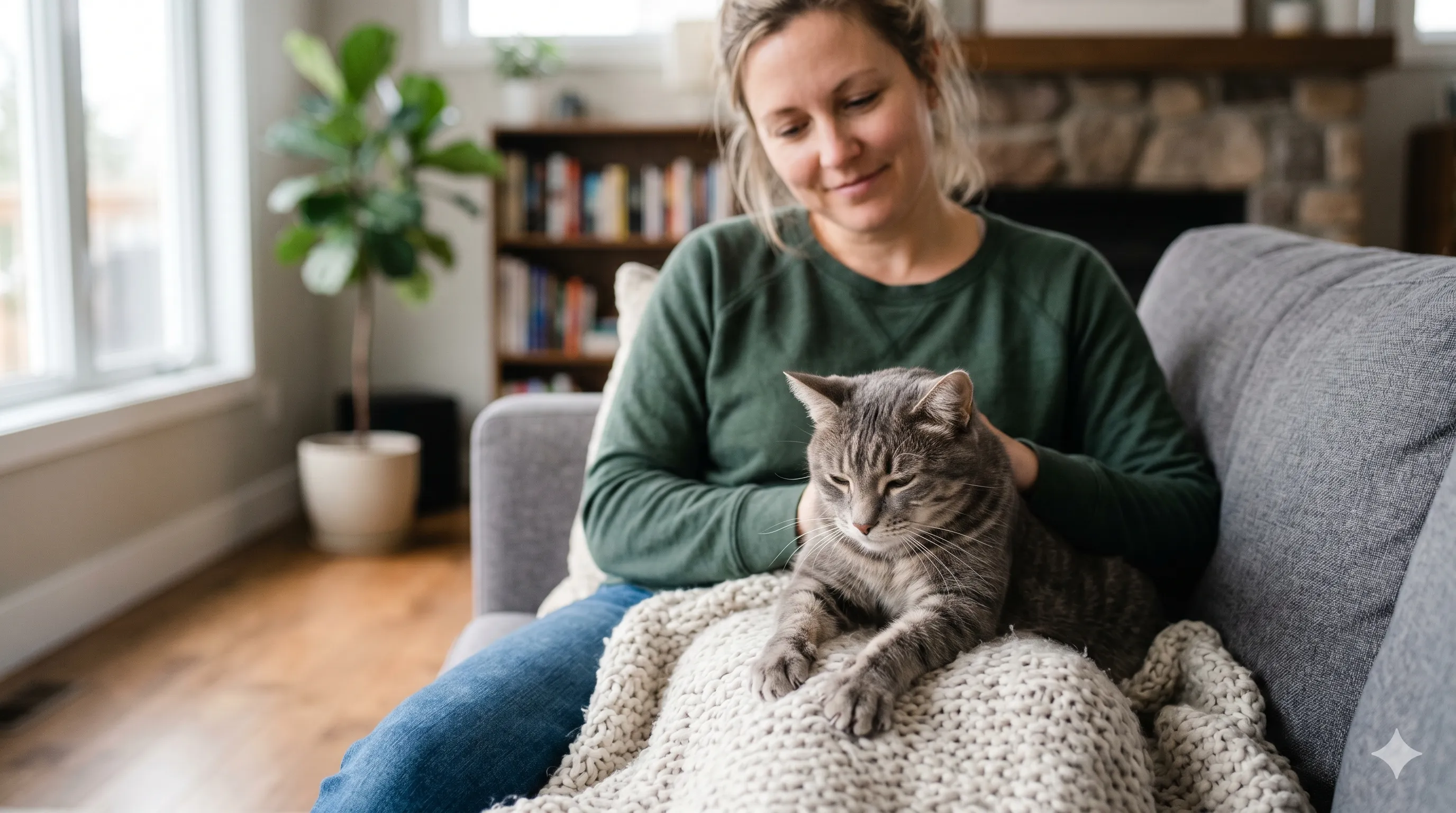
Many cats naturally follow the human they trust most, especially during quiet daily routines. This behavior is similar to how cats rest near people they feel bonded with. loud purring is another strong sign your cat feels safe and emotionally connected
Cats that follow calmly without signs of distress are usually showing healthy attachment rather than unhealthy dependency.
2. Cats Are Extremely Curious Animals
Cats constantly monitor movement and activity inside their environment.
Even simple household actions can trigger curiosity:
- opening doors,
- walking into another room,
- opening cabinets,
- making food,
- or carrying objects.
Your cat may simply want to investigate what you're doing.
Some cats even act like supervisors, quietly observing household activity all day long.
3. Your Cat Has Learned Your Daily Routine
Cats are creatures of habit.
They quickly associate your movement with predictable events like:
- feeding time,
- play sessions,
- treats,
- opening windows,
- or bedtime routines.
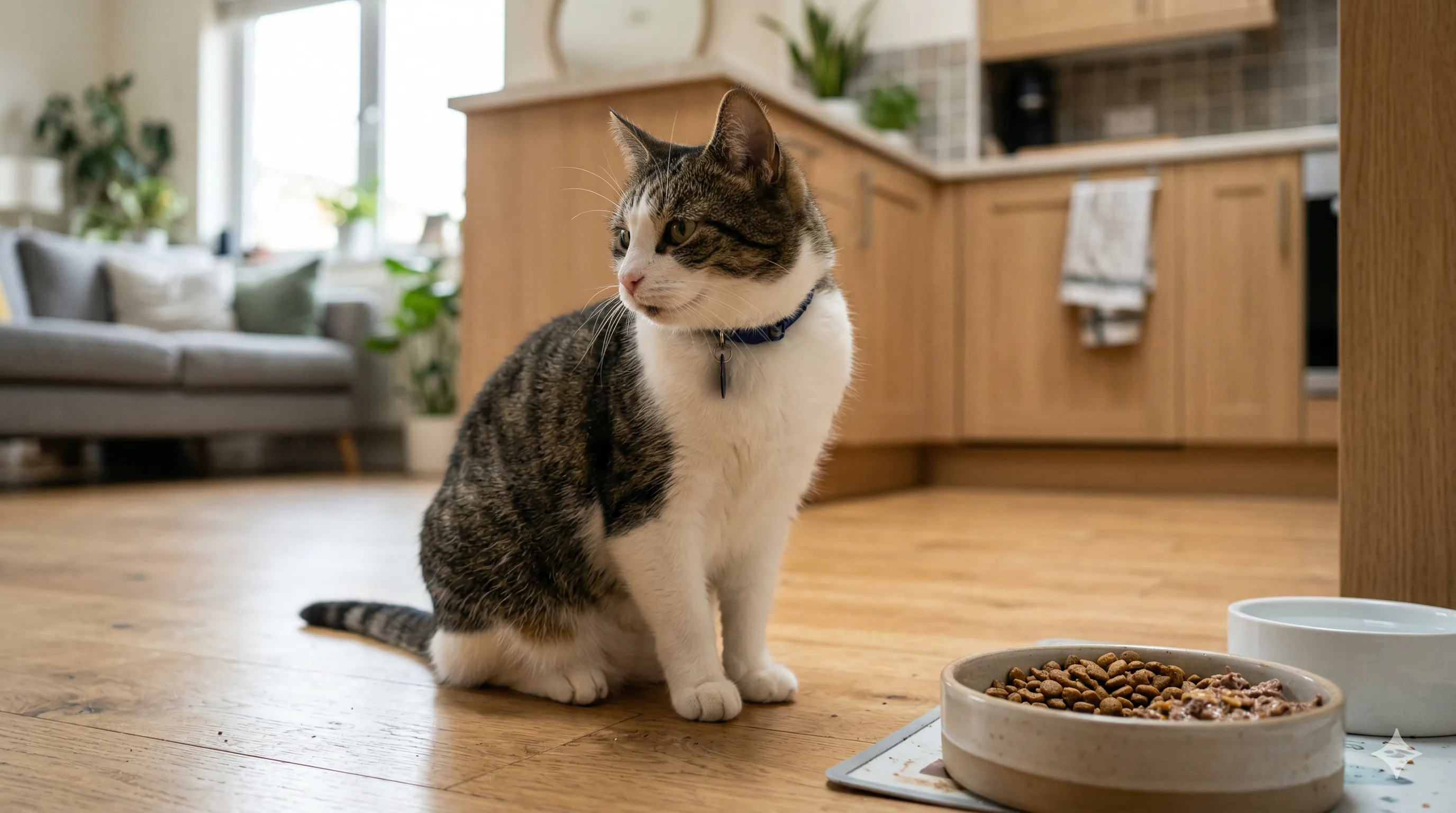
For example, if you usually feed your cat after entering the kitchen in the morning, your cat may automatically follow you there every day.
This is routine-based learning, not manipulation.
4. Attention-Seeking Behavior
Many cats learn that following their owners leads to interaction.
If your cat receives:
- petting,
- talking,
- playtime,
- treats,
- or eye contact
after following you, the behavior naturally becomes reinforced over time.
Some cats become especially vocal while following because they're trying to communicate a specific need. stress and insecurity may also explain why cats hide more than usual
In these cases, your cat is not necessarily clingy they simply understand that following gets your attention.
5. Indoor Cats Often Become Bored
One overlooked reason behind excessive following is lack of stimulation.
Indoor cats without enough environmental enrichment often rely heavily on humans for activity and entertainment.
Signs boredom may be contributing include:
- constant following,
- nighttime hyperactivity,
- attention-seeking meowing,
- zoomies,
- or destructive behavior.
Cats need opportunities to climb, hunt, observe, and play.
Without enough stimulation, owners become the most interesting thing in the environment.
6. Stress or Environmental Changes
Cats are sensitive to changes in routine and environment.
Following behavior may suddenly increase after:
- moving homes,
- new pets,
- new family members,
- schedule changes,
- travel,
- or loud visitors.
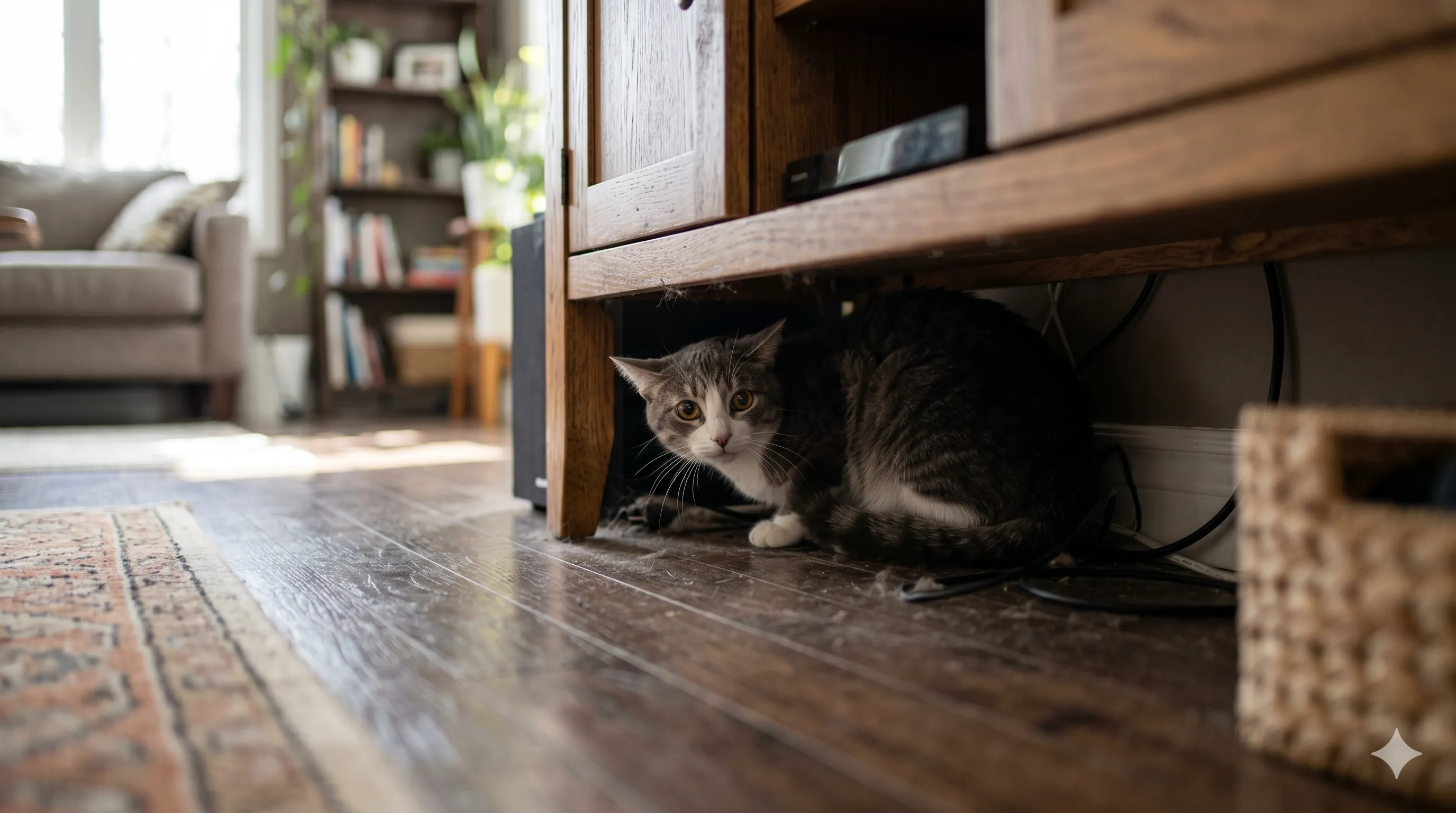
Some cats respond to stress by becoming more withdrawn, while others become unusually attached and dependent.
nighttime following and vocal behavior can relate to why cats meow at nightIf clingy behavior appears suddenly alongside hiding, appetite changes, or unusual vocalization, emotional stress may be contributing.
7. Some Cat Breeds Naturally Stay Closer to Humans
Certain breeds are naturally more social and people-oriented.
Breeds often associated with stronger attachment behavior include:
- Siamese cats,
- Ragdolls,
- Maine Coons,
- Burmese cats,
- and Sphynx cats.
These breeds tend to seek interaction more frequently and may follow owners throughout the home regularly.
Common Situations Explained
Why Does My Cat Follow Me to the Bathroom?
Bathrooms are highly interesting environments for cats.
They contain:
- running water,
- cool surfaces,
- echoing sounds,
- enclosed spaces,
- and predictable routines.
Many cats also dislike closed doors because they prefer unrestricted access to their environment.
Following you into the bathroom is usually harmless curiosity mixed with attachment.
Why Does My Cat Follow Me at Night?
Cats are naturally more active during dawn and evening hours.
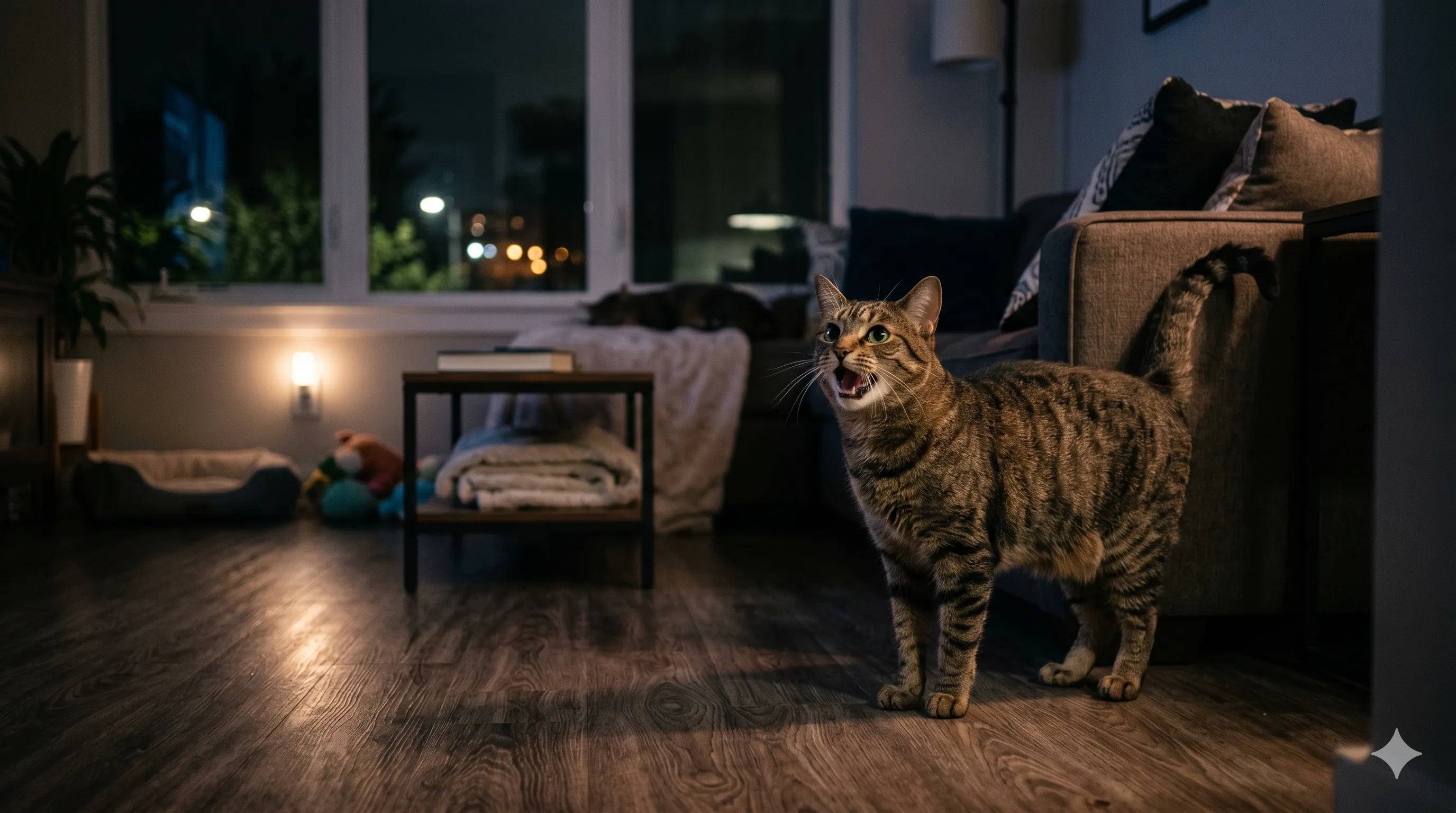
Nighttime following often increases because your cat is awake, energetic, and seeking interaction while the home becomes quieter.
Some cats also associate nighttime with feeding or bedtime attention. properly introducing a new cat home can reduce stress-related clingy behavior
Why Does My Cat Follow Only Me?
Cats usually form stronger bonds with the person who:
- feeds them consistently,
- plays with them most often,
- maintains predictable routines,
- or respects their boundaries.
Your cat may simply feel safest and most emotionally connected to you specifically.
When Should You Be Concerned?
Most following behavior is completely normal.
However, sudden behavioral changes deserve attention.
You should monitor more closely if your cat:
- suddenly becomes extremely clingy,
- starts vocalizing excessively,
- shows signs of stress,
- stops eating normally,
- begins hiding frequently,
- or cannot relax independently.
Behavioral shifts sometimes reflect emotional stress, anxiety, illness, or environmental discomfort.
sudden clingy behavior combined with appetite or energy changes may be warning signs your cat may be sickHow to Reduce Excessive Clingy Behavior
Increase Independent Enrichment
Add stimulation your cat can enjoy alone:
- cat trees,
- window perches,
- interactive feeders,
- climbing shelves,
- and puzzle toys.
Schedule Daily Playtime
Interactive play helps reduce boredom-driven dependency.
Even 15-20 minutes of active play daily can improve confidence and independence.
Don't Reinforce Constant Demands
If your cat constantly follows and meows for attention, avoid rewarding every demand immediately.
Instead, reward calm behavior and independent relaxation.
Maintain Predictable Routines
Cats feel emotionally safer when feeding, sleeping, and activity schedules stay relatively consistent.
Common Mistakes Cat Owners Make
- Assuming clinginess always equals affection
- Ignoring boredom-related behavior
- Reinforcing constant attention-seeking
- Missing sudden emotional changes
- Providing too little environmental enrichment
- Changing routines too frequently
Real-Life Example
A cat owner noticed their cat became unusually clingy after moving into a smaller apartment.
The cat followed them constantly, meowed more often, and struggled to relax alone.
After adding climbing shelves, window perches, puzzle feeders, and scheduled evening play sessions, the cat became calmer and more independent within two weeks.
This showed that the behavior was linked more to environmental stimulation than emotional insecurity alone.
Final Thoughts
If your cat follows you everywhere, it's usually a positive sign of trust, familiarity, and emotional bonding.
Most cats simply enjoy being near the people they feel safest around. understanding why your cat follows you helps build a healthier emotional balance
At the same time, excessive dependency or sudden clingy behavior should not be ignored, especially if combined with stress signals or behavioral changes.
By understanding the emotional meaning behind the behavior, you can create a healthier balance between affection, stimulation, independence, and long-term emotional well-being.
This content is reviewed for accuracy and designed to provide reliable, experience-based guidance for cat owners and pet families.
Medical Disclaimer
This content is provided for informational and educational purposes only and should not be considered veterinary, medical, behavioral, or training advice. While we strive for accuracy, we make no guarantees regarding completeness or results. Always consult a licensed veterinarian or qualified pet care professional before making decisions about your pet’s health, diet, or behavior.
AI Illustration Notice
Some images in this article may have been generated or enhanced using artificial intelligence for illustrative purposes.
Frequently Asked Questions
Cats usually follow their owners because of emotional attachment, curiosity, routine learning, or attention-seeking behavior.
Yes. Many bonded cats naturally stay close to their owners, especially indoor cats that interact with humans frequently.
Sudden clingy behavior may be linked to stress, environmental changes, boredom, insecurity, or emotional discomfort.
Cats often follow owners to the bathroom because of curiosity, routine, enclosed spaces, and dislike of closed doors.
Yes. Cats with limited stimulation may rely heavily on owners for entertainment and interaction.
You should monitor more closely if clingy behavior appears suddenly alongside stress signs, hiding, appetite loss, or unusual vocalization.
Cats usually bond strongest with the person who feeds, interacts, and spends the most predictable time with them.
Editorial Note
This article is part of PetNurture's educational library.
Topics are researched using publicly available educational resources, recognised veterinary organisations, academic publications and established animal welfare references where appropriate.
Every article is reviewed by the PetNurture editorial team for clarity, structure, readability and consistency before publication.
References
The information in this article has been reviewed and supported using the following sources.
Oregon State University
Cats, Like Children and Dogs, Develop Attachments to Their Caregivers, Study Shows
An Oregon State University study published in Current Biology found that roughly 65% of cats show secure attachment to their owners and use them as a source of security in unfamiliar environments, a pattern similar to that seen in human infants and dogs.
Accessed Aug 6, 2026
ASPCA
The ASPCA notes that owners often unintentionally reinforce attention-seeking behavior by responding to it with attention, play, or treats, a dynamic that can apply to a cat that follows an owner seeking interaction.
Accessed Aug 6, 2026
Pet Emergency Guidance
Every pet is unique. If your pet exhibits severe symptoms, sudden behavioral changes, or a medical emergency, do not rely on online guides — contact a licensed veterinarian or emergency clinic immediately.
About PetNurture
PetNurture is an educational library of pet care guides, interactive tools and practical resources for pet parents. We work continuously to keep our content accurate and up to date. Reader feedback helps us maintain content quality.
Related Articles
Popular Cat Guides