
Why Does My Dog Shake Its Body? (Real Reasons, Hidden Signals & What It Really Means)
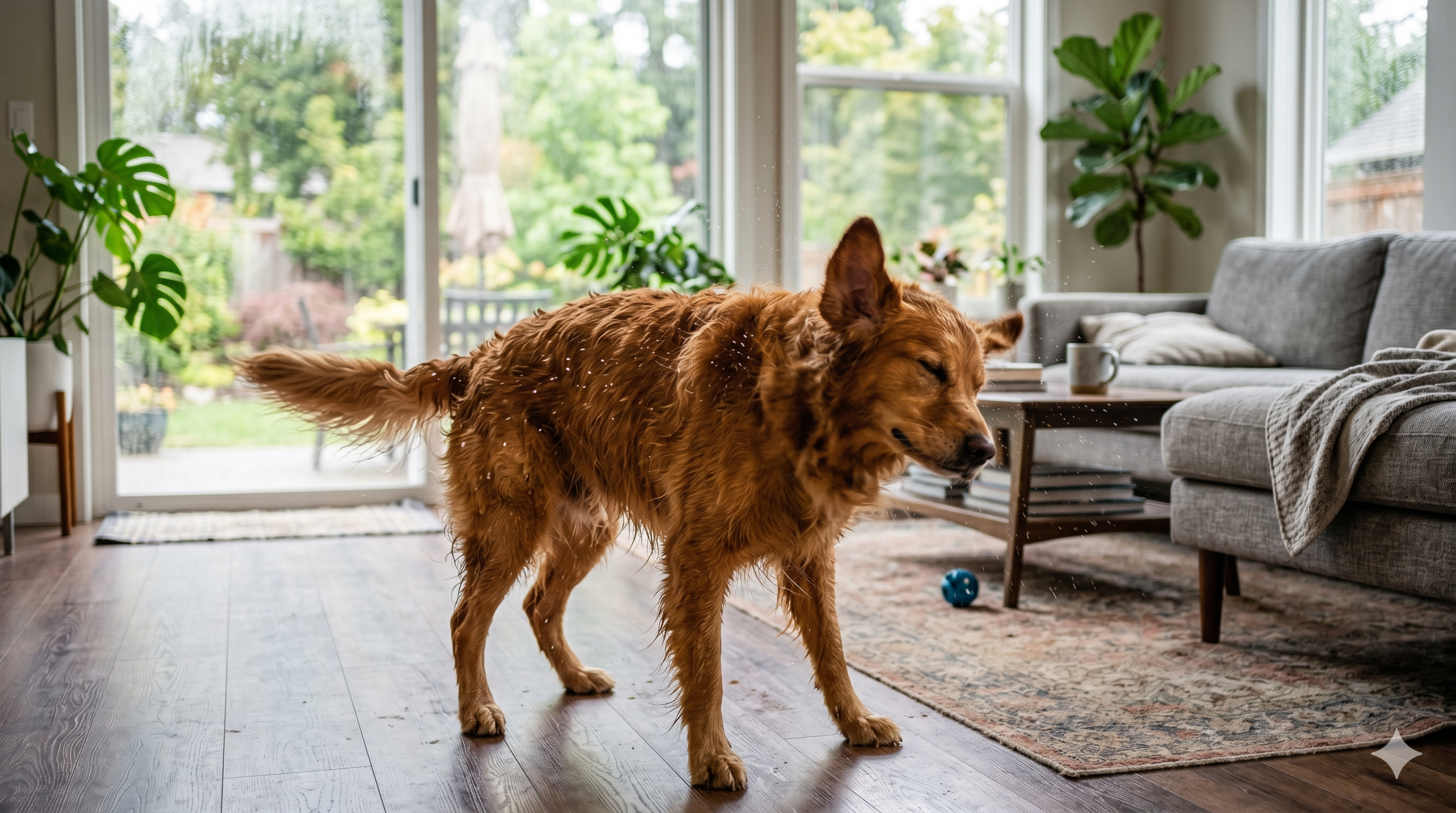
- Why Does My Dog Shake Its Body? (Quick Answer)
- Dog Body Shaking Meaning (Quick Guide)
- 7 Real Reasons Why Dogs Shake Their Body
- 1. Drying Off After Water Exposure
- 2. Releasing Stress or Emotional Tension
- 3. Transitioning Between Emotional States
- 4. Physical Muscle Reset and Stretching
- 5. Skin Irritation or Allergies
- 6. Ear Discomfort or Ear Infections
- 7. Habit and Learned Body Regulation
- Normal vs Problematic Shaking
- When Should You Be Concerned?
- How to Respond the Right Way
- 1. Observe the Timing Carefully
- 2. Check Your Dog’s Body Language
- 3. Maintain Good Grooming and Hygiene
- 4. Reduce Stressful Triggers
- 5. Provide Enough Exercise and Mental Stimulation
- 6. Avoid Overreacting
- Common Mistakes to Avoid
- Real-Life Example
- Final Thoughts
Note: This article is for informational purposes only and does not replace professional veterinary advice.
You’ve probably seen it countless times. Your dog suddenly stands up, twists their body, and shakes from head to tail as if trying to dry off. Sometimes it happens after a bath or rain, but other times it seems completely random. Naturally, many owners start wondering: why does my dog shake its body? dogs often shake their bodies after stressful situations linked to nighttime barking triggers
While this behavior may look strange, body shaking is actually one of the most normal and important self-regulation behaviors dogs have. In many cases, it helps dogs physically reset, release tension, and regulate emotions.
However, context matters.
Sometimes shaking is completely harmless. Other times, repeated or excessive shaking may signal irritation, stress, discomfort, or even underlying health problems.
Understanding the difference helps you avoid unnecessary panic while also recognizing when your dog genuinely needs attention.
Why Does My Dog Shake Its Body? (Quick Answer)
Dogs shake their bodies to dry off, release tension, reset their nervous system, remove irritation, or transition between emotional states. In most cases, it is completely normal and actually beneficial behavior.
The key is understanding when the shaking happens and whether other symptoms appear alongside it.
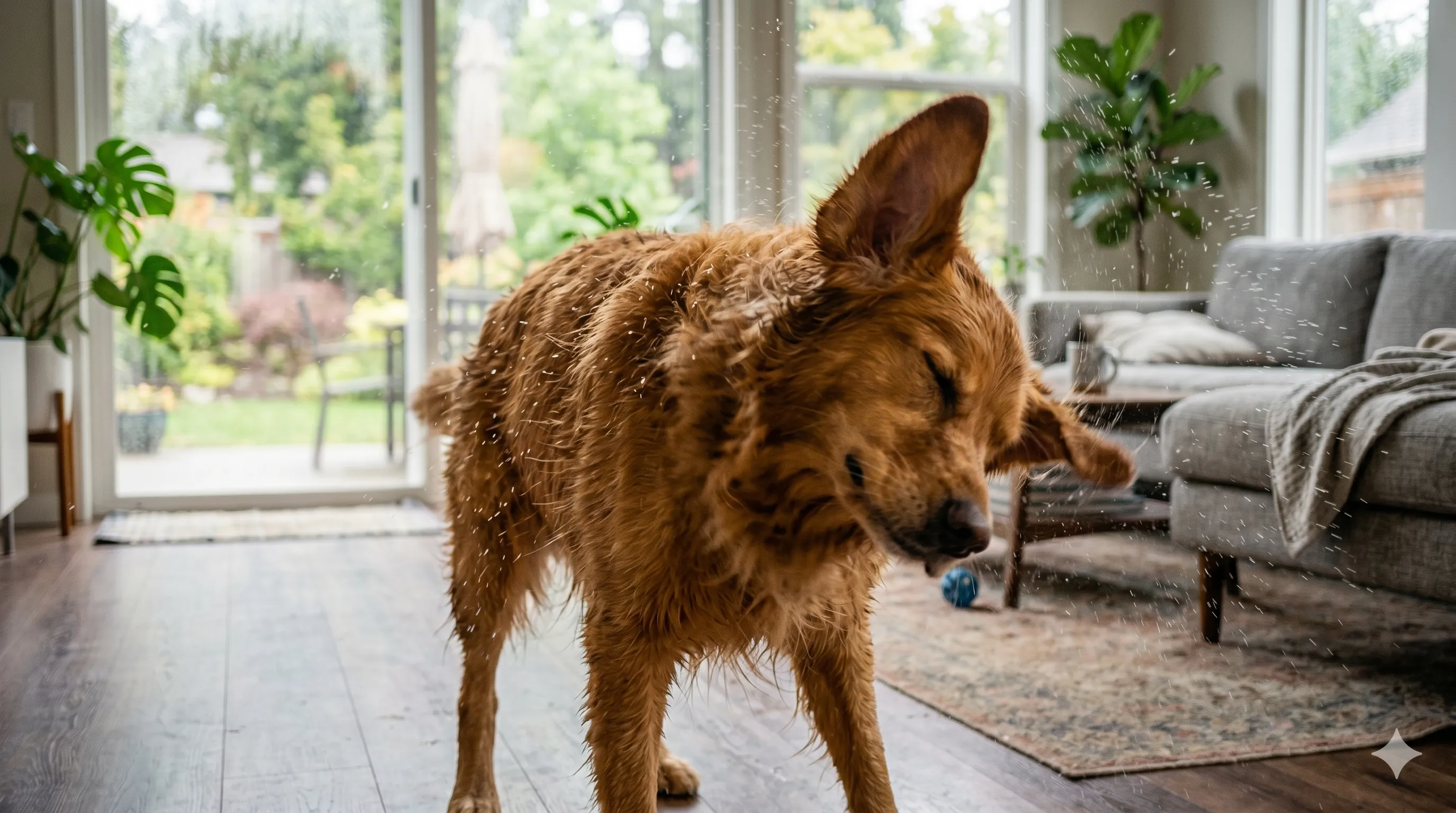
Dog Body Shaking Meaning (Quick Guide)
| Situation | Meaning | Normal or Problem? | What You Should Do |
|---|---|---|---|
| After water or bath | Drying off naturally | Normal | No action needed |
| After excitement or play | Energy release | Normal | Allow behavior |
| After stress or tension | Nervous system reset | Usually normal | Observe calmly |
| Repeated body shaking | Irritation or discomfort | Needs checking | Inspect body and ears |
| Shaking with scratching | Possible allergies or infection | Potential problem | Monitor closely |
This quick guide helps you quickly identify whether your dog’s shaking is harmless or something that deserves closer attention.
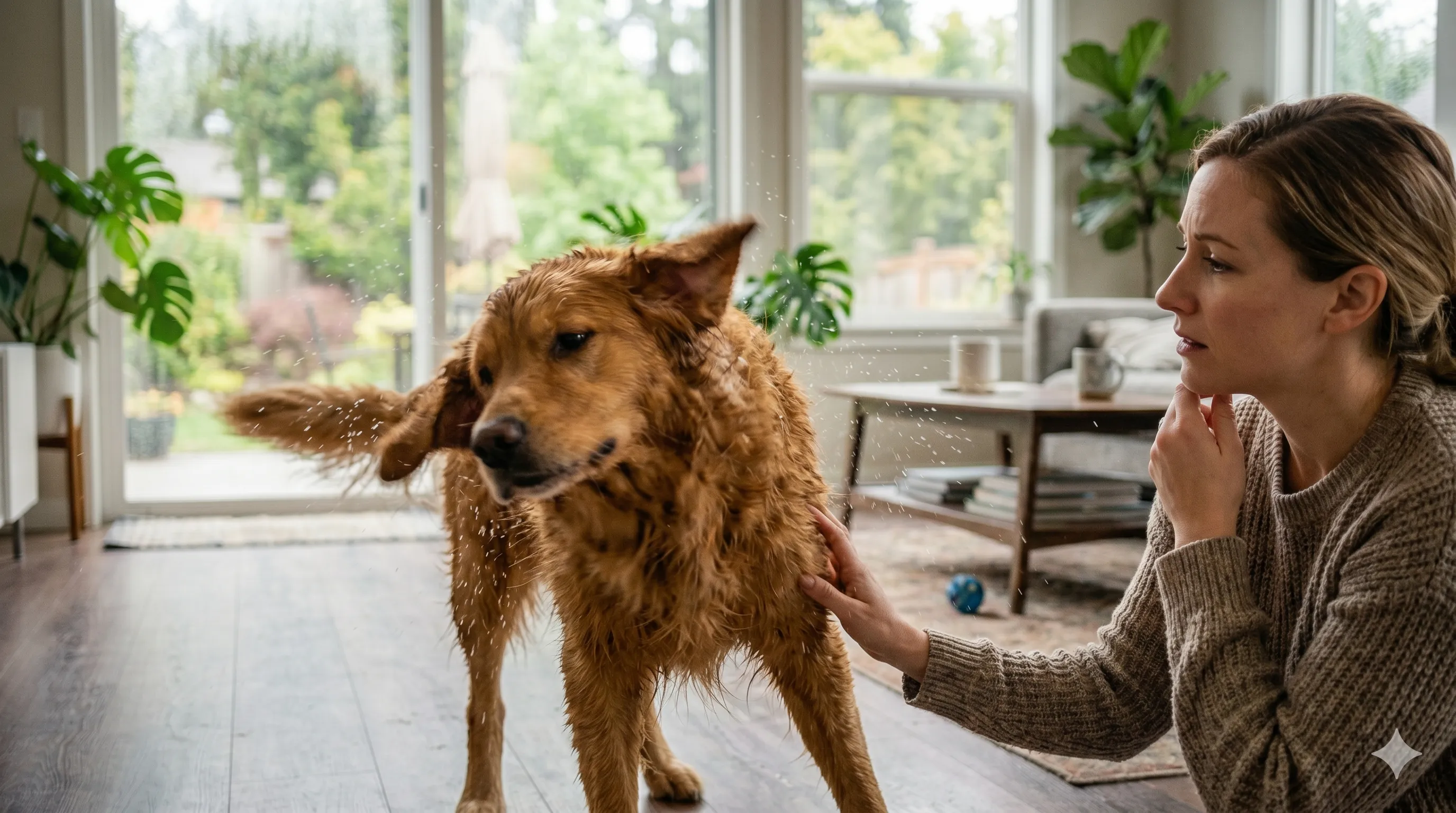
7 Real Reasons Why Dogs Shake Their Body
1. Drying Off After Water Exposure
This is the most obvious reason dogs shake.
Dogs can remove a huge amount of water from their fur within seconds simply by shaking their bodies. It is one of the most efficient natural drying mechanisms in the animal world.
Even slightly damp fur can trigger this instinctive response.
That’s why dogs often shake after baths, swimming, rain, or even morning dew.
2. Releasing Stress or Emotional Tension
One of the most misunderstood reasons behind shaking is emotional regulation.
Dogs frequently shake after stressful situations, intense social interactions, veterinary visits, grooming sessions, or moments of uncertainty. learning how to calm an anxious dog helps reduce stress-related physical behaviors
This body shake acts almost like a nervous system reset.
Behaviorists often describe it as a "physical release" that helps dogs transition from stress back into a calmer emotional state.
In many ways, it is similar to how humans take a deep breath after tension.
3. Transitioning Between Emotional States
Dogs commonly shake after excitement, rough play, greetings, or overstimulation.
The body shake helps regulate emotional energy and return the body toward balance.
You may notice this especially after:
- Playing with other dogs
- Training sessions
- Exciting greetings
- High-energy environments
- Unexpected loud sounds
In these situations, shaking is often a healthy sign that your dog is self-regulating properly.
4. Physical Muscle Reset and Stretching
Sometimes shaking is simply physical.
Dogs naturally loosen muscles, readjust posture, and release body tension through quick full-body shakes.
This commonly happens after:
- Waking up
- Lying down for long periods
- Stretching
- Standing after resting
It is often part of normal body maintenance.
5. Skin Irritation or Allergies
Not all body shaking is emotional.
Dogs sometimes shake because something physically feels uncomfortable. Common triggers include:
- Allergies
- Loose fur
- Dry skin
- Insect bites
- Dirt or debris
- Skin irritation
If body shaking happens repeatedly alongside scratching, licking, or rubbing, irritation may be involved. repeated licking or scratching behaviors can sometimes signal irritation connected to body shaking
6. Ear Discomfort or Ear Infections
This is extremely important for dog owners to recognize.
If your dog repeatedly shakes their head instead of their full body, ear discomfort could be the cause.
Ear infections are very common in dogs, especially breeds with floppy ears.
Warning signs include:
- Frequent head shaking
- Scratching ears
- Redness
- Bad odor
- Sensitivity around ears
Ignoring these symptoms can allow infections to worsen over time.
7. Habit and Learned Body Regulation
Some dogs simply develop body shaking as part of normal routine behavior.
Dogs that frequently regulate emotions effectively may shake more often after transitions, excitement, or stimulation.
In many cases, this actually reflects healthy emotional recovery behavior.
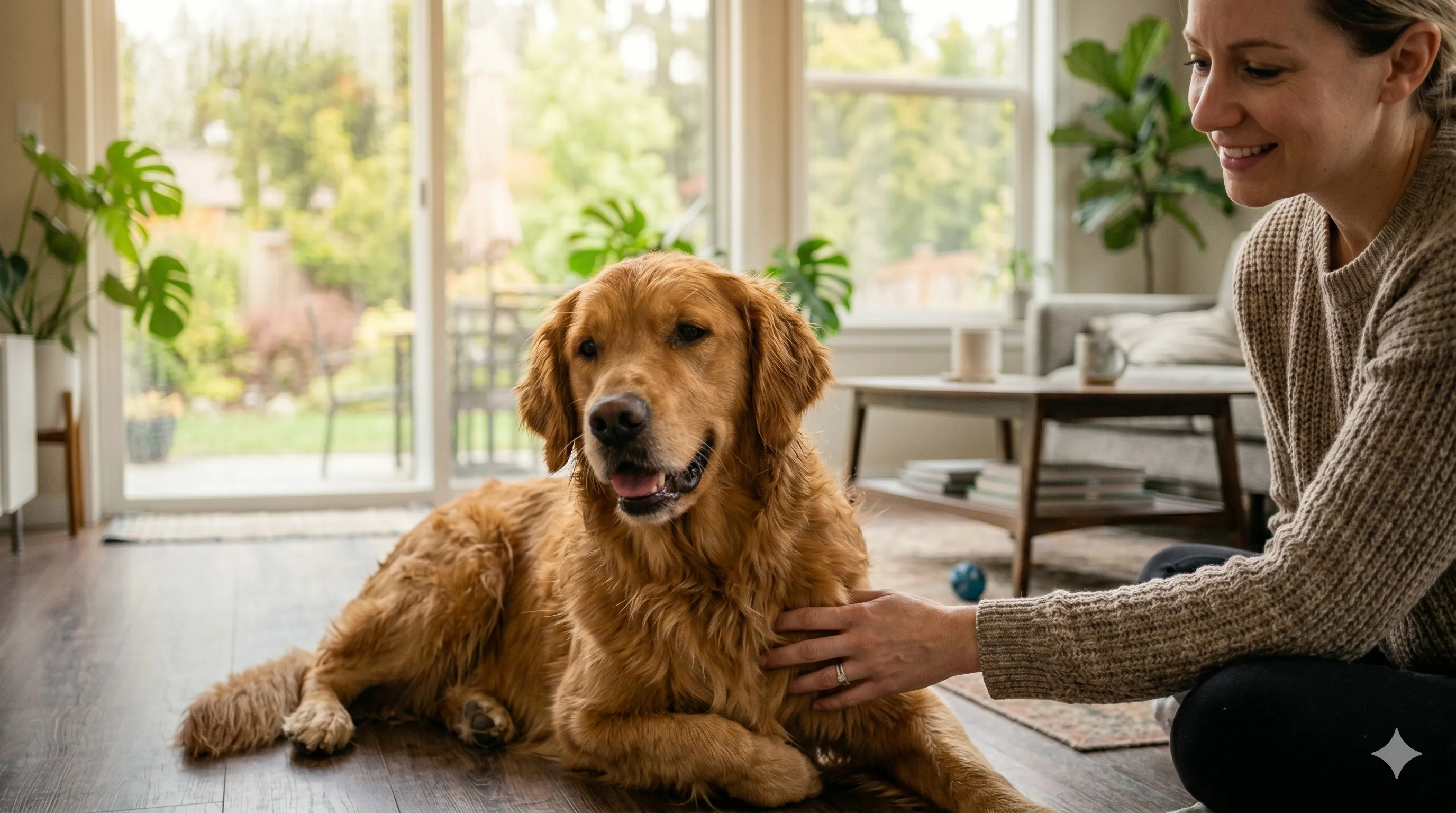
Normal vs Problematic Shaking
The biggest factor is context.
- Normal: Occasional shaking with relaxed body language and normal behavior
- Potentially Problematic: Constant shaking, distress, scratching, pain, lethargy, or repeated head shaking
Healthy dogs commonly shake throughout the day without any medical issue.
Concern starts when the behavior becomes excessive, repetitive, or paired with other symptoms.
When Should You Be Concerned?
Although body shaking is usually harmless, some situations deserve closer attention.
- Constant or repetitive shaking
- Head shaking specifically focused around ears
- Skin redness or irritation
- Hair loss or excessive licking
- Behavior changes or lethargy
- Loss of appetite changes in sleep patterns and energy levels may help identify deeper health concerns
- Anxiety-related pacing or stress behaviors
- Shaking combined with whining or discomfort
If multiple symptoms appear together, a veterinary evaluation is important.
How to Respond the Right Way
1. Observe the Timing Carefully
When does the shaking happen?
After baths? After excitement? During stress? During scratching?
The timing provides the biggest clue about whether the behavior is emotional, physical, or environmental.
2. Check Your Dog’s Body Language
Relaxed body posture usually means the shaking is harmless.
However, tense posture, whining, hiding, or repeated scratching may indicate discomfort or stress.
3. Maintain Good Grooming and Hygiene
Regular bathing, brushing, and ear cleaning help reduce irritation-related shaking. proper bathing and grooming routines help prevent irritation-related shaking
Proper hygiene also lowers the risk of skin issues and infections.
4. Reduce Stressful Triggers
If your dog shakes after stressful experiences, focus on creating calmer environments and predictable routines.
Dogs feel safer when routines stay consistent and environments remain stable.
5. Provide Enough Exercise and Mental Stimulation
Dogs with excess energy or limited stimulation may display repetitive stress-release behaviors. dogs with excess energy or boredom may develop repetitive stress-release behaviors
Regular walks, enrichment toys, play sessions, and training help maintain emotional balance.
6. Avoid Overreacting
One of the biggest mistakes owners make is panicking every time their dog shakes.
In most situations, body shaking is completely healthy.
Calm observation is more useful than emotional reactions.
Common Mistakes to Avoid
- Assuming every shake means illness
- Ignoring repetitive patterns completely
- Skipping grooming or ear care
- Overlooking emotional stress triggers
- Confusing normal shaking with seizures or tremors
- Failing to monitor associated symptoms
Balanced observation is the best approach.
Real-Life Example
A dog owner noticed their pet shaking frequently after walks and initially assumed it was harmless excitement.
After closer observation, they realized the dog was also scratching around the ears repeatedly.
A veterinary check confirmed a mild ear infection caused by trapped moisture after outdoor activity.
Once treated, the excessive shaking disappeared within days.
This shows why context always matters more than the behavior alone.
Final Thoughts
Understanding why does my dog shake its body helps you interpret one of the most common canine behaviors correctly. clingy or emotionally attached dogs may also display physical stress-release behaviors more frequently
In most cases, shaking is healthy, natural, and emotionally beneficial for dogs.
It helps release tension, regulate emotions, remove discomfort, and physically reset the body.
The goal is not to stop the behavior but to understand when it’s normal and when it may signal something more important.
This content is reviewed and curated to provide accurate, practical, and trustworthy guidance for dog owners and pet families.
Medical Disclaimer
This content is provided for informational and educational purposes only and should not be considered veterinary, medical, behavioral, or training advice. While we strive for accuracy, we make no guarantees regarding completeness or results. Always consult a licensed veterinarian or qualified pet care professional before making decisions about your pet’s health, diet, or behavior.
AI Illustration Notice
Some images in this article may have been generated or enhanced using artificial intelligence for illustrative purposes.
Frequently Asked Questions
Dogs shake their bodies to release tension, dry off, regulate emotions, or remove irritation.
Yes, occasional body shaking is completely normal and healthy for most dogs.
Dogs often shake after excitement or stress to help reset their nervous system and release emotional tension.
You should pay attention if shaking becomes excessive or appears alongside scratching, lethargy, pain, or ear discomfort.
Yes, allergies and skin irritation can sometimes cause repeated body shaking and scratching.
Normal shaking happens occasionally with relaxed behavior, while health-related shaking is usually repetitive and paired with other symptoms.
Maintain proper grooming, reduce stress triggers, provide stimulation, and monitor for signs of irritation or infection.
Editorial Note
This article is part of PetNurture's educational library.
Topics are researched using publicly available educational resources, recognised veterinary organisations, academic publications and established animal welfare references where appropriate.
Every article is reviewed by the PetNurture editorial team for clarity, structure, readability and consistency before publication.
References
The information in this article has been reviewed and supported using the following sources.
American Kennel Club
How to Dry Your Dog Properly and Why It's Important
Explains the instinctive full-body shake dogs use to remove water and dry quickly; supports the 'Drying Off After Water Exposure' section of this article.
Accessed Aug 6, 2026
American Kennel Club
Why Is My Dog Shaking? Causes & Solutions
Covers both benign and concerning causes of dog shaking, including stress and medical issues; supports the 'Normal vs Problematic Shaking' and 'When Should You Be Concerned' sections of this article.
Accessed Aug 6, 2026
Pet Emergency Guidance
Every pet is unique. If your pet exhibits severe symptoms, sudden behavioral changes, or a medical emergency, do not rely on online guides — contact a licensed veterinarian or emergency clinic immediately.
About PetNurture
PetNurture is an educational library of pet care guides, interactive tools and practical resources for pet parents. We work continuously to keep our content accurate and up to date. Reader feedback helps us maintain content quality.
Related Articles
Popular Dog Guides

Dog
Dog Calorie Calculator
Find the right daily calorie target for your dog's weight and activity level.