
Why Does My Dog Dig Holes? Real Reasons and How to Stop Digging
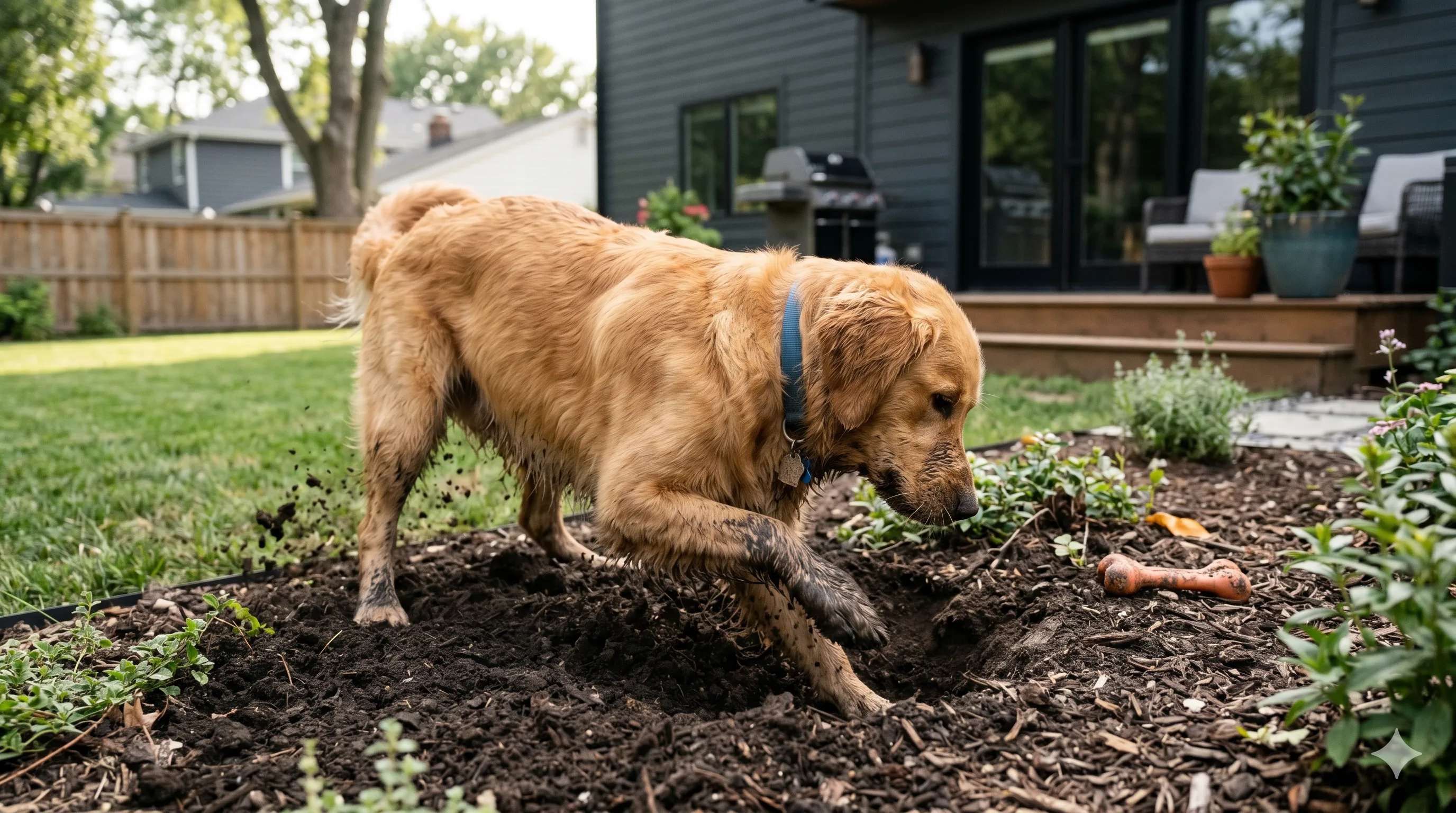
- Why Does My Dog Dig Holes? (Quick Answer)
- Why Digging Is Natural for Dogs
- Dog Digging Causes & Solutions (Quick Guide)
- 7 Real Reasons Why Dogs Dig Holes
- 1. Digging Is a Natural Instinct
- 2. Boredom and Excess Energy Often Trigger Digging
- 3. Dogs Dig to Cool Themselves Down
- 4. Hunting Instincts Can Trigger Targeted Digging
- 5. Anxiety and Emotional Stress May Cause Digging
- 6. Some Dogs Dig Because It Gets Attention
- 7. Fence Digging May Signal Escape Motivation
- Normal vs Problematic Digging
- When Should You Be Concerned?
- How to Stop Dogs From Digging Holes
- 1. Increase Daily Exercise
- 2. Add Mental Stimulation and Enrichment
- 3. Create a Safe Designated Digging Area
- 4. Improve Environmental Comfort
- 5. Reduce Yard Triggers
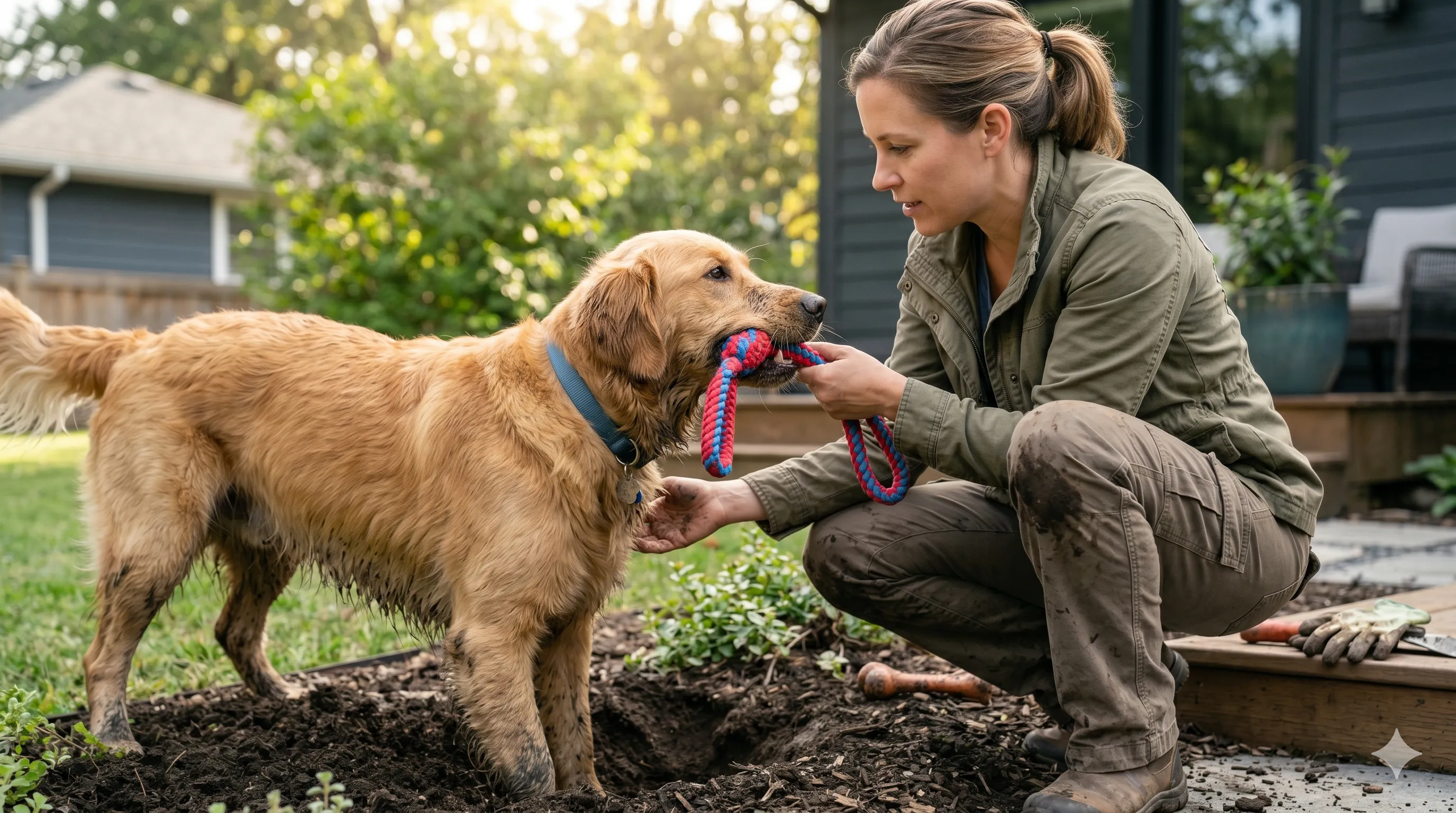
- 6. Redirect Instead of Punishing
- 7. Supervise and Reinforce Calm Behavior
- Ideal Routine to Reduce Digging Behavior
- Common Mistakes Owners Make
- Real-Life Example
- Final Thoughts
Note: This article is for informational purposes only and does not replace professional veterinary advice.
You walk into your backyard and immediately notice fresh dirt scattered everywhere. Sometimes the holes are small and shallow, while other times they seem surprisingly deep and destructive.
If you've been wondering "why does my dog dig holes?", you're definitely not alone. Digging is one of the most common and frustrating behavior problems many dog owners experience. dogs with excess energy often develop nighttime behaviors like barking and digging
However, it's important to understand one major fact before trying to stop the behavior:
Dogs do not dig simply to annoy owners or destroy yards on purpose.
Digging is a deeply instinctive canine behavior connected to natural survival instincts, energy release, temperature regulation, emotional coping, and environmental stimulation.
In many situations, occasional digging is completely normal.
But when digging becomes excessive, repetitive, or destructive, it usually means your dog is trying to satisfy a physical, emotional, or environmental need that isn't being fully met.
The good news is that once you identify the real cause behind the digging, the behavior often becomes much easier to manage without punishment or stress.
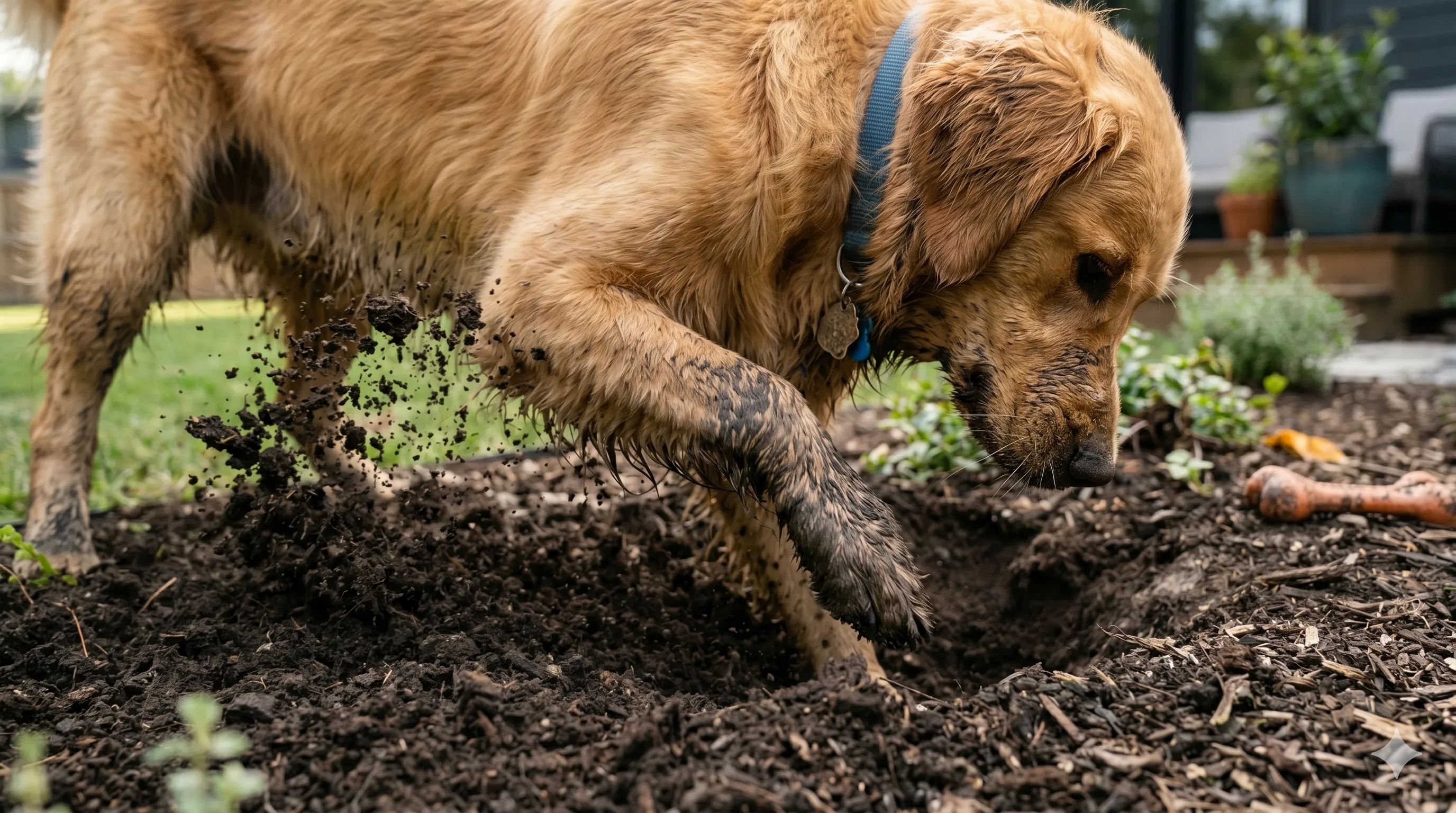
Why Does My Dog Dig Holes? (Quick Answer)
Dogs dig holes because of instinct, boredom, excess energy, hunting behavior, temperature regulation, anxiety, or environmental stimulation. Occasional digging is normal for many dogs, but repeated destructive digging often indicates unmet exercise, mental stimulation, or emotional needs.
Understanding the motivation behind the digging is the key to stopping it effectively.
Why Digging Is Natural for Dogs
Digging behavior is deeply rooted in canine instincts.
Wild dogs and ancestral canines historically dug for several important survival reasons, including:
- Creating shelter
- Hiding food
- Escaping danger
- Finding cooler ground
- Hunting prey
- Protecting puppies
Even modern domesticated dogs still retain many of these instinctive behaviors today.
This is why some dogs naturally enjoy digging even when they live in safe, comfortable environments.
Dog Digging Causes & Solutions (Quick Guide)
| Cause | Possible Meaning | Impact | Helpful Solution |
|---|---|---|---|
| Instinctive behavior | Natural canine digging instinct | Normal | Create safe digging zones |
| Boredom | Lack of stimulation | Destructive digging | Increase exercise and enrichment |
| Cooling behavior | Seeking cool ground | Environmental digging | Provide shade and cooling areas |
| Anxiety or stress | Emotional coping behavior | Repeated digging | Reduce stress triggers |
| Hunting instinct | Chasing insects or animals | Targeted digging | Control environmental triggers |
| Escape attempts | Trying to leave area | Fence-line digging | Improve security and supervision |
7 Real Reasons Why Dogs Dig Holes
1. Digging Is a Natural Instinct
For many dogs, digging simply feels instinctively satisfying.
Certain breeds especially retain stronger digging instincts because of their historical working roles.
Terriers, hounds, and hunting breeds often dig more frequently because they were originally bred to:
- Track prey
- Dig into burrows
- Locate animals underground
- Work in outdoor environments
Even dogs that have never hunted still carry these inherited instincts naturally.
2. Boredom and Excess Energy Often Trigger Digging
One of the most common reasons dogs dig excessively is simple boredom.
Dogs that do not receive enough:
- Physical exercise
- Mental stimulation
- Interactive play
- Environmental enrichment
often look for alternative ways to release energy.
Digging becomes an outlet for that frustration and stimulation need.
Dogs with excess energy often develop nighttime behaviors like barking and digging. separation anxiety in dogs can also trigger destructive digging behaviors
This is especially common in:
- Young dogs
- Working breeds
- High-energy dogs
- Dogs left alone frequently
3. Dogs Dig to Cool Themselves Down
On warm days, dogs sometimes dig to reach cooler soil beneath the surface.
The ground underneath the top layer of dirt often feels significantly cooler and more comfortable.
Dogs may then:
- Lie in the hole
- Rest inside shaded dirt areas
- Continue expanding cool spots repeatedly
This behavior is especially common during summer months or in warmer climates.
4. Hunting Instincts Can Trigger Targeted Digging
Some dogs dig because they hear, smell, or sense movement underground.
Yards containing:
- Moles
- Insects
- Rodents
- Small animals
may trigger strong prey-drive behavior.
Dogs with hunting instincts often focus digging in specific areas repeatedly rather than randomly across the yard.
5. Anxiety and Emotional Stress May Cause Digging
Digging can sometimes become an emotional coping behavior.
Dogs experiencing:
- Stress
- Anxiety
- Loneliness
- Separation distress
- Environmental changes
may dig repeatedly as a way to release emotional tension.
Separation anxiety in dogs can also trigger destructive digging behaviors. some dogs that appear lazy or sleepy may actually lack proper mental stimulation and exercise
Stress-related digging often appears alongside:
- Pacing
- Barking
- Whining
- Fence-line behavior
- Restlessness
6. Some Dogs Dig Because It Gets Attention
Dogs quickly learn which behaviors create strong reactions from owners.
If digging consistently results in:
- Attention
- Interaction
- Chasing
- Excitement
the behavior may become unintentionally reinforced.
Even negative attention sometimes encourages repetition because the dog still receives engagement.
7. Fence Digging May Signal Escape Motivation
Dogs that dig near fences are often motivated by exploration, curiosity, fear, or escape attempts.
This can happen because of:
- Outside animals
- Environmental excitement
- Boredom
- Anxiety
- Lack of stimulation
Fence-line digging should always be taken seriously because it can create safety risks.

Normal vs Problematic Digging
Not all digging is automatically a behavioral problem.
- Normal digging: Occasional instinctive digging in specific situations
- Potential concern: Constant destructive digging, obsessive holes, or escape-focused digging
The frequency, intensity, and emotional context behind the digging matter much more than the behavior alone.
When Should You Be Concerned?
Digging becomes more concerning when it suddenly increases or appears connected to emotional distress.
Potential warning signs include:
- Compulsive repetitive digging
- Fence escape attempts
- Destructive yard damage
- Restlessness or pacing
- Anxiety-related behaviors
- Difficulty calming down
Some dogs that appear lazy or sleepy may actually lack proper mental stimulation and exercise. consistent training techniques help redirect unwanted behaviors more effectively
If digging behavior changes suddenly or becomes emotionally intense, additional training and environmental adjustment may be necessary.
How to Stop Dogs From Digging Holes
1. Increase Daily Exercise
Physical activity is one of the most effective ways to reduce boredom-driven digging.
Helpful activities include:
- Walks
- Fetch games
- Training sessions
- Obstacle activities
- Running and play
A tired dog is much less likely to spend hours digging for stimulation.
2. Add Mental Stimulation and Enrichment
Mental exercise is just as important as physical activity.
Interactive toys, scent games, food puzzles, and training challenges help satisfy natural canine problem-solving instincts.
Dogs that receive proper enrichment often become calmer and less destructive overall.
3. Create a Safe Designated Digging Area
For dogs with very strong digging instincts, redirection often works better than complete prevention.
Some owners create:
- Sandbox digging areas
- Loose dirt zones
- Safe digging corners
This allows dogs to satisfy natural instincts without damaging the entire yard.
4. Improve Environmental Comfort
If heat triggers digging, improve your dog's outdoor comfort by providing:
- Shade
- Fresh water
- Cooling mats
- Comfortable resting areas
Dogs seeking cooler ground often dig much less once better cooling options are available.
5. Reduce Yard Triggers
If your dog focuses heavily on certain areas, inspect for:
- Underground pests
- Interesting smells
- Wildlife activity
- External distractions
Removing environmental triggers often reduces targeted digging substantially.
6. Redirect Instead of Punishing
Punishment rarely solves digging behavior effectively.
Harsh correction often increases:
- Fear
- Anxiety
- Stress-related digging
Instead, calmly interrupt the behavior and redirect your dog toward acceptable activities.
Consistent training techniques help redirect unwanted behaviors more effectively. understanding proper enrichment activities helps reduce boredom-driven destructive behavior
7. Supervise and Reinforce Calm Behavior
Dogs learn faster when calm behavior receives attention and rewards.
Positive reinforcement training helps dogs understand what behaviors are encouraged instead of simply punishing mistakes.
Ideal Routine to Reduce Digging Behavior
Many dogs improve significantly after following a more structured daily routine.
- Morning walk: Release early energy
- Midday enrichment: Puzzle toys or scent games
- Evening exercise: Structured activity and play
- Calm nighttime routine: Encourage relaxation
Predictable routines often reduce stress-driven behaviors naturally.
Common Mistakes Owners Make
- Punishing instinctive digging harshly
- Ignoring exercise needs
- Leaving dogs under-stimulated
- Failing to identify environmental triggers
- Allowing unsupervised escape digging
Real-Life Example
A young energetic dog repeatedly dug large holes throughout the backyard every afternoon while left outside alone.
The owner initially tried verbal correction, but the digging continued because the dog's underlying boredom and energy needs remained unresolved.
After introducing daily exercise, puzzle feeders, interactive games, and a designated digging area, destructive digging decreased dramatically within several weeks.
Final Thoughts
Understanding why does my dog dig holes changes the way owners approach this frustrating behavior.
Most dogs are not digging out of spite or disobedience. They are usually responding to instincts, energy needs, environmental stimulation, emotional stress, or physical comfort needs.
Once the underlying trigger is identified, the behavior often becomes much easier to manage calmly and effectively.
Understanding natural canine digging behavior helps owners create healthier routines, safer environments, and more emotionally balanced dogs. understanding natural canine digging behavior helps owners create healthier routines safer environments and more emotionally balanced dogs
With proper exercise, enrichment, structure, and positive redirection, most dogs can learn healthier ways to release energy without destroying the yard.
This content is carefully reviewed and written to provide reliable, experience-focused guidance for dog owners and pet families.
Medical Disclaimer
This content is provided for informational and educational purposes only and should not be considered veterinary, medical, behavioral, or training advice. While we strive for accuracy, we make no guarantees regarding completeness or results. Always consult a licensed veterinarian or qualified pet care professional before making decisions about your pet’s health, diet, or behavior.
AI Illustration Notice
Some images in this article may have been generated or enhanced using artificial intelligence for illustrative purposes.
Frequently Asked Questions
Dogs dig holes because of instinct, boredom, excess energy, hunting behavior, cooling needs, anxiety, or environmental stimulation.
Increase exercise, provide mental stimulation, redirect digging behavior, and create safe designated digging areas instead of punishing the behavior.
Yes, digging is completely natural for many dogs and is connected to instinctive survival and hunting behaviors.
Dogs often dig near fences because of curiosity, escape motivation, boredom, outside distractions, or anxiety-related behavior.
Yes, emotionally stressed or anxious dogs sometimes dig repeatedly as a coping mechanism to release tension.
No, punishment often increases fear and stress and usually does not solve the root cause of digging behavior.
Dogs may dig more during hot weather because cooler soil underneath the surface helps regulate body temperature.
You should become concerned if digging becomes obsessive, destructive, escape-focused, or appears alongside anxiety or major behavioral changes.
Editorial Note
This article is part of PetNurture's educational library.
Topics are researched using publicly available educational resources, recognised veterinary organisations, academic publications and established animal welfare references where appropriate.
Every article is reviewed by the PetNurture editorial team for clarity, structure, readability and consistency before publication.
References
The information in this article has been reviewed and supported using the following sources.
American Kennel Club
Why Do Dogs Dig? Common Reasons and How to Manage the Behavior
Covers instinctive, breed-related, temperature-regulation, and boredom-driven digging causes; supports the '7 Real Reasons Why Dogs Dig Holes' section of this article.
Accessed Aug 6, 2026
ASPCA
Supports the link between separation anxiety and destructive behaviors such as digging, referenced in the 'Anxiety and Emotional Stress May Cause Digging' section of this article.
Accessed Aug 6, 2026
Pet Emergency Guidance
Every pet is unique. If your pet exhibits severe symptoms, sudden behavioral changes, or a medical emergency, do not rely on online guides — contact a licensed veterinarian or emergency clinic immediately.
About PetNurture
PetNurture is an educational library of pet care guides, interactive tools and practical resources for pet parents. We work continuously to keep our content accurate and up to date. Reader feedback helps us maintain content quality.
Related Articles


Popular Dog Guides



Dog
Dog Calorie Calculator
Find the right daily calorie target for your dog's weight and activity level.