How to Socialize a Puppy (Complete Guide to Raising a Confident, Friendly & Fear-Free Dog)
- What Does Puppy Socialization Actually Mean?
- Why Puppy Socialization Is So Important
- 1. Prevents Fear-Based Aggression
- 2. Builds Long-Term Confidence
- 3. Makes Training Easier
- 4. Reduces Anxiety Later in Life
- 5. Improves Everyday Life
- Best Age to Socialize a Puppy
- Signs Your Puppy Needs More Socialization
- How to Socialize a Puppy Step-by-Step
- 1. Start With Calm Environments
- 2. Introduce Different Types of People
- 3. Safely Introduce Other Dogs
- 4. Introduce New Surfaces and Environments
- 5. Expose Your Puppy to Sounds Gradually
- Puppy Fear Periods Explained
- How to Socialize a Puppy Without Overwhelming Them
- Common Puppy Socialization Mistakes
- 1. Forcing Interaction
- 2. Doing Too Much Too Quickly
- 3. Punishing Fear Responses
- 4. Skipping Early Training
- 5. Inconsistent Exposure
- Indoor Puppy Socialization Ideas
- Real-Life Example
- Final Thoughts
Note: This article is for informational purposes only and does not replace professional veterinary advice.
Bringing home a new puppy is exciting, emotional, and sometimes overwhelming. During the first few months of life, your puppy's brain develops rapidly, and the experiences they have during this stage shape how they react to the world for years to come.
If you're searching for how to socialize a puppy, you're already taking one of the most important steps toward raising a calm, friendly, and emotionally balanced dog.
Many people misunderstand puppy socialization. It's not simply about letting puppies meet other dogs. Real socialization means teaching your puppy how to feel safe, confident, and comfortable around different people, sounds, environments, surfaces, situations, and experiences.
Proper socialization helps prevent fear, anxiety, leash reactivity, aggression, and behavioral issues later in life. Poor socialization, on the other hand, often creates nervous or reactive adult dogs that struggle to adapt to unfamiliar situations.
This guide explains exactly how to socialize a puppy correctly without overwhelming them or creating fear-based experiences.
What Does Puppy Socialization Actually Mean?
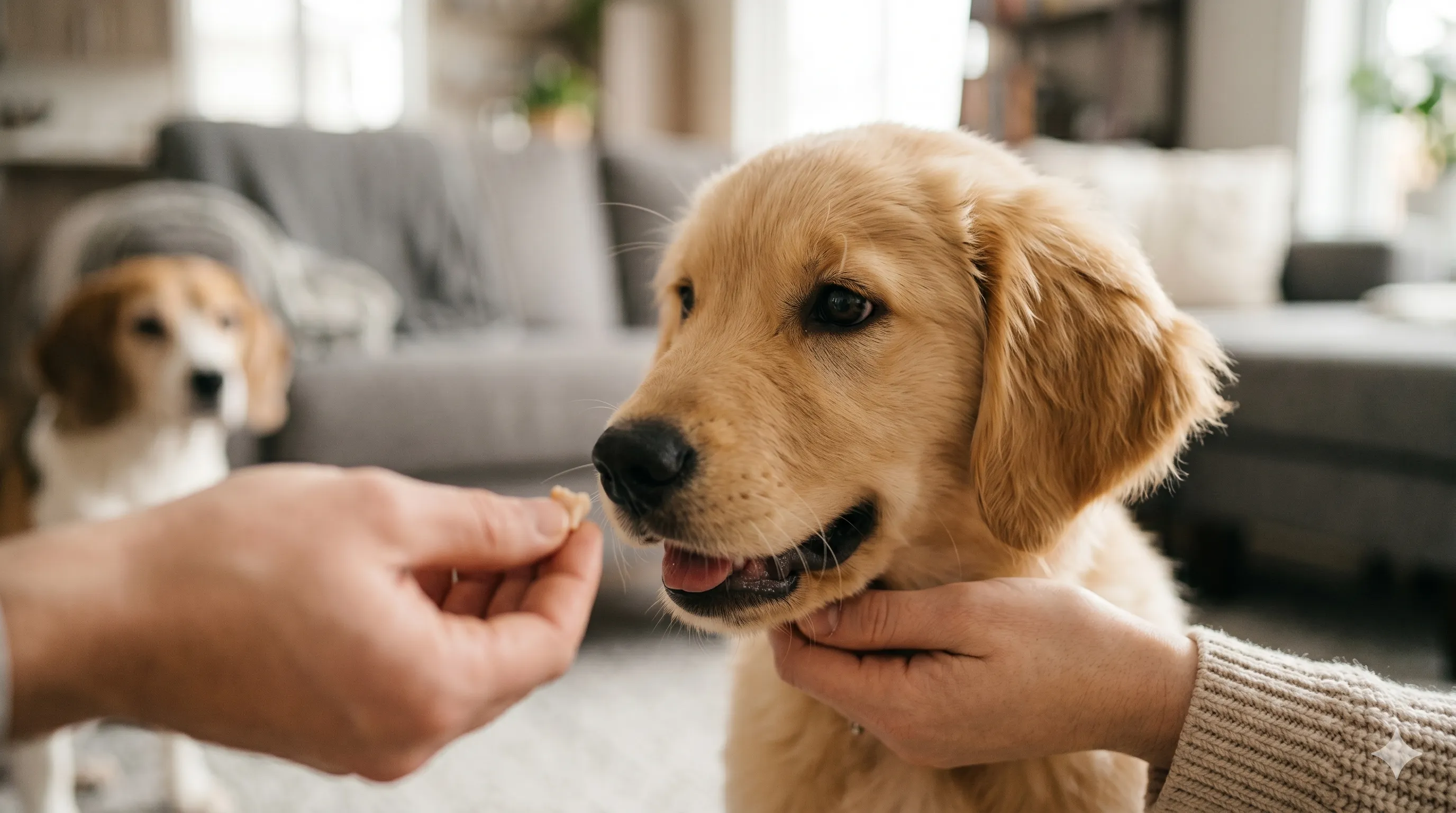
Puppy socialization means gradually introducing your puppy to the world in a safe and positive way.
Your puppy learns:
- How to interact with people
- How to respond to new environments
- How to handle sounds and movement
- How to stay calm during unfamiliar experiences
- How to build confidence instead of fear
A well-socialized puppy becomes more adaptable, easier to train, and emotionally stable.
Socialization is one of the biggest factors that influences your dog's long-term personality and behavior.
Why Puppy Socialization Is So Important
1. Prevents Fear-Based Aggression
Dogs that rarely experience new situations during puppyhood often become fearful later in life.
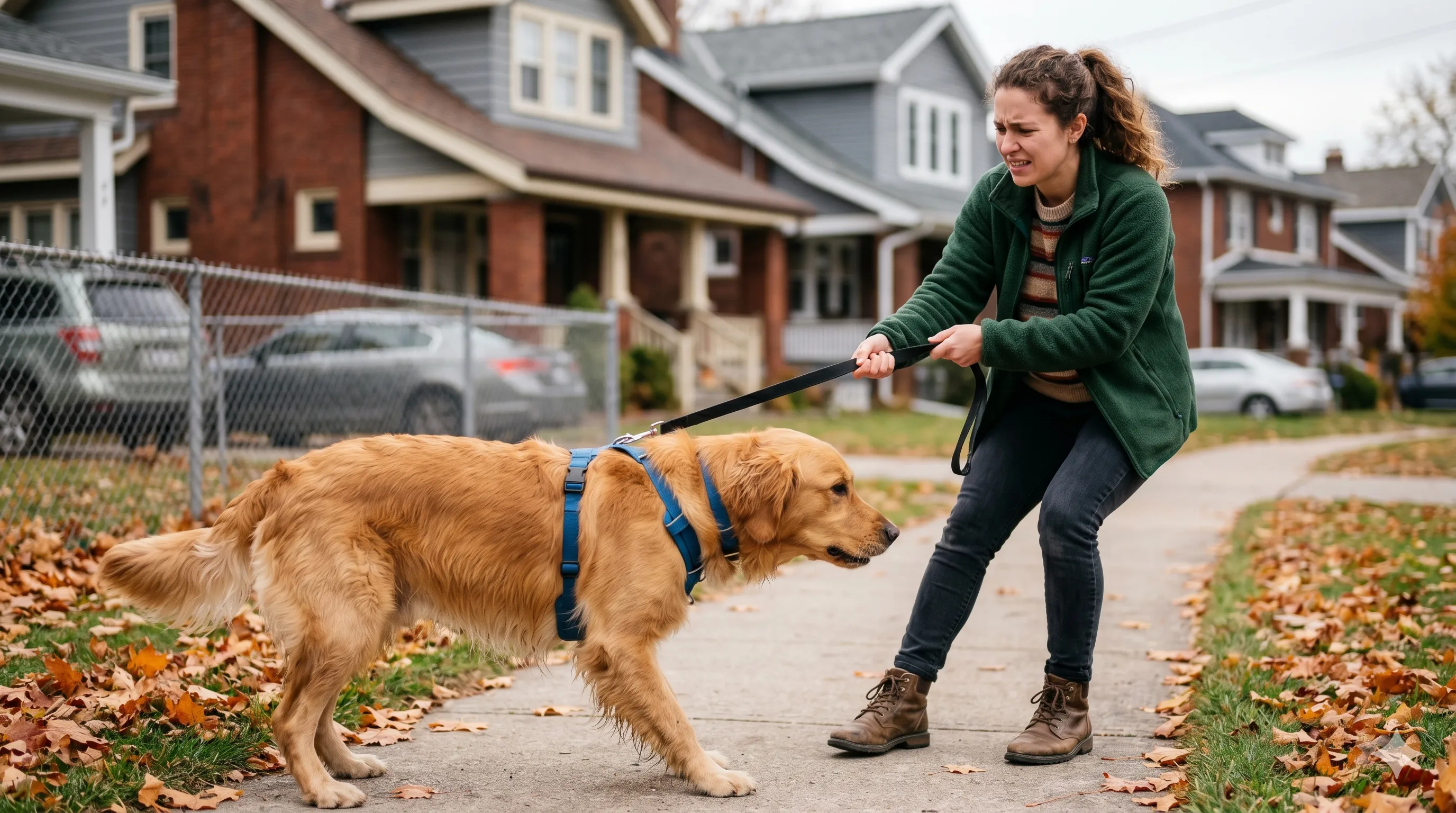
Fear can quickly turn into barking, lunging, growling, or avoidance behaviors. poor socialization can sometimes lead to clingy or anxious following behavior in dogs
Positive early exposure significantly reduces the risk of these problems developing.
2. Builds Long-Term Confidence
Confident puppies recover from stress faster and adapt more easily to changes in routine, environment, or social situations.
Instead of panicking during unfamiliar experiences, they learn to stay calm and curious.
3. Makes Training Easier
Socialized puppies focus better during training because they feel emotionally secure.
Fearful puppies often struggle with concentration and emotional regulation.
4. Reduces Anxiety Later in Life
Many adult behavioral issues actually begin during puppyhood because the dog never learned how to process unfamiliar situations safely.
Early socialization helps reduce long-term anxiety and stress-related behavior.
5. Improves Everyday Life
A socialized dog handles:
- Vet visits
- Car rides
- Guests
- Walks
- Public spaces
- Grooming
- New environments
with far less fear and resistance.
Best Age to Socialize a Puppy
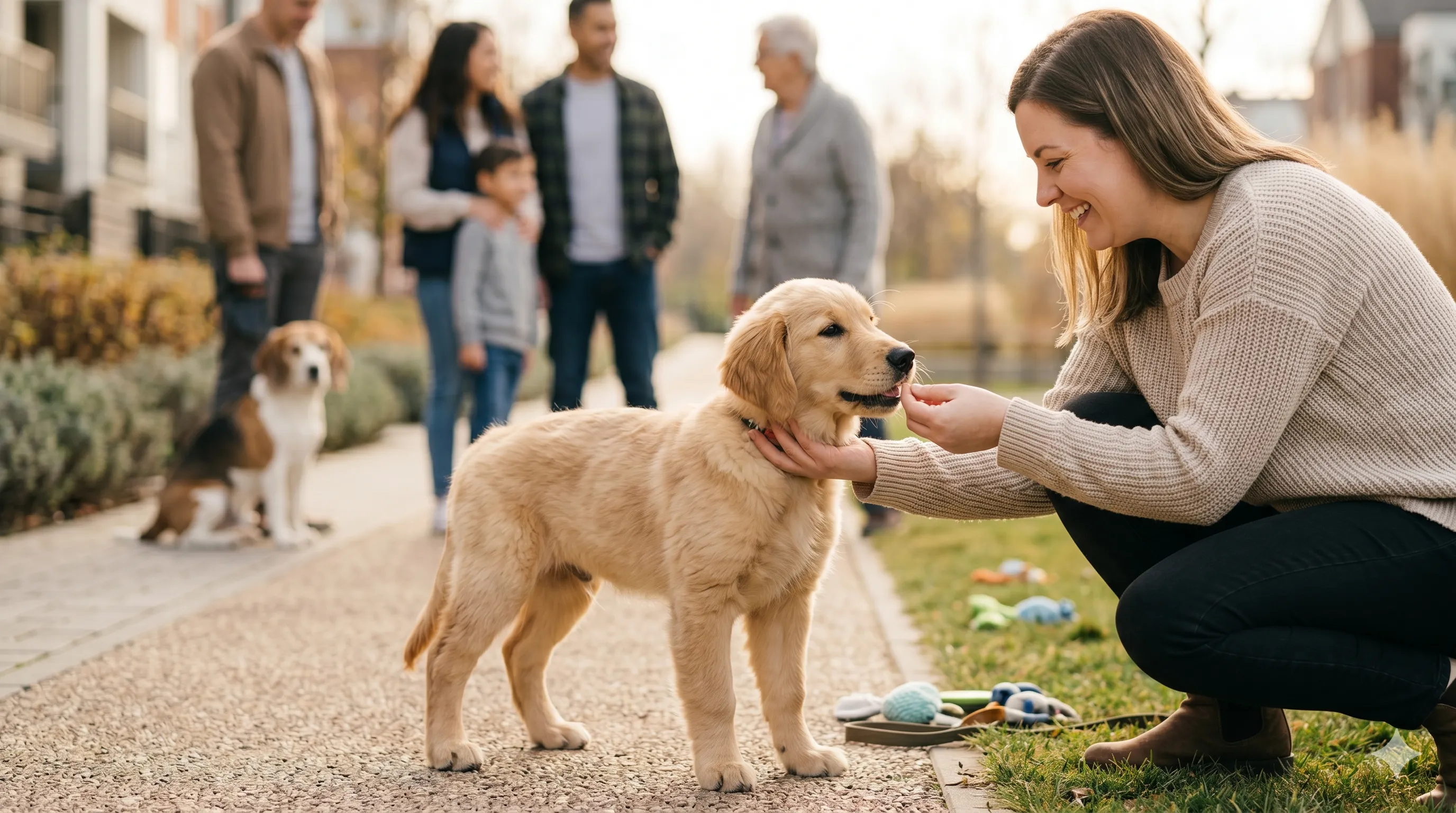
The most important puppy socialization window happens between 3 and 16 weeks.
During this stage, puppies are naturally more open to learning and adapting to new experiences.
This does NOT mean socialization ends after 16 weeks. It simply means early experiences have a stronger long-term impact.
Older puppies and adult dogs can still be socialized successfully, but the process usually takes more patience, consistency, and gradual exposure.
Signs Your Puppy Needs More Socialization
Some puppies naturally appear more cautious than others. However, these signs may indicate your puppy needs additional confidence-building exposure:
- Hiding behind you during walks
- Fear of strangers
- Excessive barking at unfamiliar sounds
- Fear around other dogs
- Freezing during walks
- Refusing treats outside
- Overreacting to movement or noise
- Extreme clinginess proper leash training becomes much easier with a well-socialized puppy
Early intervention helps prevent these fears from becoming long-term behavioral patterns.
How to Socialize a Puppy Step-by-Step
1. Start With Calm Environments
One of the biggest mistakes puppy owners make is exposing puppies to overwhelming situations too quickly.
Instead of crowded parks or loud public places, begin with calm and low-stimulation environments.
Short positive experiences build confidence much faster than intense exposure.
2. Introduce Different Types of People
Your puppy should gradually meet:
- Men
- Women
- Children
- People with hats
- People with glasses
- People using wheelchairs or walking aids
- People with different voices and movements
This helps reduce fear toward unfamiliar appearances later in life.
3. Safely Introduce Other Dogs
Choose calm, vaccinated, and socially stable dogs for early interactions.
A single negative interaction can strongly impact a young puppy's confidence.
Controlled exposure matters far more than quantity.
Proper socialization also makes future training easier, especially leash walking and public behavior. fearful puppies often develop hiding behavior when overwhelmed by new environments
4. Introduce New Surfaces and Environments
Allow your puppy to experience:
- Grass
- Concrete
- Wood floors
- Sand
- Stairs
- Elevators
- Car rides
- Different rooms and outdoor spaces
These small exposures build adaptability and confidence.
5. Expose Your Puppy to Sounds Gradually
Household sounds can become major triggers if puppies never learn how to process them calmly.
Gradually introduce:
- Vacuum cleaners
- Traffic
- Thunder sounds
- Doorbells
- Kitchen appliances
- Crowd noise
- TV sounds
Keep exposure calm and reward relaxed behavior.
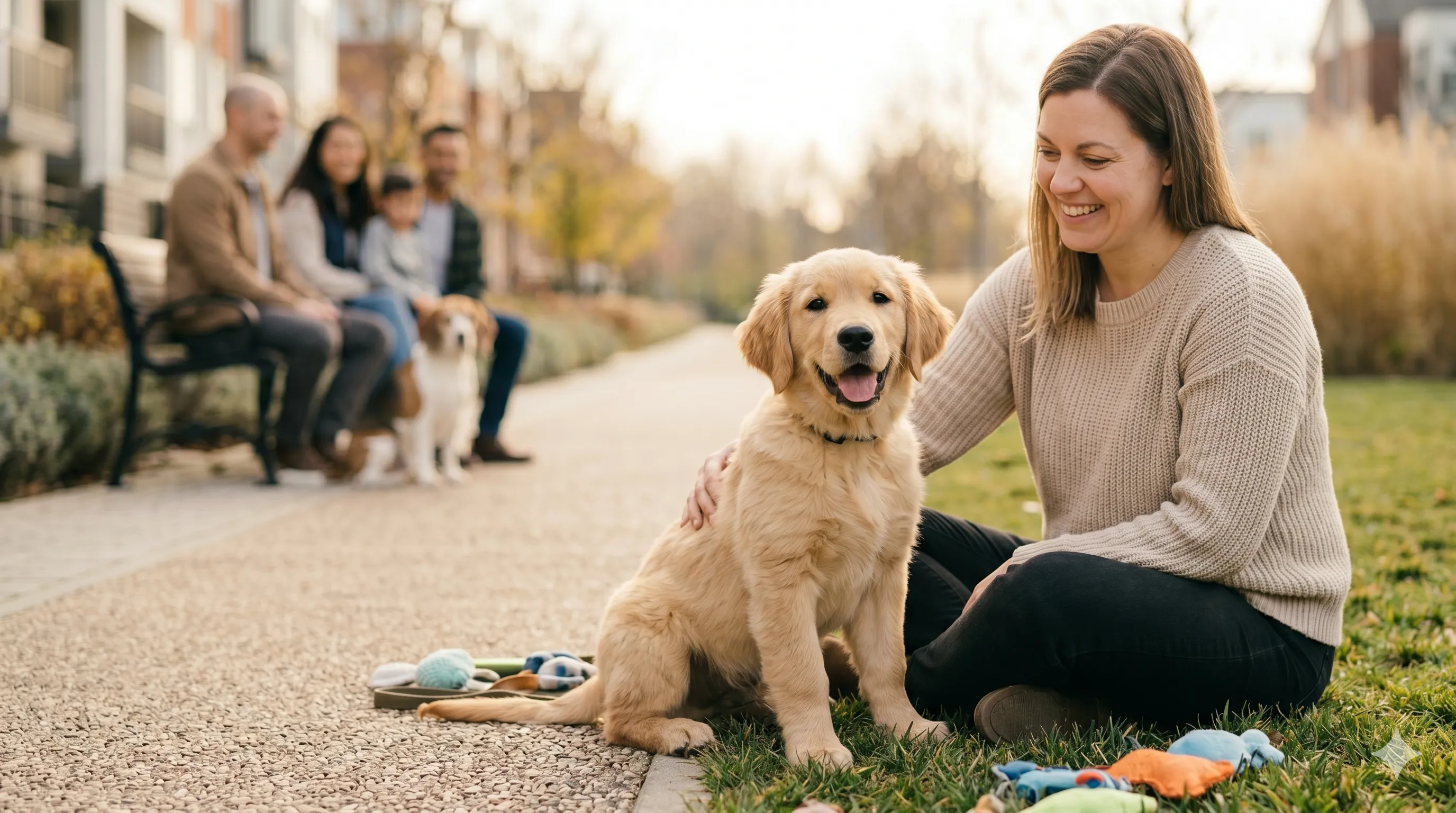
Puppy Fear Periods Explained
Many owners panic when a previously confident puppy suddenly becomes fearful.
This is often caused by developmental fear periods.
During these stages, puppies may suddenly react nervously to things they previously ignored.
This behavior is completely normal.
The goal during fear periods is NOT to force exposure. Instead:
- Stay calm
- Reduce pressure
- Use positive reinforcement
- Allow observation from a safe distance
- Avoid punishment
Most puppies regain confidence when handled properly.
How to Socialize a Puppy Without Overwhelming Them
Good socialization builds confidence gradually.
Bad socialization overwhelms the puppy and creates fear.
Watch your puppy's body language carefully.
Signs of overstimulation include:
- Tail tucked
- Lip licking
- Yawning repeatedly
- Freezing
- Trying to escape
- Refusing treats
- Hiding behavior puppies that are not exposed properly to sounds and environments may become reactive later in life
If you notice these signs, reduce intensity immediately.
Common Puppy Socialization Mistakes
1. Forcing Interaction
Never force your puppy toward people, dogs, or situations they fear.
This often increases anxiety instead of improving confidence.
2. Doing Too Much Too Quickly
Too many experiences at once can overwhelm your puppy emotionally.
Slow and positive exposure always works better.
3. Punishing Fear Responses
Fear should never be punished.
Punishment increases stress and damages trust.
4. Skipping Early Training
Socialization and training work together.
Puppies that learn calm behavior early adapt more successfully to the world around them.
5. Inconsistent Exposure
Confidence develops through repetition and consistency.
Occasional exposure is less effective than regular positive experiences.
Indoor Puppy Socialization Ideas
If your puppy is still completing vaccinations, you can safely socialize indoors by introducing:
- Different sounds
- Visitors
- Objects
- Textures
- Handling exercises
- Crate training
- Short car rides
- Confidence games
Puppies can still learn and adapt safely before full outdoor exposure.
Real-Life Example
A puppy owner noticed their puppy became nervous whenever guests visited the house.
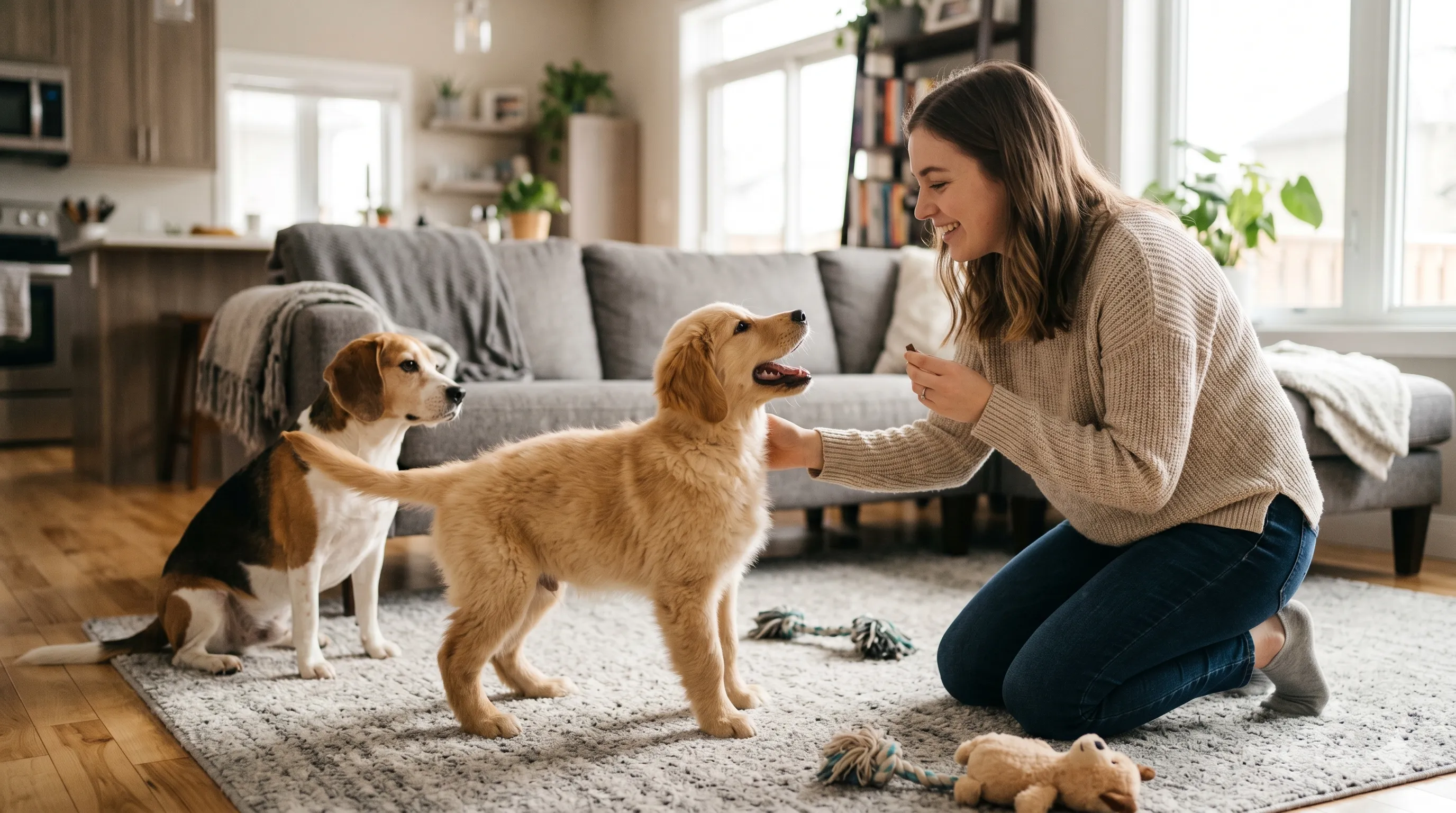
Instead of forcing interaction, they allowed the puppy to stay at a comfortable distance while rewarding calm behavior with treats.
After several weeks of gradual exposure, the puppy began approaching visitors confidently without fear or hiding.
This type of slow confidence-building creates far better long-term results than forced interaction.
Final Thoughts
Learning how to socialize a puppy is one of the most important investments you can make in your dog's future.
Socialization is not about exposing your puppy to everything at once. It's about helping them experience the world safely, calmly, and positively.
The goal is to build confidence not force bravery.
With patience, consistency, positive reinforcement, and gradual exposure, your puppy can grow into a calm, adaptable, friendly, and emotionally balanced companion.
Early socialization shapes behavior for life, and the effort you put in now can prevent years of behavioral challenges later.
This content is curated and reviewed for accuracy to provide helpful and reliable guidance for pet owners.
Medical Disclaimer
This content is provided for informational and educational purposes only and should not be considered veterinary, medical, behavioral, or training advice. While we strive for accuracy, we make no guarantees regarding completeness or results. Always consult a licensed veterinarian or qualified pet care professional before making decisions about your pet’s health, diet, or behavior.
AI Illustration Notice
Some images in this article may have been generated or enhanced using artificial intelligence for illustrative purposes.
Frequently Asked Questions
The ideal puppy socialization period is between 3 and 16 weeks of age.
Yes older puppies can still be socialized successfully with gradual positive exposure and patience.
Go slowly avoid forcing interaction and reward calm behavior consistently.
Socialization is an ongoing process but the early months are the most important for development.
Yes but correcting poor socialization later usually requires more time consistency and structured training.
Yes but interactions should be safe controlled and with vaccinated friendly dogs.
Proper socialization greatly reduces the risk of fear-based aggression later in life.
Expose your puppy to different people sounds surfaces environments and daily situations gradually and positively.
Editorial Note
This article is part of PetNurture's educational library.
Topics are researched using publicly available educational resources, recognised veterinary organisations, academic publications and established animal welfare references where appropriate.
Every article is reviewed by the PetNurture editorial team for clarity, structure, readability and consistency before publication.
References
The information in this article has been reviewed and supported using the following sources.
American Kennel Club
Puppy Socialization: Why, When, and How to Do It Right
The AKC identifies the first three months of a puppy's life as the critical socialization window and recommends exposing puppies to varied people, such as someone in a wheelchair, wearing sunglasses, or with a beard, along with different floor surfaces like carpet, hardwood, and tile.
Accessed Aug 6, 2026
American Veterinary Society of Animal Behavior
Position Statement on Puppy Socialization
The American Veterinary Society of Animal Behavior states that the primary socialization window is the first three months of life and recommends that puppies begin socializing as early as 7 to 8 weeks old, before vaccinations are fully complete, since more dogs are lost to behavioral problems than to infectious disease.
Accessed Aug 6, 2026
Pet Emergency Guidance
Every pet is unique. If your pet exhibits severe symptoms, sudden behavioral changes, or a medical emergency, do not rely on online guides — contact a licensed veterinarian or emergency clinic immediately.
About PetNurture
PetNurture is an educational library of pet care guides, interactive tools and practical resources for pet parents. We work continuously to keep our content accurate and up to date. Reader feedback helps us maintain content quality.
Related Articles
Popular Dog Guides
Dog
Dog Pregnancy Calculator
Estimate your dog's due date, pregnancy timeline, and key gestation milestones.