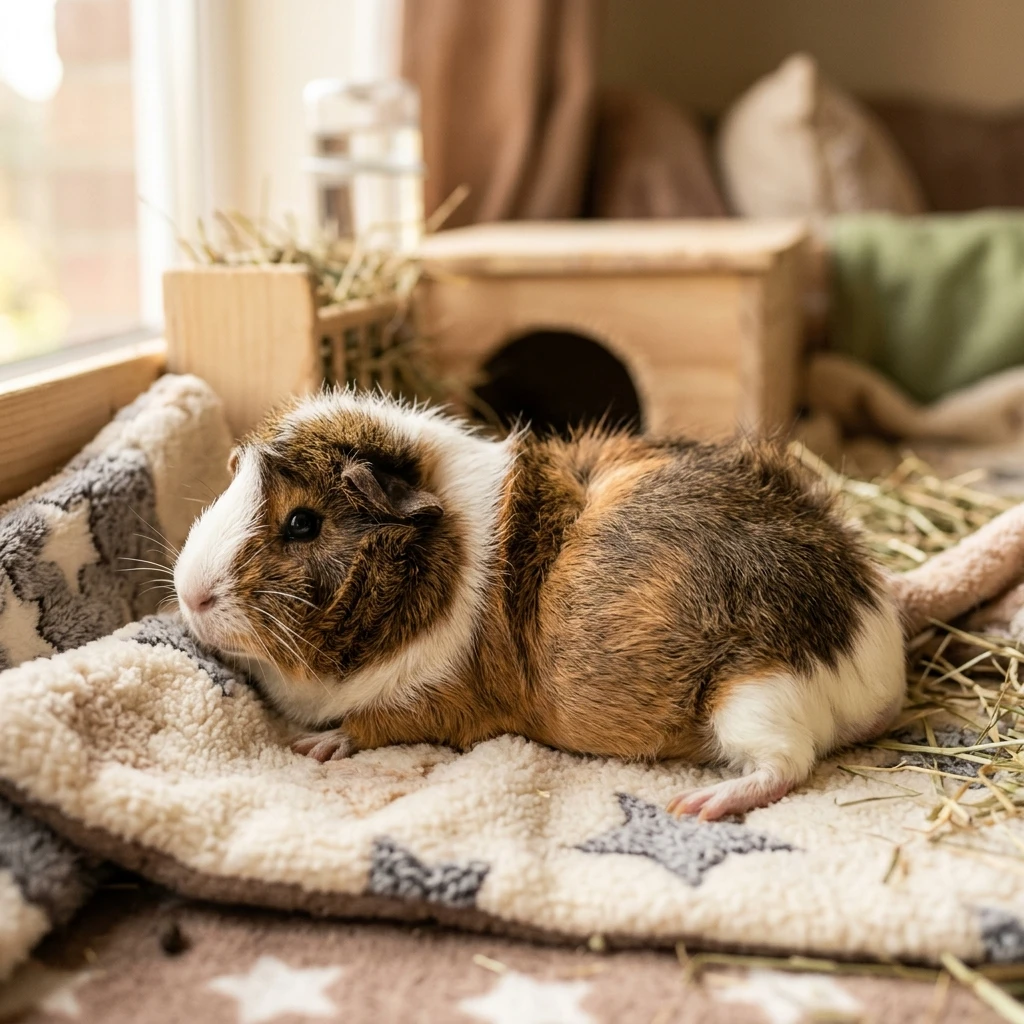
Guinea Pig Ownership Statistics USA

Guinea pigs are the second most popular small pet in the U.S. after rabbits — and recent shelter data suggests they're also behind one of the fastest-growing welfare crises among small animals, with surrenders spiking sharply in several major U.S. cities since 2021, even as national ownership data on guinea pigs specifically remains thin.
The statistics below are drawn from the American Pet Products Association's (APPA) December 2025 Bird, Small Animal & Horse Report, Humane World for Animals' shelter-intake reporting (with figures attributed to specific named shelters rather than blended into an unverified national estimate), and the American Cavy Breeders Association (ACBA), the U.S. guinea pig breed registry. Where no dedicated national guinea pig data exists — which is often — that gap is noted rather than filled in with a guess.
Key Statistics
Guinea pigs are the 2nd most popular small animal, per APPA (2025).
Total U.S. households owning any small animal, per APPA.
Guinea pig owners' top reported acquisition channel.
Up from under 350/year through 2020, per NYC's Animal Care Centers.
Rise in abandoned/stray guinea pigs, MSPCA-Boston, 2021–2022.
Share of surrendered guinea pigs (known origin) that came from a pet store.
Statistics Summary
| Statistic | Value |
|---|---|
|
Share of Small-Animal Owners
Guinea pigs are the 2nd most popular small animal, per APPA (2025). |
23% |
|
Small-Animal-Owning Households
Total U.S. households owning any small animal, per APPA. |
6M |
|
Acquired at Pet Superstores
Guinea pig owners' top reported acquisition channel. |
24% |
|
NYC Shelter Intake (2022)
Up from under 350/year through 2020, per NYC's Animal Care Centers. |
750+ |
|
Boston Abandonment Increase
Rise in abandoned/stray guinea pigs, MSPCA-Boston, 2021–2022. |
56% |
|
Surrendered From Pet Stores
Share of surrendered guinea pigs (known origin) that came from a pet store. |
61% |
How Many Pet Guinea Pigs Are There in the U.S.?
APPA's December 2025 Bird, Small Animal & Horse Report found that 6 million U.S. households own a small animal, with guinea pigs the second most popular species in that category at 23% of small-animal owners — behind rabbits (37%) and ahead of hamsters (18%, which has declined 25% since 2018). Multiplying those two APPA figures gives a rough estimate of roughly 1.4 million U.S. households owning a guinea pig. That figure is a calculation from two separately reported APPA numbers, not an officially published APPA total, and is presented here as an estimate rather than a hard count.
Where Guinea Pigs Come From
According to the same APPA report, 24% of guinea pig owners acquired their pet at a pet superstore — the single largest reported acquisition channel. That pattern matters on the shelter side too: among surrendered guinea pigs whose original source was known, Humane World for Animals reports that 61% had come from a pet store.
A Growing Shelter Crisis
Guinea pigs and other small pets aren't tracked in most national shelter statistics the way dogs and cats are, so the clearest evidence of a surrender surge comes from individual shelters reporting their own numbers. New York City's Animal Care Centers (ACC) took in fewer than 350 guinea pigs a year through 2020, then 709 in 2021 and more than 750 in 2022. Boston's MSPCA reported a 56% increase in abandoned and stray guinea pigs between 2021 and 2022. In Springfield, Massachusetts, Dakin Humane Society told Humane World for Animals it was fielding 60 to 80 guinea pig surrender requests a month while placing only about a dozen into new homes — and MSPCA notes small animals generally take two to three times longer to be adopted than dogs or cats.
For the broader national picture across all pet species, see our pet ownership statistics page.
Guinea pigs are also affected by the shelter surrender trends covered in our animal shelter & rescue statistics page.
About This Data
The figures on this page come from APPA 2025 Bird, Small Animal & Horse Report; Humane World for Animals — Small animals come with big obstacles for shelters; and American Cavy Breeders Association. Each source is listed with its publication in the references below, so you can check a figure against the original. Statistics describe the group and period each source measured, so they are best read as estimates rather than exact counts. See our Sources & References Policy for how data is chosen and cited, or use the Contact page to report a correction.
Detailed Statistics
| Statistic | Value | Description | Source |
|---|---|---|---|
| Small-animal-owning households | 6M | Total U.S. households owning any small animal, 2025. |
APPA 2025 Bird, Small Animal & Horse Report
Dec 3, 2025 |
| Guinea pigs' share of small-animal owners | 23% | 2nd most popular small animal species. |
APPA 2025 Bird, Small Animal & Horse Report
Dec 3, 2025 |
| Rabbits' share of small-animal owners | 37% | Most popular small animal, for comparison. |
APPA 2025 Bird, Small Animal & Horse Report
Dec 3, 2025 |
| Hamsters' share of small-animal owners | 18% | Down 25% since 2018, for comparison. |
APPA 2025 Bird, Small Animal & Horse Report
Dec 3, 2025 |
| Estimated guinea-pig-owning households | ~1.4M | Calculated as 6M small-animal households × 23% guinea pig share — not an officially published APPA total. |
Calculated from APPA 2025 Bird, Small Animal & Horse Report
Dec 3, 2025 |
| Guinea pig owners who bought at pet superstores | 24% | Top reported acquisition channel for guinea pig owners. |
APPA 2025 Bird, Small Animal & Horse Report
Dec 3, 2025 |
| NYC ACC guinea pig intake (through 2020) | <350/yr | Baseline annual intake before the 2021–2022 surge. | Humane World for Animals |
| NYC ACC guinea pig intake (2021) | 709 | New York City Animal Care Centers. | Humane World for Animals |
| NYC ACC guinea pig intake (2022) | 750+ | New York City Animal Care Centers. | Humane World for Animals |
| Abandoned/stray guinea pig increase, Boston | 56% | MSPCA-Boston, 2021–2022. | Humane World for Animals |
| Surrendered guinea pigs originally from pet stores | 61% | Among surrendered guinea pigs with a known origin. | Humane World for Animals |
Sources
- APPA 2025 Bird, Small Animal & Horse Report (Dec 3, 2025) — Household counts, species share within small animals, and acquisition channel data
- Humane World for Animals — "Small animals come with big obstacles for shelters" (Undated; references events through December 2023) — Shelter-level guinea pig intake and surrender data from named shelters (ACC NYC, MSPCA, Dakin Humane Society); organization rebranded from HSUS in 2024
- American Cavy Breeders Association — Breed recognition and standards; does not publish registration-based popularity statistics
Frequently Asked Questions
Data Disclaimer
Information on this page is compiled from publicly available reports, surveys, and industry publications. PetNurture does not conduct original research and cannot guarantee the completeness, accuracy, or timeliness of third-party data. Users should verify statistics directly with the original source before making decisions based on this information.