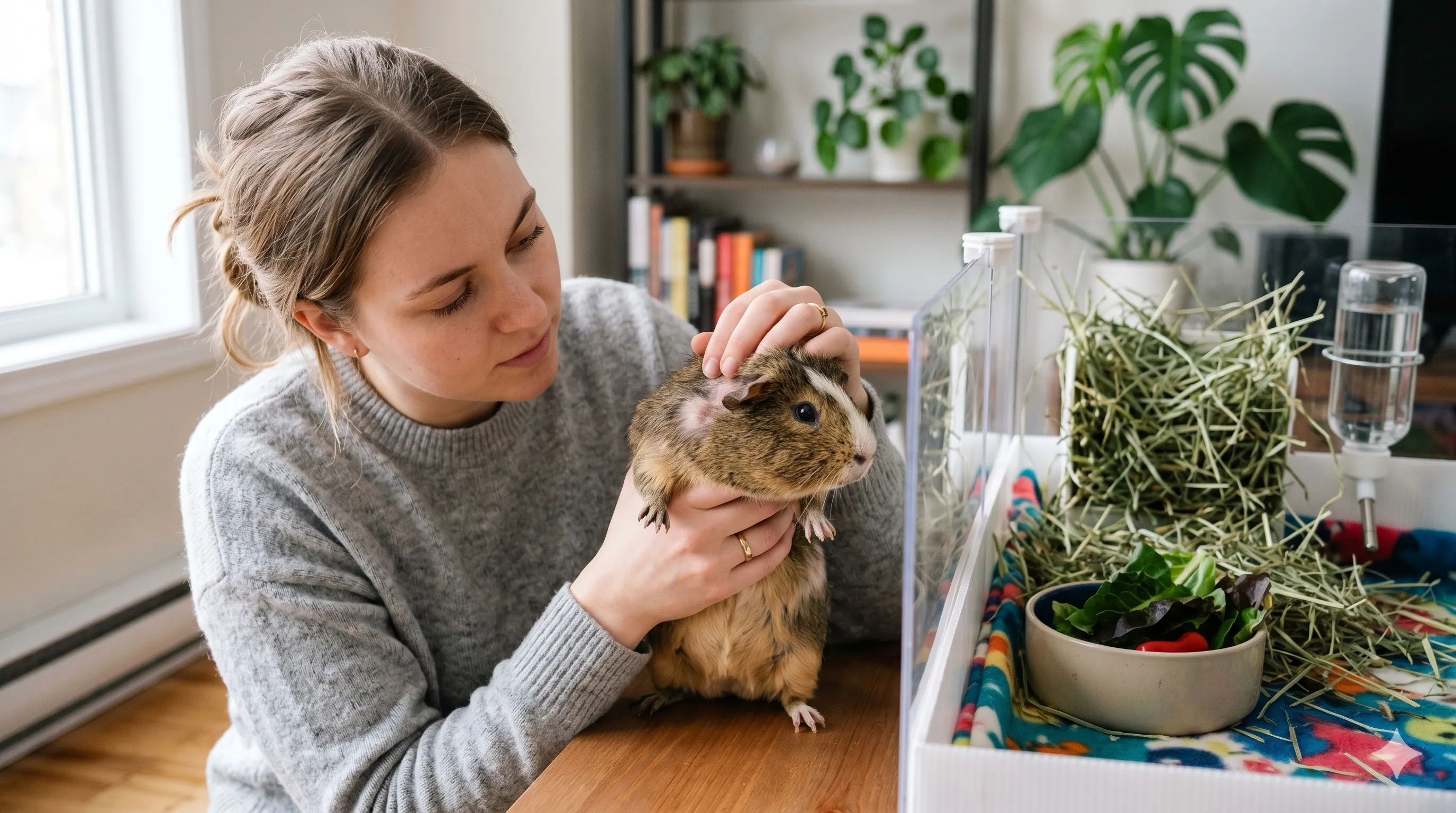
Guinea Pig Weight Chart: Healthy Weight by Age, Sex & Breed
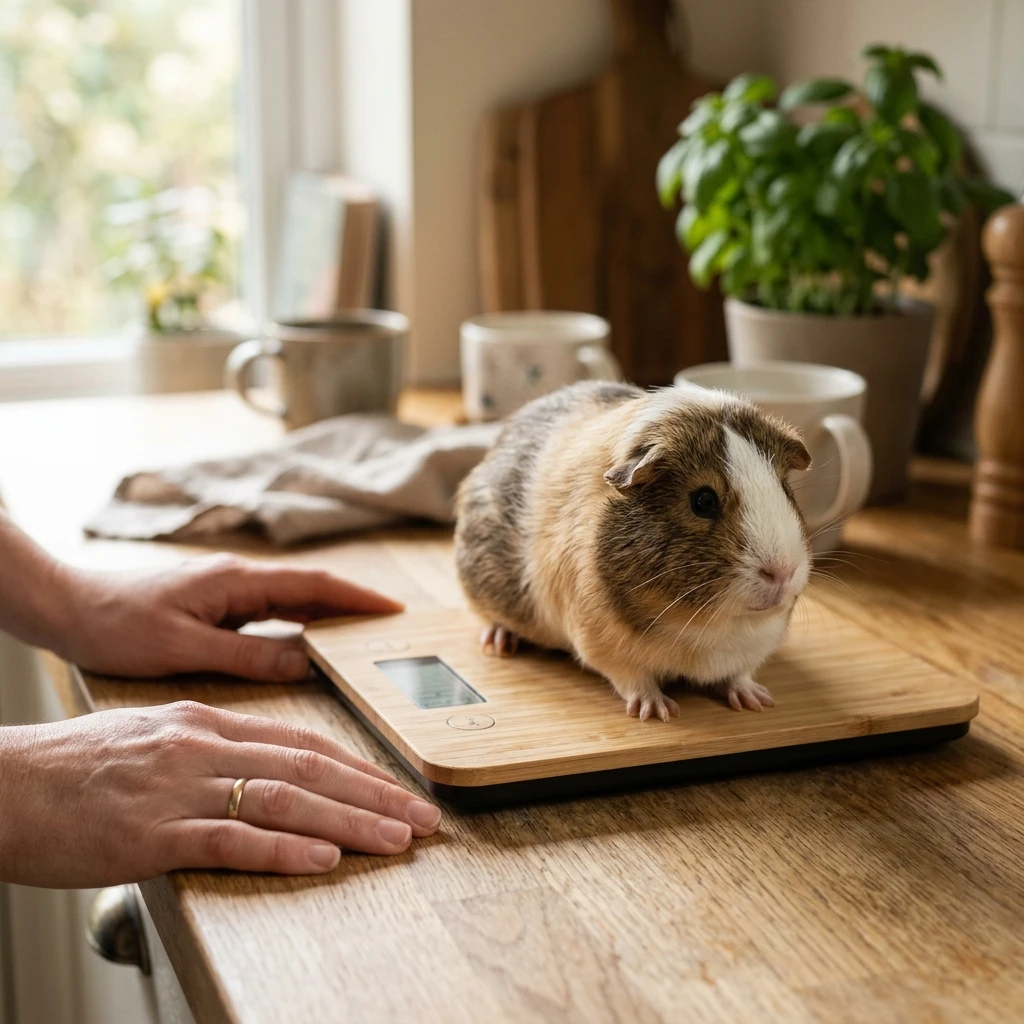
- Why Guinea Pig Weight Matters More Than It Seems
- Guinea Pig Weight Chart by Age
- Growth Slows Once a Guinea Pig Reaches Adulthood
- Weight Gain in the First Weeks of Life
- Healthy Adult Weight by Sex and Breed
- Female Guinea Pigs
- Male Guinea Pigs
- Breed and Individual Variation
- How to Weigh Your Guinea Pig Correctly
- Weighing Tips
- How Often to Weigh
- Is Your Guinea Pig Underweight or Overweight?
- Signs of Being Underweight
- Signs of Being Overweight
- When Weight Loss Is an Emergency
- Common Causes of Weight Loss
- How Much Weight Loss Is Too Much
- Weighing Guinea Pigs in Multi-Pig Households
- Tips for Multi-Pig Weigh-Ins
- Guinea Pig Obesity: Risks and Prevention
- Health Risks of Excess Weight
- Preventing Unhealthy Weight Gain
- Expert Tips for Tracking Guinea Pig Weight
- Common Mistakes to Avoid
- Final Thoughts
Note: This article is for informational purposes only and does not replace professional veterinary advice.
Quick Answer
Adult female guinea pigs typically weigh 700 to 1100 grams while adult males typically weigh 900 to 1500 grams, with breed and build shifting the range slightly. Weigh weekly on a digital kitchen scale and contact an exotic-animal vet for any drop of 50 grams or more in a week or a steady downward trend.
A guinea pig's weight is one of the clearest windows into her overall health, since guinea pigs are prey animals that instinctively hide signs of illness until a problem is already well underway. A healthy adult female typically weighs somewhere between 700 and 1,100 grams while a healthy adult male usually falls between 900 and 1,500 grams, though breed and individual build shift that range in either direction. This guide breaks down what a guinea pig should weigh at every life stage, how to weigh her correctly at home, and the specific warning signs of weight loss or weight gain that are worth a call to an exotic-animal vet rather than a wait-and-see approach.
Why Guinea Pig Weight Matters More Than It Seems
Unlike a dog or cat who might visibly limp or refuse a meal when something is wrong, guinea pigs are wired by instinct to mask discomfort since looking weak would make them an easy target in the wild. That survival instinct means the number on a scale is often the earliest and sometimes the only sign that something is off, well before an owner notices a change in behavior.
Regular weighing turns a vague sense that something seems different into an actual data point, which is exactly why weekly weigh-ins are considered standard practice among exotic-animal vets rather than an optional extra step.
A weight log also becomes genuinely useful the moment a guinea pig needs veterinary care, since it gives a vet a documented baseline to compare against instead of a single snapshot taken during an already-stressful clinic visit. Guinea pigs also tend to lose weight faster relative to their size than a larger animal would, so catching a downward trend within the first week or two, rather than the first month, can make a real difference in how quickly an underlying problem is identified and treated.
Guinea Pig Weight Chart by Age
Growth happens quickly in the first few months of life and then levels off as a guinea pig reaches maturity. The ranges below reflect general growth patterns reported across guinea pig care resources and should be read as a normal window rather than an exact target.
- At birth: roughly 85 to 100 grams (about 3 to 3.5 ounces)
- 2 months old: roughly 180 to 240 grams
- 3 months old: roughly 240 to 360 grams
- 6 months old: roughly 500 to 900 grams depending on sex and build
- 12 to 14 months old (adult): growth typically plateaus around this age
Growth Slows Once a Guinea Pig Reaches Adulthood
Most guinea pigs stop gaining height and length by around 12 to 14 months old, though gradual weight changes can still happen after that point from diet, activity level, or age-related changes. Once growth plateaus, a guinea pig's weight should stay fairly consistent from one weigh-in to the next, which is what makes a sudden shift in either direction worth paying attention to.
Weight Gain in the First Weeks of Life
The fastest growth happens in the first eight weeks, which is also the window where a daily or every-other-day weigh-in matters more than the weekly schedule used for adults.
- Day 1: roughly 85 to 100 grams at birth, with pups from larger litters typically starting nearer the lower end
- 1 week old: a small but steady gain most days is expected, and a pup that isn't gaining at all in the first week is worth mentioning to a vet
- 3 to 4 weeks old: usually well past 200 grams, and this is also the general window many breeders use for weaning
- 6 to 8 weeks old: approaching or within the 2-month range noted above as growth continues at a steady pace
A newborn who loses weight in the first 48 hours rather than holding steady or gaining, or who feels notably lighter than her littermates, is worth a same-day call to an exotic-animal vet rather than a wait-and-see approach.
Healthy Adult Weight by Sex and Breed
Sex is the biggest single factor separating one healthy adult weight from another, with build and breed adding some additional variation on top of that baseline.
Female Guinea Pigs
Most sources place a healthy adult female's weight between 700 and 1,100 grams, or roughly 1.5 to 2.5 pounds. A female who has been pregnant may temporarily weigh more during and shortly after that time before settling back toward her usual range.
Male Guinea Pigs
Adult males generally run larger, typically falling between 900 and 1,500 grams or about 2 to 3.5 pounds. The wider range reflects how much build and breed can influence a male's healthy weight compared to females.
Breed and Individual Variation
A guinea pig's healthy weight isn't a single fixed number even within the same sex, since breed, bone structure, and individual build all play a role. A guinea pig who sits slightly above or below the typical range but has consistently stayed there, eats normally, and has a visible waist is usually not a cause for concern on weight alone.
How to Weigh Your Guinea Pig Correctly
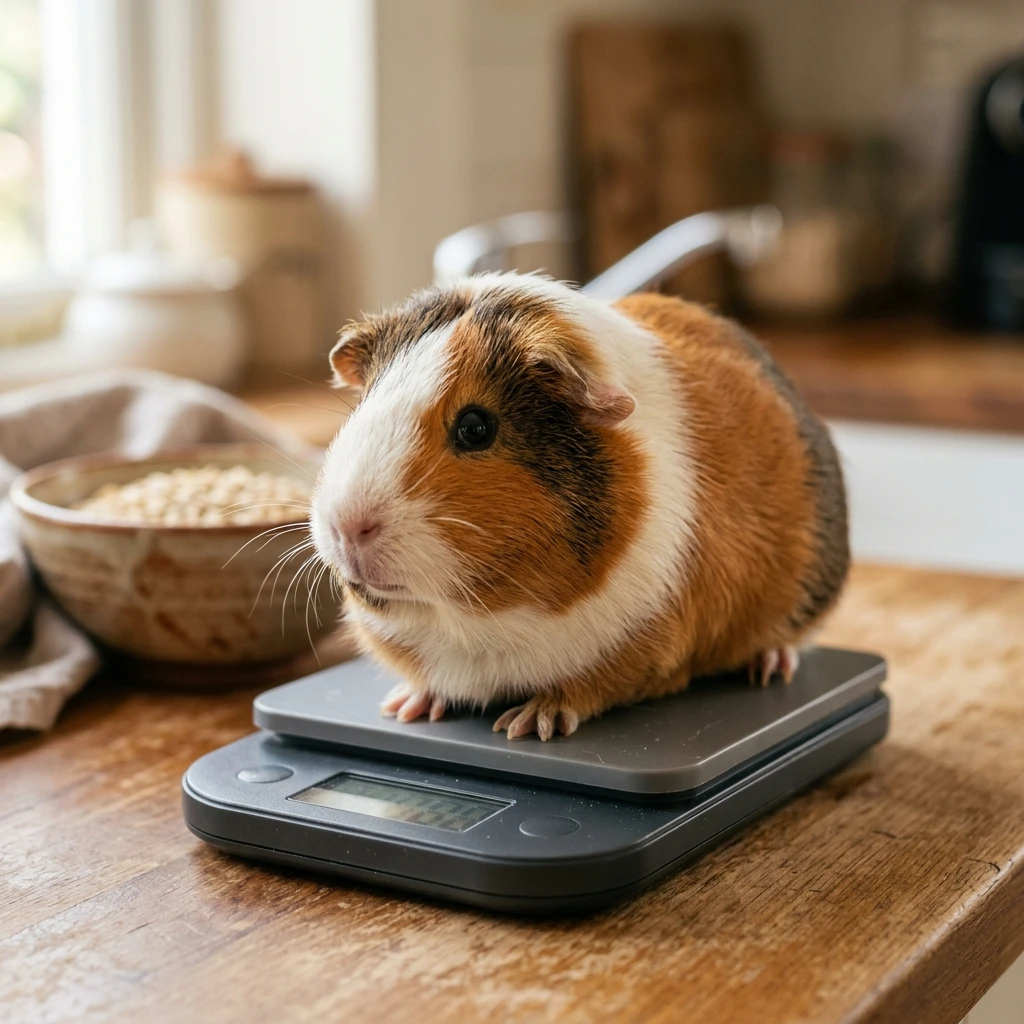
A digital kitchen food scale accurate to a few grams works far better than a bathroom scale, which isn't sensitive enough to catch meaningful changes in an animal this small.
Weighing Tips
- Place a small bowl or container on the scale and zero it out before adding the guinea pig
- Weigh at roughly the same time of day each week since weight can shift slightly depending on when she last ate or used the litter
- Keep her still for a few seconds by offering a small piece of vegetable while the scale settles
- Write the number down immediately rather than relying on memory, since spotting a trend depends on having consistent records
How Often to Weigh
Weekly weighing is the standard most exotic-animal vets recommend for adult guinea pigs, while young growing pigs and any guinea pig recovering from illness often benefit from being weighed every few days instead. A single weigh-in tells you very little on its own. The real value comes from comparing this week's number to several weeks of history.
Is Your Guinea Pig Underweight or Overweight?
The number on a scale matters, but body condition tells the rest of the story since two guinea pigs at the same weight can look and feel very different depending on their frame.
Signs of Being Underweight
- Ribs, spine, or hip bones that feel sharp and prominent rather than lightly padded
- A visible dip or hollow around the hips and lower back
- Reduced energy or a noticeable drop in normal activity
- A steady downward trend across multiple weekly weigh-ins
Signs of Being Overweight
- No visible waist when viewed from above
- Ribs that are difficult to feel under a thick layer of fat
- Fat rolls or pads around the neck, shoulders, or hindquarters
- Difficulty reaching the belly or hindquarters during normal grooming
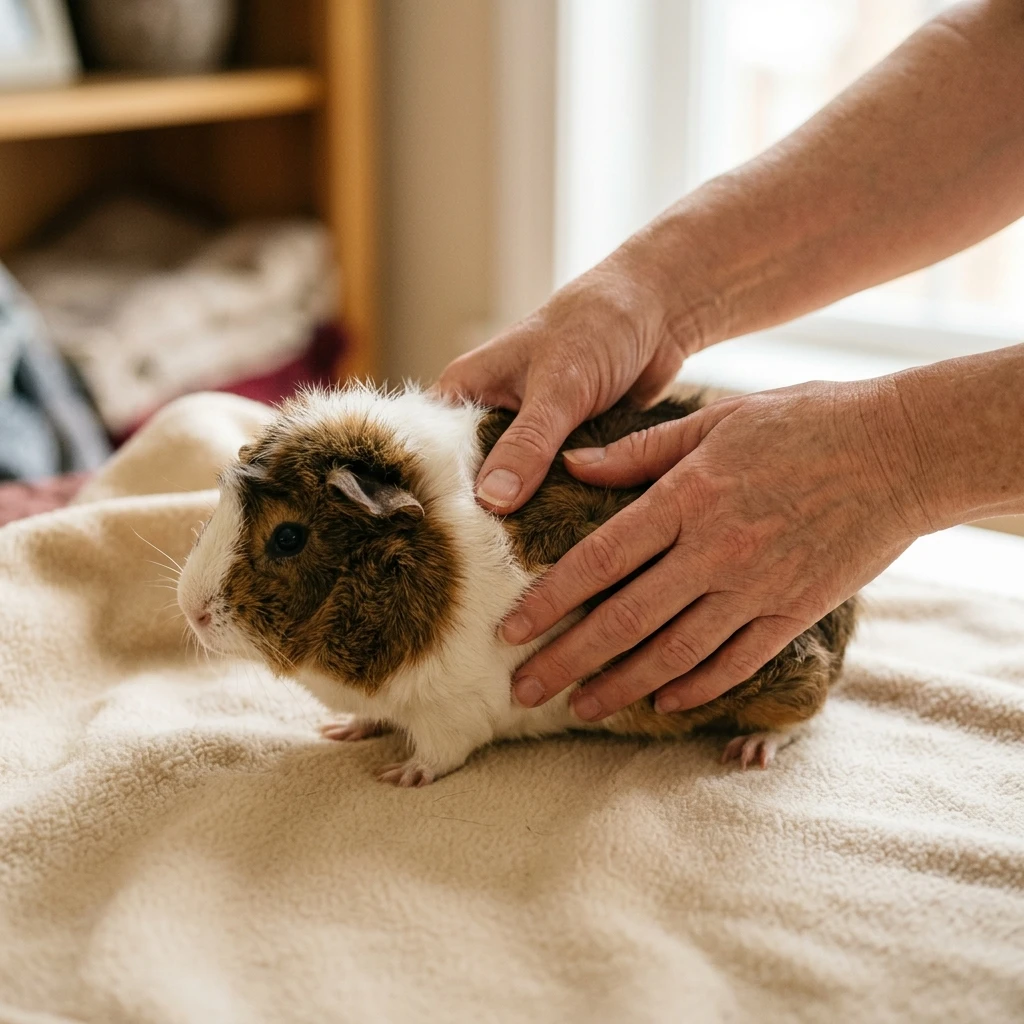
Running a hand gently along her sides once a week during a weigh-in is an easy way to check body condition alongside the number on the scale, since a scale alone can miss changes in muscle versus fat distribution.
When Weight Loss Is an Emergency
Guinea pigs can decline quickly once an underlying problem takes hold, which is exactly why weight loss deserves a faster response than it might in a larger, hardier pet.
Common Causes of Weight Loss
dental disease causing painful chewing is one of the most common underlying causes, since overgrown or misaligned teeth make chewing painful enough that a guinea pig quietly eats less without any other obvious sign. Reduced appetite from stress, digestive upset, parasites, infection, or organ disease can all drive weight loss as well, and more than one cause can be at play at the same time.
- Dental disease: overgrown molars or incisors make chewing hay and pellets painful, so eating slows down gradually rather than stopping all at once
- Gastrointestinal stasis: a slowdown in normal gut movement that reduces appetite and can become life-threatening within a day or two if untreated
- Respiratory infection: often paired with labored breathing or discharge alongside a drop in appetite and weight
- Parasites: internal or external parasites can quietly reduce appetite and body condition over several weeks
- Arthritis or joint pain: more common in older guinea pigs and can make it uncomfortable to reach food or move around the enclosure normally
- Social or environmental stress: a new cagemate, a recent move, or a loud environment can suppress appetite temporarily in an otherwise healthy guinea pig
How Much Weight Loss Is Too Much
A drop of 50 grams or more within a single week or any steady downward trend across a few weigh-ins is generally considered a reason to call an exotic-animal vet rather than waiting to see if it self-corrects. a sudden drop in appetite alongside a drop in weight is an especially strong signal that something needs veterinary attention soon, since the two together often point to the same underlying cause.
Weighing Guinea Pigs in Multi-Pig Households
Guinea pigs are social animals and are usually happiest and healthiest housed with at least one companion, but that same companionship can make weight tracking trickier since a shared food bowl makes it hard to know which pig is actually eating less.
Tips for Multi-Pig Weigh-Ins
- Weigh each guinea pig separately every week rather than assuming a bonded pair is doing equally well
- Keep a separate log for each individual pig, since a stable group average can still hide one pig quietly declining
- Watch for one pig being pushed away from the hay rack or food bowl by a more dominant cagemate, which can look like a behavior issue but shows up first as a weight change
- If one guinea pig in a group starts losing weight, briefly separating pigs at mealtimes can help confirm whether reduced access, rather than illness, is the underlying cause
Guinea Pig Obesity: Risks and Prevention
Weight gain rarely looks dramatic day to day, which is part of what makes it easy to miss until a guinea pig is already carrying enough extra weight to affect her health.
Health Risks of Excess Weight
Extra weight puts real strain on a guinea pig's small joints and heart, raises the risk of insulin resistance, and can contribute to digestive slowdown known as gastrointestinal stasis. An overweight guinea pig also often struggles to reach and groom her own hindquarters, which raises the risk of matted fur and skin problems in that area.
Preventing Unhealthy Weight Gain
Keeping unlimited grass hay as the base of her diet rather than filling up mostly on pellets and treats goes a long way toward preventing slow unnoticed weight gain, and daily supervised floor time gives her room to move around and stay active rather than sitting in one spot most of the day. Measuring pellet portions instead of free-feeding without limits also helps keep her weight in a healthy range over time.
Expert Tips for Tracking Guinea Pig Weight
- Keep a simple written or phone-based log of weekly weights so a gradual trend is easy to spot rather than relying on memory alone.
- Weigh multiple guinea pigs separately even if they're bonded and housed together, since group weighing hides individual changes.
- Check body condition by feel during every weigh-in rather than relying on the number alone, since muscle and fat can shift the same weight in very different ways.
- Bring a printed or digital copy of the weight log to vet visits, since a documented trend helps narrow down a cause much faster than a single weigh-in.
- Expect some natural weight fluctuation around pregnancy, molting, or seasonal appetite changes rather than assuming every small dip is a problem.
Common Mistakes to Avoid
- Weighing only occasionally instead of on a consistent weekly schedule that actually reveals a trend
- Assuming a thinner or heavier guinea pig is just her natural build without checking whether the trend is actually stable over time
- Free-feeding unlimited pellets and treats without noticing the slow steady weight gain it can cause
- Comparing a guinea pig's weight to a generic online average instead of tracking her own personal baseline
- Waiting to see if a sudden weight drop corrects itself before calling a vet
Final Thoughts
A healthy guinea pig weight isn't one universal number so much as a stable personal baseline, generally somewhere between 700 and 1,100 grams for females and 900 and 1,500 grams for males once she reaches adulthood. Weekly weigh-ins paired with a quick body-condition check turn a vague guess into real information, and treating any sudden drop or steady decline as a same-day call to the vet gives a guinea pig the best possible chance if something is actually wrong.
For more on building healthy daily habits beyond the scale, this complete guinea pig care guide covers the everyday fundamentals every guinea pig owner should have in place.
The single best habit for catching a health problem early is a consistent weekly weigh-in compared against your own guinea pig's personal trend rather than a generic average.
This guide is for general education and is not a substitute for veterinary care. Any guinea pig showing sudden weight loss, a steady downward trend, or signs of obesity-related discomfort should be seen by an exotic-animal veterinarian.
Medical Disclaimer
This content is provided for informational and educational purposes only and should not be considered veterinary, medical, behavioral, or training advice. While we strive for accuracy, we make no guarantees regarding completeness or results. Always consult a licensed veterinarian or qualified pet care professional before making decisions about your pet’s health, diet, or behavior.
AI Illustration Notice
Some images in this article may have been generated or enhanced using artificial intelligence for illustrative purposes.
Frequently Asked Questions
Adult females typically weigh between 700 and 1100 grams while adult males usually fall between 900 and 1500 grams. Breed and individual build can shift these ranges slightly in either direction.
Males generally have a larger overall frame and tend to carry more muscle mass than females. This is a normal sex difference rather than a sign of health problems in either direction.
A newborn guinea pig usually weighs around 85 to 100 grams at birth. Weight increases quickly over the following weeks and growth typically levels off around 12 to 14 months old.
Weekly weigh-ins are standard for healthy adult guinea pigs. Young growing pigs and any guinea pig recovering from illness often benefit from being weighed every few days instead.
Dental disease is one of the most common causes since painful overgrown teeth make eating uncomfortable. Digestive upset stress parasites infection and organ disease can also drive weight loss and more than one cause can overlap.
A drop of 50 grams or more within a single week or any steady downward trend across several weigh-ins is generally considered a reason to call an exotic-animal vet. Guinea pigs can decline quickly once an underlying problem takes hold so this isn't something to wait out.
Ribs spine or hip bones that feel sharp rather than lightly padded are a common sign. A visible hollow around the hips combined with a downward weight trend across a few weigh-ins is worth a vet visit.
Look for no visible waist when viewed from above and ribs that are hard to feel under a thick layer of fat. Fat rolls around the neck or hindquarters and trouble reaching the belly to groom are also common signs.
Excess weight puts strain on the joints and heart and raises the risk of insulin resistance. It can also contribute to gastrointestinal stasis and make it harder for a guinea pig to groom her own hindquarters.
A digital kitchen food scale accurate to a few grams works best. A bathroom scale isn't sensitive enough to catch meaningful changes in an animal this small.
Yes. Breed along with bone structure and individual build all influence what a healthy weight looks like for a specific guinea pig. A pig who sits slightly outside the typical range but stays consistent there and eats normally usually isn't a concern on weight alone.
Yes. A female often weighs more during and shortly after pregnancy before gradually settling back toward her usual range. This temporary shift is normal and expected rather than a health concern on its own.
Normal vs. Concerning Symptoms
A general guide to help you tell everyday variation apart from something worth a vet visit. This is educational context, not a diagnosis.
| Symptom | What's Normal | When to Be Concerned |
|---|---|---|
| Weekly weight trend | Stable or only slight change from one week to the next | A drop of 50 grams or more in a single week or a steady decline |
| Body shape | A visible waist with ribs easy to feel under a thin layer of fat | No visible waist and ribs that are hard to feel or hip bones that feel sharp |
| Appetite | Steady eating and drinking at the usual pace | Reduced interest in hay pellets or usual treats |
| Activity level | Normal moving popcorning and exploring the enclosure | Reduced movement or reluctance to move around |
| Grooming and breathing | Easy breathing and able to reach and groom the whole body | Labored breathing or visible trouble reaching the hindquarters |
What Should I Do Next?
A general decision guide — always use your own judgement and contact a veterinarian for anything beyond routine care.
- Weigh her again to confirm the trend Use the same scale and roughly the same time of day and compare the number against last week's log.
- Check appetite hay intake and droppings Reduced eating or noticeably fewer or smaller droppings often point to the same underlying problem as the weight change.
- Call an exotic-animal vet for a significant drop or trend A 50 gram or greater weekly drop or several weeks of steady decline warrants a same-week call rather than a wait-and-see approach.
- Bring the weight log to the appointment A written trend helps a vet narrow down potential causes faster than a single weigh-in on its own.
- Follow the vet's feeding and monitoring plan Adjust portions or supplements only as directed rather than changing the diet on your own before a diagnosis.
Common Mistakes
- Weighing only occasionally instead of on a consistent weekly schedule that actually reveals a trend
- Assuming a thinner or heavier guinea pig is just her natural build without confirming the trend is stable
- Free-feeding unlimited pellets and treats without noticing the slow steady weight gain it can cause
- Comparing a guinea pig's weight to a generic online average instead of tracking her own personal baseline
- Waiting to see if a sudden weight drop corrects itself before calling a vet
Prevention Tips
- Weigh on the same kitchen scale at roughly the same time each week and log the number
- Offer unlimited grass hay as the base of the diet rather than filling up mostly on pellets
- Provide daily supervised floor time so she can move around and stay active
- Check for a visible waist and easily felt ribs as a quick at-home body condition check
- Measure pellet and treat portions instead of free-feeding without limits
- Call a vet promptly for any unexplained weight change rather than waiting to see if it passes
Illustrative Example
Consider an owner who weighs their guinea pig every Sunday and logs the number in a notes app. Two weeks in a row the scale shows a drop of around 40 grams each time, though the guinea pig still seems to be eating and acting mostly normal. Rather than dismissing it as a fluke the owner checks her teeth area for drooling and notices slightly less hay disappearing from the rack than usual. Because the weekly log made the trend obvious well before any dramatic change in behavior appeared, a same-week vet visit catches early dental discomfort before it progresses into a much larger drop in weight and appetite.
Practical Checklist
- Use a digital kitchen food scale accurate to a few grams
- Weigh at roughly the same time of day each week for consistency
- Log each week's number rather than relying on memory
- Check for a visible waist and easily felt ribs as part of the weigh-in
- Note any change in appetite or droppings alongside the weight
- Call an exotic-animal vet for a 50 gram or greater weekly drop
Editorial Note
This article is part of PetNurture's educational library.
Topics are researched using publicly available educational resources, recognised veterinary organisations, academic publications and established animal welfare references where appropriate.
Every article is reviewed by the PetNurture editorial team for clarity, structure, readability and consistency before publication.
References
The information in this article has been reviewed and supported using the following sources.
Merck Veterinary Manual
Disorders and Diseases of Guinea Pigs
Confirms weight loss as an early clinical indicator in guinea pigs and common underlying causes including dental disease and gastrointestinal issues; supports the Weight Loss and Common Causes sections of this article.
Accessed Aug 19, 2026
PDSA
Confirms weekly weighing as recommended routine care and prompt veterinary attention for weight change; supports the How Often to Weigh and When Weight Loss Is an Emergency sections.
Accessed Aug 19, 2026
Guinea Lynx
Confirms the weekly weighing practice and the approximate weight-drop threshold used as a general guideline for when a change warrants concern; supports the Weighing Tips and Weight Loss sections.
Accessed Aug 19, 2026
Pet Emergency Guidance
Every pet is unique. If your pet exhibits severe symptoms, sudden behavioral changes, or a medical emergency, do not rely on online guides — contact a licensed veterinarian or emergency clinic immediately.
About PetNurture
PetNurture is an educational library of pet care guides, interactive tools and practical resources for pet parents. We work continuously to keep our content accurate and up to date. Reader feedback helps us maintain content quality.
Related Articles


Popular Guinea Pig Guides

Guinea Pig
Guinea Pig Feeding Calculator
Calculate daily food portions for your guinea pig by weight.
Guinea Pig
Guinea Pig Cage Size Calculator
Find the minimum recommended cage size for your guinea pigs.