
Guinea Pig Teeth Problems Explained (Overgrown Teeth Signs & Care)
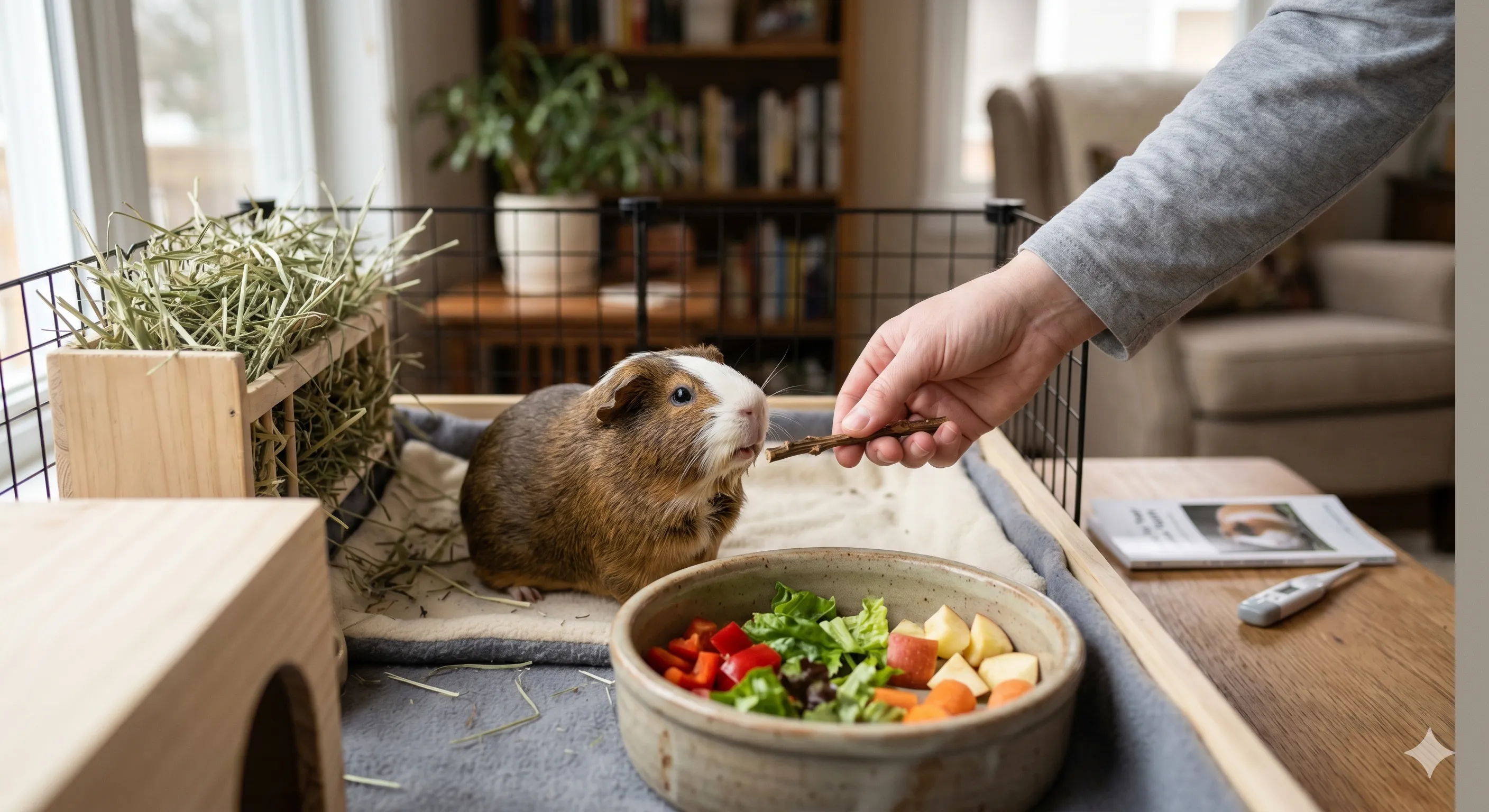
- Guinea Pig Teeth Problems (Quick Answer)
- Common Guinea Pig Teeth Problems at a Glance
- How Guinea Pig Teeth Work
- Why Dental Health Is So Important
- How Can I Tell if My Guinea Pig Has a Tooth Problem?
- Common Guinea Pig Dental Problems
- 1. Overgrown Incisors
- 2. Molar Overgrowth
- 3. Malocclusion
- 4. Dental Abscesses
- 5. Tooth Root Elongation
- Signs of Overgrown Teeth in Guinea Pigs
- Overgrown Incisors vs Molar Problems
- Why Dental Problems Affect Poop Production
- When Dental Problems Become an Emergency
- How Veterinarians Diagnose Dental Disease
- Treatment Options for Guinea Pig Teeth Problems
- Professional Teeth Trimming
- Molar Correction
- Treatment of Dental Abscesses
- Nutritional Support
- Can Guinea Pig Teeth Grow Back After Trimming?
- How to Prevent Guinea Pig Teeth Problems
- Provide Unlimited Grass Hay
- Encourage Natural Chewing
- Monitor Eating Habits
- Track Body Weight
- Schedule Routine Health Checks
- Common Myths About Guinea Pig Teeth
- What Should a Healthy Guinea Pig Diet Include?
- Final Thoughts
Note: This article is for informational purposes only and does not replace professional veterinary advice.
Dental health is one of the most important yet often overlooked aspects of guinea pig care. Unlike human teeth, guinea pig teeth never stop growing throughout their lives. This continuous growth is perfectly normal when teeth wear down naturally through chewing hay and fibrous foods. However, when that natural wear process is disrupted, serious dental problems can develop.
If you've noticed your guinea pig eating less, dropping food from its mouth, losing weight, or producing fewer droppings, dental disease could be a possible cause. Because guinea pigs depend on healthy teeth to chew food properly, even minor dental issues can quickly affect digestion, nutrition, and overall health.
Unfortunately, guinea pigs are prey animals that naturally hide signs of pain and illness. By the time obvious symptoms appear, dental disease may already be advanced.
In this complete guide, you'll learn how guinea pig teeth work, common dental problems, signs of overgrown teeth, treatment options, prevention strategies, and when veterinary care becomes urgent.
Guinea Pig Teeth Problems (Quick Answer)
Guinea pig teeth problems commonly involve overgrown incisors, molar overgrowth, malocclusion, dental abscesses, tooth root problems, and chewing difficulties. Symptoms often include reduced appetite, drooling, weight loss, difficulty eating, food dropping from the mouth, smaller droppings, and reduced hay consumption.
Because dental disease can prevent proper eating, early diagnosis and treatment are essential.
Common Guinea Pig Teeth Problems at a Glance
| Problem | What Owners Often Notice |
|---|---|
| Overgrown incisors | Visible long front teeth |
| Molar overgrowth | Difficulty chewing and dropping food |
| Malocclusion | Poor tooth alignment and eating problems |
| Dental abscess | Facial swelling and pain |
| Tooth root problems | Weight loss and chronic chewing difficulty |
| Healthy teeth | Normal eating and regular hay consumption |
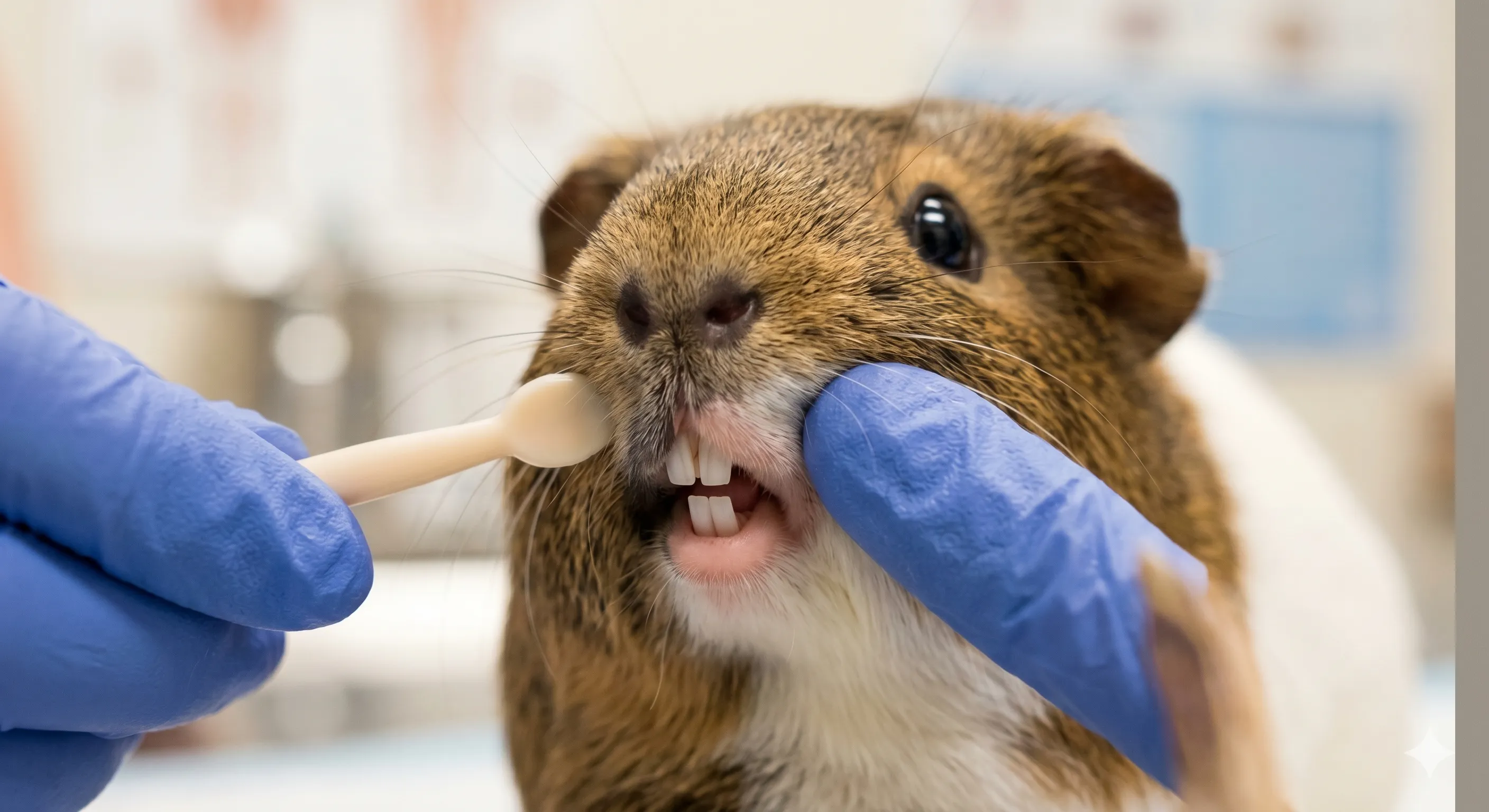
How Guinea Pig Teeth Work
Guinea pigs belong to a group of animals whose teeth grow continuously throughout life.
They have:
- Four front incisors
- Premolars and molars at the back of the mouth
- No canine teeth
- Teeth designed for grinding fibrous plant material
In the wild, guinea pigs spend much of their day chewing grasses and vegetation. This constant chewing naturally wears down the teeth and keeps them at the correct length.
Domestic guinea pigs rely on hay to perform the same function.
Without sufficient chewing, teeth may grow faster than they wear down.
guinea pig poop meaning chart and health signsWhy Dental Health Is So Important
Dental disease affects far more than the mouth.
A guinea pig experiencing tooth pain may:
- Eat less food
- Consume less hay
- Lose weight
- Develop digestive problems
- Produce fewer droppings
- Become lethargic
- Suffer nutritional deficiencies
Because guinea pig digestion depends on continuous food intake, even a short period without eating can become dangerous.
safe tomato portions for guinea pigs
How Can I Tell if My Guinea Pig Has a Tooth Problem?
Many guinea pigs continue trying to eat even when dental disease is causing discomfort, so the earliest signs can be subtle. Eating more slowly, dropping food, refusing hay while accepting softer foods, losing weight, drooling, or producing fewer droppings may all suggest that chewing has become painful.
Looking at changes in eating habits over several days is often more helpful than relying on a single symptom.
Common Guinea Pig Dental Problems
1. Overgrown Incisors
Incisors are the visible front teeth.
When normal wear is disrupted, these teeth may become excessively long.
Overgrown incisors can:
- Interfere with eating
- Cause mouth injuries
- Prevent proper chewing
- Lead to weight loss
In severe cases, incisors may curve abnormally or grow into surrounding tissues.
2. Molar Overgrowth
Molar problems are often more serious because they occur at the back of the mouth and are difficult for owners to see.
Overgrown molars may:
- Create sharp points
- Injure the tongue
- Cut the cheeks
- Cause significant pain
- Make chewing difficult
Molar disease often requires veterinary examination using specialized equipment.
healthy fruit treats for guinea pigs

3. Malocclusion
Malocclusion refers to improper tooth alignment.
When upper and lower teeth do not meet correctly, normal wear becomes impossible.
This causes teeth to continue growing without adequate grinding.
Malocclusion may develop because of:
- Genetics
- Injury
- Previous dental disease
- Abnormal jaw structure
Many guinea pigs with malocclusion require lifelong dental monitoring.
happy guinea pig behavior explained
4. Dental Abscesses
Dental abscesses occur when bacterial infections develop around tooth roots or jaw tissues.
Symptoms may include:
- Facial swelling
- Pain
- Difficulty eating
- Weight loss
- Visible lumps
Dental abscesses often require extensive treatment and should never be ignored.
5. Tooth Root Elongation
Some guinea pigs develop abnormal tooth root growth beneath the gum line.
This condition can:
- Cause chronic pain
- Affect chewing ability
- Lead to eye problems
- Create jaw abnormalities
Diagnosis typically requires veterinary imaging such as X-rays.
Signs of Overgrown Teeth in Guinea Pigs
Many owners do not notice dental disease until symptoms become significant.
Watch for:
- Difficulty chewing
- Drooling or wet chin
- Food dropping from the mouth
- Eating more slowly
- Reduced hay consumption
- Weight loss
- Smaller poop output
- Preference for soft foods
- Reduced appetite
- Facial swelling
Even one or two of these symptoms may justify a veterinary examination.
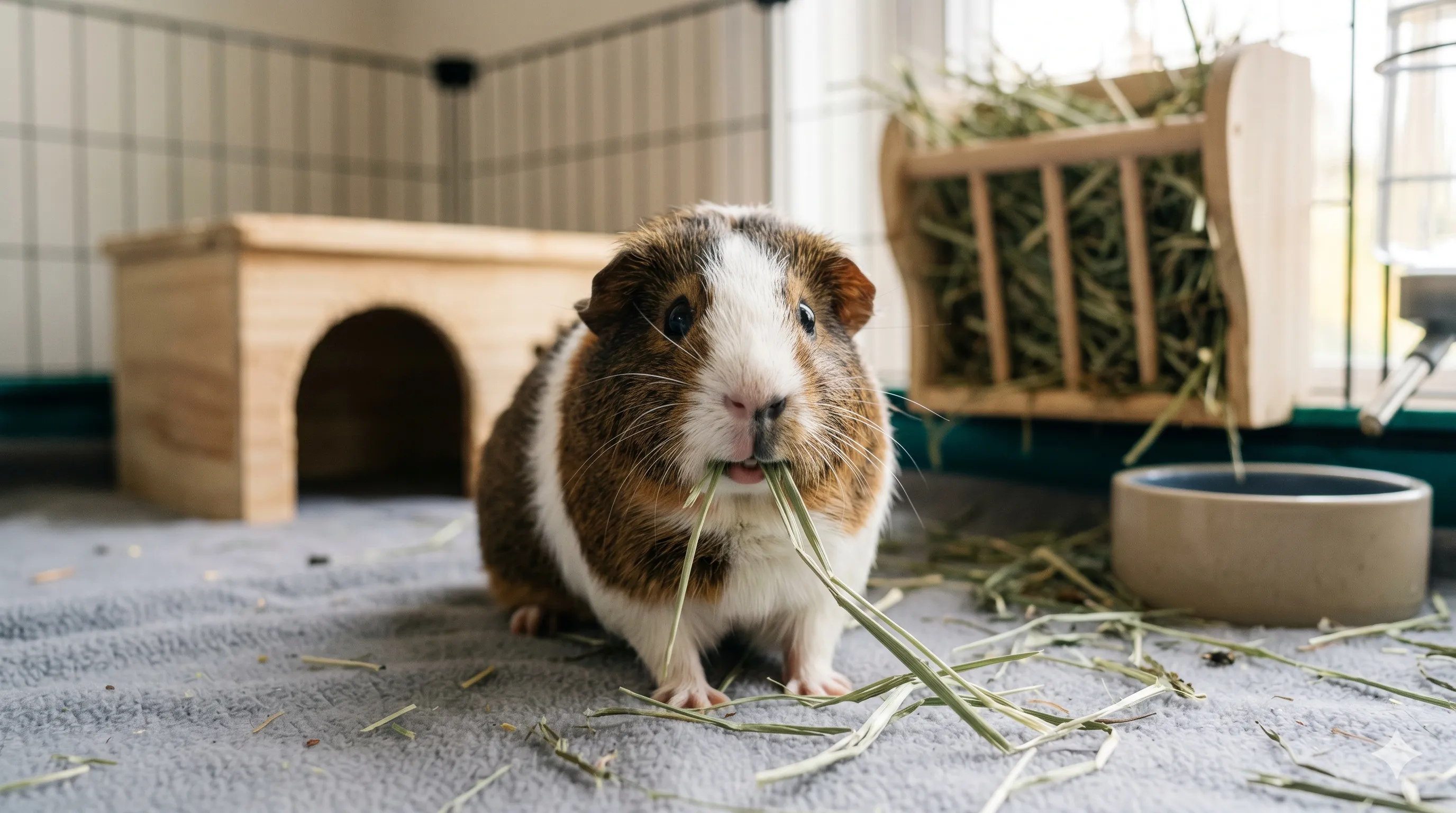
Overgrown Incisors vs Molar Problems
| Condition | What Owners May Notice |
|---|---|
| Overgrown incisors | Visible long front teeth |
| Molar overgrowth | Slow chewing, drooling, dropping food |
| Both conditions | Weight loss and reduced appetite |
Why Dental Problems Affect Poop Production
Many owners are surprised to learn that changes in droppings can indicate dental disease.
When chewing becomes painful, guinea pigs eat less food.
Reduced food intake means:
- Less fiber enters the digestive tract
- Gut movement slows down
- Droppings become smaller
- Poop production decreases
In some cases, declining stool output may be one of the earliest warning signs of a serious dental problem.
If your guinea pig begins producing noticeably fewer droppings while also eating more slowly or avoiding hay, it is important to consider dental disease as one possible explanation. Observing these changes together often provides a clearer picture than looking at either symptom on its own.
signs of illness in guinea pigsWhen Dental Problems Become an Emergency
Guinea pigs cannot safely go long periods without eating.
Immediate veterinary attention is recommended if your guinea pig:
- Stops eating
- Produces very few droppings
- Appears lethargic
- Loses weight rapidly
- Shows severe drooling
- Has visible facial swelling
- Refuses favorite foods
A guinea pig that stops eating due to dental pain can quickly develop life-threatening digestive complications.
How Veterinarians Diagnose Dental Disease
A thorough veterinary evaluation may include:
- Physical examination
- Oral examination
- Weight assessment
- Dental inspection under magnification
- X-rays
- Sedated oral examination
Because molar problems often occur deep inside the mouth, specialized examination is frequently necessary.
understanding guinea pig soundsTreatment Options for Guinea Pig Teeth Problems
Professional Teeth Trimming
Overgrown incisors and molars may require careful trimming by an experienced exotic veterinarian.
Teeth should never be clipped at home because improper trimming can crack teeth and cause serious injury.
Molar Correction
Specialized dental equipment may be used to reshape overgrown molars and remove painful sharp points.
Treatment of Dental Abscesses
Abscesses often require:
- Antibiotics
- Cleaning procedures
- Surgery in some cases
- Pain management
Nutritional Support
Guinea pigs struggling to eat may require supplemental feeding while recovering.
best lettuce for guinea pigsCan Guinea Pig Teeth Grow Back After Trimming?
Yes. Guinea pig teeth naturally continue growing throughout life, which is why correcting the underlying cause of abnormal wear is just as important as trimming the teeth themselves. Regular veterinary monitoring and a hay-rich diet help support healthier long-term tooth wear.
How to Prevent Guinea Pig Teeth Problems
Provide Unlimited Grass Hay
Hay is the single most important food for dental health.
Constant chewing helps maintain proper tooth length and wear.
Encourage Natural Chewing
Safe chewing opportunities may include:
- Hay
- Safe wooden chews
- Cardboard enrichment
- Fibrous vegetables
Monitor Eating Habits
Changes in eating patterns are often early warning signs.
Track Body Weight
Weekly weight checks can help identify dental problems before obvious symptoms appear. Gradual weight loss may occur even when a guinea pig still appears interested in eating, making regular weight monitoring one of the most useful early warning tools for owners.
Schedule Routine Health Checks
Regular veterinary examinations improve the chances of catching dental disease early.
Common Myths About Guinea Pig Teeth
- Overgrown teeth do not always affect only the front incisors
- Healthy-looking incisors do not guarantee healthy molars
- Chew toys alone cannot replace hay
- Dental disease can occur even in younger guinea pigs
- Weight loss is not a normal part of aging
Understanding these misconceptions helps owners recognize problems sooner.
can guinea pigs eat cucumbers safelyWhat Should a Healthy Guinea Pig Diet Include?
The best diet for dental health includes:
- Unlimited grass hay
- Fresh water
- Vitamin C-rich vegetables
- Quality guinea pig pellets
Hay should make up the majority of daily food intake because it provides the chewing action necessary for proper tooth wear.
can guinea pigs eat carrots dailyFinal Thoughts
Dental disease is one of the most common health problems seen in guinea pigs, yet many cases go unnoticed until symptoms become advanced.
Because guinea pig teeth grow continuously throughout life, proper wear through unlimited hay consumption is essential. Overgrown incisors, molar abnormalities, malocclusion, and dental infections can all interfere with eating and quickly affect overall health.
By monitoring eating habits, weight, droppings, and behavior regularly, owners can identify potential dental problems early and seek treatment before serious complications develop.
Checking your guinea pig's appetite, body weight, hay consumption, droppings, and chewing habits on a regular basis is one of the best ways to notice potential dental problems early. Small behavioral changes often appear before more obvious symptoms develop.
This article is intended for educational purposes only and should not replace professional veterinary advice. If your guinea pig develops appetite loss, drooling, weight loss, facial swelling, or difficulty eating, consult an experienced exotic veterinarian promptly.
Medical Disclaimer
This content is provided for informational and educational purposes only and should not be considered veterinary, medical, behavioral, or training advice. While we strive for accuracy, we make no guarantees regarding completeness or results. Always consult a licensed veterinarian or qualified pet care professional before making decisions about your pet’s health, diet, or behavior.
AI Illustration Notice
Some images in this article may have been generated or enhanced using artificial intelligence for illustrative purposes.
Frequently Asked Questions
Guinea pig teeth continuously grow throughout life and require constant wear through chewing hay and fibrous foods.
Common signs include drooling, difficulty chewing, weight loss, food dropping from the mouth, reduced hay consumption, and smaller droppings.
Yes. Overgrown teeth can make chewing painful and reduce normal food intake. If left untreated, dental disease may contribute to weight loss, digestive problems, and other serious health complications.
Veterinarians may perform dental examinations, trim overgrown teeth, correct molar abnormalities, treat infections, and provide pain management.
Malocclusion may develop because of genetics, injury, jaw abnormalities, or previous dental disease that prevents proper tooth alignment.
Yes, untreated dental disease can eventually become life-threatening if it causes prolonged appetite loss and digestive shutdown.
Hay provides the continuous chewing action needed to naturally wear down teeth and maintain proper tooth length.
Molar problems often cause slow eating, drooling, weight loss, reduced hay intake, food dropping, and mouth pain.
No, teeth should never be trimmed at home because improper trimming can crack teeth and cause severe injury.
Seek veterinary care immediately if your guinea pig has difficulty eating, weight loss, drooling, facial swelling, or significantly reduced appetite.
Many guinea pigs with dental disease eat more slowly, drop food, lose weight, drool, or avoid hay. Monitoring eating habits and body weight often helps identify problems early.
Healthy guinea pig incisors are smooth, evenly aligned, and allow comfortable chewing. Healthy molars cannot usually be examined safely at home and require veterinary assessment if problems are suspected.
Some guinea pigs continue eating softer foods while avoiding hay or harder foods. Difficulty chewing should always be discussed with a veterinarian because dental disease can progress quickly.
Yes. Guinea pig teeth continue growing throughout life, which is why maintaining proper tooth wear through hay consumption and veterinary care is important after treatment.
Editorial Note
This article is part of PetNurture's educational library.
Topics are researched using publicly available educational resources, recognised veterinary organisations, academic publications and established animal welfare references where appropriate.
Every article is reviewed by the PetNurture editorial team for clarity, structure, readability and consistency before publication.
References
The information in this article has been reviewed and supported using the following sources.
VCA Animal Hospitals
Confirms hay is critical to wearing down continuously growing guinea pig teeth; directly supports the 'How Guinea Pig Teeth Work' and prevention sections of this article.
Accessed Aug 6, 2026
VCA Animal Hospitals
Health Problems in Guinea Pigs
Confirms dental disease in guinea pigs, including overgrown molars that form sharp points, and that CT or X-ray imaging is used for diagnosis; supports the 'Molar Overgrowth' and 'How Veterinarians Diagnose Dental Disease' sections of this article.
Accessed Aug 6, 2026
Pet Emergency Guidance
Every pet is unique. If your pet exhibits severe symptoms, sudden behavioral changes, or a medical emergency, do not rely on online guides — contact a licensed veterinarian or emergency clinic immediately.
About PetNurture
PetNurture is an educational library of pet care guides, interactive tools and practical resources for pet parents. We work continuously to keep our content accurate and up to date. Reader feedback helps us maintain content quality.
Related Articles
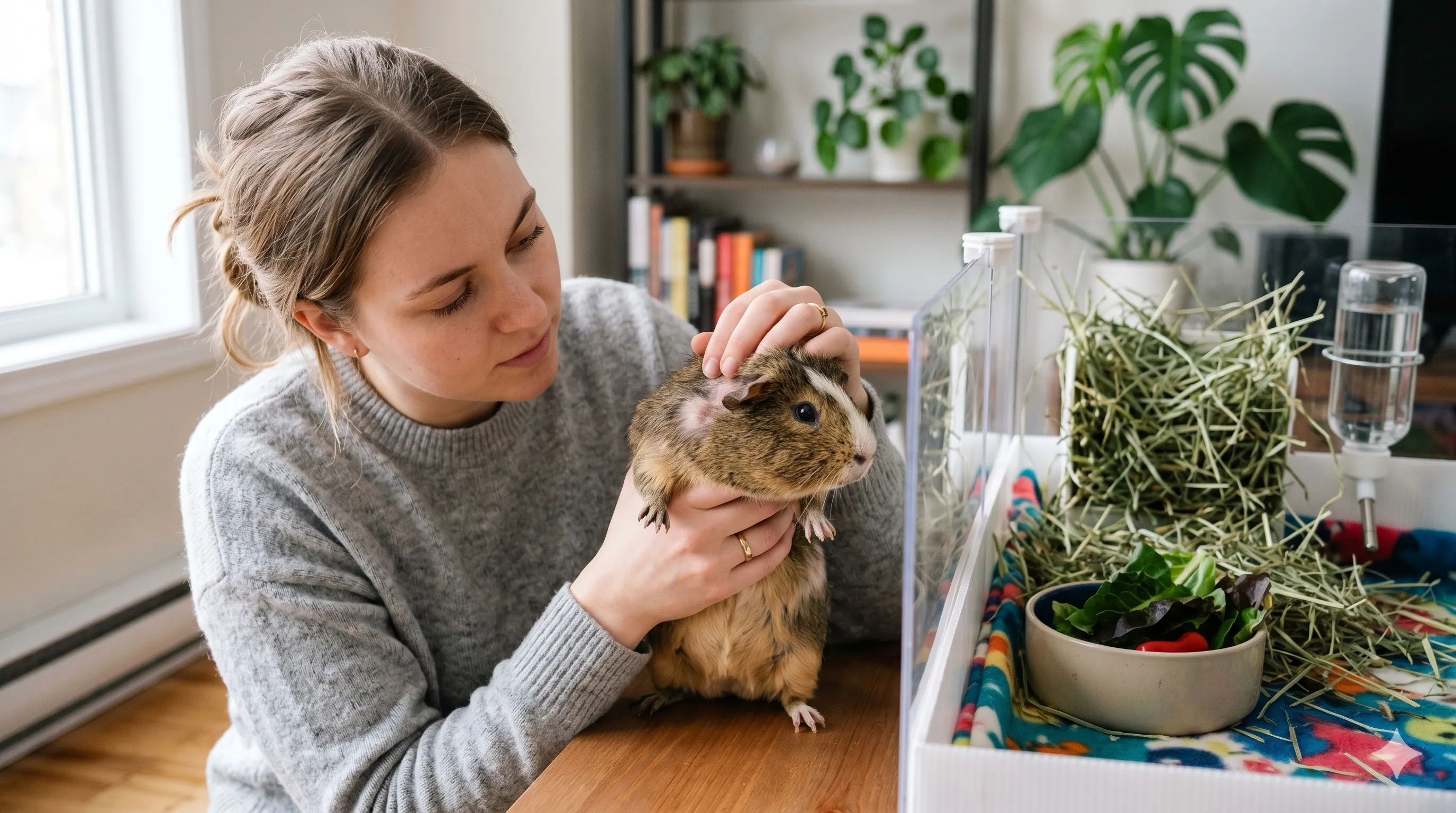

Popular Guinea Pig Guides

Guinea Pig
Guinea Pig Feeding Calculator
Calculate daily food portions for your guinea pig by weight.