Why Does My Guinea Pig Have Crusty Eyes? Causes, Symptoms & Treatment Guide

- Why Does My Guinea Pig Have Crusty Eyes? (Quick Answer)
- Is Any Eye Crust Normal in Guinea Pigs?
- Common Causes of Crusty Eyes in Guinea Pigs
- 1. Hay or Dust Irritation
- 2. Eye Infections
- 3. Respiratory Infections
- 4. Dental Problems
- 5. Eye Injuries
- 6. Blocked Tear Ducts
- Healthy Eye Discharge vs Concerning Eye Discharge
- Warning Signs That Require Veterinary Attention
- Can Dental Disease Really Cause Eye Problems?
- How Veterinarians Diagnose Crusty Eyes
- Treatment Options for Crusty Eyes
- Treating Irritation
- Treating Infections
- Treating Dental Disease
- Treating Respiratory Disease
- How to Prevent Eye Problems in Guinea Pigs
- Use High-Quality Hay
- Keep the Cage Clean
- Monitor Eye Health Daily
- Provide Proper Nutrition
- Monitor General Health
- Common Myths About Crusty Eyes in Guinea Pigs
- Final Thoughts
Note: This article is for informational purposes only and does not replace professional veterinary advice.
If you've noticed crusty material around your guinea pig's eyes, it's completely understandable to be concerned. While a small amount of eye discharge can sometimes be normal, excessive crusting, redness, swelling, or sticky discharge may indicate an underlying health problem that requires attention.
Guinea pigs are prey animals that naturally hide signs of illness. Because of this, subtle symptoms such as eye crust, watery eyes, or changes in eye appearance can sometimes be among the earliest clues that something is wrong.
Eye problems may develop due to simple environmental irritation, but they can also be linked to respiratory infections, dental disease, injuries, blocked tear ducts, or bacterial infections. Understanding the difference between normal eye secretions and abnormal discharge can help you act quickly when necessary.
Why Does My Guinea Pig Have Crusty Eyes? (Quick Answer)
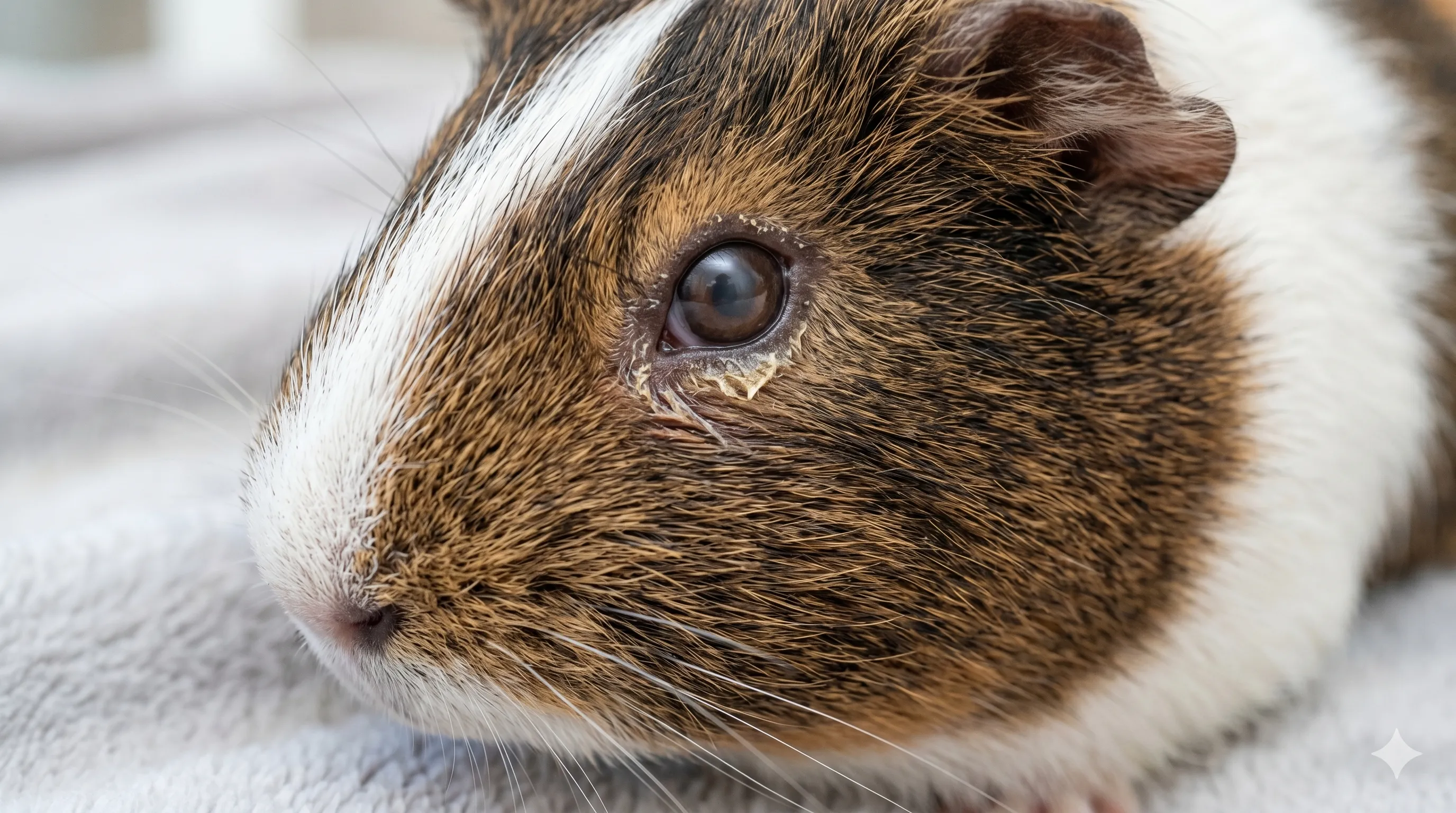
Guinea pigs can develop crusty eyes because of hay irritation, dust, eye injuries, bacterial infections, respiratory disease, dental problems, blocked tear ducts, or normal grooming secretions. Small amounts of temporary eye crust may be harmless, but persistent discharge, swelling, redness, or behavioral changes should be evaluated by a veterinarian.
Is Any Eye Crust Normal in Guinea Pigs?
Yes. Guinea pigs naturally produce a white milky secretion from their eyes that helps them groom themselves. Owners sometimes notice this fluid during face cleaning sessions, and small amounts are generally considered normal.
Normal eye secretions are usually:
- White or slightly milky
- Present only briefly
- Not accompanied by redness
- Not associated with swelling
- Not causing discomfort
If the crust becomes thick, yellow, green, sticky, or persistent, it may indicate a health problem rather than normal grooming behavior.
Common Causes of Crusty Eyes in Guinea Pigs
1. Hay or Dust Irritation
One of the most common causes of mild eye crusting is irritation from the environment. Guinea pigs spend much of their time around hay, bedding, and other materials that can occasionally irritate sensitive eyes.
Potential irritants include:
- Dusty hay
- Dusty bedding
- Small hay fragments
- Strong cleaning products
- Airborne debris
Eye irritation often causes watering, blinking, rubbing, and mild crust formation.
signs of illness in guinea pigs2. Eye Infections
Bacterial eye infections are another frequent cause of crusty eyes. These infections may develop after irritation, injury, or exposure to harmful bacteria.
Signs of infection may include:
- Yellow discharge
- Green discharge
- Sticky eyelids
- Redness
- Swelling
- Squinting
Unlike mild irritation, eye infections usually worsen without treatment and often require prescription medication.
3. Respiratory Infections
Many respiratory infections affect both the eyes and nose. A guinea pig suffering from an upper respiratory infection may develop crusty eyes alongside other symptoms.
Common signs include:
- Sneezing
- Nasal discharge
- Crusty eyes
- Watery eyes
- Lethargy
- Loss of appetite
Respiratory infections can become serious very quickly in guinea pigs and should never be ignored.
understanding guinea pig sounds and behavior4. Dental Problems
Many owners are surprised to learn that dental disease can affect eye health. Guinea pig teeth continuously grow throughout life. When tooth roots become overgrown, they may interfere with tear ducts and structures around the eyes.
Dental-related eye problems may cause:
- Watery eyes
- Persistent eye discharge
- Facial swelling
- Difficulty eating
- Weight loss
Chronic eye issues that fail to improve may sometimes have a dental cause.
guinea pig teeth problems explained5. Eye Injuries
Eye injuries are common because hay stems can accidentally scratch the eye surface. Even a tiny scratch can cause significant irritation and discharge.
Possible injury sources include:
- Sharp hay pieces
- Cage materials
- Rough bedding
- Accidental trauma
- Interactions with cage mates
Signs of an eye injury may include excessive tearing, cloudiness, pain, and crust formation.
6. Blocked Tear Ducts
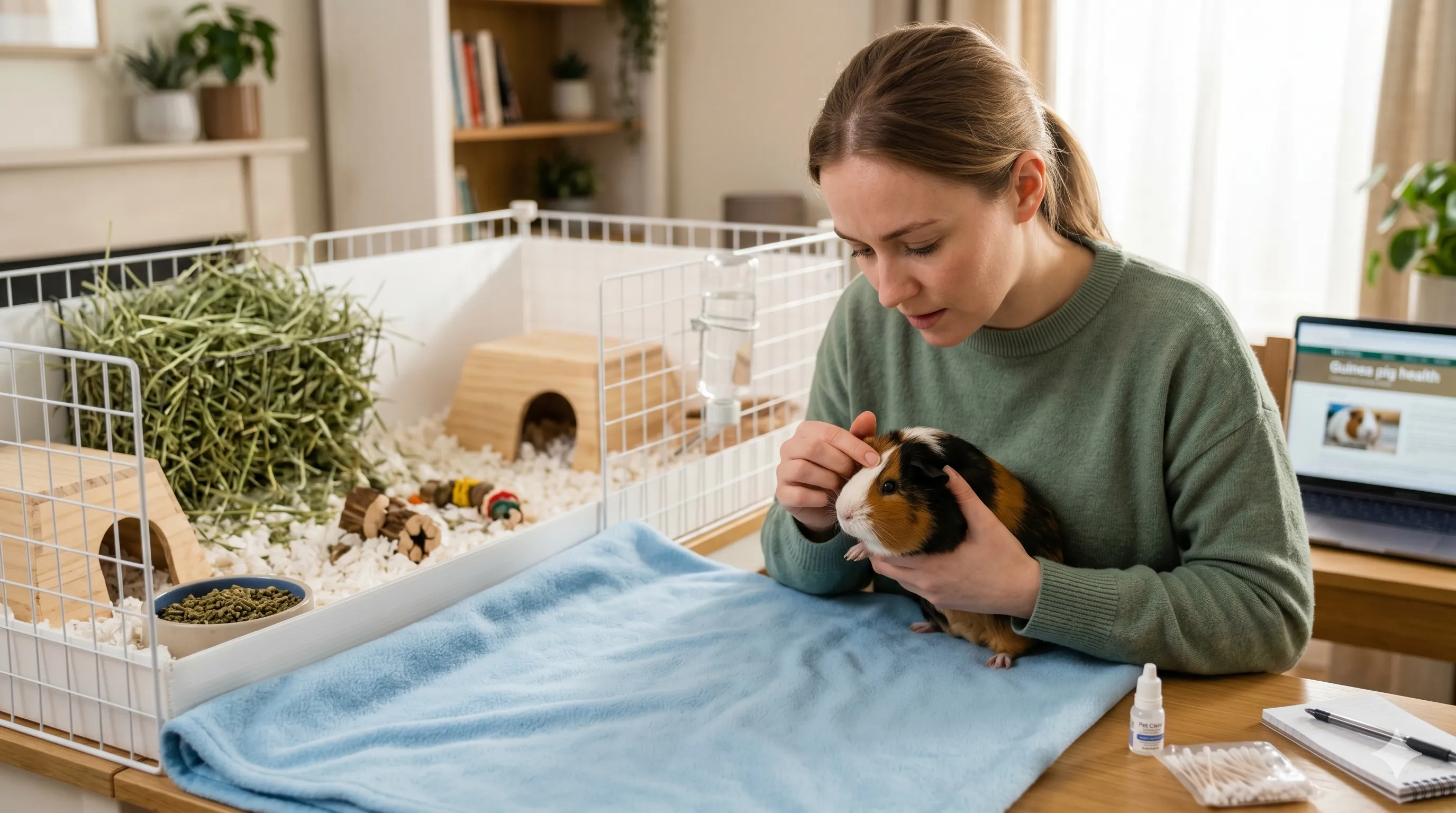
Tear ducts help drain moisture from the eyes. If they become blocked, tears can accumulate around the eye and create crusting.
Blocked tear ducts may develop because of:
- Inflammation
- Infection
- Dental disease
- Structural abnormalities
Veterinary examination is often needed to identify the underlying cause.
Healthy Eye Discharge vs Concerning Eye Discharge
| Eye Appearance | Possible Meaning |
|---|---|
| Small white grooming fluid | Normal secretion |
| Mild watering after hay exposure | Irritation |
| Yellow discharge | Possible infection |
| Green discharge | Bacterial infection |
| Cloudy eye with crust | Eye injury or ulcer |
| Eye discharge with sneezing | Respiratory illness |
| Persistent watery eye | Dental issue or blocked tear duct |
Warning Signs That Require Veterinary Attention
You should contact an exotic veterinarian promptly if your guinea pig develops:
- Persistent crusting
- Yellow or green discharge
- Eye swelling
- Cloudiness
- Redness
- Loss of appetite
- Weight loss
- Lethargy
- Breathing problems
- Behavior changes
Because guinea pigs often hide illness symptoms, early intervention can significantly improve treatment outcomes.
guinea pig poop meaning chart and health signsCan Dental Disease Really Cause Eye Problems?
Yes. Guinea pig teeth continuously grow throughout life, and tooth root abnormalities may eventually affect surrounding tissues near the eyes.
Owners sometimes focus only on eye discharge while overlooking signs such as:
- Difficulty chewing
- Drooling
- Weight loss
- Reduced hay intake
- Smaller droppings
Dental disease should always be considered when eye problems become chronic or repeatedly return.
best lettuce for guinea pigsHow Veterinarians Diagnose Crusty Eyes
Depending on the symptoms, a veterinarian may perform:
- Physical examination
- Eye examination
- Fluorescein stain testing
- Tear duct evaluation
- Dental examination
- X-rays
- Bacterial culture testing
Proper diagnosis is important because treatment differs greatly depending on the underlying cause.
Treatment Options for Crusty Eyes
Treating Irritation
If environmental irritation is responsible, treatment may involve:
- Switching bedding
- Using low-dust hay
- Improving cage cleanliness
- Reducing airborne irritants
Treating Infections
Bacterial infections often require:
- Prescription eye drops
- Eye ointments
- Oral antibiotics
- Supportive care
Treating Dental Disease
Dental-related eye issues may require professional dental correction and ongoing management.
Treating Respiratory Disease
Respiratory infections often require prompt medical treatment because guinea pigs can deteriorate quickly.
How to Prevent Eye Problems in Guinea Pigs
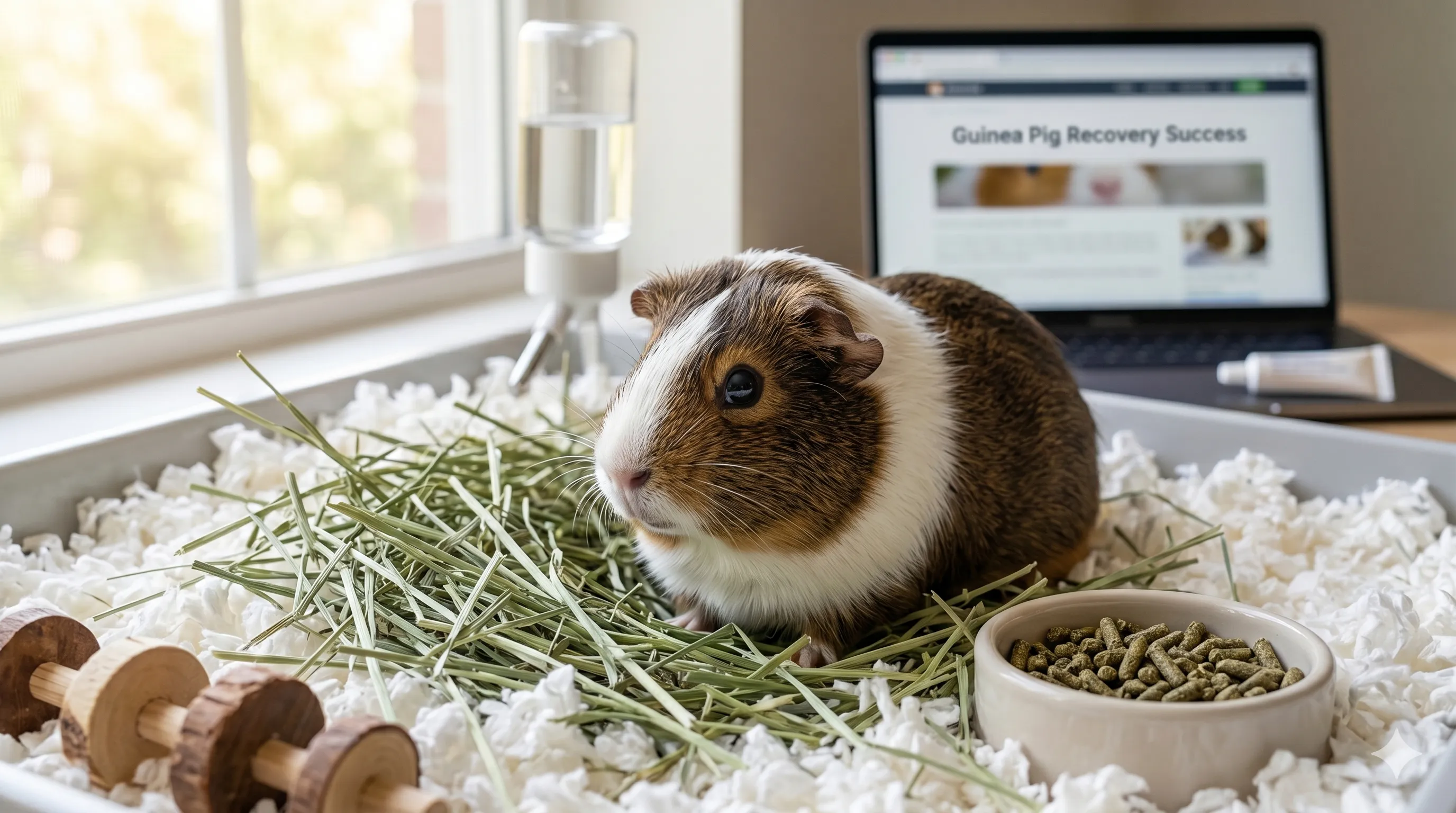
Use High-Quality Hay
Low-dust hay can reduce the risk of irritation and injury.
Keep the Cage Clean
Regular cleaning reduces exposure to bacteria and irritating debris.
Monitor Eye Health Daily
Daily observation helps identify problems before they become severe.
Provide Proper Nutrition
A healthy diet supports overall immune function and eye health.
can guinea pigs eat cucumbers safelyMonitor General Health
Changes in droppings, appetite, behavior, or activity levels often occur alongside illness. Monitoring your guinea pig's overall condition can help identify health problems sooner.
loss of appetite is another warning sign that often accompanies eye or health issues in guinea pigsCommon Myths About Crusty Eyes in Guinea Pigs
- All eye crust is not normal
- Eye infections rarely resolve on their own
- Dental disease can affect the eyes
- Respiratory infections often involve eye symptoms
- Cloudy eyes should never be ignored
Final Thoughts
Crusty eyes in guinea pigs can range from harmless grooming secretions to signs of infection, injury, respiratory disease, or dental problems. While occasional mild eye residue may be normal, persistent discharge, redness, swelling, cloudiness, or changes in behavior should never be ignored.
By monitoring your guinea pig closely, maintaining a clean environment, feeding a healthy diet, and seeking veterinary care when necessary, you can help protect both eye health and overall wellbeing.
This article is intended for educational purposes only and should not replace professional veterinary advice. If your guinea pig develops persistent eye discharge, swelling, appetite loss, breathing problems, or signs of pain, consult an experienced exotic veterinarian promptly.
Medical Disclaimer
This content is provided for informational and educational purposes only and should not be considered veterinary, medical, behavioral, or training advice. While we strive for accuracy, we make no guarantees regarding completeness or results. Always consult a licensed veterinarian or qualified pet care professional before making decisions about your pet’s health, diet, or behavior.
AI Illustration Notice
Some images in this article may have been generated or enhanced using artificial intelligence for illustrative purposes.
Frequently Asked Questions
Crusty eyes may result from normal grooming secretions, hay irritation, infections, dental disease, respiratory illness, or eye injuries.
Yes. Small amounts of white milky eye secretion used during grooming can be completely normal if there is no redness, swelling, or discomfort.
Yes. Dusty hay and small hay fragments are among the most common causes of mild eye irritation and temporary crusting.
Yes. Respiratory infections often affect both the eyes and nose, causing discharge, crusting, sneezing, and other symptoms.
Yes. Overgrown tooth roots and dental disease can interfere with tear ducts and contribute to chronic eye discharge.
Yellow or green eye discharge often suggests infection and should be evaluated by a veterinarian as soon as possible.
You should seek veterinary care if crusting persists or occurs alongside swelling, redness, appetite loss, breathing problems, lethargy, or weight loss.
Most eye infections require veterinary treatment and should not be expected to resolve on their own.
Treatment may include eye drops, antibiotics, dental treatment, tear duct flushing, environmental changes, or supportive care depending on the cause.
Using low-dust hay, maintaining a clean enclosure, monitoring eye health daily, and providing proper nutrition can help reduce the risk of eye problems.
Yes. Severe untreated eye infections, ulcers, or injuries may damage vision and potentially lead to blindness.
A single crusty eye may indicate localized irritation, injury, a blocked tear duct, or an infection affecting only one eye.
Editorial Note
This article is part of PetNurture's educational library.
Topics are researched using publicly available educational resources, recognised veterinary organisations, academic publications and established animal welfare references where appropriate.
Every article is reviewed by the PetNurture editorial team for clarity, structure, readability and consistency before publication.
References
The information in this article has been reviewed and supported using the following sources.
VCA Animal Hospitals
Health Problems in Guinea Pigs
Confirms that respiratory infections in guinea pigs commonly cause eye discharge alongside nasal discharge and sneezing; supports the 'Respiratory Infections' section of this article.
Accessed Aug 6, 2026
RSPCA
Confirms guinea pigs hide illness as prey animals, supporting the emphasis on early observation described throughout this article.
Accessed Aug 6, 2026
Pet Emergency Guidance
Every pet is unique. If your pet exhibits severe symptoms, sudden behavioral changes, or a medical emergency, do not rely on online guides — contact a licensed veterinarian or emergency clinic immediately.
About PetNurture
PetNurture is an educational library of pet care guides, interactive tools and practical resources for pet parents. We work continuously to keep our content accurate and up to date. Reader feedback helps us maintain content quality.
Related Articles

Popular Guinea Pig Guides
Guinea Pig
Guinea Pig Vitamin C Calculator
Calculate how much vitamin C your guinea pig needs each day.
Guinea Pig
Guinea Pig Feeding Calculator
Calculate daily food portions for your guinea pig by weight.