Why Is My Rabbit Not Eating? Common Causes, Emergency Signs & What to Do
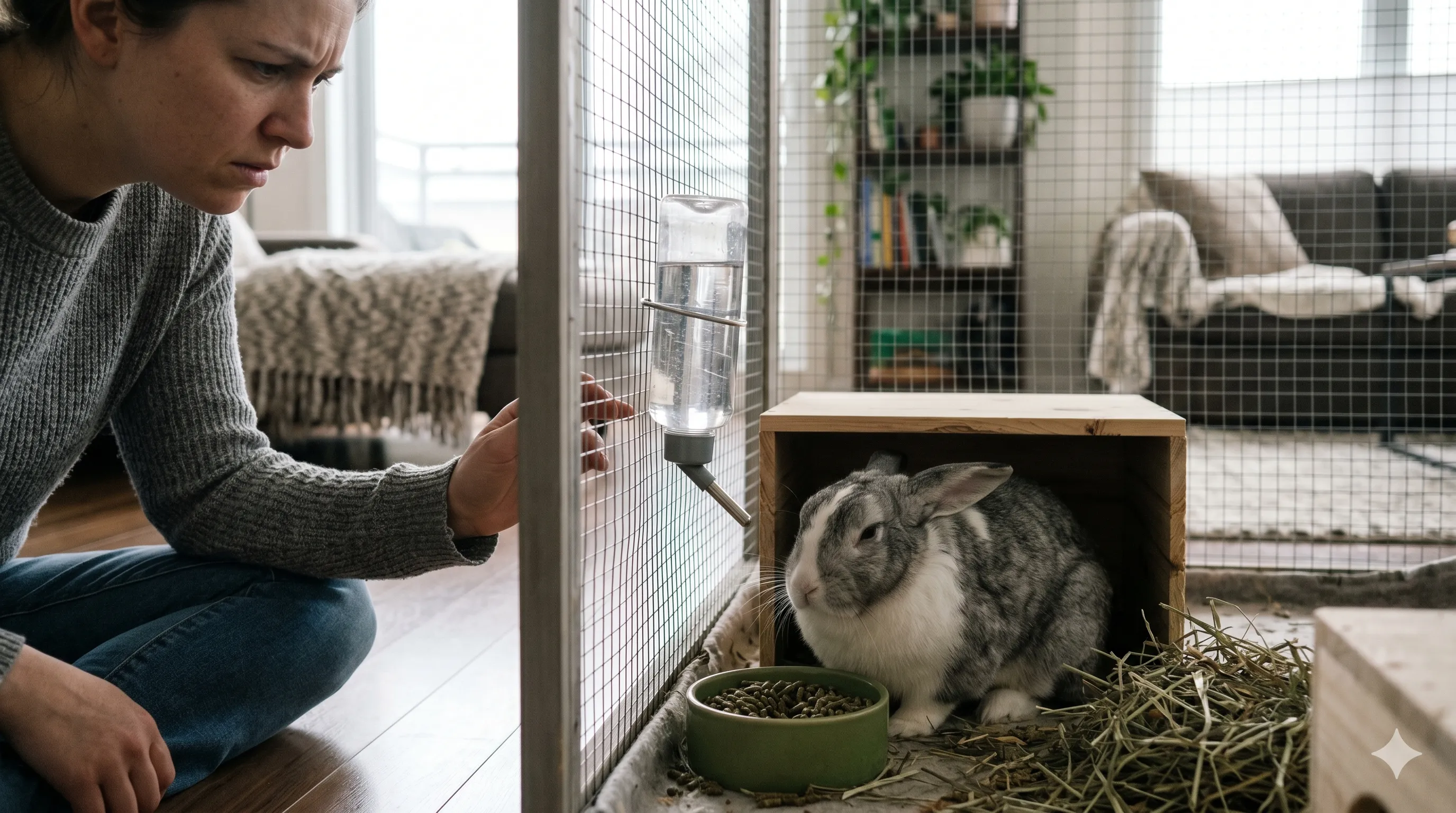
- Why Is My Rabbit Not Eating? (Quick Answer)
- Why Appetite Loss Is Dangerous in Rabbits
- Most Common Reasons Rabbits Stop Eating
- Gastrointestinal Stasis (GI Stasis)
- Dental Problems
- Stress or Environmental Changes
- Pain or Illness
- Poor Diet
- Dehydration
- Emergency Signs You Should Never Ignore
- What Should You Do If Your Rabbit Stops Eating?
- Monitor Appetite Closely
- Encourage Hay Consumption
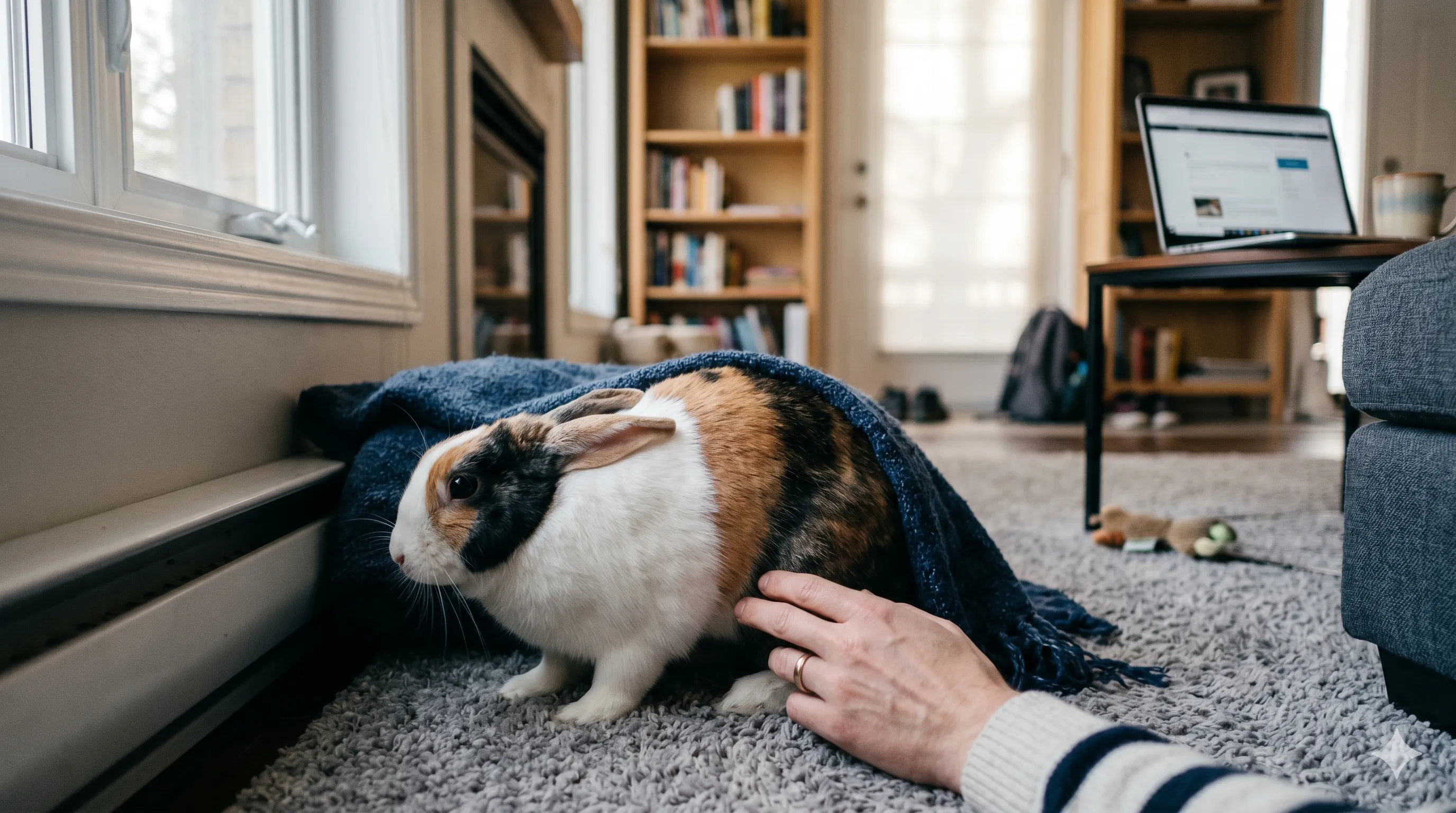
- Reduce Stress
- Monitor Droppings Carefully
- Contact a Rabbit Vet Quickly
- How Veterinarians Diagnose Appetite Loss in Rabbits
- Can GI Stasis Kill Rabbits?
- How to Help Prevent Appetite Problems
- Common Mistakes Rabbit Owners Make
- Example Scenario
- Final Thoughts
Note: This article is for informational purposes only and does not replace professional veterinary advice.
One of the most serious warning signs in rabbits is suddenly refusing food. If you've been asking "why is my rabbit not eating?", it's important to understand that appetite loss in rabbits should never be ignored.
Unlike some animals that can safely skip meals occasionally, rabbits rely on constant digestive movement to stay healthy. Even several hours without eating may quickly become dangerous.
In many cases, a rabbit refusing food may indicate stress, dental disease, digestive slowdown, pain, dehydration, illness, or a potentially life-threatening condition called gastrointestinal stasis (GI stasis). For the specific warning signs and what to do, see our GI stasis symptoms and emergency signs guide.
Because rabbits instinctively hide weakness and illness symptoms, appetite loss is often one of the clearest early warning signs owners notice.
The faster the underlying problem is identified, the better the chances of recovery.
In this complete guide, you'll learn the most common reasons rabbits stop eating, emergency warning signs, GI stasis symptoms, what owners should do immediately, and when to contact a rabbit-experienced veterinarian.
Why Is My Rabbit Not Eating? (Quick Answer)
Rabbits may stop eating because of GI stasis, digestive problems, dental disease, stress, pain, dehydration, illness, poor diet, or environmental changes. A rabbit refusing food for several hours can become a medical emergency, especially if accompanied by lethargy, bloating, reduced droppings, tooth grinding, or unusual behavior.
If your rabbit completely stops eating or pooping, contact a rabbit-experienced veterinarian immediately.
Why Appetite Loss Is Dangerous in Rabbits
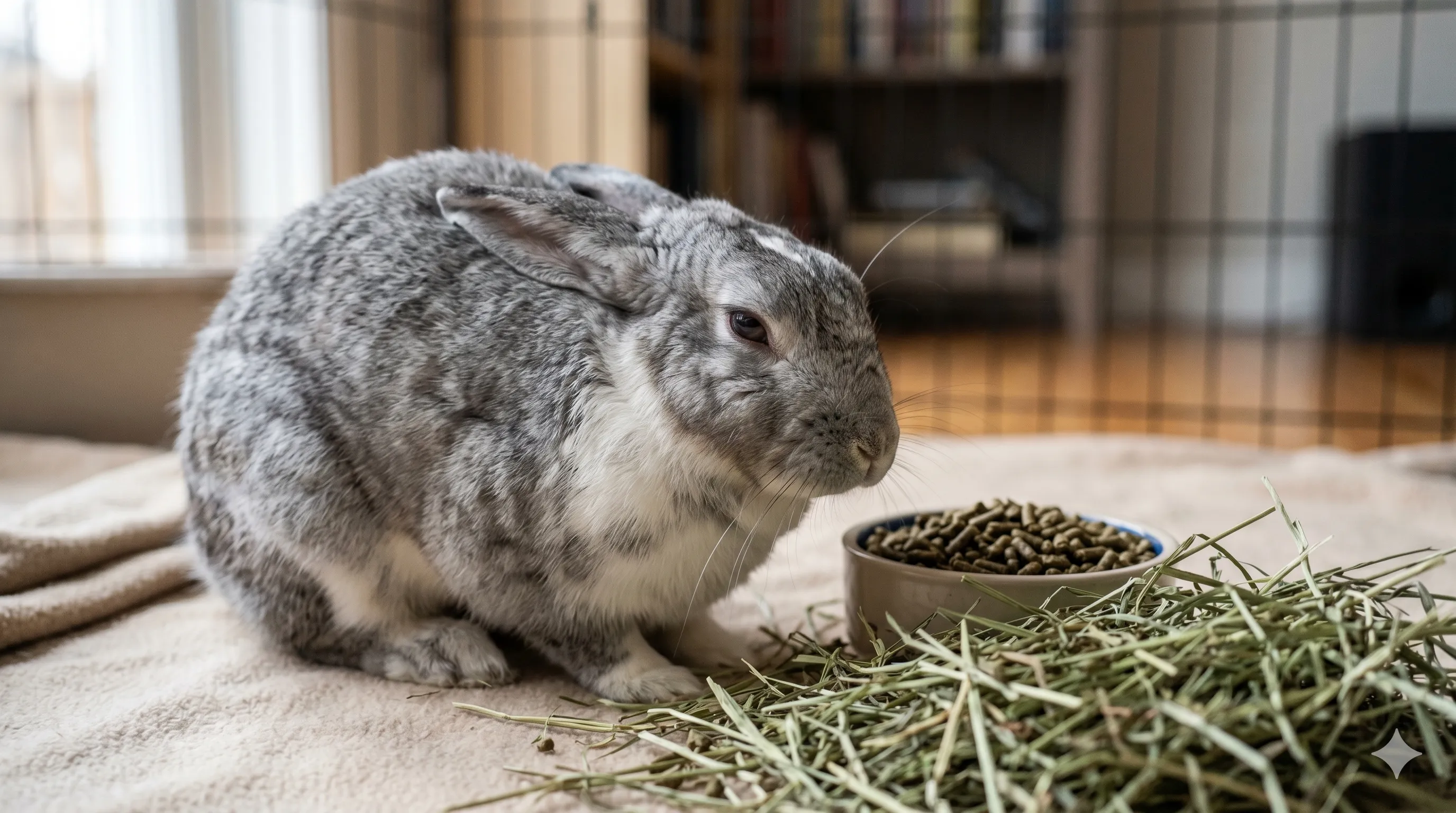
Rabbit digestive systems are designed to move food constantly throughout the day.
When rabbits stop eating:
- Gut movement slows down
- Gas buildup increases
- Pain often worsens
- Harmful bacteria may multiply
- Dehydration risk increases
- Droppings become smaller or stop completely
This dangerous cycle may rapidly develop into gastrointestinal stasis (GI stasis), a potentially life-threatening emergency.
Many rabbits deteriorate surprisingly quickly once digestion slows down severely.
Waiting too long "to see if the rabbit improves" can become extremely risky.
rabbit poop warning signsMost Common Reasons Rabbits Stop Eating
Gastrointestinal Stasis (GI Stasis)
GI stasis is one of the most serious and common causes of appetite loss in rabbits.
This condition occurs when the digestive system slows down or stops functioning properly.
Common GI stasis symptoms include:
- Refusing food
- Small or absent droppings
- Lethargy
- Hunched posture
- Bloating
- Tooth grinding
- Reduced movement
GI stasis is considered a veterinary emergency and should never be ignored.
Dental Problems
Rabbit teeth grow continuously throughout life.
If teeth become overgrown or misaligned, eating may become painful.
Signs of dental disease may include:
- Dropping food while chewing
- Eating less hay
- Selectively eating softer foods
- Weight loss
- Excess drooling
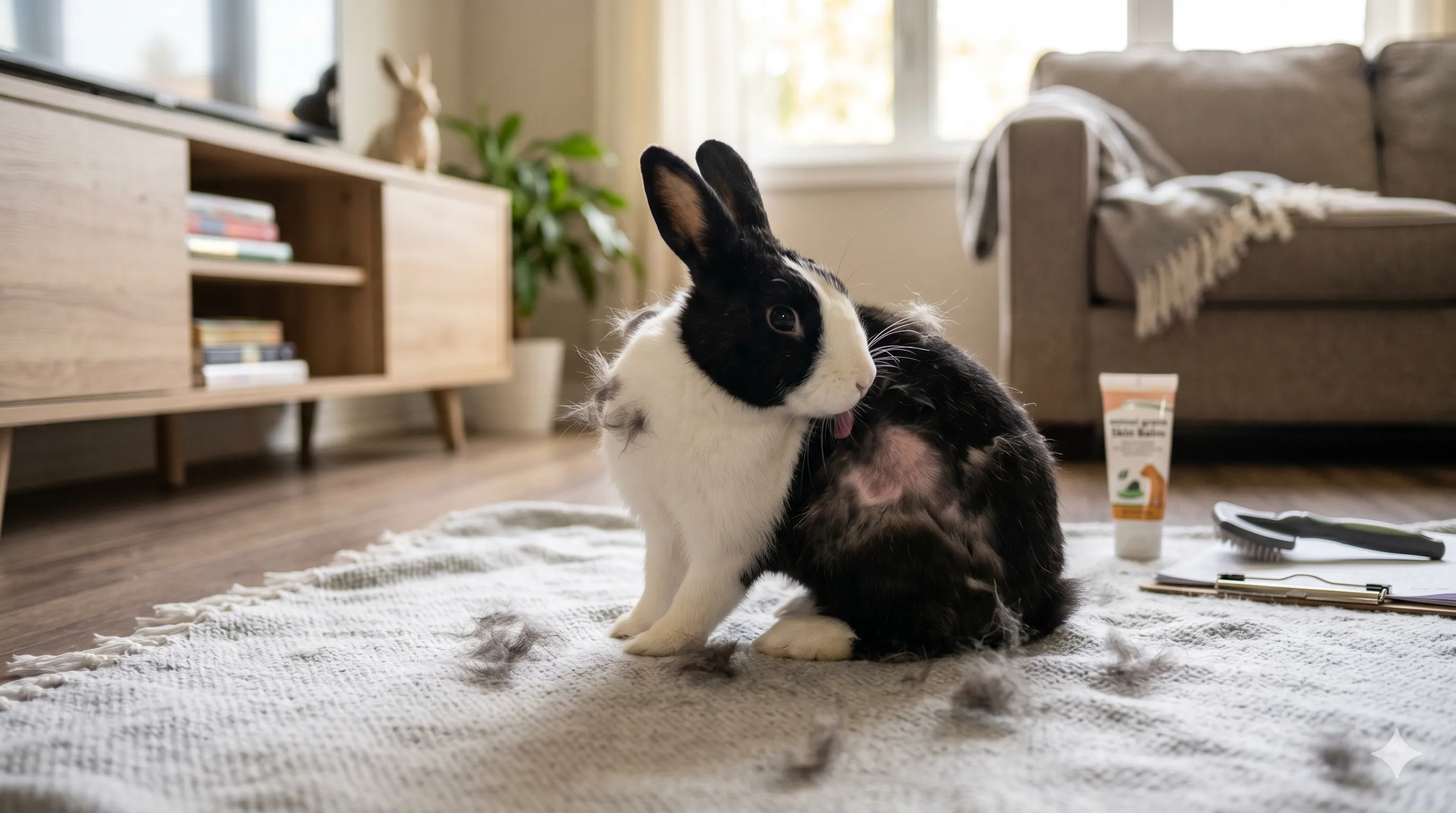
- Reduced grooming
Dental disease is extremely common in pet rabbits and often develops gradually.
Stress or Environmental Changes
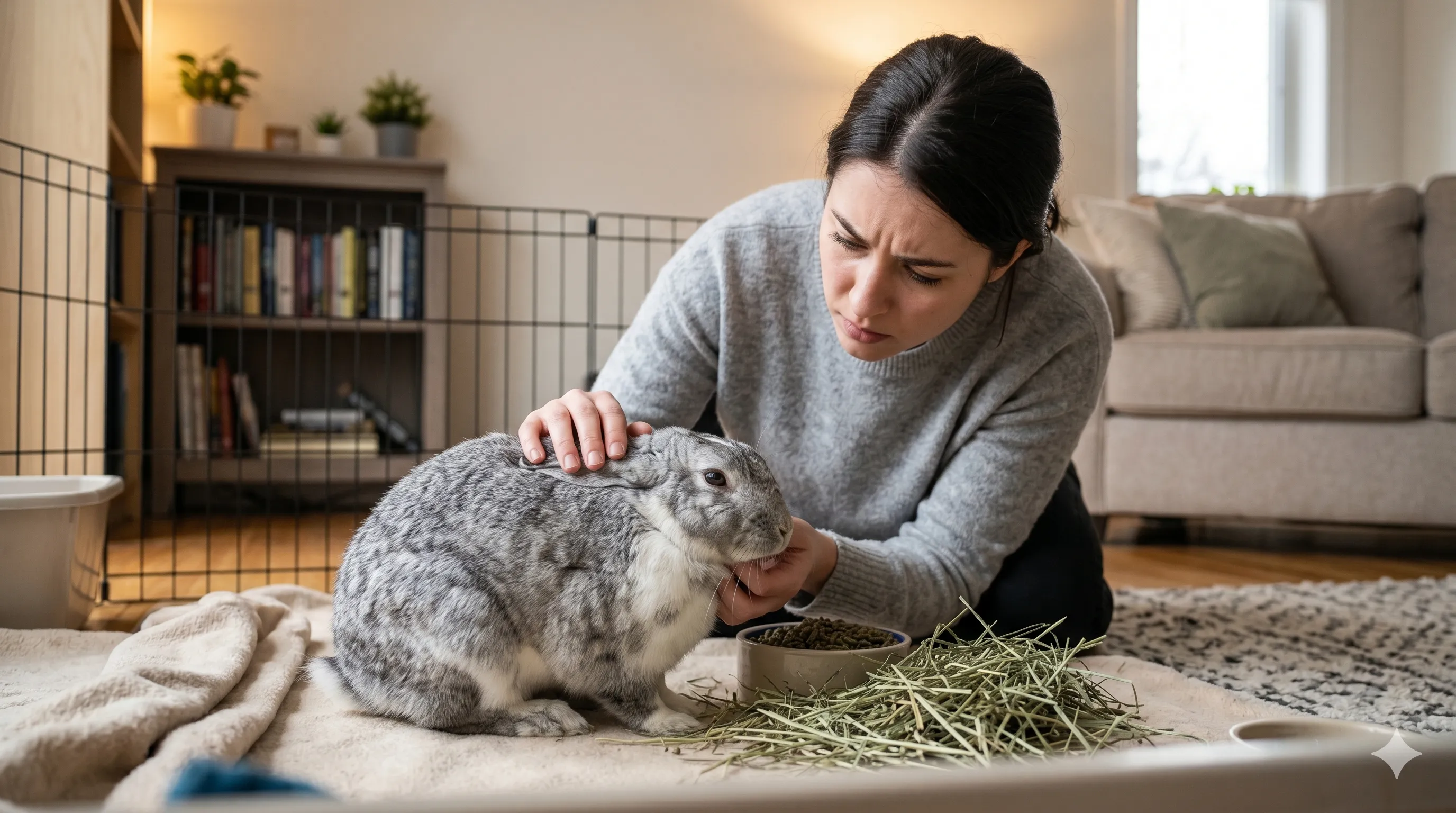
Rabbits are sensitive animals and may temporarily stop eating during stressful situations.
Common stress triggers include:
- Moving homes
- Loud noises
- Predator exposure
- Travel
- New pets
- Routine changes
- Improper housing
However, stress-related appetite loss should still be monitored very carefully because prolonged stress may contribute to digestive slowdown.
rabbit stress warning signsPain or Illness
Rabbits frequently stop eating when they are in pain.
Possible causes include:
- Injuries
- Infections
- Urinary problems
- Arthritis
- Digestive discomfort
- Internal illness
- Bladder problems
Because rabbits naturally hide illness symptoms, appetite loss may be one of the first visible clues owners notice.
Poor Diet
Rabbits require high-fiber diets centered around hay.
Diets too high in:
- Sugary treats
- Pellets
- Fruit
- Low-fiber foods
may contribute to digestive imbalance and gut problems over time.
Low hay intake is one of the biggest digestive risk factors for pet rabbits.
complete rabbit care and prevention guideDehydration
Dehydration may slow digestive movement and worsen appetite loss.
Signs of dehydration may include:
- Dry mouth
- Sunken eyes
- Lethargy
- Reduced urination
- Small dry droppings
Rabbits with dehydration often require rapid veterinary support.
Emergency Signs You Should Never Ignore
Some symptoms require immediate veterinary attention.
Contact an emergency rabbit veterinarian immediately if your rabbit:
- Completely stops eating
- Stops producing droppings
- Seems severely lethargic
- Has bloating or hard abdomen
- Shows severe tooth grinding
- Cannot stay balanced
- Breathes abnormally
- Collapses or becomes unresponsive
- Shows severe pain signs
Rabbits can deteriorate very quickly once digestive problems begin.
As a general guideline, most rabbit veterinarians consider 12 hours without eating or producing droppings the point at which this becomes a clear emergency — don't wait longer than that, and act sooner if your rabbit shows any of the signs above.
rabbit tooth grinding pain signsWhat Should You Do If Your Rabbit Stops Eating?
Monitor Appetite Closely
Pay close attention to:
- Hay intake
- Water intake
- Dropping size and quantity
- Energy level
- Behavior changes
- Urination habits
Reduced appetite alone can become important early warning information.
Encourage Hay Consumption
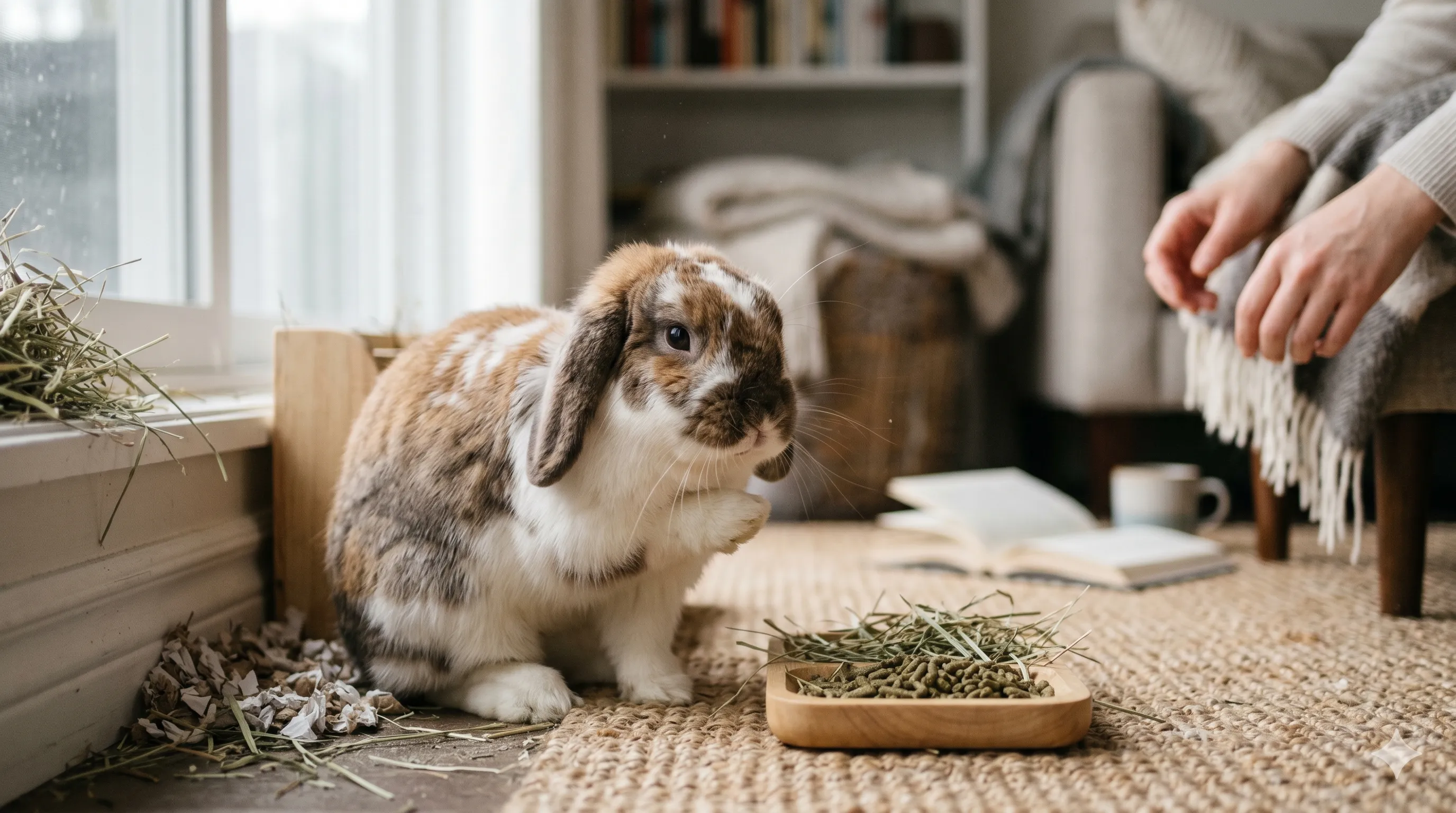
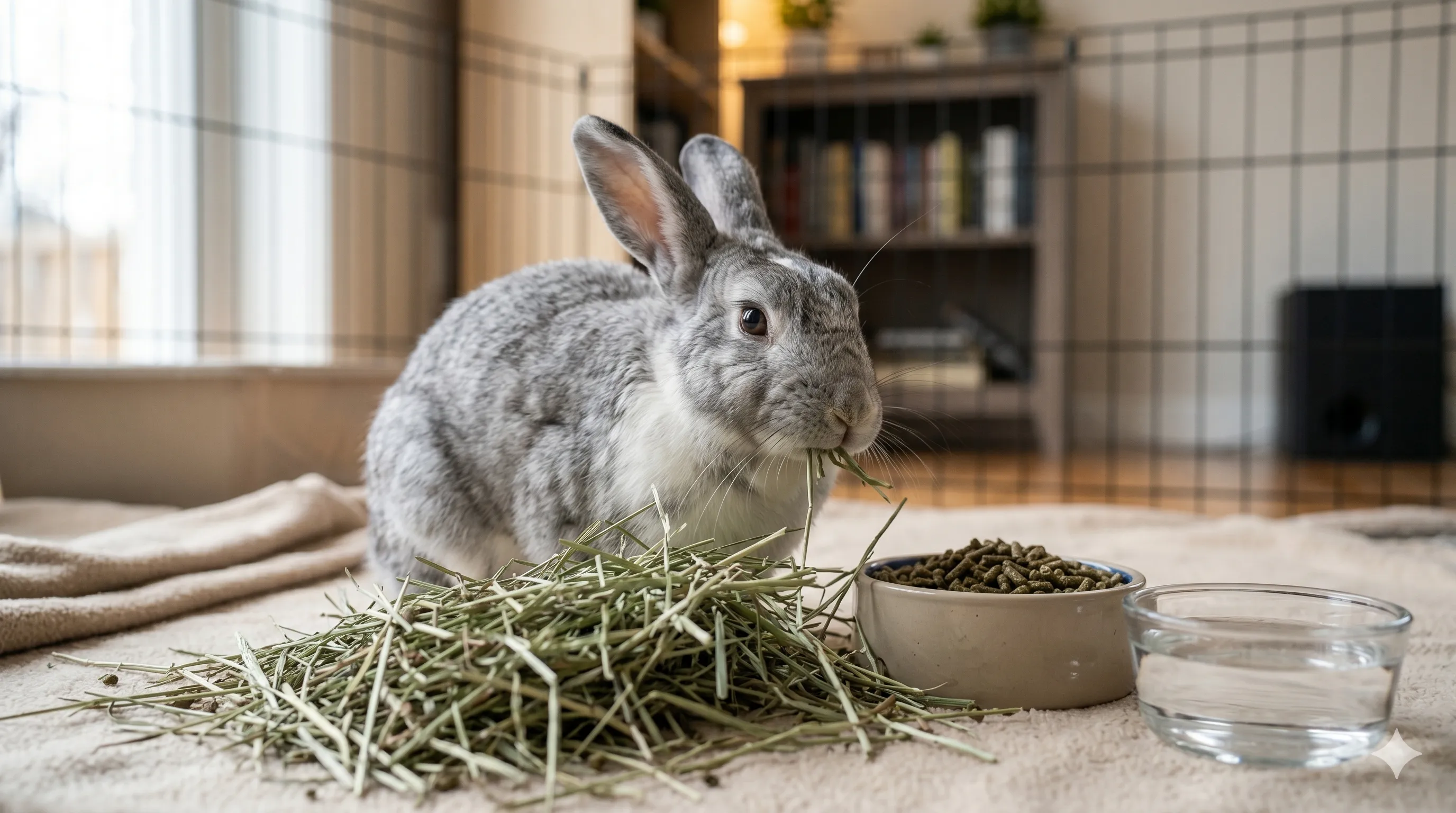
Fresh hay is the most important food for maintaining healthy digestion.
Try offering:
- Fresh timothy hay
- Different hay varieties
- Clean feeding areas
- Fresh leafy greens
Some rabbits become more interested when hay is refreshed frequently throughout the day.
Reduce Stress
Create a calm quiet environment with:
- Consistent routines
- Safe hiding spots
- Minimal loud noise
- Comfortable temperatures
- Gentle handling
Stress reduction may help mild temporary appetite problems improve.
when rabbit shaking is a warning signMonitor Droppings Carefully
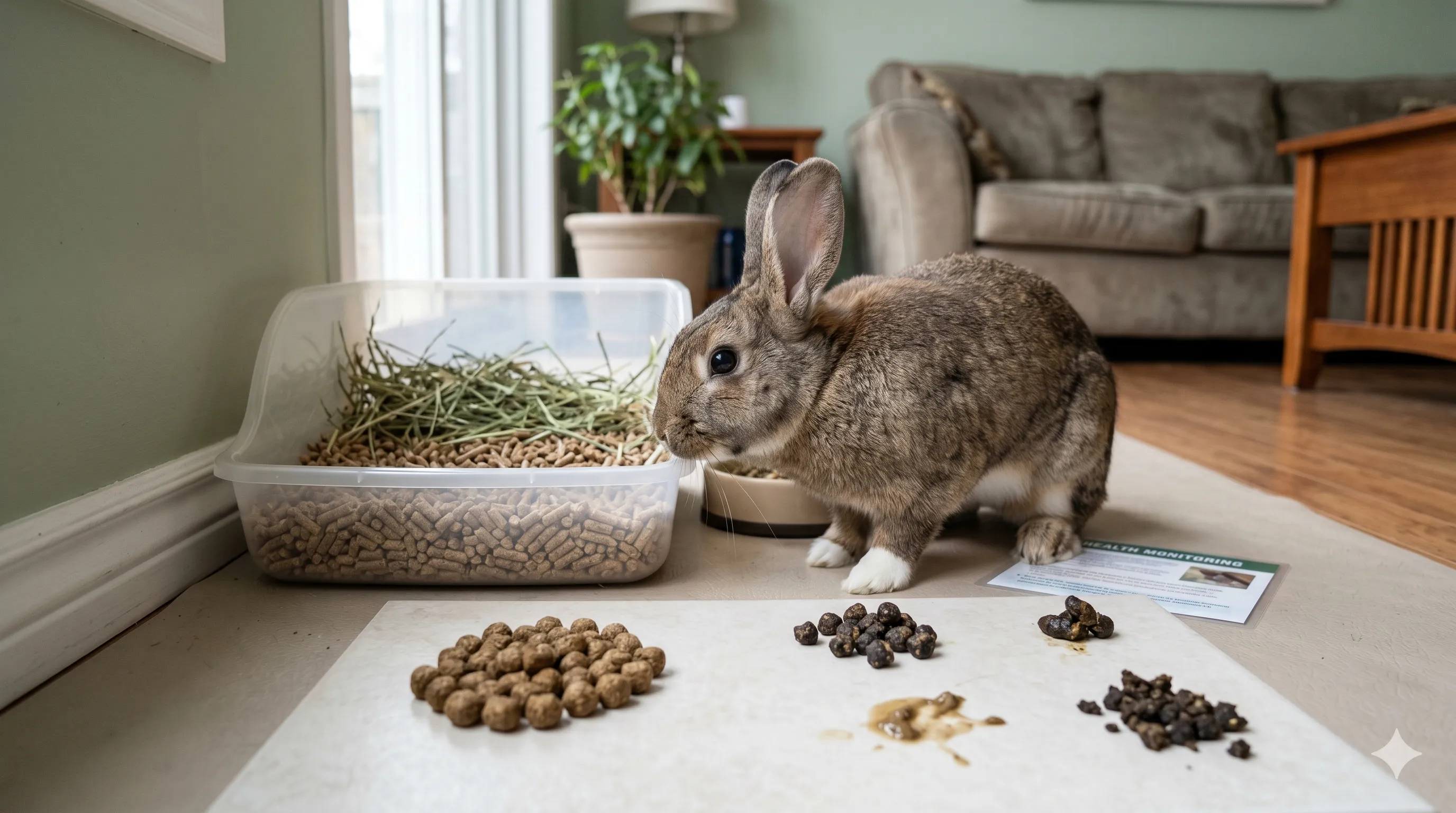
Changes in droppings often provide important clues about rabbit digestive health.
Watch carefully for:
- Smaller droppings
- Fewer droppings
- No droppings
- Soft stool
- Stringy droppings
Absence of droppings is especially concerning and should never be ignored.
Contact a Rabbit Vet Quickly
If appetite loss lasts several hours or your rabbit develops additional symptoms, veterinary care becomes extremely important.
Rabbits often require fast medical treatment for digestive emergencies.
How Veterinarians Diagnose Appetite Loss in Rabbits
A rabbit-experienced veterinarian may use:
- Physical examination
- Dental evaluation
- X-rays
- Blood tests
- Abdominal examination
- Hydration assessment
- Urinary evaluation
Identifying the underlying cause is critical because appetite loss itself is usually a symptom rather than the primary disease.
Can GI Stasis Kill Rabbits?
Yes, GI stasis can become fatal if untreated.
When digestion slows severely:
- Gas buildup increases pain
- Rabbits eat even less
- Dehydration worsens
- Organ stress may develop
- Shock may occur in severe cases
Early treatment dramatically improves survival chances.
rabbit dehydration and urine warning signsHow to Help Prevent Appetite Problems
Preventive rabbit care often includes:
- Unlimited hay access
- Fresh water daily
- Balanced leafy greens
- Limited sugary treats
- Regular exercise
- Routine veterinary checkups
- Stress reduction
- Daily poop monitoring
Consistent care often reduces digestive problem risks significantly.
Common Mistakes Rabbit Owners Make
- Waiting too long before calling a vet
- Assuming the rabbit is "just picky"
- Feeding too many sugary treats
- Ignoring small droppings
- Not monitoring hay intake
- Suddenly changing diet
Quick action often makes the biggest difference in rabbit recovery outcomes.
Example Scenario
The scenario below is an illustrative example of how this situation can play out, not a documented case study.
One rabbit owner noticed their bunny suddenly ignored breakfast pellets and produced fewer droppings overnight. Because they recognized the warning signs early, they contacted an emergency rabbit veterinarian quickly.
The rabbit was diagnosed with early GI stasis and recovered successfully after prompt treatment.
Another owner initially assumed their rabbit was simply being picky but later discovered severe dental overgrowth was causing painful chewing.
Early veterinary attention often dramatically improves treatment success.
Final Thoughts
If your rabbit is not eating, it should always be taken seriously.
Rabbits depend on constant digestive movement, and appetite loss can quickly become dangerous especially when accompanied by lethargy, bloating, or reduced droppings.
While mild stress or temporary discomfort may sometimes contribute to reduced appetite, conditions like GI stasis and dental disease frequently require urgent veterinary care.
The safest approach is always close monitoring and rapid action whenever a rabbit suddenly stops eating normally.
Quick treatment often saves lives when it comes to rabbit digestive emergencies.
This article is intended for educational purposes and should not replace professional veterinary care. If your rabbit stops eating, stops pooping, becomes lethargic, or shows signs of pain, contact a rabbit-experienced veterinarian immediately.
Medical Disclaimer
This content is provided for informational and educational purposes only and should not be considered veterinary, medical, behavioral, or training advice. While we strive for accuracy, we make no guarantees regarding completeness or results. Always consult a licensed veterinarian or qualified pet care professional before making decisions about your pet’s health, diet, or behavior.
AI Illustration Notice
Some images in this article may have been generated or enhanced using artificial intelligence for illustrative purposes.
Frequently Asked Questions
Rabbits may stop eating because of GI stasis dental disease stress pain dehydration illness or digestive problems.
Yes, appetite loss in rabbits can quickly become a medical emergency because rabbit digestion depends on constant food movement.
GI stasis is a dangerous condition where the rabbit’s digestive system slows down or stops functioning properly.
Most rabbit veterinarians consider 12 hours without eating or producing droppings a clear emergency and recommend contacting a vet immediately at that point — act sooner if other warning signs appear.
Monitor droppings encourage hay intake reduce stress and contact a rabbit veterinarian quickly if symptoms continue.
Yes, stress from environmental changes loud noise travel or fear may temporarily reduce appetite.
Seek immediate veterinary care if your rabbit stops eating completely stops pooping becomes lethargic bloated or shows signs of pain.
Yes, overgrown or misaligned teeth may make chewing painful and commonly reduce appetite in rabbits.
Editorial Note
This article is part of PetNurture's educational library.
Topics draw on publicly available educational resources, recognised veterinary organisations, academic publications and established animal welfare references where appropriate.
The specific sources this article draws on are listed in its References section. If you spot an error, please let us know.
References
The information in this article has been reviewed and supported using the following sources.
House Rabbit Society
Explains GI stasis as a life-threatening rabbit emergency and states the 12-hour without-eating-or-droppings threshold used as the emergency guideline in this article.
Accessed Aug 6, 2026
PetMD
Gastrointestinal (GI) Stasis in Rabbits
Describes GI stasis symptoms and causes including low-fiber diet, dental disease, and stress; supports the causes and symptoms sections of this article.
Accessed Aug 6, 2026
VCA Animal Hospitals
Gastrointestinal Stasis in Rabbits
Covers veterinary diagnosis (x-rays, blood tests) and treatment of GI stasis in rabbits; supports the diagnosis section of this article.
Accessed Aug 6, 2026
Pet Emergency Guidance
Every pet is unique. If your pet exhibits severe symptoms, sudden behavioral changes, or a medical emergency, do not rely on online guides — contact a licensed veterinarian or emergency clinic immediately.
About PetNurture
PetNurture is an educational library of pet care guides, interactive tools and practical resources for pet parents. We work continuously to keep our content accurate and up to date. Reader feedback helps us maintain content quality.
Related Articles
Popular Rabbit Guides