Why Does My Rabbit Grind Its Teeth? Understanding Bunny Tooth Purring vs Pain Warning Signs
- Why Does My Rabbit Grind Its Teeth? (Quick Answer)
- What Is Rabbit Tooth Purring?
- What Does Painful Teeth Grinding Sound Like?
- Common Reasons Rabbits Grind Their Teeth
- 1. Relaxation and Contentment
- 2. Pain or Illness
- 3. Dental Problems
- 4. Digestive Problems and GI Stasis
- 5. Stress or Anxiety
- 6. Aging and Chronic Conditions
- Rabbit Body Language That Often Appears With Teeth Grinding
- How to Tell the Difference Between Happy Grinding and Pain
- Signs of Happy Tooth Purring
- Signs of Painful Teeth Grinding
- When Should You Contact a Veterinarian?
- How to Keep Rabbit Teeth Healthy
- Example Scenario
- Final Thoughts
Note: This article is for informational purposes only and does not replace professional veterinary advice.
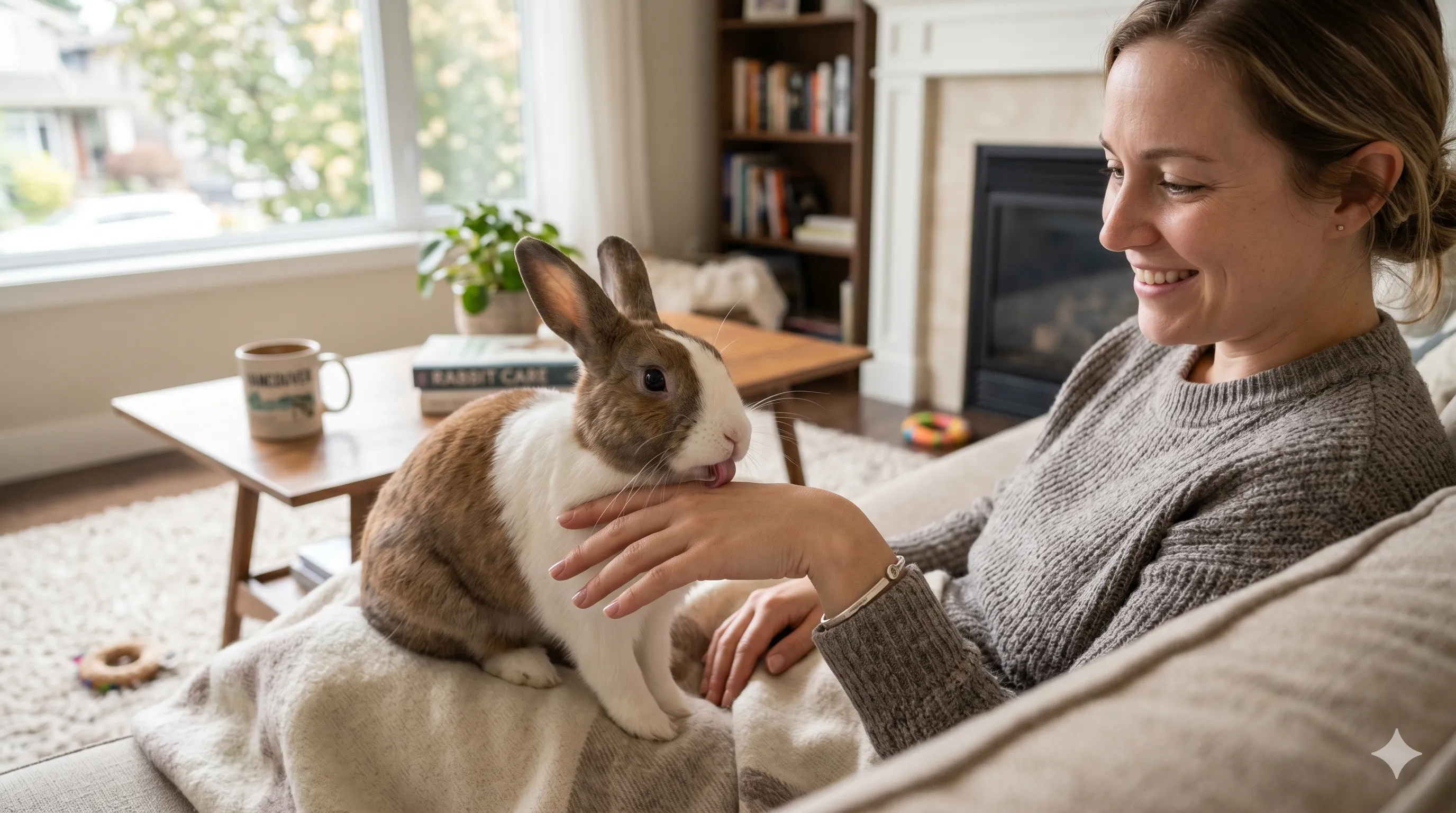
You're petting your rabbit or sitting quietly nearby when you suddenly hear a soft grinding or chattering sound coming from their mouth. Sometimes it sounds gentle and relaxing. Other times, it may seem louder, harsher, or concerning. If you've been wondering "why does my rabbit grind its teeth?", the answer depends heavily on the type of grinding and your rabbit's overall body language.
Rabbits grind their teeth for two very different reasons. Soft, quiet tooth grinding often called "tooth purring" is usually a sign of comfort, relaxation, and happiness. However, loud or aggressive grinding can signal pain, stress, illness, or serious discomfort.
Understanding the difference between happy tooth purring and painful teeth grinding is extremely important for rabbit owners.
Because rabbits naturally hide illness as prey animals, subtle behavioral signs like tooth grinding may sometimes be one of the earliest indicators that something is wrong.
In this guide, you'll learn why rabbits grind their teeth, how to tell the difference between happiness and pain, and when the behavior may require veterinary attention.
Why Does My Rabbit Grind Its Teeth? (Quick Answer)
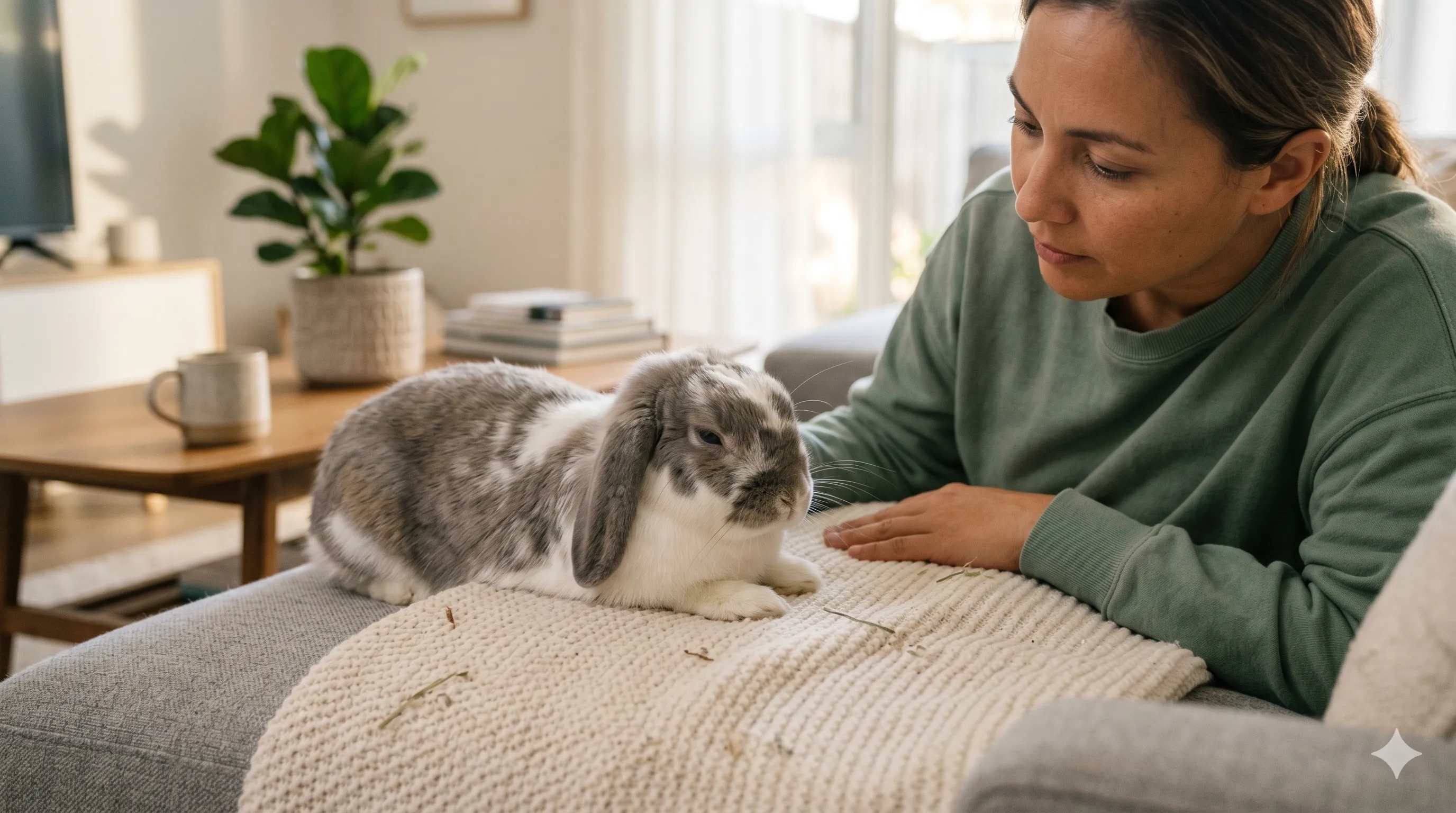
Rabbits softly grind their teeth when they feel relaxed, comfortable, or content. This gentle grinding is often called tooth purring and is usually harmless. However, loud, intense, or frequent tooth grinding may signal pain, stress, dental disease, digestive problems, or illness.
The meaning depends on the sound intensity, body language, posture, and surrounding behavior.
What Is Rabbit Tooth Purring?
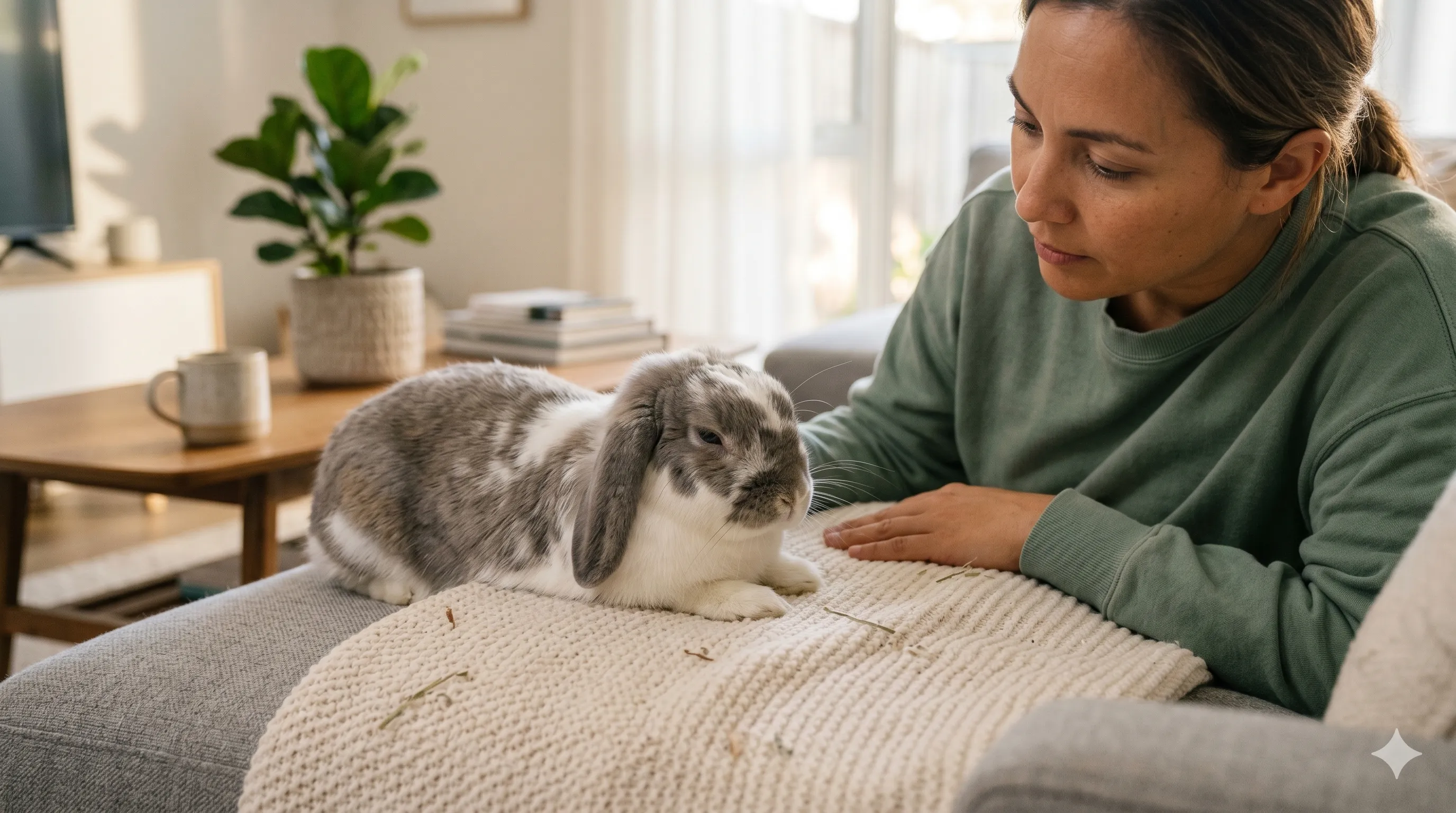
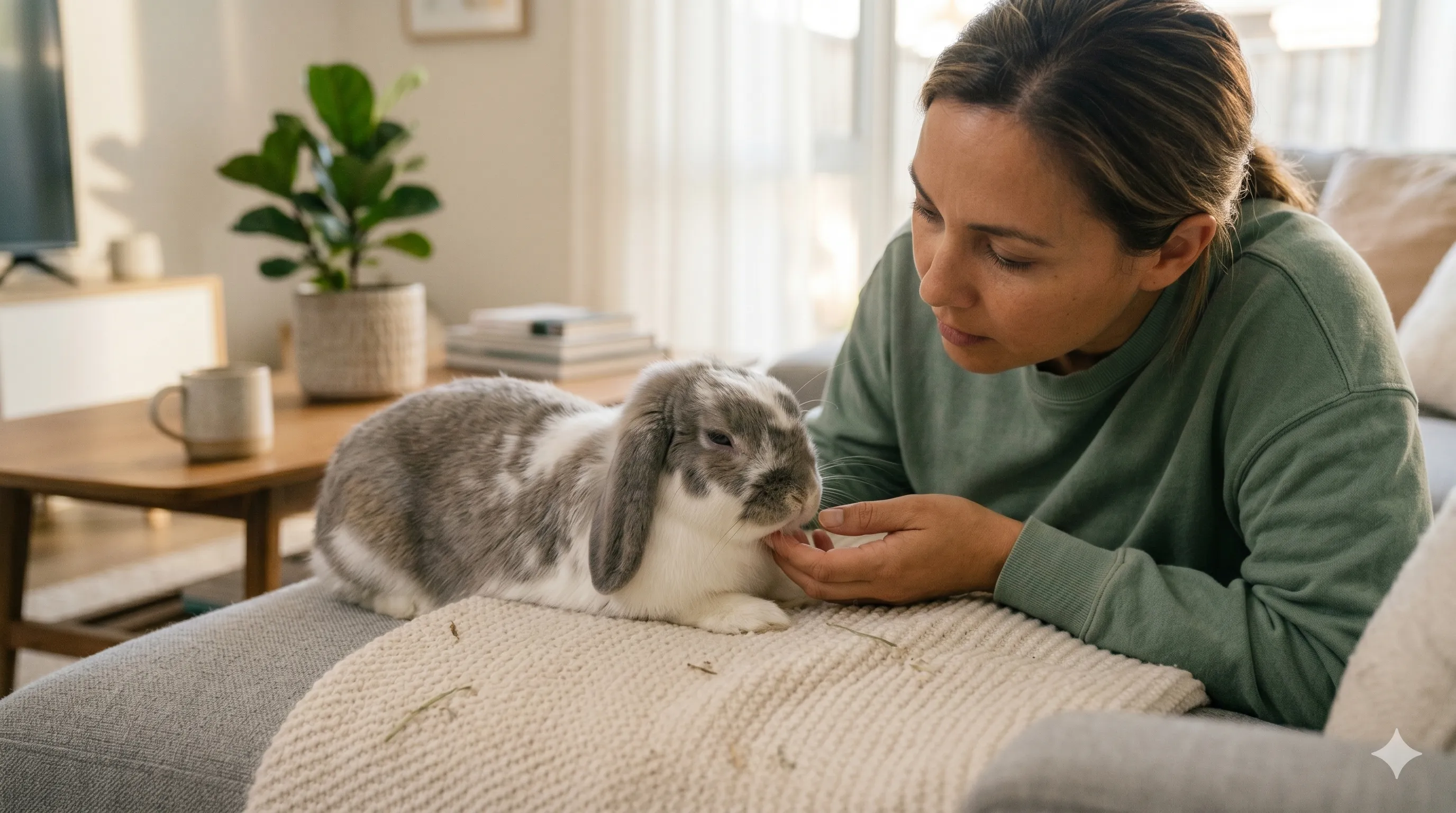
Tooth purring is a soft, quiet grinding sound rabbits make when they feel relaxed and content.
Many owners first notice tooth purring during:
- Petting sessions
- Cuddle time
- Relaxing nearby
- Grooming interaction
- Calm resting moments
Rabbit tooth purring is often compared to a cat purring because it usually signals comfort and emotional relaxation.
Soft tooth purring is typically:
- Quiet
- Rhythmic
- Gentle
- Paired with relaxed posture
- Associated with calm behavior
Many rabbits tooth purr while receiving favorite head rubs or lying comfortably beside trusted owners.
rabbit appetite loss warning signs and emergency careWhat Does Painful Teeth Grinding Sound Like?
Pain-related teeth grinding is usually very different from soft tooth purring.
A rabbit in pain may grind teeth:
- Loudly
- Harshly
- Repeatedly
- Aggressively
- While appearing tense or withdrawn
Painful grinding often sounds more forceful and urgent compared to quiet contentment grinding.
Because rabbits instinctively hide weakness, loud teeth grinding should always be taken seriously.
rabbit poop health chart and digestive warning signsCommon Reasons Rabbits Grind Their Teeth
1. Relaxation and Contentment
The most common harmless reason rabbits grind their teeth is simple relaxation.
If your rabbit is:
- Loafing comfortably
- Flopping nearby
- Being petted
- Stretching out calmly
- Closing their eyes partially
then soft tooth grinding is usually a positive sign.
Many bonded rabbits tooth purr regularly during calm interaction with trusted owners.
2. Pain or Illness
Loud or intense grinding often signals discomfort or pain.
Rabbits may grind teeth because of:
- Digestive pain
- Dental disease
- Injury
- Gas buildup
- Illness
- Internal discomfort
Pain-related grinding is often accompanied by other warning signs.
3. Dental Problems
Dental disease is extremely common in rabbits.
Rabbit teeth continuously grow throughout life, and improper wear can lead to painful dental issues.
Dental problems may cause:
- Teeth grinding
- Drooling
- Reduced appetite
- Weight loss
- Difficulty chewing
- Facial swelling
- Wet chin fur
Dental pain often causes grinding that sounds more intense and persistent.
rabbit sneezing symptoms and respiratory health guide4. Digestive Problems and GI Stasis
Digestive discomfort is another major cause of painful teeth grinding.
Rabbits experiencing gas pain or gastrointestinal stasis may show:
- Loud grinding
- Hunched posture
- Lethargy
- Loss of appetite
- Reduced droppings
- Reluctance to move
GI stasis is a medical emergency in rabbits and requires immediate veterinary attention.
Many rabbit owners first notice subtle grinding before more severe digestive symptoms appear.
complete indoor rabbit care and wellness guide5. Stress or Anxiety
Some rabbits grind teeth mildly when feeling nervous or stressed.
Environmental stressors may include:
- Loud noises
- Travel
- Vet visits
- New environments
- Predator pets nearby
- Sudden routine changes
Stress-related grinding is usually paired with tense posture or alert behavior rather than relaxed loafing.
beginner rabbit health and daily care essentials6. Aging and Chronic Conditions
Older rabbits sometimes develop chronic health conditions that contribute to discomfort and grinding behaviors.
Senior rabbits may experience:
- Arthritis
- Dental wear problems
- Digestive sensitivity
- Mobility pain
Behavioral changes in senior rabbits should always be monitored carefully.
Rabbit Body Language That Often Appears With Teeth Grinding
| Behavior | Possible Meaning |
|---|---|
| Soft grinding + loafing | Relaxation and comfort |
| Soft grinding + petting | Tooth purring and affection |
| Loud grinding + hunched posture | Pain or digestive discomfort |
| Grinding + hiding | Stress or illness |
| Grinding + reduced appetite | Possible medical problem |
| Grinding + lethargy | Pain or serious illness |
How to Tell the Difference Between Happy Grinding and Pain
Signs of Happy Tooth Purring
- Quiet and gentle sound
- Relaxed posture
- Comfortable loafing or flopping
- Normal appetite
- Enjoying petting
- Bright calm behavior
Signs of Painful Teeth Grinding
- Loud harsh grinding
- Hunched posture
- Loss of appetite
- Lethargy
- Hiding
- Reduced activity
- Stress signs
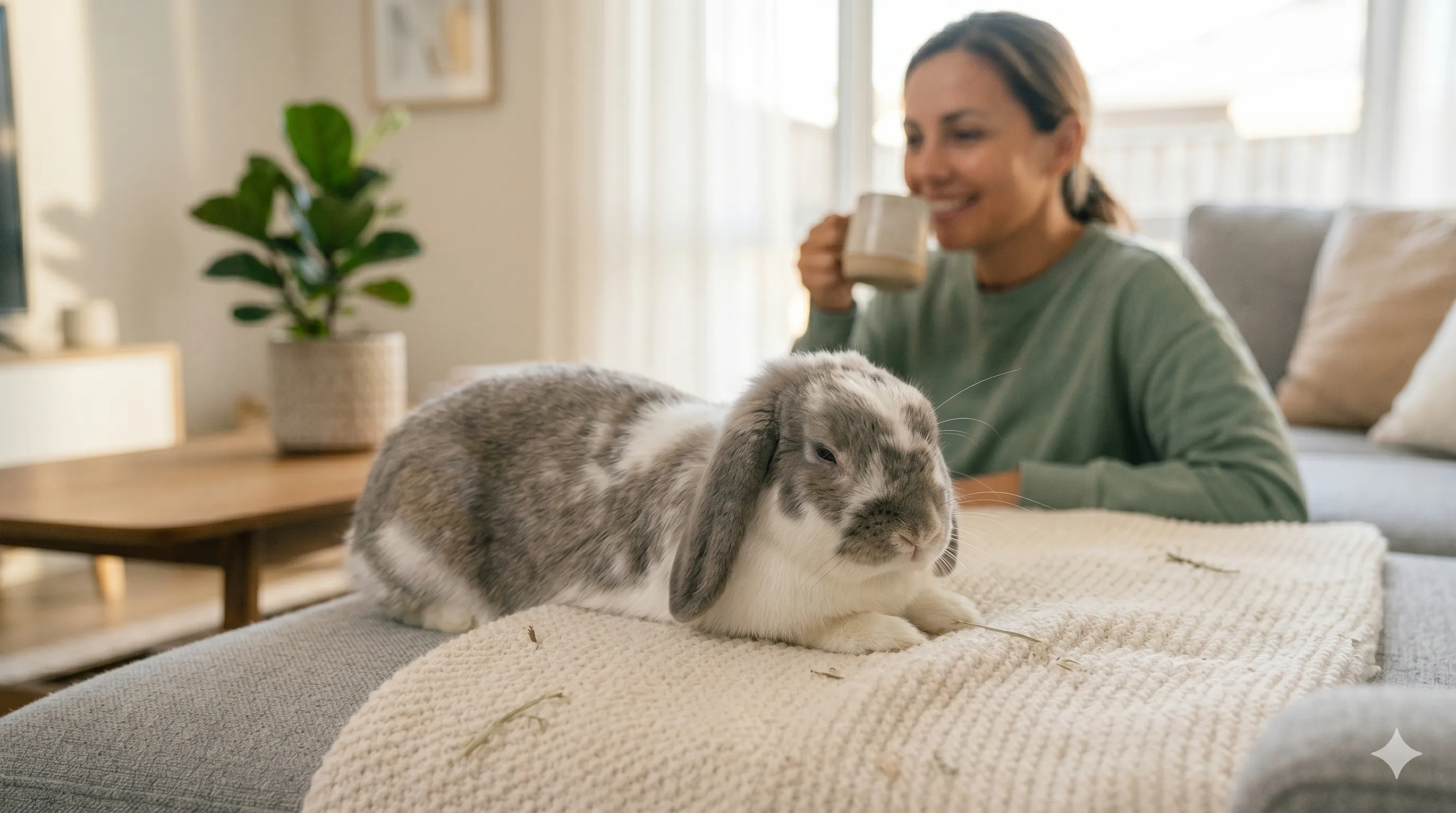
The surrounding body language usually provides the clearest clues.
When Should You Contact a Veterinarian?
You should contact a rabbit-experienced veterinarian if teeth grinding appears alongside:
- Refusing food
- Reduced droppings
- Lethargy
- Hunched posture
- Eye discharge
- Drooling
- Weight loss
- Sudden behavioral changes
Because rabbits hide pain extremely well, even subtle changes should not be ignored.
Quick treatment is especially important for digestive problems and dental disease.
rabbit licking bonding and comfort behavior explainedHow to Keep Rabbit Teeth Healthy
Healthy teeth play a major role in rabbit wellbeing.
Helpful preventive care includes:
- Unlimited hay access
- Proper diet
- Safe chew toys
- Regular veterinary checkups
- Monitoring eating habits
- Watching for drooling or weight changes
Hay is especially important because chewing fibrous material naturally helps wear rabbit teeth properly.
rabbit thumping stress and warning communication signsExample Scenario
The scenario below is an illustrative example of how this situation can play out, not a documented case study.
One rabbit owner noticed soft grinding every evening during petting sessions while their bunny loafed comfortably beside them. The rabbit appeared relaxed, content, and calm, making it clear the behavior was normal tooth purring.
Another owner became concerned after noticing loud grinding paired with hiding and reduced appetite. A veterinary visit later revealed early dental disease requiring treatment.
The intensity of the grinding and accompanying body language often reveal the biggest clues.
Final Thoughts
If you've been wondering why your rabbit grinds its teeth, the behavior can mean either comfort or pain depending on the situation.
Soft tooth purring is usually a positive sign of relaxation and bonding, while loud grinding should always be monitored carefully for possible illness or discomfort.
The key is paying attention to your rabbit's overall posture, appetite, energy level, and emotional state.
Understanding these subtle differences can help rabbit owners recognize both happy bonding moments and early warning signs that require medical attention.
This article is intended for educational purposes and should not replace professional veterinary advice. If your rabbit shows signs of pain, digestive problems, dental disease, or sudden behavioral changes, consult an experienced rabbit veterinarian immediately.
Medical Disclaimer
This content is provided for informational and educational purposes only and should not be considered veterinary, medical, behavioral, or training advice. While we strive for accuracy, we make no guarantees regarding completeness or results. Always consult a licensed veterinarian or qualified pet care professional before making decisions about your pet’s health, diet, or behavior.
AI Illustration Notice
Some images in this article may have been generated or enhanced using artificial intelligence for illustrative purposes.
Frequently Asked Questions
Soft quiet grinding during petting is usually tooth purring which often means your rabbit feels relaxed and content
No, gentle tooth purring is normal and often signals comfort while loud grinding may indicate pain or illness
Painful grinding is usually louder harsher more repetitive and paired with tense posture or illness symptoms
Yes, nervous or stressed rabbits may grind teeth mildly during stressful situations or environmental changes
Teeth grinding combined with appetite loss may signal pain dental disease or GI stasis and requires urgent veterinary attention
Rabbit tooth purring is a soft gentle grinding sound linked to relaxation comfort and bonding
Yes, rabbits with GI stasis or digestive pain commonly grind teeth loudly because of severe discomfort
Signs of pain may include loud grinding hiding hunched posture lethargy appetite loss and reduced activity
Unlimited hay safe chew toys proper diet and regular veterinary checkups help maintain healthy rabbit teeth
Editorial Note
This article is part of PetNurture's educational library.
Topics draw on publicly available educational resources, recognised veterinary organisations, academic publications and established animal welfare references where appropriate.
The specific sources this article draws on are listed in its References section. If you spot an error, please let us know.
References
The information in this article has been reviewed and supported using the following sources.
VCA Animal Hospitals
Confirms that rabbits with dental disease grind their teeth in pain, drool, and lose weight, and that low-fiber diets are a major contributing cause; supports the 'Dental Problems' section of this article.
Accessed Aug 6, 2026
House Rabbit Society
Confirms GI stasis is a life-threatening rabbit emergency; supports the 'Digestive Problems and GI Stasis' section of this article.
Accessed Aug 6, 2026
Pet Emergency Guidance
Every pet is unique. If your pet exhibits severe symptoms, sudden behavioral changes, or a medical emergency, do not rely on online guides — contact a licensed veterinarian or emergency clinic immediately.
About PetNurture
PetNurture is an educational library of pet care guides, interactive tools and practical resources for pet parents. We work continuously to keep our content accurate and up to date. Reader feedback helps us maintain content quality.
Related Articles
Popular Rabbit Guides