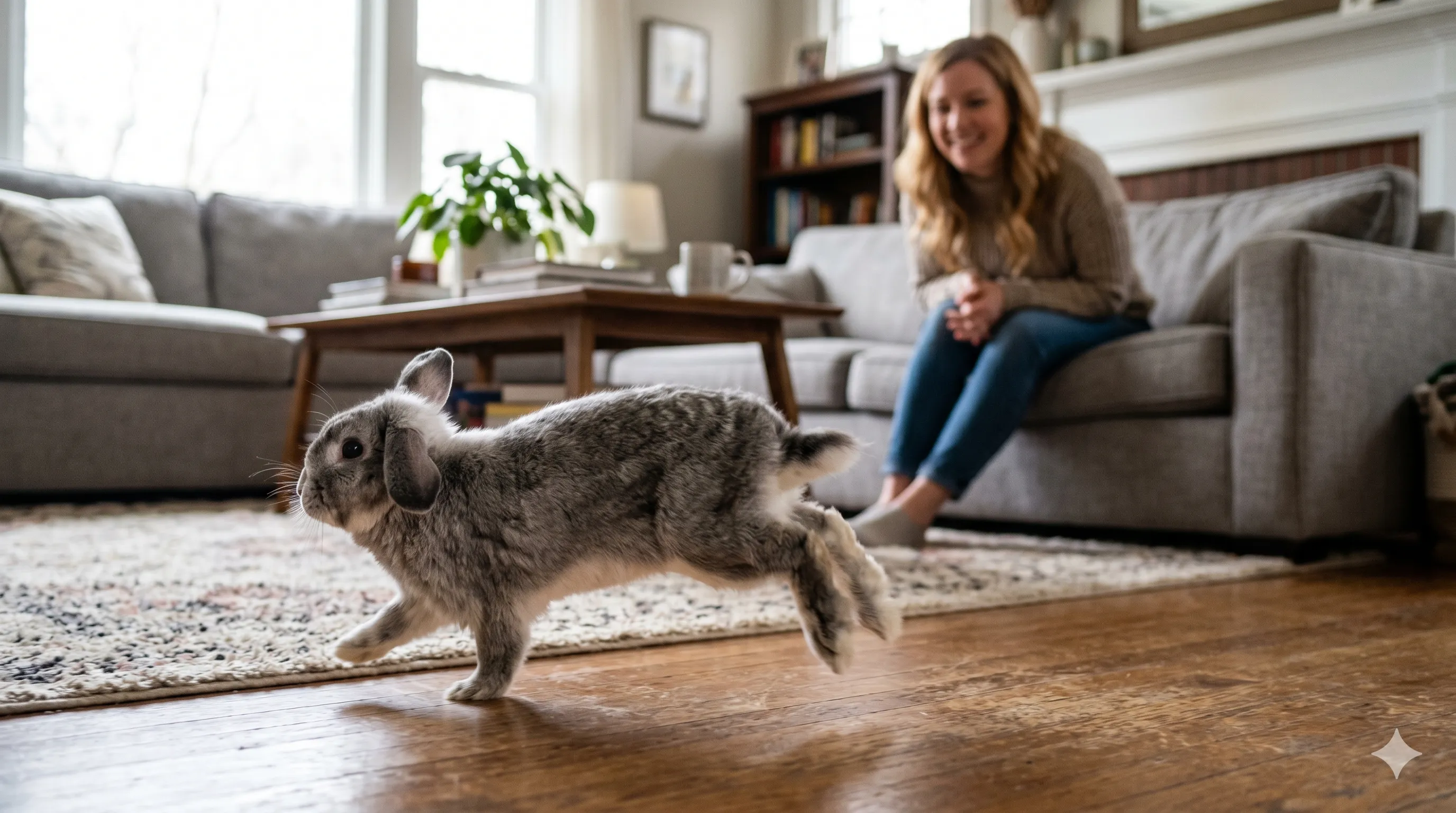
Why Does My Rabbit Dig on Me? 6 Common Reasons & What It Means

- Why Does My Rabbit Dig on Me? (Quick Answer)
- What Rabbit Digging on You Usually Means
- Does Rabbit Digging Mean Affection?
- Why Does My Rabbit Dig on Me and Then Lick Me?
- Why Does My Rabbit Dig on Me and Then Bite Me?
- Why Does My Rabbit Dig on My Lap?
- Why Do Rabbits Dig Naturally?
- Common Reasons Rabbits Dig on People
- 1. Your Rabbit Wants Attention
- 2. Your Rabbit Wants You to Move
- 3. Excitement and Playfulness
- 4. Territorial Behavior
- 5. Nesting Instincts
- 6. Boredom and Lack of Enrichment
- Rabbit Body Language That Often Appears With Digging
- Normal Digging vs Digging That May Need Attention
- How to Stop Excessive Digging
- Provide Digging Alternatives
- Increase Exercise and Enrichment
- Learn Your Rabbit's Triggers
- When Should You Be Concerned?
- Example Scenario
- Final Thoughts
Note: This article is for informational purposes only and does not replace professional veterinary advice.
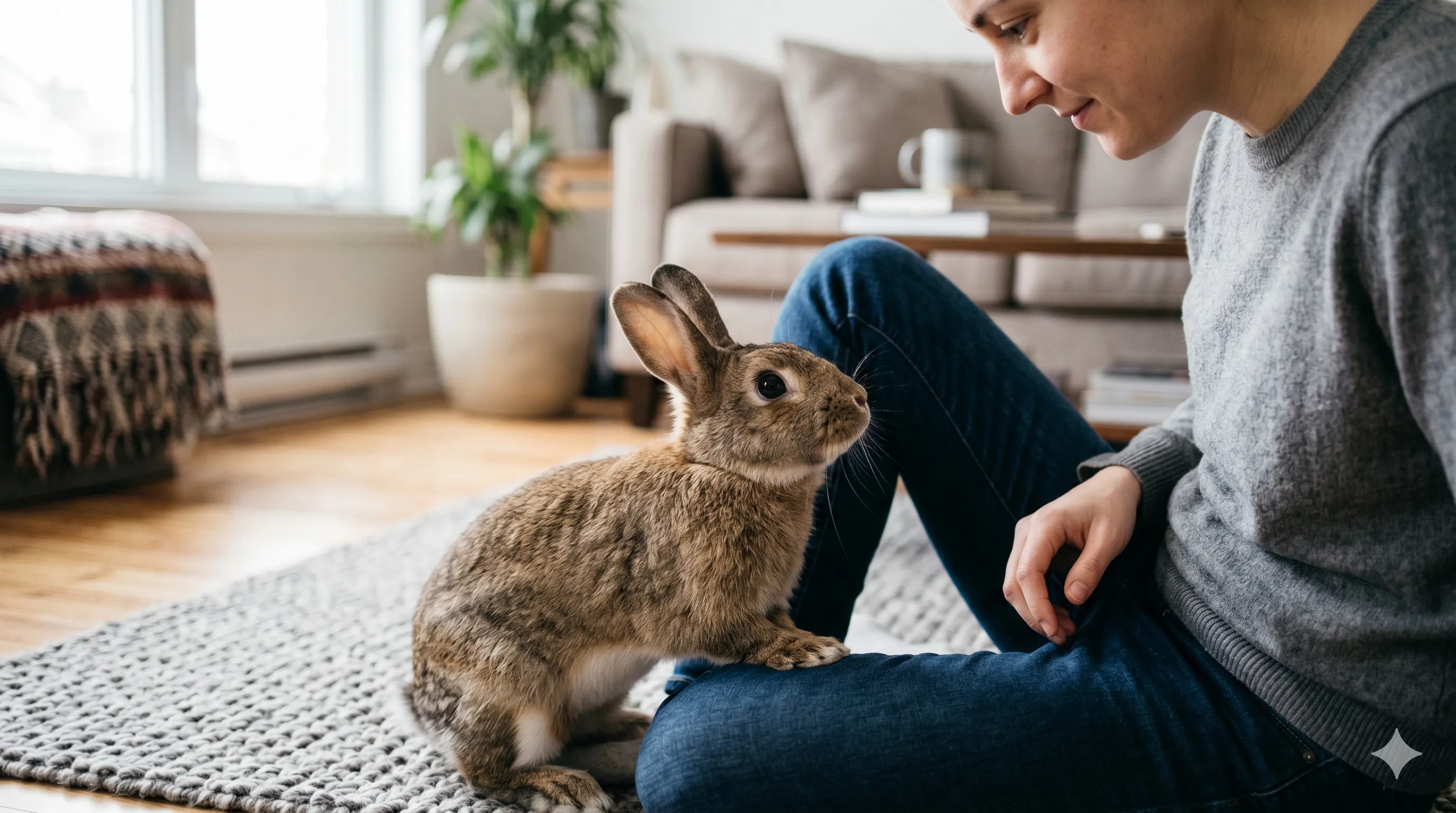
You're sitting on the couch or relaxing on the floor when suddenly your rabbit starts scratching, pawing, or digging at your clothes, legs, or lap. Sometimes it feels playful, while other times it seems impatient or intense. If you've been wondering "why does my rabbit dig on me?", the behavior is usually connected to natural instincts, communication, attention-seeking, or emotional expression.
Digging is one of the most natural rabbit behaviors in the world. Wild rabbits dig burrows and tunnels for safety, nesting, comfort, and territory. Domestic rabbits still carry those same instincts, even when living indoors as pets.
When rabbits dig on people specifically, the meaning often depends on the situation, body language, and your rabbit's personality.
Some rabbits dig gently during play or affection, while others dig because they feel frustrated, want attention, want you to move, or are full of energy.
Understanding the context behind the digging helps explain what your bunny may be trying to communicate.
Why Does My Rabbit Dig on Me? (Quick Answer)
Rabbits dig on people because of natural burrowing instincts, attention-seeking behavior, excitement, frustration, territorial feelings, or social interaction. Digging can also happen when rabbits want space, stimulation, affection, or environmental enrichment.
In most situations, occasional digging is completely normal rabbit behavior and not a sign of aggression.
What Rabbit Digging on You Usually Means
| Behavior | Likely Meaning |
|---|---|
| Gentle digging on your lap | Attention or interaction |
| Digging with licking | Affection or bonding |
| Digging with grunting | Territorial feelings |
| Digging during play | Excitement |
| Obsessive digging | Boredom or stress |
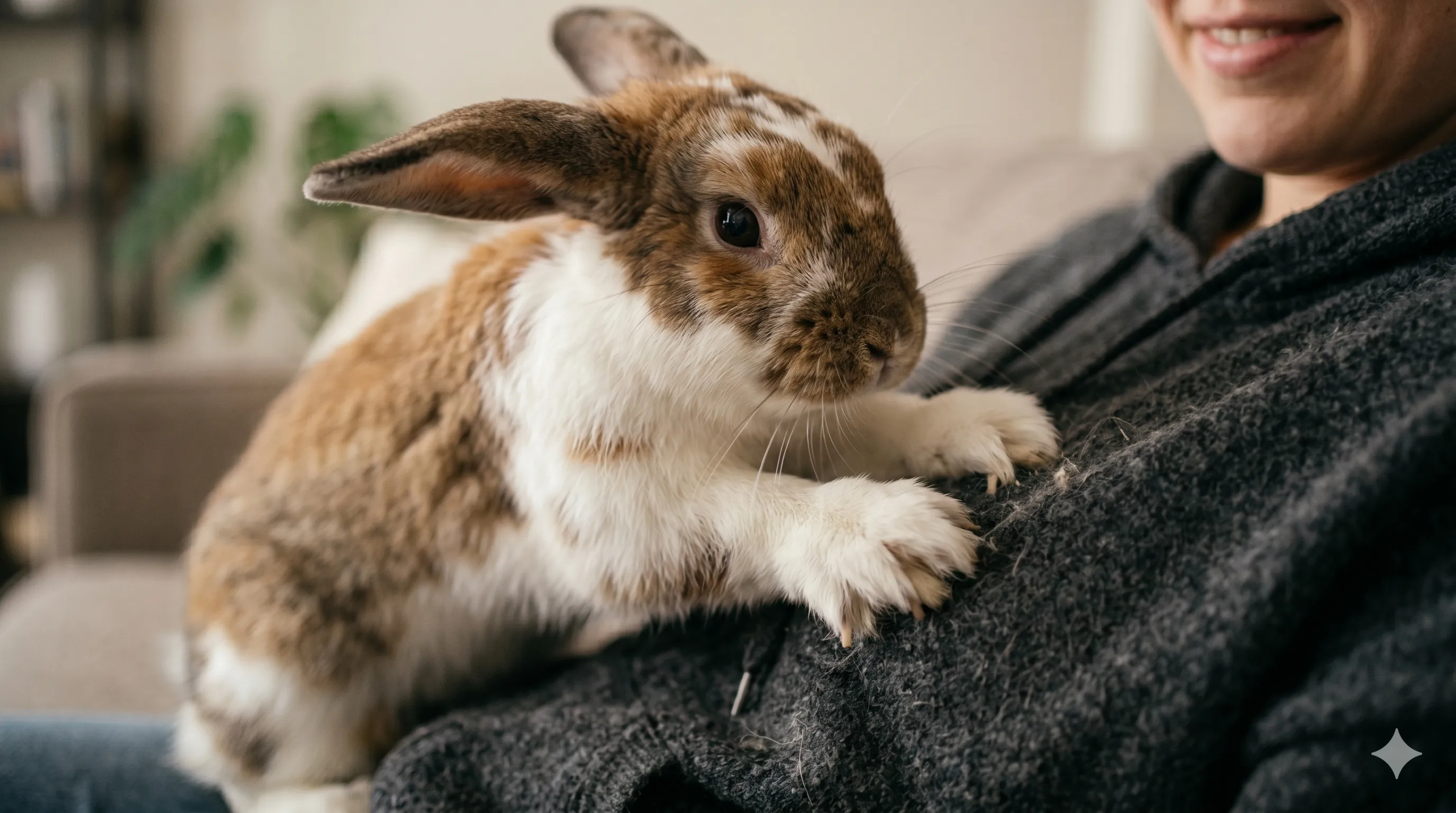
Does Rabbit Digging Mean Affection?
Sometimes, yes. Some rabbits dig gently on trusted owners during social interactions, cuddle sessions, or while seeking attention. Digging alone does not always mean affection, but when combined with relaxed body language, licking, or staying close to you, it can be part of a rabbit's way of interacting and communicating.
Why Does My Rabbit Dig on Me and Then Lick Me?
Digging followed by licking is often seen in bonded rabbits and rabbits that feel comfortable around their owners. Your rabbit may be trying to get your attention, encourage interaction, or groom you as part of social behavior. Looking at your rabbit's overall body language can help determine whether the behavior is playful, affectionate, or attention-seeking.
Why Does My Rabbit Dig on Me and Then Bite Me?
Some rabbits may gently nip after digging as another way of communicating. A light bite can mean your rabbit wants attention, is asking you to move, has become overstimulated, or is feeling mildly frustrated. Gentle nipping is different from aggressive biting that is accompanied by lunging, growling, or defensive body language.
Consider what happened immediately before the digging and biting. Looking at your rabbit's posture, ears, and overall behavior often provides better clues than focusing on the bite alone.
Why Does My Rabbit Dig on My Lap?
If your rabbit frequently digs on your lap, they may simply see you as part of their environment rather than treating you differently from a blanket or cushion. Depending on the situation, digging on your lap may be a request for attention, an attempt to get comfortable, playful excitement, or a way of asking you to move.
Look at your rabbit's overall body language. A relaxed rabbit that stays close, accepts petting, or settles beside you is often communicating differently than a rabbit that digs while grunting, biting, or trying to push you away.
Watching what happens immediately before and after the digging usually provides the best clues about your rabbit's motivation.
Why Do Rabbits Dig Naturally?
Digging is deeply connected to rabbit survival instincts.
In the wild, rabbits dig for many important reasons, including:
- Creating underground burrows
- Building nesting areas
- Escaping predators
- Staying cool and protected
- Establishing territory
- Exploring their environment
Even indoor rabbits that have never lived outdoors still retain strong digging instincts.
That's why many rabbits dig:
- Blankets
- Couches
- Carpet
- Towels
- Beds
- Human clothing
Digging itself is usually completely normal and healthy behavior.
rabbit nudging and attention-seeking behavior explainedCommon Reasons Rabbits Dig on People
1. Your Rabbit Wants Attention
One of the most common reasons rabbits dig on owners is attention-seeking behavior.
Your rabbit may paw at your legs, lap, or clothing because they want:
- Petting
- Playtime
- Treats
- Interaction
- Free-roaming time
Many rabbits quickly learn that digging gets a reaction from humans.
Highly social rabbits may become especially persistent during active evening hours.
rabbit circling excitement and hormonal behavior2. Your Rabbit Wants You to Move
Sometimes rabbits dig simply because you are blocking something they want.
Your bunny may dig at you to communicate:
- "Move over."
- "That's my spot."
- "I want access to this area."
- "You're in the way."
This type of digging is common in confident or territorial rabbits.
Some rabbits even combine digging with nudging or light nipping when they feel impatient.
free roam rabbit enrichment and exercise ideas3. Excitement and Playfulness
Young and energetic rabbits often dig during play.
Excited rabbits may dig while:
- Zooming around
- Jumping onto furniture
- Playing with blankets
- Interacting with owners
- Exploring new areas
Playful digging is usually fast, energetic, and paired with relaxed body language.

4. Territorial Behavior
Rabbits can be surprisingly territorial about favorite spots.
Your rabbit may dig on you if:
- You're sitting in their preferred area
- You moved their belongings
- They feel protective of territory
- Hormones increase territorial behavior
Territorial digging is more common in unspayed or unneutered rabbits.
Some rabbits also display digging alongside chin marking, circling, or grunting.
best rabbit cage setup and enrichment tips5. Nesting Instincts
Female rabbits especially may dig due to nesting instincts.
Hormonal rabbits sometimes dig obsessively at soft surfaces like:
- Blankets
- Pillows
- Clothing
- Carpet
- Furniture cushions
This behavior may become more intense during hormonal periods or false pregnancies.
rabbit gentle biting and communication signals6. Boredom and Lack of Enrichment
Rabbits need regular mental and physical stimulation.
If a rabbit lacks enrichment opportunities, they may redirect natural digging instincts onto people or household items.
Common signs boredom may be involved include:
- Constant digging
- Destructive chewing
- Restlessness
- Attention-seeking behavior
- Repeated scratching at surfaces
Providing proper enrichment often reduces excessive digging behavior significantly.
rabbit attachment and following behavior explainedRabbit Body Language That Often Appears With Digging
| Behavior | Possible Meaning |
|---|---|
| Digging + nudging | Seeking attention or space |
| Digging + circling | Excitement or hormones |
| Digging + grunting | Territorial behavior |
| Digging + relaxed posture | Playfulness or exploration |
| Digging + biting | Frustration or overstimulation |
| Obsessive repetitive digging | Stress or lack of enrichment |
Normal Digging vs Digging That May Need Attention
| Behavior | What It May Mean |
|---|---|
| Occasional gentle digging | Normal instinct or attention-seeking |
| Digging during play | Healthy excitement |
| Digging before settling down | Comfort or nesting behavior |
| Constant obsessive digging | Possible boredom or stress |
| Digging with aggression or appetite changes | Monitor closely and consider veterinary advice |
How to Stop Excessive Digging
Because digging is instinctive behavior, the goal is usually not to eliminate digging completely but to redirect it appropriately.
Provide Digging Alternatives
Helpful enrichment ideas include:
- Dig boxes filled with paper
- Blankets and towels
- Cardboard tunnels
- Safe shredding toys
- Foraging mats
- Puzzle toys
Many rabbits calm down once they have acceptable places to dig safely.

Increase Exercise and Enrichment
Rabbits need regular activity and stimulation.
Daily free-roaming time, interactive play, and environmental enrichment often reduce boredom-related digging significantly.
rabbit shaking and stress warning signsLearn Your Rabbit's Triggers
Pay attention to when digging happens most often.
Some rabbits dig more during:
- Feeding times
- Hormonal phases
- Evening activity bursts
- Stressful situations
- Territorial disputes
Recognizing patterns makes rabbit behavior much easier to manage.
When Should You Be Concerned?
Digging is usually harmless natural behavior.
However, you should monitor your rabbit more closely if digging becomes:
- Obsessive
- Combined with aggression
- Linked to appetite changes
- Paired with stress signs
- Suddenly intense or unusual
- Accompanied by destructive behavior
Sudden major behavioral changes can sometimes indicate stress, discomfort, hormones, or environmental frustration.
If your rabbit suddenly starts digging much more than usual, especially alongside hiding, loss of appetite, aggression, reduced activity, or other unusual behaviors, it is worth looking for possible environmental changes or health concerns. Digging itself is rarely the problem, but a sudden change in normal behavior deserves closer observation.
digging alongside a loss of appetite deserves attention, so see why rabbits stop eatingExample Scenario
The scenario below is an illustrative example of how this situation can play out, not a documented case study.
One rabbit owner noticed their bunny constantly dug at blankets during evening cuddle time. After introducing a dedicated dig box filled with shredded paper, the rabbit redirected most of the behavior there instead.
Another owner realized their rabbit only dug aggressively when sitting in the rabbit's favorite couch corner. Once they understood the territorial pattern, the behavior became much easier to predict.
Another rabbit regularly dug at its owner's lap whenever petting stopped. Once the owner recognized this as attention-seeking behavior rather than aggression, they responded with short interactive play sessions instead of immediately moving the rabbit away.
Small environmental changes often make a surprisingly large difference with rabbit behaviors.
Final Thoughts
If you've been wondering why your rabbit digs on you, the behavior is usually connected to natural instincts, attention-seeking, excitement, territorial feelings, or emotional expression.
Digging is one of the most deeply rooted rabbit behaviors and is often completely normal.
The key is understanding the situation surrounding the behavior, including your rabbit's body language, routines, hormones, and enrichment needs.
With proper outlets, stimulation, and patience, most rabbits learn healthy ways to express their natural digging instincts without becoming overly destructive or frustrating.
Every rabbit has its own personality, so the same digging behavior can have different meanings depending on the situation. Paying attention to your rabbit's body language, daily routine, and surrounding environment will usually provide the clearest explanation for why they are digging on you.
This article is intended for educational purposes and should not replace professional veterinary advice. If your rabbit develops sudden behavioral changes, aggression, or signs of illness, consult an experienced rabbit veterinarian.
Medical Disclaimer
This content is provided for informational and educational purposes only and should not be considered veterinary, medical, behavioral, or training advice. While we strive for accuracy, we make no guarantees regarding completeness or results. Always consult a licensed veterinarian or qualified pet care professional before making decisions about your pet’s health, diet, or behavior.
AI Illustration Notice
Some images in this article may have been generated or enhanced using artificial intelligence for illustrative purposes.
Frequently Asked Questions
Rabbits often scratch or dig on owners to seek attention, ask for space, play, or express natural digging instincts.
Yes. Digging is a completely natural rabbit instinct connected to burrowing, nesting, and exploration.
Soft surfaces often trigger natural nesting and digging instincts in rabbits. Blankets, beds, and clothing also carry your scent, which can make them more appealing.
Yes. Rabbits lacking enrichment or exercise may dig excessively out of boredom or frustration.
This is often playful or attention-seeking behavior, especially in energetic young rabbits.
Not usually. Digging is most often a natural instinct or a way for rabbits to communicate. However, if digging is accompanied by grunting, biting, lunging, or other defensive behaviors, it may be related to frustration, territorial feelings, or overstimulation.
Provide a dig box, enrichment toys, daily exercise, and regular interaction. Redirecting the digging to an approved spot usually works better than scolding.
Rabbits may dig on your lap because they want attention, are getting comfortable, feel playful, or want you to move. Looking at their body language before and after digging often provides the best clue about what they are trying to communicate.
Digging followed by licking is often part of normal social behavior. Your rabbit may be seeking attention, encouraging interaction, or grooming you as a sign of trust and bonding.
Sometimes. Gentle digging combined with relaxed body language, staying close, or licking may be part of affectionate social interaction. Digging alone does not always mean affection, so it should be interpreted alongside your rabbit's overall behavior.
Some rabbits dig when petting stops because they want more attention or interaction. Others may simply be trying to communicate excitement or encourage you to continue engaging with them.
Digging during cuddle time may be your rabbit's way of getting comfortable, adjusting their position, seeking attention, or expressing excitement. If your rabbit remains relaxed and stays close, the behavior is usually not a cause for concern.
Some rabbits gently nip after digging as part of normal communication or to get attention. If biting is accompanied by grunting, lunging, or defensive body language, it may indicate frustration or territorial behavior rather than playful interaction.
Beds and couches are soft and smell like you, which triggers nesting and digging instincts. Providing a dig box or a folded towel in a spot your rabbit is allowed on can redirect the behavior.
Editorial Note
This article is part of PetNurture's educational library.
Topics draw on publicly available educational resources, recognised veterinary organisations, academic publications and established animal welfare references where appropriate.
The specific sources this article draws on are listed in its References section. If you spot an error, please let us know.
References
The information in this article has been reviewed and supported using the following sources.
House Rabbit Society
Confirms digging and kicking are part of natural rabbit body language and communication; supports the 'Why Do Rabbits Dig Naturally' section of this article.
Accessed Aug 6, 2026
House Rabbit Society
Confirms that spaying/neutering reduces destructive digging and chewing behavior linked to hormones; supports the 'Nesting Instincts' and 'Territorial Behavior' sections of this article.
Accessed Aug 6, 2026
Pet Emergency Guidance
Every pet is unique. If your pet exhibits severe symptoms, sudden behavioral changes, or a medical emergency, do not rely on online guides — contact a licensed veterinarian or emergency clinic immediately.
About PetNurture
PetNurture is an educational library of pet care guides, interactive tools and practical resources for pet parents. We work continuously to keep our content accurate and up to date. Reader feedback helps us maintain content quality.
Related Articles
Popular Rabbit Guides