Why Does My Rabbit Circle Me? Understanding Bunny Circling, Excitement & Hormonal Behavior (2026 Guide)
- Why Does My Rabbit Circle Me? (Quick Answer)
- What Does Rabbit Circling Mean?
- Common Reasons Rabbits Circle People
- 1. Your Rabbit Is Excited to See You
- 2. Your Rabbit Wants Food or Treats
- 3. Affection and Social Bonding
- 4. Hormonal or Mating Behavior
- 5. Attention-Seeking Behavior
- 6. Playfulness and Energy Release
- Rabbit Body Language That Often Appears With Circling
- What Is Rabbit Honking?
- Can Rabbit Circling Become Excessive?
- How to Respond When Your Rabbit Circles You
- When Should You Be Concerned?
- Example Scenario
- Final Thoughts
Note: This article is for informational purposes only and does not replace professional veterinary advice.
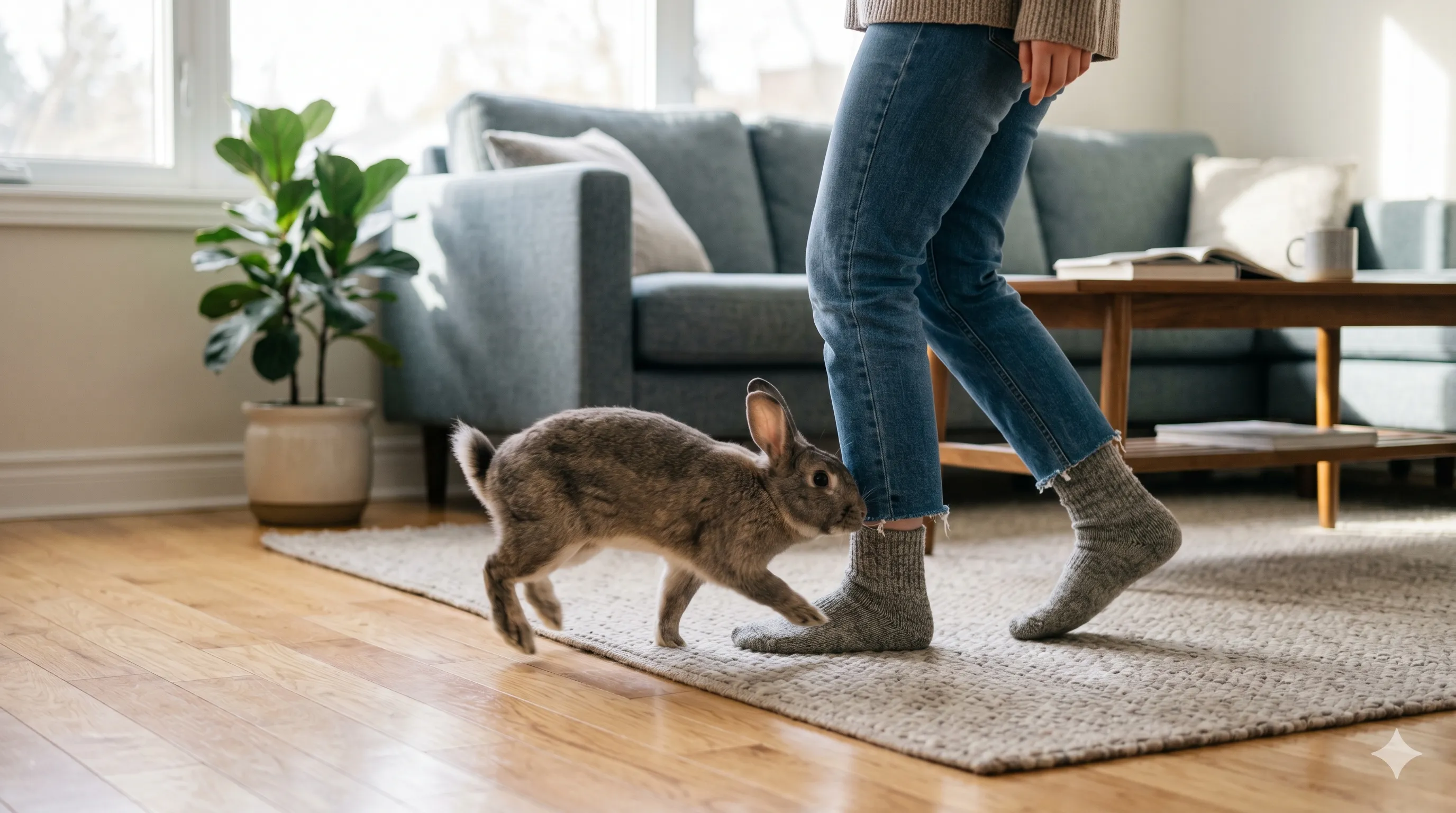
You're standing in the kitchen or sitting on the floor when suddenly your rabbit starts running quick circles around your feet. Sometimes your bunny may even make soft honking noises while spinning around you excitedly. If you've been wondering "why does my rabbit circle me?", the behavior is usually connected to excitement, affection, attention, or hormones.
Rabbit circling is one of the most energetic and expressive bunny behaviors owners experience. In many situations, circling means your rabbit is happy, excited to see you, or strongly interested in interaction.
However, the meaning can vary depending on your rabbit's age, personality, body language, and whether they are spayed or neutered.
Some rabbits circle because they associate owners with food or treats, while others display circling as part of social bonding or hormonal mating behavior.
Understanding the context behind the circling helps explain exactly what your bunny may be trying to communicate.
Why Does My Rabbit Circle Me? (Quick Answer)
Rabbits often circle people because they are excited, affectionate, seeking attention, expecting food, or displaying hormonal behavior. Circling is commonly associated with happiness and social interaction, especially when paired with playful movement, binkies, or soft honking sounds.
In unneutered or unspayed rabbits, circling can also be linked to mating instincts and territorial hormones.
What Does Rabbit Circling Mean?
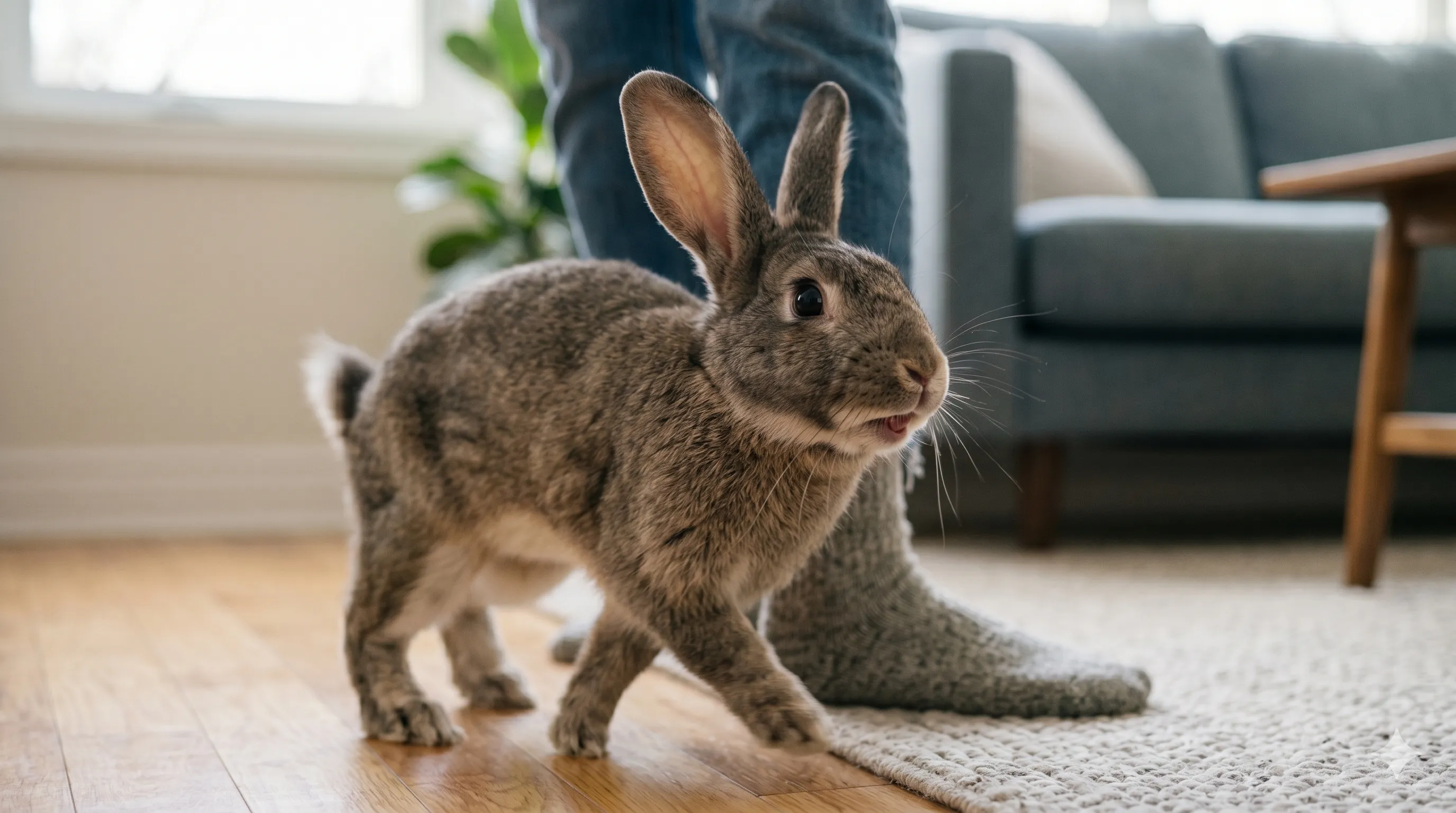
Rabbit circling is usually a highly emotional behavior connected to stimulation and excitement.
Rabbits commonly circle around:
- Owners
- Other rabbits
- Objects
- Food sources
- Favorite play areas
The behavior often happens quickly and energetically, especially during active hours in the morning or evening.
In many cases, circling is simply your rabbit expressing enthusiasm or anticipation.
rabbit following and attachment behavior explainedCommon Reasons Rabbits Circle People
1. Your Rabbit Is Excited to See You
One of the most common reasons rabbits circle owners is excitement.
If your rabbit starts spinning around your feet when you enter the room, prepare food, or begin interacting, your bunny is often expressing happiness and anticipation.
Many rabbits develop strong positive associations with trusted owners and become visibly energetic during interaction.
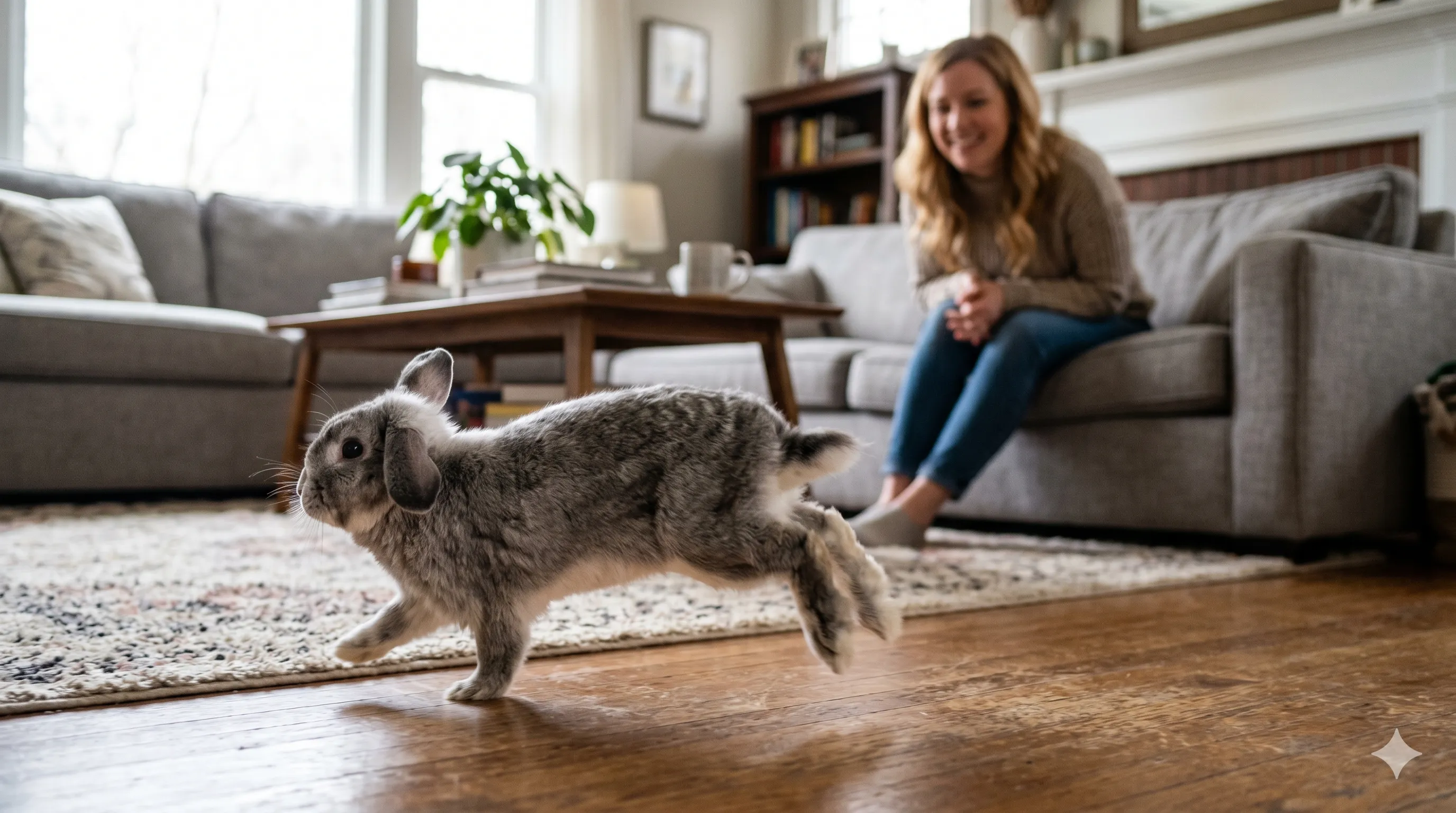
Some rabbits combine circling with binkies, zoomies, or playful hopping.
rabbit licking and bonding signs2. Your Rabbit Wants Food or Treats
Food motivation plays a huge role in rabbit behavior.
Many rabbits quickly learn feeding schedules and become excited whenever they expect vegetables, pellets, fruit treats, or hay refills.
Common signs food is the motivation include:
- Circling near feeding times
- Running toward the kitchen
- Honking while circling
- Increased excitement around food bags
- Following owners immediately before meals
Food-driven circling is usually energetic and persistent.
3. Affection and Social Bonding
Some rabbits circle trusted owners as part of social bonding behavior.
Rabbits are naturally social animals, and circling may sometimes function as a playful way of seeking interaction and engagement.
A rabbit that circles calmly while also relaxing near you, nudging you, or licking you often feels emotionally comfortable and socially connected.
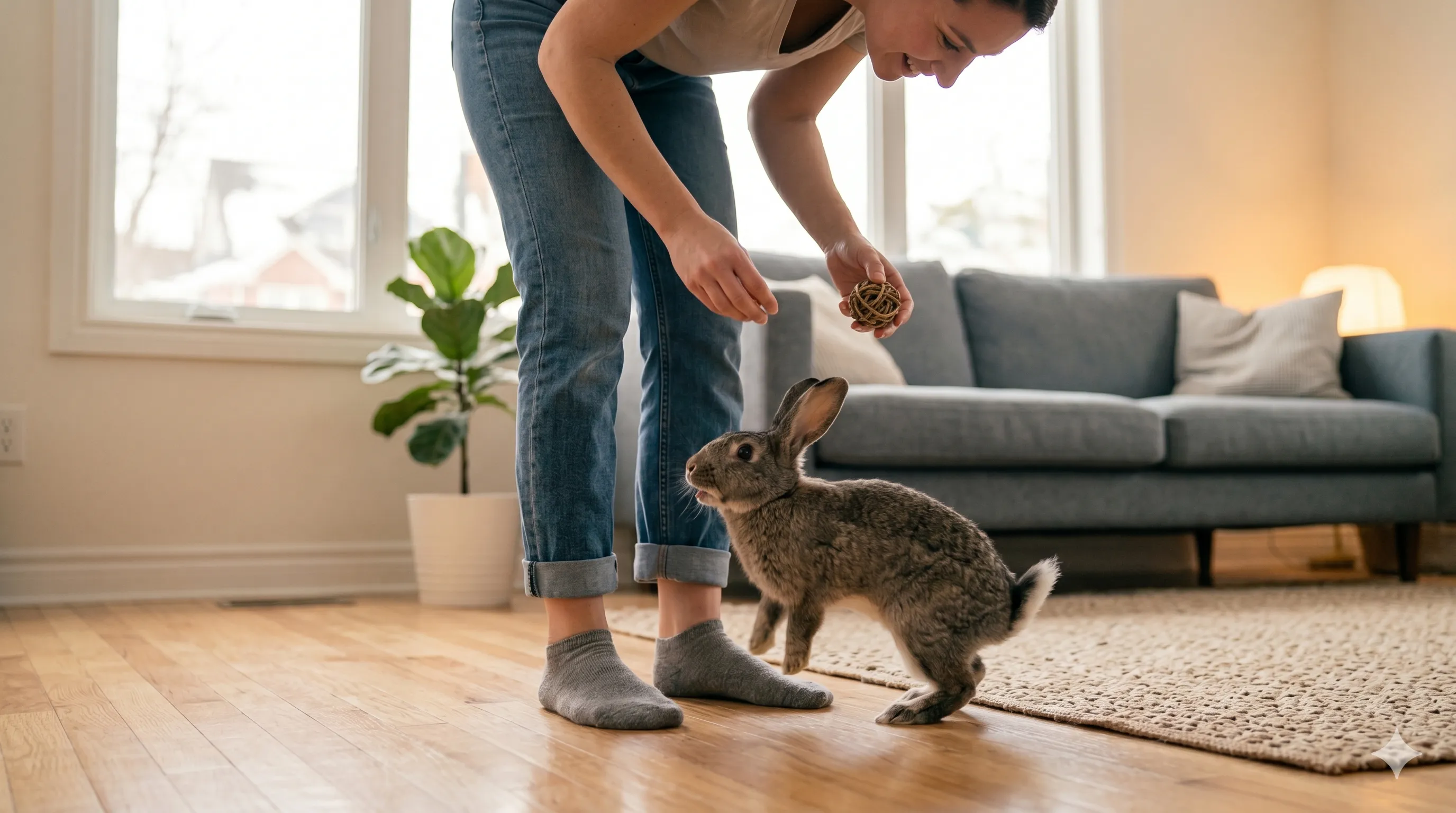
4. Hormonal or Mating Behavior
Circling is extremely common in unneutered male rabbits and can also occur in unspayed females.
Hormonal circling may be paired with:
- Honking sounds
- Mounting behavior
- Territorial spraying
- Restlessness
- Increased excitement
- Persistent chasing
In these situations, circling is often part of mating instincts rather than simple affection.
Neutering or spaying often reduces excessive hormonal circling behaviors significantly.
free roam rabbit enrichment and exercise guide5. Attention-Seeking Behavior
Some rabbits quickly learn that circling gets attention from humans.
If your rabbit receives petting, treats, or interaction after circling, your bunny may repeat the behavior intentionally.
Highly social rabbits often enjoy interactive routines and may use circling as a way to initiate engagement.
6. Playfulness and Energy Release
Young rabbits especially tend to display energetic body language while playing.
Circling may happen during:
- Zoomies
- Exploration sessions
- Evening activity bursts
- Excited social interaction
- Free-roaming playtime
Playful circling is usually loose, fast, and paired with relaxed body posture.
complete indoor rabbit care guide for beginnersRabbit Body Language That Often Appears With Circling
| Behavior | Possible Meaning |
|---|---|
| Circling + honking | Hormonal excitement or affection |
| Circling + binkies | Playfulness and happiness |
| Circling + nudging | Seeking attention |
| Circling + mounting | Hormonal behavior |
| Circling + relaxed posture | Comfort and bonding |
| Obsessive repeated circling | Possible stress or hormonal overstimulation |
What Is Rabbit Honking?
Many owners notice rabbits making soft buzzing or honking sounds while circling.
Rabbit honking is usually a low vocalization linked to excitement, social interaction, affection, or hormones.
Honking commonly appears during:
- Treat anticipation
- Play sessions
- Mating behavior
- Greeting owners
- Excited movement
In healthy rabbits, occasional honking is usually completely normal.
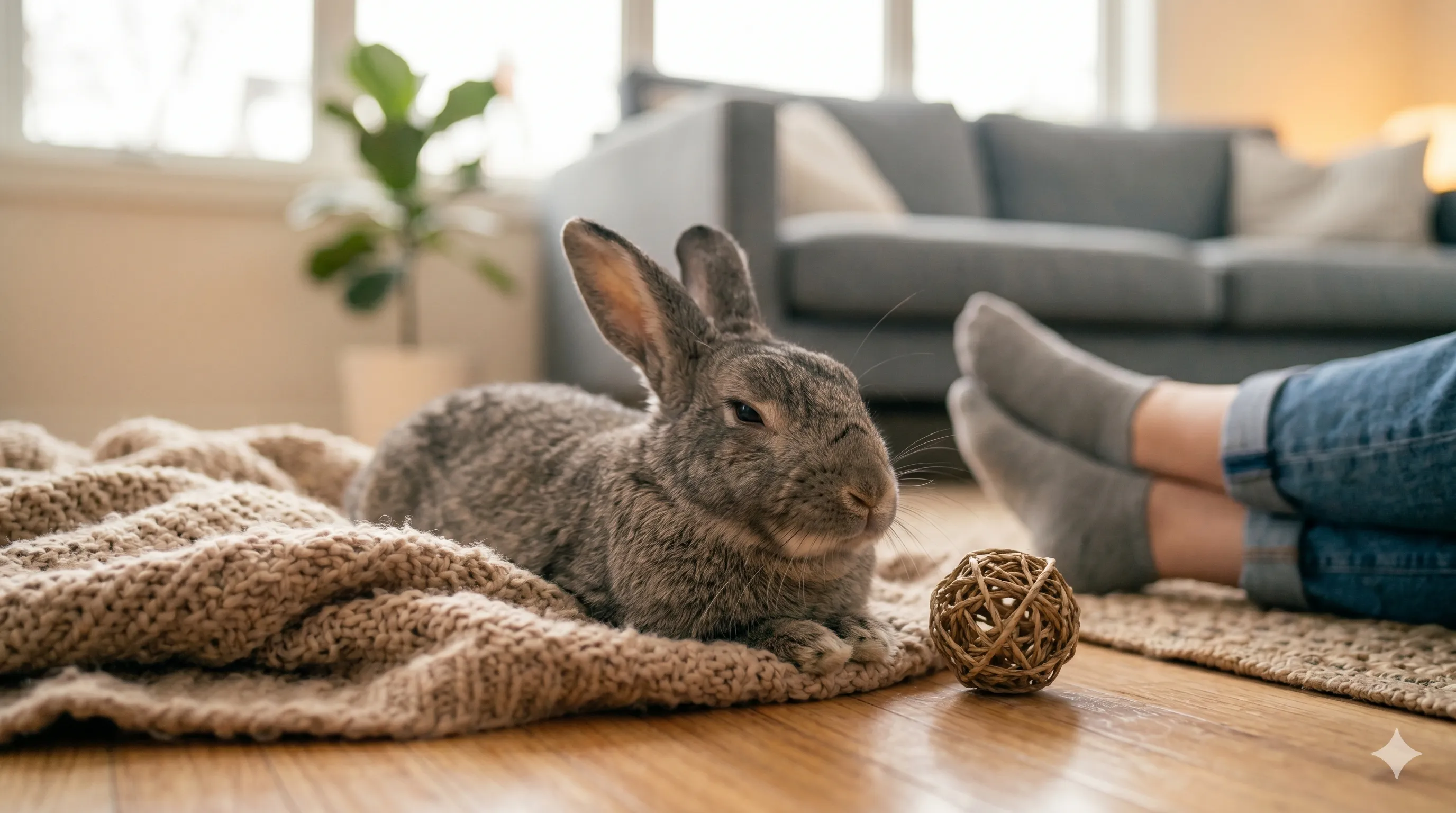
Can Rabbit Circling Become Excessive?
Occasional circling is usually harmless and healthy.
However, excessive circling may sometimes indicate:
- Hormonal frustration
- Boredom
- Overstimulation
- Territorial stress
- Lack of enrichment
- Obsessive behavior patterns
If circling becomes constant, aggressive, or unusually intense, evaluating your rabbit's environment and overall health may help.
rabbit love bites and gentle biting meaningHow to Respond When Your Rabbit Circles You
In most situations, rabbit circling is positive behavior and does not require correction.
Helpful responses include:
- Providing calm interaction
- Offering enrichment and playtime
- Maintaining routines
- Rewarding relaxed behavior
- Monitoring hormonal behaviors
- Avoiding accidental reinforcement of demanding habits
If hormonal behaviors become excessive, discussing spaying or neutering with a rabbit-experienced veterinarian may help improve long-term behavior and health.
rabbit thumping warning signals and communicationWhen Should You Be Concerned?
Rabbit circling is usually normal, but closer attention may help if the behavior suddenly becomes:
- Obsessive
- Paired with aggression
- Combined with appetite changes
- Linked to stress signs
- Accompanied by lethargy
- Extremely restless or frantic
Sudden major behavior changes should always be monitored carefully in rabbits.
rabbit stress anxiety and shaking symptomsExample Scenario
The scenario below is an illustrative example of how this situation can play out, not a documented case study.
One rabbit owner noticed their bunny sprinted in circles around their feet every evening before salad time. Over time, they realized the rabbit had memorized the feeding routine almost perfectly.
Another owner observed constant circling combined with honking and mounting behavior in an unneutered male rabbit. After neutering, the circling became much calmer and less obsessive within several weeks.
Context and accompanying behaviors usually explain rabbit circling far better than the movement alone.
Final Thoughts
If you've been wondering why your rabbit circles you, the behavior is usually connected to excitement, social bonding, food anticipation, playfulness, or hormones.
In many cases, circling is actually a positive sign that your rabbit feels stimulated, comfortable, and emotionally engaged around you.
The key is observing the full situation, including body language, vocalizations, routines, and whether hormonal behaviors are involved.
With time, you'll begin recognizing whether your rabbit's circling means affection, excitement, attention-seeking, or simply enthusiasm about their favorite activities.
This article is intended for educational purposes and should not replace professional veterinary advice. If your rabbit develops sudden behavioral changes, aggression, or health concerns, consult an experienced rabbit veterinarian.
Medical Disclaimer
This content is provided for informational and educational purposes only and should not be considered veterinary, medical, behavioral, or training advice. While we strive for accuracy, we make no guarantees regarding completeness or results. Always consult a licensed veterinarian or qualified pet care professional before making decisions about your pet’s health, diet, or behavior.
AI Illustration Notice
Some images in this article may have been generated or enhanced using artificial intelligence for illustrative purposes.
Frequently Asked Questions
Rabbits often circle owners because they are excited affectionate playful or expecting food and interaction
In many cases circling is commonly linked to excitement and positive stimulation
Circling combined with honking is often connected to excitement affection or hormonal behavior
Yes, unneutered rabbits commonly display circling as part of mating and territorial instincts
Occasional circling is normal but obsessive or frantic circling may indicate hormonal stress boredom or overstimulation
Neutering often reduces excessive hormonal circling and related mating behaviors
Rabbits often show excitement through circling binkies zoomies honking nudging and energetic movement
Editorial Note
This article is part of PetNurture's educational library.
Topics draw on publicly available educational resources, recognised veterinary organisations, academic publications and established animal welfare references where appropriate.
The specific sources this article draws on are listed in its References section. If you spot an error, please let us know.
References
The information in this article has been reviewed and supported using the following sources.
House Rabbit Society
Confirms circling, mounting, and honking are classic signs of hormonal, sexually mature rabbit behavior that reduce significantly after spaying or neutering; supports the 'Hormonal or Mating Behavior' section of this article.
Accessed Aug 6, 2026
House Rabbit Society
Describes circling as part of natural rabbit courting and communication body language; supports the 'What Does Rabbit Circling Mean' section of this article.
Accessed Aug 6, 2026
Pet Emergency Guidance
Every pet is unique. If your pet exhibits severe symptoms, sudden behavioral changes, or a medical emergency, do not rely on online guides — contact a licensed veterinarian or emergency clinic immediately.
About PetNurture
PetNurture is an educational library of pet care guides, interactive tools and practical resources for pet parents. We work continuously to keep our content accurate and up to date. Reader feedback helps us maintain content quality.
Related Articles
Popular Rabbit Guides