Why Does My Rabbit Stare at Me? Bunny Eye Contact Explained
- Why Does My Rabbit Stare at Me? (Quick Answer)
- What Your Rabbit's Stare Usually Means
- Do Rabbits Recognize Their Owners?
- Does My Rabbit Staring at Me Mean They Trust Me?
- Common Reasons Rabbits Stare at People
- 1. Your Rabbit Is Curious
- 2. Your Rabbit Expects Food
- 3. Your Rabbit Wants Attention
- 4. Your Rabbit Feels Comfortable Around You
- 5. Alertness and Environmental Awareness
- 6. Your Rabbit Is Trying to Understand You
- 7. Fear or Stress
- Rabbit Body Language That Often Appears With Staring
- How to Tell Friendly Staring vs Worried Staring
- Why Does My Rabbit Stare Without Blinking?
- Why Does My Rabbit Stare at Me While I Eat?
- How to Build Trust With Your Rabbit
- When Should You Be Concerned?
- Expert Tips for Reading a Staring Rabbit
- Common Mistakes Owners Make
- Example Scenario
- Final Thoughts
Note: This article is for informational purposes only and does not replace professional veterinary advice.
You look across the room and notice your rabbit sitting completely still while staring directly at you. Sometimes the stare feels calm and curious. Other times, it can seem intense, mysterious, or even slightly dramatic. If you've been wondering "why does my rabbit stare at me?", your bunny is usually trying to observe, communicate, or understand what’s happening around them.
Rabbits rely heavily on body language and observation to interact with their environment. Because they are prey animals, rabbits naturally stay alert and constantly monitor movement, sounds, routines, and familiar people.
In many situations, staring is completely normal rabbit behavior.
Your rabbit may stare because they are curious, waiting for food, seeking attention, feeling relaxed, observing your actions, or simply watching a trusted human nearby.
However, context matters. A relaxed rabbit staring calmly is very different from a rabbit staring while frozen, tense, or fearful.
Understanding your rabbit’s posture, ear position, and surrounding behavior helps explain what your bunny may actually be feeling.
Why Does My Rabbit Stare at Me? (Quick Answer)
Rabbits often stare at owners because they are curious, alert, socially interested, expecting food, seeking attention, or observing movement. Calm staring is usually normal rabbit behavior and often means your bunny feels aware of and comfortable around you.
However, staring paired with tense posture, hiding, freezing, or fear signals may indicate stress or anxiety.
What Your Rabbit's Stare Usually Means
- Calm staring while loafing: comfort and trust
- Staring near feeding time: expecting food
- Staring while following you: attention or curiosity
- Frozen staring with tense posture: stress or fear
- Staring while grooming nearby: feeling relaxed and secure
- Staring with rapid breathing: monitor for stress or illness
Do Rabbits Recognize Their Owners?
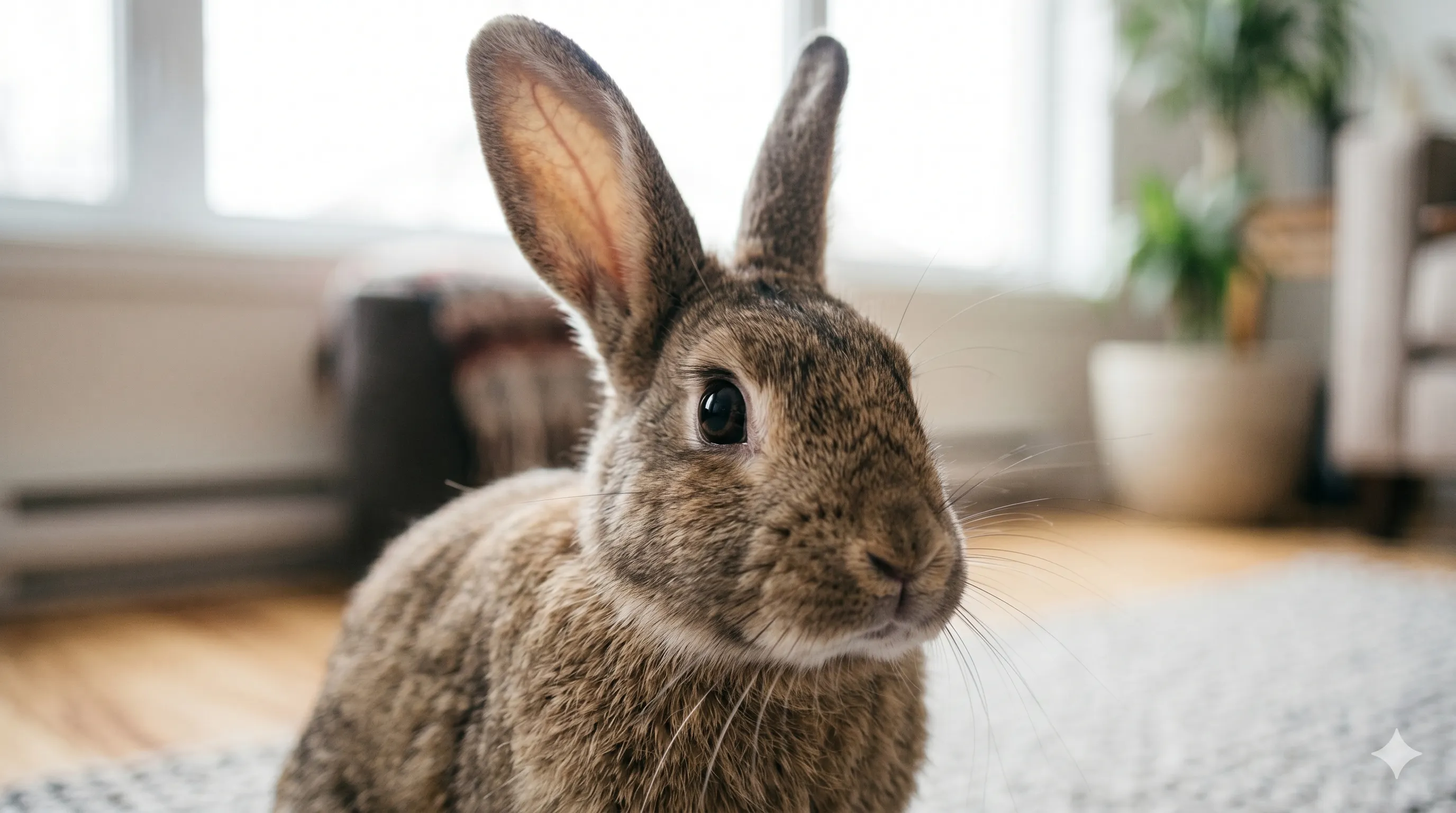
Yes, rabbits can recognize familiar people surprisingly well.
Over time, rabbits learn to identify owners through:
- Voice
- Scent
- Daily routines
- Movement patterns
- Feeding habits
- Social interaction
Many rabbits become highly observant of the humans they trust most.
This is why rabbits often watch owners closely during everyday activities, especially when expecting food, playtime, or interaction.
rabbit attachment and following behavior explainedDoes My Rabbit Staring at Me Mean They Trust Me?
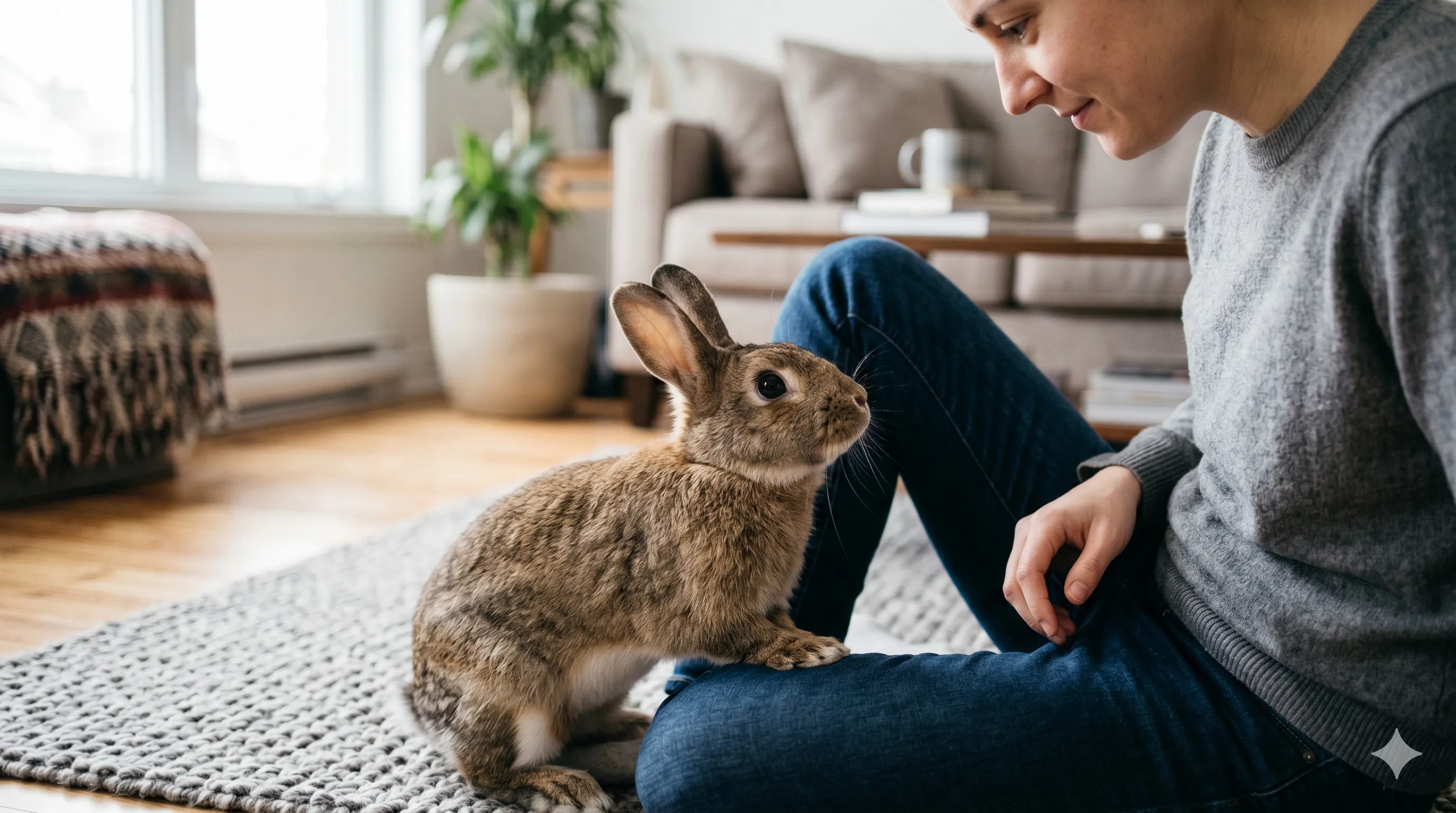
Sometimes, yes. A rabbit that calmly watches you while remaining relaxed, eating normally, grooming, loafing, or resting nearby often feels comfortable in your presence. While staring alone does not always mean trust, it commonly appears alongside other positive behaviors once rabbits become familiar with their owners.
Watching your rabbit's overall body language provides much more useful information than eye contact alone. Relaxed ears, comfortable posture, and normal daily activities usually suggest your rabbit feels safe around you.
Common Reasons Rabbits Stare at People
1. Your Rabbit Is Curious
Rabbits are naturally observant animals.
Your bunny may stare simply because they are curious about what you're doing, where you're going, or whether something interesting is about to happen.
Curious rabbits commonly watch owners during:
- Cooking
- Cleaning
- Moving furniture
- Opening bags
- Changing routines
- Talking nearby
Curiosity-based staring is usually calm and relaxed.
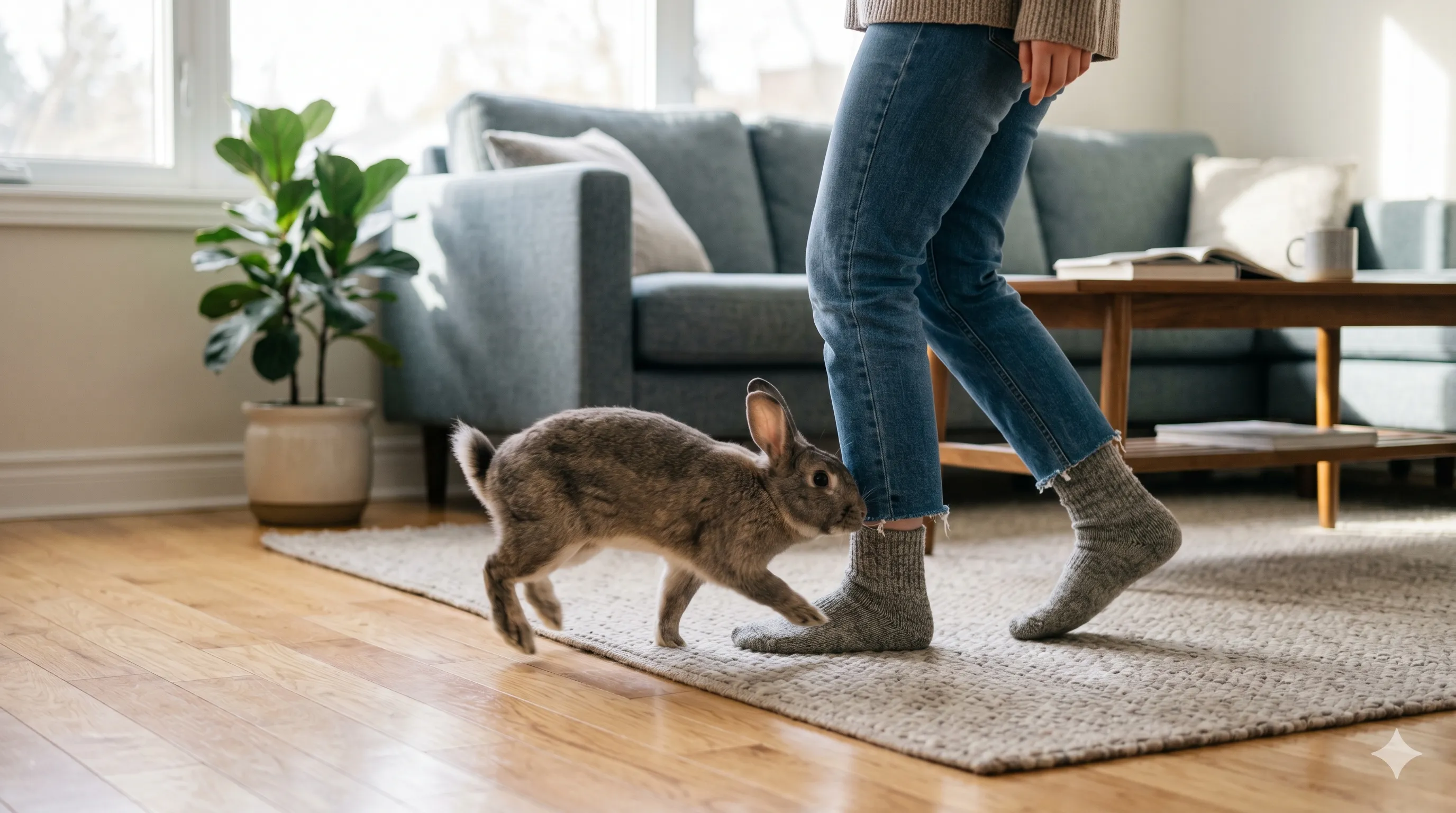
rabbit nudging and attention-seeking communication2. Your Rabbit Expects Food
Food is one of the biggest motivations behind rabbit attention.
Many rabbits learn feeding schedules extremely quickly and begin watching owners closely around meal times.
Your rabbit may stare because they associate you with:
- Treats
- Fresh vegetables
- Hay refills
- Pellets
- Snack routines
Food-focused staring often becomes especially obvious near the kitchen or feeding area.
3. Your Rabbit Wants Attention
Social rabbits sometimes stare as a quiet way of asking for interaction.
If your bunny sits nearby staring calmly, they may want:
- Petting
- Playtime
- Free-roaming time
- Social engagement
- Comfortable companionship
Some rabbits prefer observing first before approaching directly.
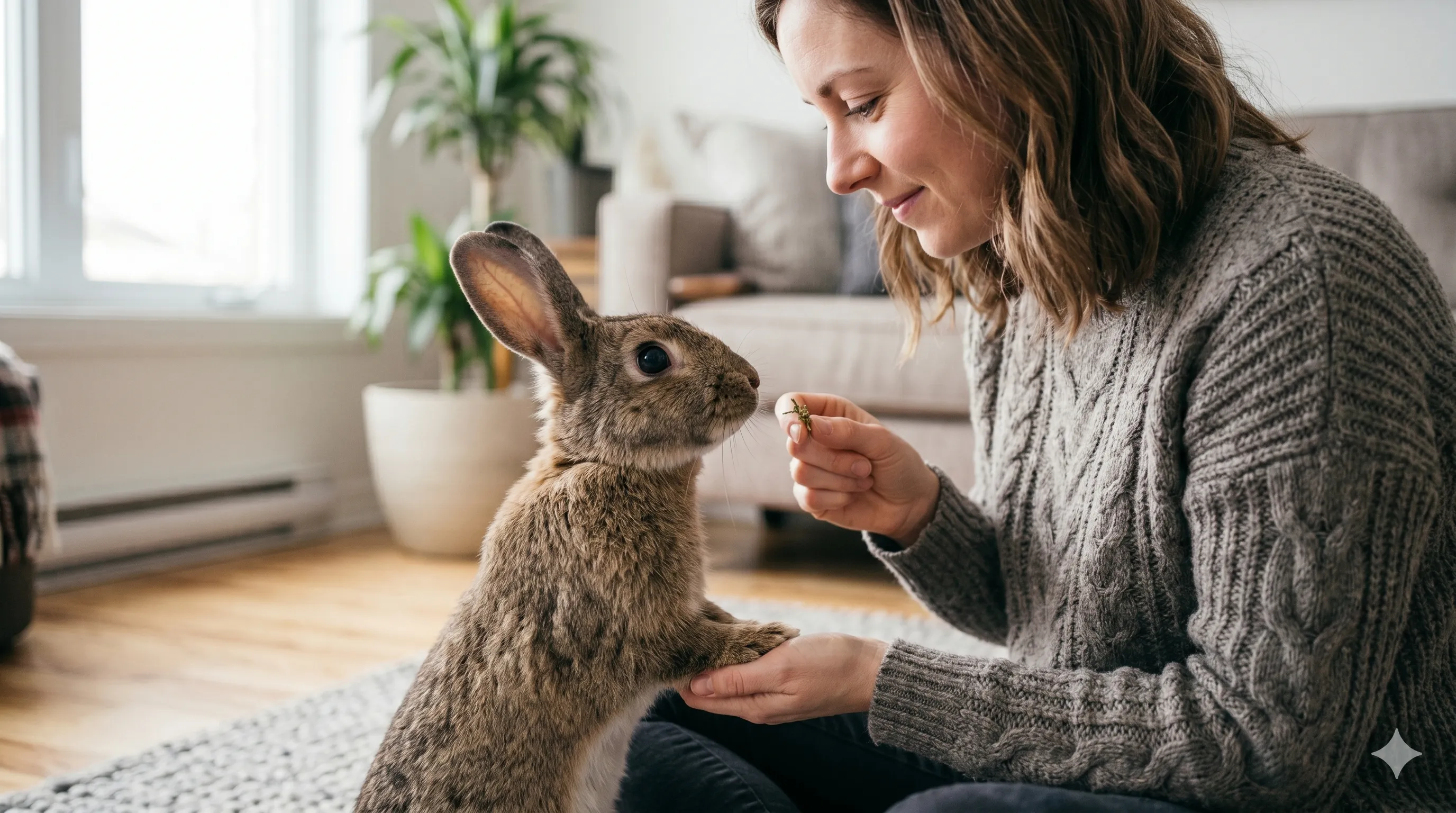
4. Your Rabbit Feels Comfortable Around You
Rabbits usually do not relax openly around people they distrust.
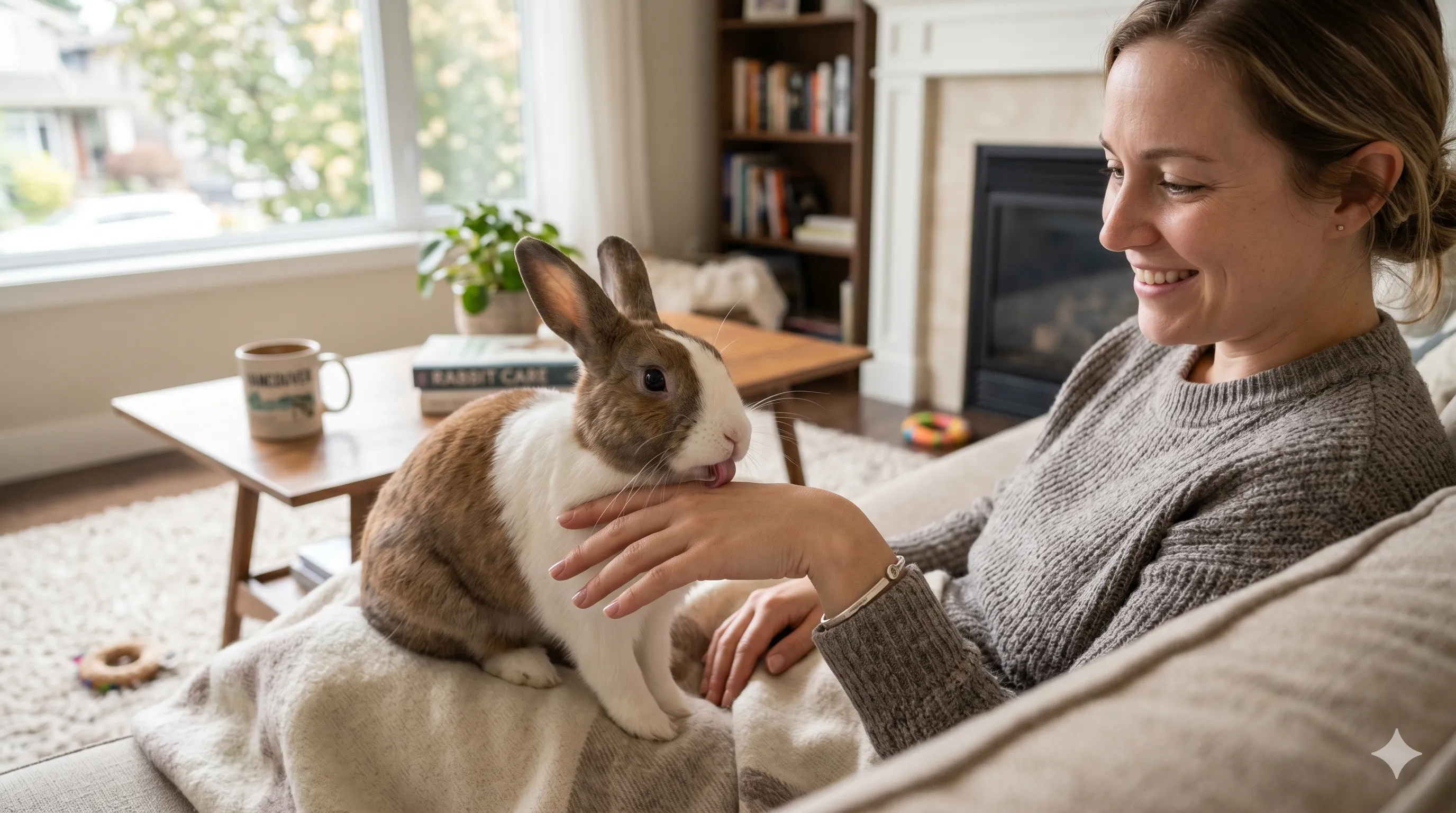
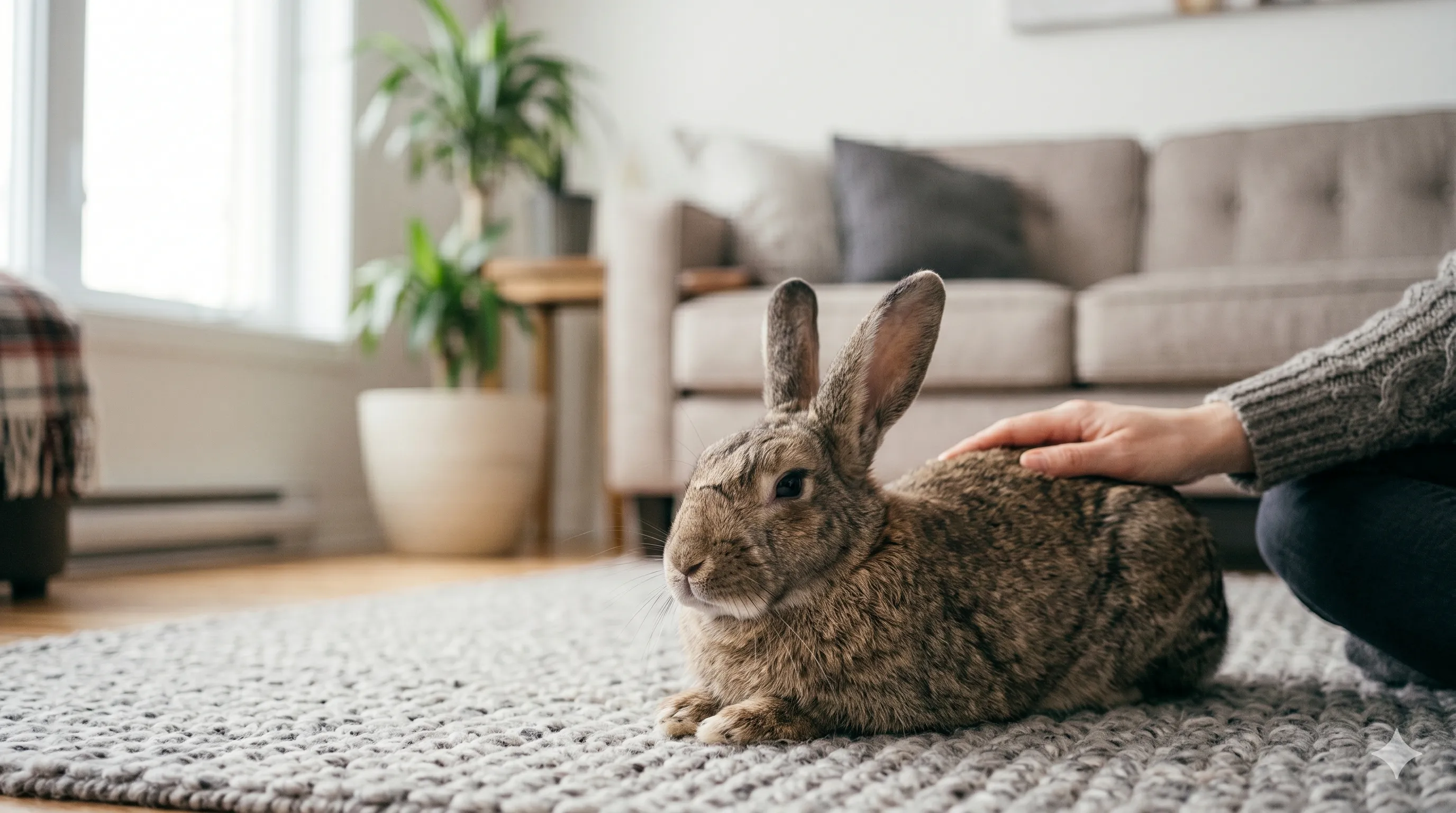
A rabbit that calmly watches you while loafing, flopping, grooming, or resting nearby often feels emotionally safe in your presence.
In many bonded rabbits, staring is simply part of peaceful social awareness.
Your rabbit may enjoy quietly observing your movement without feeling the need to hide.
rabbit thumping warning signals and communication5. Alertness and Environmental Awareness
Because rabbits are prey animals, they naturally monitor their environment carefully.
Sometimes rabbits stare because they are:
- Listening to sounds
- Tracking movement
- Checking for safety
- Watching environmental changes
- Feeling cautious
Alert staring is usually paired with upright posture, raised ears, and stillness.
6. Your Rabbit Is Trying to Understand You
Rabbits constantly learn from observing routines and human behavior.
Some rabbits stare because they are trying to predict what happens next.
Over time, rabbits often memorize:
- Daily schedules
- Food preparation habits
- Sleep routines
- Activity patterns
- Interaction habits
Many owners are surprised by how observant rabbits become once trust develops.
rabbit stress anxiety and shaking symptoms7. Fear or Stress
Not all staring is relaxed or positive.
A frightened rabbit may freeze and stare intensely while trying to assess danger.
Stress-related staring is more likely when paired with:
- Tense posture
- Wide eyes
- Flattened ears
- Rapid breathing
- Hiding behavior
- Sudden freezing
In these situations, your rabbit may feel insecure, startled, or overwhelmed.
Rabbit Body Language That Often Appears With Staring
- Staring + relaxed loaf posture: comfort and calm observation
- Staring + upright ears: alert curiosity
- Staring + nudging: attention-seeking
- Staring + begging posture: food anticipation
- Staring + hiding: nervousness or fear
- Frozen staring + tense body: stress or environmental concern
How to Tell Friendly Staring vs Worried Staring
- Relaxed body posture vs tense body
- Loafing or resting vs frozen posture
- Normal eating vs loss of appetite
- Calm breathing vs rapid breathing
- Approaches willingly vs hides frequently
Why Does My Rabbit Stare Without Blinking?
Many owners notice rabbits seem to stare without blinking for long periods.
Rabbits naturally blink less often than humans, especially while observing their environment carefully.
This behavior is usually normal and connected to their survival instincts as prey animals.
However, if staring is paired with obvious eye issues, discharge, swelling, or unusual behavior, veterinary evaluation may be necessary.
Why Does My Rabbit Stare at Me While I Eat?
Many rabbits quickly learn that people often prepare food before eating themselves. Your rabbit may stare while you eat because they associate mealtimes with treats, vegetables, hay refills, or other feeding routines. This behavior is usually driven by curiosity and learned expectations rather than confusion.
How to Build Trust With Your Rabbit
If your rabbit watches you often, it may already be learning your routines and becoming familiar with your presence.
Helpful ways to strengthen bonding include:
- Spending quiet time near your rabbit
- Allowing voluntary interaction
- Avoiding sudden movements
- Using calm body language
- Offering healthy treats occasionally
- Providing enrichment and playtime
- Maintaining consistent routines
Trust-building with rabbits usually develops gradually through predictable positive experiences.
When Should You Be Concerned?
Staring alone is usually harmless normal behavior.
However, you should monitor your rabbit more closely if staring appears alongside:
- Loss of appetite
- Extreme freezing behavior
- Hiding constantly
- Rapid breathing
- Eye discharge or swelling
- Lethargy
- Sudden personality changes
Major behavioral changes or physical symptoms should always be evaluated carefully in rabbits.
If your rabbit suddenly begins staring much more than usual, especially alongside changes in appetite, activity level, balance, eye appearance, or social behavior, it is worth observing them closely. Staring itself is rarely the problem, but sudden changes in normal behavior can sometimes indicate that something else deserves attention.
Expert Tips for Reading a Staring Rabbit
- Check ear position alongside the stare, since upright relaxed ears usually mean curiosity while flattened ears point toward fear
- Watch what happens right after the stare, since a rabbit that resumes eating or grooming was likely just being observant
- Avoid sudden movement toward a frozen, staring rabbit, since approaching too fast can turn caution into real fear
- Note the time of day, since staring tied to consistent feeding or routine times is almost always food or habit driven
Common Mistakes Owners Make
- Assuming every stare means the same thing instead of reading it alongside posture and ear position
- Reaching toward a tense, frozen rabbit to "comfort" it, which can increase fear instead of reducing it
- Dismissing a sudden increase in staring paired with appetite or energy changes as just personality
- Interpreting a motionless stare as disobedience or defiance rather than a normal prey-animal response
Example Scenario
The scenario below is an illustrative example of how this situation can play out, not a documented case study.
One rabbit owner noticed their bunny stared at them every evening around the same time. Eventually, they realized the rabbit had learned the exact routine that led to dinner preparation.
Another owner initially worried about their rabbit’s quiet staring behavior, but later recognized the bunny only watched calmly while loafing nearby during relaxed household activity. Over time, the behavior became a comforting part of their bonding routine.
Small details in posture and context usually explain rabbit staring much more clearly than eye contact alone.
Final Thoughts
If you've been wondering why your rabbit stares at you, the behavior is usually connected to curiosity, attention, observation, social awareness, or trust.
Rabbits are highly observant animals that constantly monitor their surroundings and the people they feel familiar with.
The meaning behind staring depends heavily on body language, posture, and environmental context.
In many cases, a calm rabbit quietly watching you is simply a sign that your bunny feels safe enough to stay relaxed while observing the world around them.
Staring is just one piece of the picture — rabbit circling excitement and hormonal behavior explains another common bonding behavior worth understanding alongside it.
This article is intended for educational purposes and should not replace professional veterinary advice. If your rabbit develops unusual eye symptoms, severe stress behaviors, or sudden personality changes, consult an experienced rabbit veterinarian.
Medical Disclaimer
This content is provided for informational and educational purposes only and should not be considered veterinary, medical, behavioral, or training advice. While we strive for accuracy, we make no guarantees regarding completeness or results. Always consult a licensed veterinarian or qualified pet care professional before making decisions about your pet’s health, diet, or behavior.
AI Illustration Notice
Some images in this article may have been generated or enhanced using artificial intelligence for illustrative purposes.
Frequently Asked Questions
Rabbits often stare at owners because they are curious socially aware expecting food or observing familiar routines
Yes. Calm staring is usually normal rabbit behavior especially when your rabbit appears relaxed and continues eating normally and shows no signs of fear or illness. Looking at your rabbit's overall body language provides the best clues about what the behavior means.
A relaxed loafing rabbit that watches you calmly often feels comfortable and safe nearby
Sometimes rabbits that trust owners often quietly observe them as part of social bonding behavior
Freezing and intense staring may indicate alertness fear or environmental caution
Yes, rabbits can recognize owners through scent voice routines and interaction patterns
You should monitor behavior more closely if staring appears alongside stress signs or hiding or appetite changes or lethargy or eye problems
Many rabbits associate people with feeding routines and may quietly watch while you eat because they expect food or are curious about what you are doing.
Some rabbits stare before following their owners because they are seeking attention or expecting food or simply curious about where you are going.
Often it can. Calm staring combined with relaxed body language and loafing and grooming and staying nearby may indicate your rabbit feels comfortable and secure around you.
Rabbits naturally blink less often than people while observing their surroundings. If your rabbit otherwise appears healthy and relaxed occasional prolonged staring without blinking is usually normal.
Editorial Note
This article is part of PetNurture's educational library.
Topics draw on publicly available educational resources, recognised veterinary organisations, academic publications and established animal welfare references where appropriate.
The specific sources this article draws on are listed in its References section. If you spot an error, please let us know.
References
The information in this article has been reviewed and supported using the following sources.
House Rabbit Society
Confirms rabbits communicate primarily through body posture and behavior rather than vocalization; supports the emphasis on reading ear position and posture alongside staring in this article.
Accessed Aug 6, 2026
House Rabbit Society
Supports the eye discharge and swelling warning signs referenced in the 'Why Does My Rabbit Stare Without Blinking' section of this article.
Accessed Aug 6, 2026
Pet Emergency Guidance
Every pet is unique. If your pet exhibits severe symptoms, sudden behavioral changes, or a medical emergency, do not rely on online guides — contact a licensed veterinarian or emergency clinic immediately.
About PetNurture
PetNurture is an educational library of pet care guides, interactive tools and practical resources for pet parents. We work continuously to keep our content accurate and up to date. Reader feedback helps us maintain content quality.
Related Articles
Popular Rabbit Guides