Rabbit Urine Color Meaning: Normal Colors vs Dangerous Warning Signs
- Rabbit Urine Color Meaning Chart (Quick Overview)
- Why Rabbit Urine Changes Color So Often
- What Normal Rabbit Urine Looks Like
- Common Rabbit Urine Colors and Their Meanings
- Pale Yellow Rabbit Urine
- Orange Rabbit Urine
- Dark Amber Rabbit Urine
- Cloudy Rabbit Urine
- Red Rabbit Urine
- Thick White Rabbit Urine or Bladder Sludge
- No Urine or Difficulty Urinating
- Rabbit Calcium Sludge Explained
- Signs of Dangerous Rabbit Urinary Problems
- How to Support Healthy Rabbit Urinary Function
- Encourage Proper Hydration
- Feed Balanced Leafy Greens
- Encourage Daily Exercise
- Keep Litter Areas Clean
- Monitor Changes Closely
- Common Rabbit Urine Myths
- Myth: Orange Urine Always Means Blood
- Myth: Cloudy Urine Is Always Dangerous
- Myth: Rabbits Drink Very Little Water
- Example Scenario
- Final Thoughts
Note: This article is for informational purposes only and does not replace professional veterinary advice.
Rabbit urine can look surprisingly different from day to day, which often worries new bunny owners. If you've been searching for a rabbit urine color meaning guide, you're not alone. Rabbit urine naturally varies in color far more than many people expect.
Healthy rabbit urine may appear yellow, orange, dark amber, brownish, cloudy, or even reddish at times. While some color changes are completely normal, others may indicate dehydration, urinary infections, bladder sludge, dietary issues, or serious health problems.
Because rabbits hide illness symptoms extremely well, monitoring urine changes can help owners detect health concerns early.
In this complete guide, you'll learn what different rabbit urine colors may mean, which colors are considered normal, dangerous urinary warning signs, and when to contact a rabbit-experienced veterinarian immediately.
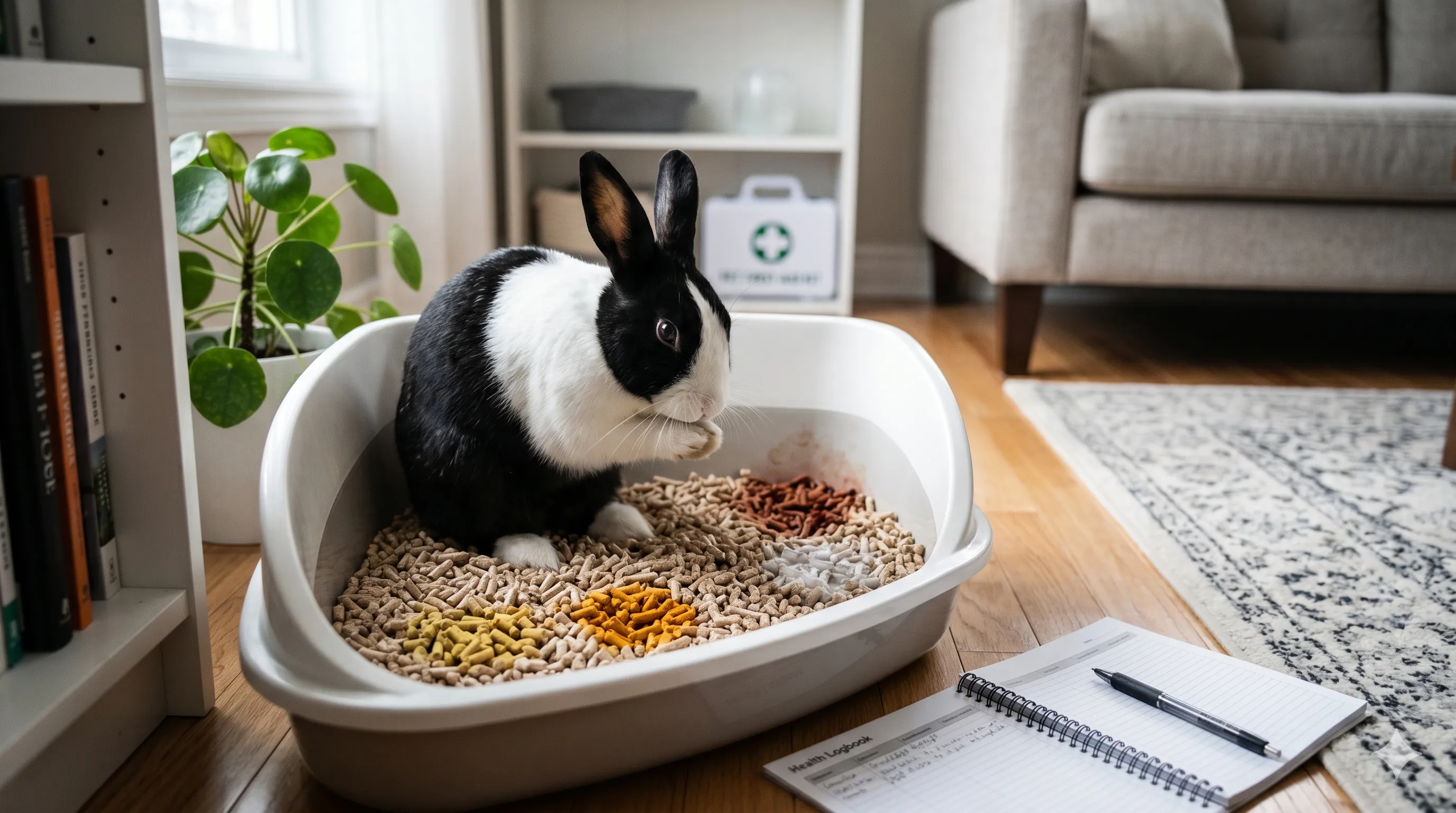
Rabbit Urine Color Meaning Chart (Quick Overview)
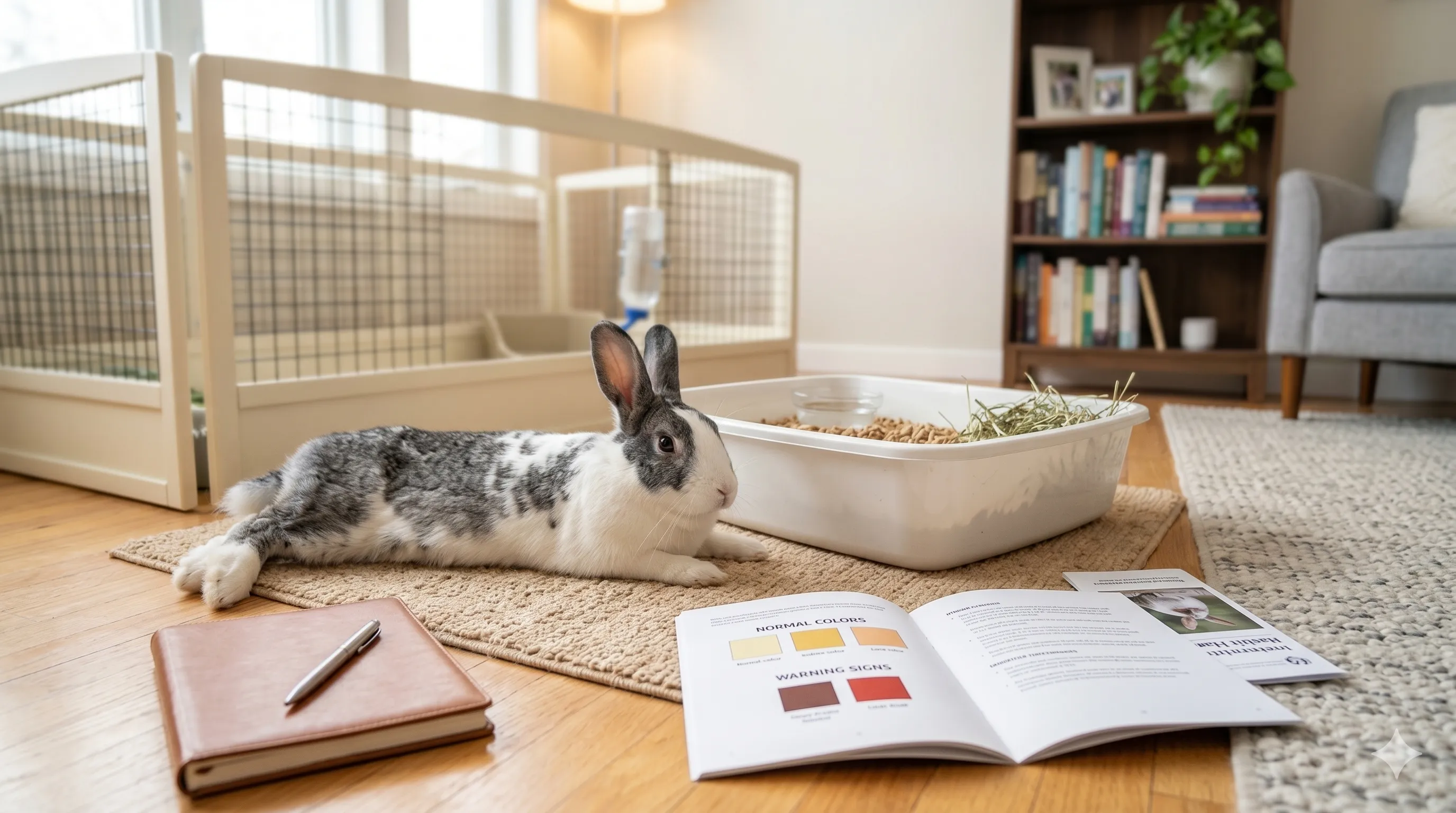
| Urine Color | Possible Meaning | Concern Level |
|---|---|---|
| Pale yellow | Healthy hydration | Normal |
| Orange urine | Diet pigments or concentration | Usually normal |
| Dark amber | Concentrated urine or dehydration | Mild-Moderate |
| Cloudy urine | Normal calcium excretion | Usually normal |
| Red urine | Pigments or possible blood | Monitor closely |
| White thick urine | Excess calcium or sludge | Moderate |
| No urine | Urinary blockage emergency | Severe |
Why Rabbit Urine Changes Color So Often
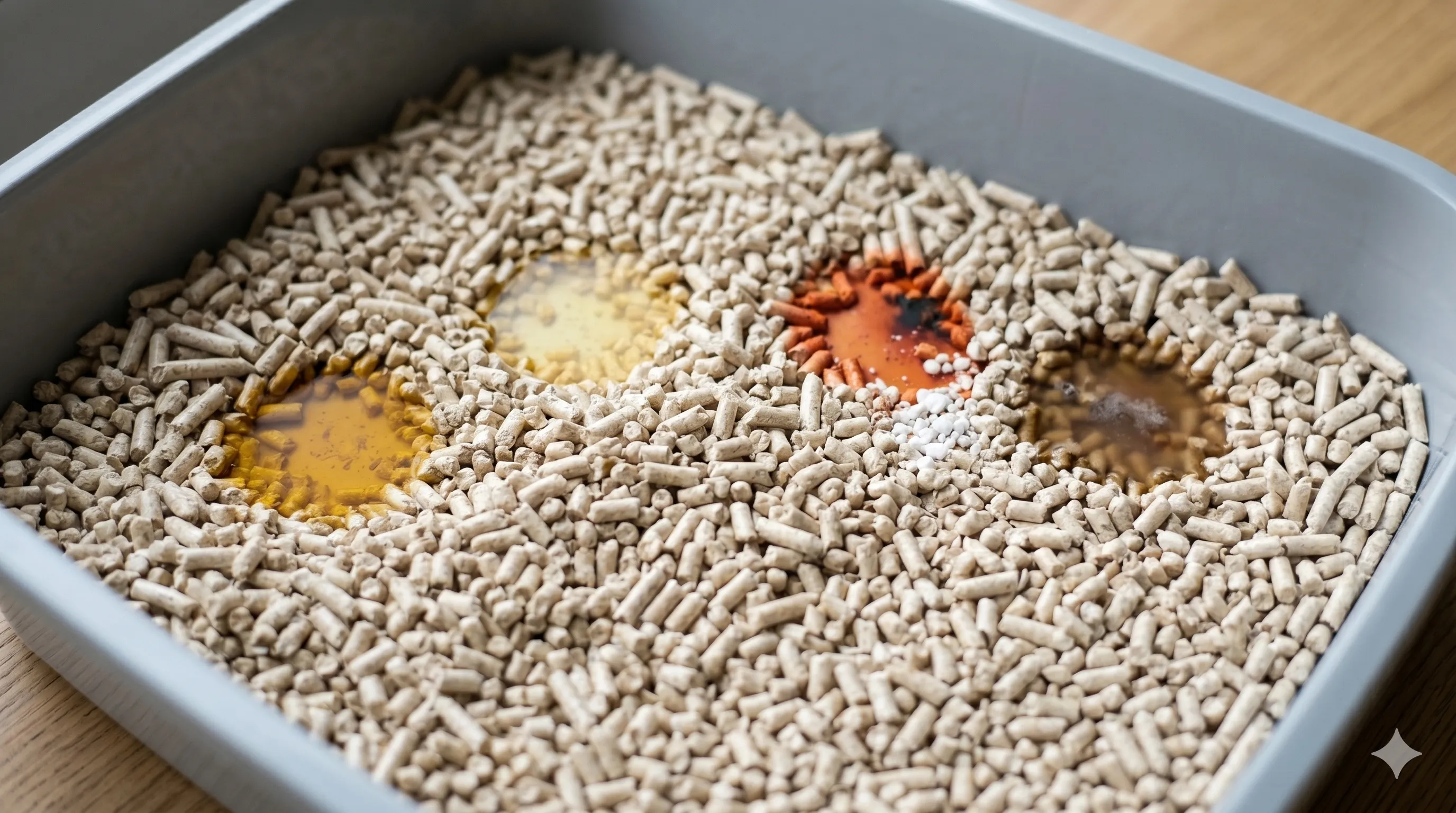
Rabbit urine naturally changes color more than many other animals because rabbits process plant pigments and calcium differently.
Urine color may vary based on:
- Diet changes
- Hydration levels
- Plant pigments
- Stress
- Calcium excretion
- Seasonal changes
- Medication use
Many owners panic after seeing orange or reddish urine for the first time, but these color changes are often harmless.
However, certain symptoms alongside color changes can signal dangerous urinary problems that require veterinary care.
healthy rabbit poop signsWhat Normal Rabbit Urine Looks Like
Healthy rabbit urine varies naturally depending on hydration and diet.
Normal rabbit urine may appear:
- Pale yellow
- Golden yellow
- Orange
- Amber
- Brownish-orange
- Slightly cloudy
Unlike many animals, rabbits naturally excrete excess calcium through their urinary system. This is one reason rabbit urine may sometimes appear cloudy or chalky.
Normal urine should still be produced comfortably and regularly without signs of pain or straining.
Common Rabbit Urine Colors and Their Meanings
Pale Yellow Rabbit Urine
Pale yellow urine is often considered a healthy sign of good hydration and balanced kidney function.
Well-hydrated rabbits commonly produce lighter-colored urine, especially when eating moisture-rich leafy greens.
Healthy hydration also helps support:
- Kidney health
- Bladder function
- Urinary flow
- Calcium balance
Orange Rabbit Urine
Orange urine is extremely common in rabbits and is often completely normal.
Possible causes include:
- Plant pigments
- Certain vegetables
- Diet changes
- Stress
- Natural oxidation
- Concentrated urine
Foods rich in beta-carotene and plant compounds sometimes affect urine color dramatically.
Orange urine alone is not automatically dangerous if your rabbit otherwise behaves normally.

Dark Amber Rabbit Urine
Darker urine may indicate concentrated urine caused by mild dehydration.
Possible causes include:
- Reduced water intake
- Hot weather
- Stress
- Concentrated urine pigments
- Reduced vegetable intake
Encouraging hydration may help improve urine concentration and support healthier urinary function.
Persistent dark urine combined with appetite loss or lethargy should always be monitored carefully.
Cloudy Rabbit Urine
Slightly cloudy urine is often normal in rabbits because rabbits naturally excrete excess calcium through urine.
Unlike cats and dogs, rabbits absorb calcium differently and remove extra calcium through the bladder.
Mild cloudiness alone is not always dangerous.
However, excessively thick cloudy urine may suggest calcium buildup or bladder sludge.
safe summer treats for rabbitsRed Rabbit Urine
Red or reddish-orange urine often causes major concern among rabbit owners.
Sometimes red urine results simply from harmless plant pigments and oxidation reactions.
However, true blood in urine can also occur.
Possible causes include:
- Dietary pigments
- Urinary tract irritation
- Bladder problems
- Urinary infections
- Kidney disease
- Reproductive disease
If red urine appears repeatedly or alongside symptoms like straining, pain, appetite loss, or lethargy, veterinary evaluation becomes extremely important.
Thick White Rabbit Urine or Bladder Sludge
Thick chalky white urine may indicate excess calcium buildup commonly called "bladder sludge."
Possible symptoms include:
- Pain while urinating
- Straining
- Reduced urine output
- Wet rear end
- Lethargy
- Urine dribbling
Calcium sludge may become painful and difficult to manage without veterinary treatment.
No Urine or Difficulty Urinating
If your rabbit cannot urinate normally, this is considered an emergency.
Possible causes include:
- Urinary blockage
- Bladder stones
- Severe sludge buildup
- Kidney problems
- Severe pain
Immediate veterinary care is required because urinary blockages can quickly become life-threatening.
best leafy greens for rabbitsRabbit Calcium Sludge Explained
Rabbits process calcium differently than many other animals.
Excess dietary calcium may accumulate in the bladder as thick sediment called bladder sludge.
Risk factors may include:
- High-calcium diets
- Dehydration
- Lack of exercise
- Obesity
- Genetic predisposition
- Chronic urinary issues
Some rabbits naturally develop sludge more easily than others.
Chronic bladder sludge can become painful and difficult to manage if left untreated.
Signs of Dangerous Rabbit Urinary Problems
Contact a rabbit veterinarian immediately if your rabbit shows:
- Straining to urinate
- Pain while urinating
- No urine production
- Frequent tiny urinations
- Blood clots
- Lethargy
- Reduced appetite
- Wet or dirty rear end
- Hunched posture
Urinary emergencies can become life-threatening very quickly in rabbits.
How to Support Healthy Rabbit Urinary Function
Encourage Proper Hydration
Fresh clean water should always remain available.
Hydration helps support healthy kidney and bladder function while reducing concentrated urine buildup.
Some rabbits drink more effectively from bowls than bottles.
healthy rabbit treatsFeed Balanced Leafy Greens
Balanced vegetable rotation may help support urinary health.
Healthy greens may also provide additional hydration support.
Excessively high-calcium foods may require moderation for rabbits prone to sludge problems.
Encourage Daily Exercise
Regular movement helps support healthy bladder function and urine flow.
Inactive rabbits sometimes develop urinary issues more easily.
Keep Litter Areas Clean
Clean litter boxes make urine changes easier to monitor and may help reduce infection risks.
Daily cleaning also allows owners to notice unusual urine colors more quickly.
Monitor Changes Closely
Pay attention to:
- Urine color changes
- Urination frequency
- Pain signs
- Appetite
- Energy levels
- Wet rear fur
Early detection often improves treatment outcomes significantly.
can rabbits eat carrots dailyCommon Rabbit Urine Myths
Myth: Orange Urine Always Means Blood
False. Orange urine is often completely normal in rabbits and may result from plant pigments or concentrated urine.
Myth: Cloudy Urine Is Always Dangerous
False. Mild cloudiness commonly occurs because rabbits naturally excrete calcium through urine.
Myth: Rabbits Drink Very Little Water
False. Healthy hydration is extremely important for rabbit urinary and digestive health.
Example Scenario
The scenario below is an illustrative example of how this situation can play out, not a documented case study.
One rabbit owner became alarmed after noticing bright orange urine in the litter box. After veterinary evaluation, the color was determined to be harmless pigment changes caused by vegetables and hydration differences.
Another owner noticed thick white urine and straining behavior developing gradually over time. Their rabbit was later diagnosed with bladder sludge requiring dietary adjustments and veterinary treatment.
Not every urine color change is dangerous, but persistent urinary symptoms should never be ignored.
Final Thoughts
Rabbit urine naturally varies more in color than many owners expect.
Pale yellow, orange, amber, and mildly cloudy urine are often completely normal in healthy rabbits.
However, symptoms like pain, straining, blood, thick sludge, appetite loss, or difficulty urinating may indicate serious urinary problems requiring veterinary care.
Because rabbits hide illness extremely well, monitoring litter box habits closely can help detect health issues early.
Daily observation remains one of the most important parts of responsible rabbit care.
This article is intended for educational purposes and should not replace professional veterinary care. If your rabbit shows urinary pain, blood in urine, difficulty urinating, appetite loss, or unusual lethargy, contact a rabbit-experienced veterinarian immediately.
Medical Disclaimer
This content is provided for informational and educational purposes only and should not be considered veterinary, medical, behavioral, or training advice. While we strive for accuracy, we make no guarantees regarding completeness or results. Always consult a licensed veterinarian or qualified pet care professional before making decisions about your pet’s health, diet, or behavior.
AI Illustration Notice
Some images in this article may have been generated or enhanced using artificial intelligence for illustrative purposes.
Frequently Asked Questions
Healthy rabbit urine may range from pale yellow to orange amber or slightly cloudy depending on diet and hydration.
Yes, orange rabbit urine is often completely normal and may result from diet pigments or concentrated urine.
Red urine may result from harmless pigments or possible blood. Persistent red urine should be evaluated by a veterinarian.
Bladder sludge is thick calcium sediment that builds up in the bladder and may cause pain or urinary problems.
Mild cloudy urine is often normal because rabbits naturally excrete excess calcium through urine.
Seek veterinary care if your rabbit strains to urinate produces no urine shows pain develops blood clots or loses appetite.
Provide fresh water balanced nutrition exercise clean litter areas and monitor urine changes regularly.
Straining to urinate may indicate bladder sludge urinary blockage stones or other serious urinary problems requiring veterinary care.
Editorial Note
This article is part of PetNurture's educational library.
Topics draw on publicly available educational resources, recognised veterinary organisations, academic publications and established animal welfare references where appropriate.
The specific sources this article draws on are listed in its References section. If you spot an error, please let us know.
References
The information in this article has been reviewed and supported using the following sources.
VCA Animal Hospitals
Bladder Sludge and Bladder Stones in Rabbits and Guinea Pigs
Confirms excess dietary calcium, obesity, and E. cuniculi infection contribute to bladder sludge, and that treatment may require fluids or catheterization; supports the 'Thick White Rabbit Urine or Bladder Sludge' and 'Rabbit Calcium Sludge Explained' sections of this article.
Accessed Aug 6, 2026
VCA Animal Hospitals
Confirms E. cuniculi can cause kidney disease in rabbits, supporting the mention of kidney disease as a possible cause of red urine in this article.
Accessed Aug 6, 2026
Pet Emergency Guidance
Every pet is unique. If your pet exhibits severe symptoms, sudden behavioral changes, or a medical emergency, do not rely on online guides — contact a licensed veterinarian or emergency clinic immediately.
About PetNurture
PetNurture is an educational library of pet care guides, interactive tools and practical resources for pet parents. We work continuously to keep our content accurate and up to date. Reader feedback helps us maintain content quality.
Related Articles

Popular Rabbit Guides