Why Is My Rabbit Sneezing? Common Causes, Symptoms & Treatment Guide
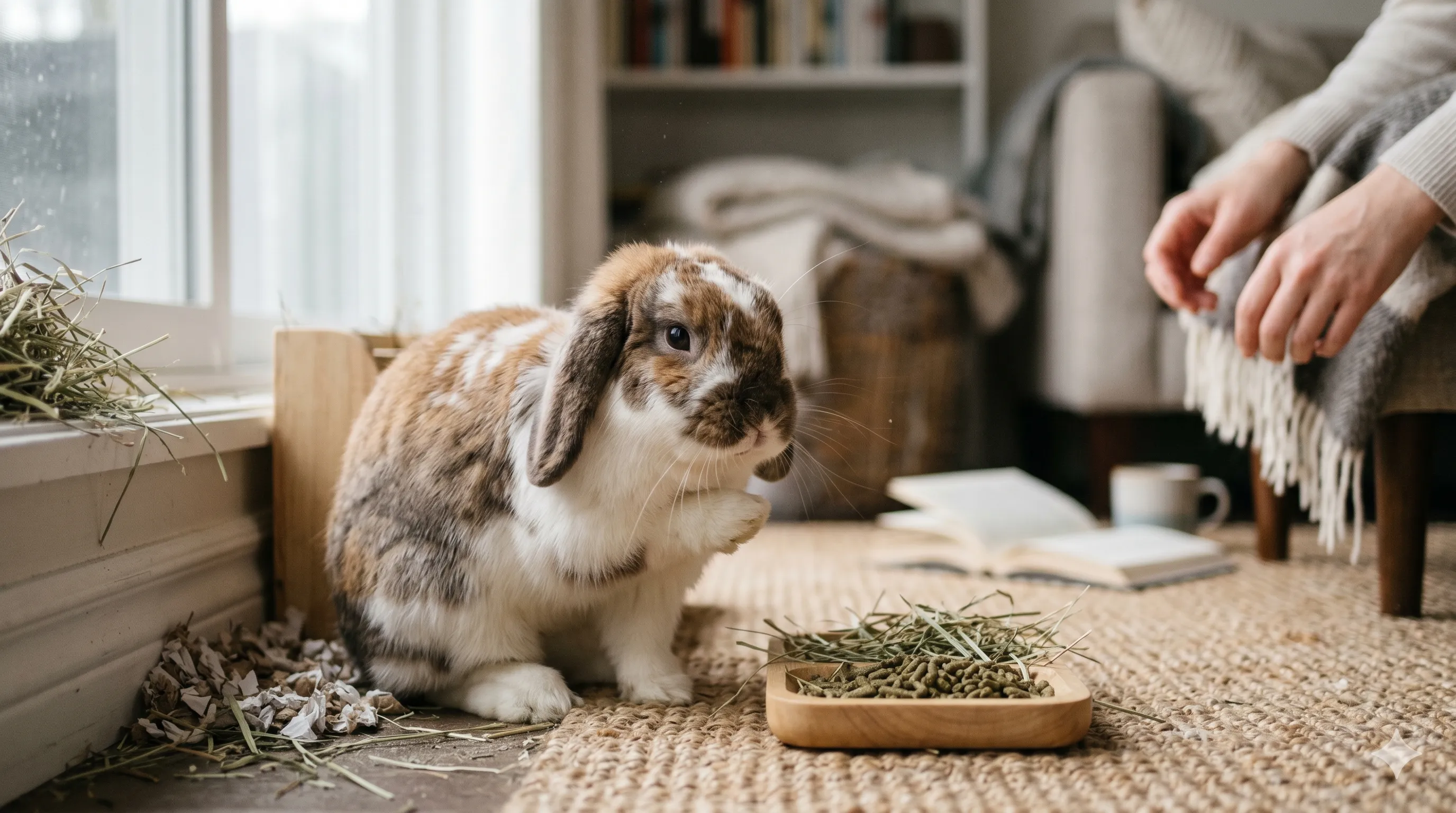
- Why Is My Rabbit Sneezing? (Quick Answer)
- Is Sneezing Normal in Rabbits?
- Most Common Reasons Rabbits Sneezing
- Dusty Hay or Bedding
- Respiratory Infections (Snuffles)
- Allergies or Environmental Sensitivities
- Dental Problems
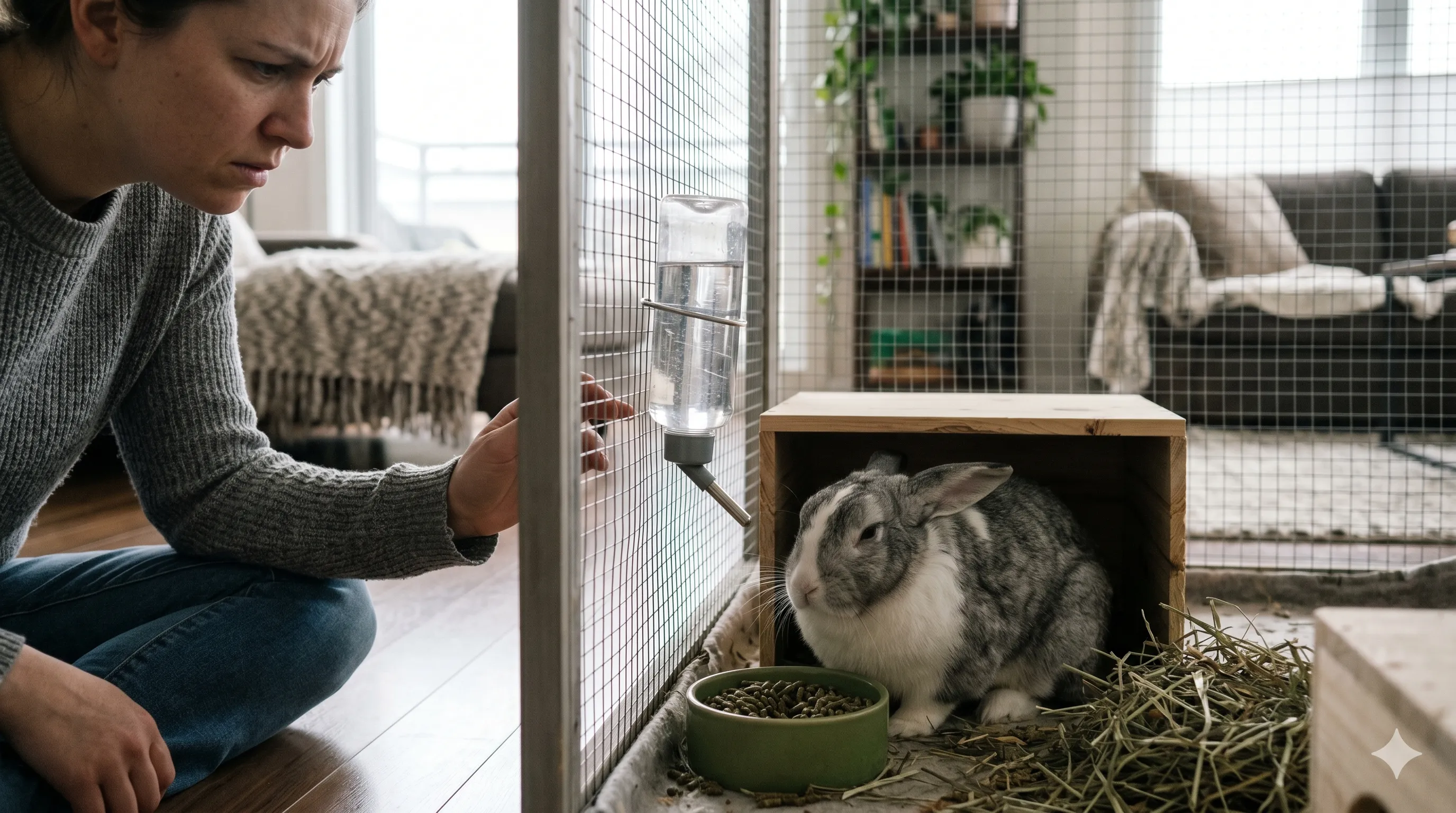
- Poor Ventilation or Dirty Living Conditions
- Rabbit Sneezing Symptoms That Require Veterinary Attention
- What Does Rabbit Nasal Discharge Mean?
- Can Rabbits Catch Colds?
- How Veterinarians Diagnose Rabbit Sneezing
- How Is Rabbit Sneezing Treated?
- Antibiotics
- Environmental Improvements
- Dental Treatment
- Supportive Care
- Can Rabbit Sneezing Be Prevented?
- Common Mistakes Rabbit Owners Make
- Example Scenario
- Final Thoughts
Note: This article is for informational purposes only and does not replace professional veterinary advice.
Occasional sneezing in rabbits can sometimes happen for harmless reasons, but repeated sneezing should never be ignored. If you've been asking "why is my rabbit sneezing?", it's important to understand that sneezing may be one of the earliest warning signs of respiratory illness, environmental irritation, allergies, or bacterial infection.
Because rabbits are prey animals that naturally hide illness symptoms, even mild respiratory signs can become serious surprisingly quickly.
In some cases, rabbit sneezing may simply result from dusty hay, airborne particles, poor ventilation, or temporary nasal irritation. However, frequent sneezing combined with nasal discharge, noisy breathing, watery eyes, appetite loss, or lethargy may indicate a potentially dangerous condition such as a respiratory infection or "snuffles."
Early veterinary care is extremely important whenever respiratory symptoms appear in rabbits.
In this complete guide, you'll learn the most common causes of rabbit sneezing, dangerous warning signs, treatment options, prevention tips, and when to contact a rabbit-experienced veterinarian immediately.
Why Is My Rabbit Sneezing? (Quick Answer)
Rabbits may sneeze because of dust, hay irritation, allergies, environmental triggers, respiratory infections, dental problems, or bacterial illnesses like snuffles. Occasional sneezing may not always be serious, but repeated sneezing combined with nasal discharge, breathing changes, lethargy, appetite loss, or noisy breathing should be evaluated by a rabbit veterinarian quickly.
Respiratory illness in rabbits can become dangerous if left untreated.
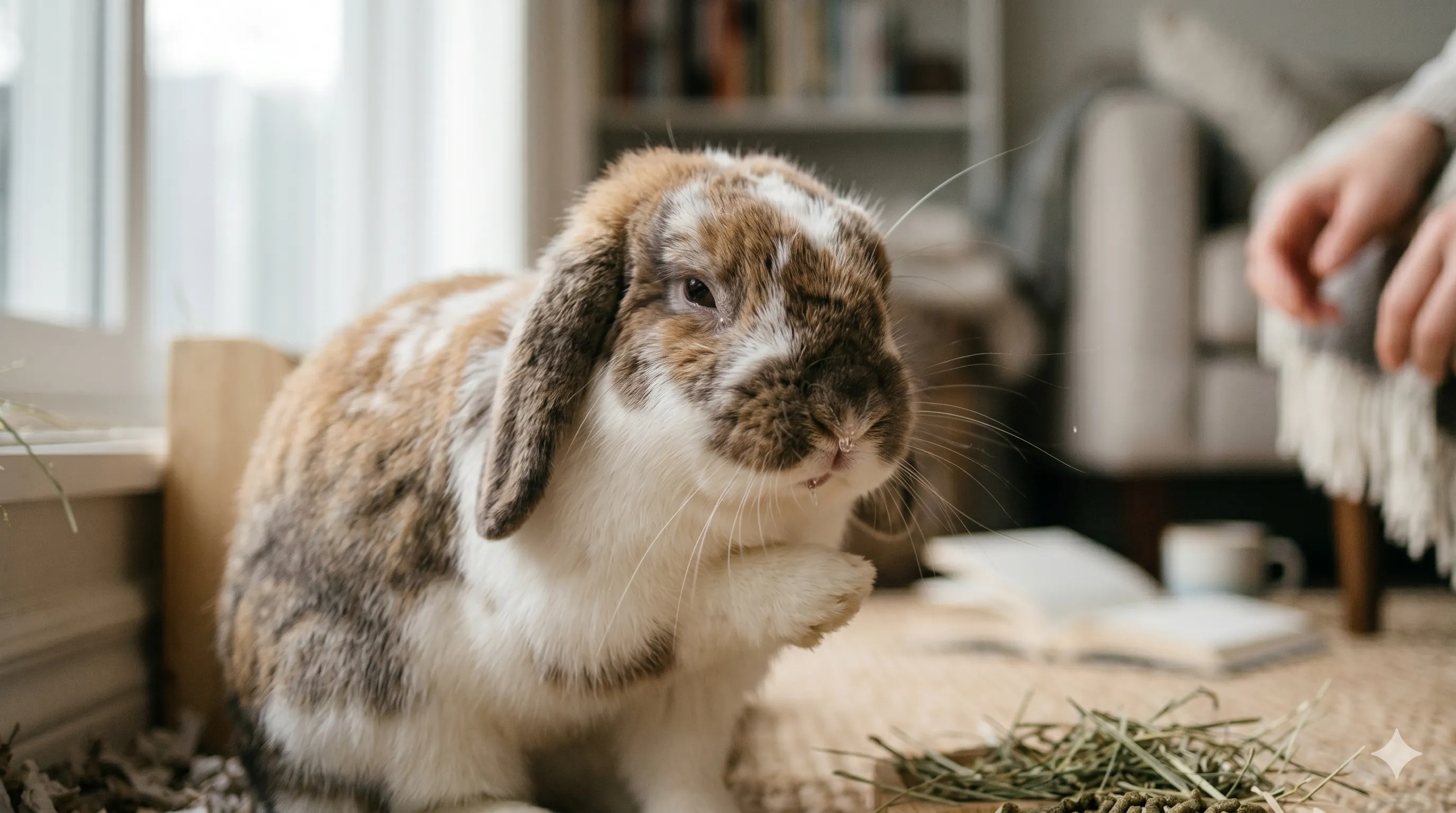
Is Sneezing Normal in Rabbits?
Occasional sneezing may happen if a rabbit inhales:
- Dust particles
- Hay debris
- Strong odors
- Cleaning chemicals
- Airborne irritants
- Perfume or smoke
A single sneeze every once in a while is usually not alarming.
However, repeated sneezing or sneezing paired with other symptoms often indicates an underlying issue requiring closer attention.
Healthy rabbits generally breathe quietly without persistent nasal irritation.
Most Common Reasons Rabbits Sneezing
Dusty Hay or Bedding
One of the most common causes of mild sneezing is environmental irritation from dusty hay or bedding materials.
Fine particles may irritate sensitive rabbit nasal passages and trigger temporary sneezing episodes.
Common irritants include:
- Dusty hay
- Dirty litter
- Wood dust
- Poor ventilation
- Strong sprays or perfumes
- Smoke exposure
Improving air quality sometimes reduces mild sneezing quickly.
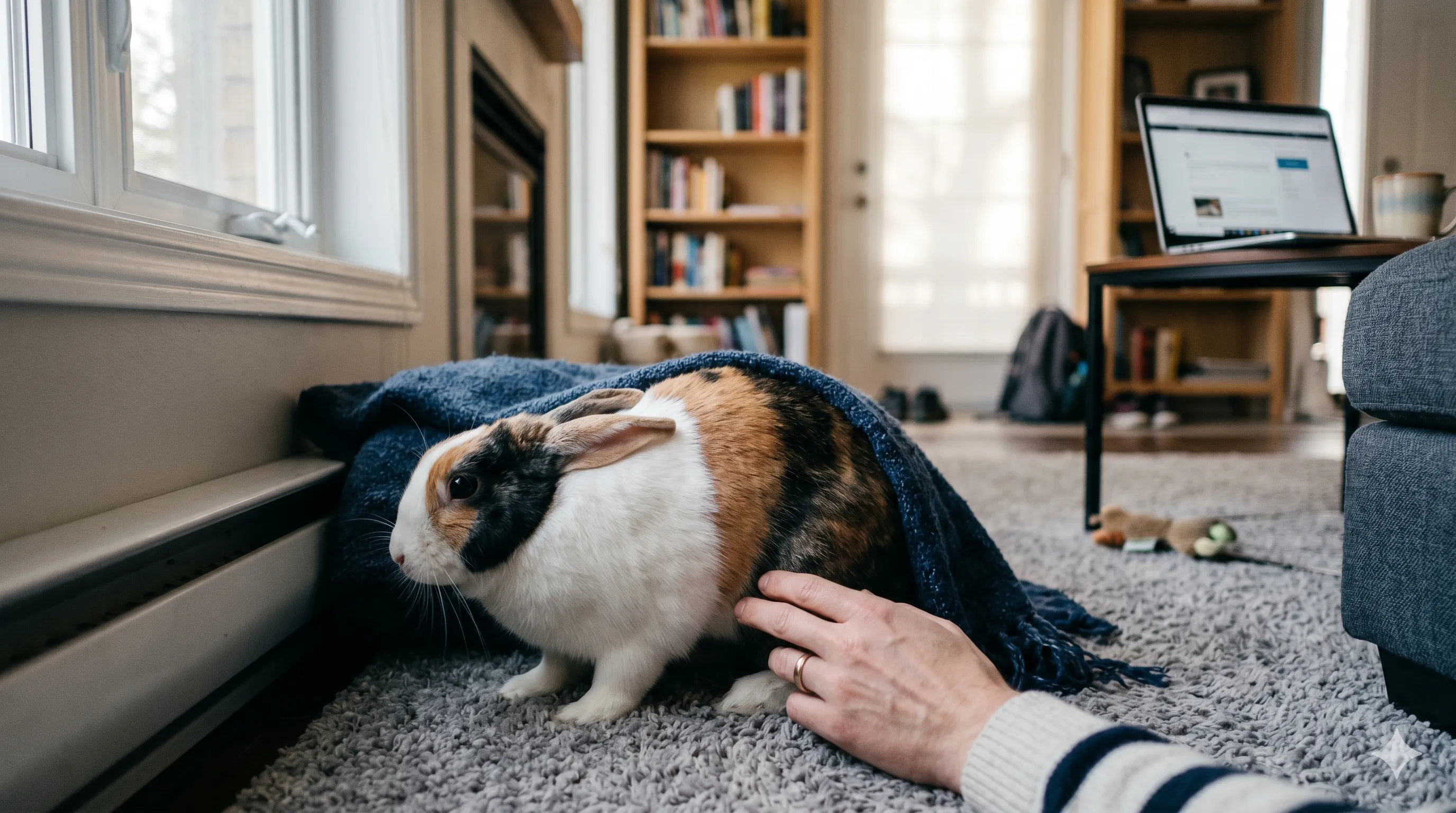
rabbit appetite loss warning signsRespiratory Infections (Snuffles)
Respiratory infections are one of the most serious causes of rabbit sneezing.
"Snuffles" is a common term used to describe bacterial respiratory infections in rabbits.
Symptoms may include:
- Frequent sneezing
- Nasal discharge
- Noisy breathing
- Watery eyes
- Lethargy
- Reduced appetite
- Wet front paws
Pasteurella bacteria are commonly associated with rabbit respiratory infections.
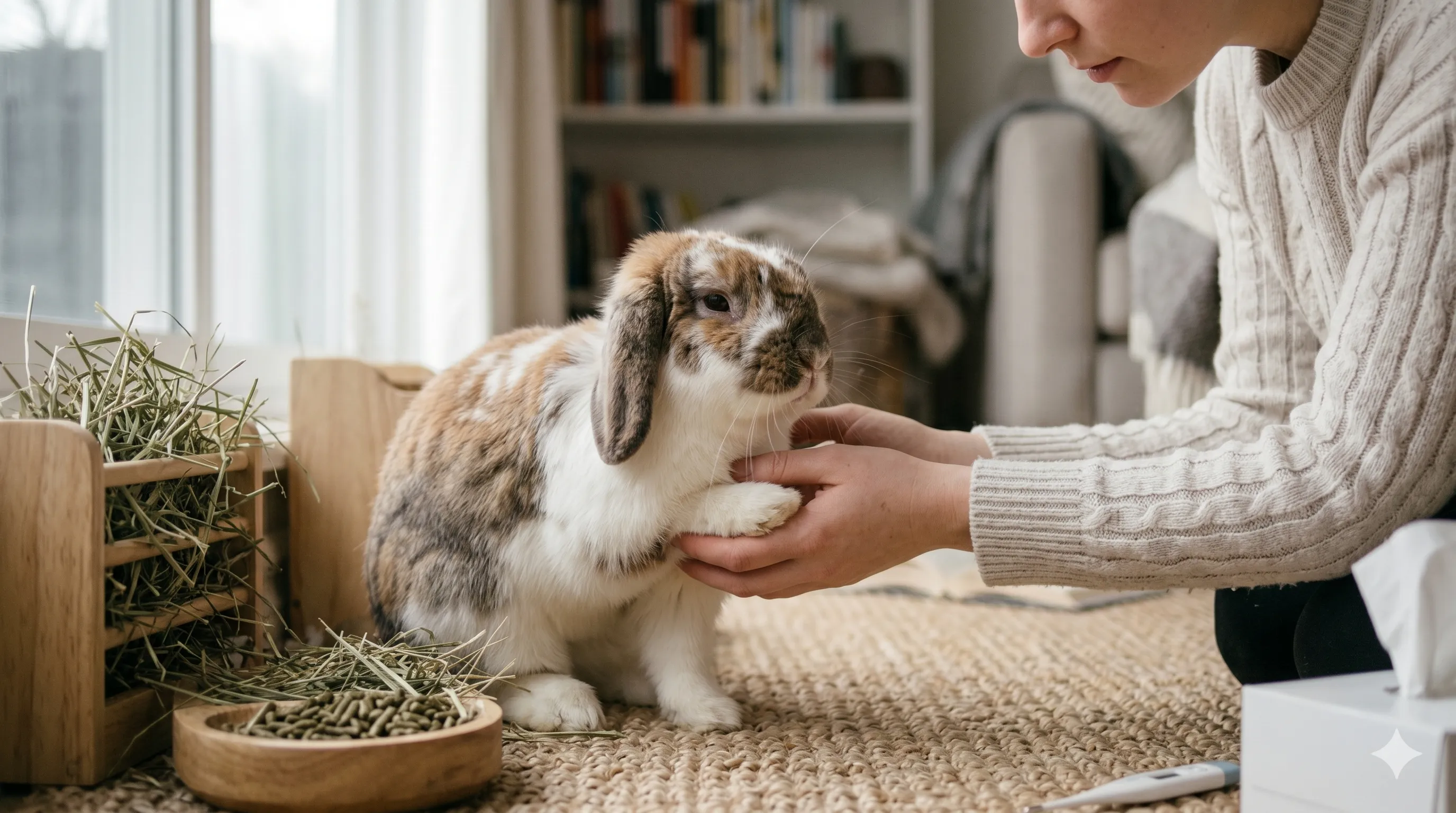
Allergies or Environmental Sensitivities
Some rabbits may react strongly to environmental triggers such as:
- Scented candles
- Cleaning products
- Smoke
- Perfume
- Aerosol sprays
- Dust buildup
Rabbits have highly sensitive respiratory systems, and strong chemical smells can quickly irritate their airways.
rabbit stress symptoms and behaviorDental Problems
Rabbit teeth grow continuously throughout life.
Overgrown tooth roots may sometimes extend toward nasal passages and contribute to sneezing or nasal discharge.
Dental disease may also cause:
- Drooling
- Appetite loss
- Weight loss
- Eye discharge
- Selective eating
Dental issues are extremely common in rabbits and often develop gradually.
Poor Ventilation or Dirty Living Conditions
Dirty cages or poorly ventilated environments may increase respiratory irritation risk significantly.
Ammonia buildup from urine can especially irritate rabbit lungs and nasal passages.
Rabbits living in damp or poorly cleaned conditions may develop chronic respiratory irritation more easily.
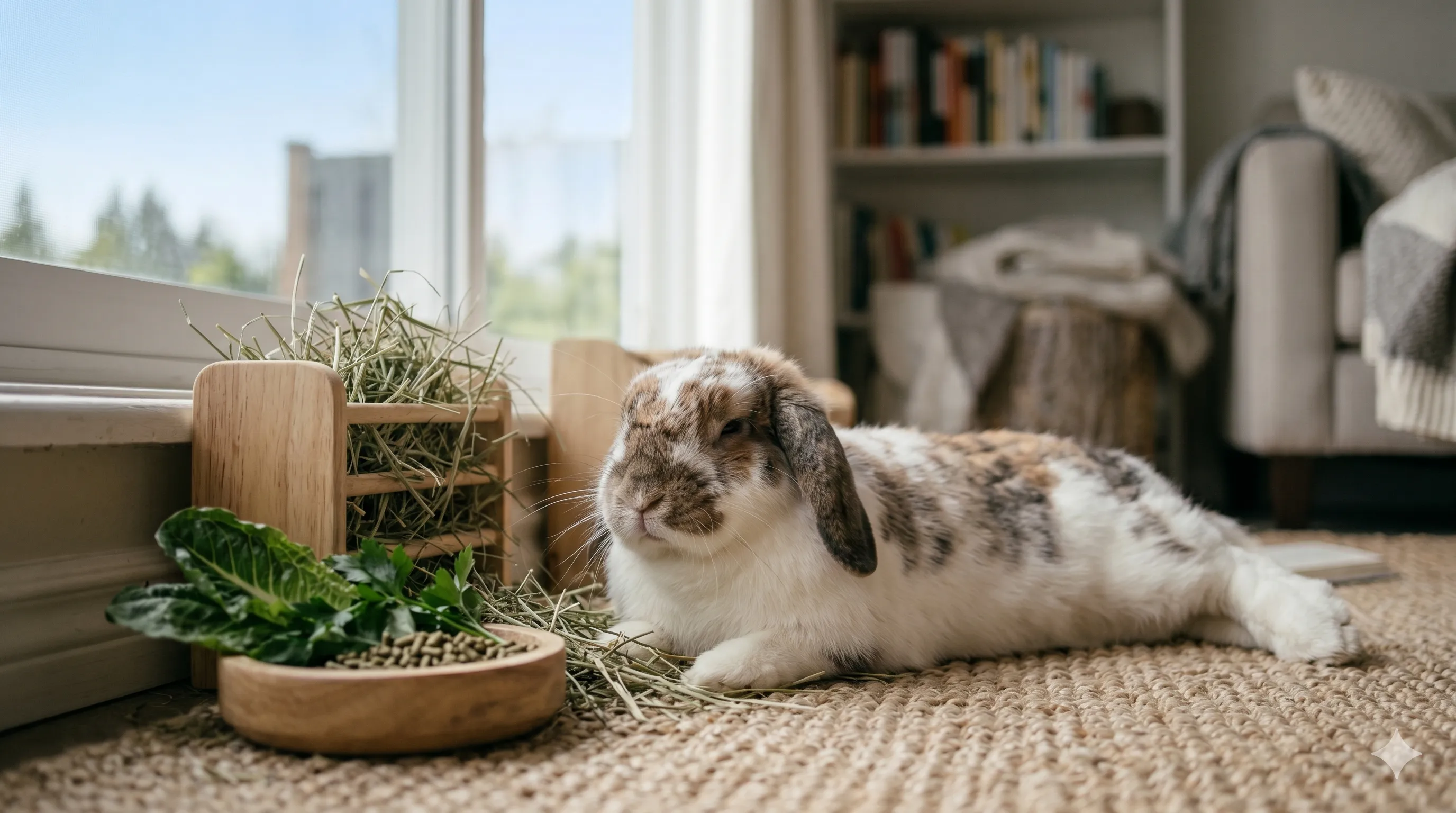
Rabbit Sneezing Symptoms That Require Veterinary Attention
Some respiratory symptoms should never be ignored.
Contact a rabbit veterinarian immediately if sneezing appears alongside:
- White or yellow nasal discharge
- Wet nose or paws
- Noisy breathing
- Wheezing
- Appetite loss
- Lethargy
- Eye discharge
- Difficulty breathing
- Rapid breathing
Rabbits can deteriorate quickly once respiratory infections worsen.
rabbit dehydration symptomsWhat Does Rabbit Nasal Discharge Mean?
Nasal discharge is often one of the clearest warning signs of respiratory disease.
Discharge may appear:
- Clear
- White
- Yellow
- Sticky
- Crusty around the nose
Wet front paws sometimes occur because rabbits repeatedly wipe discharge from their noses.
Colored discharge especially requires veterinary evaluation.
Can Rabbits Catch Colds?
Rabbits do not catch human colds the same way people do, but they can develop respiratory infections caused by bacteria, stress, poor ventilation, or weakened immune defenses.
Rabbit respiratory illness can become far more serious than a mild human cold.
Never assume persistent sneezing will simply disappear on its own.
How Veterinarians Diagnose Rabbit Sneezing
A rabbit-experienced veterinarian may use:
- Physical examination
- Listening to breathing sounds
- Dental examination
- Nasal cultures
- X-rays
- Blood testing
- Respiratory evaluation
Identifying the underlying cause is important because treatment varies significantly depending on the problem.
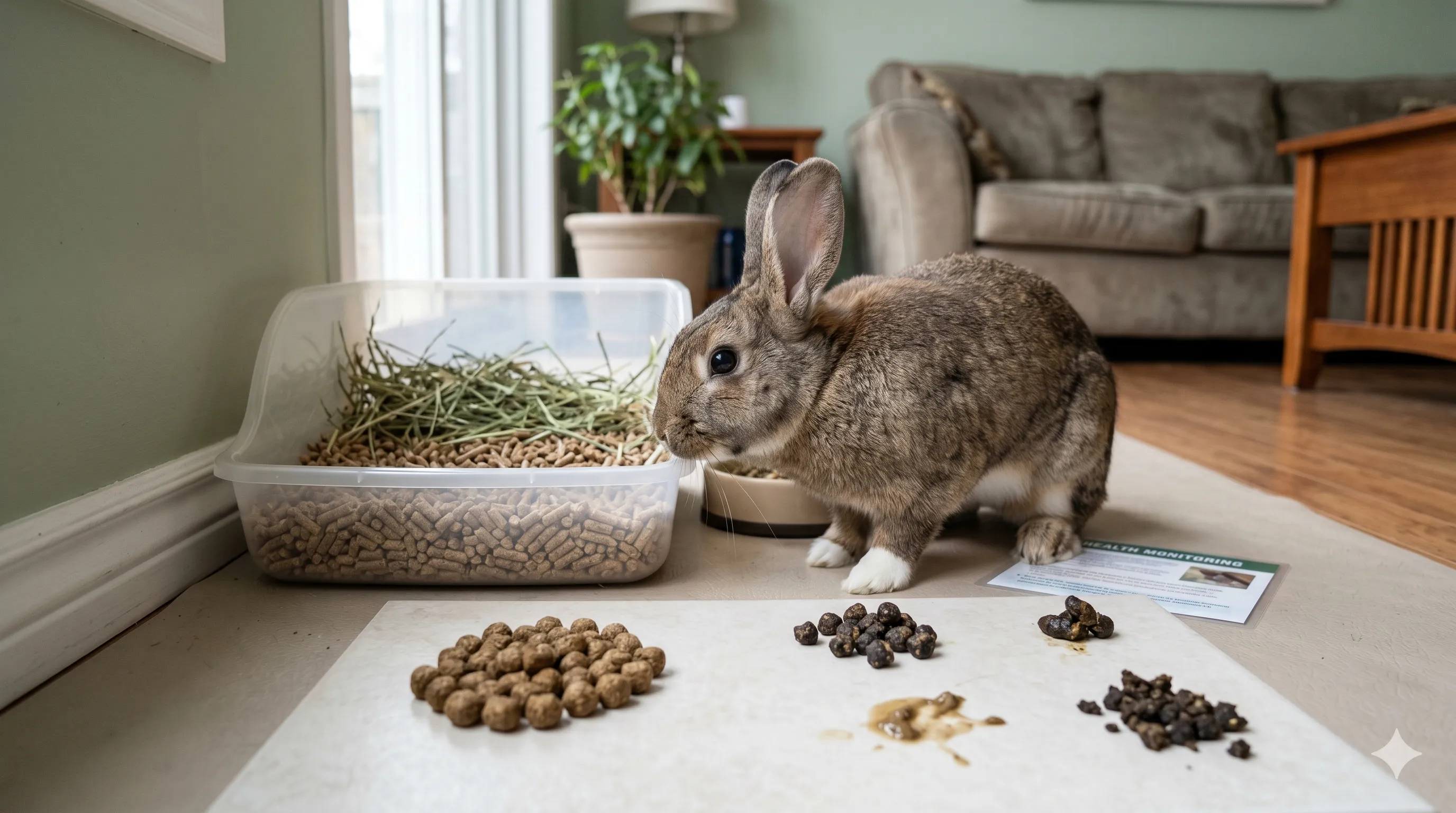
rabbit poop health warning signsHow Is Rabbit Sneezing Treated?
Antibiotics
Bacterial respiratory infections often require rabbit-safe antibiotics prescribed by a veterinarian.
Never give random human medications to rabbits because some drugs are dangerous for rabbit digestion.
Environmental Improvements
Reducing environmental irritants may help mild sneezing improve.
Helpful changes may include:
- Using lower-dust hay
- Improving ventilation
- Cleaning litter regularly
- Avoiding strong chemicals
- Reducing airborne irritants
- Keeping living spaces dry
Dental Treatment
If dental disease contributes to sneezing, tooth correction or trimming may be required.
Dental-related respiratory issues usually require veterinary imaging and examination.
Supportive Care
Sick rabbits may require:
- Hydration support
- Nutritional support
- Monitoring appetite
- Pain management
- Emergency treatment in severe cases
Rabbits that stop eating during respiratory illness often require urgent care.
Can Rabbit Sneezing Be Prevented?
While not every illness is preventable, owners can reduce respiratory risks by:
- Providing clean housing
- Using dust-free hay and bedding
- Maintaining proper ventilation
- Avoiding smoke and sprays
- Scheduling routine veterinary checkups
- Monitoring appetite and behavior daily
- Cleaning litter areas regularly
Early detection often makes treatment far more successful.
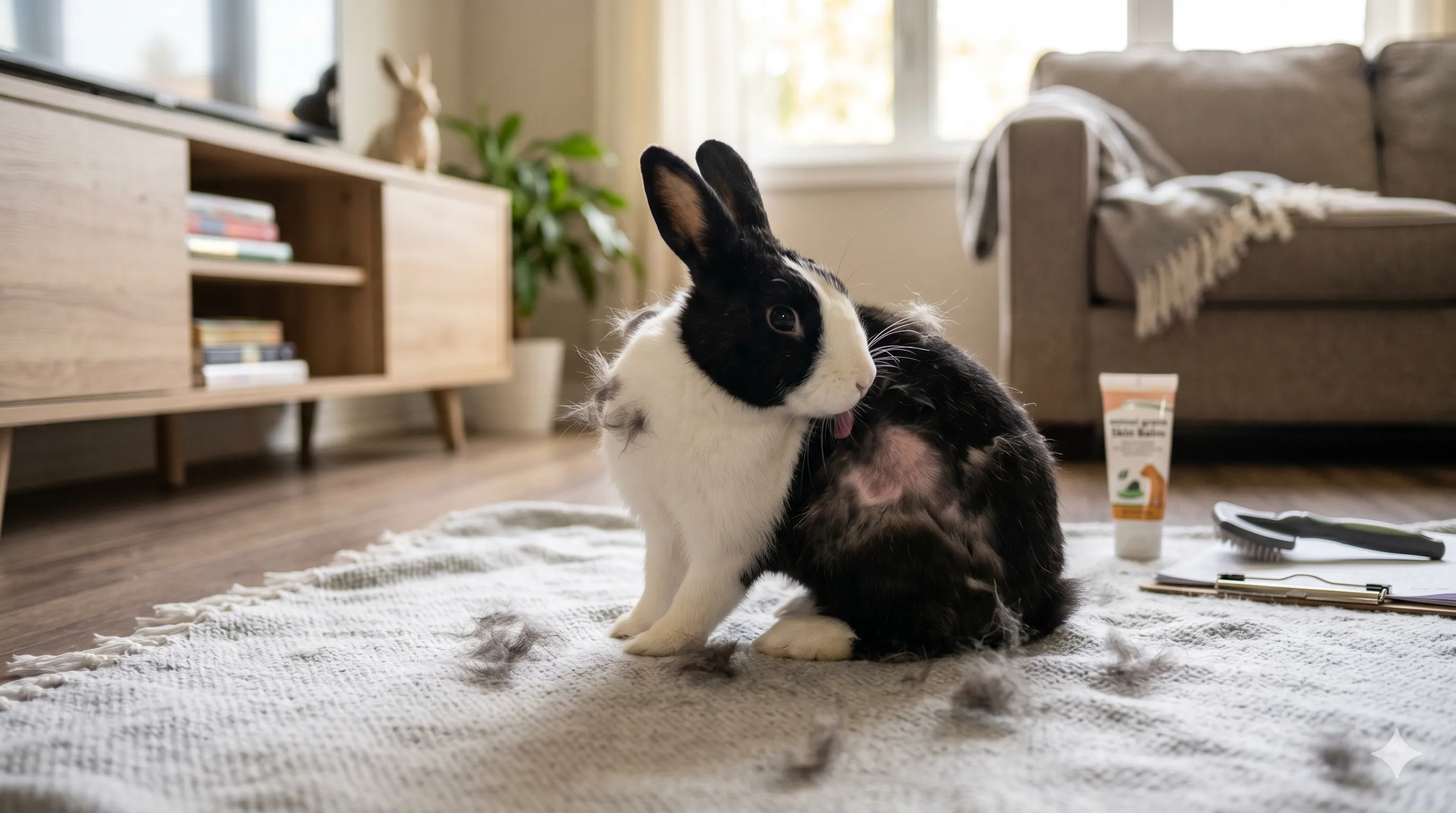
rabbit illness symptoms and fur changesCommon Mistakes Rabbit Owners Make
- Ignoring repeated sneezing
- Using heavily dusty hay
- Assuming sneezing is harmless
- Waiting too long before contacting a vet
- Using strong chemical cleaners near rabbits
- Ignoring appetite changes
- Poor cage ventilation
Respiratory illness in rabbits can worsen rapidly without treatment.
Example Scenario
The scenario below is an illustrative example of how this situation can play out, not a documented case study.
One rabbit owner initially noticed occasional sneezing during hay feeding but later observed white nasal discharge and reduced appetite developing. A veterinarian diagnosed an early respiratory infection, and prompt treatment helped the rabbit recover successfully.
Another owner reduced mild sneezing significantly by switching to lower-dust hay and improving room ventilation.
Even seemingly minor respiratory symptoms can become important warning signs in rabbits.
Final Thoughts
If your rabbit is sneezing repeatedly, it's important to pay close attention to additional symptoms and overall behavior.
While occasional sneezing may sometimes result from dust or mild irritation, persistent sneezing combined with nasal discharge, breathing changes, or appetite loss can indicate serious respiratory illness.
Because rabbits hide illness extremely well and can deteriorate quickly, early veterinary attention is often critical.
The safest approach is always careful monitoring, improving environmental conditions, and seeking professional care whenever respiratory symptoms worsen or persist.
This article is intended for educational purposes and should not replace professional veterinary care. If your rabbit develops persistent sneezing, nasal discharge, breathing difficulty, appetite loss, or lethargy, contact a rabbit-experienced veterinarian immediately.
Medical Disclaimer
This content is provided for informational and educational purposes only and should not be considered veterinary, medical, behavioral, or training advice. While we strive for accuracy, we make no guarantees regarding completeness or results. Always consult a licensed veterinarian or qualified pet care professional before making decisions about your pet’s health, diet, or behavior.
AI Illustration Notice
Some images in this article may have been generated or enhanced using artificial intelligence for illustrative purposes.
Frequently Asked Questions
Repeated sneezing may be caused by respiratory infection dusty hay allergies dental disease or environmental irritation.
Occasional sneezing may happen from dust or hay irritation but frequent sneezing should always be monitored carefully.
Snuffles is a common term for bacterial respiratory infections in rabbits often involving sneezing and nasal discharge.
Seek veterinary care if sneezing occurs with nasal discharge appetite loss lethargy wheezing or breathing changes.
Yes, dusty hay and poor ventilation are common causes of mild nasal irritation in rabbits.
Rabbits do not catch human colds like people do but they can develop serious respiratory infections.
White or yellow nasal discharge often suggests respiratory infection and should be evaluated by a rabbit veterinarian.
Yes, respiratory infections in rabbits can worsen quickly and may become life-threatening if untreated.
Editorial Note
This article is part of PetNurture's educational library.
Topics draw on publicly available educational resources, recognised veterinary organisations, academic publications and established animal welfare references where appropriate.
The specific sources this article draws on are listed in its References section. If you spot an error, please let us know.
References
The information in this article has been reviewed and supported using the following sources.
House Rabbit Society
Pasteurella: Its Health Effects in Rabbits
Directly confirms 'snuffles' as a Pasteurella infection causing sneezing, milky nasal discharge, and noisy breathing; supports the 'Respiratory Infections (Snuffles)' section of this article.
Accessed Aug 6, 2026
VCA Animal Hospitals
Confirms Pasteurella multocida causes snuffles and can progress to serious complications like ear infections and pneumonia if untreated; supports the emphasis on early veterinary care in this article.
Accessed Aug 6, 2026
Pet Emergency Guidance
Every pet is unique. If your pet exhibits severe symptoms, sudden behavioral changes, or a medical emergency, do not rely on online guides — contact a licensed veterinarian or emergency clinic immediately.
About PetNurture
PetNurture is an educational library of pet care guides, interactive tools and practical resources for pet parents. We work continuously to keep our content accurate and up to date. Reader feedback helps us maintain content quality.
Related Articles
Popular Rabbit Guides