Free Roam Rabbit Guide: Benefits, Safety Tips & Indoor Setup Ideas
- What Is a Free Roam Rabbit?
- Free Roam Rabbit Guide (Quick Overview)
- Benefits of Free Roam Rabbits
- More Exercise and Better Physical Health
- Improved Mental Stimulation
- Stronger Human Bonding
- Easier Health Monitoring
- How to Rabbit-Proof a Home for Free Roam Rabbits
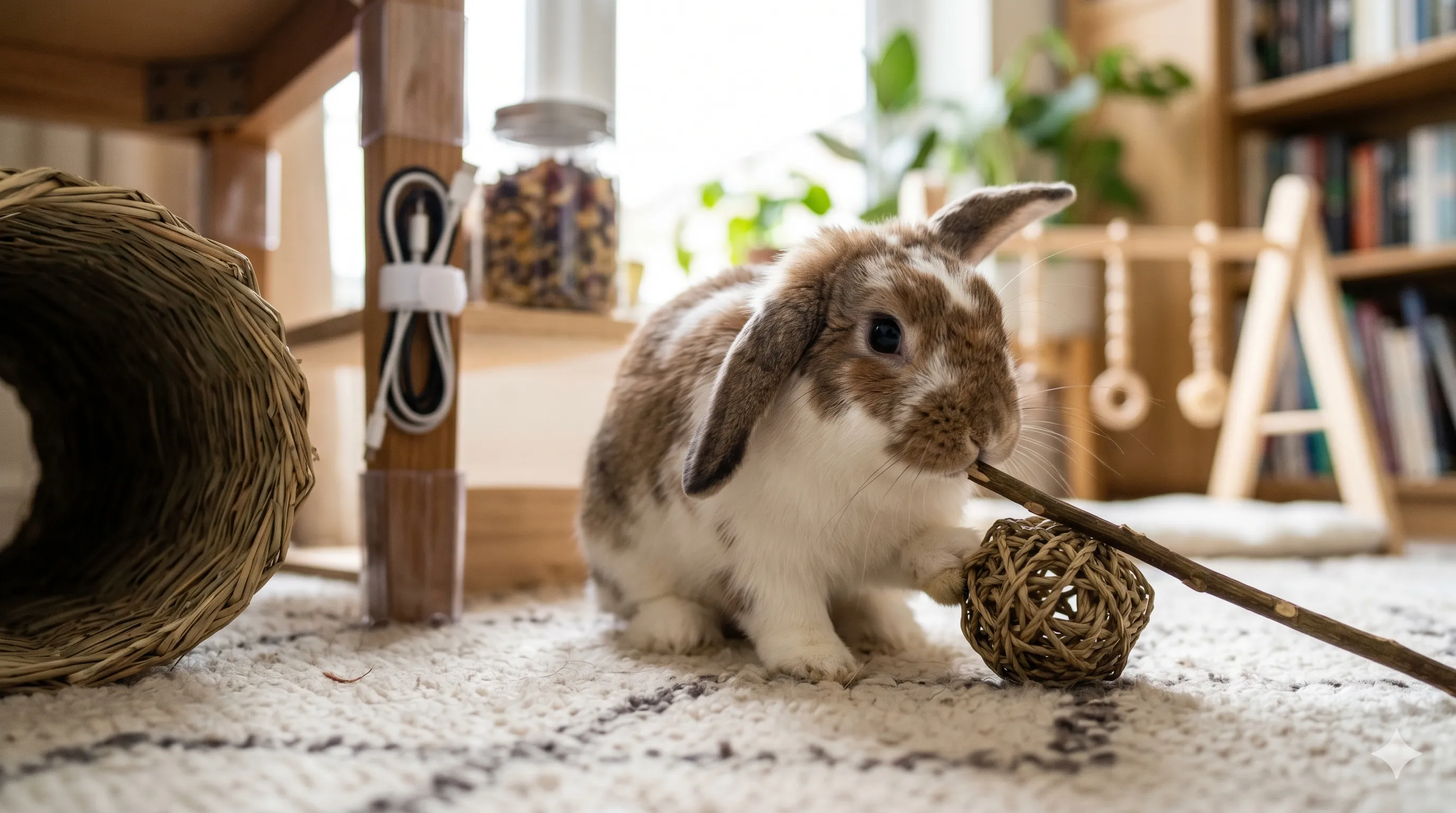
- Protect Electrical Cords
- Remove Toxic Plants
- Block Unsafe Spaces
- Protect Furniture and Carpets
- Keep Dangerous Items Hidden
- Best Free Roam Rabbit Setup Ideas
- Create a Home Base Area
- Start With One Rabbit-Proofed Room
- Use Exercise Pens Strategically
- How to Litter Train a Free Roam Rabbit
- Best Toys and Enrichment for Free Roam Rabbits
- Free Roam Rabbit Safety Tips
- Can Rabbits Be Left Free Roam Unsupervised?
- Common Free Roam Rabbit Mistakes
- Signs a Free Roam Rabbit Is Happy
- Example Scenario
- Final Thoughts
Note: This article is for informational purposes only and does not replace professional veterinary advice.
Free roam rabbits are becoming increasingly popular because they often live happier, more active, and more enriched lives compared to rabbits permanently confined to small cages. If you're searching for a free roam rabbit guide, understanding how to safely rabbit-proof your home and create a rabbit-friendly environment is essential before giving your bunny more freedom.
Free roaming allows rabbits to explore naturally, exercise properly, and interact more closely with their owners. However, rabbits are curious animals that love chewing, digging, climbing, and investigating everything around them, which means preparation and safety are extremely important.
Successful free roam rabbit care depends heavily on:
- Proper rabbit-proofing
- Litter training
- Safe exercise spaces
- Mental enrichment
- Consistent routines
- Careful supervision initially
In this complete beginner's guide, you'll learn the benefits of free roam rabbit living, safety precautions, indoor setup ideas, litter training tips, common mistakes, and how to create a happy rabbit-friendly home safely.
What Is a Free Roam Rabbit?
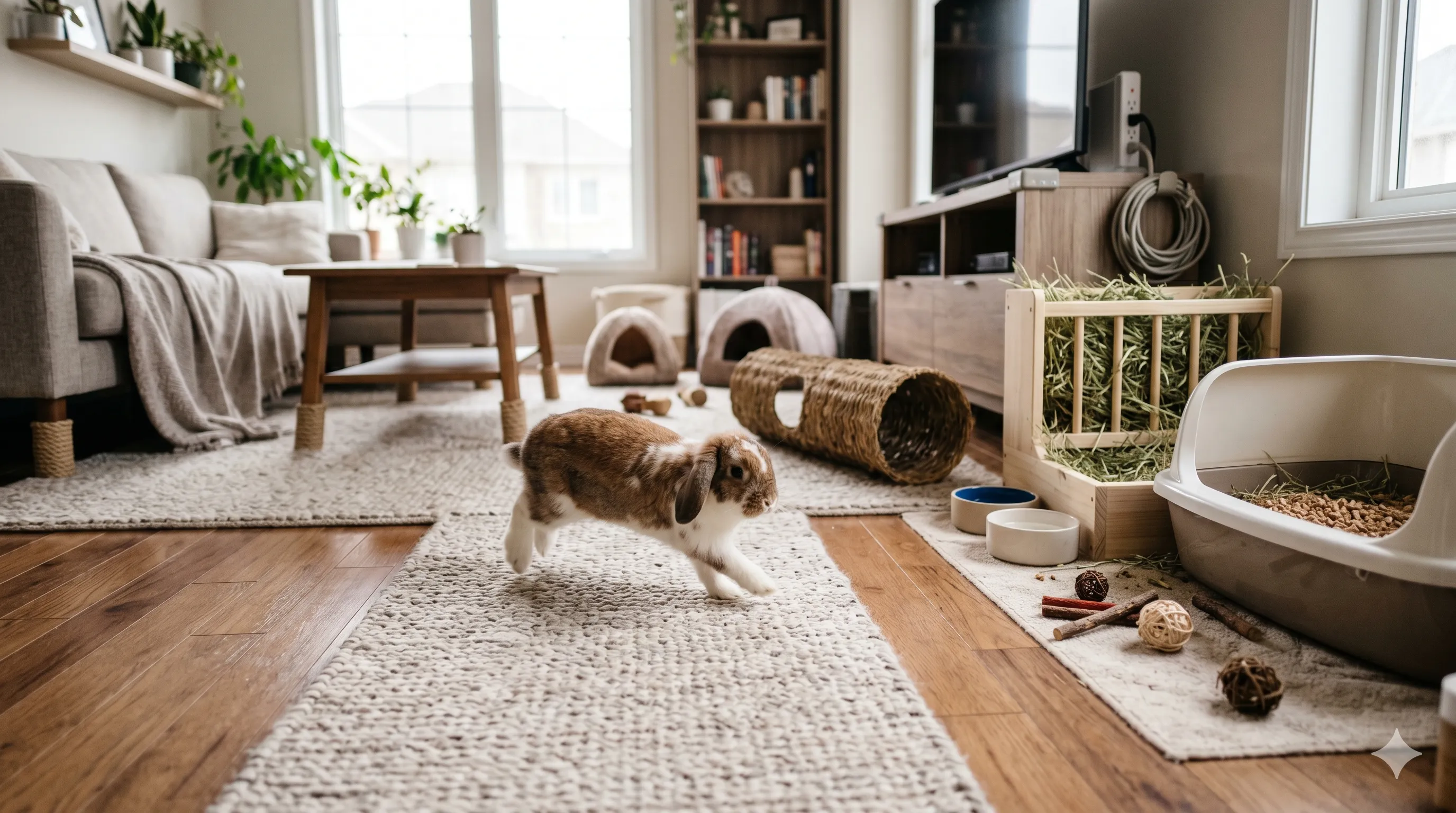
A free roam rabbit is a rabbit allowed to move freely around part or all of a home instead of living permanently inside a small cage.
Some rabbits:
- Free roam full-time
- Have supervised free-roam sessions daily
- Live in rabbit-proofed rooms
- Use exercise pens as home bases
Many owners combine free roaming with safe "home zones" where rabbits eat, rest, use litter boxes, and feel secure.
Free Roam Rabbit Guide (Quick Overview)
Free roam rabbit care involves allowing rabbits supervised or full-time indoor freedom while maintaining safe rabbit-proofed spaces, litter training, enrichment, exercise opportunities, and careful supervision. Rabbits need protection from electrical cords, toxic plants, unsafe furniture gaps, chemicals, and household hazards.
Most free roam rabbits still benefit from having a secure home base area.
Benefits of Free Roam Rabbits
More Exercise and Better Physical Health
Free roaming allows rabbits to:
- Run naturally
- Hop freely
- Stretch fully
- Explore larger spaces
- Perform zoomies and binkies
More movement supports:
- Healthy digestion
- Muscle strength
- Weight control
- Joint health
- Better mental stimulation
Improved Mental Stimulation
Rabbits are intelligent and curious animals that become bored easily in small environments.
Free roaming provides:
- Environmental enrichment
- Exploration opportunities
- Reduced boredom
- More natural behaviors
- Problem-solving activities
Mentally stimulated rabbits are often happier, calmer, and less destructive.
Stronger Human Bonding
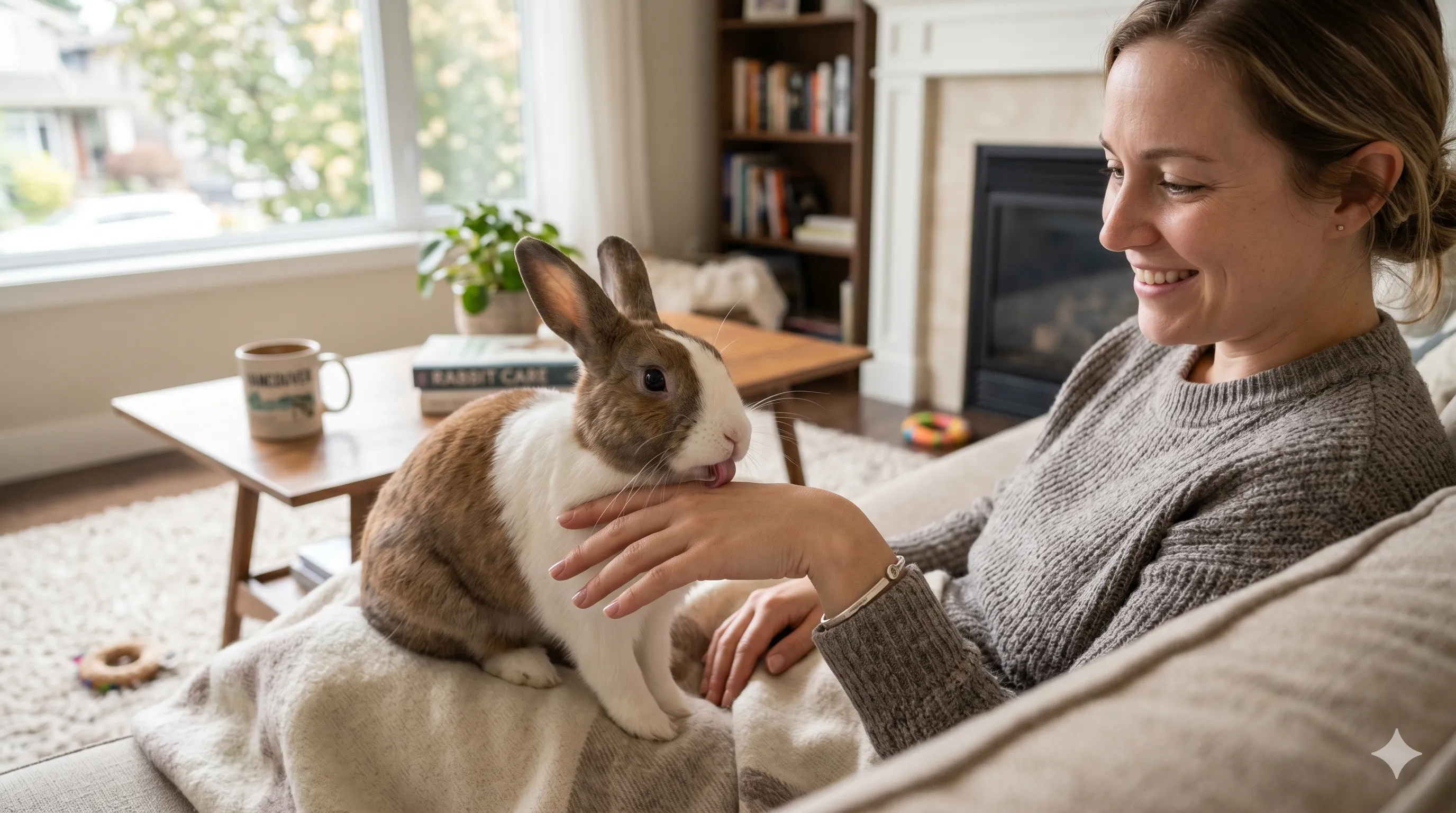
Free roam rabbits often interact more closely with their owners throughout the day.
Many become:
- More social
- More confident
- More affectionate
- More relaxed around humans
- More comfortable with routines
Daily interaction helps build trust gradually over time.
Easier Health Monitoring
Owners can often monitor:
- Appetite
- Droppings
- Energy level
- Behavior changes
- Movement patterns
more easily when rabbits live closely with the family instead of isolated in cages.
How to Rabbit-Proof a Home for Free Roam Rabbits
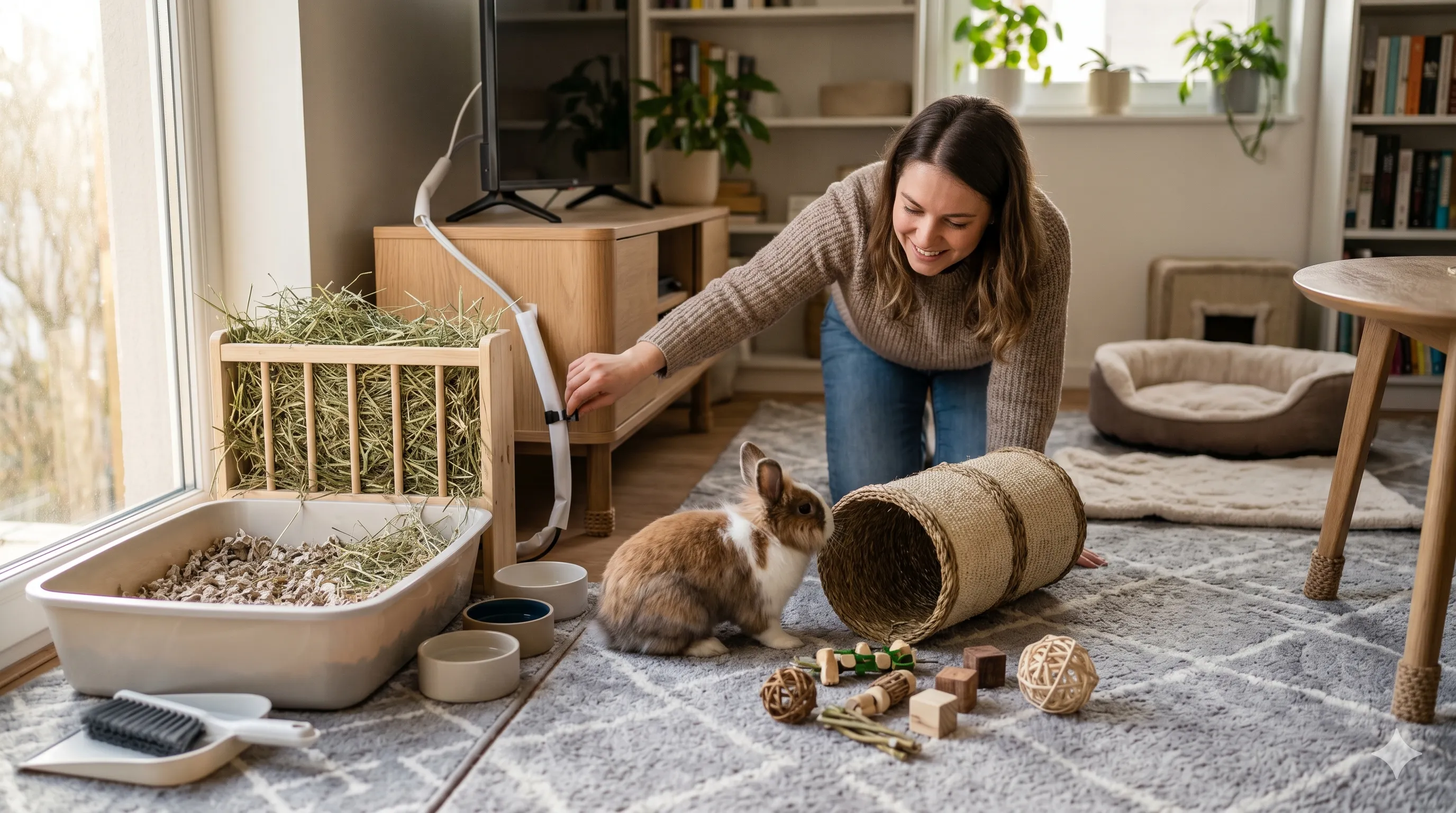
Protect Electrical Cords
Chewing electrical wires is one of the biggest indoor rabbit dangers.
Helpful protection methods include:
- Cord covers
- PVC tubing
- Cable organizers
- Blocking access completely
- Elevating wires off the floor
Never assume a rabbit will ignore exposed wires.
healthy rabbit poop guideRemove Toxic Plants
Some household plants are toxic to rabbits.
Unsafe plants should always remain completely out of reach because rabbits naturally chew unfamiliar objects while exploring.
Block Unsafe Spaces
Rabbits can squeeze into surprisingly small areas.
Check carefully behind:
- Furniture
- Appliances
- TV stands
- Cabinets
- Beds and sofas
Blocking unsafe hiding spots helps prevent injuries and difficult rescues.
Protect Furniture and Carpets
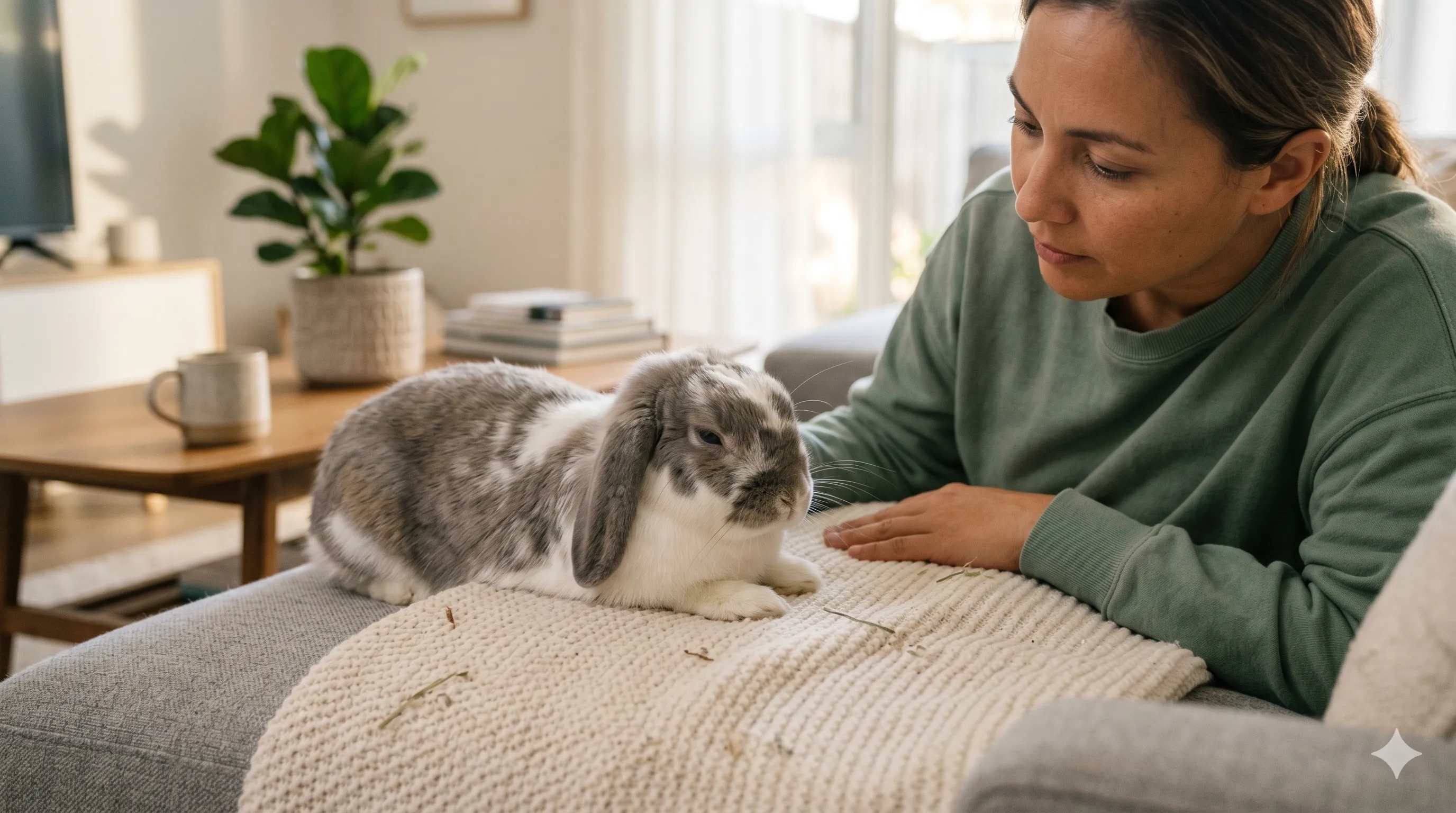
Some rabbits enjoy chewing furniture corners or digging carpets. If your rabbit digs on you rather than the carpet, that is a different behavior with its own causes, covered in why rabbits dig on their owners.
Helpful prevention strategies include:
- Providing chew toys
- Offering cardboard tunnels
- Using rugs or mats
- Redirecting behavior calmly
- Creating dig boxes
Rabbits usually chew less destructively when appropriate enrichment is available.

Keep Dangerous Items Hidden
Store safely away:
- Cleaning chemicals
- Medications
- Sharp objects
- Plastic bags
- Small swallowable items
- Human food
Best Free Roam Rabbit Setup Ideas
Create a Home Base Area
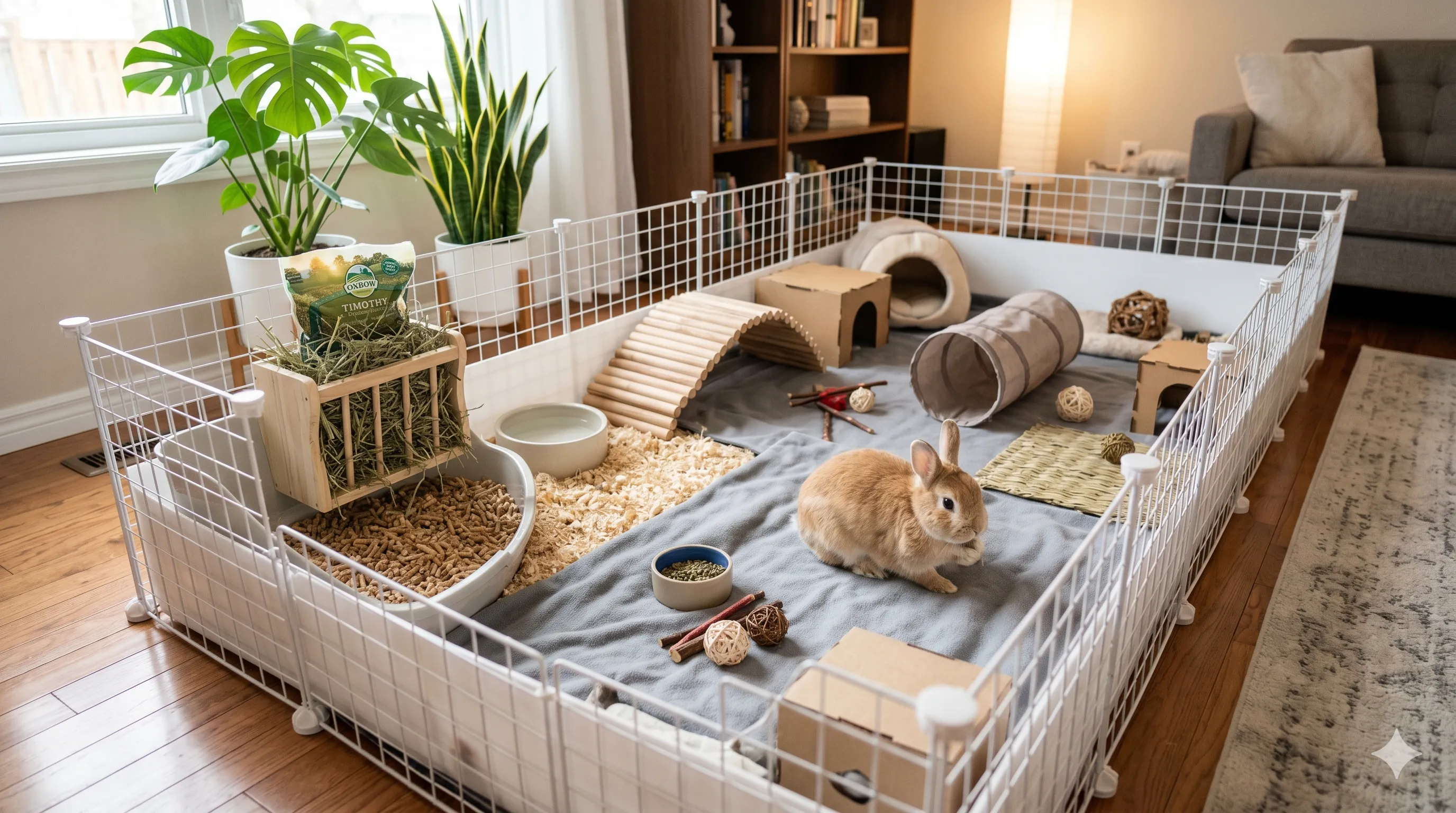
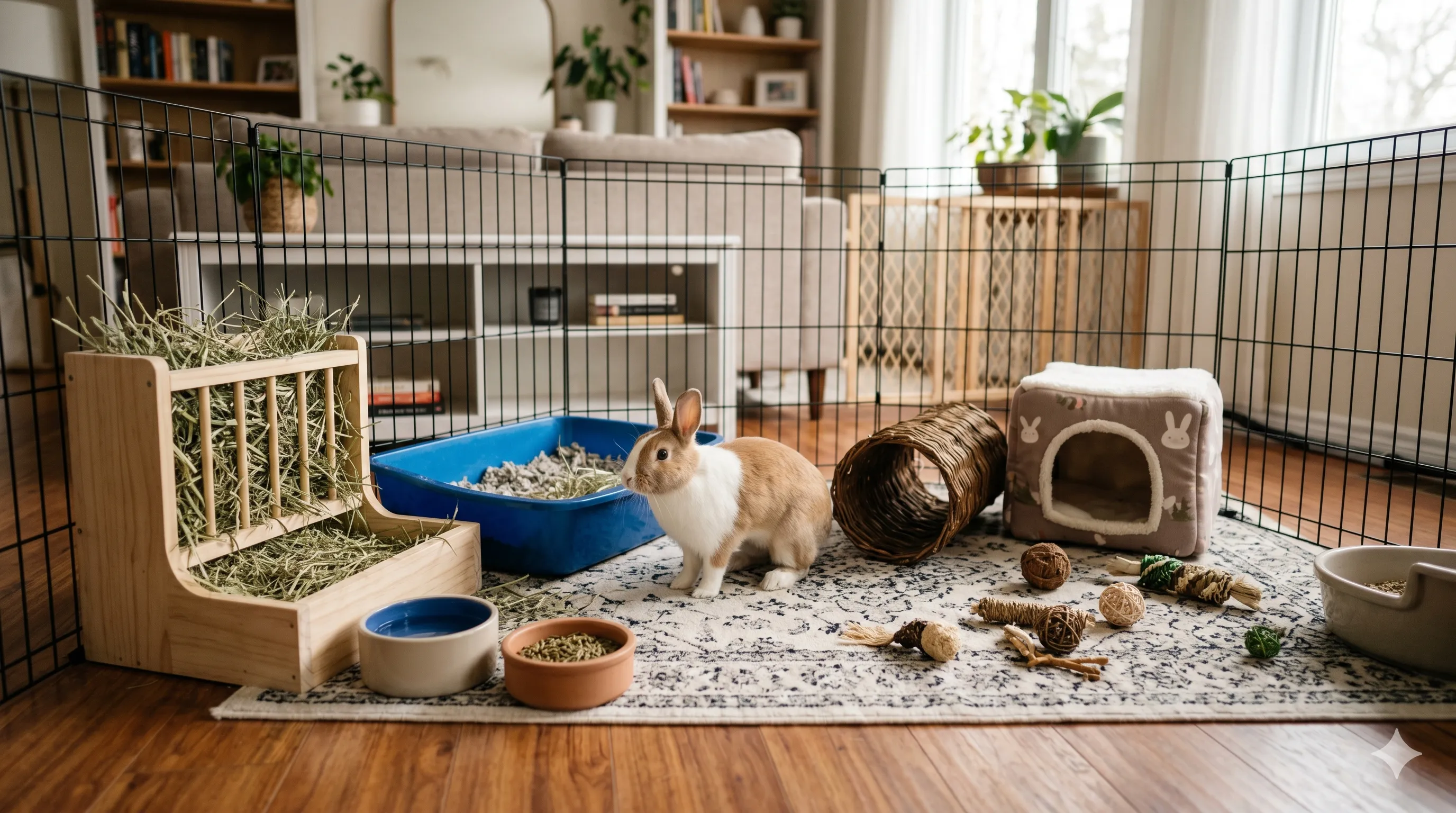
Even fully free roam rabbits usually benefit from having a dedicated home base area containing:
- Litter box
- Hay station
- Water bowl
- Hideout
- Toys
- Resting space
This helps rabbits feel secure and supports healthy routines.
rabbit stress behavior signsStart With One Rabbit-Proofed Room
Many owners begin with a single safe rabbit-proofed room before gradually expanding access.
This approach helps:
- Simplify training
- Reduce accidents
- Improve supervision
- Build confidence safely
Gradual expansion usually works better than giving unlimited space immediately.
Use Exercise Pens Strategically
Exercise pens work well for:
- Nighttime safety
- Temporary confinement
- Travel recovery
- Introducing new rabbits
- Protecting rabbits during cleaning
Many free roam rabbits still use x-pens comfortably when needed.
How to Litter Train a Free Roam Rabbit
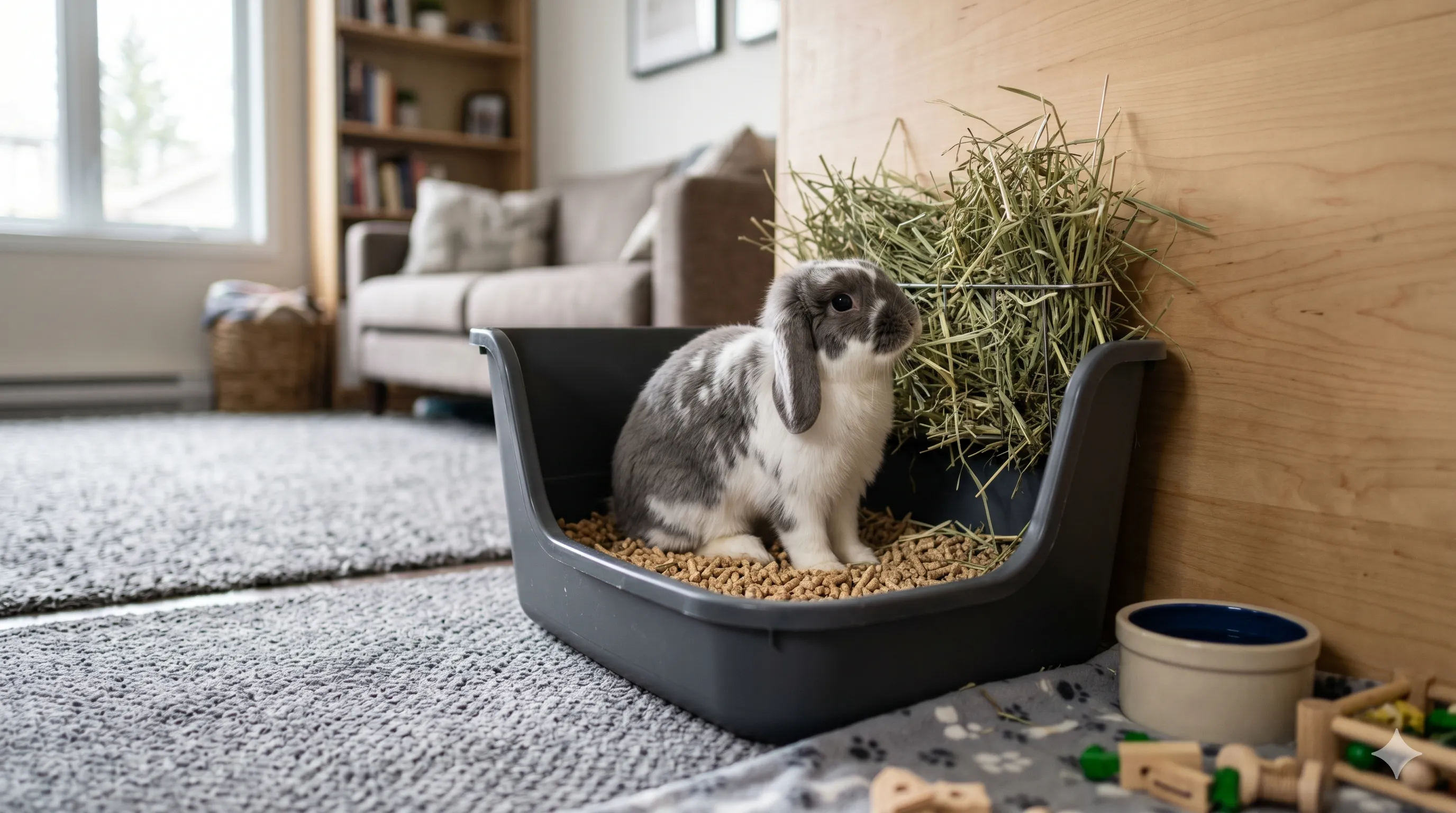
Good litter habits are extremely important for successful free roaming.
Helpful litter training tips include:
- Place litter boxes in favorite corners
- Add hay near litter areas
- Reward correct behavior
- Clean accidents thoroughly
- Stay patient and consistent
- Use rabbit-safe litter materials
Spayed and neutered rabbits are usually easier to litter train.
rabbit grooming and shedding careBest Toys and Enrichment for Free Roam Rabbits
Free roam rabbits still require mental stimulation and enrichment daily.
Popular rabbit enrichment ideas include:
- Cardboard tunnels
- Dig boxes
- Chew toys
- Hay puzzles
- Treat balls
- Stacking cups
- Paper bags filled with hay
Bored rabbits are more likely to chew furniture or develop destructive habits.
Free Roam Rabbit Safety Tips
- Supervise initially
- Inspect rooms regularly
- Provide safe chew alternatives
- Keep floors non-slippery
- Monitor appetite and droppings daily
- Use rabbit-safe cleaning products
- Keep doors and windows secure
- Avoid unsafe temperature extremes
Rabbits are naturally curious and may investigate dangerous areas surprisingly quickly.
Can Rabbits Be Left Free Roam Unsupervised?
Some experienced owners allow fully rabbit-proofed rabbits free roam access while away from home.
However, this depends heavily on:
- Rabbit behavior
- Home safety preparation
- Litter reliability
- Chewing habits
- Environmental hazards
Many owners start with supervised sessions first before expanding freedom gradually.
Common Free Roam Rabbit Mistakes
- Not protecting electrical cords
- Giving too much space too quickly
- Ignoring litter training first
- Leaving toxic plants accessible
- Not providing enough enrichment
- Using slippery flooring
- Allowing unsafe hiding spaces
- Leaving rabbits unsupervised too early
Most problems improve dramatically with proper preparation and consistent routines.
Signs a Free Roam Rabbit Is Happy
Comfortable free roam rabbits often show:
- Binkies and zoomies
- Curiosity
- Relaxed flopping
- Exploration behavior
- Healthy appetite
- Playfulness
- Good litter habits
Freedom and enrichment often improve rabbit confidence significantly.
hydrating treats for rabbitsExample Scenario
The scenario below is an illustrative example of how this situation can play out, not a documented case study.
One rabbit owner initially worried about allowing free roam access because their bunny chewed furniture corners constantly. After rabbit-proofing cords, adding tunnels, chew toys, and a dig box, destructive behavior improved dramatically.
Another owner started with a single rabbit-proofed bedroom before gradually expanding supervised access to additional areas of the home.
Successful free roam living usually develops gradually rather than all at once.
Final Thoughts
Free roam rabbits often live more active, enriched, and emotionally fulfilling lives when their environment is properly prepared.
However, successful free roam care requires much more than simply opening a cage door. Rabbit-proofing, litter training, supervision, enrichment, and safety planning are all essential.
Most rabbits thrive when they have space to explore naturally while still maintaining secure home base areas for eating, resting, and feeling safe.
With patience and proper setup, free roam rabbits can become wonderful indoor companions that form incredibly close bonds with their owners.
This article is intended for educational purposes and should not replace professional veterinary advice. Always supervise new free roam setups carefully and consult a rabbit-experienced veterinarian for personalized rabbit care recommendations.
Medical Disclaimer
This content is provided for informational and educational purposes only and should not be considered veterinary, medical, behavioral, or training advice. While we strive for accuracy, we make no guarantees regarding completeness or results. Always consult a licensed veterinarian or qualified pet care professional before making decisions about your pet’s health, diet, or behavior.
AI Illustration Notice
Some images in this article may have been generated or enhanced using artificial intelligence for illustrative purposes.
Frequently Asked Questions
A free roam rabbit is a rabbit allowed to move freely around part or all of a home instead of staying permanently inside a cage.
Many rabbits become more active enriched social and mentally stimulated when allowed safe free roam access.
Protect electrical cords remove toxic plants block unsafe gaps and keep dangerous items completely out of reach.
Yes, many rabbits maintain excellent litter habits with proper training and consistent setup.
Most free roam rabbits still benefit from having a safe home base area with food litter water and hiding spots.
Only in fully rabbit-proofed environments after the rabbit has demonstrated safe behavior and reliable litter habits.
Electrical cords toxic plants unsafe furniture gaps chemicals slippery floors and lack of supervision are common indoor dangers.
Most rabbits benefit from several hours of exercise and exploration daily with many indoor rabbits thriving with full-time free roam access.
Editorial Note
This article is part of PetNurture's educational library.
Topics draw on publicly available educational resources, recognised veterinary organisations, academic publications and established animal welfare references where appropriate.
The specific sources this article draws on are listed in its References section. If you spot an error, please let us know.
References
The information in this article has been reviewed and supported using the following sources.
House Rabbit Society
House Rabbit Society notes that even free-roaming rabbits benefit from a dedicated home base area, since a cage or pen functions best as a resting spot rather than the rabbit's only living space.
Accessed Aug 6, 2026
House Rabbit Society
House Rabbit Society notes that spaying or neutering significantly improves litter reliability by eliminating the territorial urine marking common in unfixed rabbits, which is especially useful for free-roam setups.
Accessed Aug 6, 2026
Pet Emergency Guidance
Every pet is unique. If your pet exhibits severe symptoms, sudden behavioral changes, or a medical emergency, do not rely on online guides — contact a licensed veterinarian or emergency clinic immediately.
About PetNurture
PetNurture is an educational library of pet care guides, interactive tools and practical resources for pet parents. We work continuously to keep our content accurate and up to date. Reader feedback helps us maintain content quality.
Related Articles

Popular Rabbit Guides