Why Is My Rabbit Shaking? 8 Common Causes and When to Worry
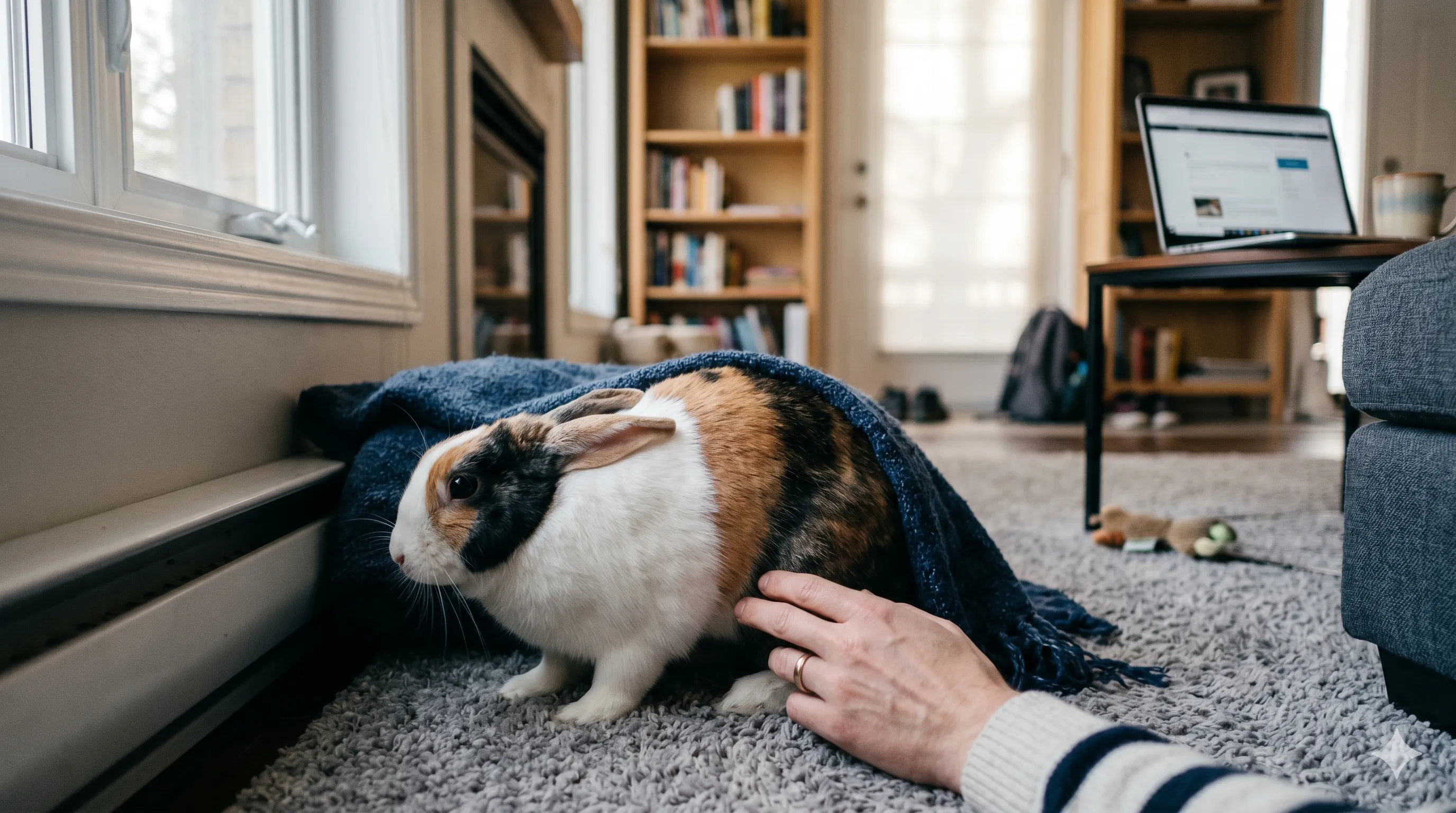
- Why Is My Rabbit Shaking? (Quick Answer)
- Common Reasons Rabbits Shake at a Glance
- Is Shaking Normal in Rabbits?
- Most Common Reasons Rabbits Shake
- Fear or Stress
- Pain or Illness
- Cold Temperatures or Overheating
- Shock or Severe Illness
- Excitement or Adrenaline
- Neurological Problems
- Rabbit Shaking vs Rabbit Twitching: What's the Difference?
- Rabbit Shaking Warning Signs That Require Emergency Care
- How to Tell Fear Shaking vs Illness Shaking
- Why Is My Rabbit Shaking But Still Eating Normally?
- Can GI Stasis Cause Rabbits to Shake?
- What Should You Do If Your Rabbit Is Shaking?
- Observe Other Symptoms Carefully
- Reduce Stress Immediately
- Check Environmental Temperature
- Monitor Eating and Pooping
- Contact a Rabbit Vet if Symptoms Continue
- Can Rabbits Shake While Sleeping?
- When to Monitor at Home vs Contact a Veterinarian
- Why Is My Rabbit Shaking After Being Picked Up?
- How Veterinarians Diagnose Shaking in Rabbits
- How to Help Prevent Stress and Illness in Rabbits
- Expert Tips for Managing a Shaking Rabbit
- Common Mistakes Rabbit Owners Make
- Example Scenario
- Final Thoughts
Note: This article is for informational purposes only and does not replace professional veterinary advice.
Seeing your rabbit suddenly shake, tremble, or vibrate can be alarming for any bunny owner. If you've been asking "why is my rabbit shaking?", it's important to understand that shaking in rabbits can happen for several different reasons some harmless and others potentially serious.
In some situations, rabbits may shake briefly because of fear, stress, excitement, cold temperatures, unfamiliar environments, or sudden loud noises. However, trembling can also indicate pain, illness, injury, shock, digestive emergencies, or neurological problems.
Because rabbits naturally hide weakness and illness symptoms extremely well, unusual shaking should always be monitored carefully.
The key is observing your rabbit's overall body language, appetite, breathing, posture, droppings, and surrounding behavior rather than focusing only on the shaking itself.
In this complete guide, you'll learn the most common reasons rabbits shake, how to tell normal trembling from dangerous symptoms, emergency warning signs, and when to contact a rabbit-experienced veterinarian immediately.
Why Is My Rabbit Shaking? (Quick Answer)
Rabbits may shake because of fear, stress, cold temperatures, excitement, pain, illness, injury, shock, GI stasis, or neurological problems. Mild temporary trembling may occur during stressful situations, but shaking combined with lethargy, appetite loss, breathing changes, weakness, bloating, or unusual posture may indicate a medical emergency requiring immediate veterinary care.
Persistent or severe shaking should never be ignored in rabbits.
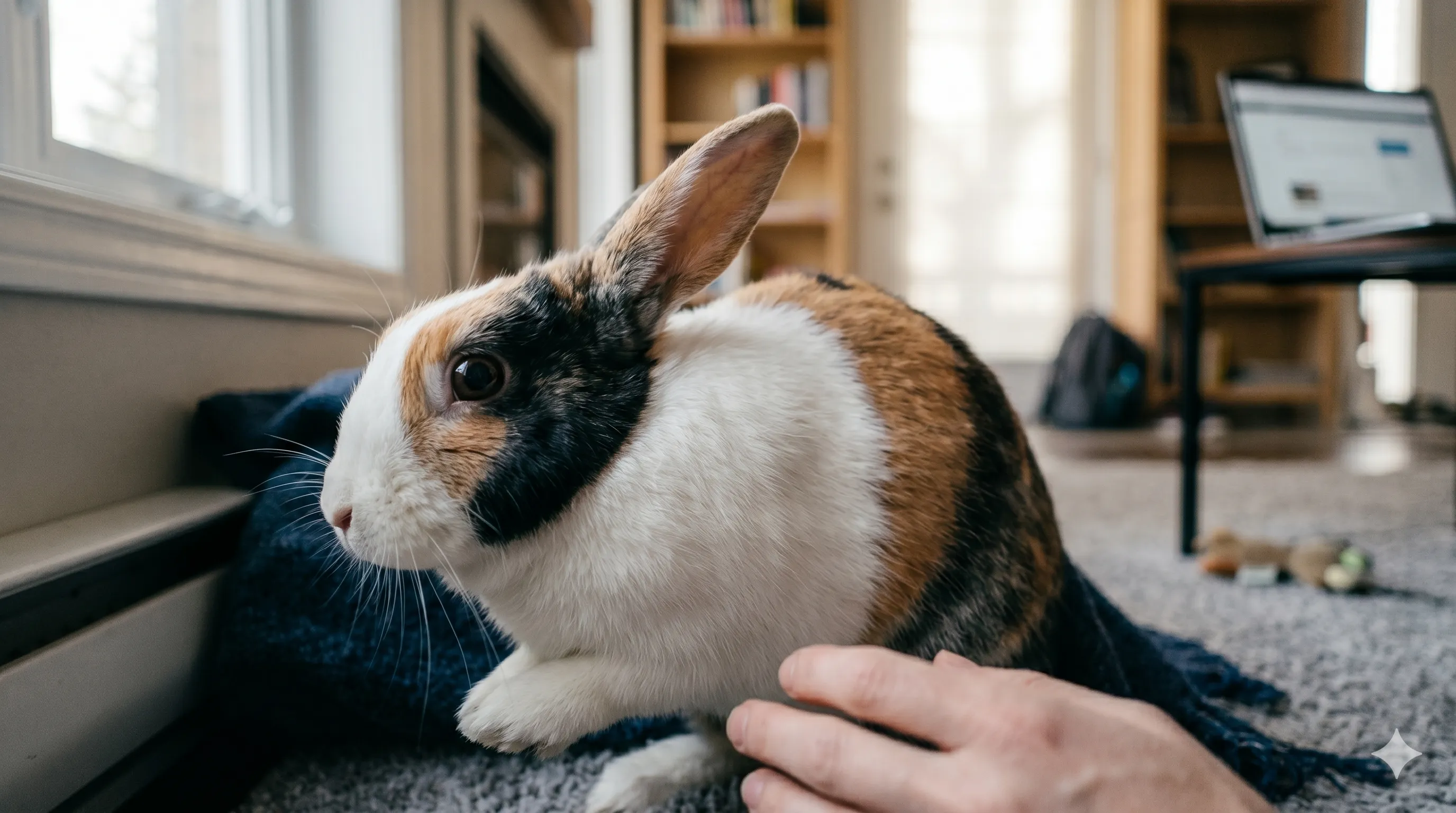
Common Reasons Rabbits Shake at a Glance
- Fear or stress: Usually not serious
- Excitement: Usually not serious
- Cold temperatures: Sometimes serious
- Pain or illness: Often serious
- GI stasis: Always an emergency
- Shock: Always an emergency
- Neurological problems: Requires veterinary evaluation
Is Shaking Normal in Rabbits?
Occasional mild trembling may happen in some completely normal situations.
Examples include:
- Fear or anxiety
- Vet visits
- Travel stress
- Loud noises
- Cold environments
- Strong excitement
- Unfamiliar surroundings
Short-term shaking that resolves quickly may not always indicate serious illness.
However, rabbits are prey animals that instinctively hide symptoms extremely well, which means persistent trembling should always be taken seriously.
Healthy rabbits typically return to normal behavior quickly once the stressful trigger disappears.
Most Common Reasons Rabbits Shake
Fear or Stress
Fear is one of the most common causes of temporary shaking in rabbits.
Rabbits may tremble when they feel unsafe, trapped, overwhelmed, or threatened.
Common triggers include:
- Loud noises
- Thunderstorms
- Fireworks
- Predator smells
- Travel carriers
- Being chased or grabbed
- Unfamiliar pets or people
Stress-related shaking often improves once the rabbit feels secure again.
rabbit not eating warning signsPain or Illness
Rabbits sometimes shake when they are uncomfortable, injured, or feeling unwell. Because rabbits naturally hide signs of weakness, trembling may be one of the first visible clues that something is wrong.
Possible medical causes include:
- GI stasis
- Digestive pain
- Dental disease
- Injuries
- Urinary problems
- Infections
- Other underlying illnesses
In addition to shaking, watch for:
- Reduced appetite
- Smaller droppings
- Hunched posture
- Tooth grinding
- Hiding behavior
- Low energy levels
- Reluctance to move
If shaking occurs alongside any of these symptoms, veterinary evaluation is recommended.
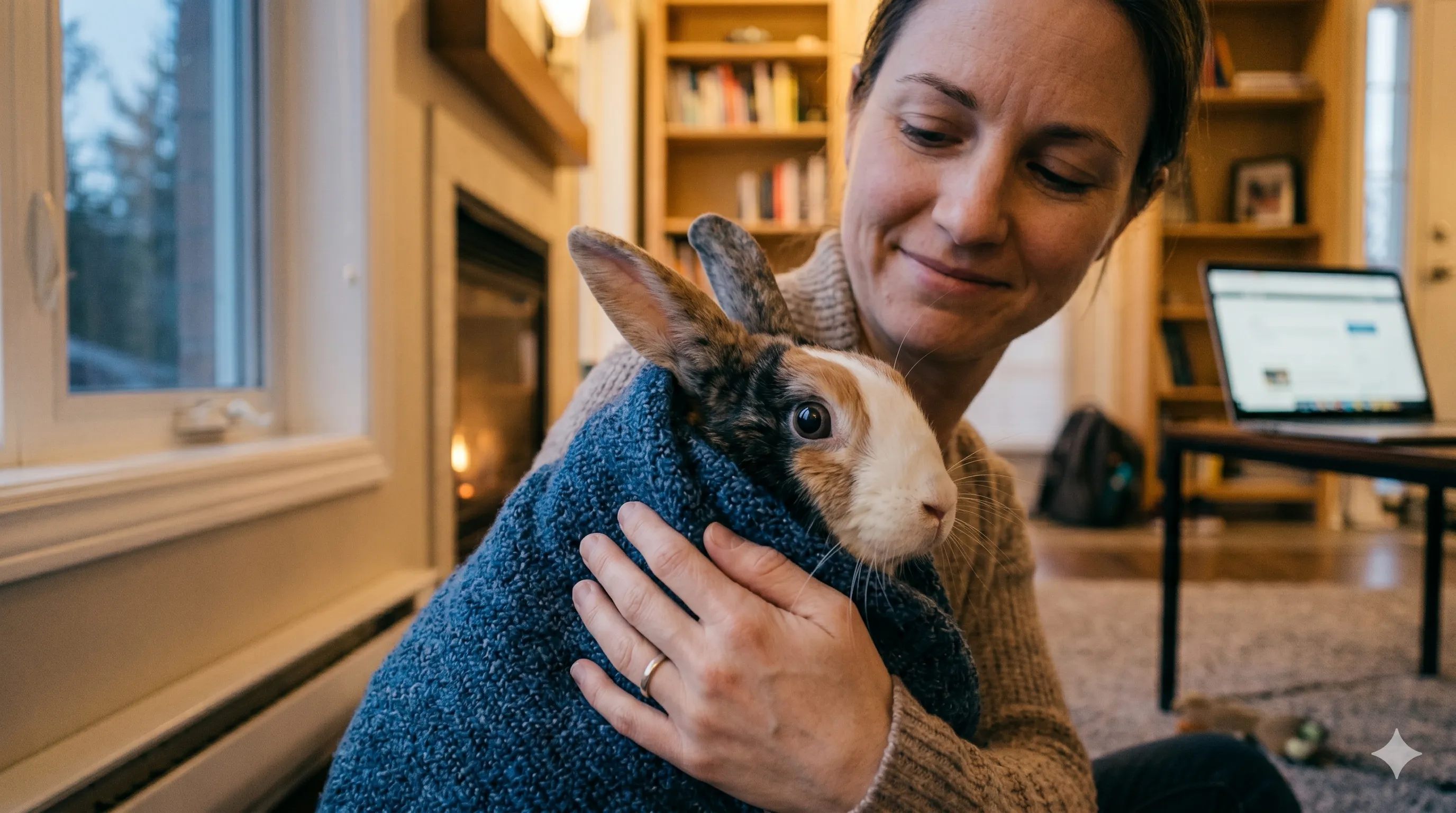
Cold Temperatures or Overheating
Like many animals, rabbits may shiver when cold.
Cold-related shaking is more likely if:
- The environment becomes too cold
- The rabbit is wet
- Strong drafts are present
- The rabbit is elderly or very young
- The rabbit is already sick
Rabbits also tolerate high temperatures poorly and can tremble or act restless when they become too warm rather than too cold. Watch for rapid breathing or lethargy alongside the shaking since these can point to overheating instead of cold.
Indoor rabbits usually do best in stable indoor temperatures without sudden environmental changes.
Shock or Severe Illness
Severe trembling combined with weakness or collapse may indicate shock or critical illness.
Emergency warning signs include:
- Cold ears
- Pale gums
- Collapse
- Difficulty breathing
- Severe lethargy
- Unresponsiveness
- Weak pulse
Shock is considered a life-threatening emergency in rabbits.
rabbit poop emergency symptomsExcitement or Adrenaline
Some rabbits briefly vibrate or shake during highly stimulating moments.
This may happen during:
- Zoomies
- Play sessions
- Anticipation of treats
- Bonding excitement
- High-energy activity
Excitement-related trembling is usually very brief and paired with otherwise normal behavior.
Neurological Problems
Less commonly, shaking may relate to neurological conditions affecting the brain or nervous system.
Possible symptoms may include:
- Head tilt
- Balance problems
- Seizure-like movements
- Uncontrolled twitching
- Circling behavior
- Difficulty standing
One well-documented cause of these signs is a parasite called Encephalitozoon cuniculi, which can affect a rabbit's brain and nervous system. A veterinarian can check for this and other possible causes through a physical exam and further testing, then recommend treatment based on your individual rabbit's needs.
Neurological symptoms always require immediate veterinary evaluation.
Some rabbits with neurological issues may also struggle to remain upright, show abnormal eye movements, lose coordination, or appear disoriented. Because these symptoms can worsen quickly, prompt veterinary evaluation is important.
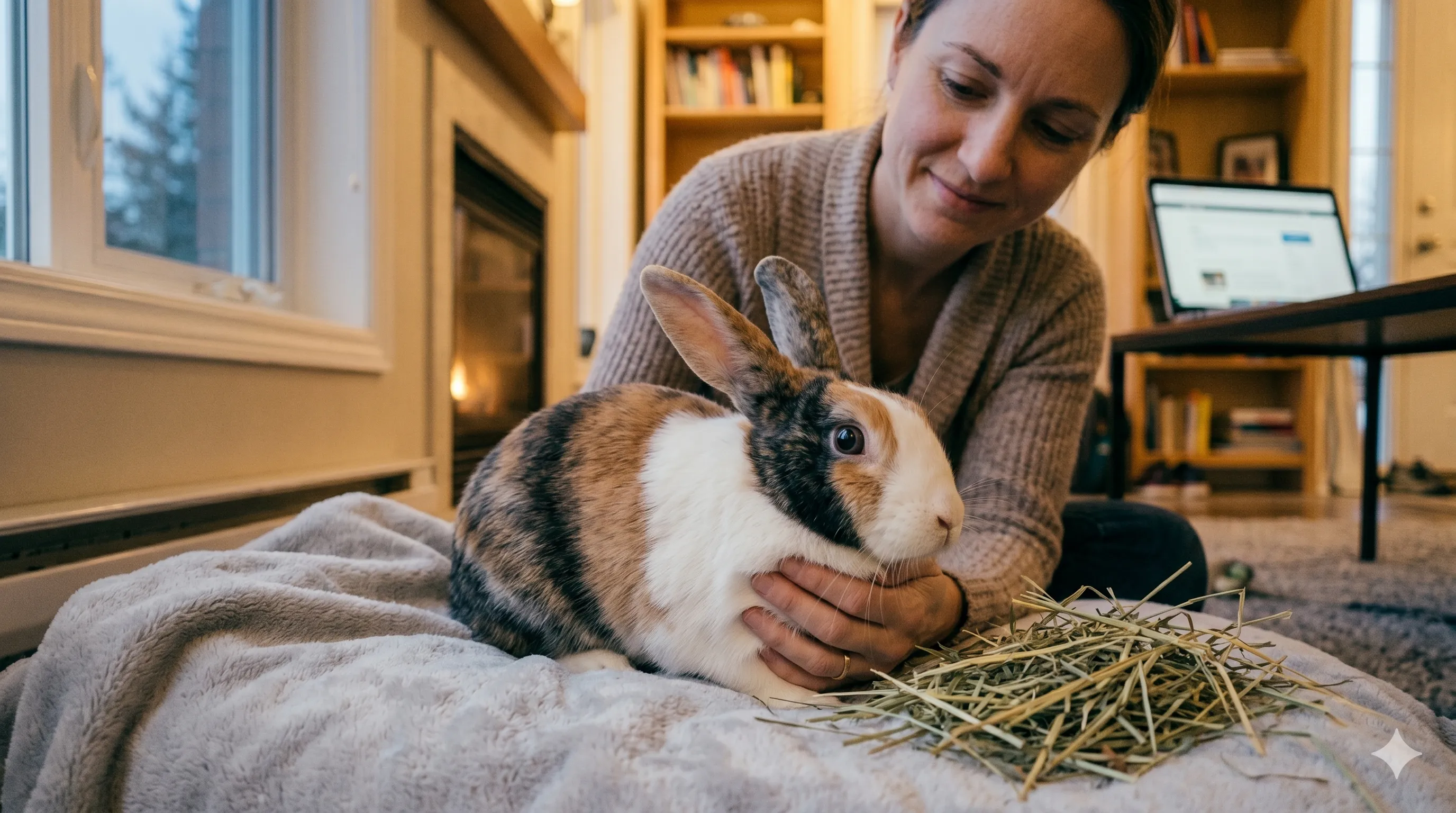
Rabbit Shaking vs Rabbit Twitching: What's the Difference?
Rabbit owners sometimes confuse shaking with twitching, but they can look very different.
- Shaking: full-body trembling or vibrating
- Twitching: small muscle movements often around the face and ears and body
- Sleep movements: brief twitching during dreams or deep rest
- Neurological episodes: uncontrolled repetitive movements affecting balance or posture
If movements appear severe, continuous, or affect your rabbit's ability to stand, seek veterinary care promptly.
Rabbit Shaking Warning Signs That Require Emergency Care
Contact a rabbit veterinarian immediately if shaking occurs alongside:
- Refusing food
- Lethargy
- Difficulty breathing
- Collapse
- Bloating
- No droppings
- Head tilt
- Severe weakness
- Unresponsiveness
- Painful posture
Rabbits can deteriorate rapidly once serious illness develops.
rabbit urine color warning signsHow to Tell Fear Shaking vs Illness Shaking
- Shaking during loud noise: usually fear or stress
- Shaking after handling: usually anxiety or overstimulation
- Shaking with appetite loss: possible illness or pain
- Shaking with lethargy: a medical concern
- Brief trembling during excitement: a normal emotional response
- Continuous trembling and weakness: an emergency warning sign
Why Is My Rabbit Shaking But Still Eating Normally?
If your rabbit is shaking but continues eating, drinking, moving normally, and producing healthy droppings, the cause may be less urgent than situations involving appetite loss.
Temporary trembling sometimes occurs during:
- Stressful events
- Travel
- Vet visits
- Loud noises
- Handling
- Unfamiliar environments
Continue monitoring your rabbit closely over the next 24 hours. Watch for changes in appetite, droppings, posture, breathing, or energy levels.
If shaking becomes frequent, worsens, or continues despite normal conditions, contact a rabbit-experienced veterinarian for guidance.
Can GI Stasis Cause Rabbits to Shake?
Yes, rabbits experiencing GI stasis sometimes tremble because of pain, gas buildup, weakness, or shock.
GI stasis symptoms may include:
- Refusing food
- No droppings
- Hunched posture
- Bloating
- Lethargy
- Tooth grinding
- Shaking or trembling
GI stasis is considered one of the most dangerous rabbit emergencies and requires rapid veterinary treatment.
rabbit losing fur unexpectedlyWhat Should You Do If Your Rabbit Is Shaking?
Observe Other Symptoms Carefully
Pay close attention to:
- Appetite
- Droppings
- Breathing
- Energy level
- Body posture
- Movement and balance
Additional symptoms often help determine whether the situation is serious.
Reduce Stress Immediately
Create a calm quiet environment by:
- Reducing loud noise
- Providing hiding spots
- Avoiding unnecessary handling
- Maintaining stable routines
- Keeping other pets away
Many mildly stressed rabbits calm down once environmental stimulation decreases.
Check Environmental Temperature
Make sure your rabbit is warm but not overheated.
Avoid:
- Cold drafts
- Wet fur
- Sudden temperature changes
- Outdoor cold exposure
Monitor Eating and Pooping
Digestive health remains one of the most important rabbit health indicators.
If your rabbit stops eating or producing droppings, seek veterinary care immediately.
Reduced droppings often appear before complete digestive shutdown develops.
Contact a Rabbit Vet if Symptoms Continue
Persistent trembling especially with other symptoms should always be evaluated professionally.
Rabbits often require rapid treatment once illness develops.
Can Rabbits Shake While Sleeping?
Some rabbits make small movements, twitch their whiskers, ears, or paws, and occasionally appear to tremble slightly during sleep. These brief movements may occur during dreaming and are often harmless.
However, repeated shaking, unusual body movements, difficulty waking, loss of balance after waking, or other concerning symptoms should be discussed with a veterinarian.
Look at your rabbit's overall behavior when awake rather than focusing only on movements seen during sleep.
When to Monitor at Home vs Contact a Veterinarian
- Brief shaking during a stressful event: monitor and provide a calm environment
- Shaking that stops after the trigger disappears: continue normal observation
- Shaking lasting several hours: contact a rabbit veterinarian
- Shaking with reduced appetite: seek veterinary advice promptly
- Shaking with no droppings or collapse or bloating or breathing difficulty: treat as emergency veterinary care
Why Is My Rabbit Shaking After Being Picked Up?
Many rabbits dislike being picked up because it removes their ability to escape potential danger. Some rabbits may briefly shake after handling due to fear, stress, or overstimulation.
Signs of handling-related stress may include:
- Trembling
- Rapid breathing
- Hiding afterward
- Freezing behavior
- Wide, alert eyes
Allow your rabbit time to settle in a quiet, familiar environment. If shaking continues long after handling or occurs alongside other symptoms, additional evaluation may be needed.
How Veterinarians Diagnose Shaking in Rabbits
A rabbit-experienced veterinarian may use:
- Physical examination
- Dental evaluation
- X-rays
- Blood tests
- Neurological examination
- Digestive assessment
- Hydration evaluation
Because shaking itself is only a symptom, identifying the underlying cause is critical.
How to Help Prevent Stress and Illness in Rabbits
Helpful preventive care includes:
- Providing stable routines
- Maintaining proper diet
- Offering unlimited hay
- Reducing environmental stress
- Scheduling regular veterinary checkups
- Monitoring appetite and droppings daily
- Providing enrichment activities
Early detection often improves treatment success significantly.
Expert Tips for Managing a Shaking Rabbit
- Stay calm and quiet around your rabbit since a tense owner can make a frightened rabbit more anxious
- Keep a simple log of when shaking happens and what else you notice so patterns become easier to spot over time
- Weigh your rabbit regularly since unexplained weight loss alongside shaking is a strong signal to see a vet sooner rather than later
- Choose a rabbit-experienced veterinarian in advance so you are not searching for one during an emergency
Common Mistakes Rabbit Owners Make
- Assuming shaking is always harmless
- Ignoring appetite changes
- Waiting too long before contacting a vet
- Overhandling stressed rabbits
- Missing early GI stasis symptoms
- Ignoring reduced droppings
Fast action often makes a major difference during rabbit emergencies.
Example Scenario
The scenario below is an illustrative example of how this situation can play out, not a documented case study.
One rabbit owner noticed their bunny trembling during thunderstorms and fireworks. The rabbit improved once moved into a quieter room with hiding spaces and reduced stimulation.
Another owner initially assumed shaking was stress-related but later realized their rabbit had stopped eating and producing droppings. Emergency veterinary care revealed early GI stasis requiring immediate treatment.
Context and accompanying symptoms often determine whether shaking is harmless or dangerous.
Final Thoughts
If your rabbit is shaking, it's important to evaluate the full situation carefully.
Mild temporary trembling may sometimes result from fear, excitement, stress, or cold temperatures. However, persistent shaking combined with appetite loss, lethargy, breathing changes, weakness, or digestive symptoms can indicate serious illness or medical emergencies.
Because rabbits naturally hide symptoms extremely well, early observation and fast veterinary attention often make a major difference in recovery outcomes.
Whenever shaking appears unusual, severe, or persistent, contacting a rabbit-experienced veterinarian is always the safest approach.
If your rabbit is still eating and drinking and behaving normally careful monitoring may be appropriate. However any shaking accompanied by appetite loss or reduced droppings or weakness or breathing changes or collapse should be treated as a potential emergency.
Shaking is only one part of the picture, so it helps to understand your rabbit's other everyday behaviors too — understanding your rabbit's licking behavior can give you a fuller sense of what your bunny is trying to tell you.
This article is intended for educational purposes and should not replace professional veterinary care. If your rabbit develops persistent shaking, lethargy, appetite loss, breathing difficulty, or collapse, contact a rabbit-experienced veterinarian immediately.
Medical Disclaimer
This content is provided for informational and educational purposes only and should not be considered veterinary, medical, behavioral, or training advice. While we strive for accuracy, we make no guarantees regarding completeness or results. Always consult a licensed veterinarian or qualified pet care professional before making decisions about your pet’s health, diet, or behavior.
AI Illustration Notice
Some images in this article may have been generated or enhanced using artificial intelligence for illustrative purposes.
Frequently Asked Questions
Rabbits can tremble because of fear or stress or cold temperatures or excitement. Trembling can also point to pain or illness or even a medical emergency. Whether it's serious usually depends on whether other symptoms appear alongside it such as appetite loss or lethargy or breathing changes or reduced droppings.
Brief shaking during stress or excitement may sometimes be normal but persistent trembling should always be monitored carefully.
Yes. Rabbits commonly tremble when they feel frightened or stressed or overwhelmed by loud noises or unfamiliar environments or handling.
Shaking combined with appetite loss can be a warning sign of pain or digestive problems or illness or GI stasis. Because rabbits can deteriorate quickly when they stop eating veterinary advice should be sought promptly.
Yes. Rabbits may shiver if they become too cold or wet or exposed to drafts. This is especially true if they are very young or elderly or already unwell.
Seek veterinary care immediately if shaking occurs along with lethargy or breathing changes or weakness or collapse or bloating or reduced droppings or a refusal to eat.
Some rabbits briefly vibrate or tremble during intense excitement or play sessions or bonding activities or while anticipating treats.
Yes. Rabbits experiencing GI stasis sometimes shake because of pain or gas buildup or weakness or shock.
If your rabbit is eating and drinking and moving normally and producing healthy droppings then temporary stress or excitement or an environmental factor may be responsible. Continue monitoring for any additional symptoms.
Some rabbits shake after handling because they feel stressed or frightened. Many rabbits prefer to keep all four feet on the ground and may need time to calm down afterward.
Small movements or twitching can occur during sleep. Persistent shaking or unusual movements should still be evaluated if they're accompanied by other symptoms.
Rapid breathing combined with shaking may occur during severe stress or fear or overheating or pain or illness. Contact a veterinarian if symptoms do not improve quickly.
Editorial Note
This article is part of PetNurture's educational library.
Topics draw on publicly available educational resources, recognised veterinary organisations, academic publications and established animal welfare references where appropriate.
The specific sources this article draws on are listed in its References section. If you spot an error, please let us know.
References
The information in this article has been reviewed and supported using the following sources.
VCA Animal Hospitals
Confirms Encephalitozoon cuniculi causes head tilt and neurological imbalance in rabbits, with advanced cases leading to rolling; directly supports the 'Neurological Problems' section of this article.
Accessed Aug 6, 2026
House Rabbit Society
Confirms GI stasis is a life-threatening rabbit emergency that can cause trembling from pain and gas buildup; supports the 'Can GI Stasis Cause Rabbits to Shake' section of this article.
Accessed Aug 6, 2026
Pet Emergency Guidance
Every pet is unique. If your pet exhibits severe symptoms, sudden behavioral changes, or a medical emergency, do not rely on online guides — contact a licensed veterinarian or emergency clinic immediately.
About PetNurture
PetNurture is an educational library of pet care guides, interactive tools and practical resources for pet parents. We work continuously to keep our content accurate and up to date. Reader feedback helps us maintain content quality.
Related Articles
Popular Rabbit Guides