Rabbit Poop Meaning Chart: Healthy vs Unhealthy Bunny Poop Explained
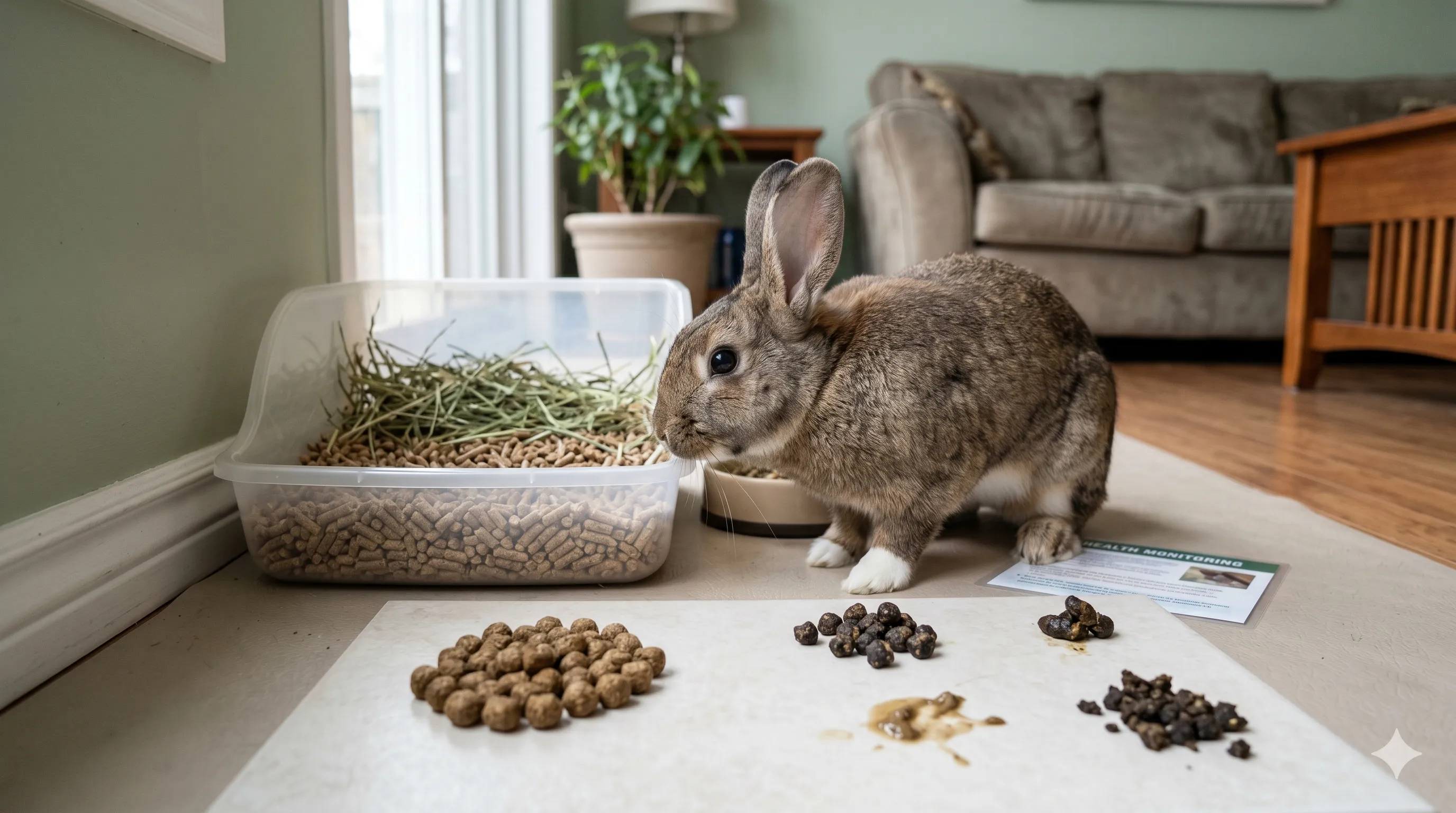
- Rabbit Poop Meaning Chart (Quick Overview)
- Why Rabbit Poop Matters So Much
- What Healthy Rabbit Poop Looks Like
- Types of Rabbit Poop and What They Mean
- Normal Round Pellets
- Small Hard Rabbit Poop
- No Poop at All
- Soft Mushy Stool
- Diarrhea in Rabbits
- String-of-Pearls Rabbit Poop
- Uneaten Cecotropes
- Rabbit Cecotropes vs Normal Poop
- What Causes Unhealthy Rabbit Poop?
- Emergency Rabbit Poop Warning Signs
- How to Keep Rabbit Poop Healthy
- Provide Unlimited Hay
- Feed Balanced Leafy Greens
- Limit Sugary Treats
- Encourage Proper Hydration
- Monitor Daily Changes
- Example Scenario
- Final Thoughts
Note: This article is for informational purposes only and does not replace professional veterinary advice.
Rabbit poop may not be the most glamorous topic, but it is one of the most important indicators of rabbit health. If you've been searching for a rabbit poop meaning chart, understanding your bunny's droppings can help you detect digestive problems, dehydration, stress, poor diet, or even life-threatening emergencies early.
Because rabbits have highly sensitive digestive systems, changes in poop size, shape, texture, color, or frequency often provide the first warning signs that something is wrong.
Healthy rabbit poop should usually be round, dry, odorless, and consistent in appearance. Any sudden changes may require closer monitoring or veterinary attention.
In this complete guide, you'll learn how to identify healthy vs unhealthy rabbit poop, what different droppings may mean, emergency warning signs, GI stasis symptoms, and when to contact a rabbit-experienced veterinarian immediately.
Rabbit Poop Meaning Chart (Quick Overview)
| Poop Type | Possible Meaning | Concern Level |
|---|---|---|
| Round dry pellets | Healthy digestion | Normal |
| Small hard pellets | Dehydration or reduced eating | Moderate |
| No poop | GI stasis emergency | Severe |
| Soft mushy stool | Diet imbalance or illness | Moderate-High |
| Diarrhea | Serious digestive illness | Emergency |
| String-of-pearls poop | Excess fur ingestion | Mild-Moderate |
| Uneaten cecotropes | Diet or health problem | Moderate |
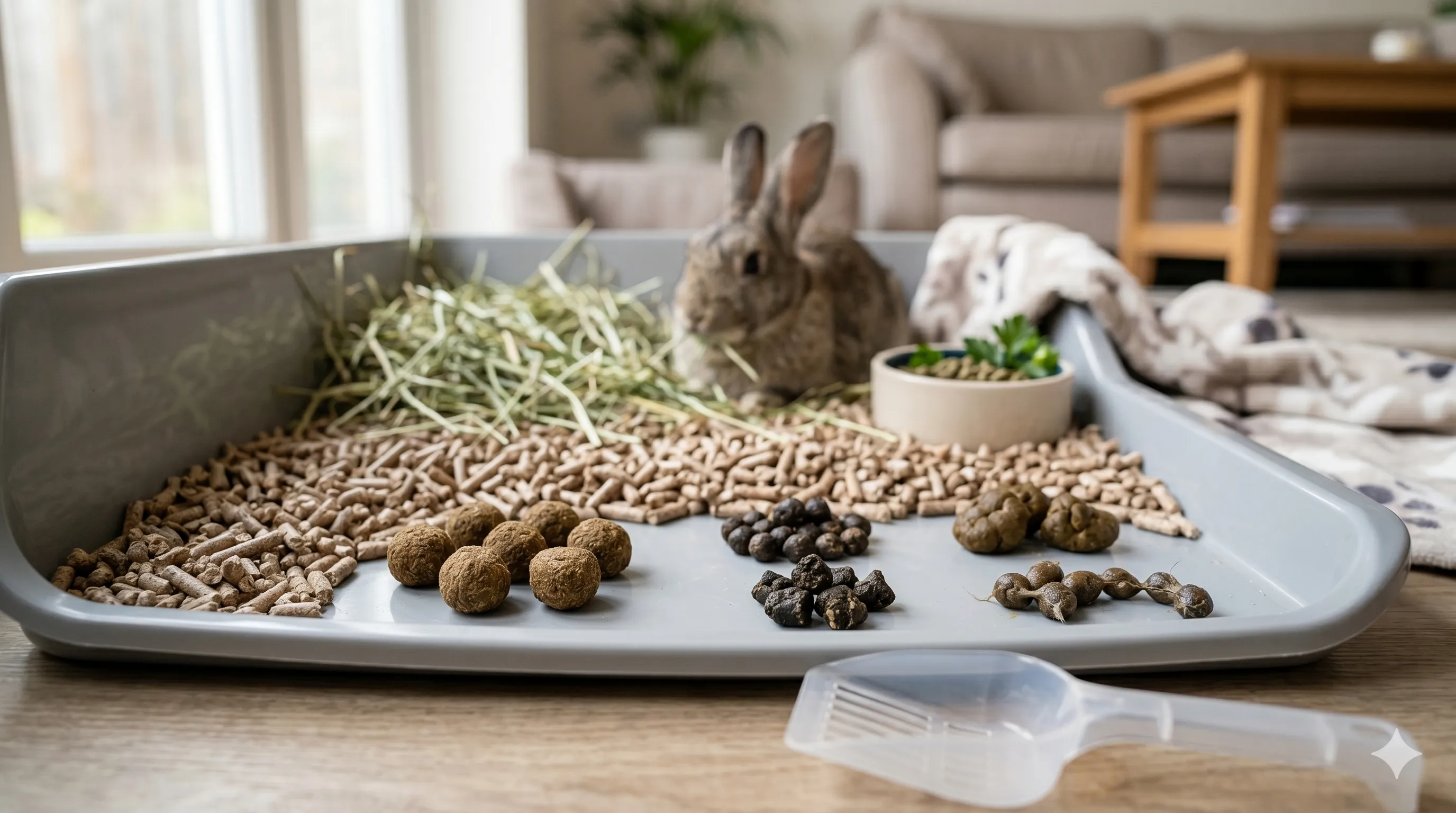
Why Rabbit Poop Matters So Much
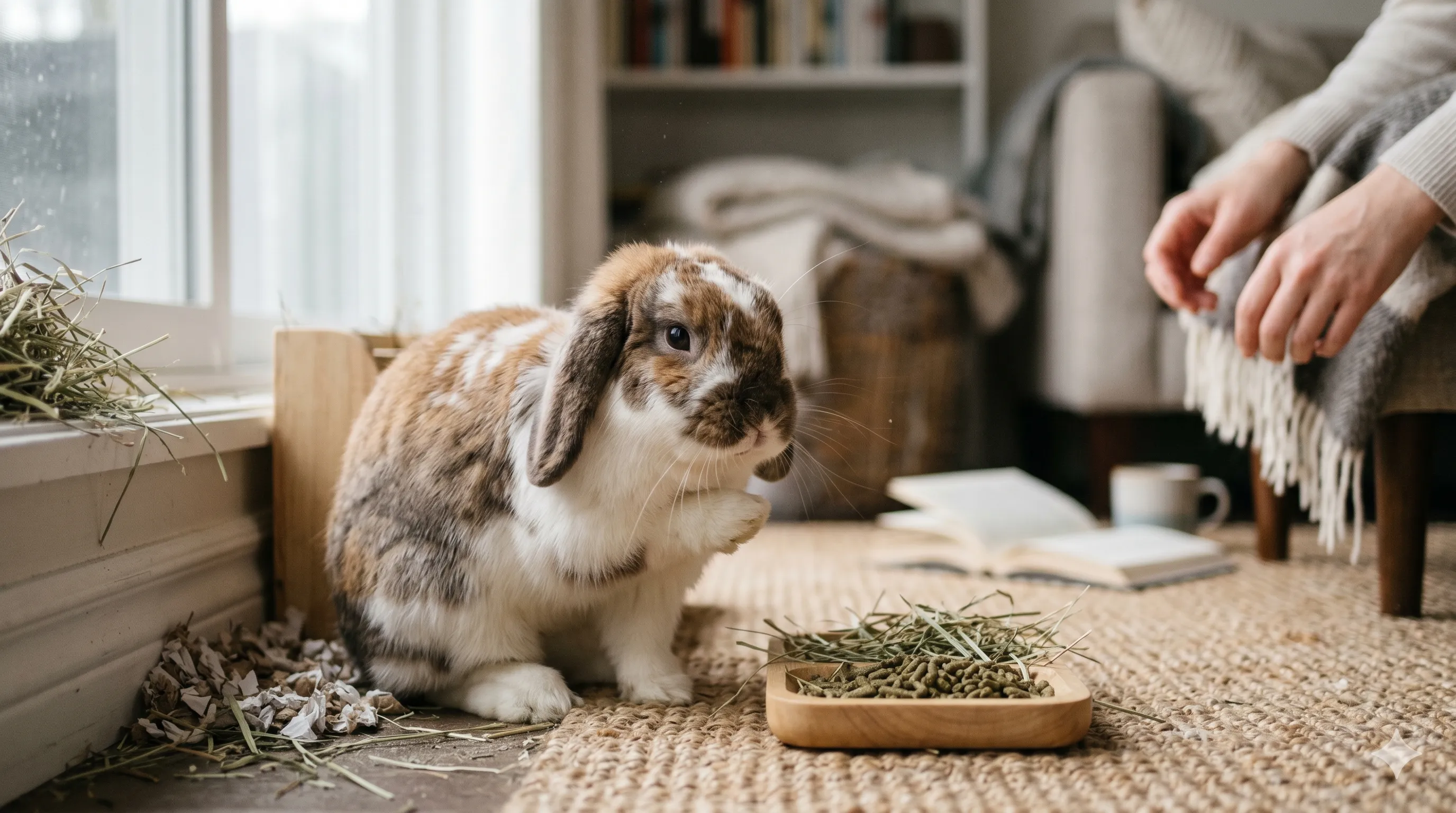
Rabbit digestion works very differently from many other pets. Rabbits rely heavily on constant fiber movement through the digestive tract to keep their gut functioning properly.
Because digestion moves continuously in healthy rabbits, poop production acts like a real-time health monitor.
Even small poop changes may signal:
- Stress
- Pain
- Dental disease
- Poor hydration
- Digestive imbalance
- Early GI stasis
- Reduced appetite
Many rabbit emergencies are first noticed through poop changes before other symptoms appear.
best leafy greens for rabbitsWhat Healthy Rabbit Poop Looks Like
Healthy rabbit poop is usually:
- Round and uniform
- Dry but not rock hard
- Medium brown in color
- Odorless or very mild smelling
- Consistent in size
- Produced frequently throughout the day
Healthy rabbits create hundreds of droppings daily because their digestive systems constantly process fiber.
Large consistent droppings usually suggest:
- Good hay intake
- Healthy gut movement
- Proper hydration
- Balanced digestion
Consistent hay intake is one of the biggest factors supporting healthy rabbit droppings.
can rabbits eat carrots dailyTypes of Rabbit Poop and What They Mean
Normal Round Pellets
These are the droppings rabbit owners want to see most often.
Healthy pellets generally indicate:
- Balanced diet
- Healthy fiber intake
- Proper hydration
- Strong digestive movement
Normal rabbit poop should feel firm and crumbly when crushed, often showing visible hay fibers inside.
Small Hard Rabbit Poop
Tiny hard pellets often suggest reduced food intake or slowing digestion.
Possible causes include:
- Stress
- Pain
- Early GI stasis
- Dehydration
- Dental disease
- Reduced hay consumption
Small droppings should never be ignored, especially if appetite also decreases.
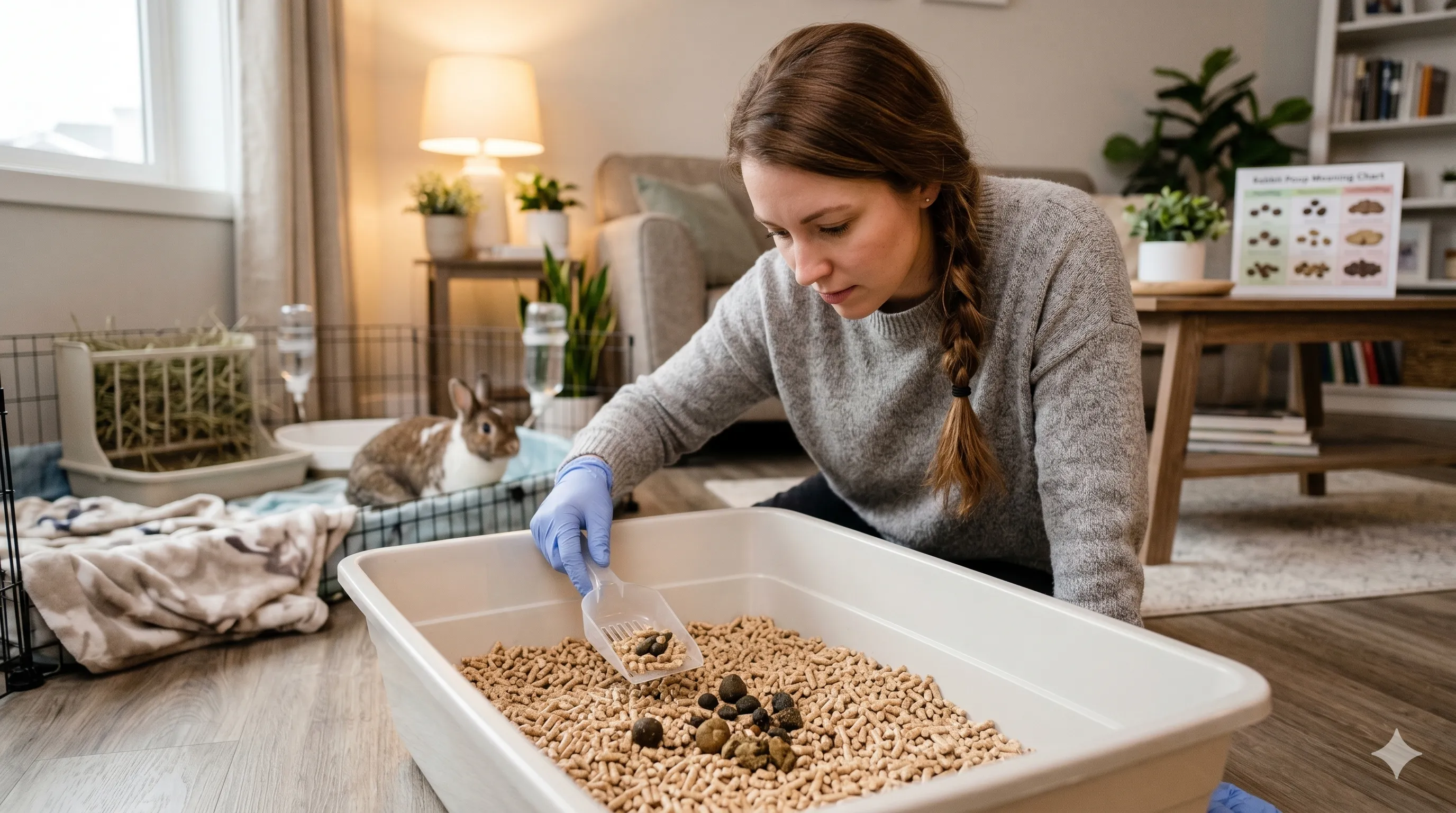
Sometimes owners notice poop gradually shrinking over several hours before a rabbit stops eating completely.
No Poop at All
If your rabbit completely stops producing droppings, this is considered a medical emergency.
Possible causes may include:
- GI stasis
- Severe digestive slowdown
- Intestinal blockage
- Critical illness
Rabbits that stop pooping often also:
- Stop eating
- Become lethargic
- Hide more often
- Show bloating
- Grind teeth from pain
Immediate veterinary care is required because rabbits can decline rapidly once digestion stops moving.
healthy vegetables for rabbitsSoft Mushy Stool
Soft unformed stool is different from normal rabbit cecotropes.
Possible causes include:
- Too many sugary treats
- Poor diet balance
- Sudden food changes
- Digestive imbalance
- Bacterial overgrowth
- Low fiber intake
Persistent mushy stool should always be investigated because it may indicate unhealthy gut bacteria balance.
Diarrhea in Rabbits
True diarrhea in rabbits is very serious and should always be treated as an emergency.
Symptoms may include:
- Watery stool
- Messy rear end
- Severe dehydration risk
- Lethargy
- Weakness
- Loss of appetite
Diarrhea can become life-threatening quickly in rabbits because they dehydrate extremely fast.
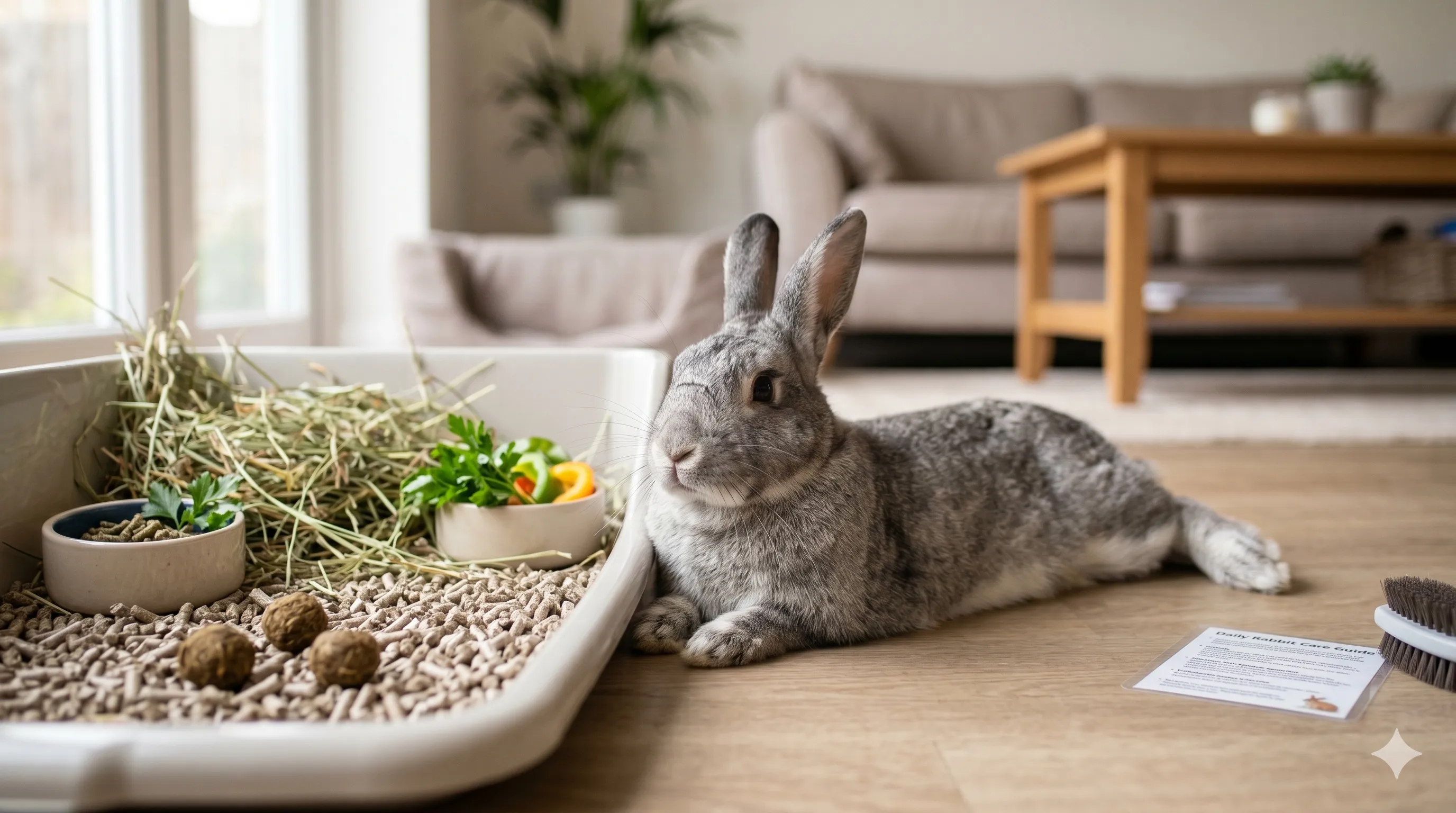
String-of-Pearls Rabbit Poop
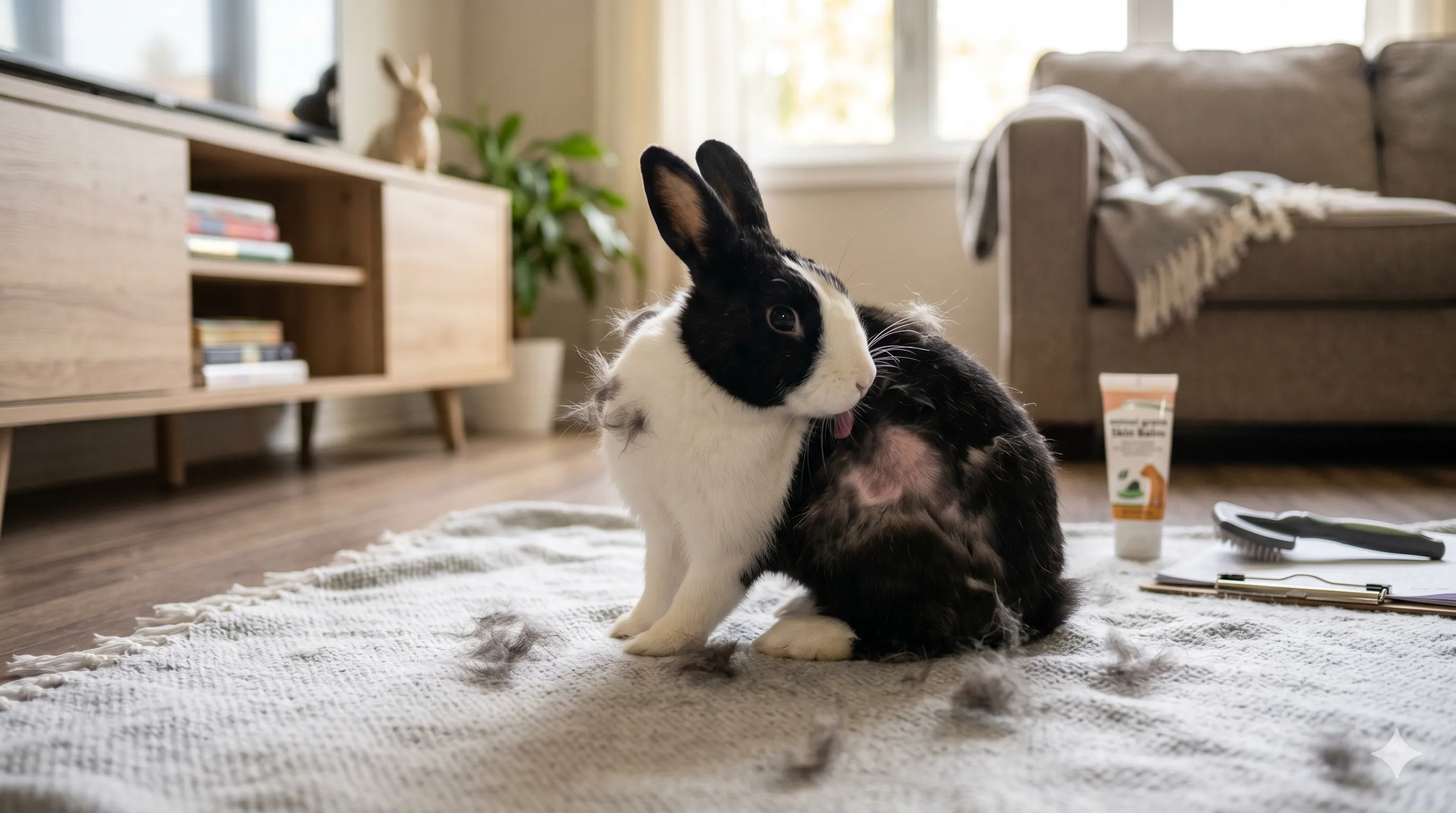
Sometimes rabbit droppings appear connected by strands of fur.
This commonly happens during shedding seasons when rabbits ingest excess fur while grooming themselves.
Occasional stringy poop may not always be dangerous, but excessive fur ingestion increases GI stasis risk.
Regular brushing and strong hay intake may help reduce complications.
Uneaten Cecotropes
Rabbits produce special nutrient-rich droppings called cecotropes that are normally re-eaten directly from the body.
Healthy rabbits usually consume cecotropes automatically, so owners rarely see them.
Uneaten cecotropes may suggest:
- Obesity
- Arthritis
- Poor diet
- Dental pain
- Digestive imbalance
- Mobility problems
Rabbit Cecotropes vs Normal Poop
Many first-time rabbit owners accidentally confuse cecotropes with diarrhea.
However, cecotropes are a completely normal part of rabbit digestion.
Cecotropes are usually:
- Softer
- Darker
- Cluster-shaped
- Stronger smelling
- Nutrient-rich
Rabbits re-eat cecotropes to absorb important nutrients created during fermentation inside the digestive tract.
What Causes Unhealthy Rabbit Poop?
Digestive problems in rabbits may result from:
- Low hay intake
- Too many sugary treats
- Stress
- Dental disease
- Pain
- Illness
- Dehydration
- Sudden dietary changes
- Lack of exercise
Because rabbits rely heavily on fiber for digestion, poor diet is one of the most common causes of unhealthy droppings. Our free rabbit feeding calculator estimates daily hay, pellet, and vegetable amounts to compare against what you currently feed.
healthy rabbit treatsEmergency Rabbit Poop Warning Signs
Contact a rabbit veterinarian immediately if your rabbit:
- Stops pooping completely
- Develops diarrhea
- Shows bloating
- Stops eating
- Becomes lethargic
- Produces extremely tiny droppings
- Shows pain signs like tooth grinding
Rabbits can deteriorate very quickly once digestive problems begin.
How to Keep Rabbit Poop Healthy
Provide Unlimited Hay
Hay is the foundation of healthy rabbit digestion.
High-fiber hay supports:
- Healthy gut movement
- Proper poop formation
- Natural tooth wear
- Digestive balance
Feed Balanced Leafy Greens
Healthy leafy greens may help support hydration and balanced nutrition.
Popular rabbit-safe greens include:
- Romaine lettuce
- Cilantro
- Parsley
- Bok choy
- Arugula
Limit Sugary Treats
Too much fruit or sugary vegetables may disrupt healthy gut bacteria.
Treats should always remain limited and portion-controlled.
Encourage Proper Hydration
Fresh clean water should always remain available.
Hydration supports healthy digestive movement and proper stool consistency.
rabbit hydration foodsMonitor Daily Changes
Checking droppings daily may help owners catch digestive problems early before emergencies develop.
Many experienced rabbit owners monitor poop size and quantity every day because subtle changes often appear before serious symptoms develop.
Example Scenario
The scenario below is an illustrative example of how this situation can play out, not a documented case study.
One rabbit owner noticed their bunny's droppings suddenly became much smaller and less frequent overnight. Because they recognized this as a warning sign, they contacted a rabbit veterinarian quickly.
The rabbit was diagnosed with early GI stasis and recovered successfully after prompt treatment.
Another owner discovered soft mushy stool developing after feeding excessive fruit treats regularly. Once sugary treats were reduced and hay intake increased, digestion improved significantly.
Small poop changes often provide important early clues about rabbit health.
Final Thoughts
Rabbit poop provides one of the clearest windows into your bunny's digestive health.
Healthy rabbit droppings should be round, dry, consistent, and produced frequently throughout the day.
Changes in size, texture, frequency, or appearance may indicate stress, poor diet, dehydration, GI stasis, or illness.
Because rabbit digestive systems are extremely sensitive, early detection and fast action can make a major difference in treatment outcomes.
Monitoring your rabbit's poop daily is one of the simplest and most important habits for responsible rabbit care.
This article is intended for educational purposes and should not replace professional veterinary care. If your rabbit stops pooping, develops diarrhea, becomes lethargic, or shows signs of digestive distress, contact a rabbit-experienced veterinarian immediately.
Medical Disclaimer
This content is provided for informational and educational purposes only and should not be considered veterinary, medical, behavioral, or training advice. While we strive for accuracy, we make no guarantees regarding completeness or results. Always consult a licensed veterinarian or qualified pet care professional before making decisions about your pet’s health, diet, or behavior.
AI Illustration Notice
Some images in this article may have been generated or enhanced using artificial intelligence for illustrative purposes.
Frequently Asked Questions
Healthy rabbit poop is usually round dry medium brown odorless and consistent in size.
Small droppings may indicate dehydration reduced eating stress pain or early GI stasis.
Yes, true diarrhea in rabbits is considered a medical emergency and requires urgent veterinary care.
Cecotropes are nutrient-rich soft droppings rabbits normally re-eat as part of healthy digestion.
Stopping poop production may indicate GI stasis or severe digestive problems and requires immediate veterinary attention.
Stringy poop often occurs when rabbits ingest excess fur during shedding seasons.
Provide unlimited hay balanced greens fresh water exercise and limit sugary treats to support healthy digestion.
You should worry if your rabbit stops pooping develops diarrhea produces extremely tiny droppings becomes lethargic or stops eating.
Editorial Note
This article is part of PetNurture's educational library.
Topics draw on publicly available educational resources, recognised veterinary organisations, academic publications and established animal welfare references where appropriate.
The specific sources this article draws on are listed in its References section. If you spot an error, please let us know.
References
The information in this article has been reviewed and supported using the following sources.
House Rabbit Society
Directly confirms GI stasis as a life-threatening rabbit emergency associated with reduced or absent droppings; supports the 'No Poop at All' section of this article.
Accessed Aug 6, 2026
VCA Animal Hospitals
Confirms GI stasis develops when rabbits stop eating, allowing harmful bacteria to overgrow and further suppress appetite; supports the emphasis on early detection through poop changes in this article.
Accessed Aug 6, 2026
Pet Emergency Guidance
Every pet is unique. If your pet exhibits severe symptoms, sudden behavioral changes, or a medical emergency, do not rely on online guides — contact a licensed veterinarian or emergency clinic immediately.
About PetNurture
PetNurture is an educational library of pet care guides, interactive tools and practical resources for pet parents. We work continuously to keep our content accurate and up to date. Reader feedback helps us maintain content quality.
Related Articles
Popular Rabbit Guides