Why Is My Rabbit Losing Fur? Molting vs Health Problems Explained
- Why Is My Rabbit Losing Fur? (Quick Answer)
- Is Fur Loss Normal in Rabbits?
- What Does Normal Rabbit Molting Look Like?
- Most Common Reasons Rabbits Lose Fur
- Seasonal Molting
- Rabbit Mites or Parasites
- Fungal Infections (Ringworm)
- Stress or Anxiety
- Poor Diet or Nutrition
- Hormonal or Medical Problems
- How to Tell Molting vs Health Problems
- Rabbit Fur Loss Warning Signs That Require Veterinary Care
- Why Grooming Matters During Molting
- How to Help a Molting Rabbit Safely
- Brush Regularly
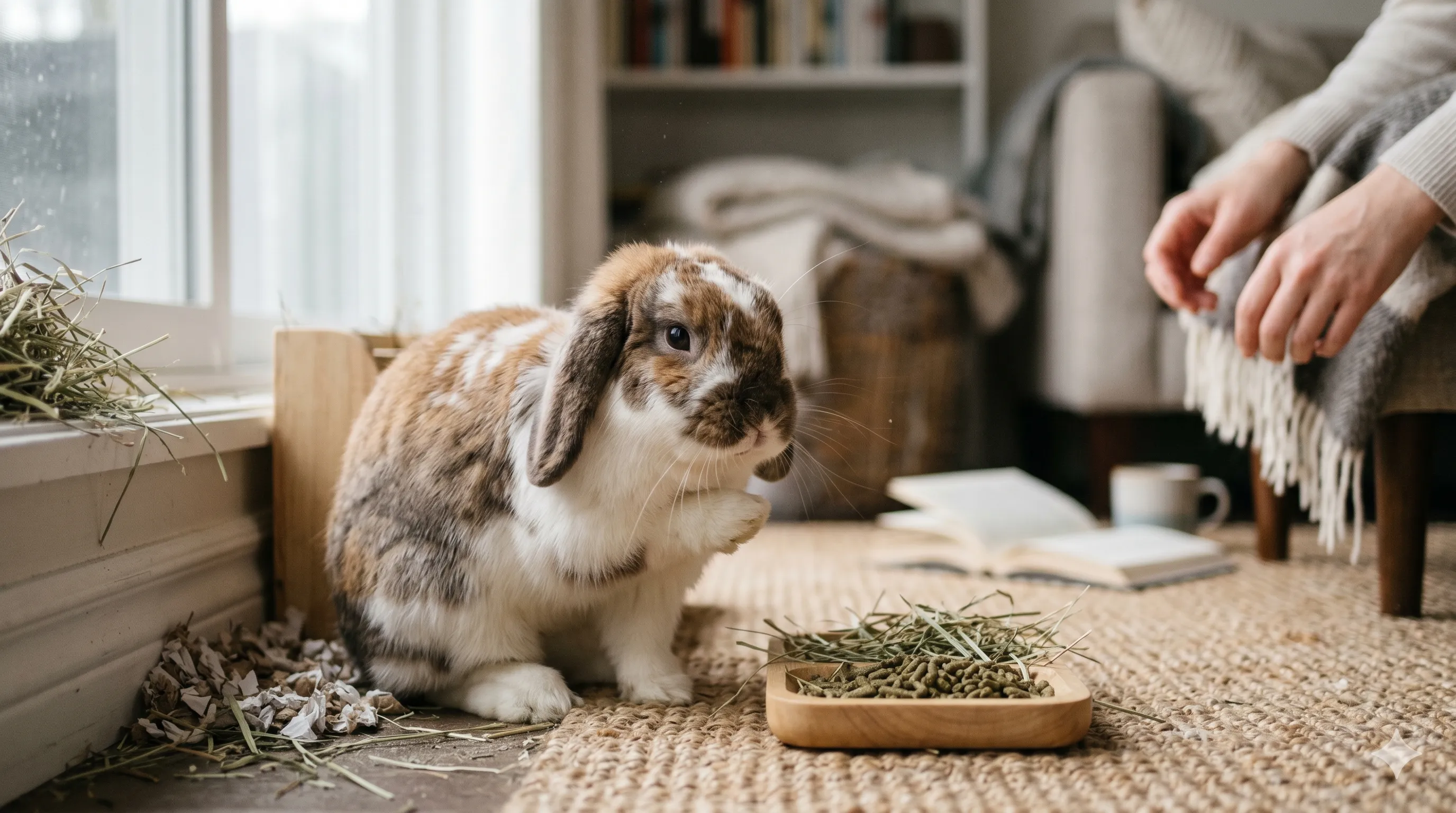
- Encourage Hay Consumption
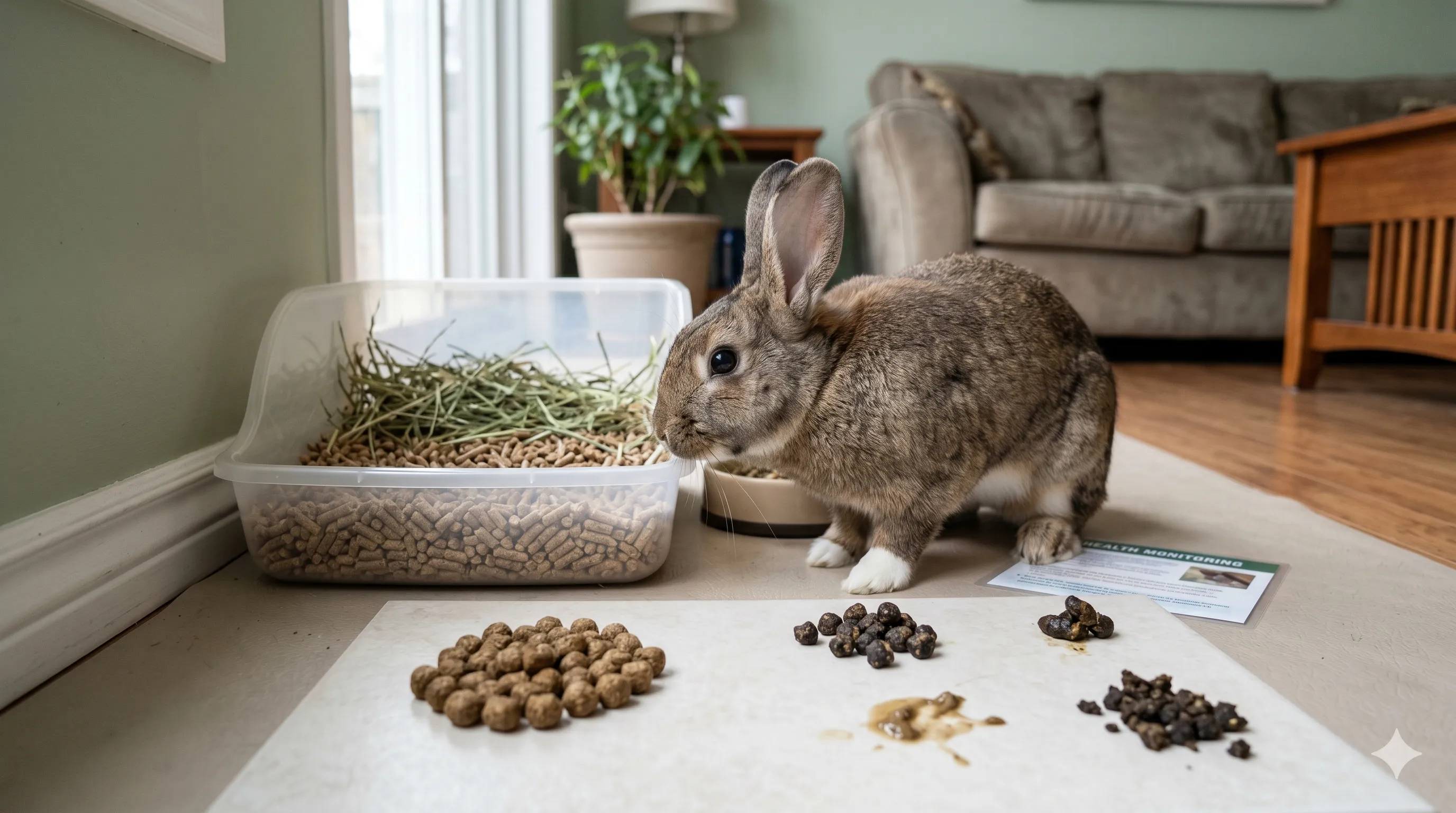
- Monitor Droppings Closely
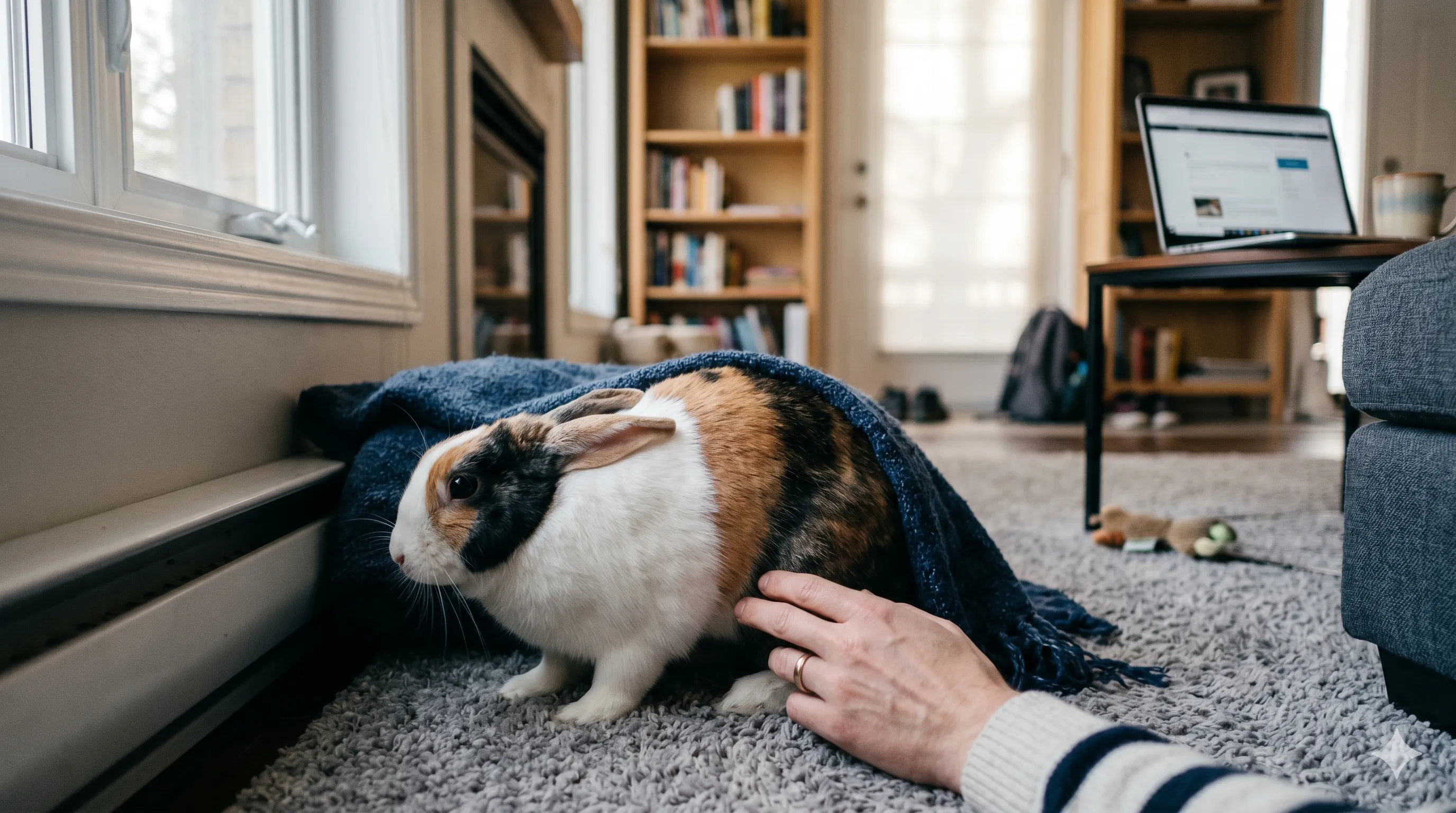
- Reduce Environmental Stress
- How Veterinarians Diagnose Rabbit Fur Loss
- Common Rabbit Fur Loss Myths
- Myth: Bald Patches Are Always Normal Molting
- Myth: Indoor Rabbits Do Not Molt
- Myth: Rabbits Groom Fur Like Cats Safely
- Example Scenario
- Final Thoughts
Note: This article is for informational purposes only and does not replace professional veterinary advice.
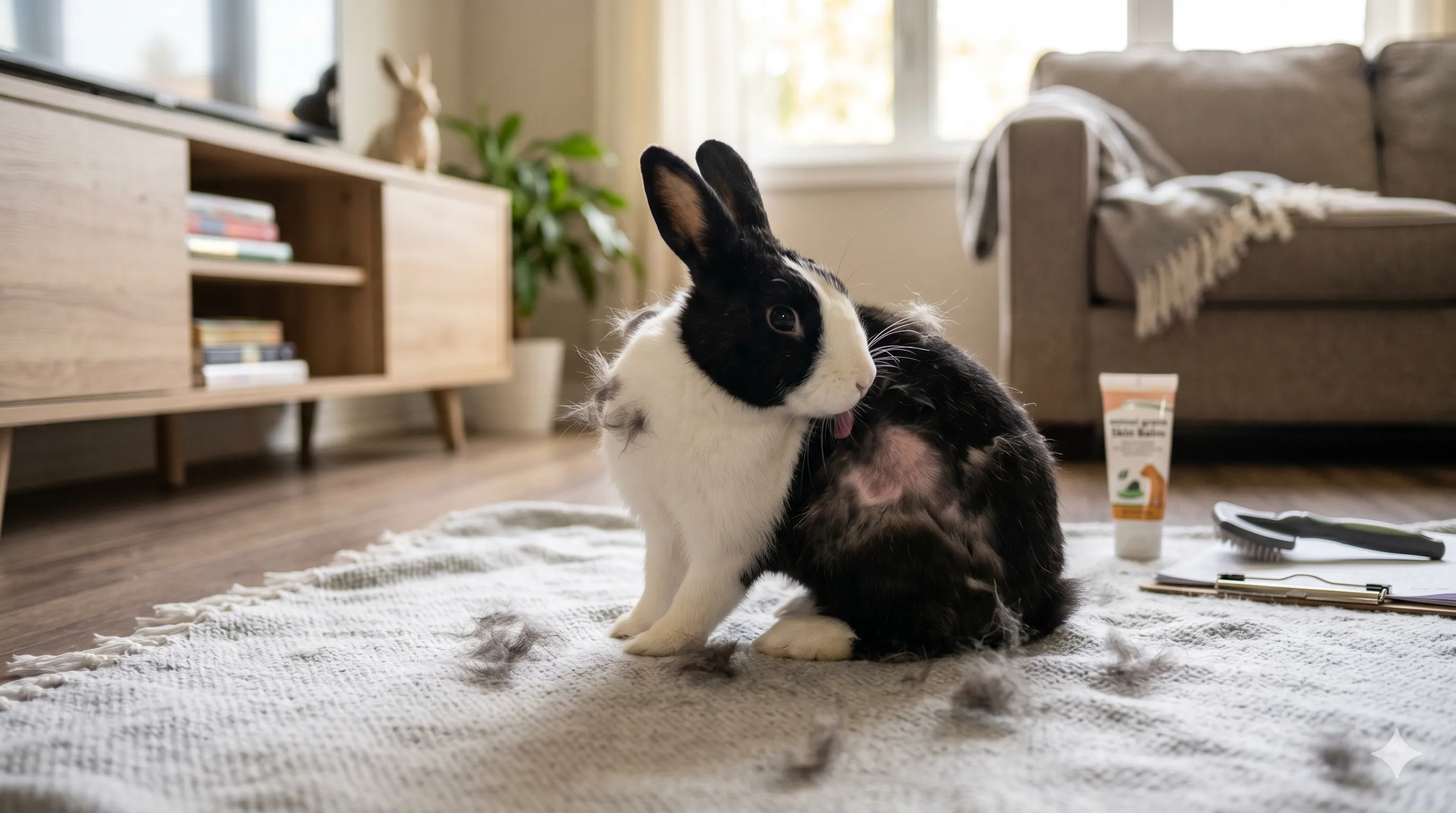
Finding clumps of fur around your rabbit’s enclosure or noticing bald patches on your bunny can be worrying for any owner. If you've been asking "why is my rabbit losing fur?", the answer depends on whether the shedding is part of normal molting or a sign of an underlying health problem.
Rabbits naturally shed their fur several times each year, and seasonal molting can sometimes look dramatic. During heavy molts, some owners are shocked by just how much loose fur appears around the home.
However, unusual fur loss, irritated skin, excessive scratching, crusting, redness, flaky skin, or large bald patches may indicate parasites, fungal infections, stress, hormonal problems, poor nutrition, or illness.
Because rabbits instinctively hide signs of weakness, coat and skin changes often become one of the earliest visible warning signs that something may be wrong.
Understanding the difference between healthy shedding and abnormal fur loss is essential for responsible rabbit care.
In this complete guide, you'll learn the most common reasons rabbits lose fur, how to recognize normal molting, dangerous warning signs, prevention tips, and when to contact a rabbit-experienced veterinarian.
Why Is My Rabbit Losing Fur? (Quick Answer)
Rabbits naturally lose fur during seasonal molting, but excessive shedding, bald spots, inflamed skin, crusting, redness, sores, or severe itching may indicate parasites, fungal infections, stress, poor diet, hormonal problems, or illness. Normal molting usually produces even shedding with healthy skin underneath.
Sudden severe fur loss or irritated skin should always be monitored carefully.
Is Fur Loss Normal in Rabbits?
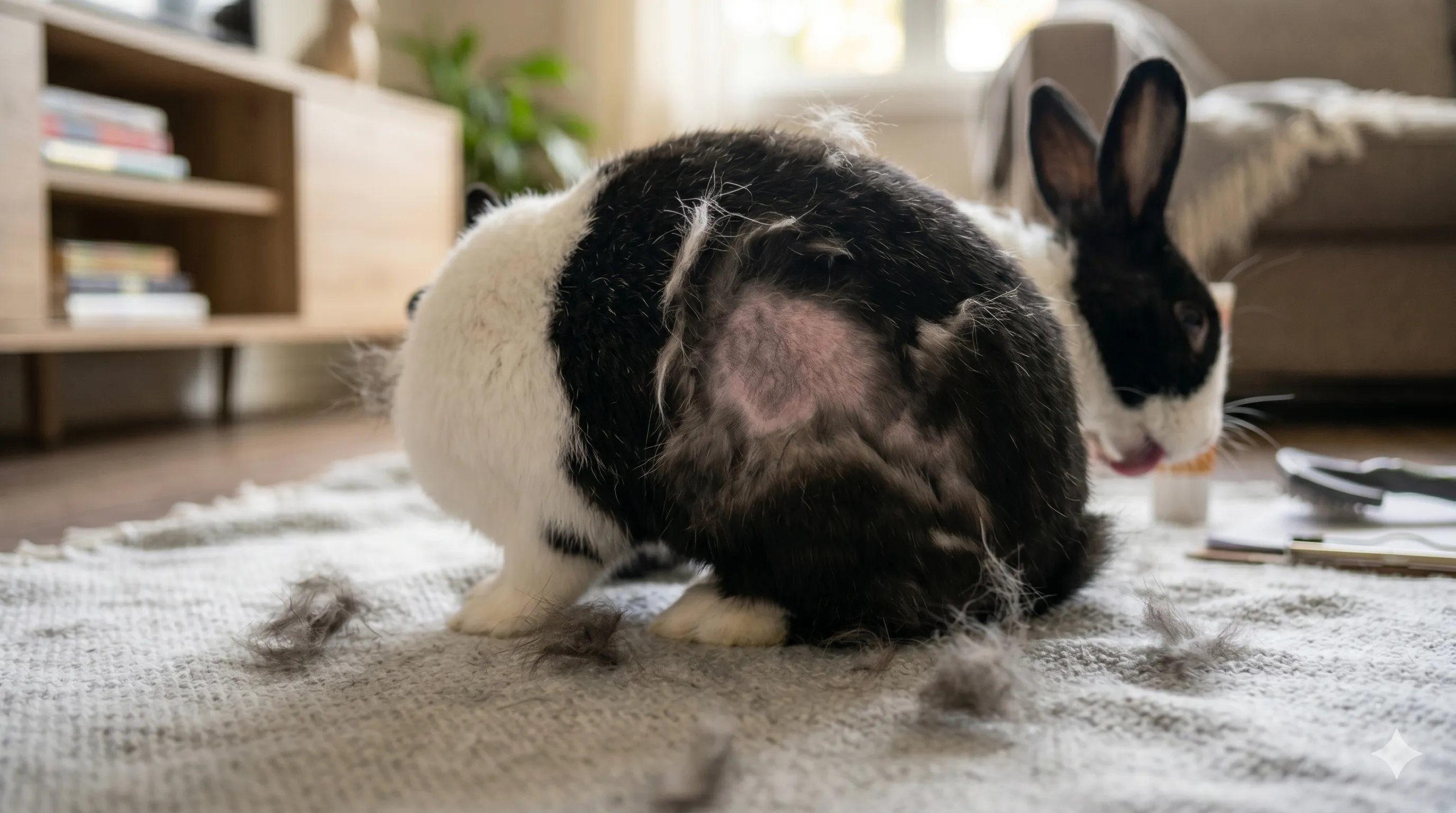
Yes, rabbits naturally shed their fur multiple times yearly.
This process is called molting.
During normal molting:
- Loose fur appears gradually
- New fur grows underneath
- Skin usually remains healthy
- No severe redness appears
- Energy and appetite stay normal
- Temporary uneven coat patterns may develop
Some rabbits molt lightly while others seem to "explode" with fur for several weeks.
Indoor rabbits may shed more gradually year-round because artificial lighting and indoor temperatures affect natural seasonal coat cycles.
healthy rabbit poop signsWhat Does Normal Rabbit Molting Look Like?
Healthy rabbit molting often includes:
- Even fur thinning
- Loose tufts of hair
- Patchy but smooth shedding
- Healthy pink skin underneath
- Normal eating habits
- Normal droppings and activity
Many rabbits molt heavily during spring and fall seasonal changes.
Molting may last anywhere from several days to multiple weeks depending on breed, environment, age, and coat type.
Long-haired rabbit breeds usually require much more grooming support during shedding periods.
Most Common Reasons Rabbits Lose Fur
Seasonal Molting
Seasonal shedding is by far the most common reason rabbits lose fur.
Outdoor rabbits often experience stronger seasonal coat changes while indoor rabbits may molt more inconsistently throughout the year.
During heavy molts:
- Fur may come out in clumps
- Brushes fill quickly
- Hair appears throughout the enclosure
- Uneven coat patterns may temporarily develop
- Owners may notice "tufts" sticking outward
Although dramatic-looking, healthy molting alone is not dangerous when the rabbit remains otherwise healthy.
Rabbit Mites or Parasites
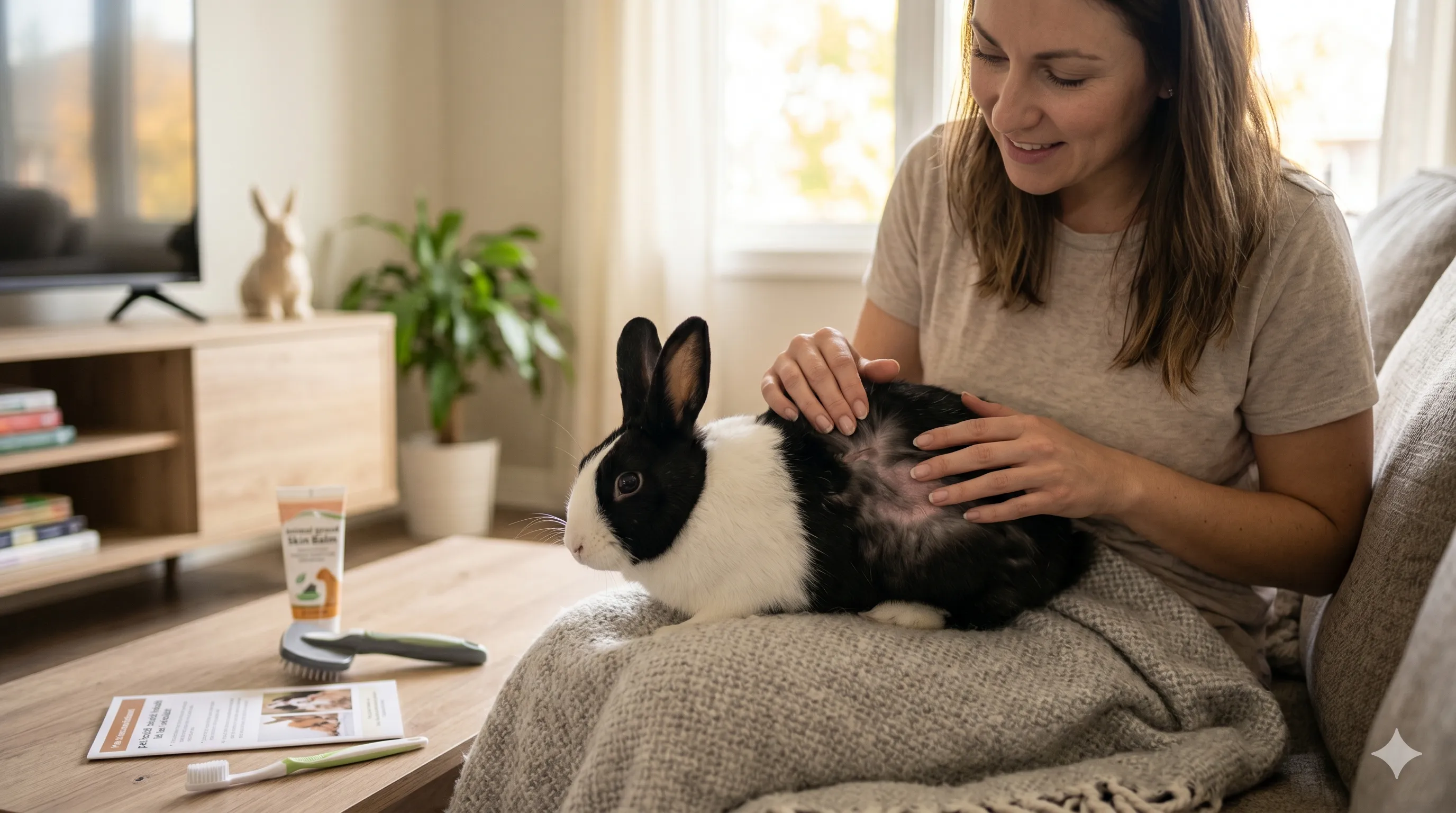
Parasites are one of the most common medical causes of abnormal rabbit fur loss.
Fur mites may cause:
- Bald patches
- Flaky skin
- Crusting
- Excess scratching
- Skin irritation
- Scab-like debris
Some rabbits become extremely itchy while others show surprisingly mild symptoms.
Ear mites may also contribute to scratching around the head and ears.
rabbit urine warning signsFungal Infections (Ringworm)
Fungal infections such as ringworm may cause circular bald spots and irritated skin.
Possible symptoms include:
- Hair loss
- Red skin
- Scaly patches
- Crusting
- Skin irritation
- Patchy fur thinning
Ringworm can sometimes spread to humans and other pets, making early diagnosis important.
Veterinary testing is often necessary because fungal infections can resemble mites or other skin diseases.
Stress or Anxiety
Stress may contribute to over-grooming, fur pulling, and increased shedding.
Common stress triggers include:
- Loud noises
- Loneliness
- Sudden environmental changes
- Poor housing conditions
- Lack of enrichment
- Predator stress
Some bonded rabbits may also pull each other’s fur during dominance disputes or stress-related behavior.
Poor Diet or Nutrition
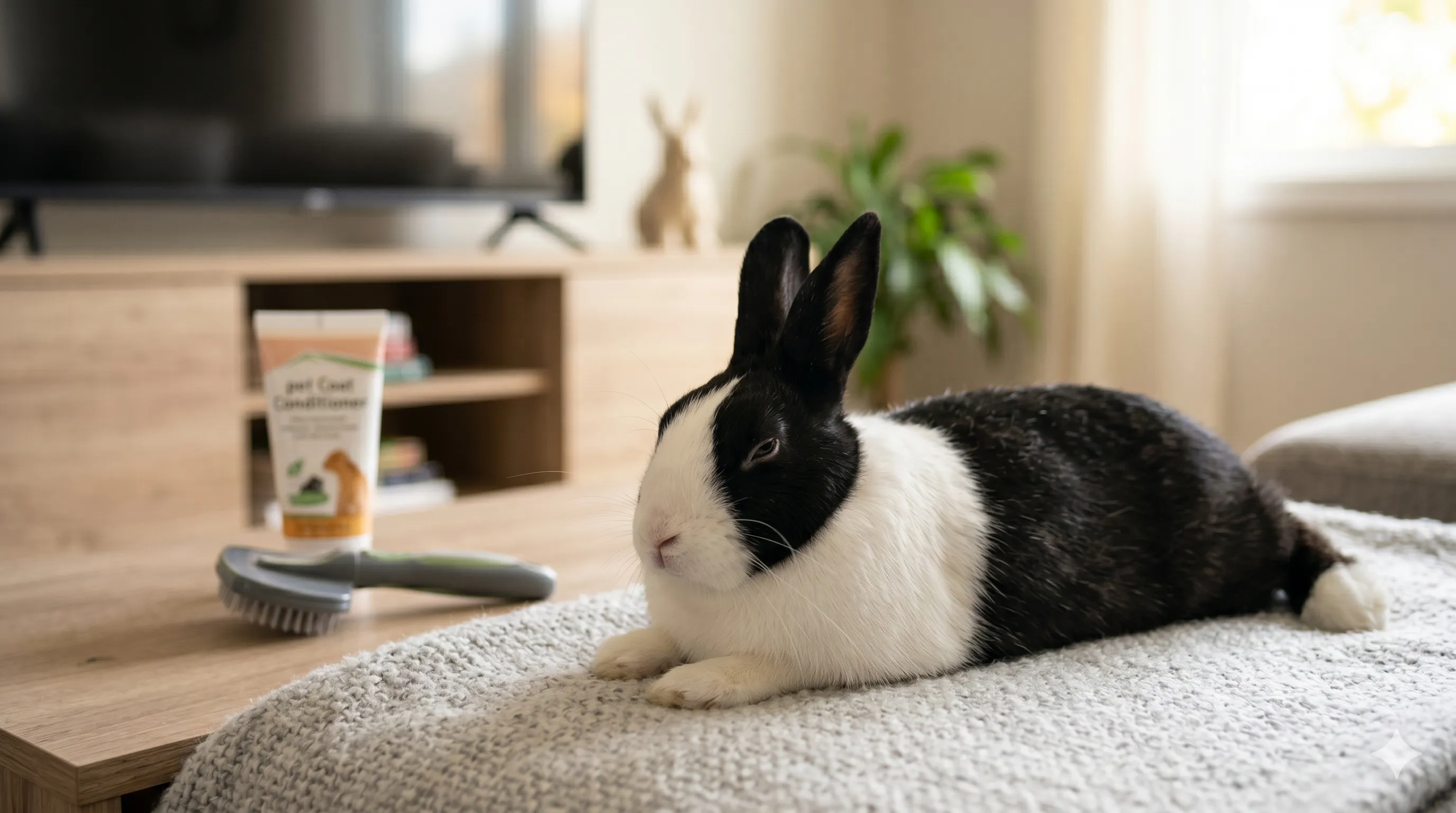
Rabbits require balanced high-fiber diets for healthy skin and coat quality.
Poor nutrition may contribute to:
- Dull fur
- Weak coat condition
- Excessive shedding
- Poor skin quality
- Slower fur regrowth
Unlimited hay remains one of the most important foundations for healthy rabbit digestion, skin, and overall wellness.
best leafy greens for rabbitsHormonal or Medical Problems
Less commonly, hormonal imbalance or illness may contribute to unusual fur loss.
Possible causes include:
- Reproductive disease
- Chronic illness
- Skin infections
- Immune problems
- Pain-related over-grooming
Persistent unexplained fur loss should always be professionally evaluated.
How to Tell Molting vs Health Problems
| Symptom | Likely Meaning |
|---|---|
| Even seasonal shedding | Normal molting |
| Healthy skin underneath | Normal shedding |
| Bald spots with redness | Possible infection or parasites |
| Crusty or flaky skin | Possible mites or fungus |
| Excess scratching | Possible irritation or parasites |
| Lethargy with fur loss | Medical concern |
Rabbit Fur Loss Warning Signs That Require Veterinary Care
Contact a rabbit veterinarian immediately if fur loss occurs alongside:
- Red inflamed skin
- Open sores
- Large bald patches
- Crusty skin
- Severe itching
- Bleeding skin
- Lethargy
- Appetite loss
- Weight loss
Skin disease and parasites can worsen quickly without treatment.
hydrating foods for rabbitsWhy Grooming Matters During Molting
Rabbits cannot vomit like cats.
When rabbits swallow excessive fur during grooming, hair may accumulate inside the digestive tract.
This increases the risk of:
- GI stasis
- Reduced appetite
- Digestive slowdown
- Stringy droppings
- Painful gas buildup
Regular brushing helps remove loose fur before it gets swallowed.
Heavy molting periods require especially close digestive monitoring.
safe vegetables for rabbitsHow to Help a Molting Rabbit Safely
Brush Regularly
Frequent grooming helps remove loose fur safely.
Long-haired rabbit breeds often require especially frequent brushing sessions during heavy molts.
Encourage Hay Consumption
High-fiber hay helps support healthy digestion during shedding seasons.
Hay also helps move swallowed fur through the digestive tract more effectively.
Monitor Droppings Closely
Watch carefully for:
- Smaller droppings
- Reduced droppings
- Stringy poop connected with fur
- Appetite changes
- Digestive slowdown
Digestive problems during molting should never be ignored.
Reduce Environmental Stress
Provide:
- Quiet environments
- Consistent routines
- Safe hiding areas
- Enrichment activities
- Comfortable housing
Reducing stress may help minimize over-grooming behaviors.
healthy rabbit treatsHow Veterinarians Diagnose Rabbit Fur Loss
A rabbit-experienced veterinarian may use:
- Physical examination
- Skin scrapings
- Fungal testing
- Parasite evaluation
- Diet review
- Medical history assessment
Identifying the exact cause helps guide proper treatment and prevent worsening skin problems.
Common Rabbit Fur Loss Myths
Myth: Bald Patches Are Always Normal Molting
False. While patchy shedding can occur naturally, redness, sores, crusting, or inflamed skin may indicate medical problems.
Myth: Indoor Rabbits Do Not Molt
False. Indoor rabbits still molt, although shedding patterns may become less seasonal.
Myth: Rabbits Groom Fur Like Cats Safely
False. Rabbits cannot vomit hairballs, making swallowed fur potentially dangerous during heavy shedding seasons.
Example Scenario
The scenario below is an illustrative example of how this situation can play out, not a documented case study.
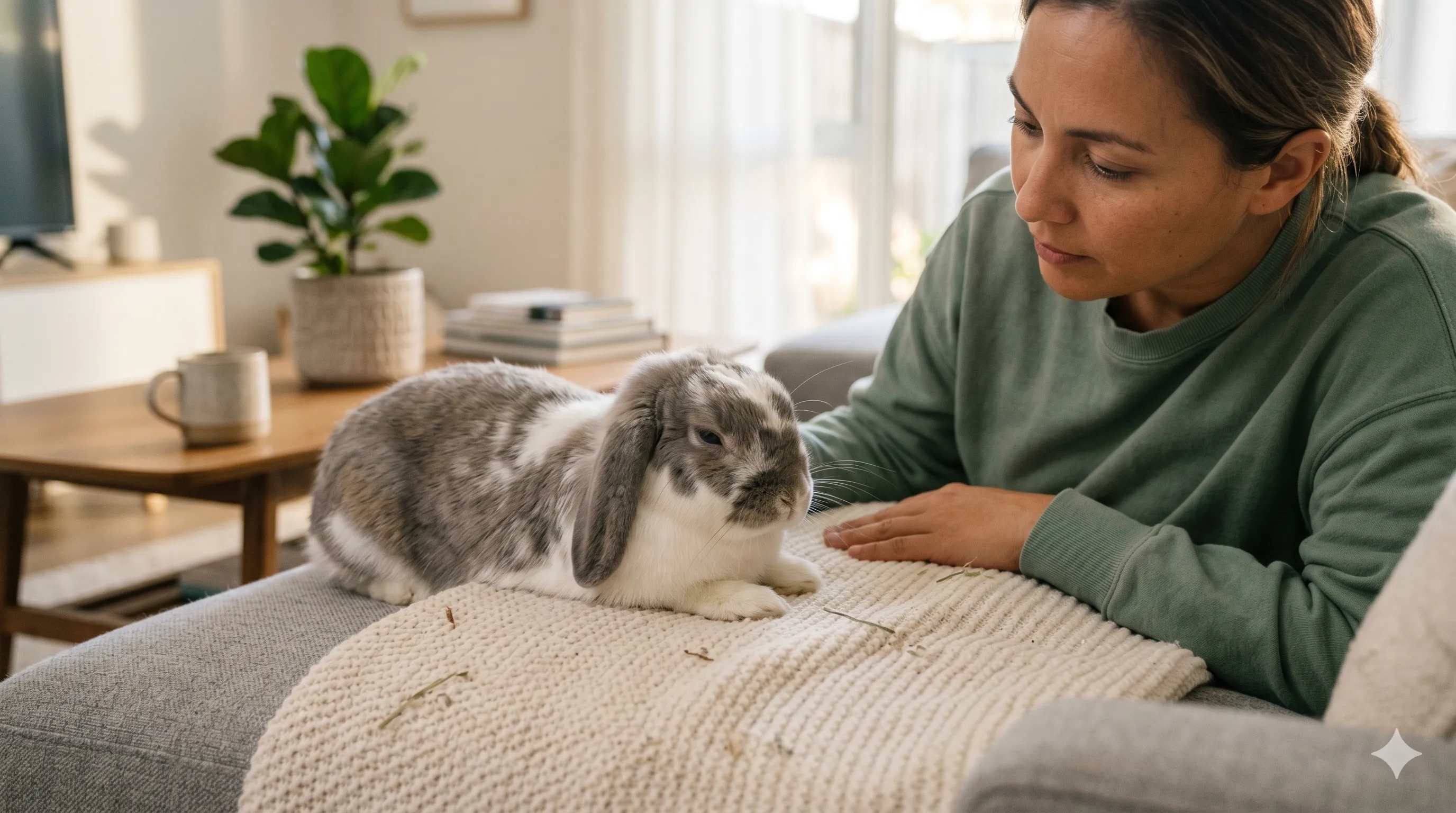
One rabbit owner became worried after discovering large clumps of fur around their bunny’s enclosure during spring. Fortunately, the rabbit maintained healthy skin, appetite, and energy levels, and the heavy shedding turned out to be normal seasonal molting.
Another owner noticed crusty bald patches developing around the ears along with scratching behavior. Veterinary testing later confirmed fur mites requiring treatment.
Looking closely at the skin itself often helps determine whether fur loss is normal or medical.
Final Thoughts
If your rabbit is losing fur, the first step is determining whether the shedding appears normal or abnormal.
Seasonal molting is completely natural and can sometimes look dramatic, especially during heavy coat changes.
However, bald patches, irritated skin, itching, crusting, or behavior changes may indicate parasites, infections, stress, or underlying illness.
Because rabbits hide health problems extremely well, monitoring coat condition carefully can help detect issues early.
Whenever fur loss seems severe, unusual, or accompanied by other symptoms, consulting a rabbit-experienced veterinarian is always the safest approach.
This article is intended for educational purposes and should not replace professional veterinary care. If your rabbit develops severe fur loss, skin irritation, lethargy, appetite loss, or signs of illness, contact a rabbit-experienced veterinarian immediately.
Medical Disclaimer
This content is provided for informational and educational purposes only and should not be considered veterinary, medical, behavioral, or training advice. While we strive for accuracy, we make no guarantees regarding completeness or results. Always consult a licensed veterinarian or qualified pet care professional before making decisions about your pet’s health, diet, or behavior.
AI Illustration Notice
Some images in this article may have been generated or enhanced using artificial intelligence for illustrative purposes.
Frequently Asked Questions
Heavy shedding is often caused by normal seasonal molting but parasites stress infections or illness may also contribute.
Yes, rabbits naturally molt several times yearly and may shed heavily during seasonal coat changes.
Bald spots may result from mites fungal infections stress grooming injuries or skin disease.
Normal molting usually involves healthy skin underneath without redness sores or severe irritation.
Yes, fur mites commonly cause bald patches flaky skin crusting and itching in rabbits.
Brushing reduces swallowed fur and helps lower the risk of GI stasis and digestive problems.
Seek veterinary care if fur loss occurs with redness crusting itching lethargy appetite loss or large bald patches.
Yes, stress anxiety environmental changes and boredom may contribute to excessive shedding or over-grooming behavior.
Editorial Note
This article is part of PetNurture's educational library.
Topics draw on publicly available educational resources, recognised veterinary organisations, academic publications and established animal welfare references where appropriate.
The specific sources this article draws on are listed in its References section. If you spot an error, please let us know.
References
The information in this article has been reviewed and supported using the following sources.
VCA Animal Hospitals
Confirms the Cheyletiella fur mite causes flaky skin and hair loss, especially in rabbits unable to groom well due to dental or mobility problems; supports the 'Rabbit Mites or Parasites' section of this article.
Accessed Aug 6, 2026
House Rabbit Society
Confirms GI stasis risk from swallowed fur is a serious rabbit emergency; supports the 'Why Grooming Matters During Molting' section of this article.
Accessed Aug 6, 2026
Pet Emergency Guidance
Every pet is unique. If your pet exhibits severe symptoms, sudden behavioral changes, or a medical emergency, do not rely on online guides — contact a licensed veterinarian or emergency clinic immediately.
About PetNurture
PetNurture is an educational library of pet care guides, interactive tools and practical resources for pet parents. We work continuously to keep our content accurate and up to date. Reader feedback helps us maintain content quality.
Related Articles
Popular Rabbit Guides