Can Rabbits Eat Lettuce? Best Types, Risks & Dangerous Lettuce to Avoid
- Can Rabbits Eat Lettuce? (Quick Answer)
- Is Lettuce Actually Healthy for Rabbits?
- Best Types of Lettuce for Rabbits
- 1. Romaine Lettuce
- 2. Green Leaf Lettuce
- 3. Red Leaf Lettuce
- 4. Butter Lettuce
- Why Iceberg Lettuce Is Often Discouraged
- Problems With Iceberg Lettuce
- Can Rabbits Eat Lettuce Every Day?
- Benefits of Feeding Lettuce to Rabbits
- 1. Hydration Support
- 2. Mental Enrichment
- 3. Healthy Low-Calorie Feeding
- Common Lettuce Feeding Mistakes Rabbit Owners Make
- 1. Feeding Too Much Iceberg Lettuce
- 2. Replacing Hay With Vegetables
- 3. Introducing Greens Too Quickly
- 4. Feeding Wet or Spoiled Lettuce
- Can Baby Rabbits Eat Lettuce?
- How to Introduce Lettuce Safely
- Safe Introduction Tips
- Signs Your Rabbit May Not Tolerate Lettuce Well
- Best Vegetables to Rotate With Lettuce
- Example Scenario
- Final Thoughts
Note: This article is for informational purposes only and does not replace professional veterinary advice.
Lettuce is one of the first foods many people think about when feeding rabbits. Cartoons, movies, pet store advertisements, and children’s books often show bunnies happily eating giant lettuce leaves. Because of this, many rabbit owners naturally wonder "can rabbits eat lettuce safely?" and whether all lettuce varieties are actually healthy for rabbits.
The truth is a little more complicated than most people expect.
Yes, rabbits can safely eat certain types of lettuce, and some varieties can actually become excellent additions to a healthy rabbit diet. However, not all lettuce types provide the same nutritional value. Some lettuces are highly nutritious and rabbit-friendly, while others contain mostly water and very little fiber.
Choosing the right leafy greens matters because rabbits have extremely sensitive digestive systems that rely heavily on fiber-rich foods for proper gut movement and long-term health.
Many new rabbit owners are surprised to learn that feeding too much watery lettuce or relying only on one vegetable type may contribute to digestive imbalance, picky eating habits, or reduced hay consumption.
In this guide, you'll learn:
- Which lettuce types are safest for rabbits
- Why iceberg lettuce is controversial
- The healthiest leafy greens for daily feeding
- Proper serving sizes and feeding frequency
- Common lettuce feeding mistakes
- How to introduce greens safely
- Signs your rabbit may not tolerate lettuce well
Can Rabbits Eat Lettuce? (Quick Answer)
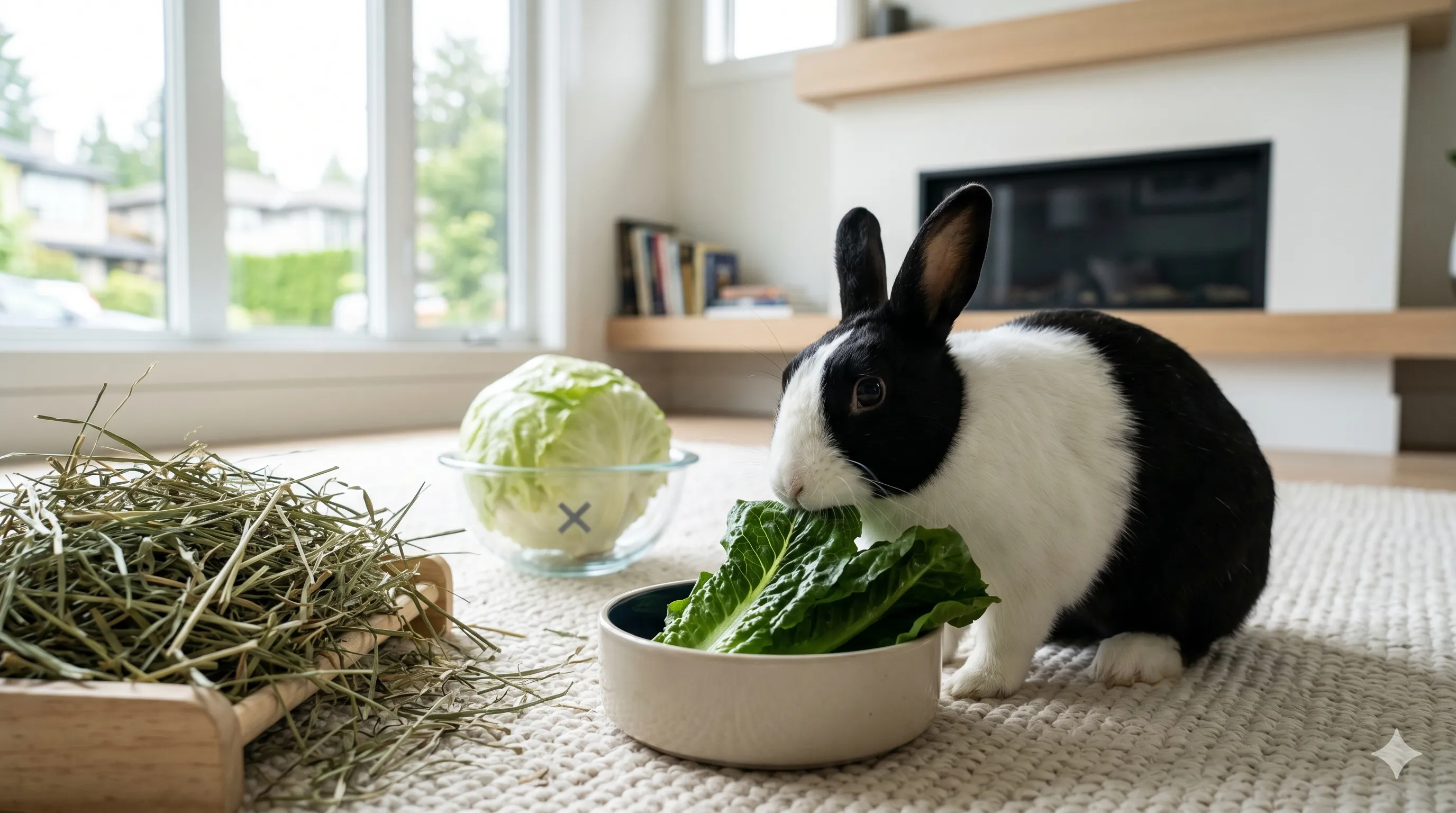
Yes, rabbits can safely eat many lettuce varieties in moderation. Dark leafy lettuces like romaine lettuce, green leaf lettuce, and red leaf lettuce are generally healthy options that provide hydration, fiber, and useful nutrients.
However, iceberg lettuce should mostly be avoided because it contains very little nutritional value and excessive amounts may contribute to digestive imbalance due to its extremely high water content.
Lettuce should always be fed alongside unlimited hay, which remains the foundation of a healthy rabbit diet.
Is Lettuce Actually Healthy for Rabbits?
Certain lettuce varieties can absolutely be healthy additions to a rabbit’s diet when fed properly.
Healthy leafy greens help provide:
- Dietary variety
- Hydration support
- Mental enrichment
- Additional fiber
- Vitamins and antioxidants
Dark leafy lettuces may contain nutrients such as:
- Vitamin A
- Vitamin K
- Folate
- Potassium
- Plant antioxidants
- Small amounts of calcium
However, lettuce should never replace hay.
Hay is still the single most important food in a rabbit’s diet because it supports:
- Continuous gut movement
- Healthy digestion
- Natural tooth wear
- Prevention of GI stasis
- Balanced gut bacteria
Best Types of Lettuce for Rabbits
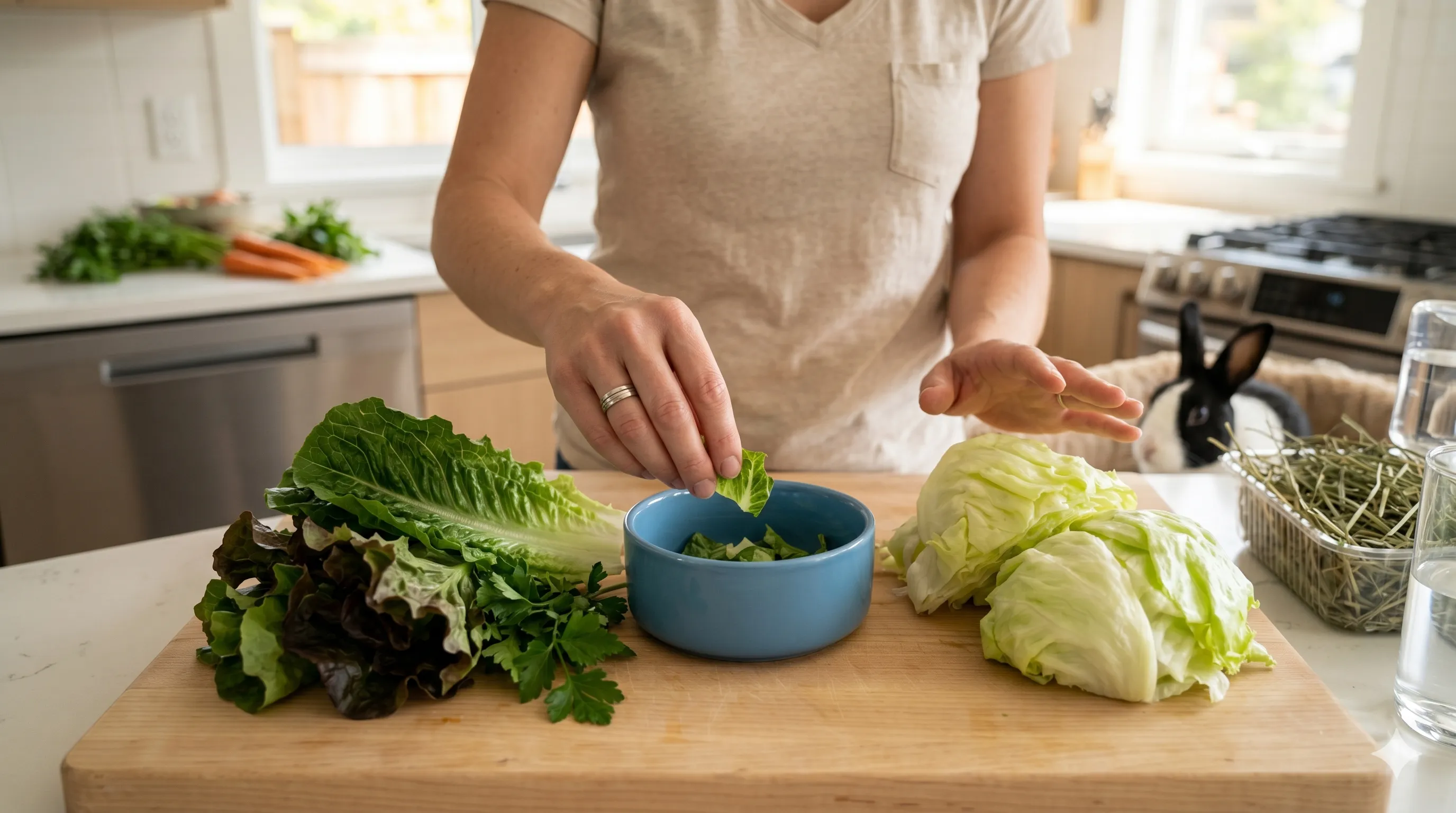
1. Romaine Lettuce
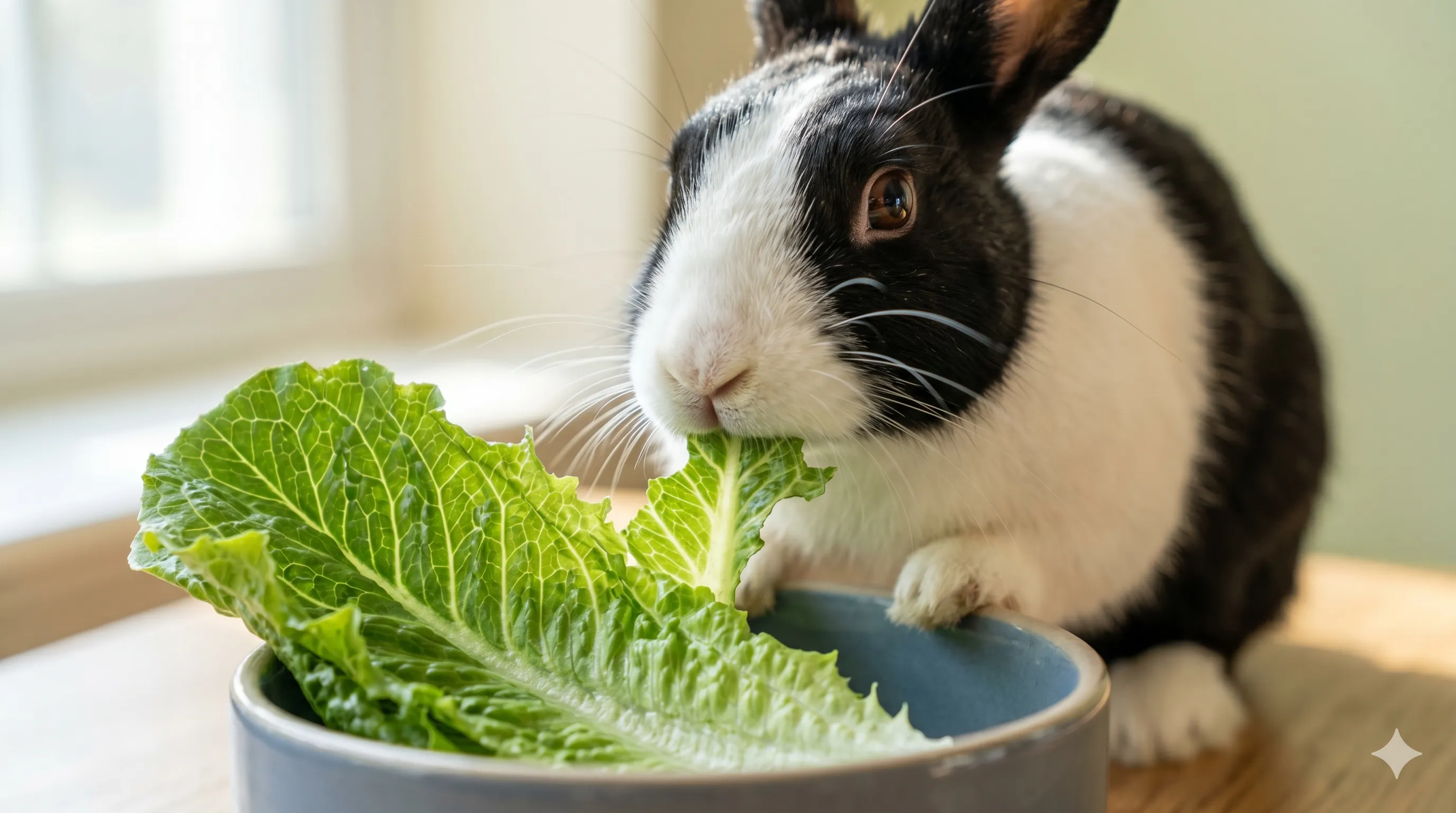
Romaine lettuce is widely considered one of the best lettuce choices for rabbits.
Compared to lighter lettuce varieties, romaine provides:
- Better fiber content
- More nutrients
- Crunchier texture
- Better overall feeding value
Many rabbit owners use romaine as a regular staple green in vegetable rotations.
Rabbits also tend to enjoy the crunchy center ribs and crisp leaves.
Because romaine contains more nutrition than iceberg lettuce, it is commonly recommended by rabbit rescue organizations and rabbit-focused veterinarians.
2. Green Leaf Lettuce
Green leaf lettuce is another excellent rabbit-safe option.
Benefits include:
- Soft digestible texture
- Good hydration support
- Low calorie content
- Mild flavor many rabbits enjoy
- Useful nutrient content
Green leaf lettuce often works well in mixed greens rotations.
3. Red Leaf Lettuce
Red leaf lettuce is generally very safe and nutritious for rabbits.
Darker lettuces like red leaf varieties often contain more antioxidant compounds compared to pale lettuces.
Many owners rotate between romaine, green leaf, and red leaf lettuce to provide better dietary variety.
4. Butter Lettuce
Butter lettuce can also be fed safely in moderation.
Its softer texture makes it appealing for some rabbits, especially picky eaters.
However, butter lettuce contains slightly less fiber compared to romaine lettuce, so it is usually best used as part of a mixed vegetable rotation rather than the only leafy green offered daily.
safe celery feeding guide for rabbitsWhy Iceberg Lettuce Is Often Discouraged
Iceberg lettuce is the lettuce type rabbit owners hear the most warnings about.
While iceberg lettuce is not truly poisonous or toxic, it is generally considered one of the least healthy lettuce choices for rabbits.
Problems With Iceberg Lettuce
- Very low fiber content
- Extremely high water content
- Minimal nutritional value
- Less vitamin density
- May dilute overall diet quality
Large amounts of iceberg lettuce may contribute to:
- Loose stool
- Soft droppings
- Digestive imbalance
- Reduced hay intake
- Poor nutritional balance
Iceberg lettuce also contains small amounts of lactucarium, a naturally occurring compound sometimes loosely associated with mild sedative effects when consumed excessively.
While occasional tiny amounts are unlikely to harm healthy adult rabbits, there are far healthier lettuce choices available.
Can Rabbits Eat Lettuce Every Day?
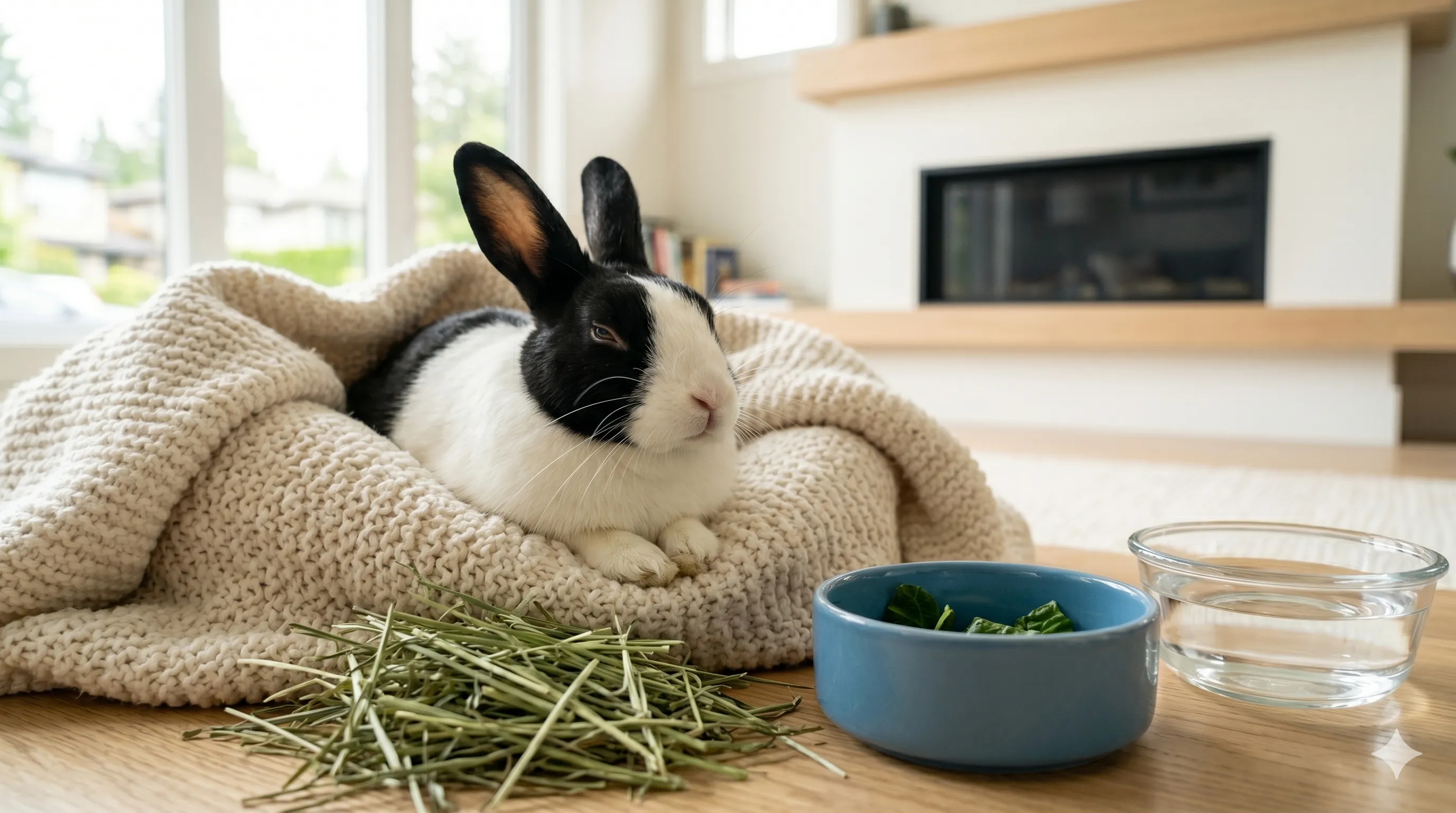
Yes healthy adult rabbits can usually eat safe leafy greens daily.
However, variety is important.
Feeding only one vegetable repeatedly is generally less ideal than rotating multiple rabbit-safe greens.
Most healthy adult rabbits benefit from:
- 1-2 cups of mixed leafy greens daily
- Several vegetable types rotated regularly
- Unlimited hay access at all times
A balanced greens rotation may include:
- Romaine lettuce
- Green leaf lettuce
- Red leaf lettuce
- Cilantro
- Parsley
- Bok choy
- Arugula
- Bell peppers
Benefits of Feeding Lettuce to Rabbits
1. Hydration Support
Lettuce contains high water content that may help support hydration.
This can be especially useful during:
- Warm weather
- Dry indoor conditions
- Seasonal heat waves
Some rabbits naturally consume more water-rich greens during summer months.
2. Mental Enrichment
Rabbits enjoy exploring different food textures, smells, and flavors.
Offering multiple leafy greens may help provide:
- Environmental stimulation
- Feeding enrichment
- Reduced boredom
- Natural foraging behavior
3. Healthy Low-Calorie Feeding
Dark leafy greens are generally much healthier daily choices than sugary fruits or starchy treats.
Compared to foods like bananas, apples, or carrots, leafy lettuces usually contain:
- Less sugar
- Fewer calories
- Better hydration
- More suitable daily feeding profiles
Common Lettuce Feeding Mistakes Rabbit Owners Make
1. Feeding Too Much Iceberg Lettuce
This is one of the most common beginner mistakes.
Many owners assume all lettuce is equally healthy, but iceberg lettuce provides very poor nutritional value compared to darker leafy greens.
2. Replacing Hay With Vegetables
Fresh vegetables should never replace hay.
Hay must remain the primary food source because rabbits require constant fiber intake for healthy digestion.
Rabbits that eat too many vegetables sometimes begin ignoring hay, which can increase digestive and dental risks over time.
3. Introducing Greens Too Quickly
Sudden diet changes may upset rabbit digestion.
New greens should always be introduced gradually while monitoring:
- Droppings
- Appetite
- Energy levels
- Digestive comfort
4. Feeding Wet or Spoiled Lettuce
Lettuce should always be:
- Fresh
- Clean
- Mold-free
- Washed thoroughly
Spoiled vegetables may cause digestive issues or bacterial exposure.
Can Baby Rabbits Eat Lettuce?
Very young rabbits have highly sensitive digestive systems.
Baby rabbits should primarily consume:
- Hay
- Mother’s milk
- Age-appropriate pellets
Fresh vegetables are usually introduced gradually once rabbits mature and tolerate adult diets properly.
Introducing watery vegetables too early may increase digestive sensitivity in young rabbits.
How to Introduce Lettuce Safely
If your rabbit has never eaten lettuce before, introduce it slowly.
Safe Introduction Tips
- Start with very small portions
- Choose romaine or leaf lettuce first
- Introduce one vegetable at a time
- Monitor droppings carefully
- Avoid mixing multiple new foods together initially
If stool quality changes significantly, reduce or pause new vegetables temporarily.
a proper indoor care routine also supports healthy digestion and dental wearSigns Your Rabbit May Not Tolerate Lettuce Well
Most healthy rabbits tolerate safe leafy greens very well.
However, excessive lettuce or sudden dietary changes may contribute to:
- Loose stool
- Soft droppings
- Bloating
- Gas discomfort
- Reduced appetite
- Lethargy
- Less hay consumption
Digestive problems in rabbits should always be monitored carefully because rabbits are extremely sensitive to gastrointestinal slowdown and GI stasis.
Best Vegetables to Rotate With Lettuce
Healthy rabbit diets usually benefit from vegetable variety.
Good vegetables to rotate alongside lettuce include:
- Cilantro
- Parsley
- Bok choy
- Bell peppers
- Celery
- Cucumber
- Arugula
- Dandelion greens
Rotating vegetables may help provide broader nutrient diversity while keeping feeding routines more enriching.
Example Scenario
The scenario below is an illustrative example of how this situation can play out, not a documented case study.
One rabbit owner initially fed mostly iceberg lettuce because they assumed all lettuce types were the same. Over time, they noticed their rabbit developed softer droppings and became less interested in hay.
After switching to romaine lettuce and mixed leafy greens, the rabbit’s digestion improved and hay intake increased again.
Another owner introduced several greens too quickly at once and struggled to identify which vegetable caused digestive upset. After reintroducing foods slowly one at a time, feeding became much easier to manage safely.
Small feeding adjustments often make a surprisingly large difference in rabbit digestive health.
Final Thoughts
If you've been wondering whether rabbits can eat lettuce, the answer is yes many lettuce varieties can become healthy additions to a balanced rabbit diet.
Dark leafy lettuces like romaine, green leaf, and red leaf lettuce are generally among the safest and healthiest choices.
Iceberg lettuce should mostly be avoided because it contains little nutritional value and excessive amounts may contribute to digestive imbalance.
The healthiest rabbit diets still focus primarily on unlimited hay, fresh water, balanced leafy greens, and proper digestive support.
When introduced gradually and fed responsibly, lettuce can become a refreshing, hydrating, and nutritious part of many rabbits’ daily feeding routines.
This article is intended for educational purposes and should not replace professional veterinary advice. If your rabbit develops digestive problems, appetite changes, GI stasis symptoms, or unusual reactions after eating new foods, consult an experienced rabbit veterinarian immediately.
Medical Disclaimer
This content is provided for informational and educational purposes only and should not be considered veterinary, medical, behavioral, or training advice. While we strive for accuracy, we make no guarantees regarding completeness or results. Always consult a licensed veterinarian or qualified pet care professional before making decisions about your pet’s health, diet, or behavior.
AI Illustration Notice
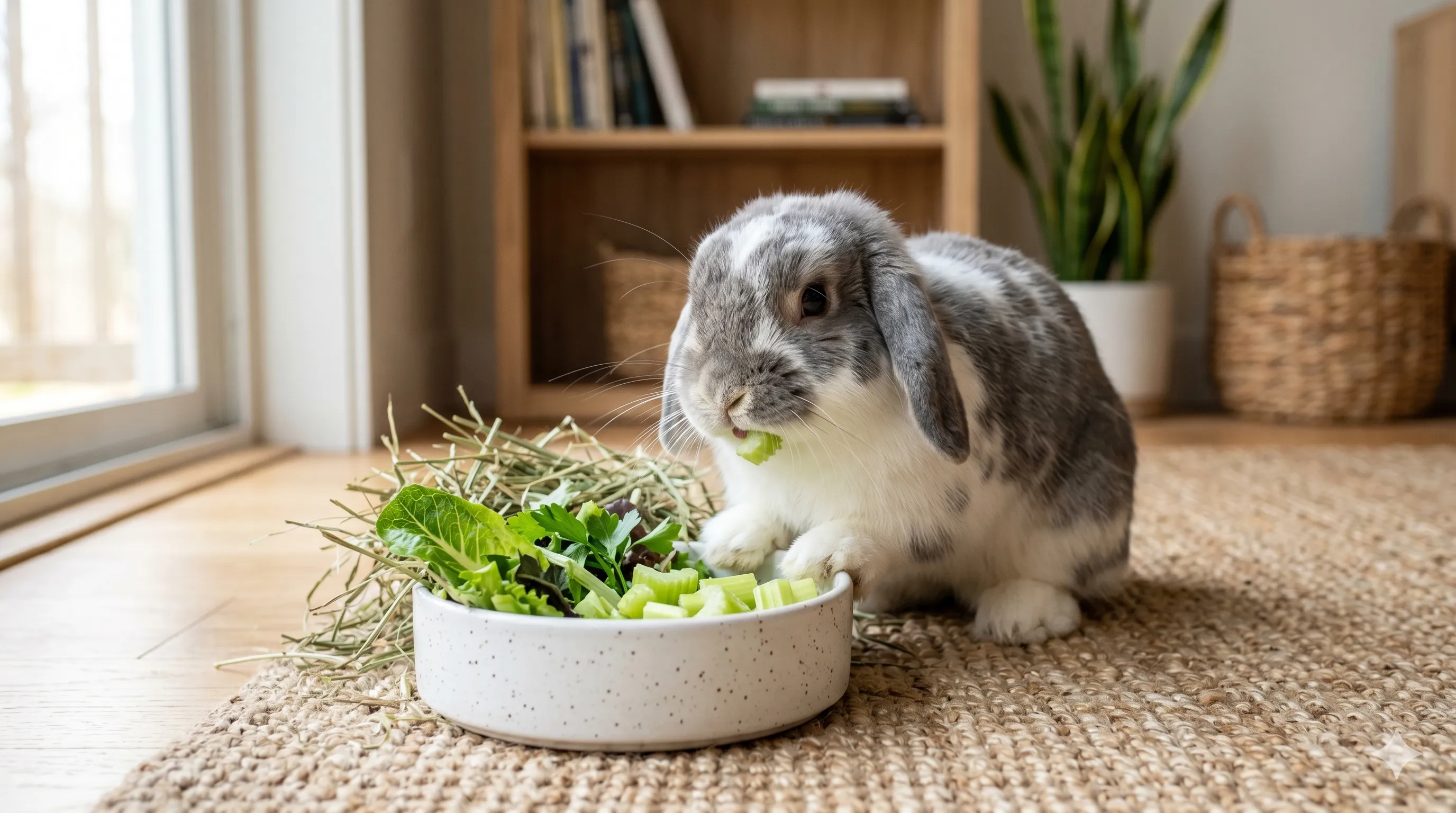
Some images in this article may have been generated or enhanced using artificial intelligence for illustrative purposes.
Frequently Asked Questions
Yes, rabbits can safely eat many lettuce varieties including romaine green leaf and red leaf lettuce
Romaine lettuce green leaf lettuce and red leaf lettuce are generally among the healthiest options for rabbits
Iceberg lettuce is not toxic but it contains very little nutrition and excessive amounts may contribute to digestive imbalance
Many healthy adult rabbits can eat moderate daily portions of romaine lettuce as part of a mixed greens rotation
Iceberg lettuce contains mostly water very little fiber and minimal nutritional value compared to darker leafy greens
Most healthy adult rabbits can eat 1 to 2 cups of mixed leafy greens daily alongside unlimited hay
Fresh vegetables are usually introduced gradually once young rabbits mature and tolerate adult diets properly
Dark leafy greens like romaine cilantro parsley arugula and bok choy are often excellent rabbit safe vegetables
Yes, many rabbits can safely eat mixed salad greens if the ingredients are rabbit safe and introduced gradually
Too much lettuce especially watery varieties may contribute to soft stool bloating digestive imbalance or reduced hay intake
Editorial Note
This article is part of PetNurture's educational library.
Topics draw on publicly available educational resources, recognised veterinary organisations, academic publications and established animal welfare references where appropriate.
The specific sources this article draws on are listed in its References section. If you spot an error, please let us know.
References
The information in this article has been reviewed and supported using the following sources.
VCA Animal Hospitals
VCA Animal Hospitals advises that iceberg lettuce should not be fed to rabbits, as it is mainly water and contains limited to no nutritional value.
Accessed Aug 6, 2026
PDSA
PDSA lists romaine-type salad leaves as a safe vegetable for rabbits when fed in moderation, alongside a daily diet built primarily around hay.
Accessed Aug 6, 2026
Pet Emergency Guidance
Every pet is unique. If your pet exhibits severe symptoms, sudden behavioral changes, or a medical emergency, do not rely on online guides — contact a licensed veterinarian or emergency clinic immediately.
About PetNurture
PetNurture is an educational library of pet care guides, interactive tools and practical resources for pet parents. We work continuously to keep our content accurate and up to date. Reader feedback helps us maintain content quality.
Related Articles
Popular Rabbit Guides