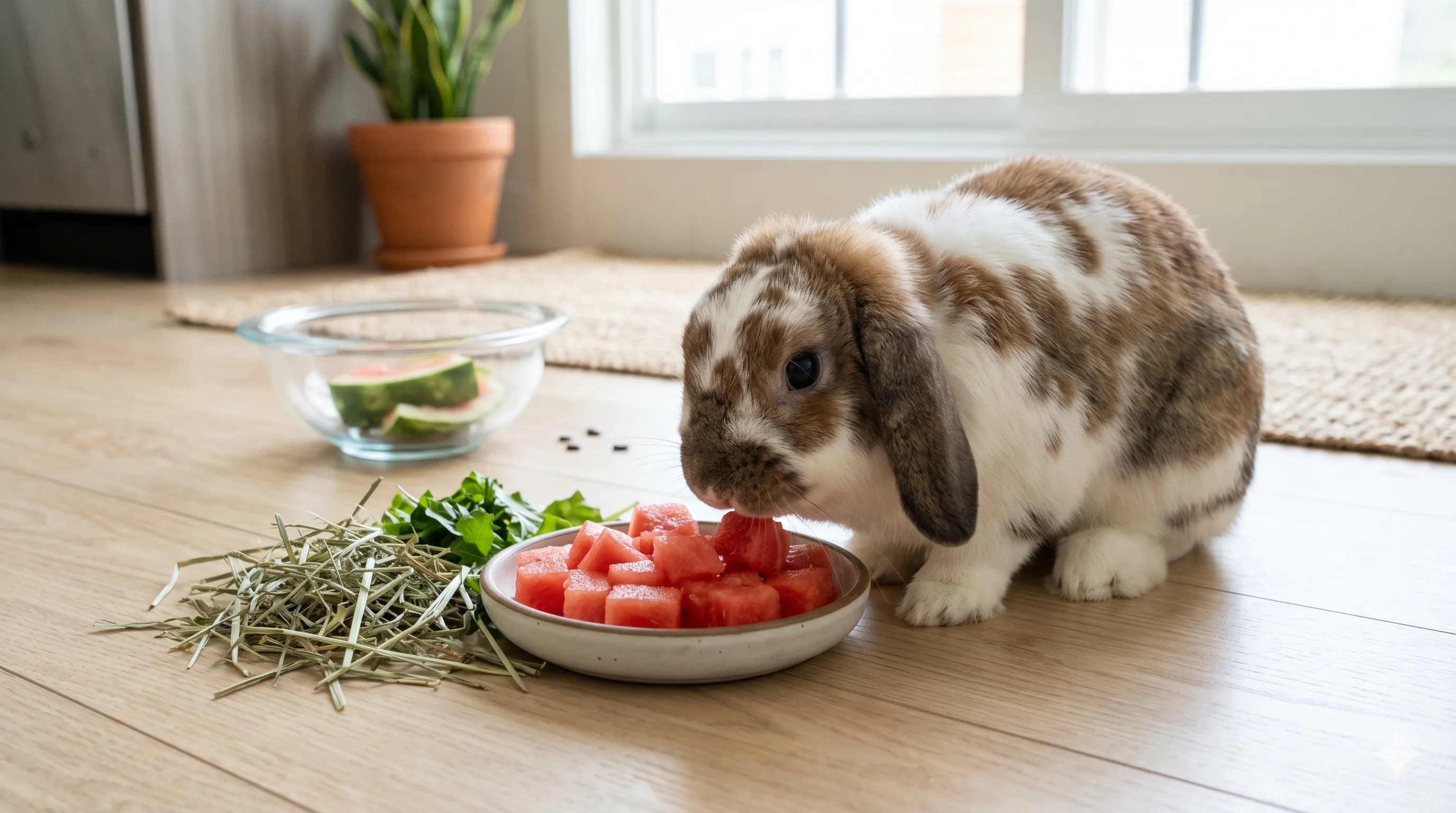
Can Rabbits Eat Strawberries? Safe Feeding Guide, Benefits & Risks for Bunny Owners
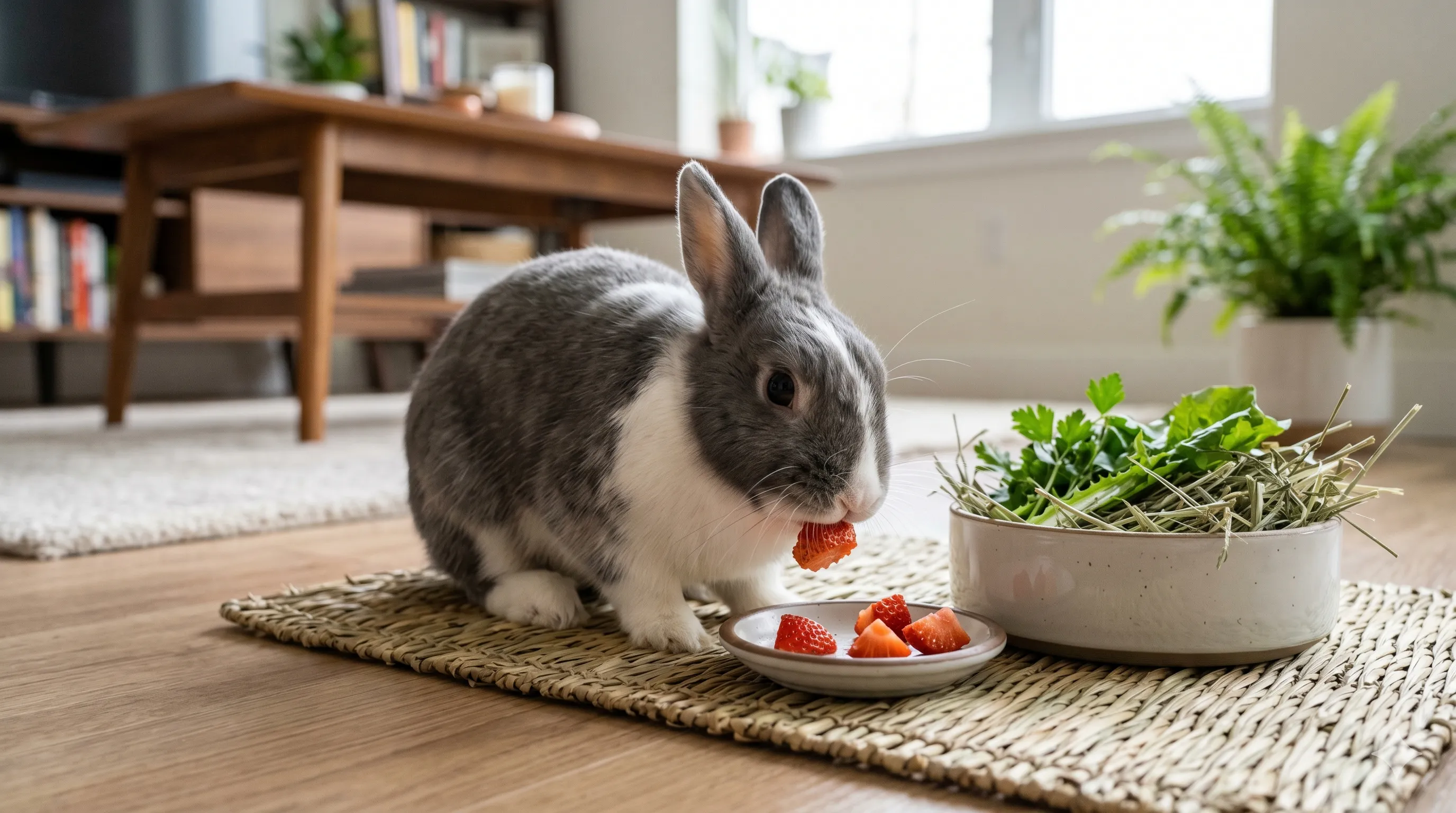
- Can Rabbits Eat Strawberries? (Quick Answer)
- Are Strawberries Actually Healthy for Rabbits?
- Why Rabbits Love Strawberries So Much
- Benefits of Feeding Strawberries to Rabbits
- 1. Mental Enrichment and Variety
- 2. Positive Reinforcement and Bonding
- 3. Hydration Support
- 4. Appetite Encouragement
- The Biggest Risk: Sugar Content
- Why Hay Matters More Than Fruit
- How Much Strawberry Can Rabbits Eat?
- Can Rabbits Eat Strawberries Every Day?
- Can Rabbits Eat Strawberry Tops and Leaves?
- Can Baby Rabbits Eat Strawberries?
- How to Introduce Strawberries Safely
- Safe Introduction Tips
- Common Strawberry Feeding Mistakes
- 1. Feeding Too Much Fruit
- 2. Replacing Healthy Greens With Fruit
- 3. Feeding Moldy or Old Strawberries
- Best Fruits Rabbits Can Eat
- Healthier Everyday Foods for Rabbits
- Signs Your Rabbit Ate Too Many Strawberries
- Example Scenario
- Final Thoughts
Note: This article is for informational purposes only and does not replace professional veterinary advice.
Many rabbit owners notice their bunny becoming instantly curious whenever fresh strawberries appear nearby. With their sweet smell, juicy flavor, and soft texture, strawberries are one of the most tempting fruits for many rabbits.
Because rabbits often react enthusiastically to fruit, owners naturally wonder "can rabbits eat strawberries safely?" and whether strawberries are actually healthy or potentially harmful.
The good news is that strawberries are not toxic to rabbits. Healthy adult rabbits can safely enjoy small amounts of strawberries as occasional treats.
However, strawberries also contain natural sugar, and that’s where moderation becomes extremely important.
Rabbits have delicate digestive systems that are designed primarily for high-fiber foods like hay and leafy greens not sugary treats. Feeding too many strawberries may contribute to digestive imbalance, unhealthy weight gain, reduced hay consumption, or picky eating habits over time.
Many beginner rabbit owners accidentally overfeed fruit because rabbits seem to love it so much.
In this guide, you'll learn:
- Whether strawberries are safe for rabbits
- The nutritional benefits and risks
- How much strawberry rabbits can safely eat
- Whether rabbits can eat strawberry tops and leaves
- Why sugar matters in rabbit diets
- How often rabbits should eat fruit
- Common strawberry feeding mistakes
- Signs your rabbit ate too much fruit
Can Rabbits Eat Strawberries? (Quick Answer)
Yes, rabbits can safely eat strawberries in moderation. Strawberries are non-toxic and many rabbits enjoy them as sweet occasional treats. However, because strawberries contain natural sugar, they should only be fed in small amounts once or twice weekly rather than daily.
For most healthy adult rabbits, one small strawberry or several thin slices is usually enough.
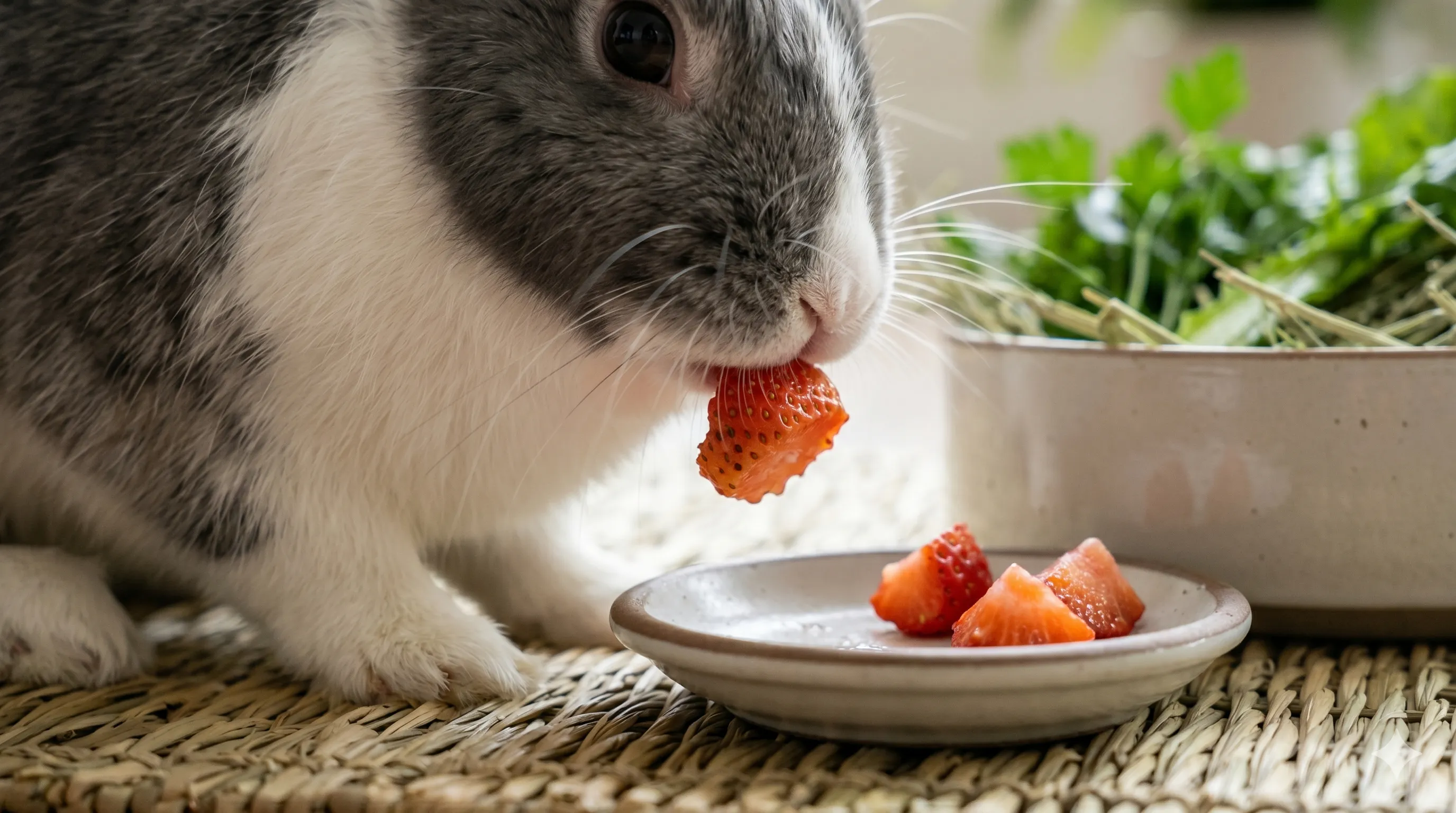
Are Strawberries Actually Healthy for Rabbits?
Strawberries contain several nutrients that may provide mild benefits when fed responsibly.
Strawberries contain:
- Vitamin C
- Antioxidants
- Fiber
- Potassium
- Water content
- Plant compounds
However, rabbits do not nutritionally require strawberries to stay healthy.
A healthy rabbit diet should still focus mainly on:
- Unlimited hay
- Fresh water
- Leafy greens
- Controlled pellets
Fruit should remain only a small supplemental treat rather than a major food source.
can rabbits eat apples safelyWhy Rabbits Love Strawberries So Much
Many rabbits become extremely excited around sweet foods.
This happens because rabbits are naturally attracted to sugar-rich foods in the same way many animals are drawn toward calorie-dense treats.
Strawberries appeal strongly to rabbits because of:
- Sweet smell
- Natural sugars
- Soft texture
- Juicy moisture
- Interesting flavor
Some rabbits may even begin begging for fruit once they recognize feeding routines.
While this behavior can look adorable, owners should avoid overfeeding sugary treats simply because the rabbit appears enthusiastic.
Benefits of Feeding Strawberries to Rabbits
1. Mental Enrichment and Variety
Offering safe fruit occasionally may provide environmental enrichment and feeding variety.
Many rabbits enjoy exploring:
- New textures
- Different smells
- Fresh flavors
- Unique feeding experiences
Variety can help keep feeding routines mentally stimulating.
2. Positive Reinforcement and Bonding
Because rabbits usually consider strawberries high-value treats, tiny strawberry pieces can work very well during:
- Litter training
- Trust-building sessions
- Handling practice
- Bonding time
- Positive reinforcement training
Some rabbit owners reserve fruit only for special interactions to help strengthen social bonding.
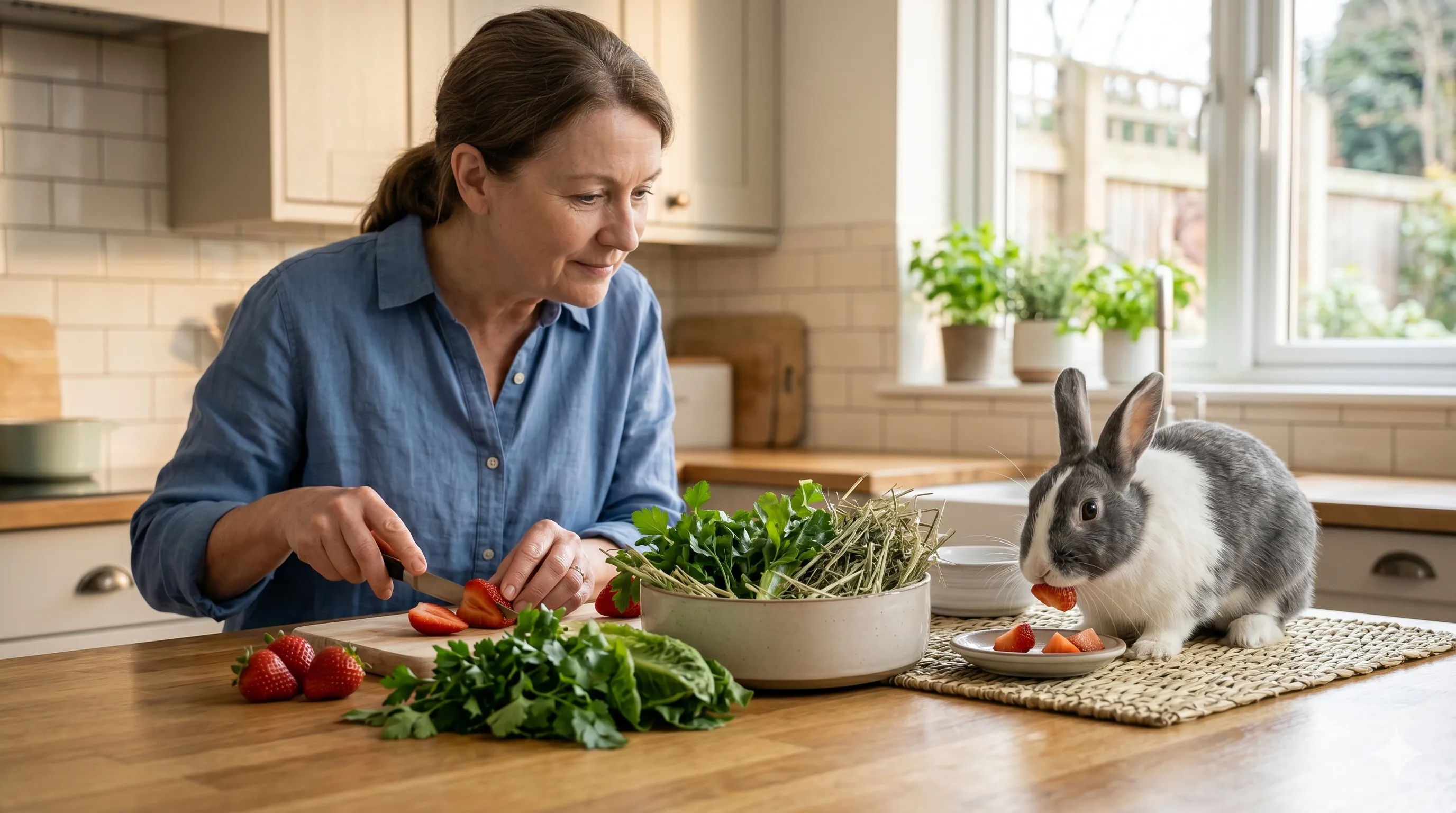
3. Hydration Support
Strawberries contain significant water content, which may provide mild hydration support during warmer months.
Some rabbits especially enjoy chilled strawberry slices during hot weather.
Fresh water should still remain your rabbit’s primary hydration source.
4. Appetite Encouragement
In some situations, tiny fruit portions may help encourage hesitant eating in rabbits recovering from stress or mild appetite reduction.
However, sugary foods should never replace proper veterinary care when appetite loss becomes serious.
can rabbits eat carrots every day safelyThe Biggest Risk: Sugar Content
The biggest concern with strawberries is sugar.
Rabbits are herbivores with digestive systems specially designed for constant high-fiber intake. Their digestive health depends heavily on balanced gut bacteria and continuous hay consumption.
Too much sugar may disrupt that balance.
Excessive sugary treats may contribute to:
- Soft stool
- Digestive upset
- Bloating
- Weight gain
- Picky eating behavior
- Reduced hay intake
- Gut bacteria imbalance
Many owners mistakenly assume fruit is always healthy simply because it is natural.
For rabbits, however, even natural sugars still require moderation.
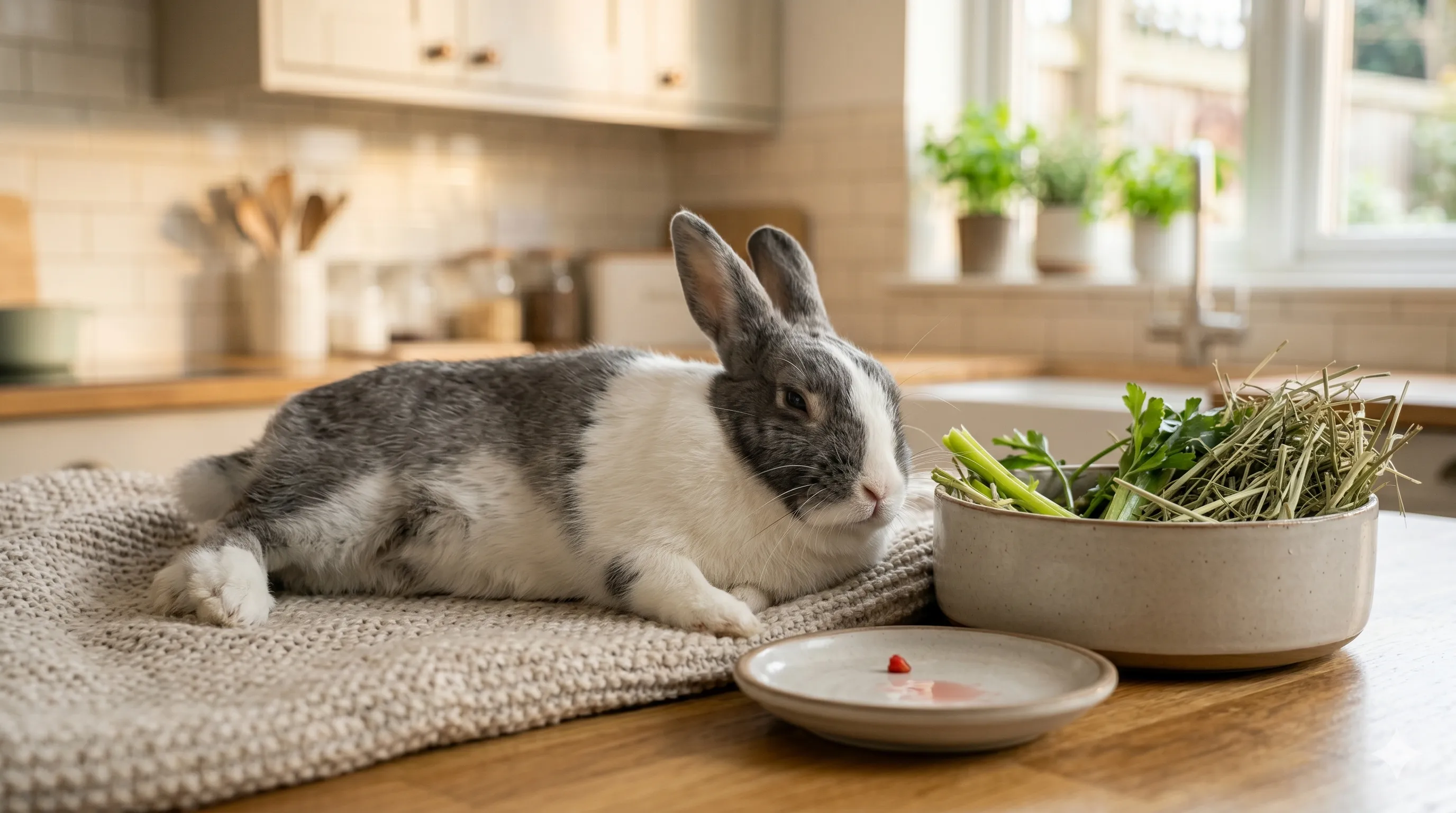
Why Hay Matters More Than Fruit
Some rabbits become so interested in sweet foods that they start ignoring hay.
This becomes dangerous because hay supports:
- Healthy digestion
- Constant gut movement
- Natural tooth wear
- Prevention of GI stasis
- Healthy gut bacteria
Hay should make up the vast majority of a rabbit’s daily diet.
Fruit should never replace proper fiber intake.
How Much Strawberry Can Rabbits Eat?
Moderation is extremely important.
For most healthy adult rabbits:
- 1 small strawberry
- Or several thin slices
- Once or twice weekly
Smaller rabbits may require even smaller portions.
Large rabbit breeds may tolerate slightly more, but fruit should still remain limited.
Strawberries should never become unlimited free-feed foods.
Can Rabbits Eat Strawberries Every Day?
Daily strawberry feeding is generally not recommended.
Even though strawberries are safe in moderation, daily sugary treats may slowly encourage:
- Weight gain
- Picky eating
- Digestive imbalance
- Reduced hay interest
Most rabbit nutrition experts recommend treating fruit as an occasional enrichment item rather than a routine daily food.
best lettuce types for rabbitsCan Rabbits Eat Strawberry Tops and Leaves?
Yes, strawberry tops and leaves are generally safe for rabbits in moderation.
In fact, some rabbits enjoy the leafy tops more than the fruit itself.
Strawberry leaves contain:
- Fiber
- Plant nutrients
- Lower sugar levels than the fruit
However, strawberries and leaves should always be:
- Washed thoroughly
- Fresh and mold-free
- Free from pesticides when possible
Organic strawberries may help reduce pesticide exposure concerns.
Can Baby Rabbits Eat Strawberries?
It is generally safest to avoid strawberries for very young rabbits.
Baby rabbits have highly sensitive digestive systems and should mainly consume:
- Hay
- Mother’s milk
- Age-appropriate pellets
Introducing sugary fruit too early may increase digestive upset risk.
Most rabbit owners wait until rabbits are older and fully adjusted to adult diets before introducing fruit treats slowly.
How to Introduce Strawberries Safely
If your rabbit has never eaten strawberries before, introduce them slowly.
Safe Introduction Tips
- Start with a tiny piece
- Monitor stool quality
- Watch appetite carefully
- Avoid mixing multiple new fruits together
- Wait 24 hours before offering more
Every rabbit tolerates foods slightly differently.
Some rabbits handle fruit very well, while others are more sensitive to sugar-rich foods.
Common Strawberry Feeding Mistakes
1. Feeding Too Much Fruit
This is the most common mistake.
Because rabbits enjoy strawberries so much, owners sometimes offer large portions too frequently.
Even healthy fruits can become unhealthy when overfed.
2. Replacing Healthy Greens With Fruit
Leafy greens are far healthier everyday options than sugary fruits.
Fruit should never replace:
- Hay
- Leafy greens
- Balanced nutrition
3. Feeding Moldy or Old Strawberries
Soft fruits spoil quickly.
Always avoid feeding:
- Moldy berries
- Fermented fruit
- Overripe strawberries
- Unwashed produce
Best Fruits Rabbits Can Eat
Besides strawberries, rabbits may safely enjoy small amounts of:
- Blueberries
- Bananas
- Apples without seeds
- Raspberries
- Pear slices
- Papaya
- Pineapple
All fruit treats should still remain limited because of sugar content.
Healthier Everyday Foods for Rabbits
Instead of relying heavily on fruit treats, healthier daily foods include:
- Timothy hay
- Romaine lettuce
- Cilantro
- Parsley
- Bok choy
- Arugula
- Bell peppers
Balanced leafy greens generally support healthier digestion than sugary snacks.
Signs Your Rabbit Ate Too Many Strawberries
If your rabbit eats excessive strawberries, monitor carefully for:
- Soft stool
- Bloating
- Reduced appetite
- Lethargy
- Digestive discomfort
- Reduced hay consumption
- Changes in droppings
Digestive issues in rabbits should always be taken seriously because rabbits are highly sensitive to gastrointestinal slowdown and GI stasis.
Example Scenario
The scenario below is an illustrative example of how this situation can play out, not a documented case study.
One rabbit owner used tiny strawberry pieces only during litter training sessions and noticed their bunny became highly motivated while still maintaining healthy hay intake.
Another owner accidentally fed fruit treats too frequently and later noticed their rabbit became increasingly picky about leafy greens and hay.
After reducing sugary treats and focusing more heavily on hay and greens, the rabbit’s eating habits improved significantly.
Small feeding adjustments often make a major difference in rabbit digestive health.
Final Thoughts
If you've been wondering whether rabbits can eat strawberries, the answer is yes healthy adult rabbits can safely enjoy strawberries in moderation.
Strawberries can provide enrichment, bonding opportunities, and feeding variety when served responsibly in small portions.
However, because strawberries contain natural sugar, moderation is extremely important.
The healthiest rabbit diets still focus primarily on unlimited hay, fresh water, balanced leafy greens, and proper digestive support.
When fed carefully and occasionally, strawberries can become a safe and enjoyable treat for many rabbits without negatively affecting long-term health.
This article is intended for educational purposes and should not replace professional veterinary advice. If your rabbit develops digestive issues, appetite changes, unusual droppings, or signs of GI stasis after eating new foods, consult an experienced rabbit veterinarian immediately.
Medical Disclaimer
This content is provided for informational and educational purposes only and should not be considered veterinary, medical, behavioral, or training advice. While we strive for accuracy, we make no guarantees regarding completeness or results. Always consult a licensed veterinarian or qualified pet care professional before making decisions about your pet’s health, diet, or behavior.
AI Illustration Notice
Some images in this article may have been generated or enhanced using artificial intelligence for illustrative purposes.
Frequently Asked Questions
Yes, healthy adult rabbits can safely eat small amounts of strawberries occasionally as treats
Most adult rabbits should only eat one small strawberry or several thin slices once or twice weekly
Daily strawberry feeding is generally not recommended because strawberries contain natural sugar
Strawberries may provide enrichment hydration and antioxidants but should remain occasional treats
It is generally safest to avoid strawberries for very young rabbits because of digestive sensitivity
Yes, strawberry tops and leaves are generally safe for rabbits when washed thoroughly
Rabbits are naturally attracted to sweet foods and often enjoy the smell texture and flavor of strawberries
Too many strawberries may contribute to soft stool bloating digestive imbalance weight gain or reduced hay intake
Safe fruits for rabbits may include strawberries blueberries bananas apples without seeds raspberries and pears in moderation
Yes, excessive strawberry feeding may upset rabbit digestion because rabbits have sensitive gastrointestinal systems
Editorial Note
This article is part of PetNurture's educational library.
Topics draw on publicly available educational resources, recognised veterinary organisations, academic publications and established animal welfare references where appropriate.
The specific sources this article draws on are listed in its References section. If you spot an error, please let us know.
References
The information in this article has been reviewed and supported using the following sources.
House Rabbit Society
Rabbit Diet & Nutrition: Safe Foods and Treats for Bunnies
House Rabbit Society lists berries among the fruits that are treats because of their high sugar content, recommending they be limited to once or twice a week in small portions.
Accessed Aug 6, 2026
VCA Animal Hospitals
VCA Animal Hospitals limits fresh fruit such as berries to no more than 1-2 tablespoons once or twice a week because high sugar content can upset a rabbit's normal GI tract bacteria.
Accessed Aug 6, 2026
Pet Emergency Guidance
Every pet is unique. If your pet exhibits severe symptoms, sudden behavioral changes, or a medical emergency, do not rely on online guides — contact a licensed veterinarian or emergency clinic immediately.
About PetNurture
PetNurture is an educational library of pet care guides, interactive tools and practical resources for pet parents. We work continuously to keep our content accurate and up to date. Reader feedback helps us maintain content quality.
Related Articles
Popular Rabbit Guides