Can Rabbits Eat Celery? Safe Feeding Guide, Benefits & Risks Explained
- Can Rabbits Eat Celery? (Quick Answer)
- Is Celery Good for Rabbits?
- Benefits of Feeding Celery to Rabbits
- 1. Hydration Support
- 2. Fiber for Digestive Health
- 3. Low-Calorie Snack Option
- 4. Mental Enrichment and Variety
- Risks of Feeding Celery to Rabbits
- 1. Choking Risk From Stringy Fibers
- 2. Digestive Upset
- 3. Reduced Hay Consumption
- How Much Celery Can Rabbits Eat?
- How to Prepare Celery for a Rabbit
- Can Baby Rabbits Eat Celery?
- Can Rabbits Eat Celery Leaves?
- Best Vegetables for Rabbits
- Foods Rabbits Should Avoid
- Signs Your Rabbit Ate Too Much Celery
- Example Scenario
- Final Thoughts
Note: This article is for informational purposes only and does not replace professional veterinary advice.
Celery is a crunchy, watery vegetable commonly found in salads, soups, and healthy snack plates. Because celery is low in calories and rich in water, many rabbit owners wonder "can rabbits eat celery safely?" and whether it's a good addition to a bunny's diet.
The short answer is yes rabbits can eat celery in moderation. Celery is non-toxic and can provide hydration, fiber, and enrichment for healthy adult rabbits when prepared properly.
However, celery also contains long stringy fibers that may create choking or digestive concerns if served incorrectly.
Because rabbits have delicate digestive systems, proper preparation and portion control are extremely important.
In this guide, you'll learn whether celery is safe for rabbits, its nutritional benefits, possible risks, proper serving sizes, and the safest ways to prepare celery for your bunny.
Can Rabbits Eat Celery? (Quick Answer)
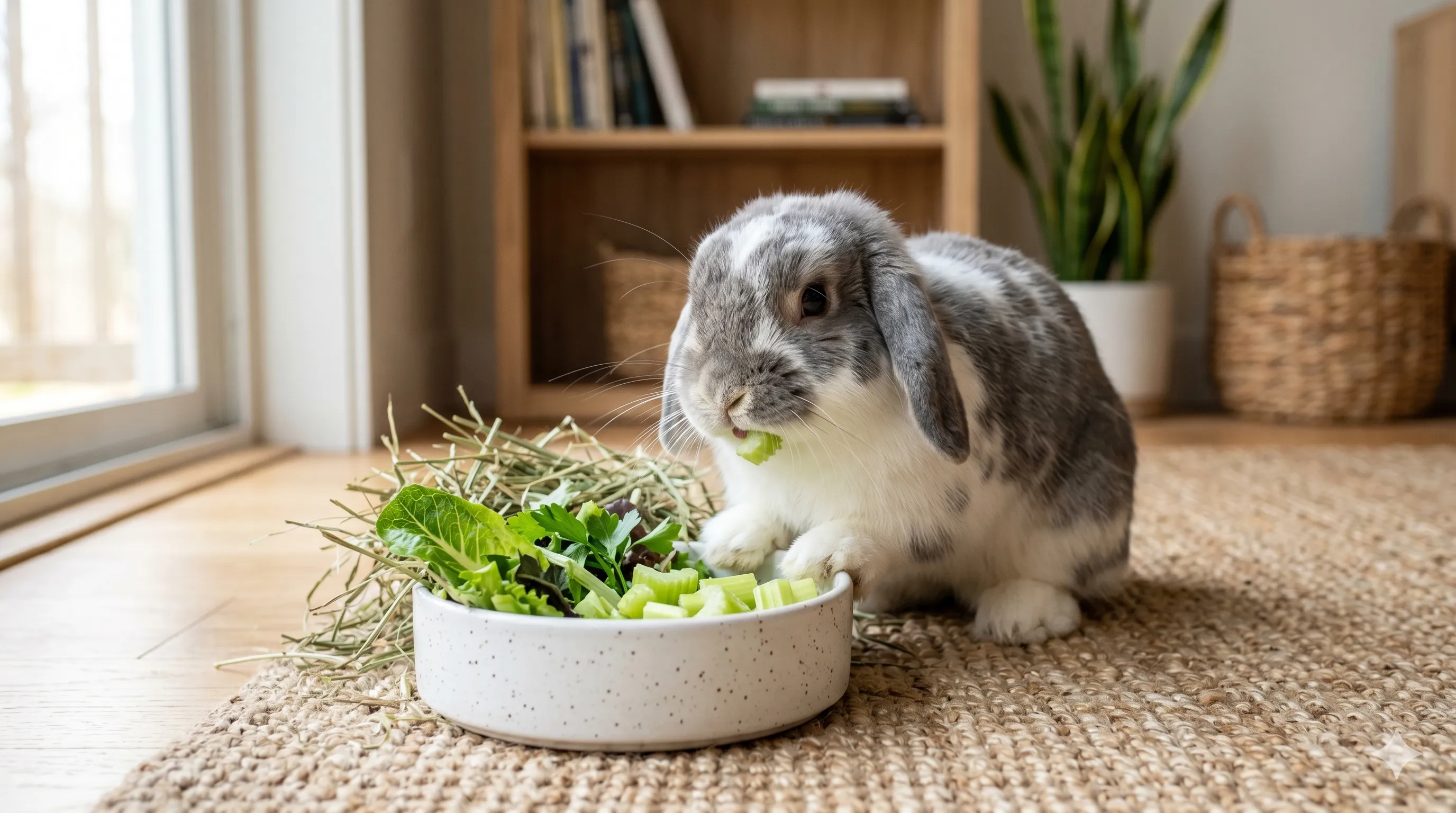
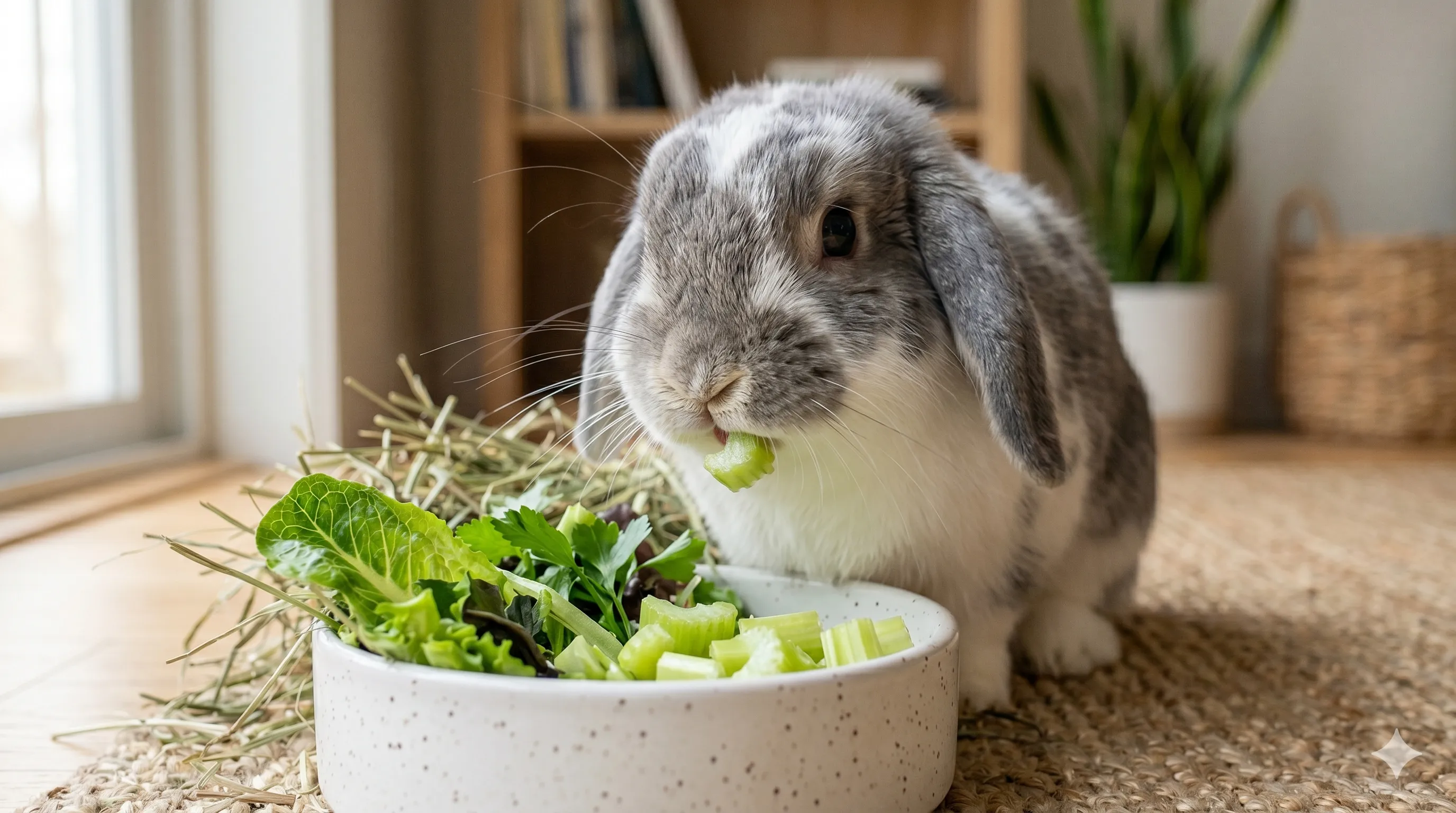
Yes, rabbits can safely eat celery in moderation. Celery contains water, fiber, and nutrients that may support hydration and enrichment. However, celery should always be cut into small bite-sized pieces to reduce the risk of choking from the long fibrous strings.
Celery should only be offered as part of a balanced rabbit diet alongside hay and leafy greens.
Is Celery Good for Rabbits?
Celery can provide several mild health benefits for rabbits when fed responsibly.
Celery contains:
- Fiber
- Vitamin K
- Potassium
- Folate
- High water content
Because celery is low in sugar and calories, it is generally considered a healthier vegetable option compared to many fruit treats.
However, celery alone does not provide complete rabbit nutrition.
A healthy rabbit diet should always focus mainly on:
- Unlimited hay
- Fresh water
- Leafy greens
- Controlled pellet portions
Benefits of Feeding Celery to Rabbits
1. Hydration Support
Celery contains high water content, which may help provide extra hydration support during warmer weather.
Some rabbits especially enjoy chilled celery pieces during summer months.
2. Fiber for Digestive Health
Celery contains fiber that may support healthy digestion when fed appropriately.
Fiber is extremely important for maintaining healthy rabbit gut movement.
a proper indoor care routine also supports healthy digestion and dental wear3. Low-Calorie Snack Option
Compared to sugary fruits, celery is low in sugar and calories.
This makes celery a lighter snack option for rabbits that enjoy fresh vegetables regularly.
4. Mental Enrichment and Variety
Offering safe vegetables occasionally may provide environmental enrichment and feeding variety.
Many rabbits enjoy the crunchy texture and fresh scent of celery.
Risks of Feeding Celery to Rabbits
1. Choking Risk From Stringy Fibers
The biggest concern with celery is the long fibrous strings running along the stalk.
If celery is fed in large uncut pieces, these strings may become difficult for rabbits to chew properly.
To reduce risk:
- Cut celery into small pieces
- Remove especially thick strings if necessary
- Avoid large chunks
2. Digestive Upset
Introducing too much celery too quickly may contribute to:
- Soft stool
- Bloating
- Mild digestive imbalance
New vegetables should always be introduced gradually.
3. Reduced Hay Consumption
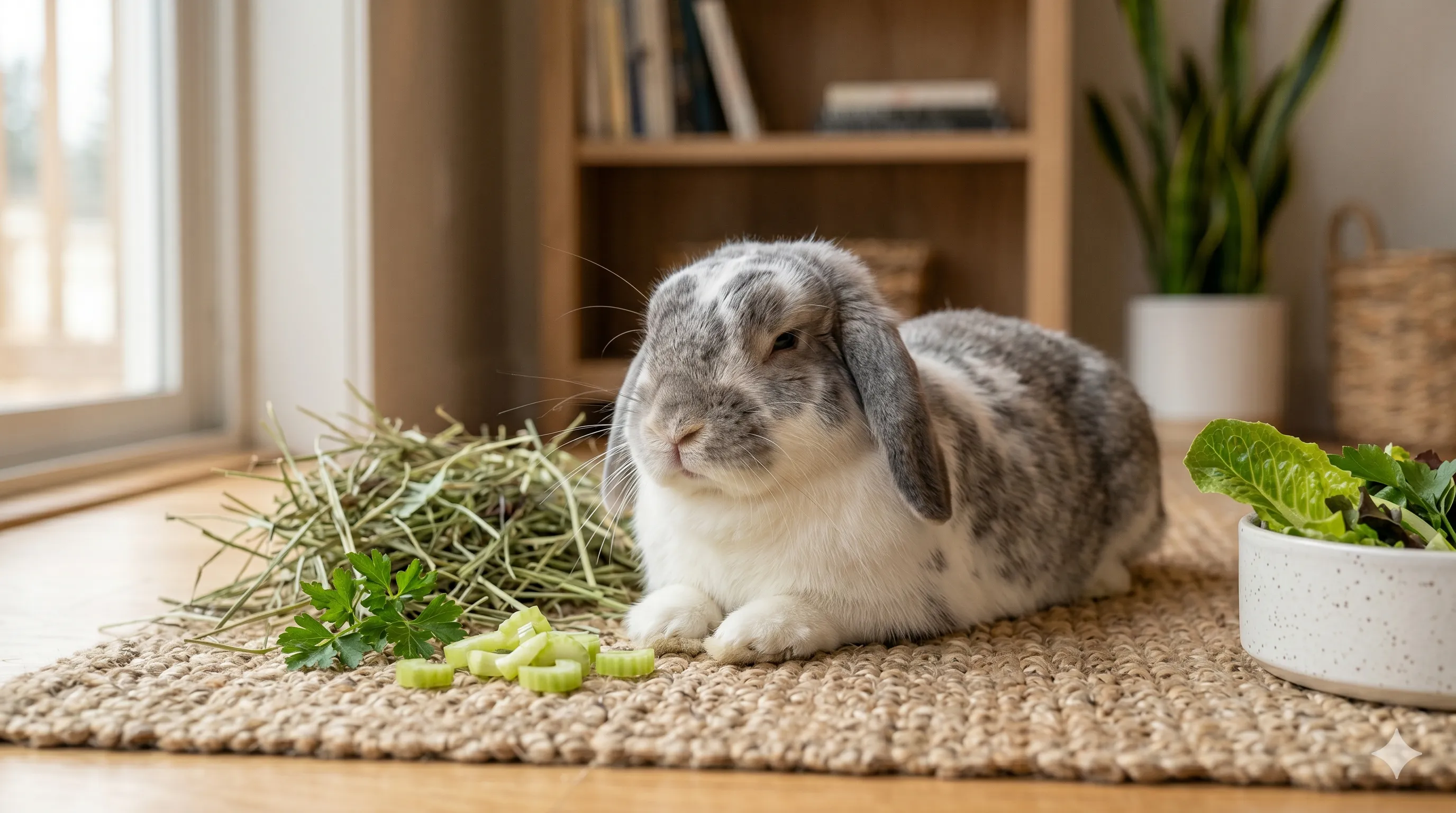
Some rabbits become overly interested in fresh vegetables and start eating less hay.
This is problematic because hay remains the most important food in a rabbit's diet for:
- Healthy digestion
- Proper tooth wear
- Gut movement
How Much Celery Can Rabbits Eat?
Moderation is important.
For most healthy adult rabbits:
- 1-2 small chopped celery sticks
- A few bite-sized pieces
- Several times weekly in rotation with other vegetables
Celery should never replace hay or become the primary vegetable source.
can rabbits eat apples as rabbit treatsHow to Prepare Celery for a Rabbit
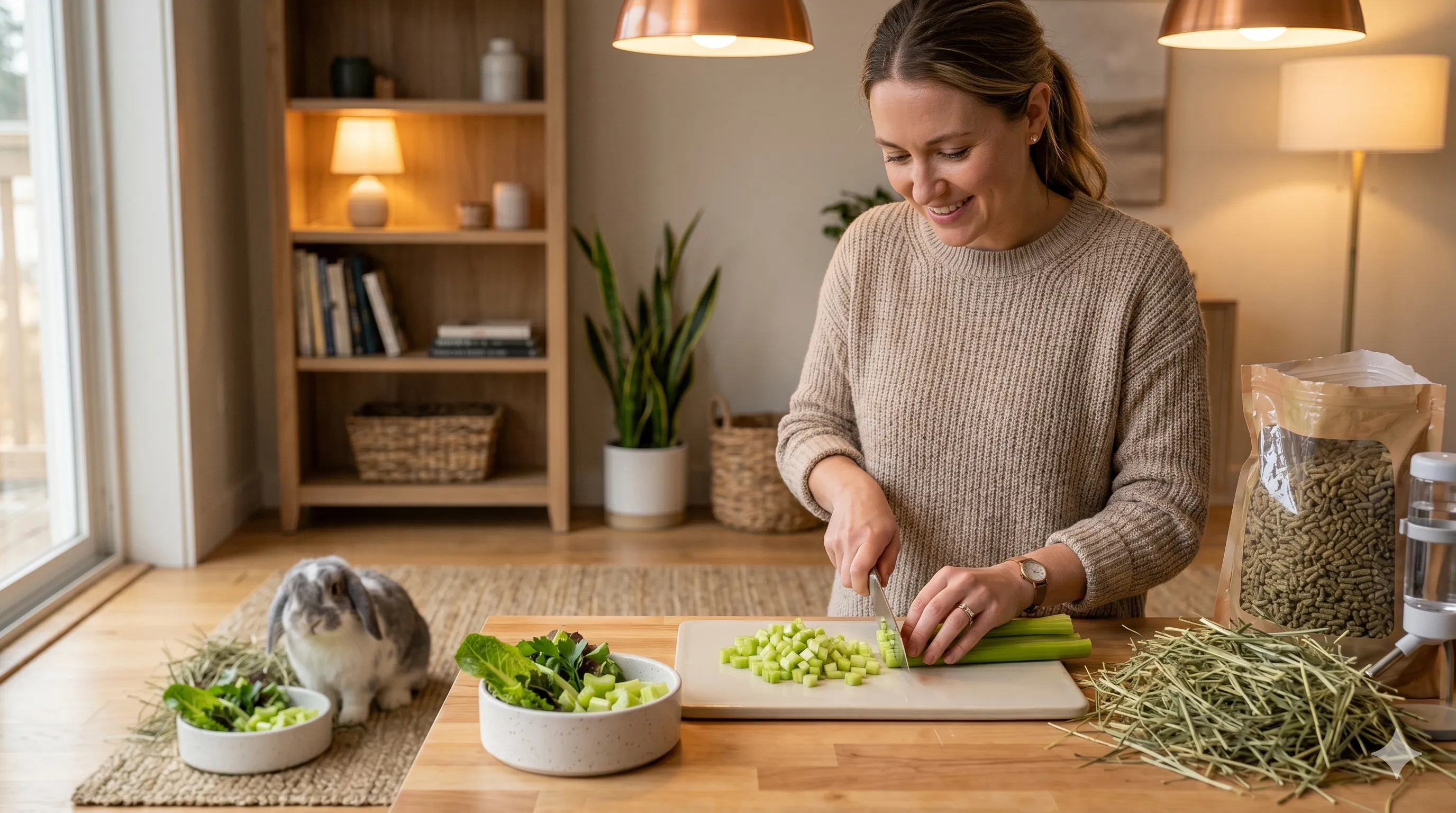
Because the long strings are the main concern, preparation matters more with celery than with most vegetables.
- Wash the stalk and leaves. Rinse them under running water to remove dirt and residue.
- Cut across the stalk, not along it. Slicing across the grain turns the long strings into short lengths that are much easier to chew than a whole stick.
- Keep pieces small. Pieces roughly the size of a fingertip or smaller are easier for most rabbits to manage, and smaller rabbits may need smaller pieces still.
- Start with a few pieces. Offer a small amount the first time and watch droppings and appetite over the next day before offering more.
- Remove leftovers. Take away uneaten celery after a few hours so it does not wilt or spoil in the enclosure.
If your rabbit coughs, chokes, or shows any difficulty chewing or swallowing after eating celery, stop offering it and speak with a rabbit-savvy veterinarian before trying it again.
Can Baby Rabbits Eat Celery?
It is generally safest to avoid celery for very young rabbits.
Baby rabbits have especially sensitive digestive systems and should mainly consume:
- Hay
- Mother's milk
- Age-appropriate pellets
Fresh vegetables are usually introduced gradually as rabbits mature and tolerate adult diets properly.
Can Rabbits Eat Celery Leaves?
Yes, celery leaves are generally safe for rabbits in moderation.
In fact, many rabbits enjoy celery leaves even more than the stalk itself.
As with all vegetables:
- Wash thoroughly
- Use fresh celery
- Avoid spoiled produce
- Reduce pesticide exposure when possible
Organic celery may help reduce pesticide concerns.
unsafe foods rabbits should never eatBest Vegetables for Rabbits
Healthy rabbit diets should include a variety of safe vegetables and leafy greens.
Popular rabbit-safe vegetables include:
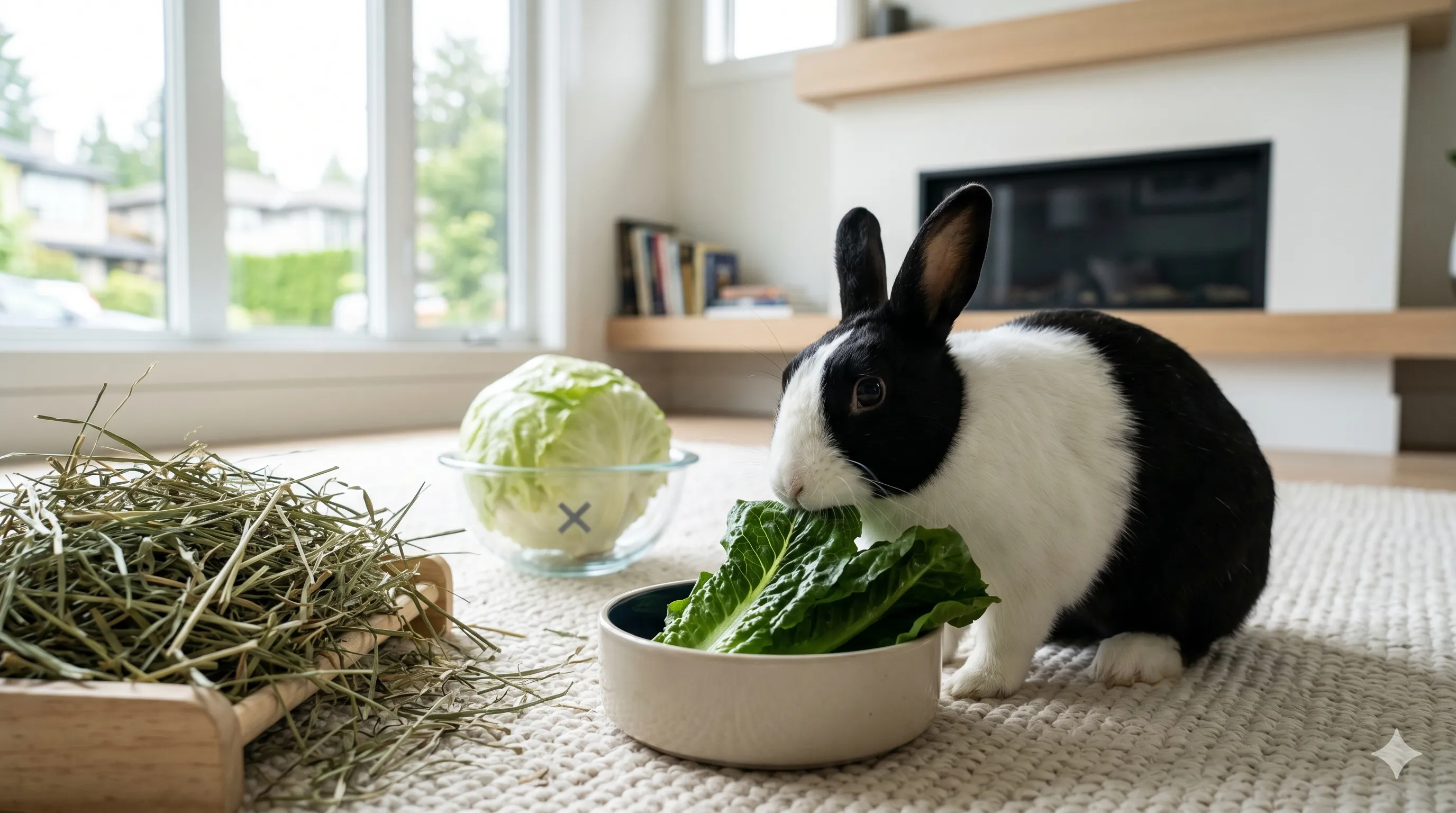
- Romaine lettuce
- Cilantro
- Parsley
- Bok choy
- Bell peppers
- Celery
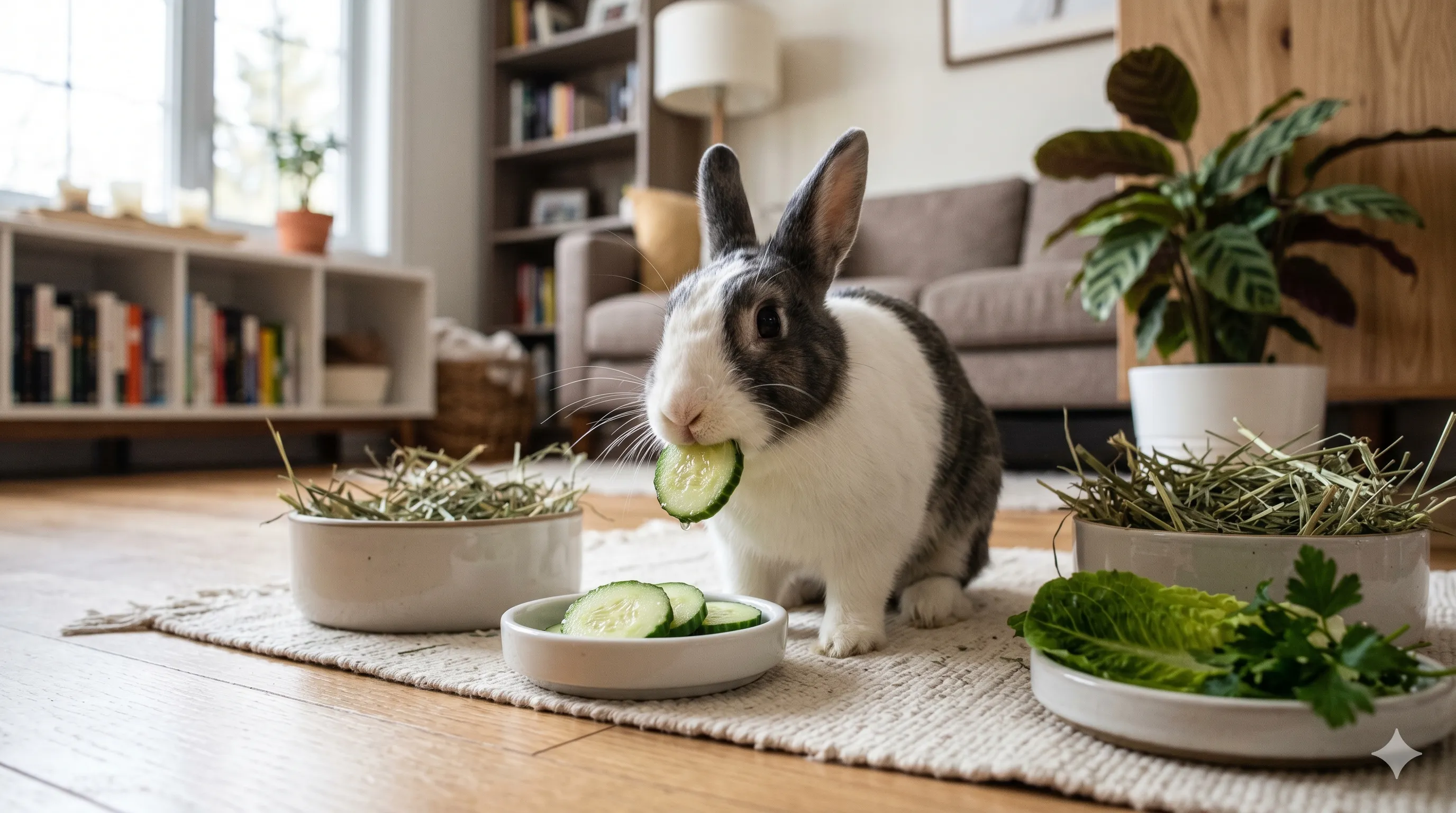
- Cucumber
Vegetable variety may help support balanced nutrition and enrichment.
Foods Rabbits Should Avoid
Some foods are unsafe or unhealthy for rabbits.
Avoid feeding rabbits:
- Chocolate
- Candy
- Onions
- Garlic
- Avocado
- Dairy products
- Processed snacks
- Sugary cereals
Sudden dietary changes should also be avoided whenever possible.
common rabbit digestive and health warning signsSigns Your Rabbit Ate Too Much Celery
If your rabbit eats excessive celery, monitor for:
- Loose stool
- Soft droppings
- Bloating
- Reduced appetite
- Lethargy
- Digestive discomfort
Digestive issues in rabbits should always be monitored carefully because rabbits are highly sensitive to gastrointestinal problems.
Example Scenario
The scenario below is an illustrative example of how this situation can play out, not a documented case study.
One rabbit owner began offering small chopped celery pieces during vegetable rotation and noticed their bunny loved the crunchy texture without digestive issues when portions remained moderate.
Another owner initially offered large celery stalk sections and later realized the long strings were difficult for their rabbit to chew comfortably. After switching to smaller chopped pieces, feeding became much safer and easier.
Proper preparation often makes the biggest difference in safely feeding celery to rabbits.
Final Thoughts
If you've been wondering whether rabbits can eat celery, the answer is yes healthy adult rabbits can safely enjoy celery in moderation when prepared properly.
Celery may provide hydration, fiber, enrichment, and low-calorie variety as part of a balanced rabbit diet.
However, the long fibrous strings mean celery should always be cut into small manageable pieces before feeding.
The healthiest rabbit diets still focus primarily on unlimited hay, fresh water, leafy greens, and balanced nutrition.
When introduced gradually and served safely, celery can become a healthy occasional vegetable option for many rabbits.
This article is intended for educational purposes and should not replace professional veterinary advice. If your rabbit develops digestive issues, appetite changes, or unusual symptoms after eating new foods, consult an experienced rabbit veterinarian.
Medical Disclaimer
This content is provided for informational and educational purposes only and should not be considered veterinary, medical, behavioral, or training advice. While we strive for accuracy, we make no guarantees regarding completeness or results. Always consult a licensed veterinarian or qualified pet care professional before making decisions about your pet’s health, diet, or behavior.
AI Illustration Notice
Some images in this article may have been generated or enhanced using artificial intelligence for illustrative purposes.
Frequently Asked Questions
Yes, rabbits can safely eat celery in moderation when cut into small bite sized pieces
Celery can provide hydration fiber and low calorie enrichment for rabbits
Celery contains long fibrous strings that may create choking or chewing difficulties if served in large pieces
Yes, celery leaves are generally safe and many rabbits enjoy them
Most adult rabbits can eat a few small chopped celery pieces several times weekly in moderation
It is generally safest to avoid celery for very young rabbits because of digestive sensitivity
Too much celery may contribute to loose stool bloating digestive upset or reduced hay consumption
Yes, celery is generally lower in sugar and calories compared to many fruit based rabbit treats
Editorial Note
This article is part of PetNurture's educational library.
Topics draw on publicly available educational resources, recognised veterinary organisations, academic publications and established animal welfare references where appropriate.
The specific sources this article draws on are listed in its References section. If you spot an error, please let us know.
References
The information in this article has been reviewed and supported using the following sources.
PDSA
PDSA lists celery, including the leaves, as a safe vegetable for rabbits.
Accessed Aug 6, 2026
RSPCA
Feeding Your Pet Rabbit a Healthy Diet
RSPCA guidance includes celery among the safe vegetables that can be offered as part of a rabbit's daily leafy greens and vegetables.
Accessed Aug 6, 2026
Pet Emergency Guidance
Every pet is unique. If your pet exhibits severe symptoms, sudden behavioral changes, or a medical emergency, do not rely on online guides — contact a licensed veterinarian or emergency clinic immediately.
About PetNurture
PetNurture is an educational library of pet care guides, interactive tools and practical resources for pet parents. We work continuously to keep our content accurate and up to date. Reader feedback helps us maintain content quality.
Related Articles
Popular Rabbit Guides