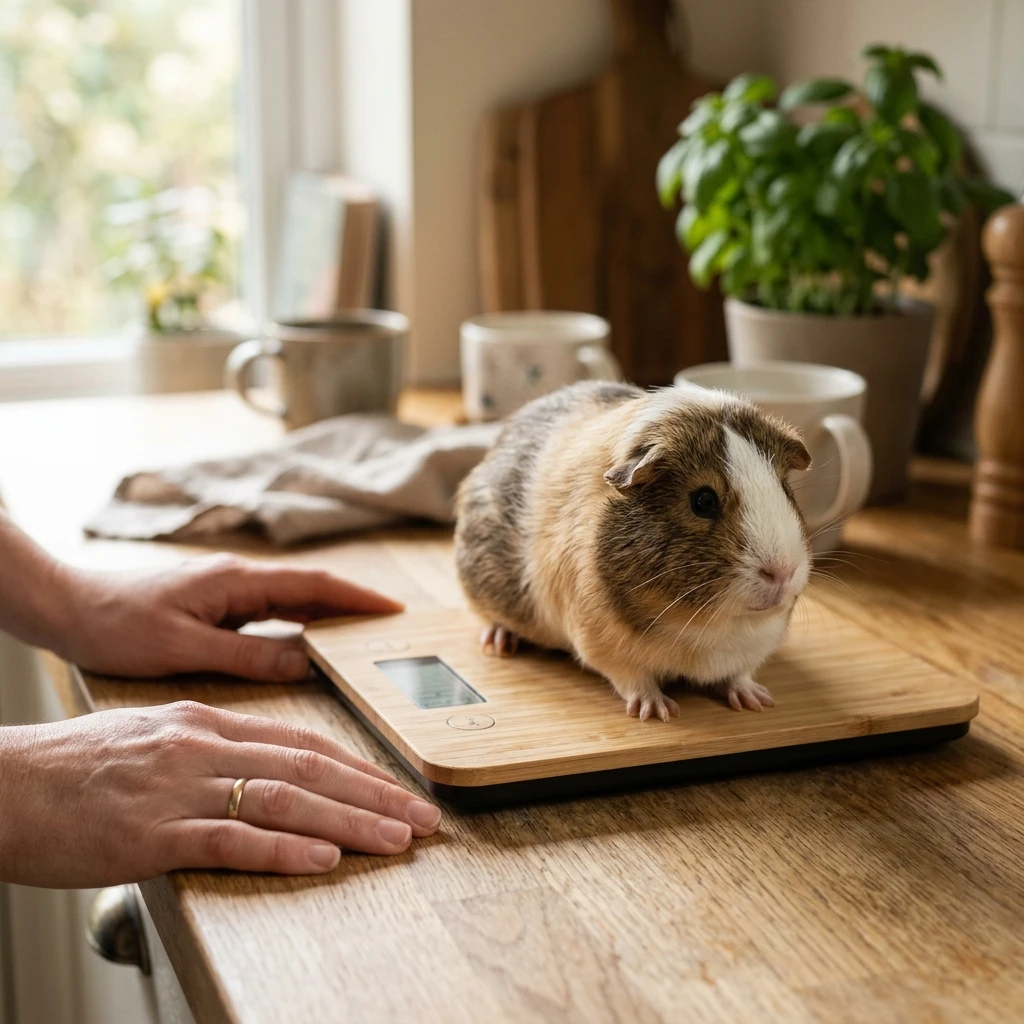
Why Is My Guinea Pig Losing Hair? Causes, Symptoms & Treatment
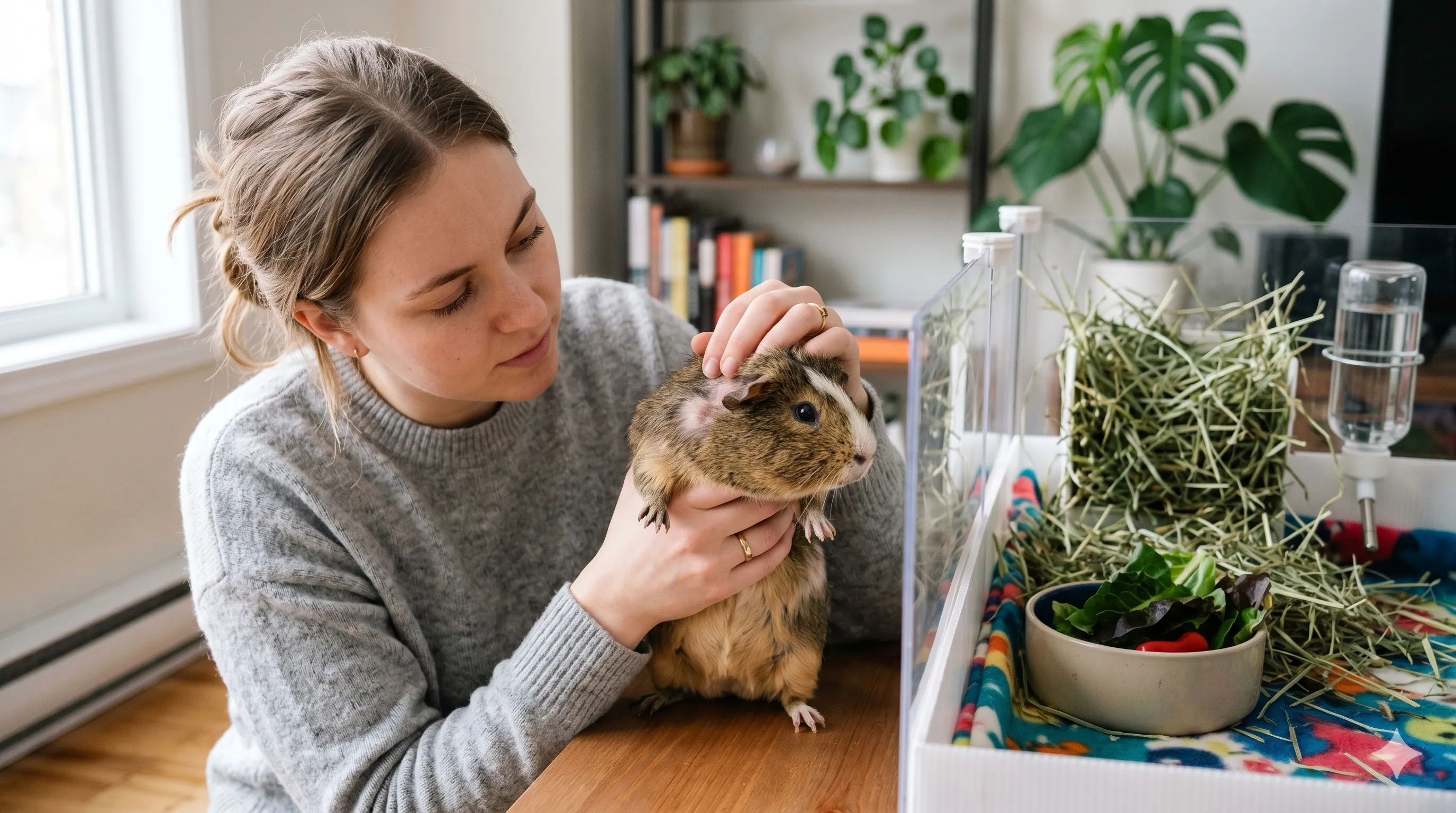
- Why Is My Guinea Pig Losing Hair? (Quick Answer)
- Is Hair Loss Normal in Guinea Pigs?
- Most Common Causes of Hair Loss in Guinea Pigs
- 1. Mites and Parasites
- 2. Fungal Infections (Ringworm)
- 3. Barbering
- 4. Stress and Environmental Factors
- 5. Nutritional Deficiencies
- 6. Hormonal Disorders
- Symptoms That May Accompany Hair Loss
- Hair Loss Location Guide
- How Veterinarians Diagnose Hair Loss
- Treatment Options for Guinea Pig Hair Loss
- Treating Parasites
- Treating Fungal Infections
- Improving Nutrition
- Managing Stress
- Addressing Hormonal Conditions
- When Should You See a Veterinarian?
- How to Help Prevent Hair Loss
- Common Myths About Guinea Pig Hair Loss
- Expert Tips
- Common Mistakes to Avoid
- Final Thoughts
Note: This article is for informational purposes only and does not replace professional veterinary advice.
Finding patches of missing fur on your guinea pig can be alarming. If you've been asking "why is my guinea pig losing hair?", the answer depends on several factors including age, diet, stress levels, parasites, fungal infections, and overall health.
While some mild hair thinning can occur naturally, noticeable bald spots, excessive scratching, flaky skin, or widespread hair loss are often signs that something is wrong. In many cases, early treatment leads to better outcomes and helps prevent more serious complications.
Because guinea pigs are prey animals that naturally hide illness, hair loss may be one of the first visible signs that your pet needs attention. If your guinea pig is also hiding more than usual, our why guinea pigs hide when sick explains what that behavior can mean.
In this complete guide, you'll learn the most common causes of guinea pig hair loss, warning signs to watch for, treatment options, prevention tips, and when veterinary care becomes necessary.
Why Is My Guinea Pig Losing Hair? (Quick Answer)
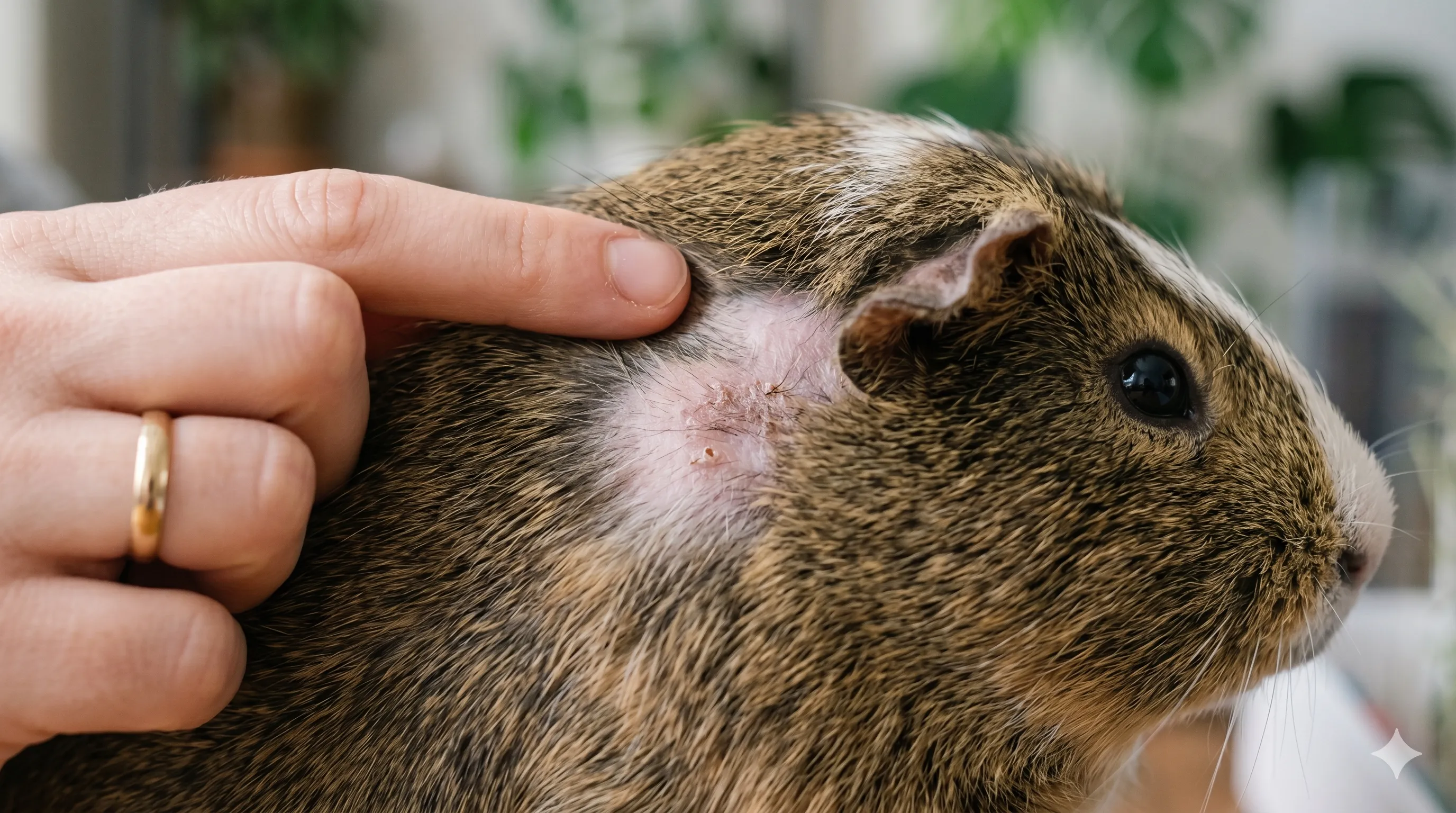
Guinea pigs may lose hair because of mites, fungal infections, barbering, stress, hormonal disorders, poor nutrition, skin infections, or underlying illness. Hair loss accompanied by itching, redness, flaky skin, wounds, or behavioral changes should be evaluated by an experienced exotic veterinarian.
The location of the hair loss and accompanying symptoms often provide important clues about the underlying cause.
Is Hair Loss Normal in Guinea Pigs?
Small amounts of shedding are normal throughout the year, especially during seasonal coat changes.
However, healthy guinea pigs should not develop:
- Large bald patches
- Inflamed skin
- Open sores
- Excessive scratching
- Crusty lesions
- Rapid fur loss
If any of these symptoms occur, further investigation is recommended.
signs of illness in guinea pigsMost Common Causes of Hair Loss in Guinea Pigs
1. Mites and Parasites
Parasites are one of the most common causes of guinea pig hair loss.
Mites can burrow into the skin and cause:
- Intense itching
- Scratching
- Hair loss
- Scabs
- Skin inflammation
- Pain
Severe infestations may even trigger seizures in some guinea pigs due to extreme discomfort.
Parasites require proper veterinary diagnosis and treatment.
2. Fungal Infections (Ringworm)
Ringworm is a fungal infection that commonly affects guinea pigs.
Typical signs include:
- Circular bald patches
- Dry flaky skin
- Crusty lesions
- Hair loss around the face
- Hair loss around the ears
- Hair loss around the rump
Because ringworm can spread to other pets and humans, prompt treatment is important.
3. Barbering
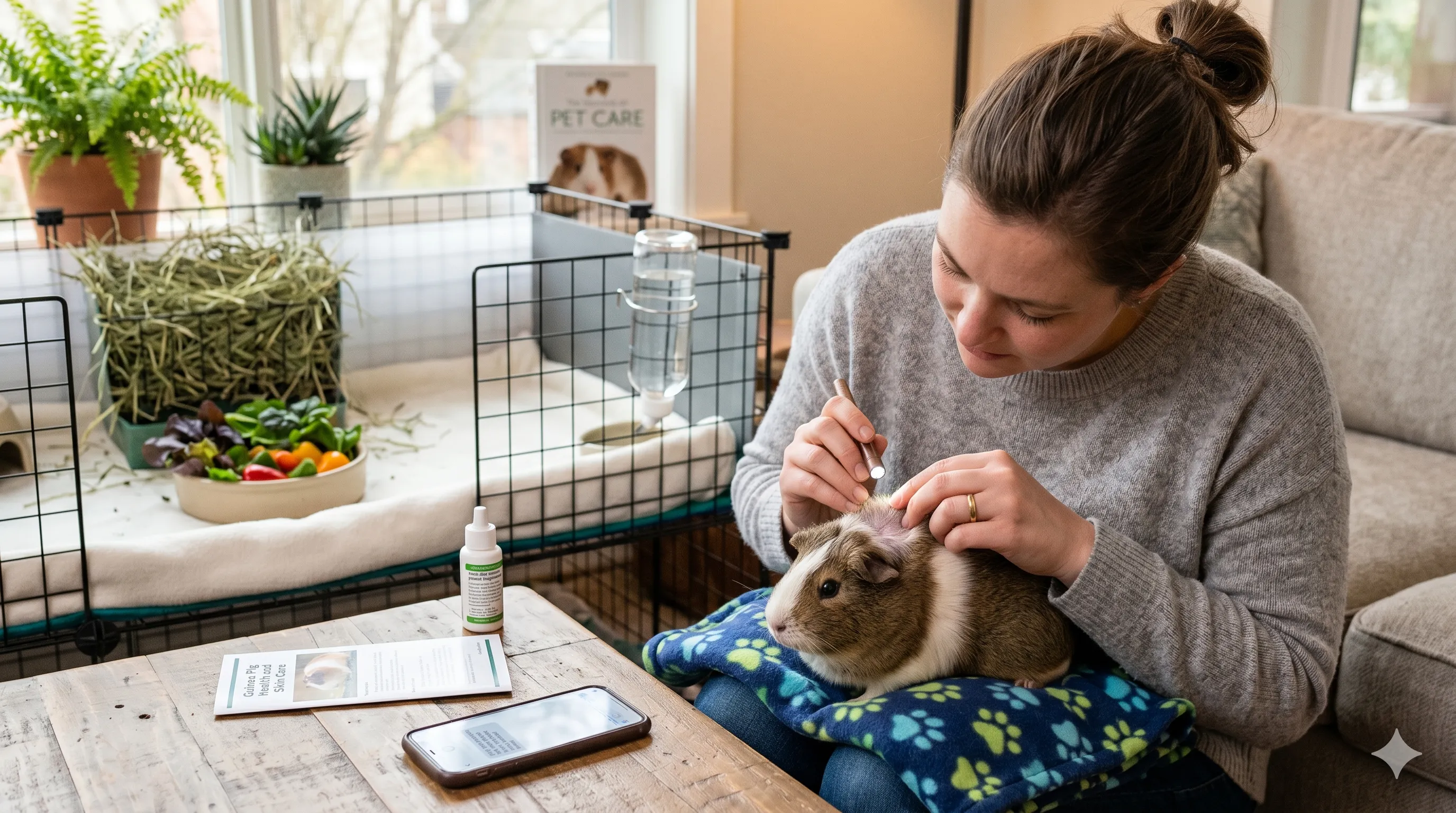
Barbering occurs when one guinea pig chews the fur of another guinea pig.
This behavior may result from:
- Dominance disputes
- Boredom
- Stress
- Overcrowding
Unlike skin disease, barbering usually leaves the skin healthy underneath the missing fur.
guinea pig teeth problems explained4. Stress and Environmental Factors
Chronic stress can affect overall health and occasionally contribute to poor coat quality.
Potential stressors include:
- Frequent handling
- Loud environments
- Small cages
- Lack of hiding places
- Social conflict
Reducing stress helps support healthier skin and coat condition.
5. Nutritional Deficiencies
Poor nutrition can negatively affect fur quality and skin health.
Important dietary requirements include:
- Unlimited hay
- Vitamin C-rich vegetables
- Fresh water
- Quality guinea pig pellets
A prolonged vitamin C deficiency can lead to scurvy which may cause a rough coat, hair loss, joint swelling, and lameness alongside other health problems, so it should never be ignored.
6. Hormonal Disorders
Some guinea pigs, particularly unspayed females past around 3 years old, may develop ovarian cysts that cause hair loss due to hormonal changes.
Hair loss associated with hormonal problems often appears:
- Symmetrical
- Along the sides
- Near the abdomen
Crusty or swollen nipples can be an additional sign in females, and veterinary diagnosis is necessary to confirm hormonal conditions.
Symptoms That May Accompany Hair Loss
Hair loss alone does not always reveal the cause.
Watch for additional symptoms such as:
- Excessive scratching
- Flaky skin
- Redness
- Scabs
- Weight loss
- Reduced appetite
- Lethargy
- Crusty skin
- Behavior changes
Hair Loss Location Guide
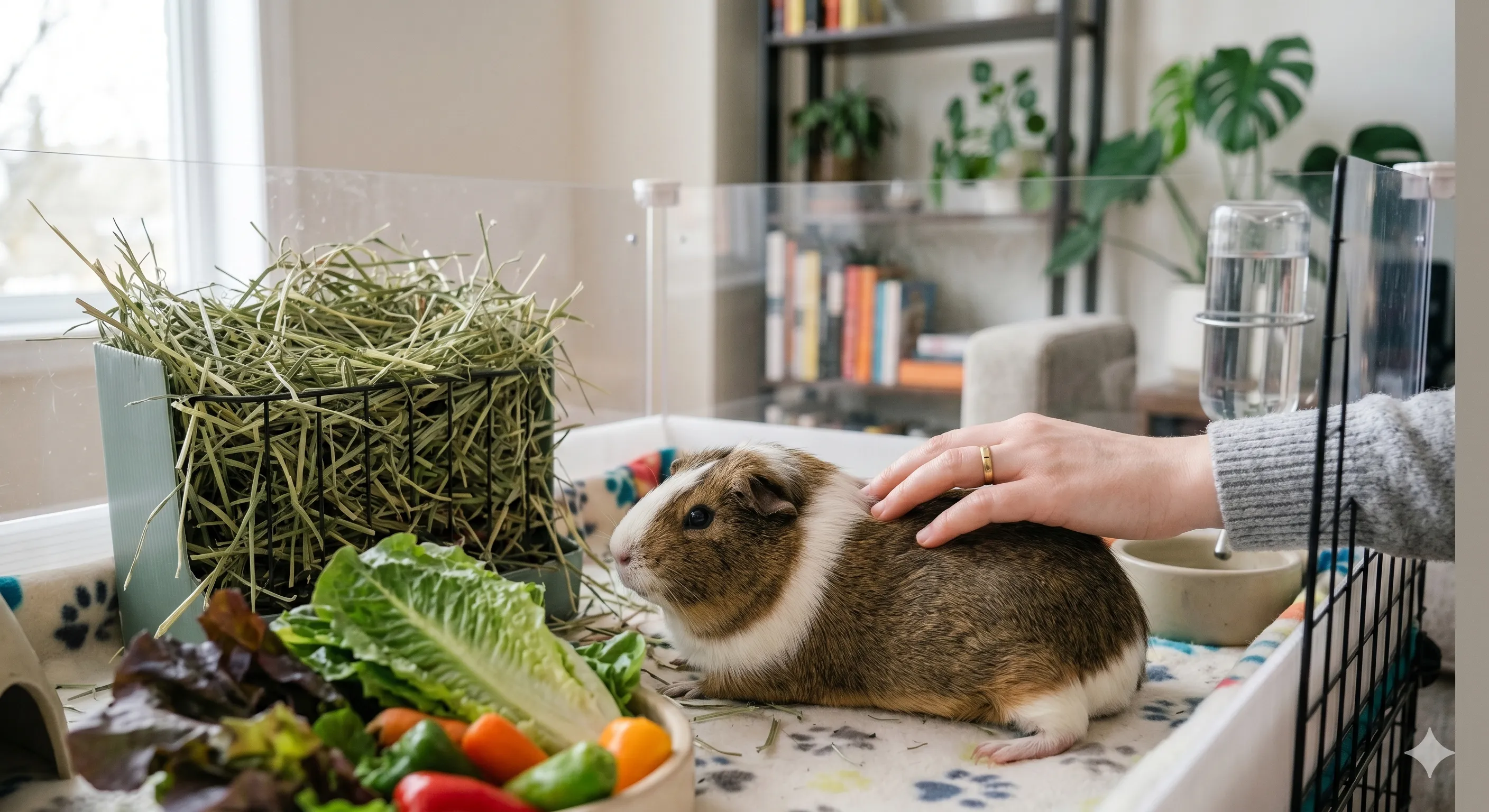
Where the hair loss shows up, and what it looks like, often narrows down the likely cause.
- Circular bald patches: often a fungal infection
- Hair loss with scratching: often mites or parasites
- Chewed uneven fur: often barbering
- Symmetrical hair loss along the sides: often a hormonal issue
- Hair loss with crusty skin: often a skin infection
- General poor coat condition: often a nutritional problem
How Veterinarians Diagnose Hair Loss
Diagnosis may involve:
- Physical examination
- Skin scraping
- Fungal testing
- Microscopic evaluation
- Medical history review
- Hormonal assessment
Accurate diagnosis is important because treatments vary depending on the underlying cause.
guinea pig poop meaning chart and digestive healthTreatment Options for Guinea Pig Hair Loss
Treating Parasites
Mite infestations are typically treated with ivermectin or a similar prescription parasiticide provided by an exotic veterinarian. Follow-up treatment is often needed since a single dose may not eliminate every stage of the mite life cycle.
Treating Fungal Infections
Mild ringworm cases are often managed with a topical antifungal cream or a vet-recommended antifungal shampoo, while more severe or widespread cases may require oral antifungal medication prescribed by a veterinarian. Treatment is usually paired with:
- Environmental cleaning
- Isolation from other pets
Improving Nutrition
A balanced diet supports healthy skin and fur growth. Make sure your guinea pig has unlimited hay and daily vitamin C-rich vegetables and fresh water and a quality pelleted diet since these same nutritional gaps are often what caused the coat problem in the first place.
Managing Stress
Providing a larger enclosure and enrichment activities and proper social housing may improve overall wellbeing. Reducing common stressors like frequent handling or loud environments or social conflict between cage mates can also help the coat recover once an underlying medical cause has been ruled out or treated.
Addressing Hormonal Conditions
Spaying is the standard recommended treatment for ovarian cysts, and your exotic veterinarian can advise on alternative management and monitoring if surgery isn't a good option for your guinea pig.
When Should You See a Veterinarian?
Seek veterinary care promptly if hair loss occurs alongside:
- Intense scratching
- Open wounds
- Weight loss
- Reduced appetite
- Lethargy
- Crusty skin lesions
- Rapidly spreading bald patches
Early treatment usually leads to faster recovery and reduces the risk of complications.
why guinea pigs get crusty eyesHow to Help Prevent Hair Loss
- Provide unlimited high-quality hay
- Feed vitamin C-rich vegetables daily
- Keep the enclosure clean
- Reduce environmental stress
- Monitor skin and coat condition regularly
- Quarantine new guinea pigs before introduction
- Schedule routine veterinary checkups
Common Myths About Guinea Pig Hair Loss
- Hair loss is not always caused by mites
- Not all bald spots are fungal infections
- Stress can affect coat condition
- Healthy diets play an important role in skin health
- Hair loss should never be ignored if symptoms worsen
Expert Tips
- Check your guinea pig's coat and skin weekly so new bald patches or scabs are caught early
- Separate a guinea pig with suspected ringworm or mites right away to protect other pets in the home
- Photograph bald patches over time so your vet can see how quickly a patch is spreading or healing
- Keep a simple diet log if hair loss appears alongside a change in food, since nutritional causes are easy to miss
Common Mistakes to Avoid
- Assuming hair loss will resolve on its own without checking for scratching, redness, or scabs
- Treating suspected mites or ringworm with over-the-counter products before a vet confirms the cause
- Overlooking diet as a cause and only considering parasites or infection
- Waiting to separate guinea pigs during a barbering or dominance dispute until injuries appear
Final Thoughts
If your guinea pig is losing hair, careful observation can help identify whether the problem is caused by parasites, fungal infections, barbering, nutritional deficiencies, hormonal disorders, or another health concern.
Because many causes of hair loss require specific treatment, persistent bald spots, itching, redness, or skin abnormalities should always be investigated promptly.
With proper diagnosis, veterinary care, and good husbandry practices, many guinea pigs recover successfully and regain healthy coat growth. For broader day-to-day care that helps prevent coat and skin problems before they start, our complete guinea pig care guide covers feeding, housing, and health monitoring in one place.
This article is intended for educational purposes only and should not replace professional veterinary advice. If your guinea pig develops significant hair loss, skin lesions, severe itching, or signs of illness, consult an experienced exotic veterinarian promptly.
Medical Disclaimer
This content is provided for informational and educational purposes only and should not be considered veterinary, medical, behavioral, or training advice. While we strive for accuracy, we make no guarantees regarding completeness or results. Always consult a licensed veterinarian or qualified pet care professional before making decisions about your pet’s health, diet, or behavior.
AI Illustration Notice
Some images in this article may have been generated or enhanced using artificial intelligence for illustrative purposes.
Frequently Asked Questions
Hair loss may result from mites or fungal infections. It can also be caused by barbering or stress or a hormonal or nutritional problem.
Yes. Mites are one of the most common causes of itching and hair loss and they can also cause scabs and skin irritation in guinea pigs.
Ringworm often causes circular bald patches and flaky skin and it can also cause crusty lesions and hair loss around the face or ears.
Stress may contribute to poor coat condition and fur chewing behaviors especially in overcrowded or unsuitable environments.
Small bald areas behind the ears can sometimes be normal but expanding hair loss should be monitored carefully.
Some causes such as fungal infections like ringworm can spread to other pets and humans.
Yes. Poor nutrition and vitamin deficiencies can affect skin health and coat quality and overall wellbeing.
Veterinary care is recommended if hair loss is accompanied by itching or redness or scabs or weight loss or lethargy or appetite changes.
Yes. Barbering occurs when one guinea pig chews another guinea pig's fur often because of dominance or boredom.
Providing a healthy diet and a clean enclosure and a low-stress environment along with routine health checks and proper parasite control can help reduce the risk of hair loss.
Editorial Note
This article is part of PetNurture's educational library.
Topics are researched using publicly available educational resources, recognised veterinary organisations, academic publications and established animal welfare references where appropriate.
Every article is reviewed by the PetNurture editorial team for clarity, structure, readability and consistency before publication.
References
The information in this article has been reviewed and supported using the following sources.
VCA Animal Hospitals
Confirms that guinea pig fur mites cause intense itching, hair loss, and in severe cases seizures, and that secondary bacterial skin infection and lethargy can follow; supports the 'Mites and Parasites' section of this article.
Accessed Aug 6, 2026
VCA Animal Hospitals
Health Problems in Guinea Pigs
Confirms ringworm and hormonal conditions like ovarian cysts as documented causes of guinea pig hair loss; supports the 'Fungal Infections (Ringworm)' and 'Hormonal Disorders' sections of this article.
Accessed Aug 6, 2026
Pet Emergency Guidance
Every pet is unique. If your pet exhibits severe symptoms, sudden behavioral changes, or a medical emergency, do not rely on online guides — contact a licensed veterinarian or emergency clinic immediately.
About PetNurture
PetNurture is an educational library of pet care guides, interactive tools and practical resources for pet parents. We work continuously to keep our content accurate and up to date. Reader feedback helps us maintain content quality.
Related Articles

Popular Guinea Pig Guides
Guinea Pig
Guinea Pig Vitamin C Calculator
Calculate how much vitamin C your guinea pig needs each day.
Guinea Pig
Guinea Pig Age Calculator
Convert your guinea pig's age to human years and discover their life stage.