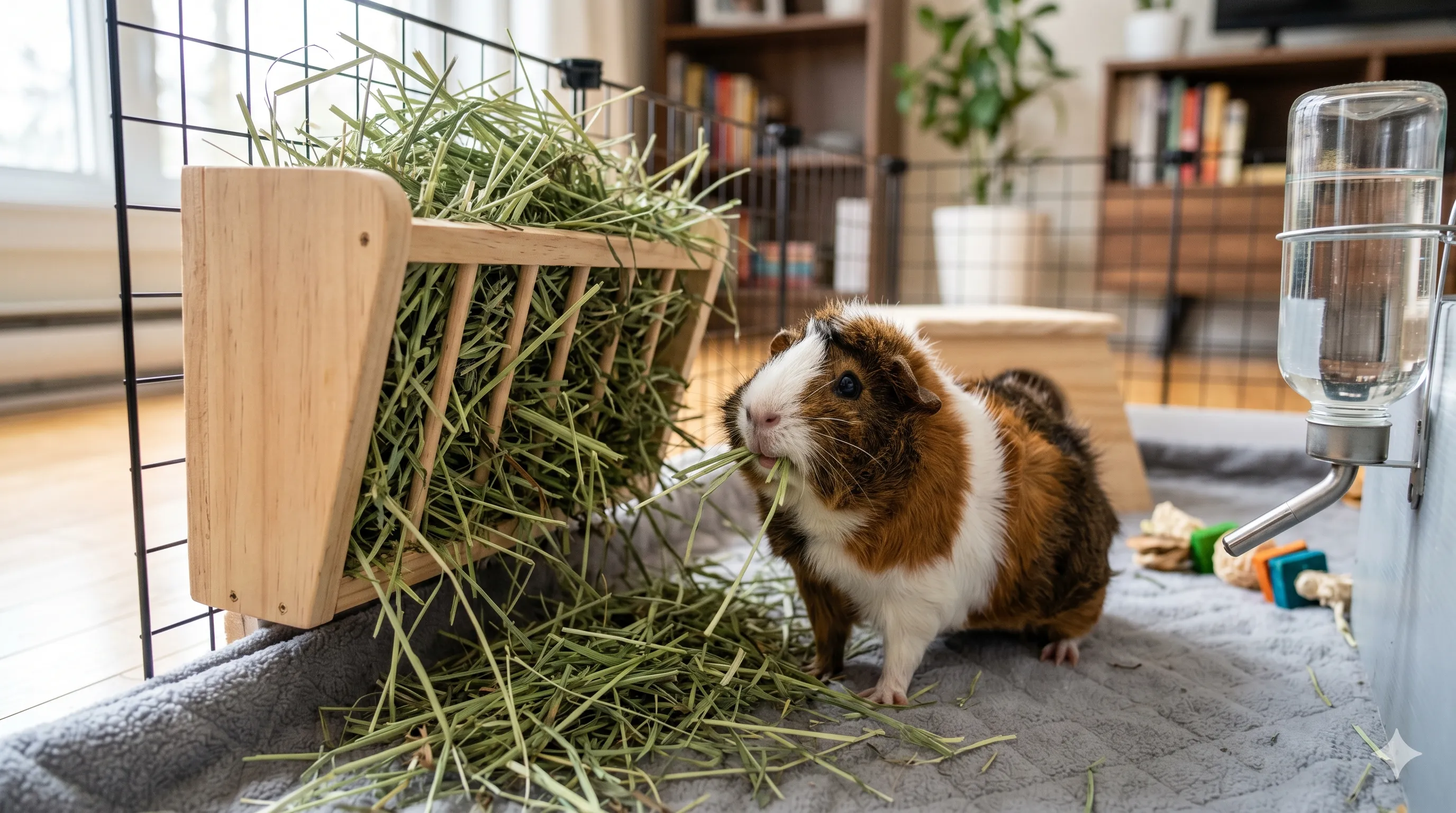
Can Guinea Pigs Eat Carrots Daily? Healthy Snack or Too Much Sugar?
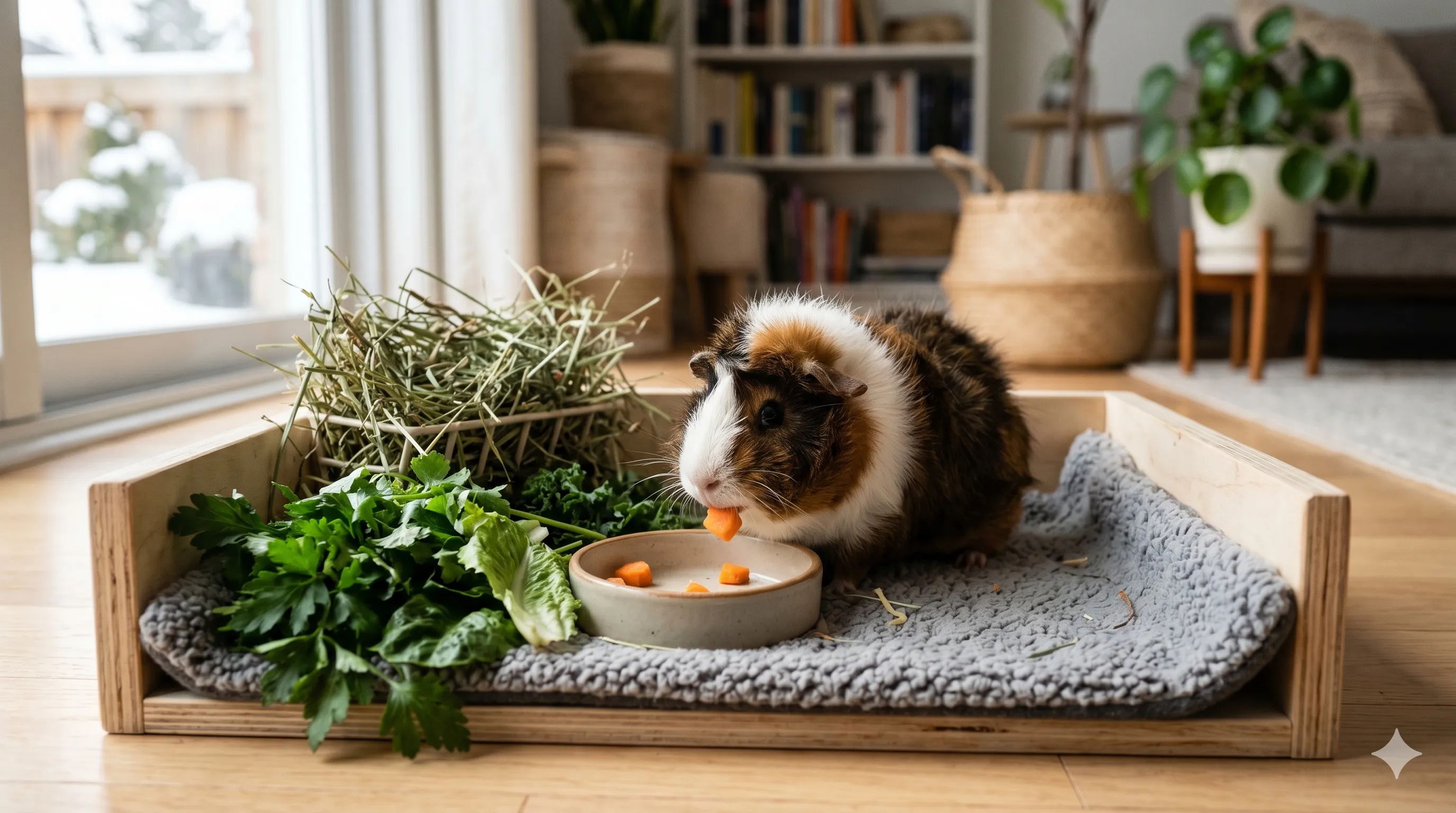
- Can Guinea Pigs Eat Carrots Daily? (Quick Answer)
- Are Carrots Safe for Guinea Pigs?
- Why Guinea Pigs Love Carrots
- Nutritional Benefits of Carrots for Guinea Pigs
- Beta-Carotene and Vitamin A
- Dietary Fiber
- Natural Enrichment
- Antioxidants
- Why Daily Carrot Feeding Can Be a Problem
- How Much Sugar Is in Carrots?
- How Much Carrot Can Guinea Pigs Eat?
- How Often Should Guinea Pigs Eat Carrots?
- Can Guinea Pigs Eat Baby Carrots?
- Can Guinea Pigs Eat Carrot Tops?
- Can Baby Guinea Pigs Eat Carrots?
- Best Vegetables for Guinea Pigs
- What Should Guinea Pigs Eat Every Day?
- Signs Your Guinea Pig May Be Eating Too Many Carrots
- How to Introduce Carrots Safely
- Start Small
- Observe Digestion
- Feed Raw Carrots Only
- Rotate Vegetables
- Common Myths About Carrots for Guinea Pigs
- Myth: Carrots Are the Perfect Daily Guinea Pig Food
- Myth: More Carrots Means Better Nutrition
- Myth: Carrot Tops Are Unsafe
- Myth: Guinea Pigs Need Carrots Every Day
- Final Thoughts
Note: This article is for informational purposes only and does not replace professional veterinary advice.
Carrots are often associated with small pets, leading many owners to assume they are one of the healthiest foods a guinea pig can eat. While carrots can absolutely be part of a balanced guinea pig diet, there is an important question many owners overlook: can guinea pigs eat carrots daily?
The short answer is that guinea pigs can safely eat carrots, but feeding them every day is usually not the best choice. Although carrots contain beneficial nutrients like beta-carotene, fiber, and antioxidants, they also contain significantly more natural sugar than many vegetables commonly recommended for guinea pigs.
This doesn't mean carrots are unhealthy. It simply means they should be treated as a supplemental vegetable rather than a dietary staple.
Understanding how often to feed carrots, how much is safe, and how carrots fit into a complete guinea pig diet can help prevent common feeding mistakes while ensuring your pet receives proper nutrition.
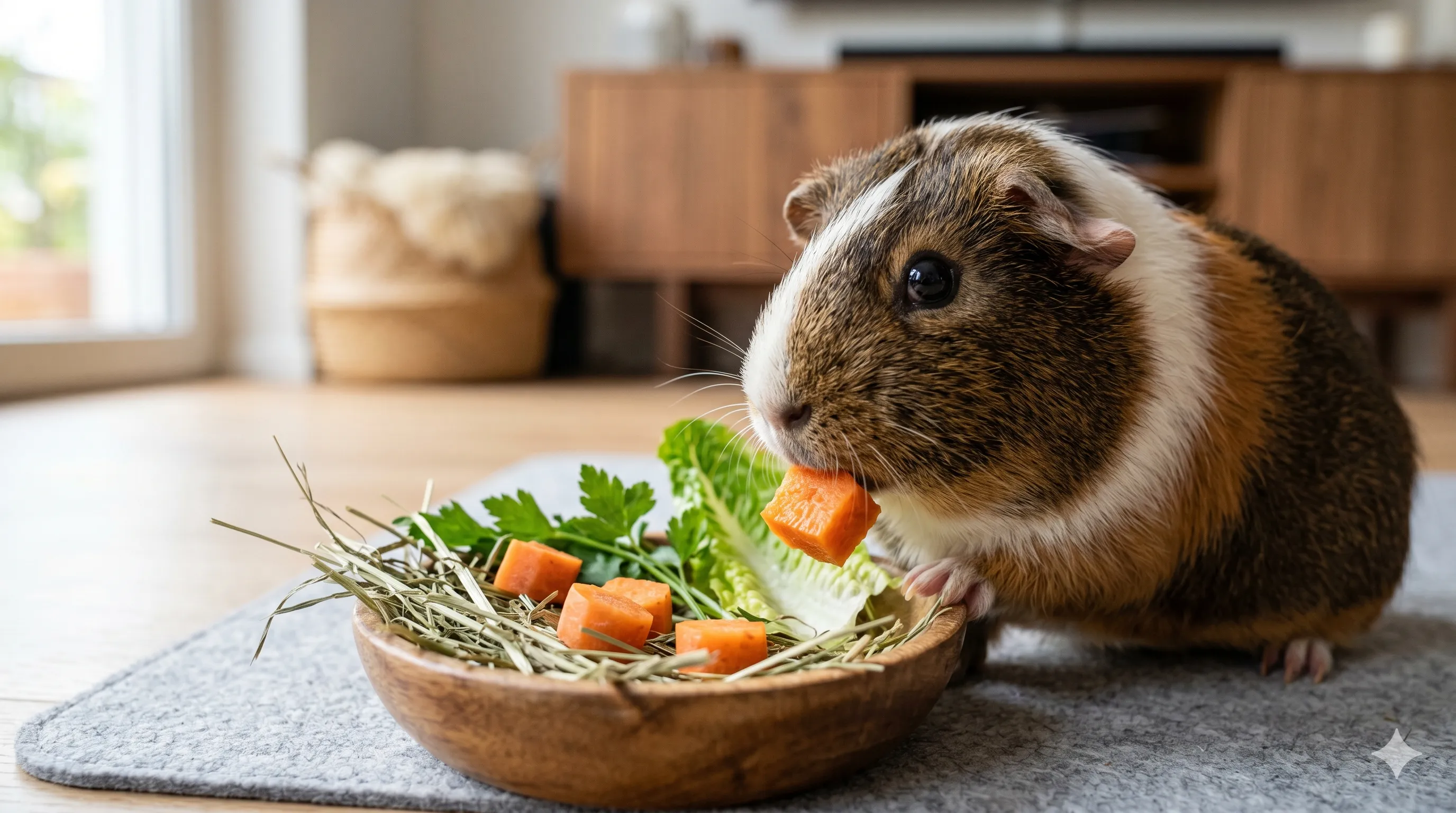
Can Guinea Pigs Eat Carrots Daily? (Quick Answer)
Guinea pigs can eat small amounts of carrots occasionally, but daily feeding is generally not recommended. Carrots contain natural sugars that can contribute to weight gain and digestive issues if consumed too frequently. Most guinea pigs do best with small portions of carrot one to three times per week alongside a variety of other vegetables.
Are Carrots Safe for Guinea Pigs?
Yes, carrots are safe for healthy guinea pigs when offered in moderation.
Carrots provide several beneficial nutrients and are enjoyed by many guinea pigs because of their naturally sweet flavor and crunchy texture.
Benefits of carrots include:
- Dietary variety
- Beta-carotene
- Fiber
- Natural enrichment
- Antioxidants
The concern isn't whether carrots are safe. The concern is how often they are fed.
Why Guinea Pigs Love Carrots
Many guinea pigs become excited when they see carrots because they naturally prefer sweet flavors.
Compared to leafy greens, carrots contain more natural sugars, making them especially appealing.
This preference can sometimes cause owners to overfeed carrots, especially when their guinea pig seems eager for more.
Just because a guinea pig enjoys carrots doesn't necessarily mean they should eat them every day.
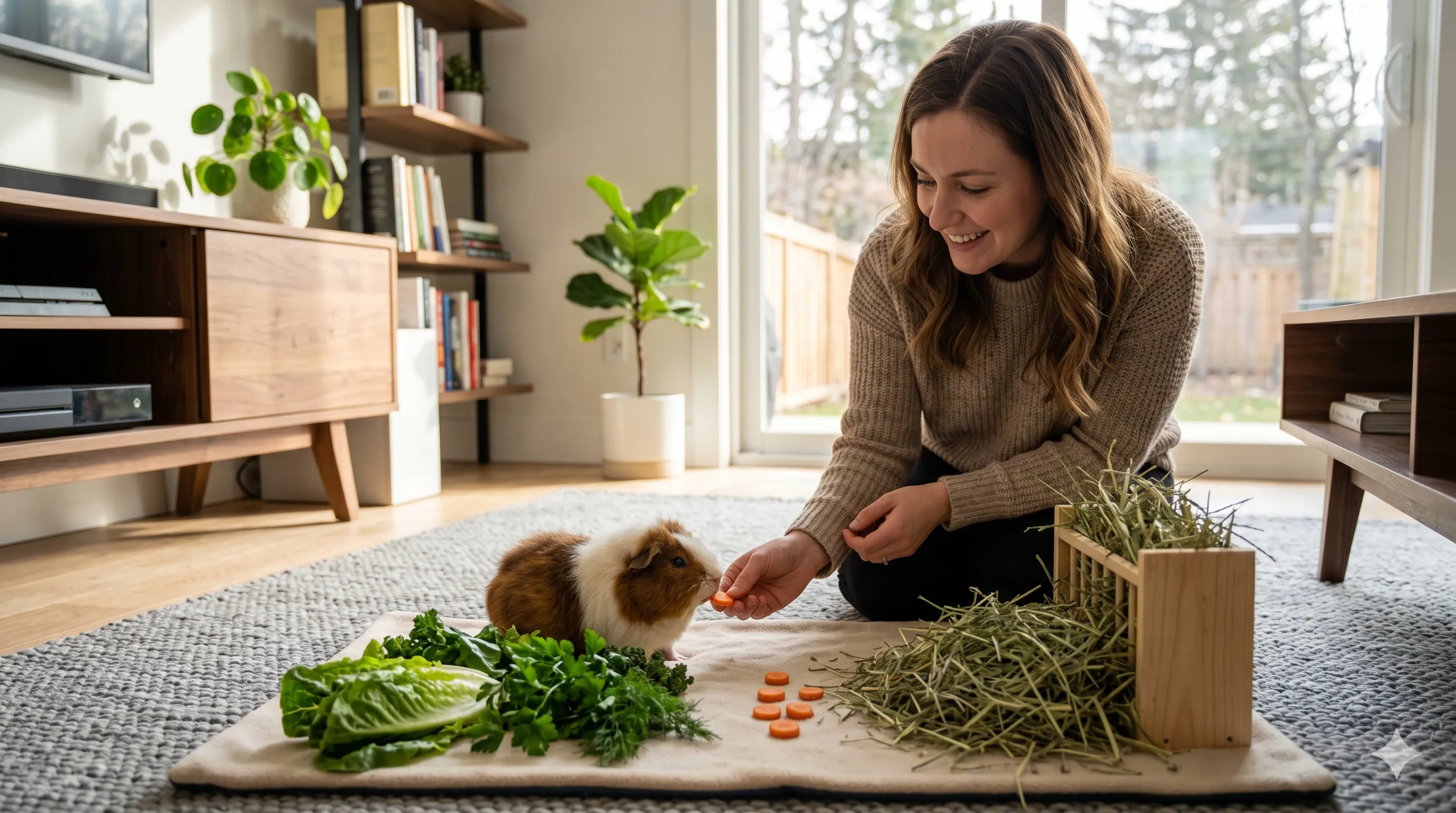
Nutritional Benefits of Carrots for Guinea Pigs
Beta-Carotene and Vitamin A
Carrots are well known for their high beta-carotene content.
Beta-carotene is converted into vitamin A within the body and supports:
- Eye health
- Immune function
- Skin health
- Normal body functions
Dietary Fiber
Carrots contain fiber that contributes to digestive health.
However, it's important to remember that hay—not vegetables—is the primary source of fiber guinea pigs need.
can guinea pigs eat apples safelyNatural Enrichment
The crunchy texture of carrots encourages chewing and exploration.
Offering different vegetables helps create a more stimulating feeding experience.
Antioxidants
Carrots contain naturally occurring antioxidants that contribute to overall nutritional value.
While carrots shouldn't be viewed as a miracle food, they can play a useful role in a varied diet.
Why Daily Carrot Feeding Can Be a Problem
The biggest issue with daily carrot feeding is sugar.
Although carrots are vegetables, they contain considerably more natural sugar than many leafy greens commonly fed to guinea pigs.
Over time, excessive sugar intake may contribute to:
- Weight gain
- Digestive imbalance
- Soft stools
- Reduced interest in healthier foods
Occasional treats are beneficial. Excessive treats can create dietary problems.
How Much Sugar Is in Carrots?
Carrots contain naturally occurring sugars that make them sweeter than vegetables such as:
- Romaine lettuce
- Cucumber
- Zucchini
- Bell peppers
- Cilantro
Because of this, carrots should generally be rotated with lower-sugar vegetables rather than served every day.
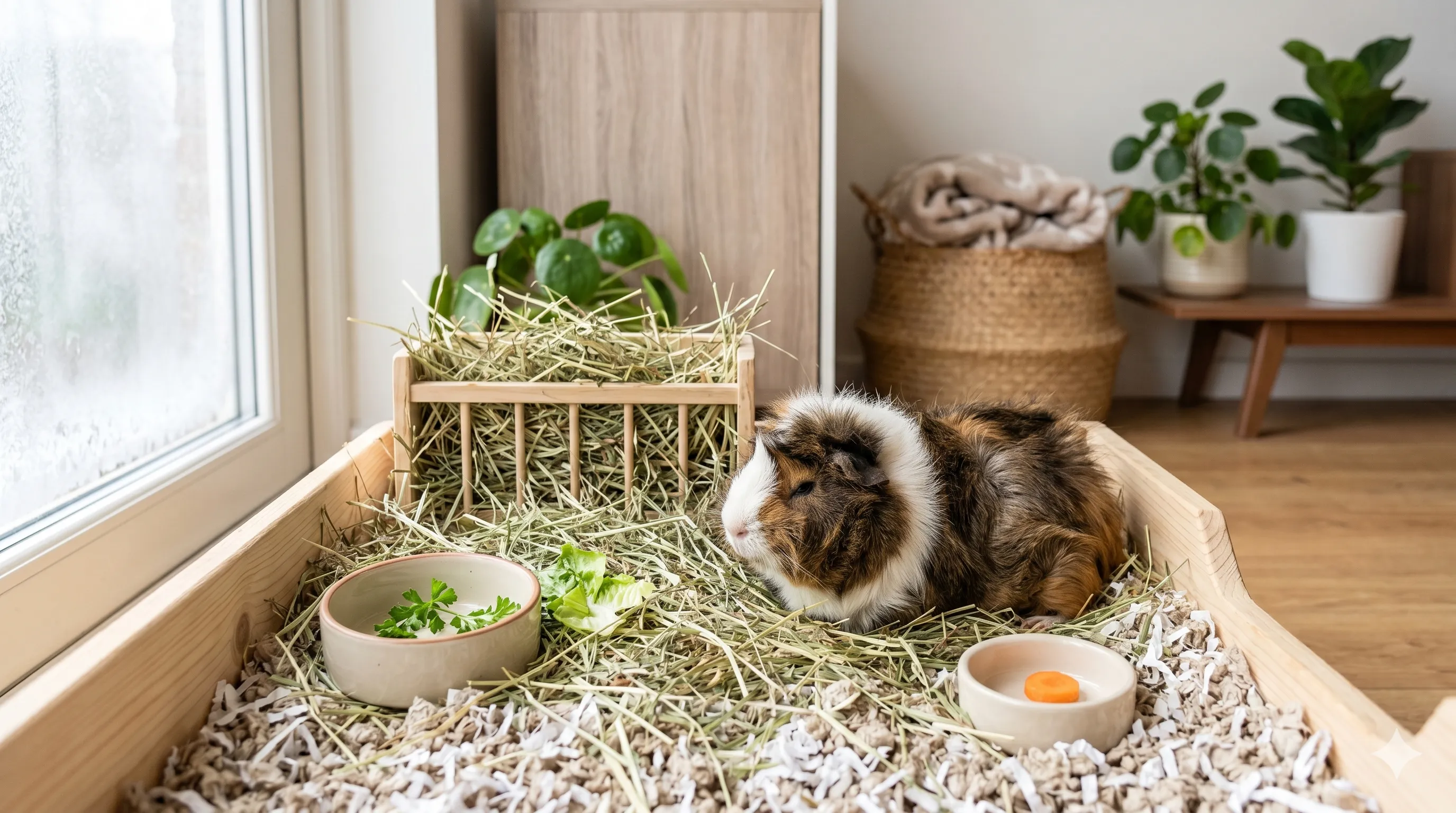
How Much Carrot Can Guinea Pigs Eat?
For most healthy adult guinea pigs, a safe serving size is:
- One or two thin slices
- A few small carrot sticks
- A small chunk approximately thumbnail-sized
Large portions are unnecessary and increase sugar intake without providing additional benefits.
How Often Should Guinea Pigs Eat Carrots?
Most guinea pigs can safely enjoy carrots:
- One to three times per week
- As part of a varied vegetable rotation
- In small portions
Daily feeding is generally unnecessary when healthier lower-sugar vegetables are available.
cucumber feeding guide for guinea pigsCan Guinea Pigs Eat Baby Carrots?
Yes, baby carrots are safe for guinea pigs.
However, they should follow the same feeding guidelines as regular carrots.
Before feeding:
- Wash thoroughly
- Cut into appropriate sizes
- Feed in moderation
Baby carrots are not nutritionally different enough to justify larger portions.
Can Guinea Pigs Eat Carrot Tops?
Yes. Carrot tops are generally safe and are often considered a healthier option than the carrot root itself.
Carrot greens provide:
- Fiber
- Lower sugar levels
- Leafy variety
- Natural enrichment
Many guinea pigs enjoy carrot tops just as much as the carrots themselves.
Always wash greens thoroughly before feeding.
Can Baby Guinea Pigs Eat Carrots?
Young guinea pigs can eat small amounts of carrot, but carrots should not be a major focus of their diet.
Growing guinea pigs benefit most from:
- Unlimited hay
- Fresh water
- Quality pellets
- Vitamin C-rich vegetables
Introduce carrots gradually and observe digestion carefully.
best lettuce varieties for guinea pigsBest Vegetables for Guinea Pigs
A healthy guinea pig diet should contain a variety of vegetables rather than relying heavily on a single food.
Excellent vegetable choices include:
- Bell peppers
- Romaine lettuce
- Cucumber
- Cilantro
- Parsley in moderation
- Zucchini
- Small carrot portions
Variety helps reduce nutritional imbalances while providing broader nutrient coverage.
What Should Guinea Pigs Eat Every Day?
Many owners spend a lot of time thinking about treats while overlooking the foods that matter most.
A healthy daily diet should primarily consist of:
- Unlimited grass hay
- Fresh clean water
- Vitamin C-rich vegetables
- Quality guinea pig pellets
Hay should make up the majority of a guinea pig's food intake and remains the foundation of good nutrition.
daily hay requirements for guinea pigsSigns Your Guinea Pig May Be Eating Too Many Carrots
Excessive carrot consumption may contribute to:
- Weight gain
- Soft droppings
- Digestive upset
- Reduced hay consumption
- Preference for sugary foods
If carrots become a daily habit, consider reducing portions and increasing lower-sugar vegetables instead.
How to Introduce Carrots Safely
Start Small
Offer only a tiny amount initially.
Observe Digestion
Watch for:
- Soft stools
- Bloating
- Appetite changes
Feed Raw Carrots Only
Avoid:
- Cooked carrots
- Canned carrots
- Seasoned vegetables
- Sugary processed foods
Rotate Vegetables
A varied diet is healthier than feeding the same vegetables repeatedly.
Common Myths About Carrots for Guinea Pigs
Myth: Carrots Are the Perfect Daily Guinea Pig Food
Carrots are safe but not ideal as an everyday vegetable due to their sugar content.
Myth: More Carrots Means Better Nutrition
Balanced variety provides better nutrition than large amounts of a single vegetable.
Myth: Carrot Tops Are Unsafe
Properly washed carrot tops are generally safe and often lower in sugar than the root.
Myth: Guinea Pigs Need Carrots Every Day
Guinea pigs can thrive without daily carrot consumption as long as they receive a balanced diet.
Final Thoughts
Guinea pigs can safely enjoy carrots as part of a healthy diet, but daily feeding is usually unnecessary and may provide more sugar than ideal. Small portions one to three times per week are generally sufficient for most healthy guinea pigs.
Carrots offer beneficial nutrients, enrichment, and variety, but they should never replace hay, fresh vegetables, water, and quality pellets as the foundation of proper nutrition.
When fed in moderation and combined with a balanced vegetable rotation, carrots can be a safe and enjoyable treat that most guinea pigs genuinely love.
This article is intended for educational purposes only and should not replace professional veterinary advice. If your guinea pig develops digestive problems, appetite loss, or unusual symptoms after dietary changes, consult a qualified exotic animal veterinarian.
Medical Disclaimer
This content is provided for informational and educational purposes only and should not be considered veterinary, medical, behavioral, or training advice. While we strive for accuracy, we make no guarantees regarding completeness or results. Always consult a licensed veterinarian or qualified pet care professional before making decisions about your pet’s health, diet, or behavior.
AI Illustration Notice
Some images in this article may have been generated or enhanced using artificial intelligence for illustrative purposes.
Frequently Asked Questions
Small amounts occasionally are fine but daily feeding is generally not recommended because carrots contain natural sugar.
Yes carrots provide beta-carotene fiber antioxidants and enrichment when fed in moderation.
Most guinea pigs can safely eat one or two thin slices or a few small carrot sticks at a time.
Yes carrot tops are generally safe and often contain less sugar than the carrot root.
Excessive carrot consumption may contribute to digestive upset or soft stools in sensitive guinea pigs.
Baby guinea pigs can eat small amounts but should primarily focus on hay pellets and appropriate vegetables.
Guinea pigs should eat unlimited hay fresh water vitamin C rich vegetables and quality pellets every day.
Most guinea pigs do well with carrots one to three times per week as part of a varied diet.
Editorial Note
This article is part of PetNurture's educational library.
Topics are researched using publicly available educational resources, recognised veterinary organisations, academic publications and established animal welfare references where appropriate.
Every article is reviewed by the PetNurture editorial team for clarity, structure, readability and consistency before publication.
References
The information in this article has been reviewed and supported using the following sources.
PDSA
PDSA groups carrot among the treat-style foods, alongside apple and strawberry, that should be given in small amounts because of their sugar content.
Accessed Aug 6, 2026
PetMD
PetMD includes carrots among the vegetables that can make up part of a guinea pig's daily rotating vegetable mixture.
Accessed Aug 6, 2026
Pet Emergency Guidance
Every pet is unique. If your pet exhibits severe symptoms, sudden behavioral changes, or a medical emergency, do not rely on online guides — contact a licensed veterinarian or emergency clinic immediately.
About PetNurture
PetNurture is an educational library of pet care guides, interactive tools and practical resources for pet parents. We work continuously to keep our content accurate and up to date. Reader feedback helps us maintain content quality.
Related Articles
Popular Guinea Pig Guides


Guinea Pig
Guinea Pig Feeding Calculator
Calculate daily food portions for your guinea pig by weight.