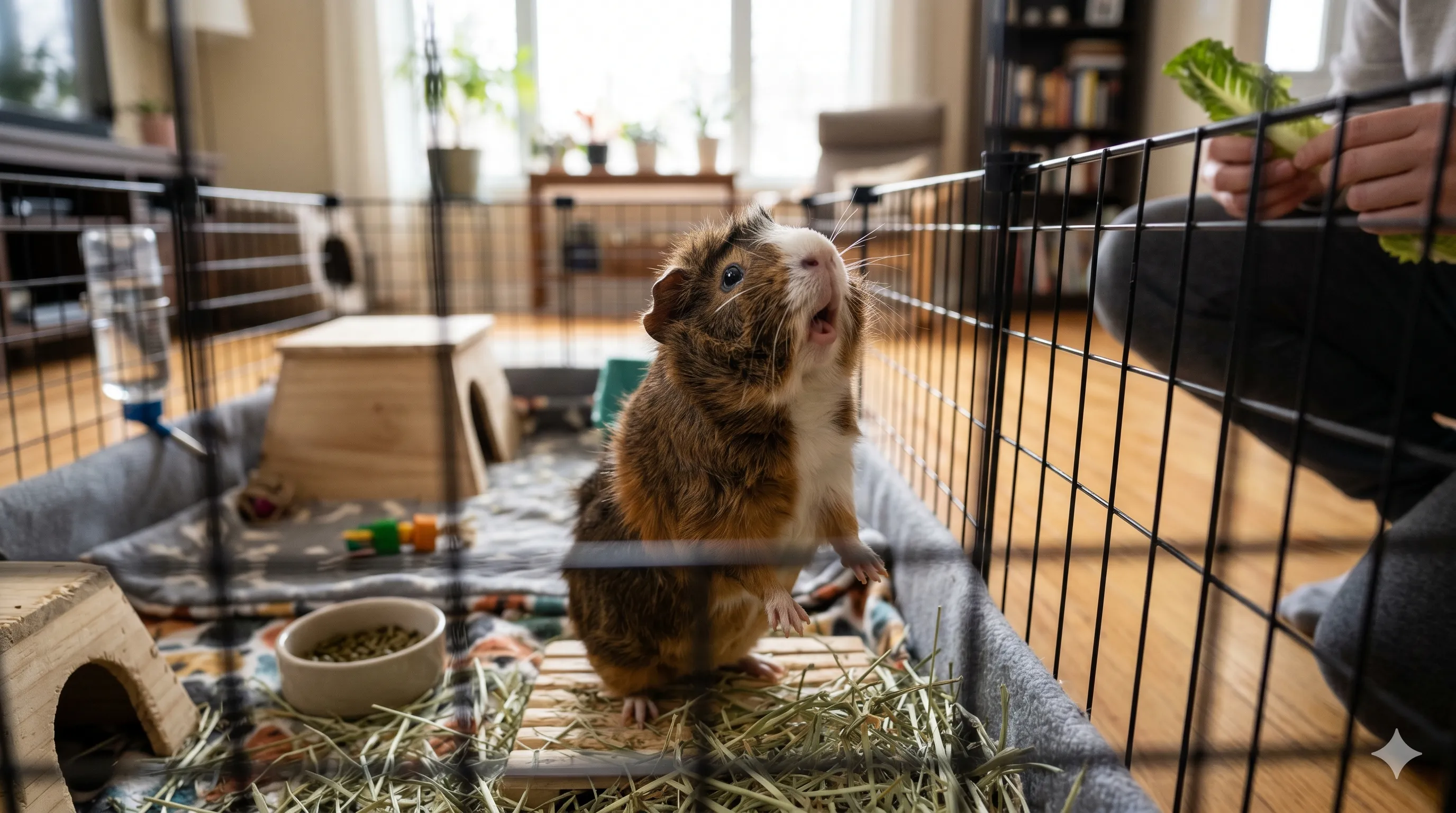
Why Is My Guinea Pig Hiding? Stress, Fear or Normal Behavior Explained
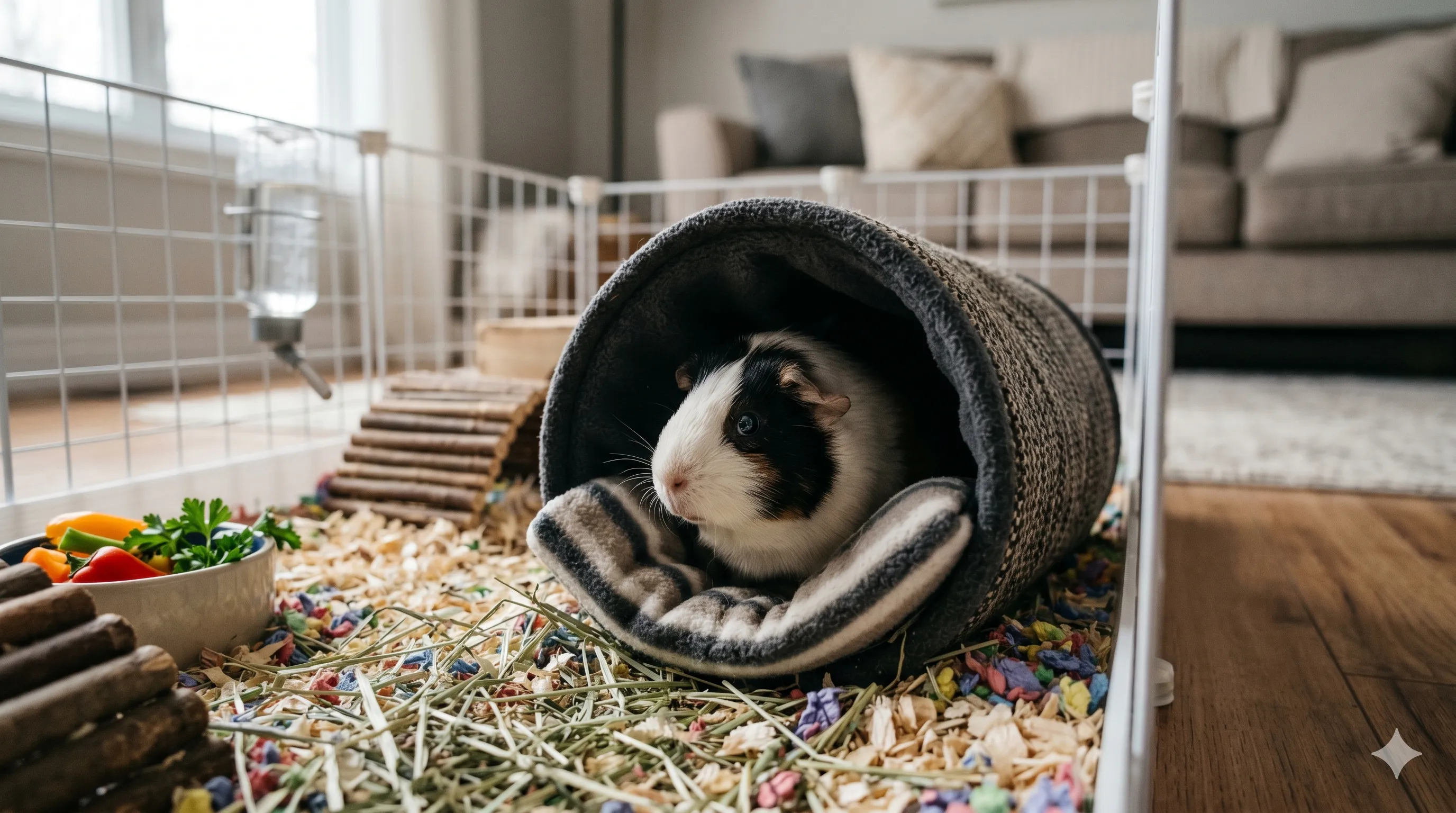
- Why Is My Guinea Pig Hiding? (Quick Answer)
- Is It Normal for Guinea Pigs to Hide?
- 8 Common Reasons Guinea Pigs Hide
- 1. Natural Survival Instincts
- 2. Adjusting to a New Home
- 3. Fear and Stress
- 4. Illness or Physical Discomfort
- 5. Social Tension Between Guinea Pigs
- 6. Lack of Confidence
- 7. Insufficient Cage Space
- 8. Changes in Routine
- Normal Hiding vs Concerning Hiding
- How to Help a Nervous Guinea Pig Feel Safer
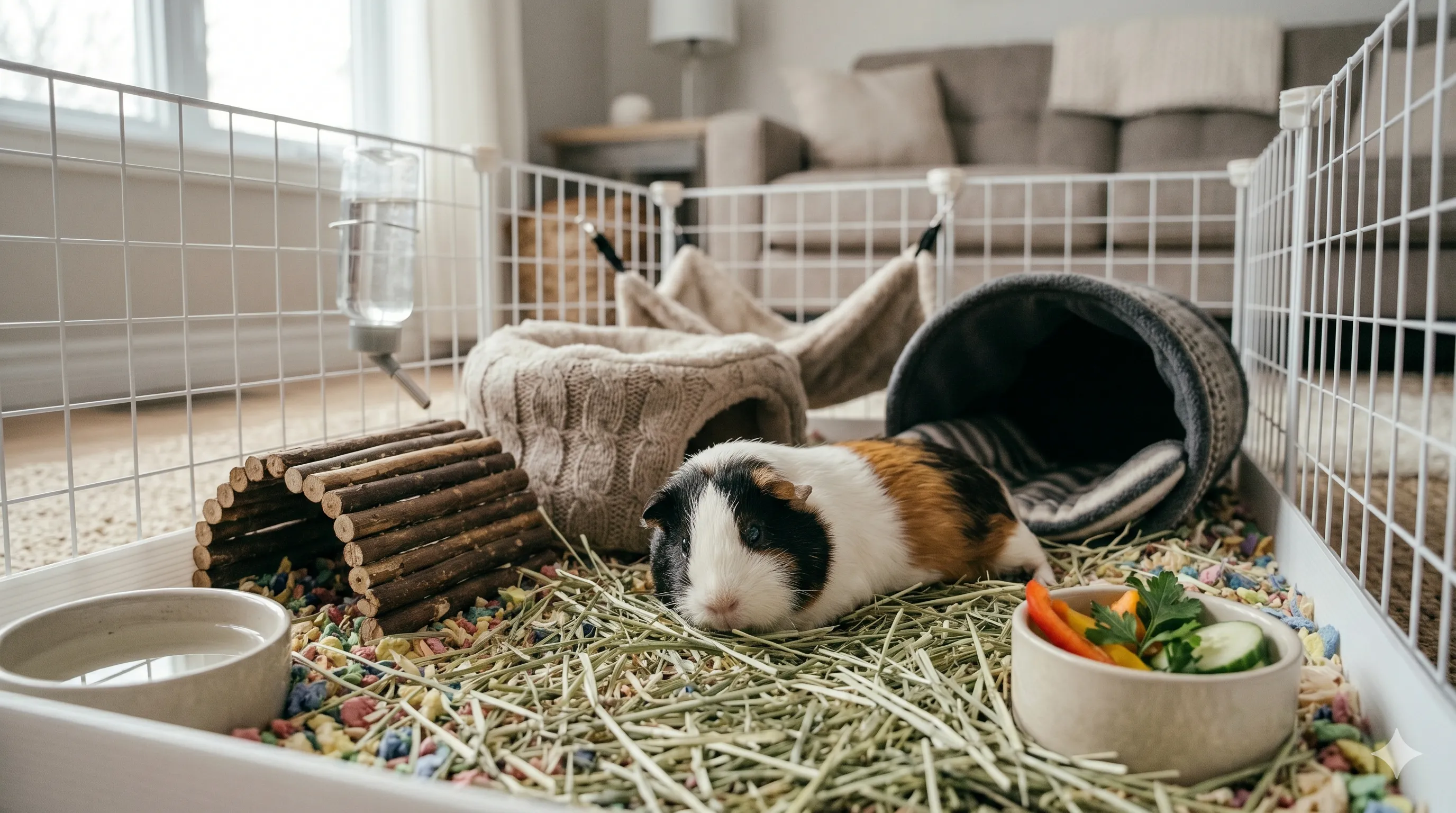
- Provide Multiple Hideouts
- Create a Predictable Routine
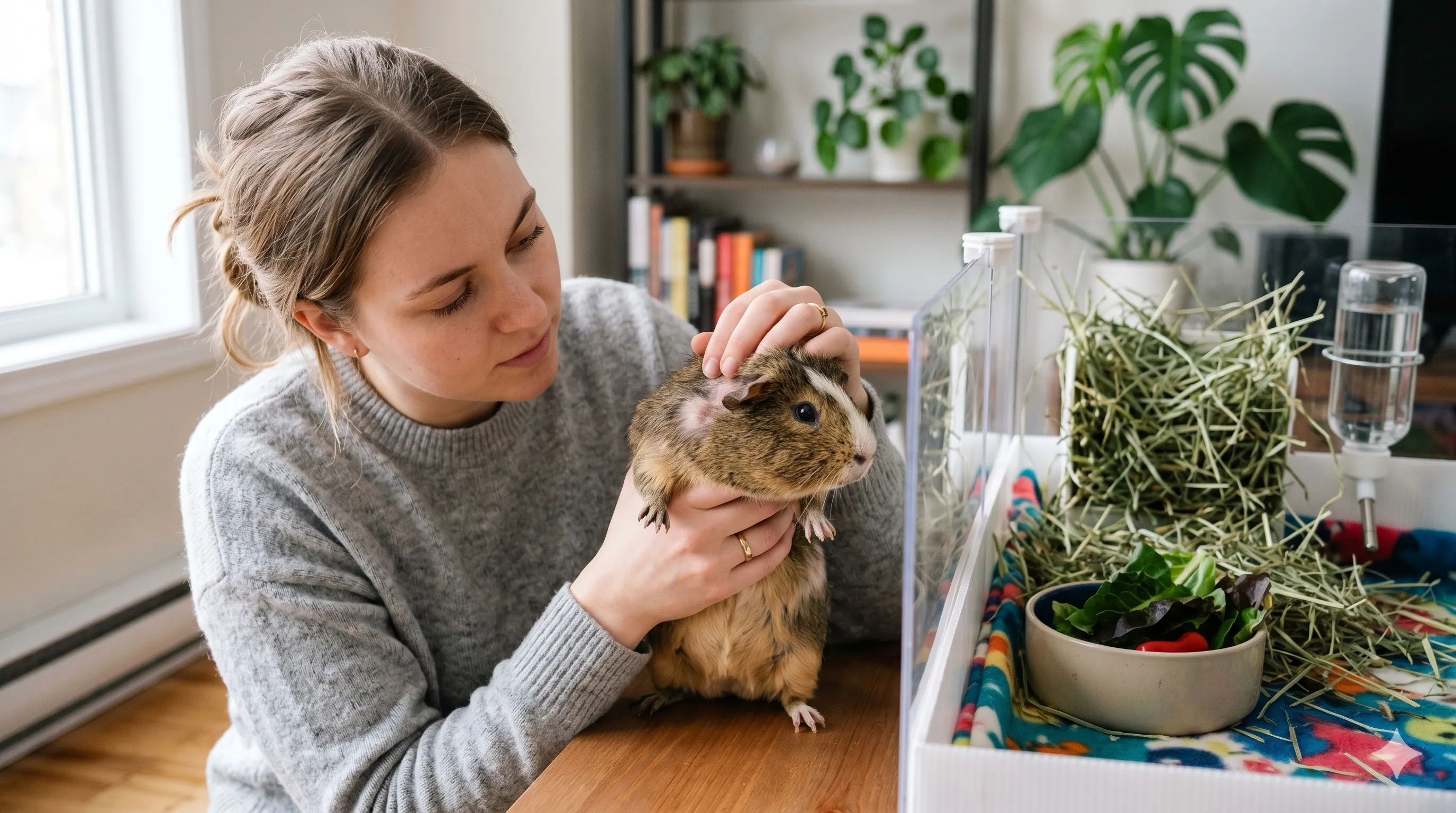
- Use Gentle Handling
- Offer Enrichment Opportunities
- Can Guinea Pigs Become More Confident Over Time?
- Common Mistakes Owners Make When a Guinea Pig Hides
- Removing Hideouts
- Forcing Interaction
- Ignoring Health Changes
- Expecting Immediate Confidence
- When Should You Contact a Veterinarian?
- Final Thoughts
Note: This article is for informational purposes only and does not replace professional veterinary advice.
Finding your guinea pig tucked away inside a tunnel, hideout, or corner of the cage can leave you wondering whether everything is okay. If you've been asking why is my guinea pig hiding, the answer depends on both the situation and your guinea pig's overall behavior.
Unlike dogs and cats, guinea pigs are prey animals. Their natural survival strategy involves staying alert and finding safe places to retreat when they feel uncertain. Because of this instinct, hiding is one of the most normal behaviors a guinea pig can display.
However, not all hiding behavior has the same meaning. A guinea pig that occasionally retreats into a hideout for a nap is very different from a guinea pig that refuses to come out, stops eating, or suddenly becomes withdrawn after previously being social.
Understanding the difference between normal hiding and problem hiding can help you recognize when your guinea pig simply needs a sense of security and when it may need additional care or veterinary attention. The information below is based on the provided content about guinea pig hiding behavior.
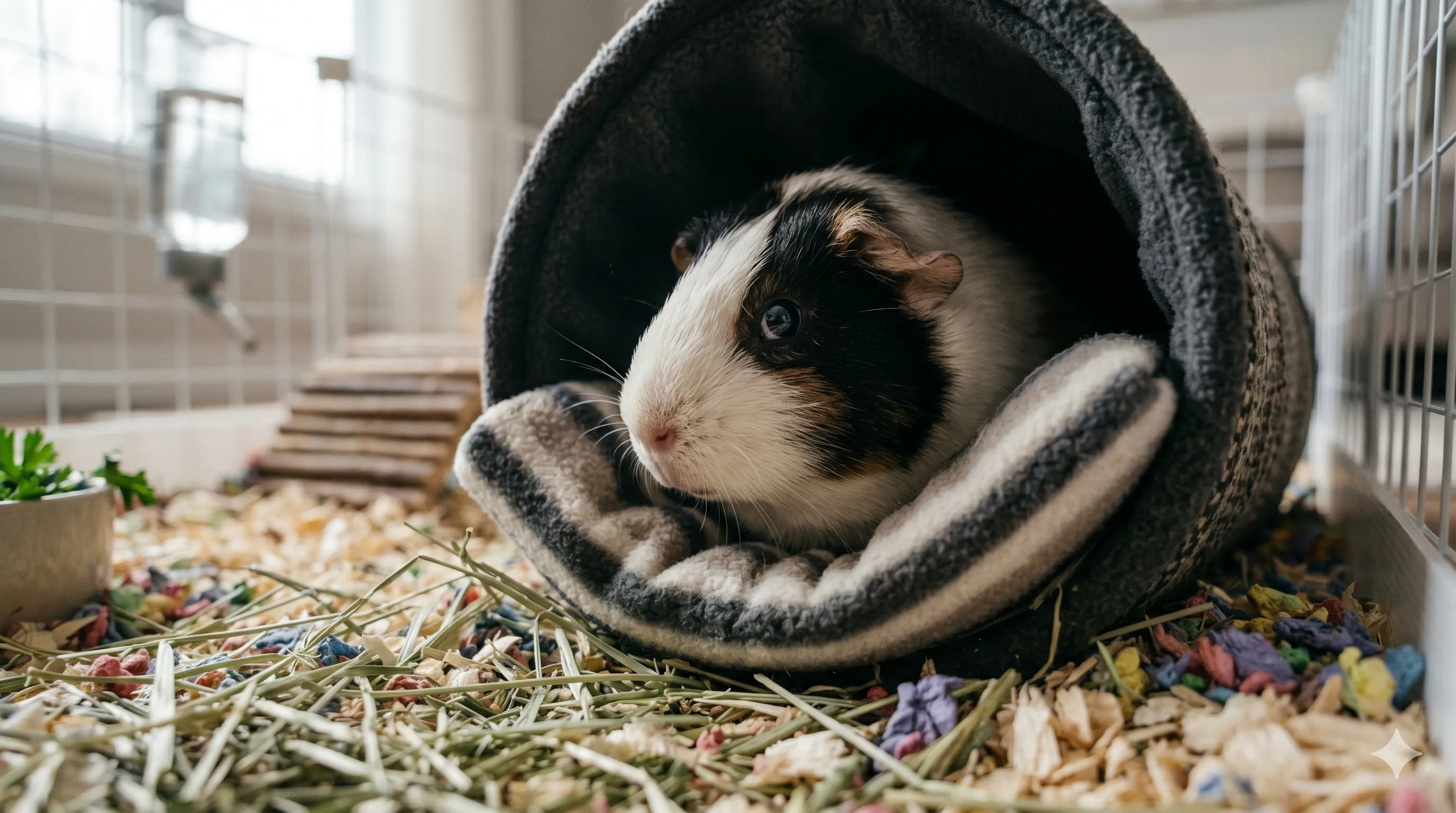
Why Is My Guinea Pig Hiding? (Quick Answer)
Guinea pigs hide because of natural prey instincts, adjustment to new environments, stress, fear, social tension, illness, or discomfort. Moderate hiding is completely normal and often helps guinea pigs feel safe. Excessive hiding combined with appetite loss, lethargy, weight loss, or unusual behavior may indicate a health or environmental issue. Regular weigh-ins on a kitchen scale make weight loss easier to catch, and our free guinea pig weight checker shows typical ranges by age and sex.
Is It Normal for Guinea Pigs to Hide?
Yes. In fact, hiding is one of the most important natural behaviors guinea pigs display.
Wild guinea pigs survive by remaining cautious and quickly seeking shelter when they perceive danger. Although pet guinea pigs live in safe homes, they still carry these instincts.
Healthy guinea pigs often enjoy:
- Sleeping inside hideouts
- Resting under tunnels
- Observing the room from covered areas
- Retreating when startled
- Having private spaces during quiet periods
Many guinea pigs actually become more confident when they have access to secure hiding places. Removing hideouts rarely solves nervous behavior and can sometimes make anxiety worse.
understanding guinea pig staring behavior8 Common Reasons Guinea Pigs Hide
1. Natural Survival Instincts
The most common reason for hiding is simple instinct.
Even well-socialized guinea pigs may hide when:
- Resting
- Sleeping
- Feeling cautious
- Watching their surroundings
- Recovering from a startling event
If your guinea pig spends time hiding but still eats, explores, and interacts normally, there is usually no cause for concern.
2. Adjusting to a New Home
New guinea pigs often spend a significant amount of time hiding.
Everything around them is unfamiliar, including:
- New smells
- New sounds
- Different people
- Different feeding schedules
- A new cage setup
Some guinea pigs become comfortable within a few days, while others may need several weeks before they feel secure enough to explore confidently.
Patience is essential during this adjustment period.
3. Fear and Stress
Guinea pigs are sensitive animals that can become stressed by changes in their environment.
Common stress triggers include:
- Loud televisions
- Vacuum cleaners
- Children running nearby
- Dogs or cats staring into the cage
- Frequent cage disturbances
- Rough handling
When a guinea pig feels stressed, hiding provides a sense of protection and control.
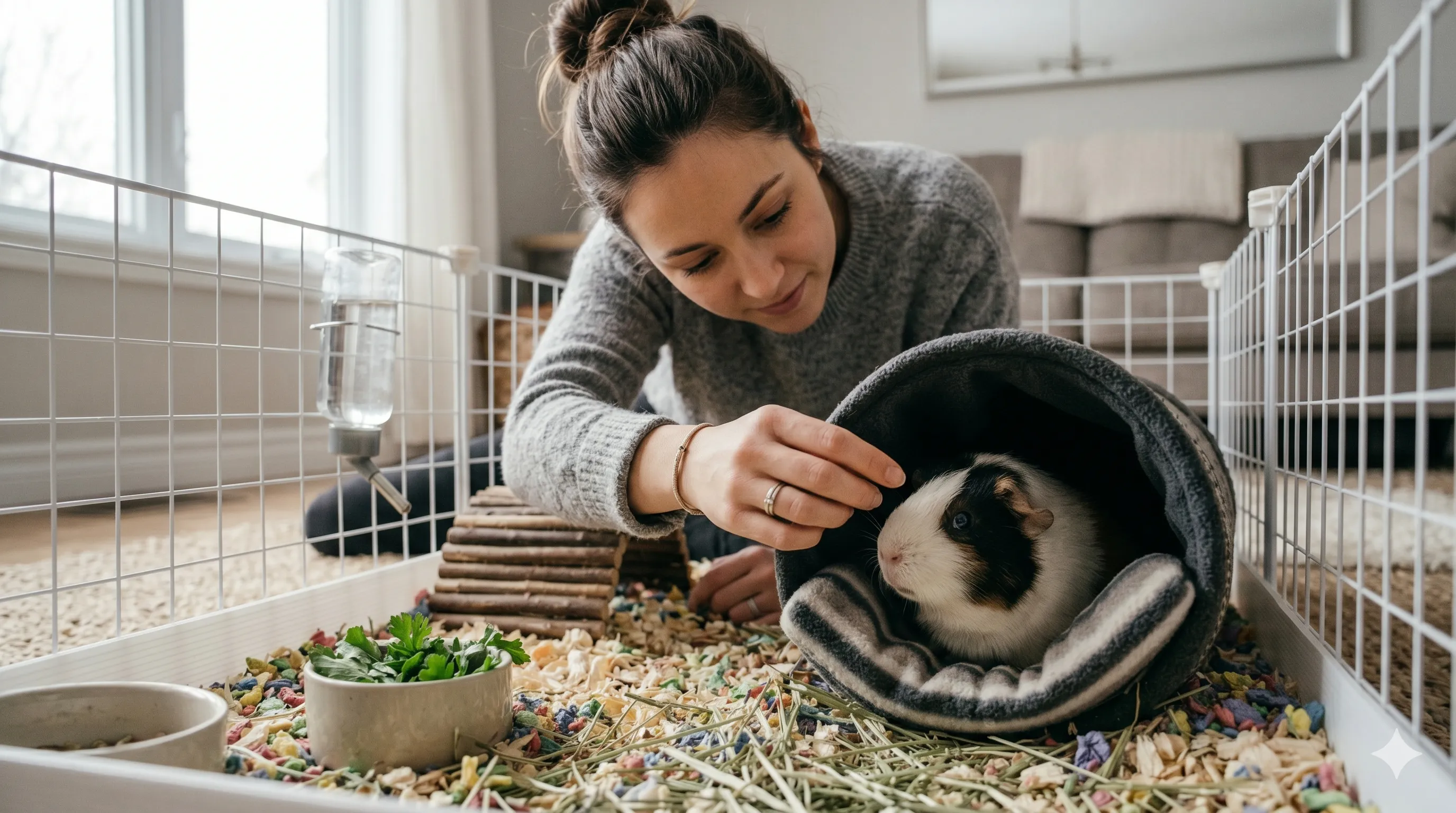
4. Illness or Physical Discomfort
One reason excessive hiding should never be ignored is that guinea pigs often conceal signs of illness.
In the wild, showing weakness could attract predators. As a result, sick guinea pigs frequently try to appear normal for as long as possible.
Warning signs that hiding may be health-related include:
- Loss of appetite
- Weight loss
- Lethargy
- Difficulty breathing
- Changes in droppings
- Reduced movement
- Hunched posture
If hiding behavior suddenly increases alongside these symptoms, veterinary attention is recommended.
rare guinea pig chirping sounds explained5. Social Tension Between Guinea Pigs
Guinea pigs are social animals, but that doesn't mean they always get along perfectly.
Sometimes one guinea pig may hide more because another guinea pig is:
- Guarding food
- Claiming hideouts
- Displaying dominance behavior
- Chasing cage mates
- Creating social pressure
Pay attention to group dynamics if one guinea pig suddenly becomes withdrawn.
6. Lack of Confidence
Some guinea pigs naturally have more cautious personalities.
Shy guinea pigs may spend more time observing the world from a safe location before deciding whether to participate.
This doesn't necessarily mean they are unhappy. Personality differences are normal among guinea pigs.
7. Insufficient Cage Space
A cramped enclosure can increase anxiety and reduce confidence.
When guinea pigs don't have enough room to move freely, they may feel trapped and spend more time hiding.
A suitable habitat should provide space for:
- Running
- Exploration
- Separate resting areas
- Multiple feeding stations
- Exercise and enrichment
8. Changes in Routine
Guinea pigs thrive on consistency.
Major routine changes can sometimes trigger temporary hiding behavior.
Examples include:
- Moving furniture
- Changing cage layouts
- New family members
- Different feeding schedules
- Relocation to another room
Many guinea pigs regain confidence once the new routine becomes familiar.
Normal Hiding vs Concerning Hiding
| Behavior | Likely Meaning |
|---|---|
| Hiding during naps | Normal behavior |
| Using tunnels then exploring later | Healthy confidence |
| Retreating after loud sounds | Temporary caution |
| Hiding all day without eating | Potential illness |
| Refusing to leave hideouts | Stress or health concern |
| Hiding with weight loss | Veterinary attention needed |
The most important factor is not whether your guinea pig hides, but whether other aspects of its behavior remain normal.
guinea pig teeth chattering warning signsHow to Help a Nervous Guinea Pig Feel Safer
Provide Multiple Hideouts
Every guinea pig should have access to secure places where it can retreat when needed.
Popular options include:
- Wooden houses
- Cardboard shelters
- Fabric hideaways
- Plastic tunnels
For households with multiple guinea pigs, provide more than one hiding area to reduce competition.
Create a Predictable Routine
Consistency helps guinea pigs build confidence.
Try to keep feeding, cleaning, and interaction times relatively predictable.
Use Gentle Handling
Building trust takes time.
Move slowly, speak softly, and avoid forcing interaction when your guinea pig appears nervous.
Many guinea pigs become significantly more confident when they learn that handling experiences are calm and predictable.
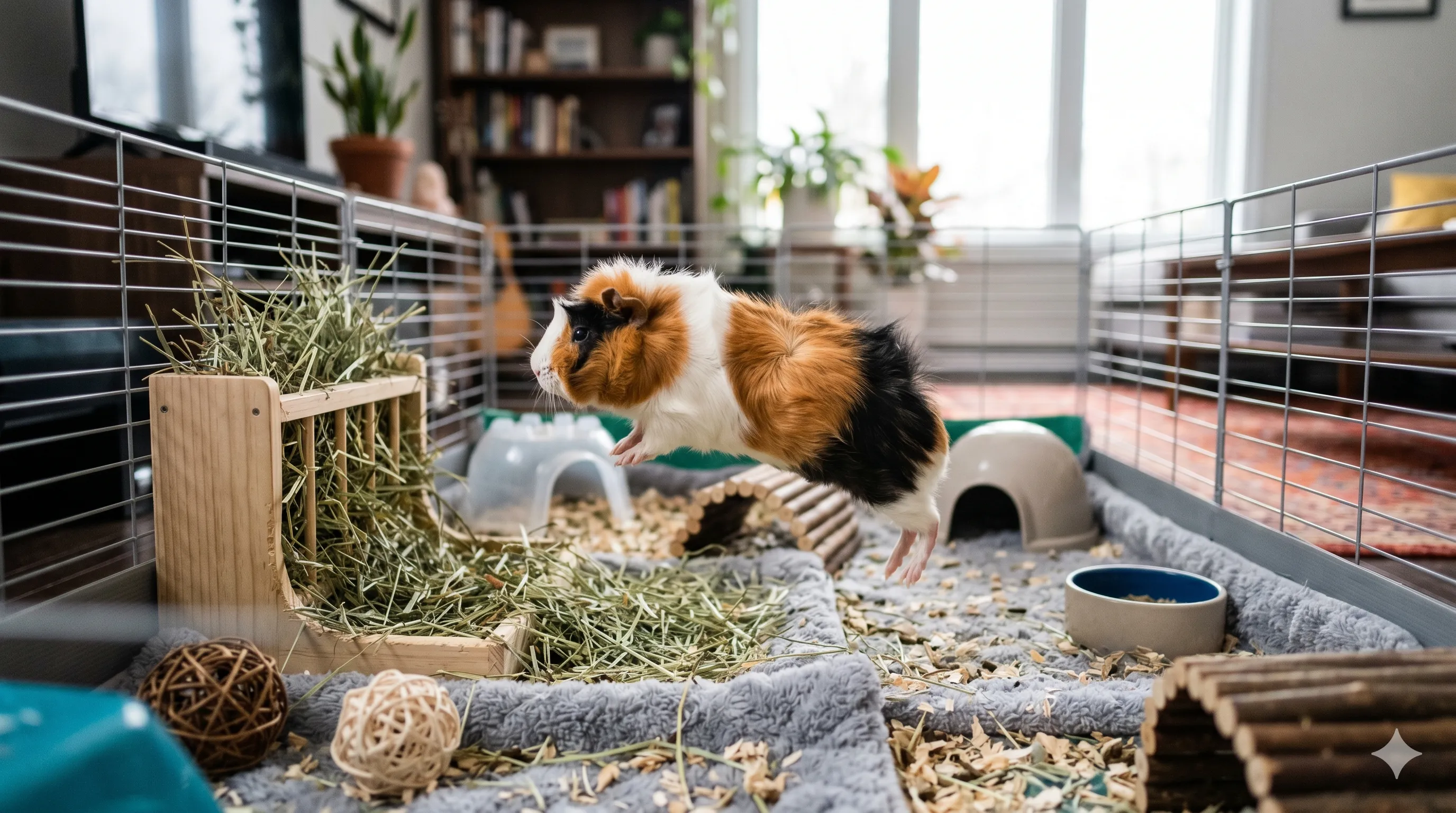
Offer Enrichment Opportunities
Mental stimulation encourages exploration.
Helpful enrichment ideas include:
- Tunnels
- Safe floor time
- Foraging opportunities
- New hideouts
- Hay-based enrichment activities
Can Guinea Pigs Become More Confident Over Time?
Absolutely.
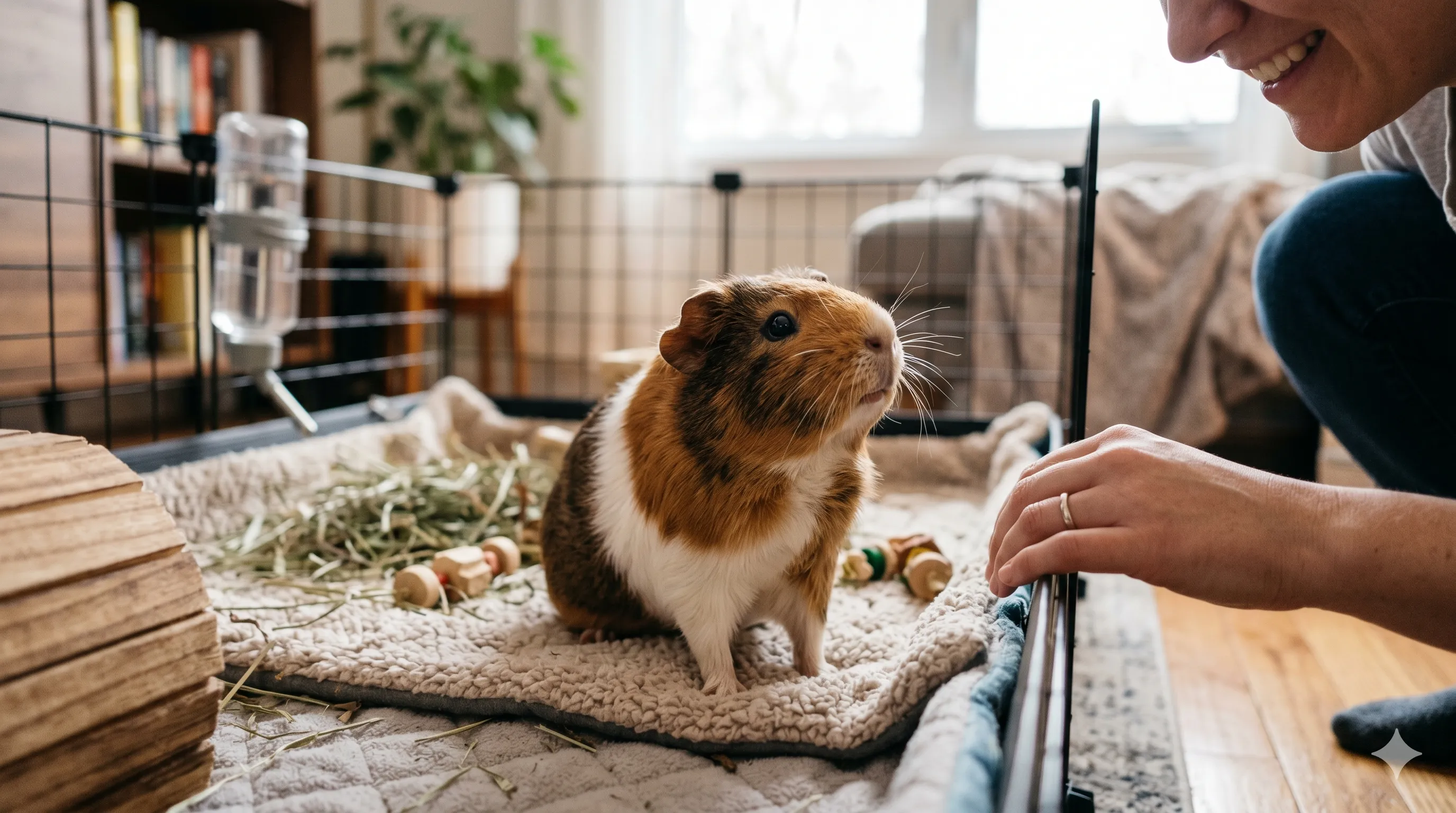
Many guinea pigs that begin as shy or nervous pets become noticeably more social after they:
- Learn household routines
- Recognize their owners
- Feel secure in their environment
- Experience consistent care
- Develop positive associations with handling
Progress may be gradual, but confidence often improves significantly with patience.
guinea pig squeaking meanings explainedCommon Mistakes Owners Make When a Guinea Pig Hides
Removing Hideouts
Some owners worry that hideouts encourage hiding. In reality, secure hiding places often help guinea pigs feel confident enough to explore more.
Forcing Interaction
Repeatedly pulling a nervous guinea pig out of its shelter can increase stress and reduce trust.
Ignoring Health Changes
While hiding is normal, sudden changes should always be monitored carefully.
If appetite, weight, or activity levels change, investigate further.
Expecting Immediate Confidence
Every guinea pig adjusts at a different pace. Some become social quickly, while others require weeks or months to fully settle in.
When Should You Contact a Veterinarian?
Seek veterinary advice if hiding occurs alongside:
- Refusal to eat
- Weight loss
- Lethargy
- Labored breathing
- Diarrhea
- Pain-related behaviors
- Weakness
Because guinea pigs often hide illness well, combining behavioral observations with regular health monitoring is extremely important.
Final Thoughts
Hiding is one of the most natural behaviors a guinea pig can display. In many cases, it simply reflects healthy survival instincts and a desire for security.
The key is observing the bigger picture. A guinea pig that hides occasionally but continues eating, exploring, and interacting normally is usually behaving exactly as expected. However, excessive hiding combined with appetite loss, lethargy, or other changes deserves closer attention.
By providing safe hideouts, maintaining a calm environment, offering adequate space, and building trust gradually, owners can help their guinea pigs feel secure while encouraging healthy confidence and exploration.
This article is intended for educational purposes only and should not replace professional veterinary advice. If your guinea pig develops excessive hiding alongside signs of illness or distress, consult a qualified exotic animal veterinarian.
Medical Disclaimer
This content is provided for informational and educational purposes only and should not be considered veterinary, medical, behavioral, or training advice. While we strive for accuracy, we make no guarantees regarding completeness or results. Always consult a licensed veterinarian or qualified pet care professional before making decisions about your pet’s health, diet, or behavior.
AI Illustration Notice
Some images in this article may have been generated or enhanced using artificial intelligence for illustrative purposes.
Frequently Asked Questions
Guinea pigs may hide because of natural instincts stress fear environmental changes illness or social tension.
Yes, hiding is one of the most natural and important guinea pig behaviors.
New guinea pigs often hide while adjusting to unfamiliar sounds smells people and routines.
Yes, excessive hiding can sometimes be a sign of illness discomfort or pain.
Provide hideouts maintain a calm routine use gentle handling and offer enough space and enrichment.
Yes, hideouts help guinea pigs feel secure and often improve confidence rather than increase fear.
Many guinea pigs become more social and confident once they feel safe and learn household routines.
Seek veterinary advice if hiding occurs alongside appetite loss lethargy weight loss breathing problems or other unusual symptoms.
Editorial Note
This article is part of PetNurture's educational library.
Topics draw on publicly available educational resources, recognised veterinary organisations, academic publications and established animal welfare references where appropriate.
The specific sources this article draws on are listed in its References section. If you spot an error, please let us know.
References
The information in this article has been reviewed and supported using the following sources.
RSPCA
Directly confirms hiding as a common stress/fear sign in guinea pigs and that, as prey animals, they hide pain and distress rather than showing it outwardly; supports the quick-answer and 'Illness or Physical Discomfort' sections of this article.
Accessed Aug 6, 2026
VCA Animal Hospitals
Health Problems in Guinea Pigs
Confirms the range of guinea pig illnesses (respiratory infection, GI stasis, dental disease) that hiding combined with appetite loss may indicate; supports the 'When Should You Contact a Veterinarian' section of this article.
Accessed Aug 6, 2026
Pet Emergency Guidance
Every pet is unique. If your pet exhibits severe symptoms, sudden behavioral changes, or a medical emergency, do not rely on online guides — contact a licensed veterinarian or emergency clinic immediately.
About PetNurture
PetNurture is an educational library of pet care guides, interactive tools and practical resources for pet parents. We work continuously to keep our content accurate and up to date. Reader feedback helps us maintain content quality.
Related Articles

Popular Guinea Pig Guides
Guinea Pig
Guinea Pig Feeding Calculator
Calculate daily food portions for your guinea pig by weight.
Guinea Pig
Guinea Pig Vitamin C Calculator
Calculate how much vitamin C your guinea pig needs each day.