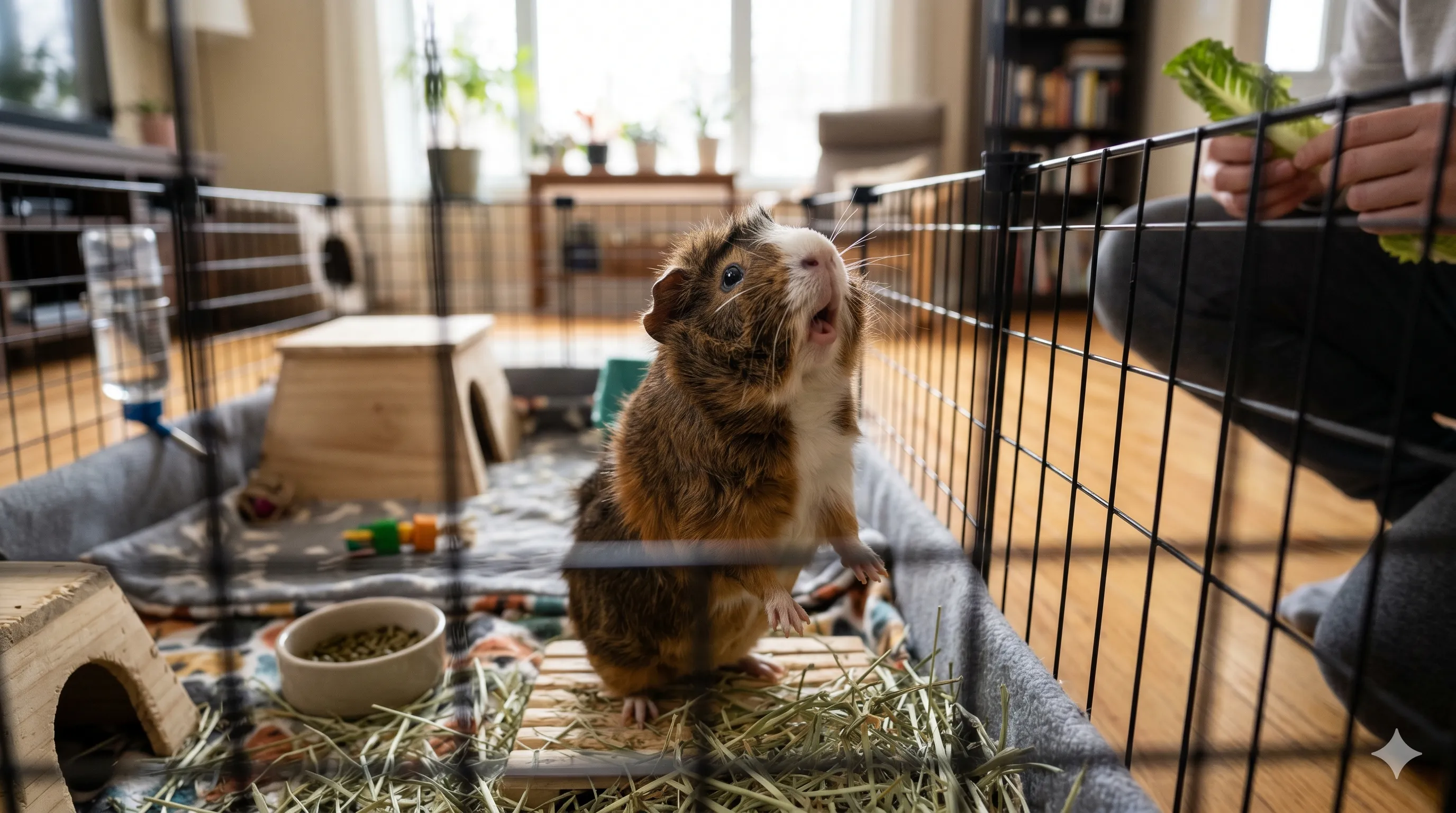
Why Is My Guinea Pig Popcorning? Happy Behavior Explained
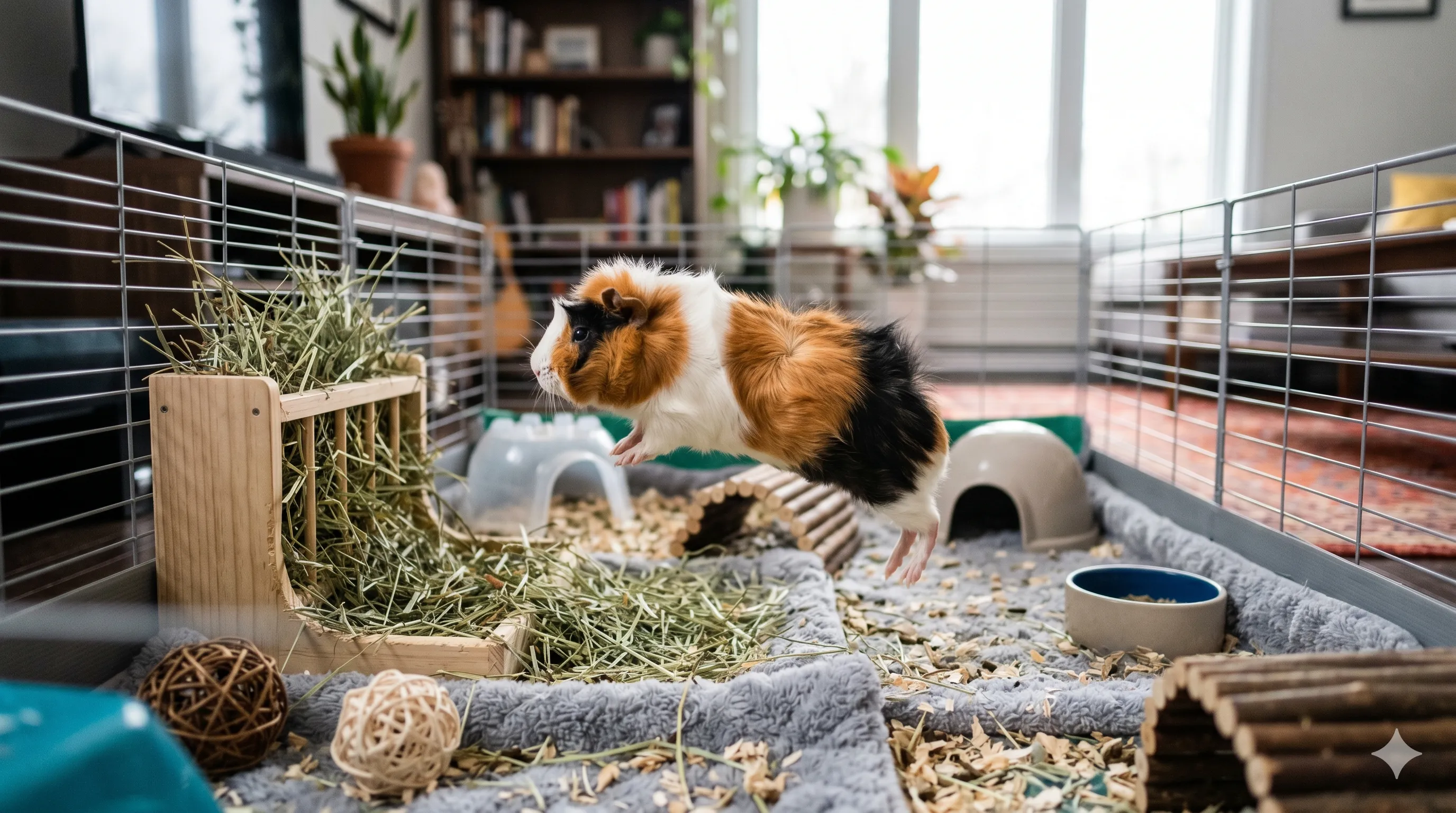
- Why Is My Guinea Pig Popcorning? (Quick Answer)
- What Is Guinea Pig Popcorning?
- Why Do Guinea Pigs Popcorn?
- 1. Happiness and Excitement
- 2. Playful Energy Release
- 3. Feeling Safe and Comfortable
- 4. Environmental Enrichment
- Do Baby Guinea Pigs Popcorn More Than Adults?
- What Triggers Popcorning Most Often?
- Popcorning vs Zoomies: What's the Difference?
- Can Popcorning Ever Mean Stress?
- How to Tell Happy Popcorning From Fearful Behavior
- How to Encourage Healthy Playful Behavior
- Provide Adequate Cage Space
- Offer Enrichment Activities
- Maintain Social Opportunities
- Support Good Nutrition
- Why Doesn't My Guinea Pig Popcorn?
- When Should You Worry About Unusual Jumping?
- Common Myths About Guinea Pig Popcorning
- Myth: Popcorning Means Hyperactivity
- Myth: Only Baby Guinea Pigs Popcorn
- Myth: Every Guinea Pig Popcorns the Same Way
- Myth: Popcorning Is Aggressive Behavior
- Final Thoughts
Note: This article is for informational purposes only and does not replace professional veterinary advice.
Few guinea pig behaviors are as entertaining and heartwarming as popcorning. One moment your guinea pig is quietly eating hay, and the next it suddenly leaps into the air, twists its body, and dashes around the enclosure with surprising energy. If you've been wondering why is my guinea pig popcorning, you'll be happy to know that this behavior is usually associated with positive emotions and healthy wellbeing.
Popcorning is one of the clearest signs that a guinea pig feels excited, playful, comfortable, or emotionally stimulated. Many owners compare it to a burst of happiness that becomes impossible for the guinea pig to contain.
The name comes from the way popcorn kernels jump unexpectedly when heated. Guinea pigs often display similar quick hops, twists, and energetic jumps that appear almost random but are actually linked to excitement and positive feelings.
While young guinea pigs are famous for dramatic popcorning sessions, adult guinea pigs can continue displaying this adorable behavior throughout their lives.
Why Is My Guinea Pig Popcorning? (Quick Answer)
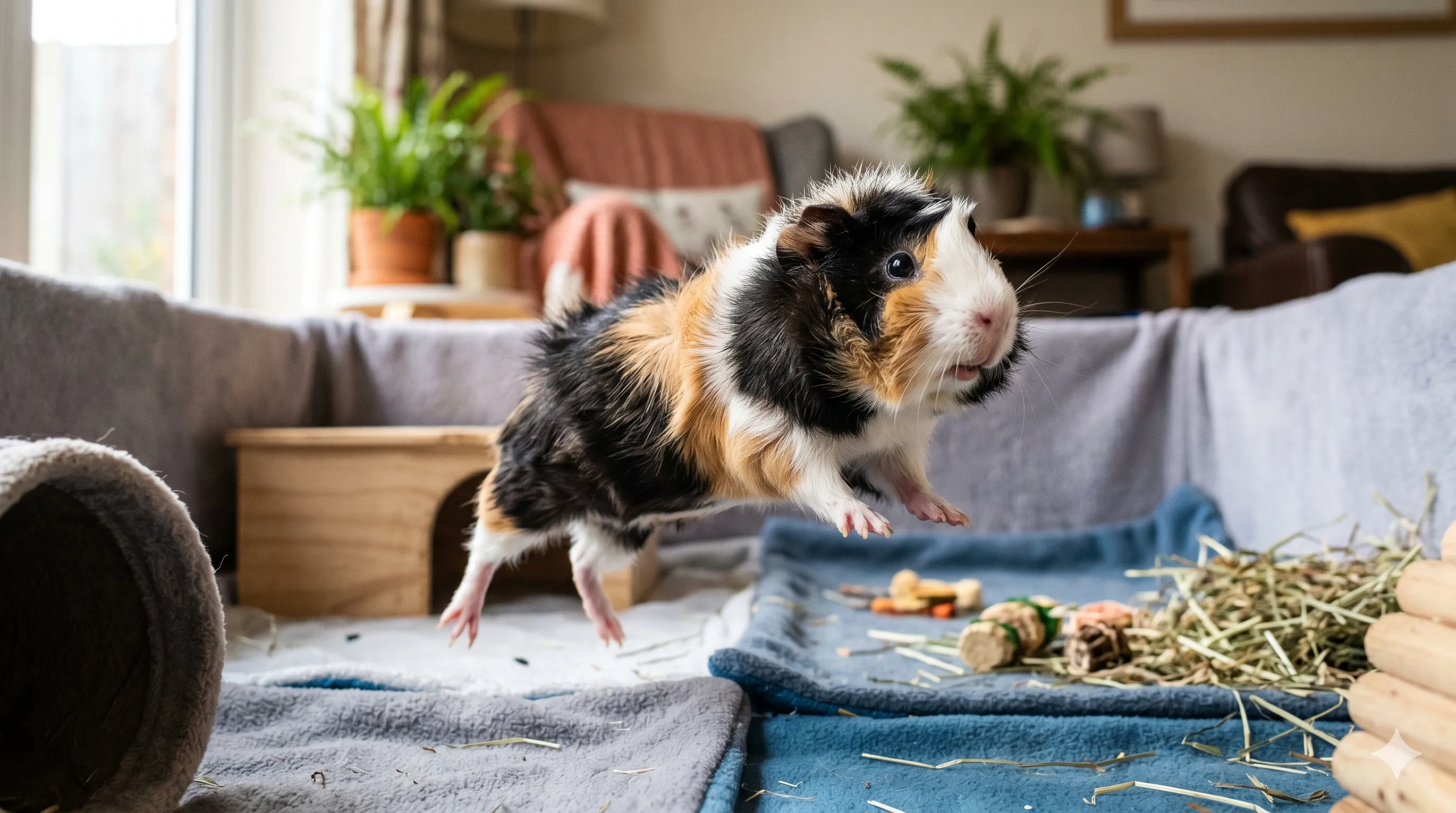
Guinea pigs popcorn because they feel happy, excited, playful, comfortable, or emotionally stimulated. Popcorning usually involves sudden jumps, twists, kicks, and bursts of energy. In most cases, it is considered a positive sign that your guinea pig feels safe and enjoys its environment.
What Is Guinea Pig Popcorning?
Popcorning is a spontaneous burst of physical excitement that causes a guinea pig to jump into the air, twist its body, or rapidly change direction.
The movement may last only a second, but some guinea pigs repeat the behavior multiple times during periods of excitement.
Popcorning can range from:
- Small hops
- Quick kicks
- Tiny jumps
- Mid-air twists
- Full-body leaps
- Short energetic sprints
Every guinea pig has its own style. Some barely leave the ground, while others perform surprisingly athletic jumps.
Why Do Guinea Pigs Popcorn?
1. Happiness and Excitement
The most common reason for popcorning is simple happiness.
Many guinea pigs popcorn when:
- Fresh vegetables arrive
- Floor time begins
- They explore a new area
- Their owner approaches
- They interact with a bonded companion
Just as dogs may wag their tails when excited, guinea pigs often express joy through popcorning.
understanding guinea pig staring behavior2. Playful Energy Release
Sometimes guinea pigs simply have energy to burn.
After resting or eating, they may suddenly become active and release excess energy through running, zooming, and popcorning.
This is particularly common in young guinea pigs that are naturally energetic and curious.
3. Feeling Safe and Comfortable
Prey animals rarely engage in playful behavior when they feel threatened.
A guinea pig that is comfortable enough to popcorn is often demonstrating that it feels:
- Secure
- Relaxed
- Confident
- Comfortable in its surroundings
This is one reason many owners view popcorning as a positive indicator of emotional wellbeing.
4. Environmental Enrichment
Guinea pigs living in stimulating environments often show more playful behaviors.
Factors that encourage natural activity include:
- Large enclosures
- Tunnels
- Hideouts
- Foraging opportunities
- Exercise areas
- Companionship
When guinea pigs have opportunities to explore and interact with their environment, they are often more active and expressive.
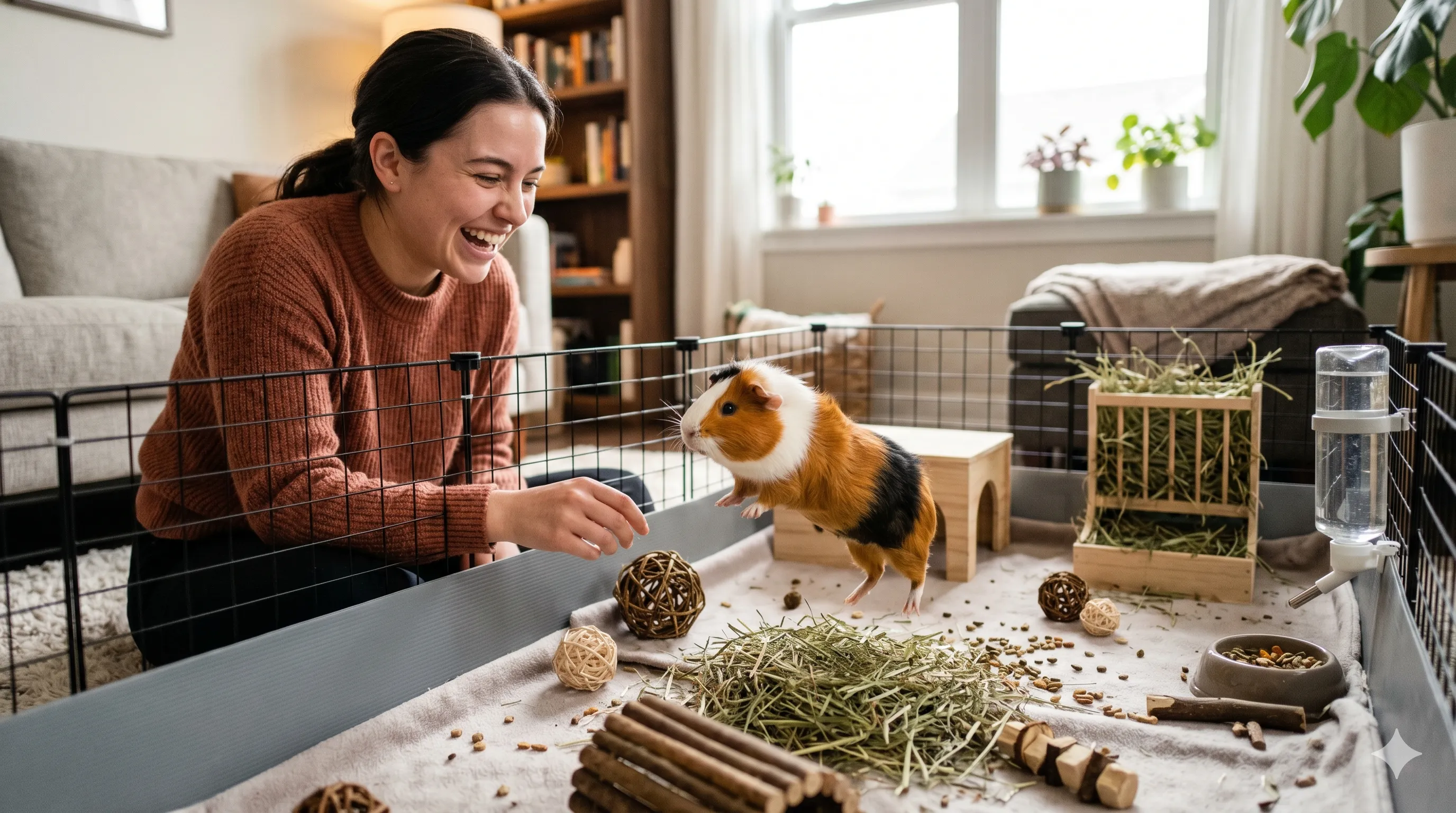
Do Baby Guinea Pigs Popcorn More Than Adults?
Yes, in many cases.
Young guinea pigs often display:
- More frequent popcorning
- Higher activity levels
- Longer play sessions
- More dramatic jumps
This increased activity is largely due to youthful energy and curiosity.
However, adult guinea pigs can absolutely continue popcorning throughout life. Their jumps may simply become less dramatic and less frequent as they mature.
What Triggers Popcorning Most Often?
Different guinea pigs become excited by different things, but common triggers include:
- Receiving favorite vegetables
- Fresh hay being added
- Cleaning and rearranging the cage
- Exploring new toys
- Entering a playpen
- Interacting with a companion
- Enjoying floor time
Observing when your guinea pig popcorns can help you understand what activities it enjoys most.
why guinea pigs hide and what it meansPopcorning vs Zoomies: What's the Difference?
Many owners use these terms together, but they are slightly different behaviors.
| Behavior | Description |
|---|---|
| Popcorning | Sudden jumps twists and hops |
| Zoomies | Fast running around the enclosure |
Many guinea pigs combine both behaviors during moments of excitement.
A guinea pig may sprint across the enclosure and then suddenly leap into the air before continuing to run.
Can Popcorning Ever Mean Stress?
True popcorning is generally associated with positive emotions.
However, owners sometimes confuse stress-related movements with popcorning.
Fear-based behavior often looks different.
Signs of stress may include:
- Panic running
- Crashing into cage walls
- Desperate escape attempts
- Freezing afterward
- Persistent hiding
- Rapid breathing
These behaviors should not be mistaken for playful jumping.
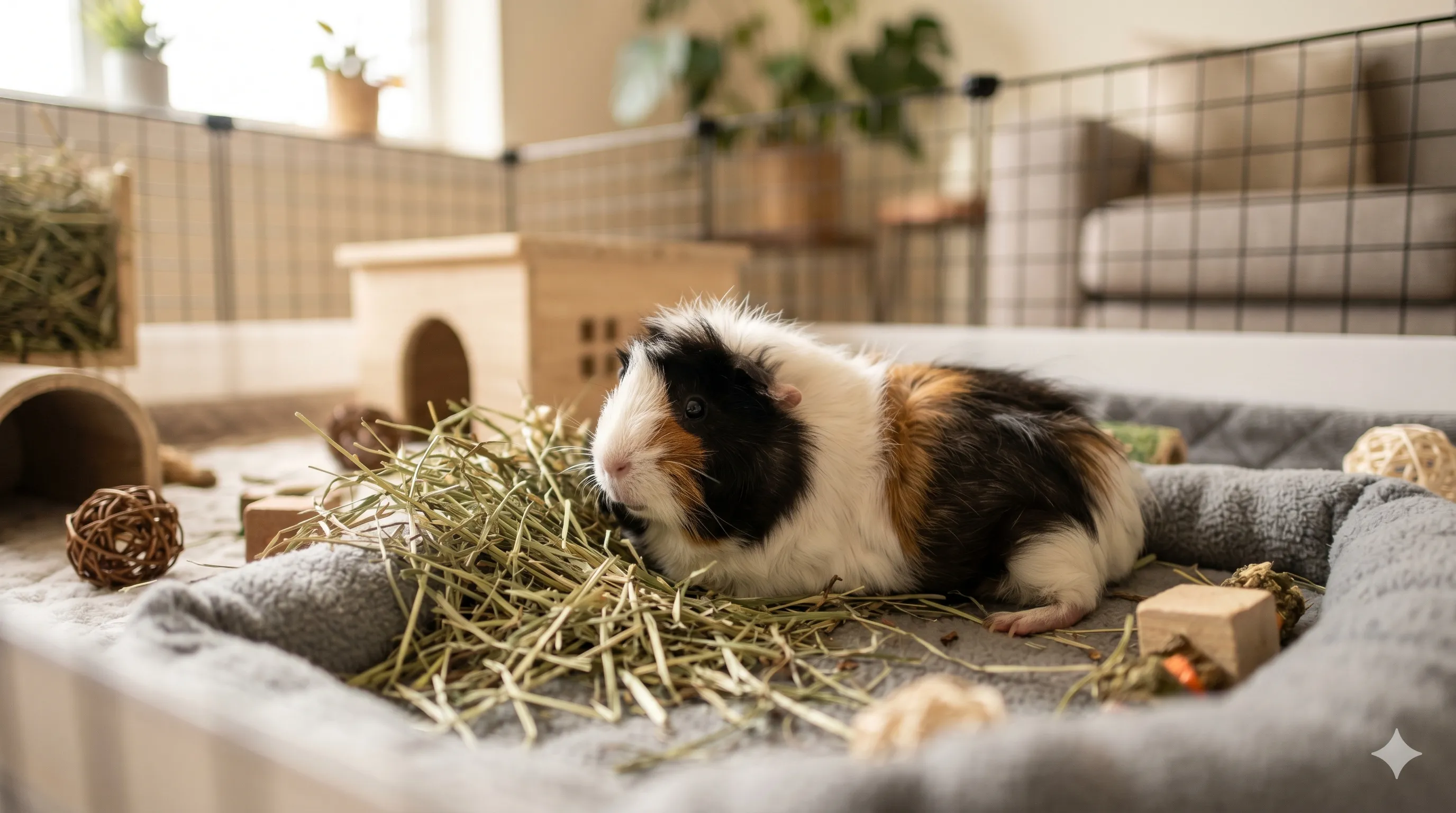
How to Tell Happy Popcorning From Fearful Behavior
| Behavior | Likely Meaning |
|---|---|
| Small joyful jumps | Excitement and happiness |
| Popcorning during play | Positive stimulation |
| Running with relaxed posture | Healthy energy |
| Panic sprinting into objects | Fear or stress |
| Repeated escape attempts | Discomfort |
| Jumping followed by hiding | Nervousness or caution |
How to Encourage Healthy Playful Behavior
Provide Adequate Cage Space
Guinea pigs need room to move naturally.
A spacious enclosure encourages:
- Exploration
- Exercise
- Running
- Popcorning
Offer Enrichment Activities
Mental stimulation is just as important as physical activity.
Useful enrichment options include:
- Tunnels
- Cardboard boxes
- Foraging toys
- Chew-safe accessories
- Hay-based activities
Maintain Social Opportunities
Guinea pigs are social animals.
Many become more confident and active when housed with a compatible companion.
Positive social interactions often contribute to playful behavior.
Support Good Nutrition
Healthy guinea pigs are generally more energetic.
A proper diet should include:
- Unlimited hay
- Fresh water
- Vitamin C-rich vegetables
- Quality guinea pig pellets
Why Doesn't My Guinea Pig Popcorn?
Not every guinea pig popcorns frequently.
Possible reasons include:
- Individual personality differences
- Age
- Lower activity levels
- Recent environmental changes
- Adjustment periods
A guinea pig can still be healthy and happy even if it rarely popcorns.
Look for other positive signs such as:
- Normal appetite
- Exploration
- Curiosity
- Social interaction
- Healthy vocalizations
When Should You Worry About Unusual Jumping?
Healthy popcorning should appear coordinated and energetic.
Consult a veterinarian if unusual movement occurs alongside:
- Lethargy
- Weakness
- Balance problems
- Difficulty walking
- Breathing difficulties
- Pain-related behaviors
- Loss of appetite
Physical instability or signs of illness should never be dismissed as normal play behavior.
Common Myths About Guinea Pig Popcorning
Myth: Popcorning Means Hyperactivity
Popcorning is a normal expression of excitement, not a behavioral problem.
Myth: Only Baby Guinea Pigs Popcorn
Adults can continue popcorning throughout their lives.
Myth: Every Guinea Pig Popcorns the Same Way
Some guinea pigs perform dramatic jumps, while others show subtle hops.
Myth: Popcorning Is Aggressive Behavior
Popcorning is generally associated with positive emotions rather than aggression.
Final Thoughts
Popcorning is one of the most enjoyable behaviors guinea pig owners get to witness. These spontaneous jumps, twists, and bursts of energy usually indicate excitement, comfort, playfulness, and emotional wellbeing.
While younger guinea pigs often popcorn more dramatically, adults can continue displaying the behavior throughout life whenever they feel particularly happy or stimulated.
Providing adequate space, enrichment, proper nutrition, social interaction, and a safe environment gives guinea pigs the confidence to express their natural behaviors. When you see your guinea pig popcorning, it's often a sign that you're doing many things right.
This article is intended for educational purposes only and should not replace professional veterinary advice. If unusual movement occurs alongside signs of illness, weakness, breathing problems, or pain, consult a qualified exotic animal veterinarian.
Medical Disclaimer
This content is provided for informational and educational purposes only and should not be considered veterinary, medical, behavioral, or training advice. While we strive for accuracy, we make no guarantees regarding completeness or results. Always consult a licensed veterinarian or qualified pet care professional before making decisions about your pet’s health, diet, or behavior.
AI Illustration Notice
Some images in this article may have been generated or enhanced using artificial intelligence for illustrative purposes.
Frequently Asked Questions
Popcorning usually means a guinea pig feels happy excited playful comfortable or emotionally stimulated.
Yes, popcorning is generally considered a positive sign of wellbeing and enjoyment.
Yes, adult guinea pigs may continue popcorning throughout life although the behavior is often less dramatic.
Sudden jumps and twists are typically part of normal popcorning behavior caused by excitement.
True popcorning is usually positive but panic-driven jumping combined with fear behaviors may indicate stress.
Providing space enrichment social interaction and proper care often encourages playful behavior.
Some guinea pigs simply have different personalities and may express happiness in other ways.
Seek veterinary advice if unusual movement occurs alongside weakness lethargy balance problems breathing issues or appetite loss.
Editorial Note
This article is part of PetNurture's educational library.
Topics draw on publicly available educational resources, recognised veterinary organisations, academic publications and established animal welfare references where appropriate.
The specific sources this article draws on are listed in its References section. If you spot an error, please let us know.
References
The information in this article has been reviewed and supported using the following sources.
RSPCA
Confirms normal contented guinea pig behavior versus recognized stress signs like hunched posture and repeated circling; supports the 'Can Popcorning Ever Mean Stress' section of this article.
Accessed Aug 6, 2026
VCA Animal Hospitals
Confirms guinea pigs are naturally interactive and affectionate animals, supporting the framing of popcorning as a positive behavioral expression in this article.
Accessed Aug 6, 2026
Pet Emergency Guidance
Every pet is unique. If your pet exhibits severe symptoms, sudden behavioral changes, or a medical emergency, do not rely on online guides — contact a licensed veterinarian or emergency clinic immediately.
About PetNurture
PetNurture is an educational library of pet care guides, interactive tools and practical resources for pet parents. We work continuously to keep our content accurate and up to date. Reader feedback helps us maintain content quality.
Related Articles
Popular Guinea Pig Guides
Guinea Pig
Guinea Pig Vitamin C Calculator
Calculate how much vitamin C your guinea pig needs each day.