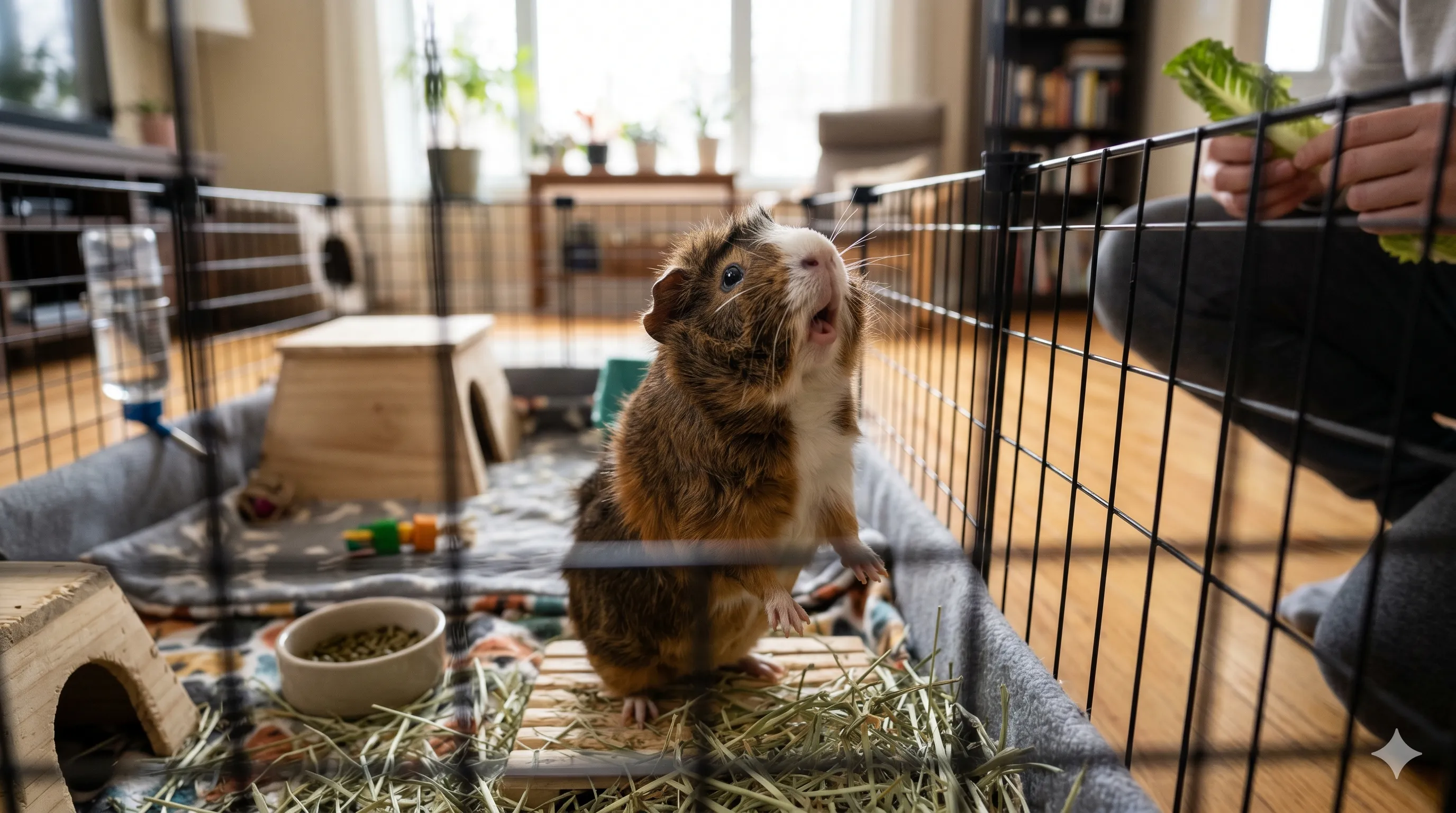
Why Is My Guinea Pig Chattering Teeth? Warning Signs Explained
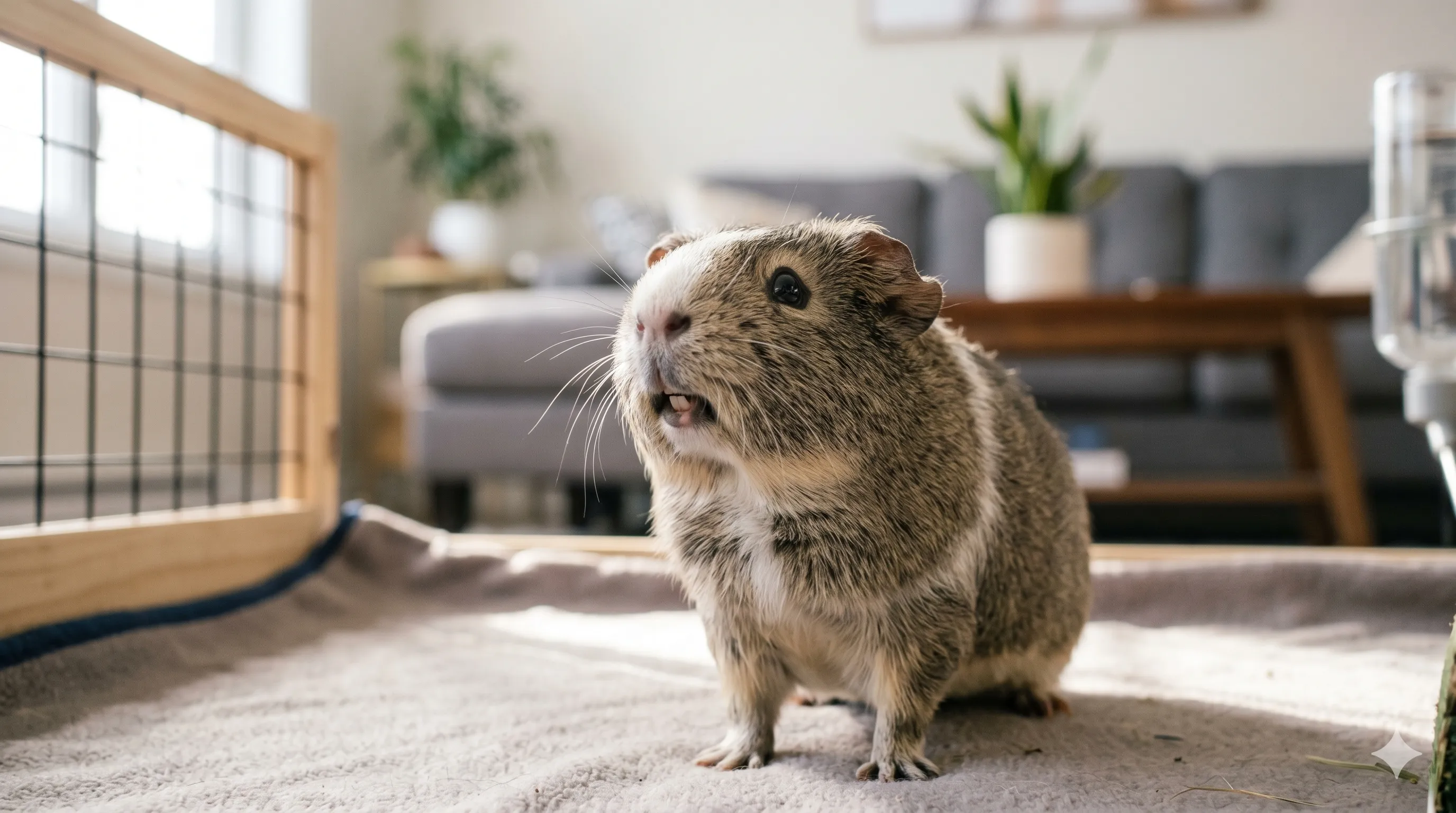
- Why Is My Guinea Pig Chattering Teeth? (Quick Answer)
- What Does Guinea Pig Teeth Chattering Sound Like?
- Why Guinea Pigs Use Teeth Chattering as Communication
- 8 Common Reasons Guinea Pigs Chatter Their Teeth
- 1. Territorial Behavior
- 2. Establishing Dominance
- 3. Fear or Feeling Threatened
- 4. Irritation During Handling
- 5. Social Conflict Between Cage Mates
- 6. Stress and Environmental Frustration
- 7. Pain or Medical Discomfort
- 8. Simple Food Impatience
- How to Tell Mild Chattering From Serious Aggression
- Should You Separate Guinea Pigs That Chatter?
- Body Language Signs That Often Accompany Teeth Chattering
- How to Reduce Teeth Chattering and Stress
- Provide Adequate Living Space
- Offer Multiple Resources
- Handle Your Guinea Pig Gently
- Improve Environmental Enrichment
- When Should You Contact a Veterinarian?
- Expert Tips for Responding to Chattering
- Common Mistakes Owners Make
- Common Myths About Guinea Pig Teeth Chattering
- Myth: Teeth Chattering Always Means Aggression
- Myth: Chattering Means Guinea Pigs Must Be Separated
- Myth: Only Male Guinea Pigs Chatter
- Myth: Teeth Chattering Is Harmless in Every Situation
- Final Thoughts
Note: This article is for informational purposes only and does not replace professional veterinary advice.
A sudden burst of teeth chattering from your guinea pig can catch you off guard. Unlike happy squeaks, excited wheeks, or playful popcorning, teeth chattering often sounds sharp, deliberate, and unmistakably serious. If you've been wondering why is my guinea pig chattering teeth, the behavior is usually a form of communication rather than a random habit.
Guinea pigs use body language and sounds to express emotions, establish boundaries, and react to their environment. Teeth chattering is one of the clearest warning signals in guinea pig communication. In many situations, it means your guinea pig feels irritated, threatened, stressed, territorial, or uncomfortable with something happening around it.
However, not all teeth chattering means aggression. Context matters. A guinea pig chattering during introductions with another guinea pig may be communicating dominance, while a guinea pig chattering during handling may be expressing discomfort or fear.
Learning how to interpret teeth chattering alongside other body language signals can help you better understand your pet and prevent minor stress from escalating into serious problems.
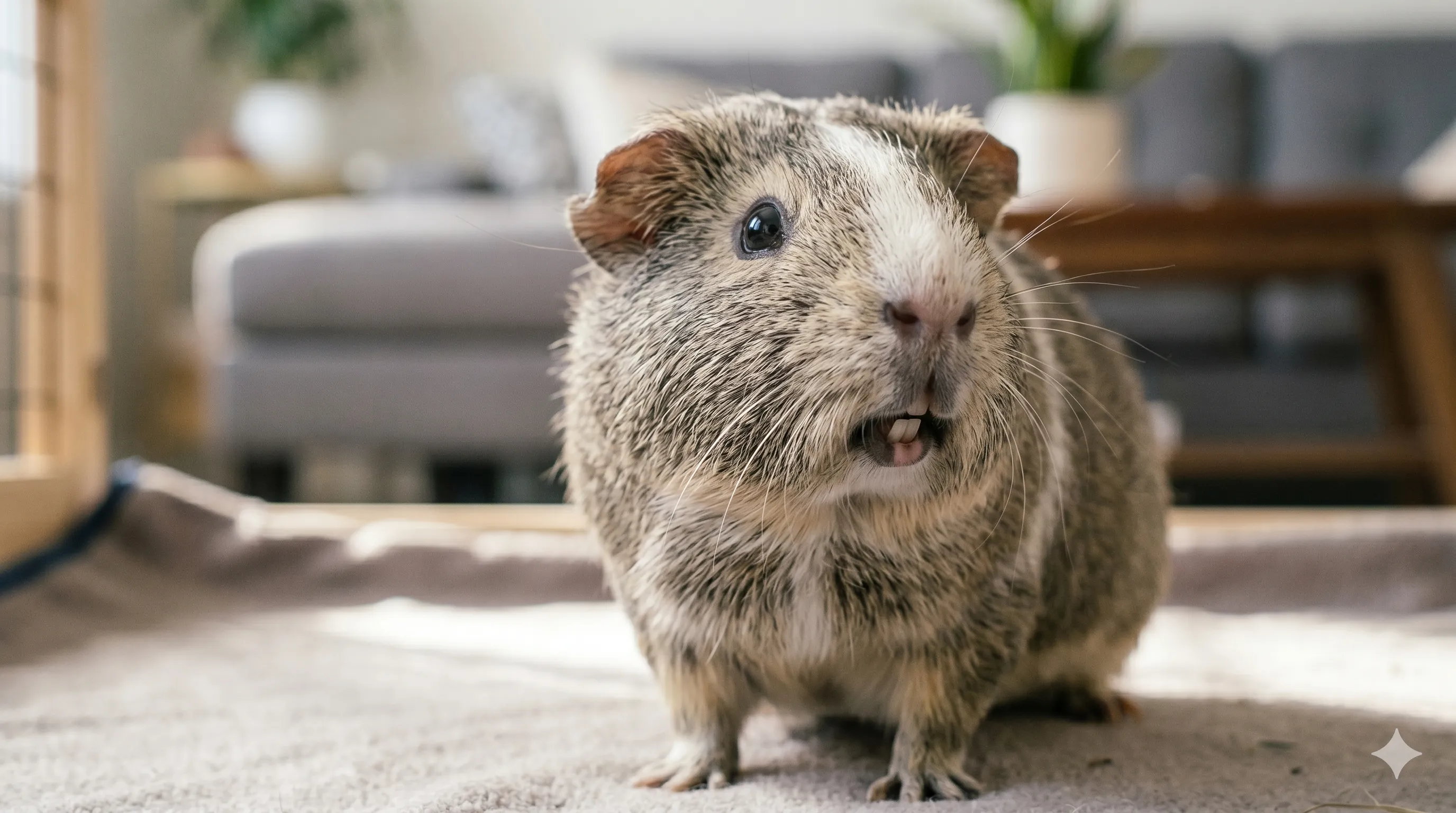
Why Is My Guinea Pig Chattering Teeth? (Quick Answer)
Guinea pigs chatter their teeth as a warning signal when they feel threatened, irritated, territorial, stressed, defensive, or uncomfortable. Teeth chattering often means your guinea pig wants more space or dislikes a current situation. The meaning becomes clearer when you observe other body language signals and the surrounding circumstances.
What Does Guinea Pig Teeth Chattering Sound Like?
Teeth chattering is often described as a rapid clicking or grinding noise made by repeatedly moving the teeth together.
Owners commonly describe the sound as:
- Fast clicking noises
- Sharp repetitive chatter
- Rapid tooth grinding
- A warning-like rattling sound
The volume can vary significantly. Some guinea pigs chatter softly, while others produce loud, obvious warning sounds that are impossible to miss.
It's important not to confuse teeth chattering with normal eating, chewing hay, or the low rumbling sounds guinea pigs sometimes make during social interactions.
Why Guinea Pigs Use Teeth Chattering as Communication
In the wild, direct physical conflict can result in injuries that threaten survival. Many animals use warning signals before resorting to fighting, and guinea pigs are no different.
Teeth chattering often serves as an early warning system that communicates:
- "Give me space."
- "I'm uncomfortable."
- "I don't like this."
- "This area is mine."
- "I'm feeling threatened."
Because of this, teeth chattering is often a useful communication tool that helps guinea pigs avoid unnecessary physical confrontations.
why guinea pigs hide and what it means8 Common Reasons Guinea Pigs Chatter Their Teeth
1. Territorial Behavior
Territorial disputes are one of the most common causes of teeth chattering.
Guinea pigs may become protective over:
- Food bowls
- Hay racks
- Favorite hideouts
- Sleeping areas
- Personal space
This behavior is especially common when introducing a new guinea pig or when cage space is limited.
A guinea pig may chatter its teeth to warn another guinea pig before chasing or asserting dominance.
2. Establishing Dominance
Not all dominance behavior is aggressive.
Guinea pigs naturally establish social hierarchies, especially when living with other guinea pigs. During this process, mild teeth chattering may occur alongside:
- Rumbling
- Staring contests
- Slow chasing
- Posturing
These behaviors are often part of normal social communication and do not necessarily require intervention.
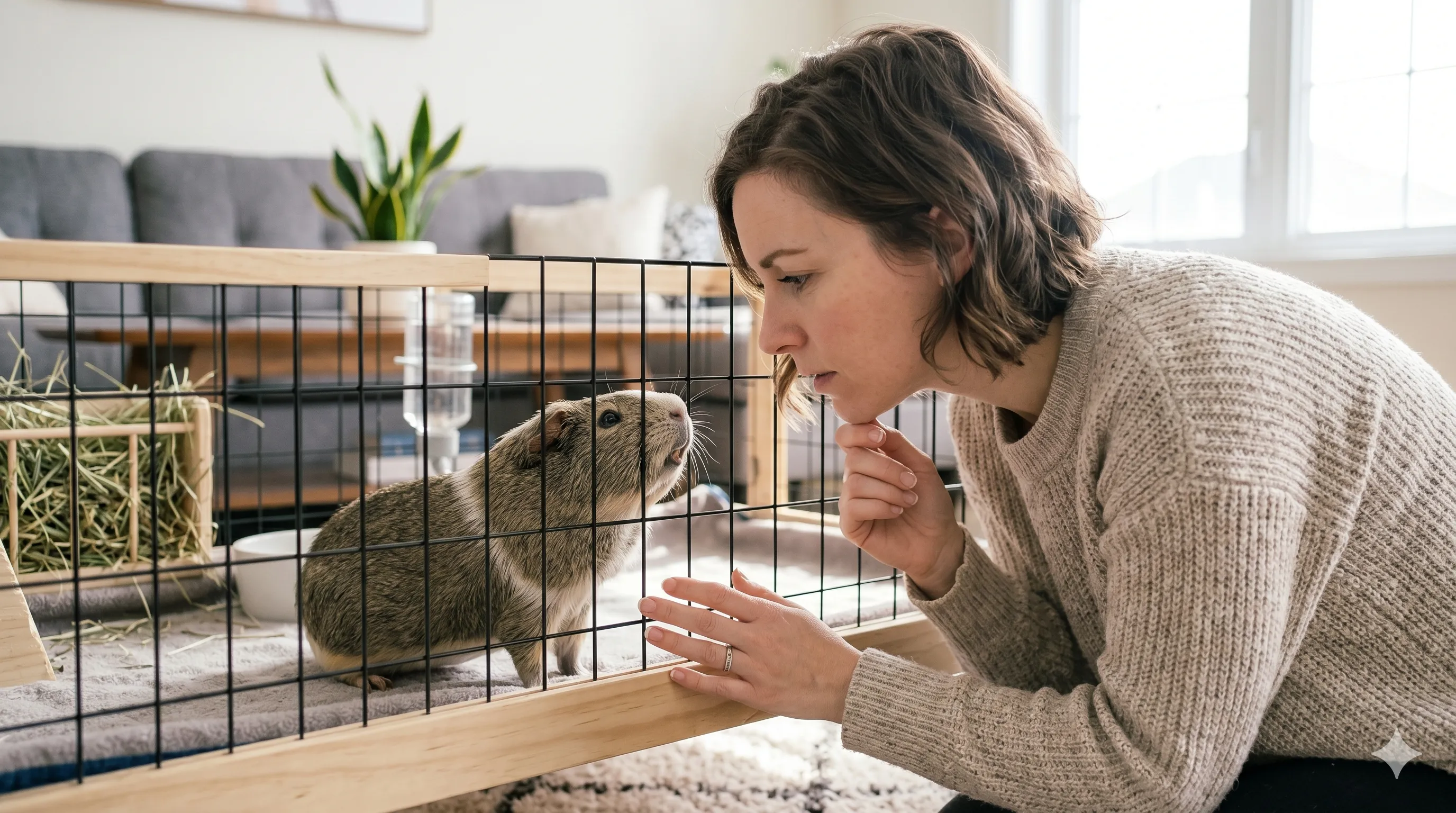
3. Fear or Feeling Threatened
As prey animals, guinea pigs are naturally cautious.
Your guinea pig may chatter its teeth when confronted with something that feels threatening, including:
- Loud noises
- Sudden movements
- Rough handling
- Unfamiliar people
- Predator scents
- Unexpected environmental changes
Fear-based chattering is often accompanied by a tense posture and heightened alertness.
4. Irritation During Handling
Some guinea pigs chatter because they dislike being held for extended periods.
Common triggers include:
- Being picked up unexpectedly
- Holding sessions that last too long
- Touching sensitive areas
- Interrupting rest time
When a guinea pig begins chattering during handling, it may be communicating that it wants to return to its enclosure.
5. Social Conflict Between Cage Mates
Teeth chattering frequently occurs when guinea pigs disagree.
Potential causes include:
- Competition for resources
- Personality clashes
- Dominance disputes
- Overcrowding
- Poor introductions
Mild social tension is normal. However, persistent conflict requires closer monitoring.
guinea pig squeaking meanings explained6. Stress and Environmental Frustration
Guinea pigs thrive when their environment feels safe and predictable.
Stress-related teeth chattering may develop when:
- The cage is too small
- There are not enough hiding places
- Noise levels remain high
- Daily routines constantly change
- Enrichment opportunities are lacking
Reducing environmental stress often decreases unwanted behavior.
7. Pain or Medical Discomfort
Although behavioral causes are more common, medical problems should not be ignored.
Occasionally, teeth chattering may be associated with:
- Dental disease
- Injuries
- Digestive discomfort
- Illness-related pain
If teeth chattering appears suddenly alongside other symptoms, veterinary evaluation may be necessary.
8. Simple Food Impatience
Not all chattering signals a problem.
Some guinea pigs chatter briefly while waiting for food, especially if a feeding routine is running later than usual.
This type of chattering is typically brief, mild, and paired with normal excited behavior like wheeking rather than tension or aggression.
How to Tell Mild Chattering From Serious Aggression
- Brief soft chattering: minor irritation or warning
- Chattering during introductions: dominance communication
- Chattering without chasing: boundary setting
- Loud chattering with lunging: escalating aggression
- Chattering with raised fur: high tension
- Chattering with biting: serious conflict
- Chattering with lethargy: possible health concern
Should You Separate Guinea Pigs That Chatter?
Not necessarily.
Teeth chattering alone is not always a reason to separate guinea pigs.
Mild chattering often helps guinea pigs communicate boundaries and establish social order without physical conflict.
However, intervention may be necessary if:
- Fights become frequent
- Biting occurs
- Blood is drawn
- One guinea pig is constantly bullied
- Access to food becomes restricted
Monitoring behavior closely is often more effective than immediately separating guinea pigs at the first sign of disagreement.

Body Language Signs That Often Accompany Teeth Chattering
To understand what your guinea pig is communicating, look beyond the sound itself.
Important body language clues include:
- Raised head posture
- Frozen stance
- Raised fur
- Direct staring
- Chasing behavior
- Hiding behavior
- Reduced appetite
A combination of signals usually provides a more accurate picture than teeth chattering alone.
understanding guinea pig staring behaviorHow to Reduce Teeth Chattering and Stress
Provide Adequate Living Space
Overcrowding is one of the most common causes of social tension.
Ensure your guinea pigs have enough room to:
- Move freely
- Retreat when needed
- Eat separately
- Rest comfortably
Offer Multiple Resources
Competition decreases when resources are plentiful.
Consider providing:
- Multiple hay stations
- Several hideouts
- Extra water bottles
- Separate feeding areas
Handle Your Guinea Pig Gently
Respecting your guinea pig's boundaries can significantly reduce defensive behavior.
Use slow movements, support the body properly, and avoid forcing interaction when your guinea pig appears uncomfortable.
Improve Environmental Enrichment
Boredom and frustration may contribute to stress-related behaviors.
Activities such as floor time, tunnels, hideouts, and safe exploration opportunities can improve overall well-being.
why guinea pigs popcorn when happyWhen Should You Contact a Veterinarian?
Teeth chattering becomes more concerning when accompanied by:
- Refusing food
- Weight loss
- Lethargy
- Difficulty eating
- Breathing changes
- Visible pain
- Unusual behavior changes
Because guinea pigs often hide signs of illness, behavioral changes should never be ignored if they occur alongside physical symptoms.
Expert Tips for Responding to Chattering
- Give a chattering guinea pig space first, since crowding it further usually escalates the situation instead of calming it
- Watch what happens right after the chattering stops, since a guinea pig that relaxes and resumes normal activity was likely just setting a boundary
- Separate cage mates temporarily if chattering turns into chasing or lunging, rather than waiting to see if it resolves on its own
- Keep a mental note of triggers, since a guinea pig that only chatters during handling or introductions is telling you something specific and fixable
Common Mistakes Owners Make
- Assuming all chattering means the same thing instead of reading it alongside posture and context
- Continuing to hold or handle a chattering guinea pig instead of respecting the warning it's giving
- Waiting too long to separate cage mates once chattering escalates into chasing or biting
- Overlooking chattering paired with appetite loss or lethargy as "just attitude" rather than a possible health concern
Common Myths About Guinea Pig Teeth Chattering
Myth: Teeth Chattering Always Means Aggression
Many guinea pigs chatter simply to communicate discomfort or establish boundaries.
Myth: Chattering Means Guinea Pigs Must Be Separated
Mild social communication is normal and often resolves without intervention.
Myth: Only Male Guinea Pigs Chatter
Both male and female guinea pigs may chatter their teeth when stressed, irritated, or communicating dominance.
Myth: Teeth Chattering Is Harmless in Every Situation
While often normal, persistent chattering combined with illness symptoms or serious aggression deserves attention.
Final Thoughts
Guinea pig teeth chattering is one of the clearest warning signals in guinea pig body language. In most cases, it communicates irritation, stress, fear, territorial behavior, or a desire for personal space.
Understanding the context behind the behavior is the key to interpreting it correctly. A guinea pig communicating boundaries is very different from a guinea pig showing signs of illness or escalating aggression.
By providing enough space, reducing stress, monitoring social interactions, and paying attention to overall body language, owners can better understand their guinea pig's needs and create a more comfortable environment for everyone involved.
Chattering is just one warning sign among several -- understanding guinea pig shaking behavior covers another behavior worth understanding alongside it.
This article is intended for educational purposes only and should not replace professional veterinary advice. If your guinea pig develops persistent aggression, appetite loss, lethargy, or signs of illness, consult a qualified exotic animal veterinarian.
Medical Disclaimer
This content is provided for informational and educational purposes only and should not be considered veterinary, medical, behavioral, or training advice. While we strive for accuracy, we make no guarantees regarding completeness or results. Always consult a licensed veterinarian or qualified pet care professional before making decisions about your pet’s health, diet, or behavior.
AI Illustration Notice
Some images in this article may have been generated or enhanced using artificial intelligence for illustrative purposes.
Frequently Asked Questions
Guinea pigs chatter their teeth as a warning signal when they feel irritated threatened stressed territorial or uncomfortable.
Sometimes. Mild chattering is often communication while loud chattering with lunging or biting may indicate aggression.
Teeth chattering commonly occurs while guinea pigs establish social boundaries and dominance during introductions.
Yes, frightened or stressed guinea pigs may chatter when they feel threatened or unsafe.
Not always. Mild communication is normal but separation may be necessary if fighting becomes severe or injuries occur.
Yes, pain dental problems or illness may occasionally contribute to unusual teeth chattering behavior.
Provide enough space multiple food stations hideouts enrichment and predictable routines.
Look for signs such as raised fur chasing freezing hiding appetite changes or aggressive posturing.
Editorial Note
This article is part of PetNurture's educational library.
Topics draw on publicly available educational resources, recognised veterinary organisations, academic publications and established animal welfare references where appropriate.
The specific sources this article draws on are listed in its References section. If you spot an error, please let us know.
References
The information in this article has been reviewed and supported using the following sources.
RSPCA
Confirms recognized guinea pig stress signals such as hunched posture and altered behavior that can accompany defensive or territorial teeth chattering; supports the 'Body Language Signs That Often Accompany Teeth Chattering' section of this article.
Accessed Aug 6, 2026
VCA Animal Hospitals
Health Problems in Guinea Pigs
Confirms dental disease and illness-related pain as documented guinea pig health conditions; supports the 'Pain or Medical Discomfort' section of this article.
Accessed Aug 6, 2026
Pet Emergency Guidance
Every pet is unique. If your pet exhibits severe symptoms, sudden behavioral changes, or a medical emergency, do not rely on online guides — contact a licensed veterinarian or emergency clinic immediately.
About PetNurture
PetNurture is an educational library of pet care guides, interactive tools and practical resources for pet parents. We work continuously to keep our content accurate and up to date. Reader feedback helps us maintain content quality.
Related Articles

Popular Guinea Pig Guides

Guinea Pig
Guinea Pig Vitamin C Calculator
Calculate how much vitamin C your guinea pig needs each day.
Guinea Pig
Guinea Pig Feeding Calculator
Calculate daily food portions for your guinea pig by weight.
Guinea Pig
Guinea Pig Cage Size Calculator
Find the minimum recommended cage size for your guinea pigs.