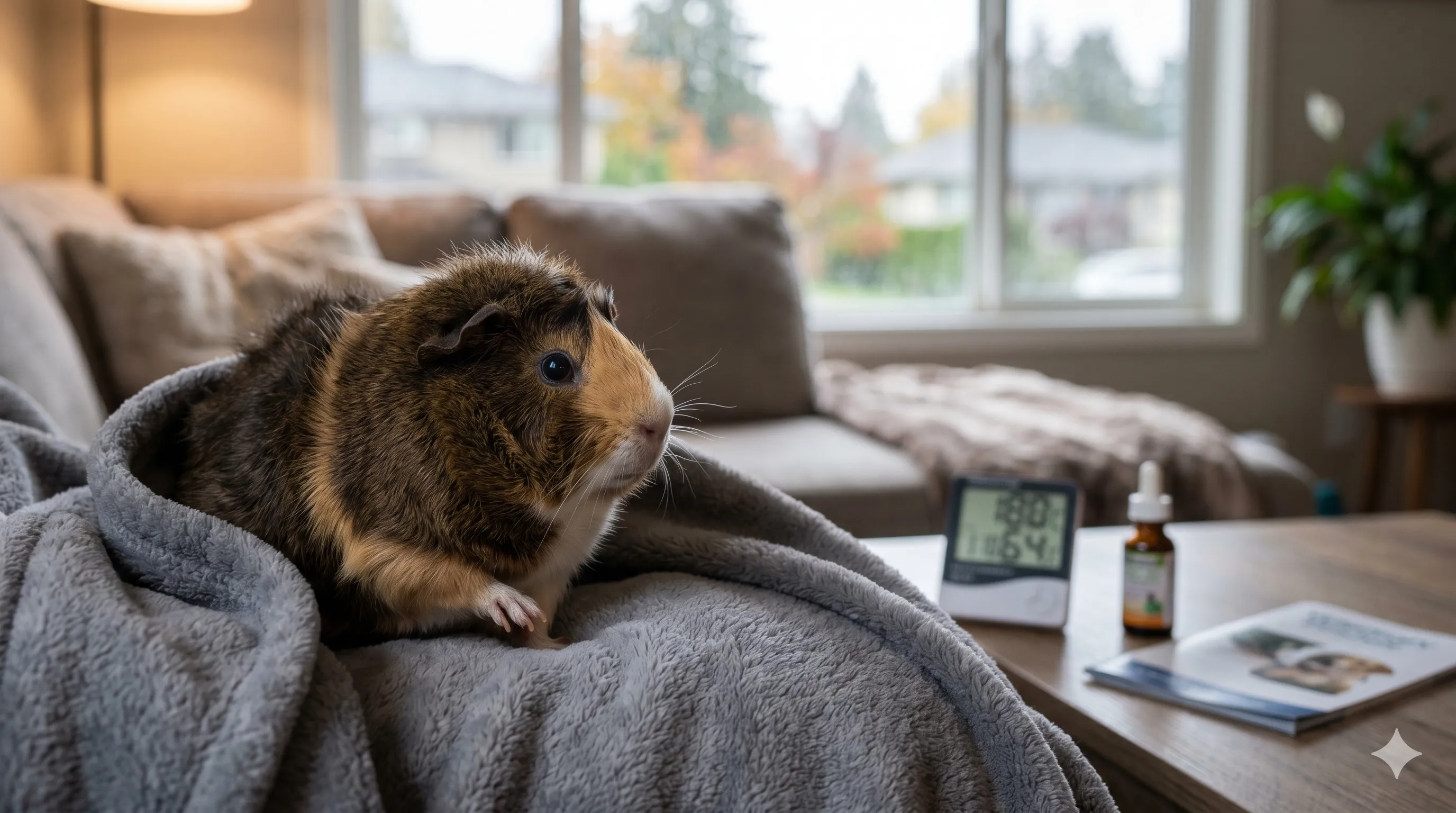
Why Is My Guinea Pig Squeaking? Sounds, Meanings & Attention Signs Explained
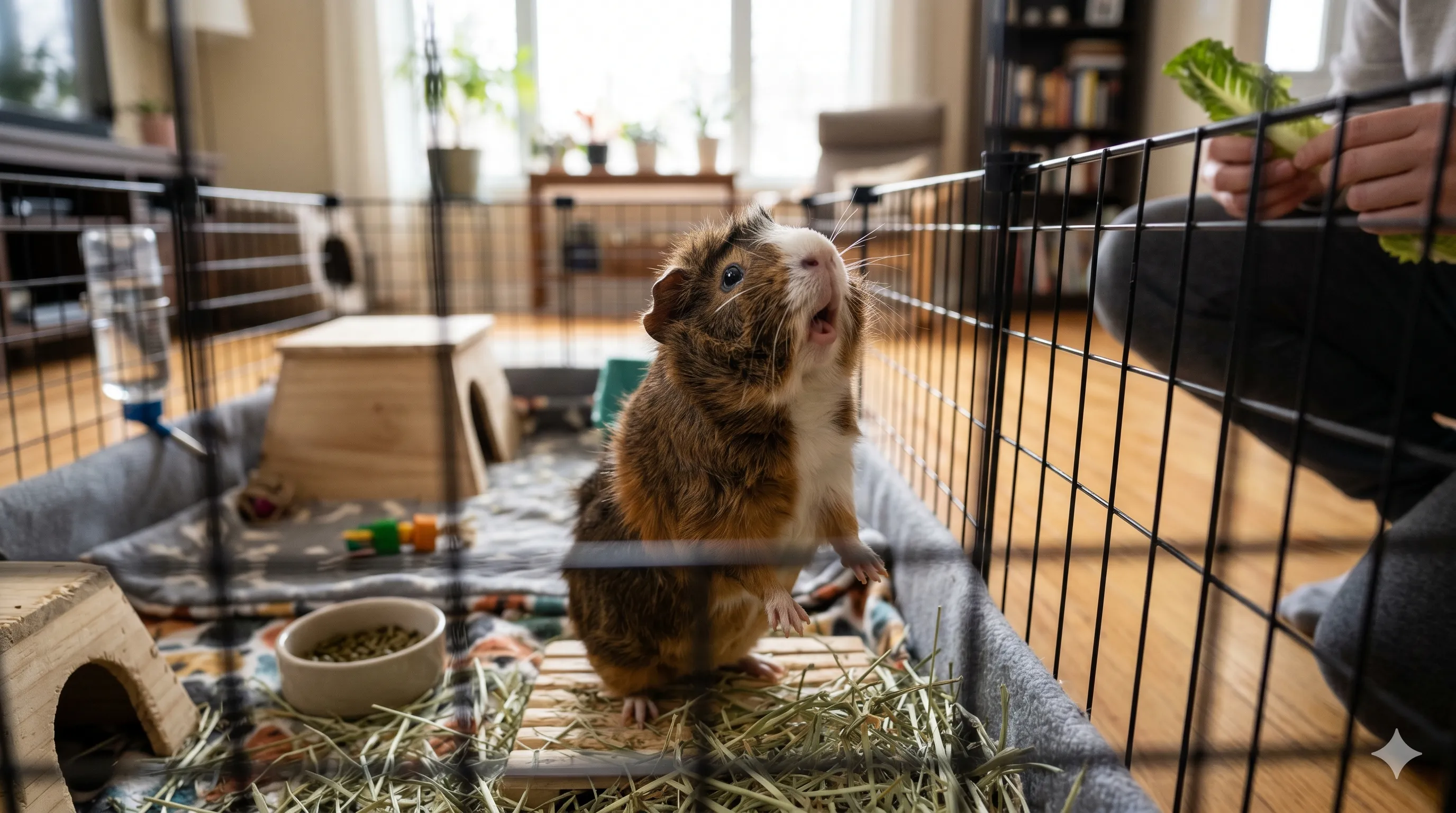
- Why Is My Guinea Pig Squeaking? (Quick Answer)
- Why Guinea Pigs Are So Vocal
- Most Common Guinea Pig Sounds and Their Meanings
- 1. Wheeking
- 2. Soft Happy Squeaks
- 3. Purring Sounds
- 4. Teeth Chattering
- 5. Chirping
- 6. Loud Squeals or Screams
- Why Does My Guinea Pig Squeak When It Sees Me?
- Why Does My Guinea Pig Squeak for Food?
- Do Guinea Pigs Squeak for Attention?
- Happy Sounds vs Stress Sounds
- What Body Language Should You Watch Alongside Squeaking?
- When Should You Worry About Guinea Pig Sounds?
- How to Encourage Positive Communication With Your Guinea Pig
- Establish Consistent Routines
- Respond Calmly
- Provide Enrichment
- Learn Individual Preferences
- Common Myths About Guinea Pig Squeaking
- Myth: All Squeaks Mean Hunger
- Myth: Vocal Guinea Pigs Are Unhappy
- Myth: Quiet Guinea Pigs Are Sick
- Myth: Every Sound Has Only One Meaning
- Final Thoughts
Note: This article is for informational purposes only and does not replace professional veterinary advice.
Guinea pigs may be small, but they are among the most vocal companion pets. Unlike many rodents that communicate primarily through body language, guinea pigs regularly use a wide range of sounds to express excitement, curiosity, comfort, annoyance, fear, and even anticipation.
If you've been asking why is my guinea pig squeaking, the answer depends on the type of sound being made and the situation surrounding it. A guinea pig squeaking when you open the refrigerator often means something very different from a guinea pig squealing loudly during a disagreement with a cage mate.
One of the reasons guinea pigs make such popular pets is their expressive personalities. Many owners quickly learn that their guinea pigs recognize routines, remember feeding schedules, and even react differently to specific people. Squeaking often becomes part of that communication system.
Learning what different guinea pig sounds mean can help you understand your pet's needs, strengthen your bond, and identify potential health concerns before they become serious problems.
Why Is My Guinea Pig Squeaking? (Quick Answer)
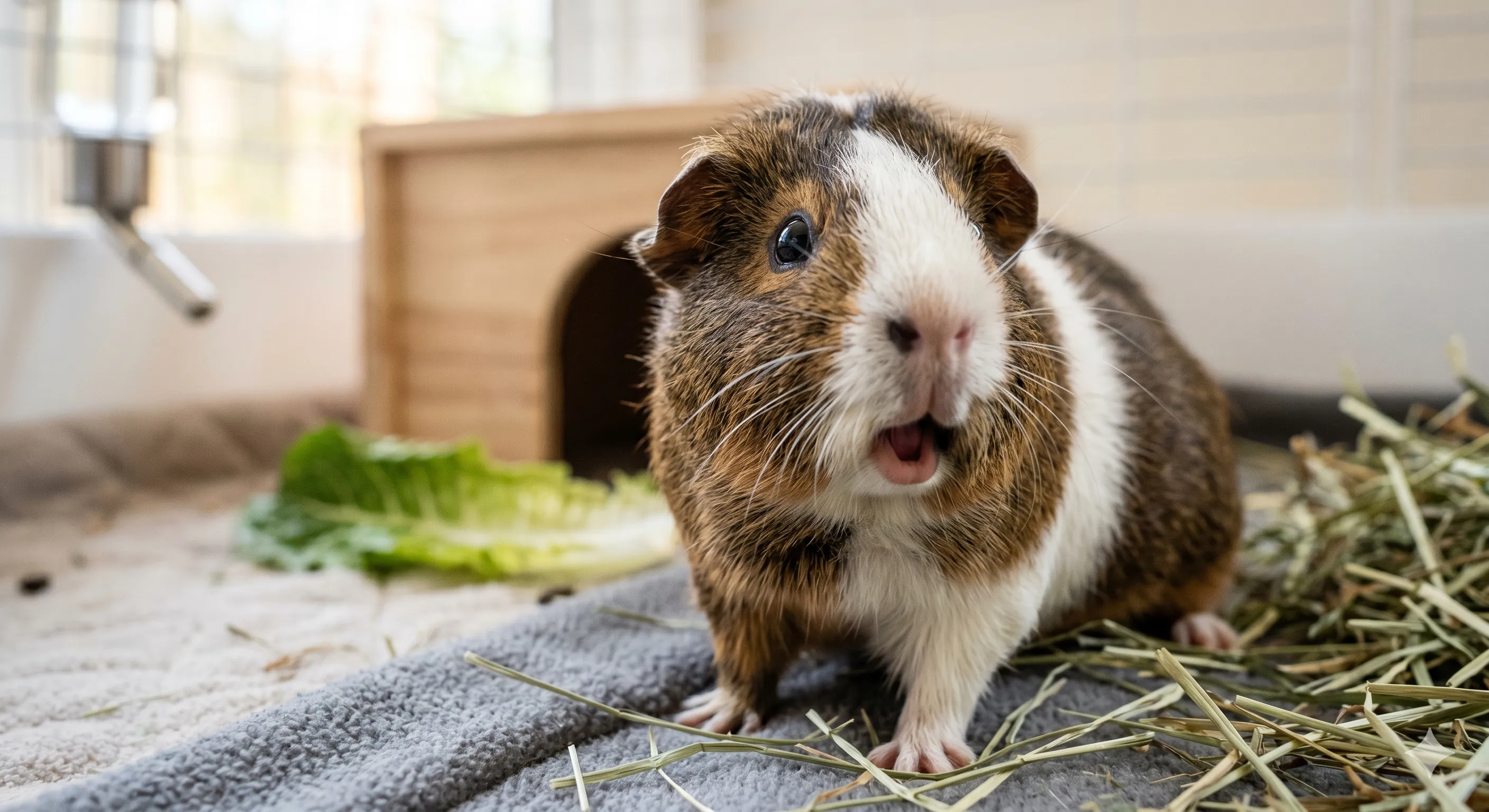
Guinea pigs squeak to communicate excitement, hunger, attention, curiosity, comfort, stress, or social interaction. Some squeaks are positive signs of happiness and anticipation, while others may indicate fear, discomfort, or illness. Understanding the type of sound and accompanying body language helps reveal what your guinea pig is trying to communicate.
Why Guinea Pigs Are So Vocal
Guinea pigs are naturally social animals that rely heavily on communication.
In groups, guinea pigs use sounds to:
- Locate companions
- Express emotions
- Establish social relationships
- Request food
- Signal discomfort
- Warn others of potential danger
Domestic guinea pigs continue using these communication methods with both cage mates and their owners.
Over time, many guinea pigs learn that certain sounds generate specific responses. For example, a guinea pig that squeaks loudly before feeding time may have learned that the behavior gets your attention.
Most Common Guinea Pig Sounds and Their Meanings
1. Wheeking
Wheeking is perhaps the most famous guinea pig sound.
It is a loud, enthusiastic squeak that often sounds demanding and impossible to ignore.
Guinea pigs commonly wheek when:
- They hear food bags rustling
- The refrigerator opens
- Fresh vegetables are being prepared
- Feeding time approaches
- A familiar person enters the room
Wheeking is usually a sign of excitement and anticipation rather than distress.
rare guinea pig chirping sounds explained2. Soft Happy Squeaks
Many guinea pigs make gentle squeaking sounds while exploring, interacting with companions, or relaxing.
These quieter vocalizations often indicate:
- Comfort
- Curiosity
- Contentment
- Social engagement
- Interest in their surroundings
Soft squeaks are generally considered positive sounds and are often heard in calm, comfortable guinea pigs.
3. Purring Sounds
Guinea pig purring can have different meanings depending on the tone.
A low, gentle purr may indicate relaxation and comfort.
However, a higher-pitched tense purr can sometimes signal irritation or uncertainty.
Body language helps determine which interpretation is most accurate.

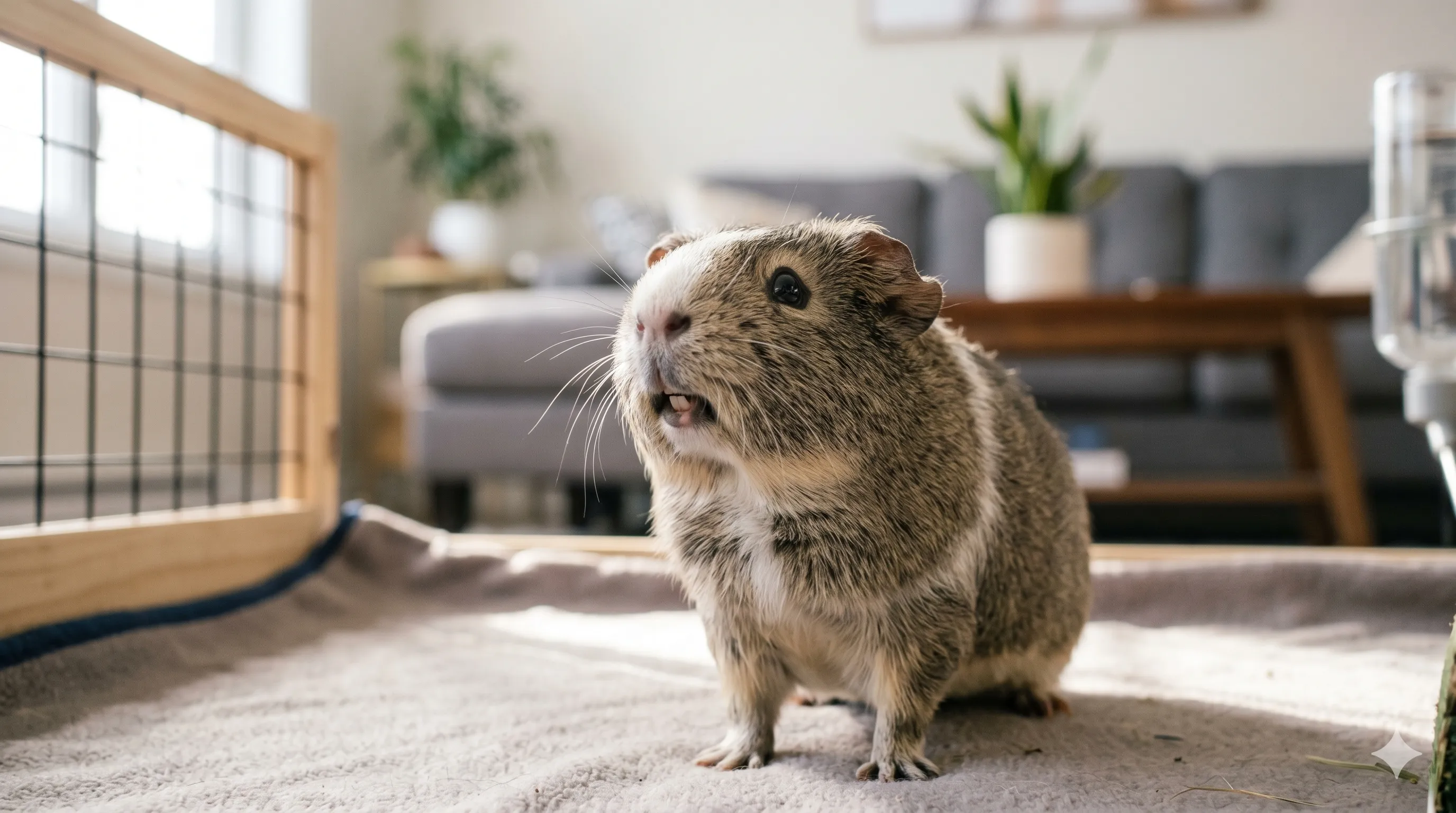
4. Teeth Chattering
Although technically not a squeak, teeth chattering is one of the most important guinea pig sounds owners should recognize.
Teeth chattering usually means:
- Irritation
- Discomfort
- Territorial behavior
- Stress
- A warning to back away
When guinea pigs chatter their teeth, they are often communicating boundaries rather than happiness.
5. Chirping
Chirping is one of the rarest guinea pig vocalizations.
Many owners never hear it during their guinea pig's lifetime.
The sound resembles bird song and may occur during periods of heightened alertness or unusual environmental stimulation.
Researchers still do not fully understand why some guinea pigs chirp.
6. Loud Squeals or Screams
A sudden loud squeal should always get your attention.
Possible causes include:
- Pain
- Fear
- Injury
- Conflict with another guinea pig
- Being startled
Unlike normal attention-seeking squeaks, distressed squeals often sound urgent and intense.
guinea pig teeth chattering warning signsWhy Does My Guinea Pig Squeak When It Sees Me?
This is one of the most common questions guinea pig owners ask.
In many cases, your guinea pig has learned to associate you with positive experiences.
Your pet may be expecting:
- Food
- Treats
- Fresh vegetables
- Attention
- Playtime
- Interaction
Many guinea pigs quickly memorize daily routines and recognize the people responsible for them.
If your guinea pig starts squeaking as soon as you enter the room, it often means it has learned that good things tend to happen when you're nearby.
Why Does My Guinea Pig Squeak for Food?
Food-related squeaking is extremely common.
Guinea pigs develop strong feeding routines and often learn to recognize:
- The sound of vegetable bags
- Opening refrigerator doors
- Food containers
- Preparation sounds
- Specific feeding times
Some guinea pigs begin wheeking several minutes before meals simply because they anticipate the routine.
This behavior demonstrates how observant and intelligent guinea pigs can be.
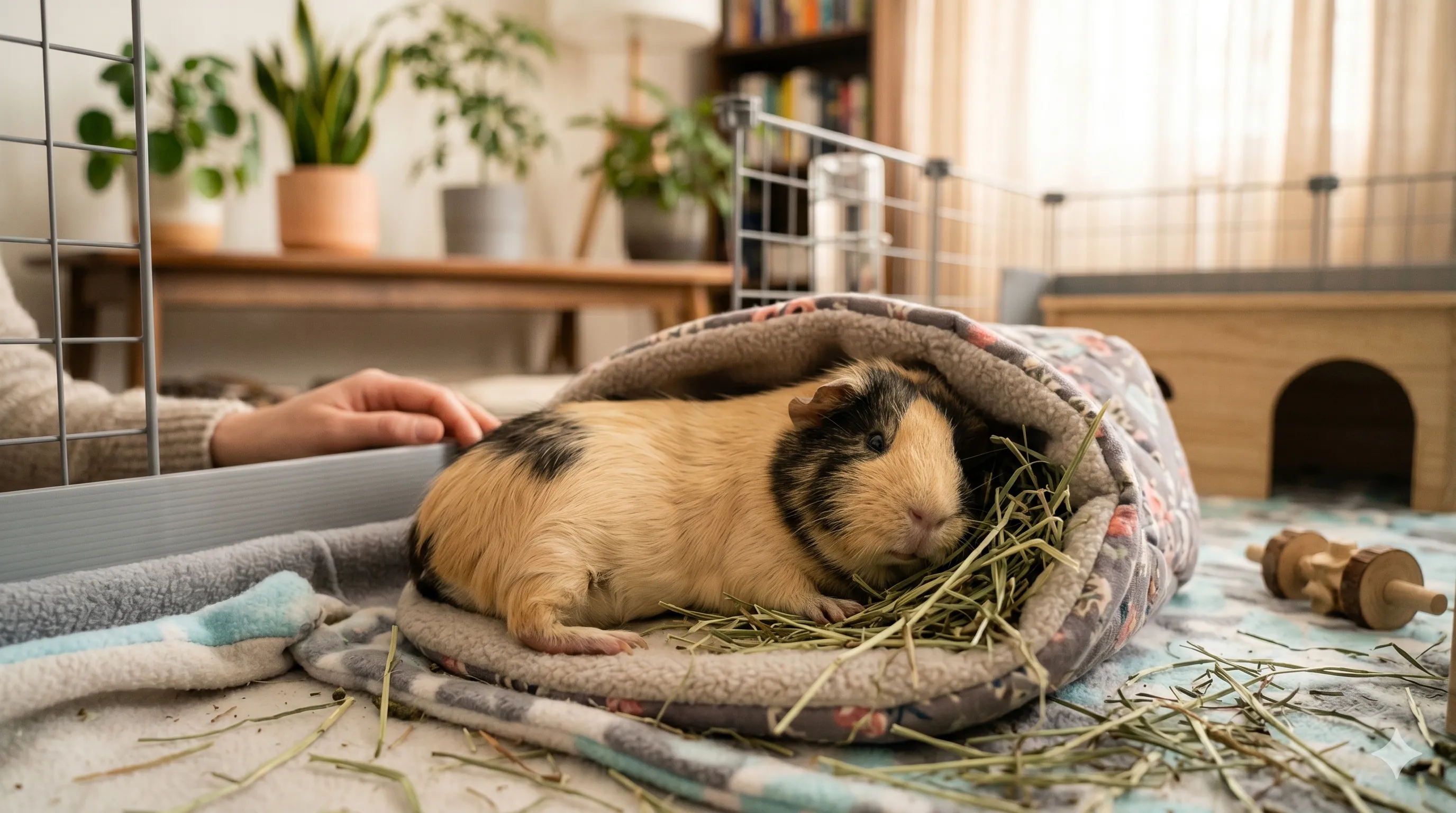
Do Guinea Pigs Squeak for Attention?
Absolutely.
Many guinea pigs discover that vocalizing attracts human attention.
Attention-seeking squeaks may occur when a guinea pig wants:
- Interaction
- Food
- Out-of-cage time
- A cage cleaning
- Fresh hay
- Social engagement
Over time, guinea pigs often learn which sounds produce the fastest response from their owners.
understanding guinea pig staring behaviorHappy Sounds vs Stress Sounds
| Sound | Likely Meaning |
|---|---|
| Wheeking | Excitement or food anticipation |
| Soft squeaks | Comfort and curiosity |
| Gentle purring | Relaxation |
| Chirping | Rare alert behavior |
| Teeth chattering | Warning or irritation |
| Loud squealing | Fear pain or distress |
Looking at body language alongside vocalizations provides a much clearer picture than focusing on sounds alone.
What Body Language Should You Watch Alongside Squeaking?
Helpful clues include:
- Relaxed posture
- Popcorning
- Exploration
- Hiding
- Teeth chattering
- Freezing
- Changes in appetite
A guinea pig wheeking while running excitedly around the cage likely feels very different from a guinea pig making noises while hiding in a corner.
When Should You Worry About Guinea Pig Sounds?
Most squeaking is completely normal.
However, unusual vocalizations should be monitored when they occur alongside:
- Loss of appetite
- Lethargy
- Weight loss
- Breathing difficulties
- Nasal discharge
- Difficulty moving
- Signs of pain
Behavior changes combined with physical symptoms are often more important than the sound itself.
why guinea pigs popcorn when happyHow to Encourage Positive Communication With Your Guinea Pig
Establish Consistent Routines
Guinea pigs feel more secure when feeding and interaction schedules remain predictable.
Respond Calmly
Consistent responses help guinea pigs learn positive communication patterns.
Provide Enrichment
Tunnels, hideouts, hay-based activities, and play opportunities encourage natural behavior.
Learn Individual Preferences
Every guinea pig develops its own communication style.
The more time you spend observing your pet, the easier it becomes to understand what different sounds mean.
Common Myths About Guinea Pig Squeaking
Myth: All Squeaks Mean Hunger
Guinea pigs squeak for many reasons, including attention, curiosity, excitement, and social interaction.
Myth: Vocal Guinea Pigs Are Unhappy
Many happy guinea pigs are highly vocal.
Myth: Quiet Guinea Pigs Are Sick
Some guinea pigs are naturally less vocal than others.
Myth: Every Sound Has Only One Meaning
Context and body language always influence interpretation.
Final Thoughts
Guinea pigs use a surprisingly complex range of sounds to communicate with both their companions and their owners. Most squeaking is completely normal and often reflects excitement, curiosity, anticipation, attention-seeking, or social interaction.
Understanding the differences between wheeking, soft squeaks, chirping, purring, teeth chattering, and distressed squeals helps owners better understand their pets and respond appropriately.
By paying attention to both sounds and body language, you'll gain a much clearer picture of what your guinea pig is trying to communicate and build a stronger bond with your pet over time.
This article is intended for educational purposes only and should not replace professional veterinary advice. If unusual vocalizations occur alongside appetite loss, breathing problems, lethargy, or signs of illness, consult a qualified exotic animal veterinarian.
Medical Disclaimer
This content is provided for informational and educational purposes only and should not be considered veterinary, medical, behavioral, or training advice. While we strive for accuracy, we make no guarantees regarding completeness or results. Always consult a licensed veterinarian or qualified pet care professional before making decisions about your pet’s health, diet, or behavior.
AI Illustration Notice
Some images in this article may have been generated or enhanced using artificial intelligence for illustrative purposes.
Frequently Asked Questions
Guinea pigs often squeak when they see their owners because they associate them with food attention and positive experiences.
Wheeking is a loud excited vocalization commonly linked to food anticipation and excitement.
Yes guinea pigs are naturally vocal animals and use sounds to communicate many different emotions and needs.
Many guinea pigs squeak when they expect food because they quickly learn feeding routines.
Yes guinea pigs often vocalize to gain attention interaction or access to resources.
A loud squeal may indicate fear pain injury or significant distress and should be investigated.
Monitor unusual sounds if they occur alongside appetite loss lethargy breathing problems or other illness symptoms.
Yes guinea pigs use different vocalizations to express excitement comfort curiosity irritation fear and other emotional states.
Editorial Note
This article is part of PetNurture's educational library.
Topics are researched using publicly available educational resources, recognised veterinary organisations, academic publications and established animal welfare references where appropriate.
Every article is reviewed by the PetNurture editorial team for clarity, structure, readability and consistency before publication.
References
The information in this article has been reviewed and supported using the following sources.
VCA Animal Hospitals
Confirms guinea pigs are highly vocal, interactive, and affectionate animals that use a wide variety of sounds to communicate; supports the quick-answer and 'Why Guinea Pigs Are So Vocal' sections of this article.
Accessed Aug 6, 2026
RSPCA
Confirms recognized guinea pig stress signs such as hunched posture and altered behavior that would accompany distressed vocalizations; supports the 'When Should You Worry About Guinea Pig Sounds' section of this article.
Accessed Aug 6, 2026
Pet Emergency Guidance
Every pet is unique. If your pet exhibits severe symptoms, sudden behavioral changes, or a medical emergency, do not rely on online guides — contact a licensed veterinarian or emergency clinic immediately.
About PetNurture
PetNurture is an educational library of pet care guides, interactive tools and practical resources for pet parents. We work continuously to keep our content accurate and up to date. Reader feedback helps us maintain content quality.
Related Articles
Popular Guinea Pig Guides
Guinea Pig
Guinea Pig Vitamin C Calculator
Calculate how much vitamin C your guinea pig needs each day.