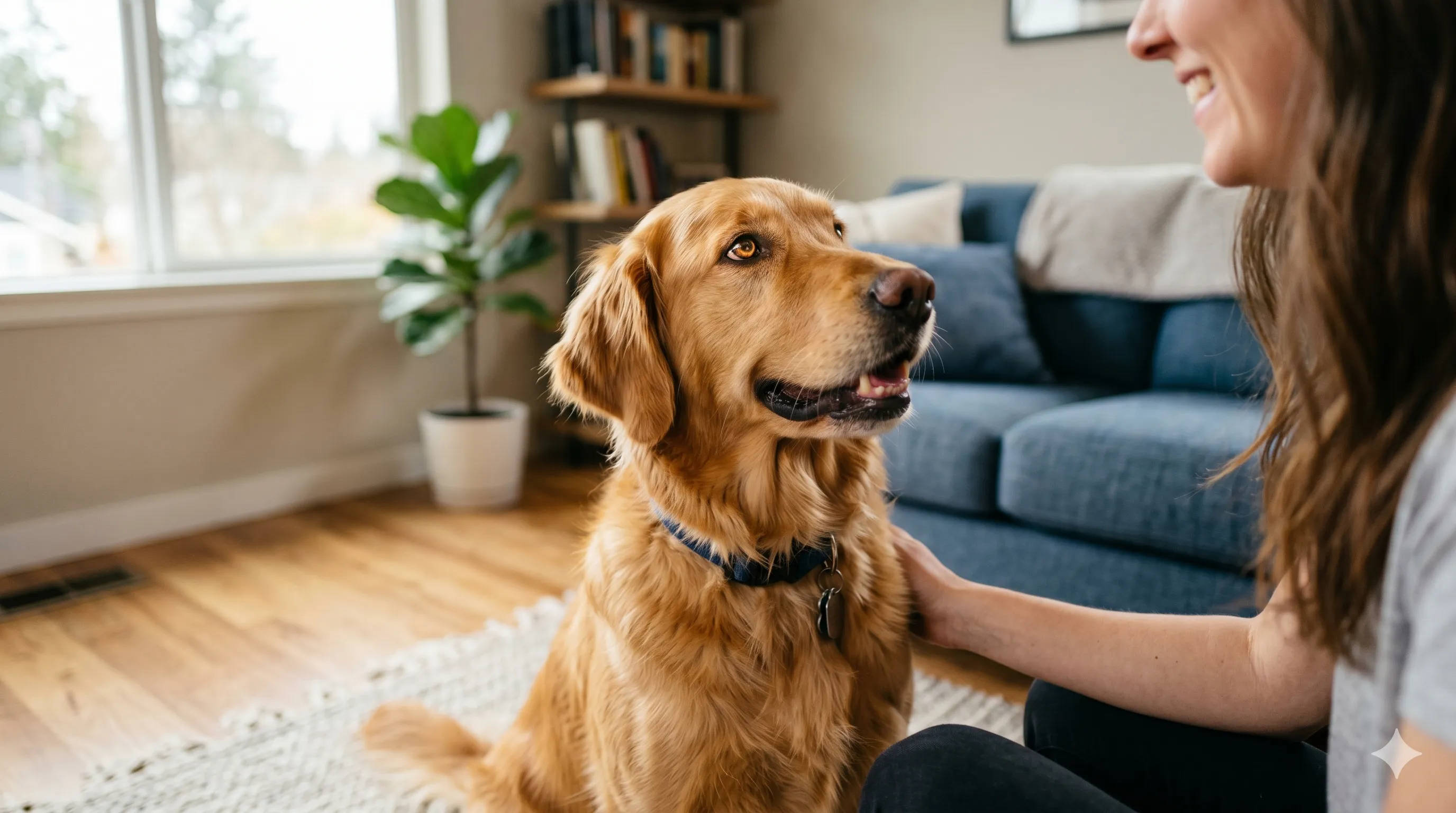
Dog Separation Anxiety: Signs, Causes & How to Fix It Step-by-Step
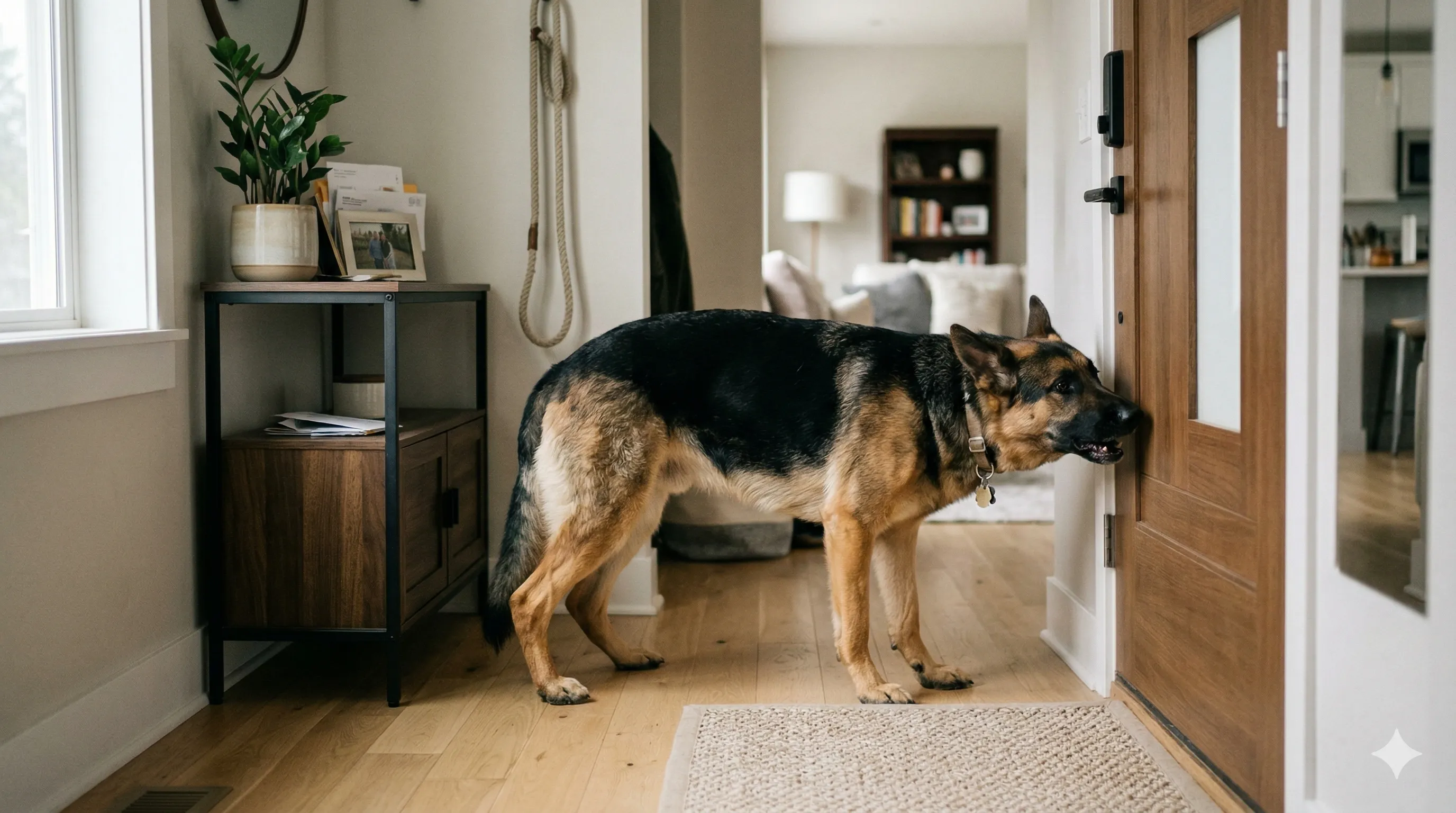
- Dog Separation Anxiety (Quick Answer)
- Separation Anxiety Severity Levels
- What Is Dog Separation Anxiety?
- Signs of Dog Separation Anxiety
- Common Signs Include:
- Separation Anxiety vs Normal Boredom
- Bored Dogs Often:
- Anxious Dogs Often:
- What Causes Separation Anxiety in Dogs?
- 1. Sudden Routine Changes
- 2. Lack of Independence Training
- 3. Rescue Dog Trauma or Abandonment
- 4. Major Environmental Changes
- 5. Owner Reinforcement Patterns
- How to Fix Dog Separation Anxiety Step-by-Step
- 1. Start with Very Short Absences
- 2. Create a Calm Safe Space
- 3. Reduce Emotional Departure Routines
- 4. Build Independence While You Are Home
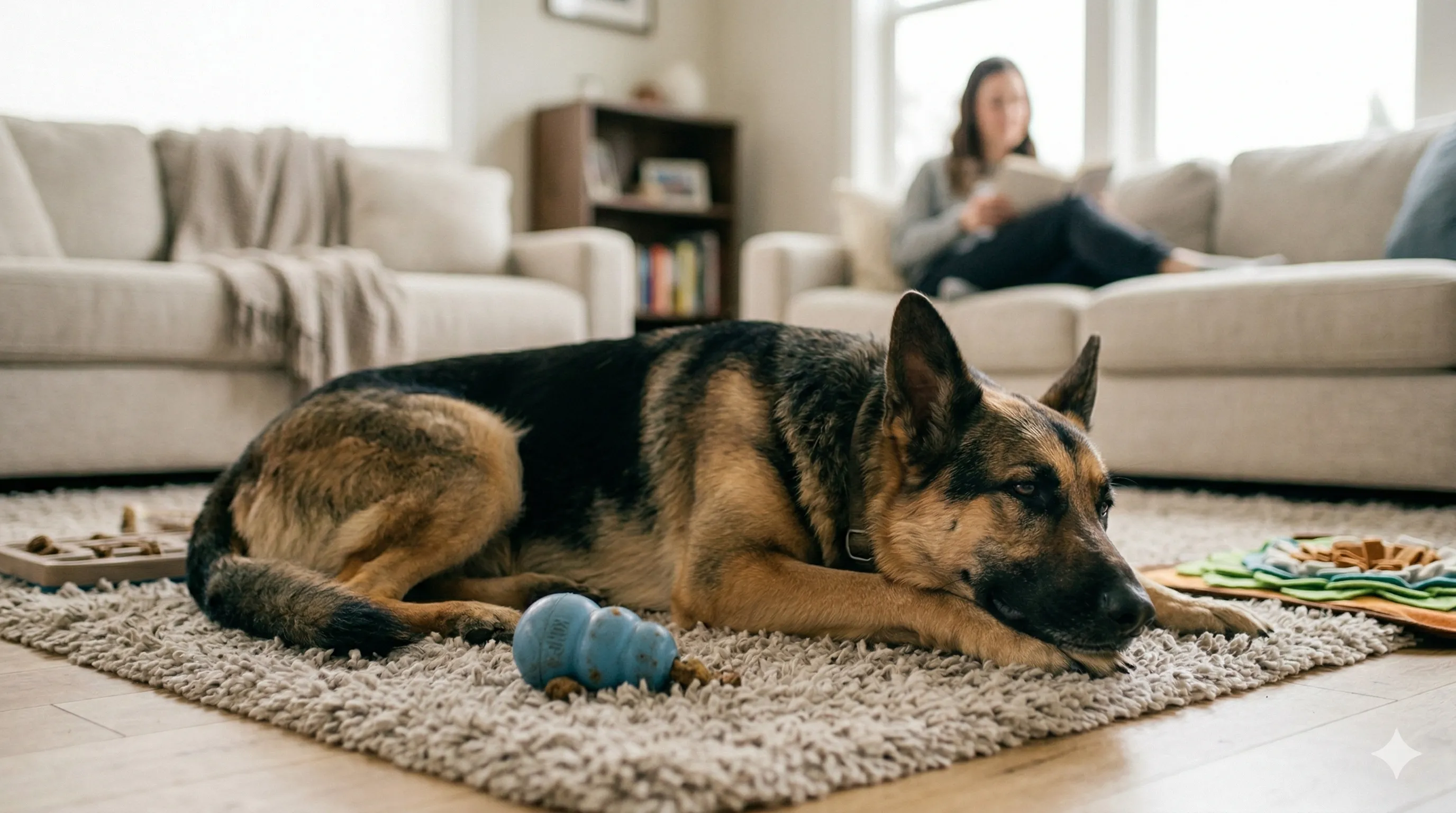
- 5. Use Mental Stimulation
- 6. Reward Calm Behavior
- 7. Maintain Consistent Daily Routines
- How Long Does It Take to Improve Separation Anxiety?
- Common Mistakes Owners Make
- 1. Punishing Anxiety Behaviors
- 2. Leaving for Long Periods Too Quickly
- 3. Ignoring Early Symptoms
- 4. Relying Only on Physical Exercise
- 5. Forcing Crate Confinement
- When Should You Seek Professional Help?
- Apartment Living and Separation Anxiety
- Example Scenario
- Final Thoughts
Note: This article is for informational purposes only and does not replace professional veterinary advice.
If your dog becomes anxious, destructive, vocal, or panicked whenever you leave the house, you may be dealing with dog separation anxiety. This is one of the most common emotional and behavioral problems seen in dogs, especially in highly attached pets or rescue dogs with stressful past experiences. learn how to calm an anxious dog using consistent routines and positive reinforcement
Many owners mistakenly assume these behaviors are caused by stubbornness, revenge, or disobedience. In reality, separation anxiety is usually driven by fear, emotional dependency, and panic when the dog feels isolated from their owner.
Dogs with separation anxiety often struggle because they never learned how to feel relaxed and secure while alone. The good news is that most dogs can improve significantly with structured training, environmental management, patience, and consistency.
In this guide, you'll learn the real signs of dog separation anxiety, why it happens, how to distinguish anxiety from boredom, and step-by-step methods to help your dog feel calmer and more confident when left alone.
Dog Separation Anxiety (Quick Answer)
Dog separation anxiety occurs when a dog experiences emotional distress or panic while separated from their owner. Common symptoms include barking, destructive behavior, pacing, accidents indoors, and escape attempts. Most dogs improve through gradual alone-time training, confidence building, mental stimulation, and positive reinforcement.
Recovery often takes time, but consistent training can significantly reduce anxiety behaviors.
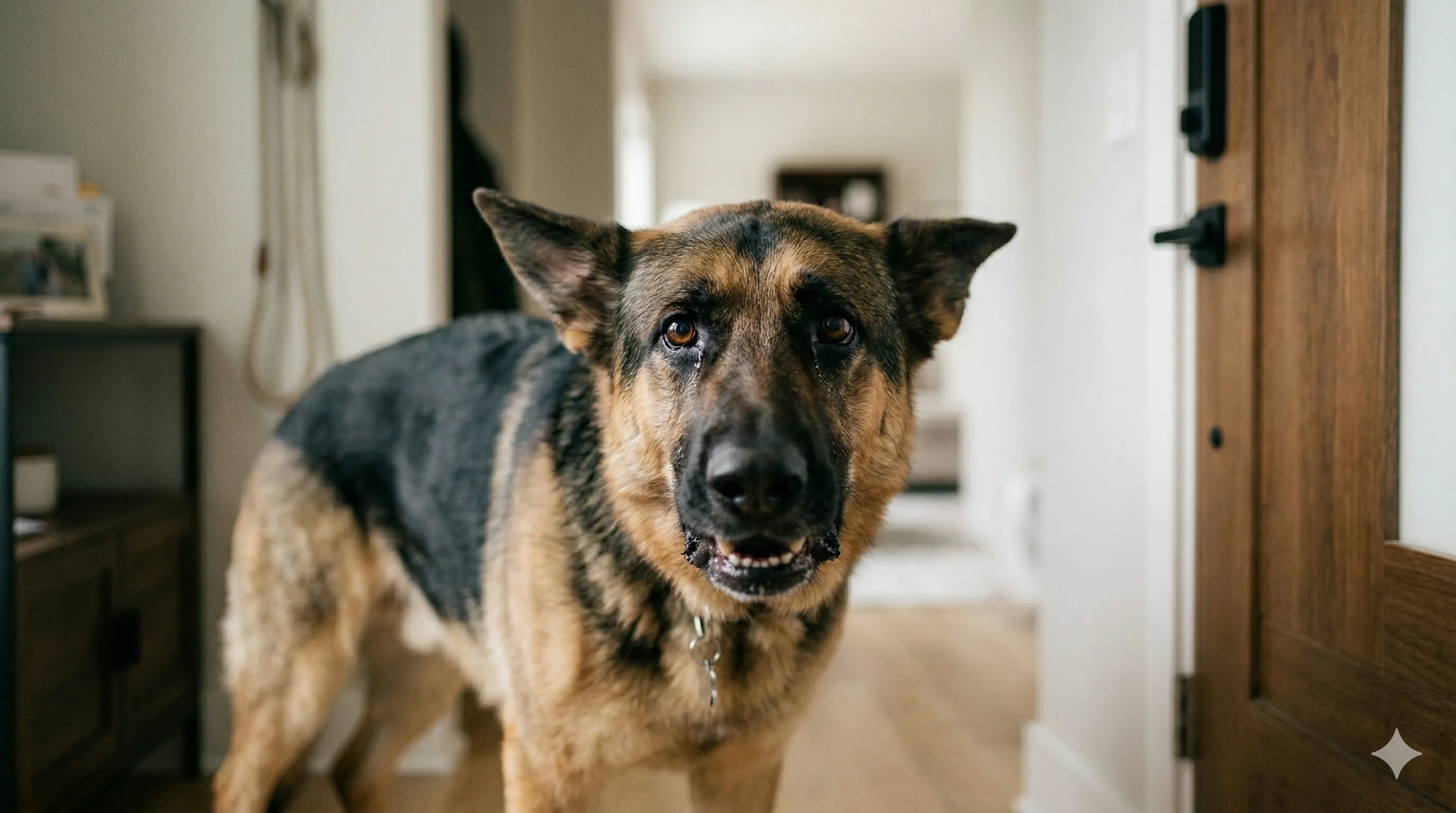
Separation Anxiety Severity Levels
| Severity Level | Common Symptoms | Recommended Approach |
|---|---|---|
| Mild | Whining, pacing, clinginess | Routine training and independence building |
| Moderate | Barking, chewing, restlessness | Structured desensitization training |
| Severe | Panic, escape attempts, self-injury | Professional behavioral support |
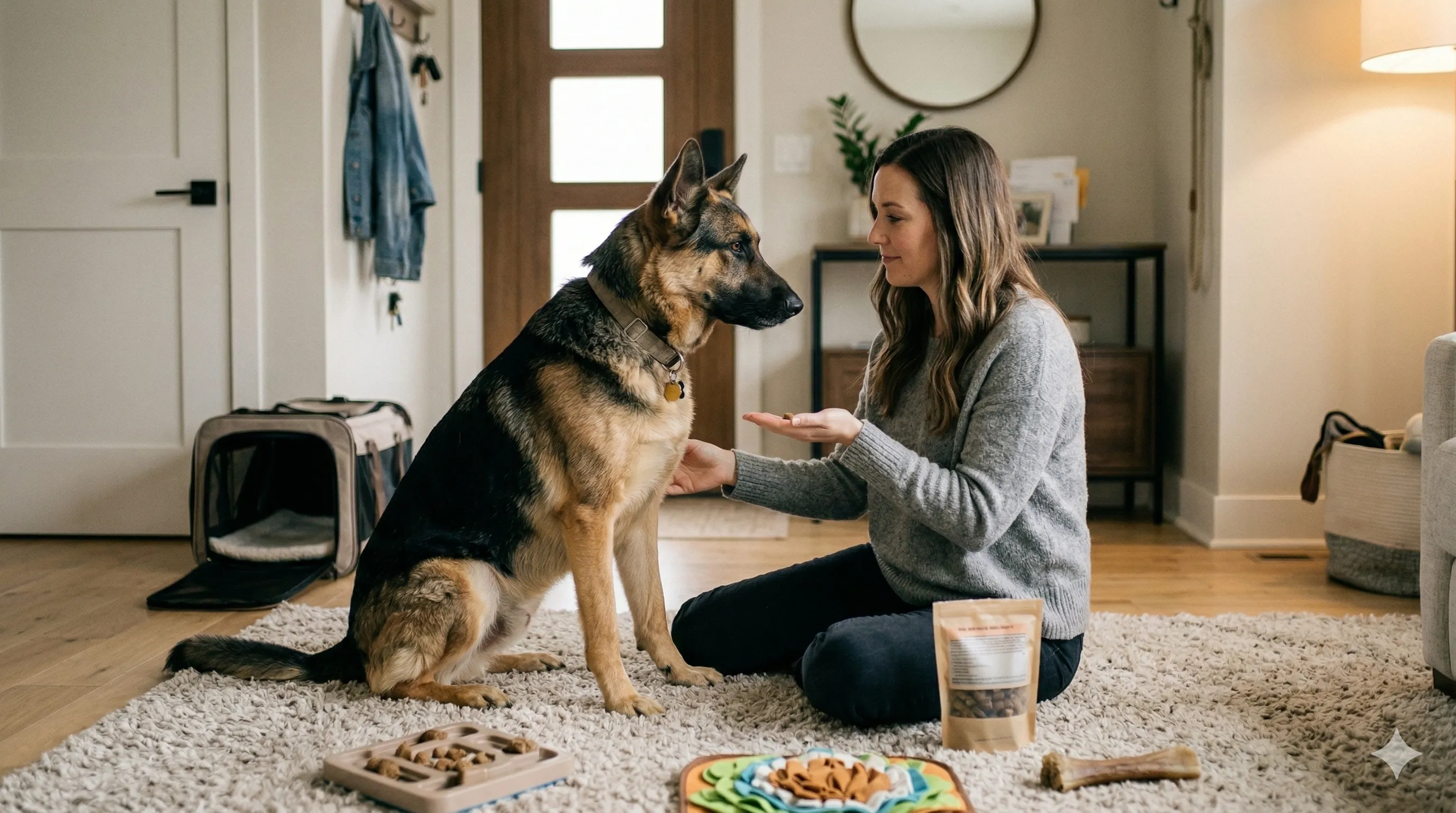
What Is Dog Separation Anxiety?
Separation anxiety is an emotional panic response triggered when a dog becomes separated from a person they strongly depend on emotionally.
Unlike boredom, separation anxiety is rooted in stress and fear rather than simply needing entertainment.
Dogs experiencing anxiety often believe something is wrong or unsafe when left alone.
This emotional state can trigger:
- Panic behavior
- Hypervigilance
- Destructive coping behaviors
- Stress vocalization
- Compulsive actions
Understanding this emotional foundation is extremely important because punishment usually makes anxiety worse rather than better.
Signs of Dog Separation Anxiety
Symptoms typically appear shortly before or shortly after the owner leaves.
Common Signs Include:
- Excessive barking or howling when alone
- Pacing repeatedly near doors or windows
- Destructive chewing or scratching
- Indoor accidents despite house training
- Escape attempts
- Heavy panting or drooling
- Following owners constantly at home
- Refusing to eat when left alone
Some dogs may also show anxiety before the owner even leaves by reacting to departure cues such as:
- Picking up keys
- Putting on shoes
- Grabbing bags
- Opening doors
Separation Anxiety vs Normal Boredom
Many owners confuse boredom with separation anxiety.
Bored Dogs Often:
- Chew occasionally
- Seek stimulation
- Settle after some time
- Respond well to enrichment
Anxious Dogs Often:
- Panic immediately after departure
- Show intense distress
- Cannot relax alone
- Display repeated stress behaviors
- May injure themselves trying to escape
Understanding the difference helps owners choose the right training approach.
What Causes Separation Anxiety in Dogs?
1. Sudden Routine Changes
Dogs thrive on predictability.
Major schedule changes such as:
- Returning to office work
- Moving homes
- Changes in family structure
- Travel schedule changes
can trigger anxiety in emotionally dependent dogs.
2. Lack of Independence Training
Some dogs become overly dependent because they rarely experience calm alone time.
Dogs constantly receiving attention may never learn how to self-soothe independently.
properly socialize a puppy to help build confidence and independence3. Rescue Dog Trauma or Abandonment
Rescue dogs or previously abandoned dogs are sometimes more vulnerable to separation anxiety because of past instability or trauma.
However, any dog can develop anxiety regardless of background.
4. Major Environmental Changes
Moving to a new home or introducing major lifestyle changes can increase insecurity and stress.
5. Owner Reinforcement Patterns
Overly emotional greetings and departures may unintentionally reinforce emotional dependency.
This does not mean affection is harmful, but calm routines usually help anxious dogs feel more stable.
How to Fix Dog Separation Anxiety Step-by-Step
1. Start with Very Short Absences
One of the most important training principles is preventing panic whenever possible.
Start with extremely short departures your dog can handle calmly.
For example:
- Step outside for 10 seconds
- Return calmly
- Gradually increase duration
If your dog begins panicking, the duration is increasing too quickly.
Progress should remain slow and manageable.
2. Create a Calm Safe Space
Dogs with anxiety benefit from predictable environments.
Create a safe area containing:
- Comfortable bedding
- Familiar scents
- Safe chew items
- Puzzle toys
- Water access
Some dogs feel safer in smaller quiet areas, while others dislike confinement. Observe your dog's comfort level carefully.
3. Reduce Emotional Departure Routines
Many anxious dogs become stressed long before the owner actually leaves.
Practice normalizing departure cues by:
- Picking up keys without leaving
- Putting shoes on casually
- Opening doors randomly
This helps reduce anticipation panic.
4. Build Independence While You Are Home
Training should not only happen during departures.
Encourage your dog to relax independently even when you are home.
Examples include:
- Relaxing on a bed nearby
- Spending time in another room briefly
- Self-entertainment with toys
Independence training teaches dogs that separation is normal and safe.
5. Use Mental Stimulation
Mental enrichment can help reduce stress and provide healthy distraction.
Helpful activities include:
- Puzzle feeders
- Frozen treat toys
- Scent games
- Chew enrichment
However, severe anxiety often requires emotional training in addition to enrichment alone.
6. Reward Calm Behavior
Positive reinforcement works best for anxiety-related behavior.
Reward moments of:
- Calmness
- Relaxation
- Independent settling
- Quiet behavior
This helps reinforce emotional stability.
7. Maintain Consistent Daily Routines
Predictability helps anxious dogs feel safer.
Try to maintain consistency with:
- Feeding times
- Walk schedules
- Sleep routines
- Exercise timing
Routine stability reduces uncertainty.
How Long Does It Take to Improve Separation Anxiety?
Mild cases may improve within several weeks, while moderate or severe anxiety often requires several months of consistent training.
Progress usually depends on:
- Severity level
- Training consistency
- Past experiences
- Owner patience
- Environmental stability
Setbacks are normal and should not be viewed as failure.
Common Mistakes Owners Make
1. Punishing Anxiety Behaviors
Punishment increases fear and emotional stress.
Anxious dogs are not behaving badly on purpose.
2. Leaving for Long Periods Too Quickly
Sudden long absences often overwhelm anxious dogs.
Training should progress gradually.
3. Ignoring Early Symptoms
Mild clinginess or pacing can worsen if ignored.
mild clinginess is common, so learn why dogs follow you from room to room4. Relying Only on Physical Exercise
Exercise helps, but separation anxiety is primarily emotional rather than purely energy-based.
5. Forcing Crate Confinement
Some anxious dogs panic more inside crates, especially if crate training was not introduced positively.
When Should You Seek Professional Help?
Professional guidance may be necessary if your dog:
- Injures themselves
- Breaks through doors or windows
- Shows severe panic
- Does not improve with training
- Stops eating entirely when alone
Veterinarians or certified behavior professionals can help develop structured treatment plans for severe cases.
Apartment Living and Separation Anxiety
Separation anxiety can become especially stressful in apartments because barking or destructive behavior may disturb neighbors.
Helpful apartment strategies include:
- Exercise before departures
- White noise machines
- Calming enrichment
- Predictable schedules
- Gradual departure training
Early intervention is especially important in shared living environments.
Example Scenario
The scenario below is an illustrative example of how this situation can play out, not a documented case study.
One rescue dog became extremely distressed whenever the owner left for work. The dog barked constantly, scratched doors, and refused to eat while alone.
The owner began gradual absence training starting with only a few seconds outside the apartment while also introducing puzzle feeders and independence exercises during the day.
Over several weeks, the dog slowly became calmer and more capable of relaxing independently.
Although progress was gradual, consistency significantly reduced anxiety behaviors.
Final Thoughts
Dog separation anxiety can feel overwhelming, but it is often highly manageable with patience, structure, and realistic expectations.
The most important goal is helping your dog learn that being alone is safe and temporary rather than frightening.
Successful recovery usually comes from gradual confidence building rather than punishment or forced exposure.
With consistent training, calm routines, emotional support, and proper environmental management, many dogs become significantly more relaxed and independent over time.
This content is written to provide general educational guidance for dog owners. It should not replace professional veterinary or behavioral care for severe anxiety disorders or self-harming behaviors.
Medical Disclaimer
This content is provided for informational and educational purposes only and should not be considered veterinary, medical, behavioral, or training advice. While we strive for accuracy, we make no guarantees regarding completeness or results. Always consult a licensed veterinarian or qualified pet care professional before making decisions about your pet’s health, diet, or behavior.
AI Illustration Notice
Some images in this article may have been generated or enhanced using artificial intelligence for illustrative purposes.
Frequently Asked Questions
Dog separation anxiety is a condition where dogs experience stress panic or emotional distress when left alone.
Gradual alone time training mental stimulation calm routines and positive reinforcement can help reduce separation anxiety.
Mild cases may improve within weeks while severe anxiety may require several months of consistent behavioral training.
Most dogs do not fully outgrow separation anxiety without proper emotional training and environmental support.
Common causes include routine changes emotional dependency lack of independence training stress and past trauma.
You should seek professional help if your dog shows severe panic self injury escape attempts or no improvement with training.
Editorial Note
This article is part of PetNurture's educational library.
Topics draw on publicly available educational resources, recognised veterinary organisations, academic publications and established animal welfare references where appropriate.
The specific sources this article draws on are listed in its References section. If you spot an error, please let us know.
References
The information in this article has been reviewed and supported using the following sources.
ASPCA
The ASPCA lists pacing, whining, trembling, destructive chewing or scratching near doors and windows, indoor accidents, and frantic escape attempts as common signs of separation anxiety in dogs.
Accessed Aug 6, 2026
American Kennel Club
Separation Anxiety in Dogs: Signs, Causes, and Prevention
The AKC notes that potential triggers for separation anxiety include never previously being left alone, a traumatic separation experience, changes in schedule or household membership, and inadequate daily exercise.
Accessed Aug 6, 2026
American Kennel Club
Separation Anxiety in Dogs: Signs, Causes, and Prevention
The AKC recommends a gradual desensitization approach that starts with very short departures and slowly lengthens the time away, along with practicing departure cues like picking up keys without actually leaving.
Accessed Aug 6, 2026
Pet Emergency Guidance
Every pet is unique. If your pet exhibits severe symptoms, sudden behavioral changes, or a medical emergency, do not rely on online guides — contact a licensed veterinarian or emergency clinic immediately.
About PetNurture
PetNurture is an educational library of pet care guides, interactive tools and practical resources for pet parents. We work continuously to keep our content accurate and up to date. Reader feedback helps us maintain content quality.
Related Articles
Popular Dog Guides
Dog
Dog Calorie Calculator
Find the right daily calorie target for your dog's weight and activity level.