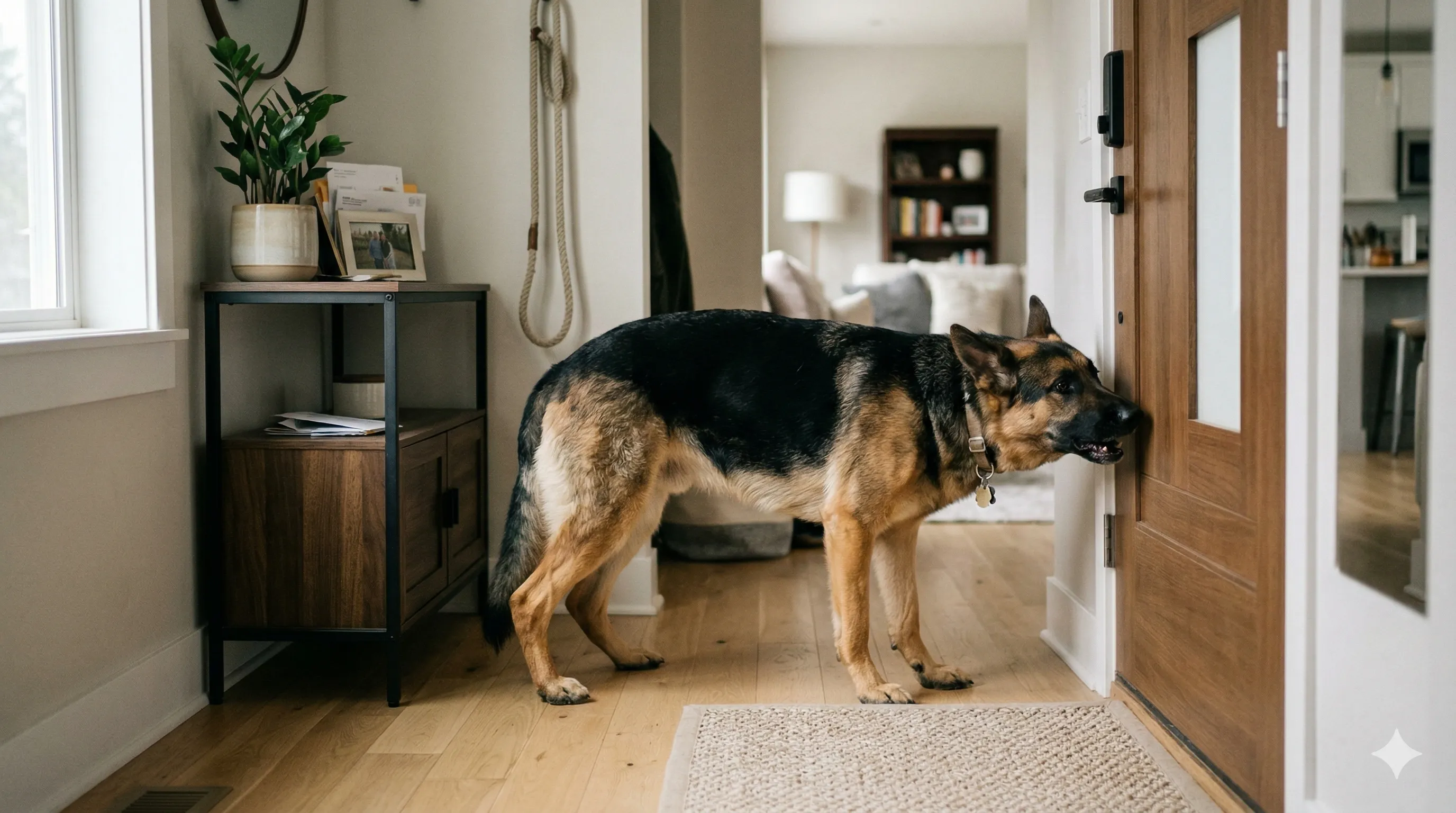
Why Does My Dog Stare at Me? 7 Real Reasons, Hidden Meanings & When It’s a Warning Sign
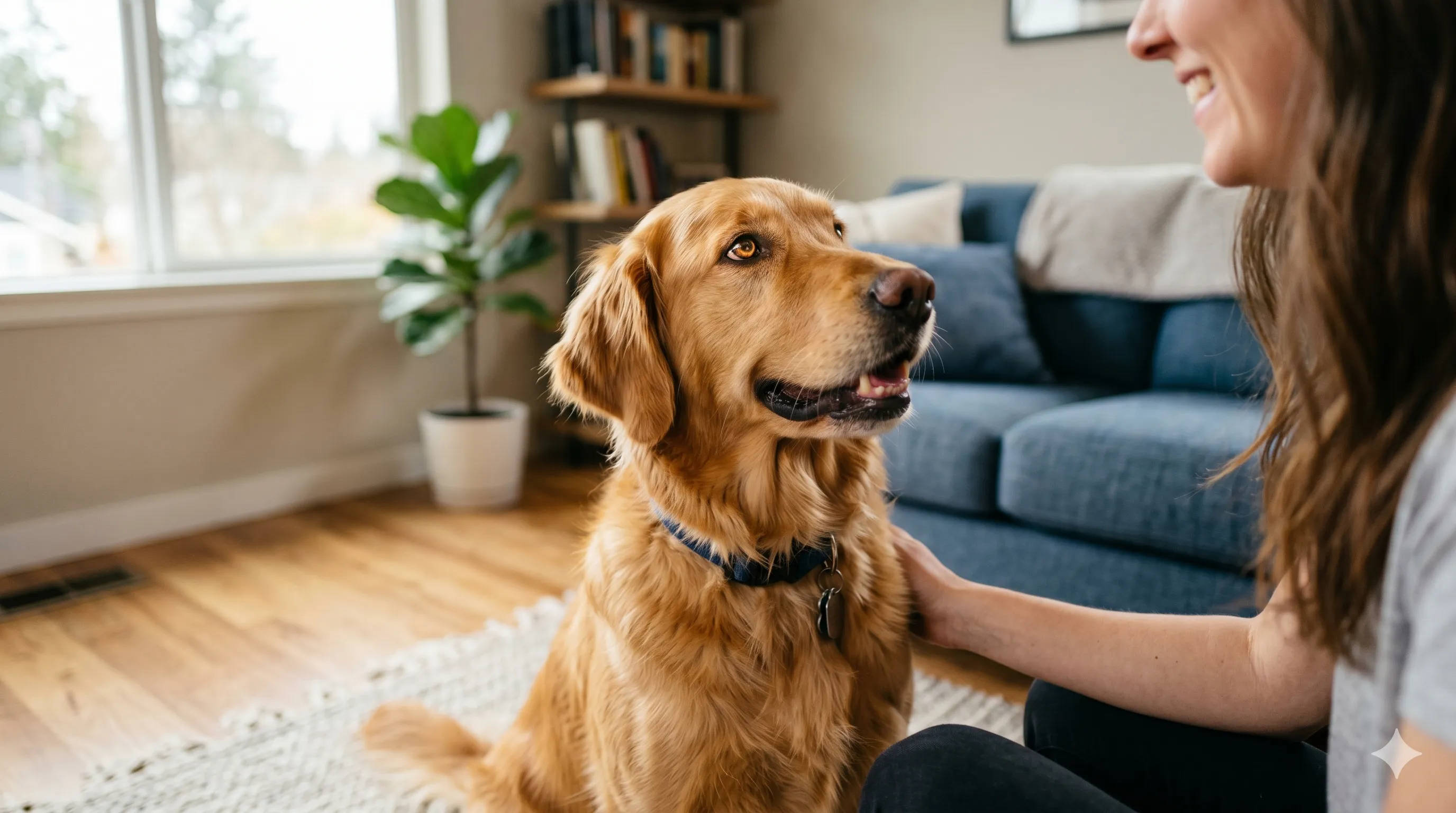
- Why Does My Dog Stare at Me? (Quick Answer)
- Dog Staring Types & Their Meanings
- Why Dogs Use Eye Contact So Much With Humans
- 7 Real Reasons Why Your Dog Stares at You
- 1. Your Dog Wants Something
- 2. They Are Emotionally Bonding With You
- 3. They Are Trying to Understand Human Behavior
- 4. Attention-Seeking Learned Behavior
- 5. They Are Waiting for Guidance
- 6. Anxiety or Insecurity
- 7. Warning or Discomfort Signals
- Behavioral Psychology Behind Dog Staring
- Dog Staring While You Eat
- Why Dogs Stare at Owners at Night
- When Dog Staring Becomes Concerning
- Possible Warning Signs
- How to Respond Correctly
- Observe Body Language First
- Avoid Accidentally Rewarding Demand Behaviors
- Provide More Mental Stimulation
- Build Healthy Independence
- Common Misinterpretations About Dog Staring
- "My Dog Stares Because They're Dominant"
- "All Eye Contact Means Affection"
- "Ignoring All Staring Fixes It"
- Real-Life Example
- Final Thoughts
Note: This article is for informational purposes only and does not replace professional veterinary advice.
Dogs communicate constantly even when they are completely silent.
One of the strongest ways they communicate with humans is through eye contact.
Some dogs stare while you eat. Others stare while you work, relax, or even sleep. Certain dogs seem to watch every movement you make around the house.
For many owners, this raises an important question:
Why does my dog stare at me so much?
In most cases, staring is completely normal and emotionally healthy.
Dogs use eye contact to:
- understand human behavior,
- predict routines,
- seek attention,
- build emotional connection,
- or communicate specific needs.
However, context matters.
A soft relaxed stare means something very different from an intense stiff stare combined with tension or anxiety.
understanding why your dog follows you helps explain attention-seeking behaviorsThis guide explains the psychology behind dog staring, the emotional meanings behind different types of eye contact, how body language changes interpretation, and when staring may signal stress or behavioral concerns.
Why Does My Dog Stare at Me? (Quick Answer)
Dogs stare at humans to communicate, observe behavior, seek attention, express affection, anticipate routines, or understand what happens next.
Most staring is normal and emotionally healthy, especially when combined with relaxed body language and calm behavior.
However, intense staring combined with stiffness, fear, anxiety, or aggression may require closer attention.
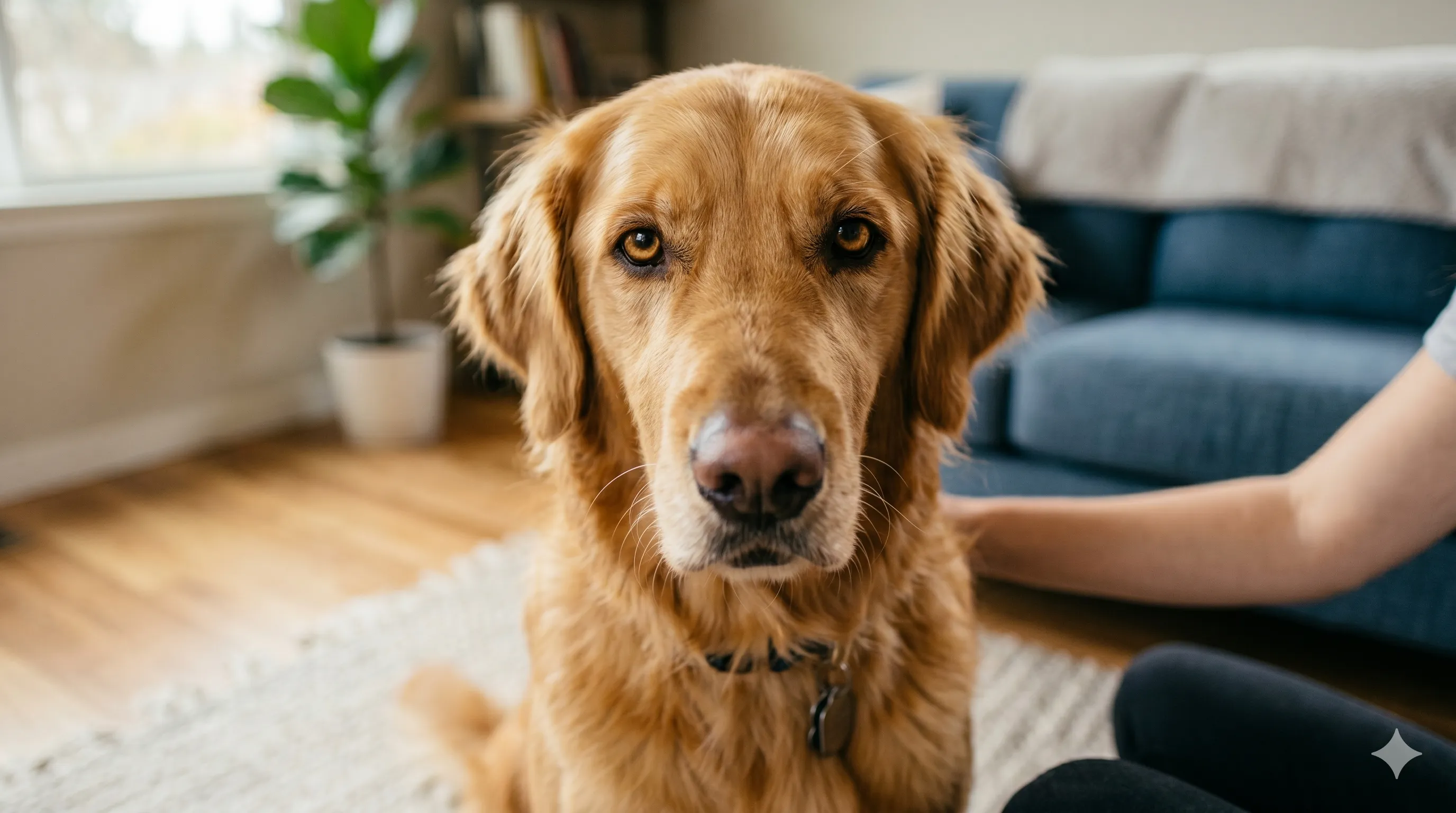
Dog Staring Types & Their Meanings
| Type of Stare | Likely Meaning | Body Language Clues |
|---|---|---|
| Soft relaxed eye contact | Trust and affection | Loose body, blinking, calm posture |
| Focused expectant stare | Wants something | Tail movement, alert posture |
| Watching your movements | Curiosity and observation | Following behavior |
| Constant attention stare | Attention-seeking habit | Whining or demand behaviors |
| Intense stiff stare | Stress, fear, or warning | Rigid body, no blinking |
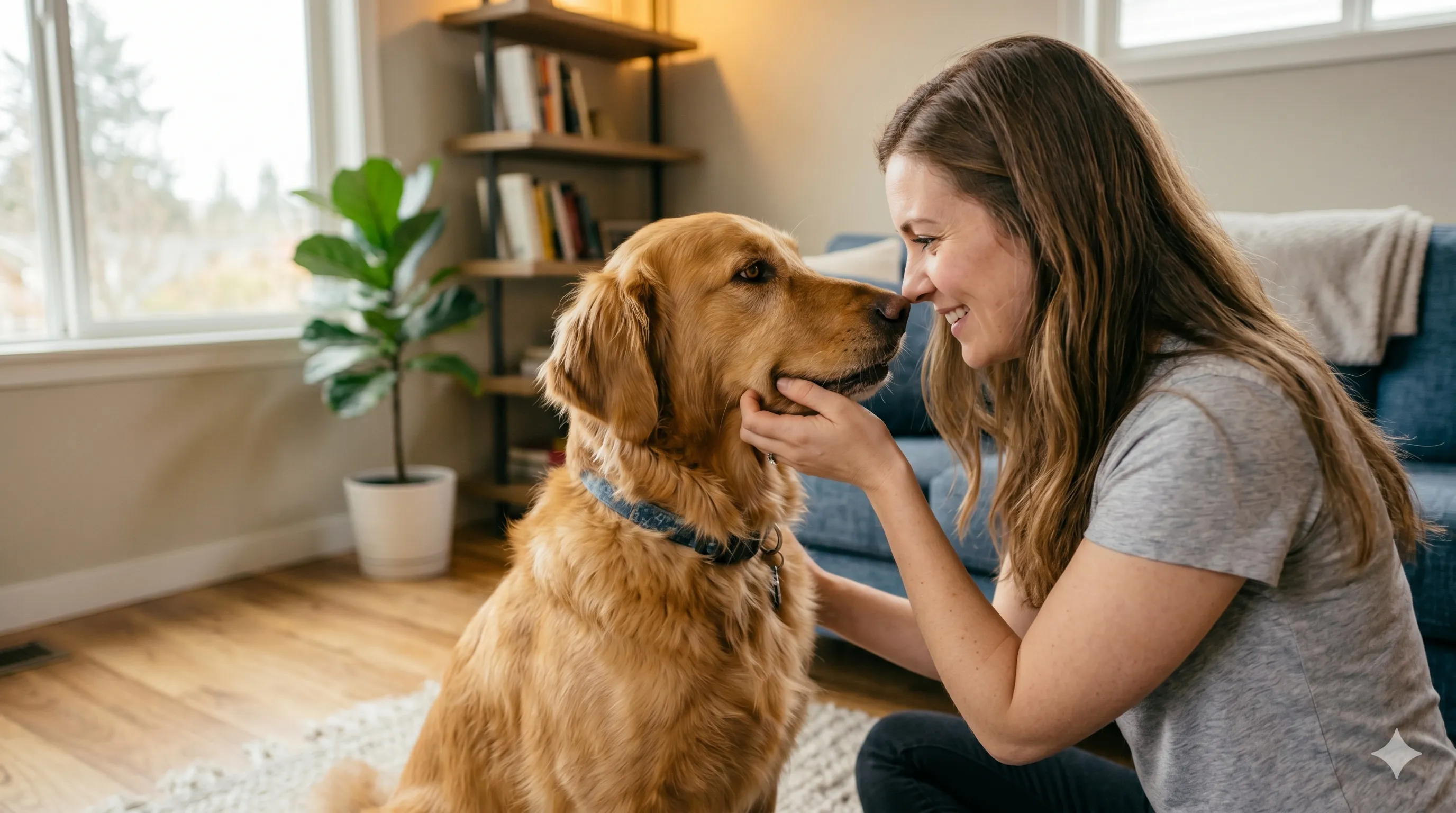
Why Dogs Use Eye Contact So Much With Humans
Dogs evolved alongside humans for thousands of years.
Unlike many animals, dogs became extremely skilled at reading:
- facial expressions,
- body movement,
- voice tone,
- and eye direction.
Research shows dogs actively observe humans to predict behavior and outcomes.
Your dog may stare because they are essentially "studying" you.
They learn patterns incredibly fast.
For example:
- standing near the kitchen may predict food,
- putting on shoes may predict a walk,
- or grabbing keys may predict separation.
7 Real Reasons Why Your Dog Stares at You
1. Your Dog Wants Something
This is the most common reason.
Your dog may be asking for:
- food,
- water,
- playtime,
- bathroom access,
- or attention.
Dogs quickly learn that eye contact often gets human responses.
2. They Are Emotionally Bonding With You
Relaxed eye contact between dogs and owners increases oxytocin levels often called the "bonding hormone".
This is similar to emotional bonding between parents and infants.
Soft staring combined with relaxed behavior is often a sign of trust and affection.
dogs also use body language like tail wagging to express affection and emotion3. They Are Trying to Understand Human Behavior
Dogs constantly analyze human actions.
Your dog may stare simply because they are:
- watching for cues,
- anticipating routines,
- or interpreting your emotions.
This behavior is especially common in intelligent or highly observant breeds.
4. Attention-Seeking Learned Behavior
Many dogs accidentally train their owners.
If staring consistently results in:
- treats,
- talking,
- petting,
- or playtime,
the behavior becomes reinforced.
Over time, dogs learn that staring is an effective communication strategy.
5. They Are Waiting for Guidance
Dogs trained regularly often look at owners for direction.
This is common in:
- working breeds,
- obedience-trained dogs,
- and highly engaged companion dogs.
The stare becomes part of communication and teamwork.
6. Anxiety or Insecurity
Some dogs stare excessively because they feel uncertain or emotionally dependent.
This often happens in dogs struggling with:
- stress,
- insecurity,
- or separation-related anxiety.
These dogs may constantly monitor owner movement for reassurance.
7. Warning or Discomfort Signals
Not all staring is friendly.
An intense fixed stare combined with:
- stiff posture,
- growling,
- lip tension,
- or freezing behavior
can signal discomfort or defensive behavior.
This type of stare should never be ignored.
Behavioral Psychology Behind Dog Staring
Dogs repeat behaviors that successfully achieve outcomes.
This is basic reinforcement psychology.
If staring repeatedly leads to:
- food,
- attention,
- comfort,
- or interaction,
the brain strengthens the behavior pattern.
This explains why some dogs become "professional starers".
The behavior is emotionally logical from the dog's perspective.
Dog Staring While You Eat
This is one of the most common situations owners notice.
Your dog likely associates eating with possible rewards.
Even occasional table scraps strongly reinforce food-focused staring behavior.
If you want to reduce this habit:
- avoid feeding directly from the table,
- reward calm behavior away from the table,
- and stay consistent.
Why Dogs Stare at Owners at Night
Nighttime staring may happen because:
- the dog wants attention,
- needs a bathroom break,
- feels restless,
- or lacks enough mental stimulation during the day.
Some anxious dogs become more emotionally attached during quiet nighttime hours.
night-time restlessness may also relate to dog barking at night behaviorsWhen Dog Staring Becomes Concerning
Most staring is harmless.
However, certain patterns deserve closer attention.
Possible Warning Signs
- Sudden intense staring behavior
- Rigid body posture
- Growling during eye contact
- Obsessive attention monitoring
- Anxiety when you move away
- Accompanying aggression or fear
These behaviors may suggest stress, insecurity, guarding behavior, or anxiety-related issues.
How to Respond Correctly
Observe Body Language First
Body posture completely changes meaning.
Soft eyes and relaxed posture are very different from rigid tension.
Avoid Accidentally Rewarding Demand Behaviors
If your dog constantly stares for attention, avoid immediately reinforcing every request.
Reward calm balanced behavior instead.
Provide More Mental Stimulation
Bored dogs often seek constant engagement from owners.
mental stimulation and indoor activities for bored dogs help reduce obsessive attention-seeking habitsStructured activity and enrichment help reduce obsessive attention-seeking.
Build Healthy Independence
Dogs struggling with emotional dependency benefit from gradual independence exercises and confidence-building routines.
Common Misinterpretations About Dog Staring
"My Dog Stares Because They're Dominant"
Modern canine behavior science largely rejects outdated dominance interpretations for normal owner-directed staring.
Most staring is communication not dominance.
"All Eye Contact Means Affection"
Context matters enormously.
Relaxed eye contact may show affection, while rigid unblinking eye contact may signal discomfort.
"Ignoring All Staring Fixes It"
Ignoring attention-seeking behaviors can help in some cases, but emotional needs still matter.
The goal is balanced communication not emotional disconnection.

Real-Life Example
A young rescue dog stared constantly at its owner throughout the day.
Initially, the owner assumed the behavior was affection only.
However, the dog also:
- followed constantly,
- became anxious during departures,
- and struggled to relax independently.
After introducing:
- structured routines,
- independence exercises,
- mental stimulation,
- and calm reward-based training,
the obsessive staring gradually reduced.
The dog became more relaxed and emotionally confident within several weeks.
Final Thoughts
Staring is one of the primary ways dogs communicate with humans.
In most situations, it reflects:
- attention,
- curiosity,
- affection,
- routine anticipation,
- or emotional bonding.
The key is understanding the full context including body language, emotional state, and behavioral patterns.
Once you learn how to interpret your dog's eye contact correctly, staring becomes less mysterious and far more meaningful.
This content is reviewed for educational accuracy and should not replace professional veterinary or behavioral evaluation for dogs showing aggressive, fearful, or compulsive staring behaviors.
Medical Disclaimer
This content is provided for informational and educational purposes only and should not be considered veterinary, medical, behavioral, or training advice. While we strive for accuracy, we make no guarantees regarding completeness or results. Always consult a licensed veterinarian or qualified pet care professional before making decisions about your pet’s health, diet, or behavior.
AI Illustration Notice
Some images in this article may have been generated or enhanced using artificial intelligence for illustrative purposes.
Frequently Asked Questions
Dogs often stare constantly because they want attention, food, interaction, guidance, or emotional connection.
Yes. Most dog staring is completely normal and is part of canine communication with humans.
Dogs frequently stare during meals because they associate food with possible rewards or past reinforcement.
Yes. Excessive monitoring, constant staring, and inability to relax independently may sometimes indicate anxiety or emotional insecurity.
Soft relaxed eye contact is usually healthy and helps bonding, but avoid prolonged intense eye contact if your dog seems uncomfortable or tense.
You should pay closer attention if staring becomes sudden, obsessive, aggressive, or paired with stiff posture, growling, fear, or anxiety-related behaviors.
Editorial Note
This article is part of PetNurture's educational library.
Topics are researched using publicly available educational resources, recognised veterinary organisations, academic publications and established animal welfare references where appropriate.
Every article is reviewed by the PetNurture editorial team for clarity, structure, readability and consistency before publication.
References
The information in this article has been reviewed and supported using the following sources.
Science (AAAS)
Oxytocin-gaze Positive Loop and the Coevolution of Human-Dog Bonds
A study published in the journal Science found that oxytocin levels rose in both dogs and owners after sustained eye contact of five minutes or longer, and that this oxytocin-gaze bonding response was not observed between wolves and their human caregivers, suggesting it evolved during dog domestication.
Accessed Aug 6, 2026
American Veterinary Society of Animal Behavior
Position Statement on the Use of Dominance Theory in Behavior Modification of Animals
The American Veterinary Society of Animal Behavior states that most undesirable pet behaviors stem from accidental reinforcement rather than a dog's desire for dominance, and recommends against training approaches based on dominance hierarchy theory.
Accessed Aug 6, 2026
Pet Emergency Guidance
Every pet is unique. If your pet exhibits severe symptoms, sudden behavioral changes, or a medical emergency, do not rely on online guides — contact a licensed veterinarian or emergency clinic immediately.
About PetNurture
PetNurture is an educational library of pet care guides, interactive tools and practical resources for pet parents. We work continuously to keep our content accurate and up to date. Reader feedback helps us maintain content quality.
Related Articles
Popular Dog Guides
Dog
Dog Calorie Calculator
Find the right daily calorie target for your dog's weight and activity level.