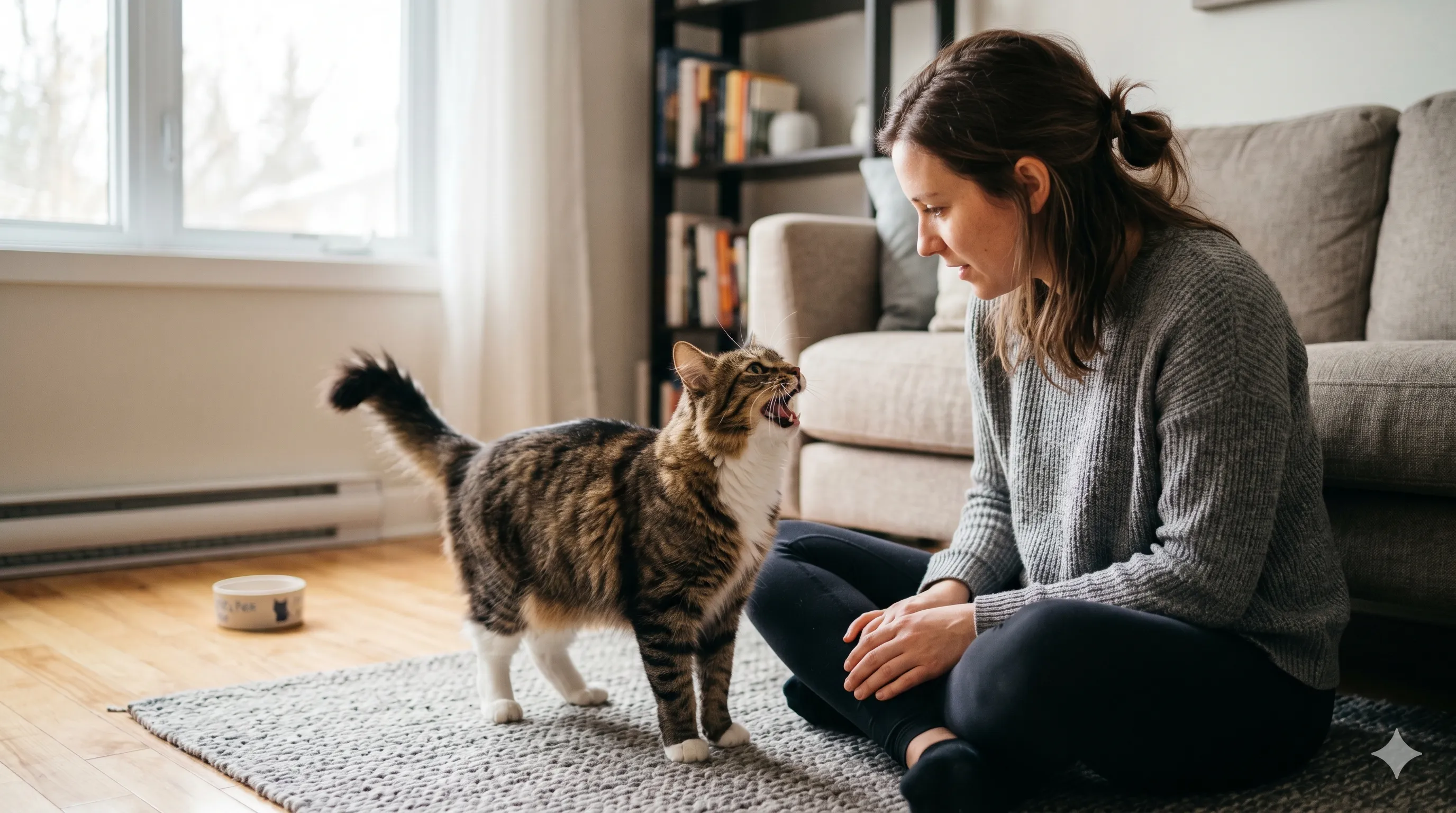
Why Does My Cat Zoom Around the House? Real Reasons Behind Cat Zoomies
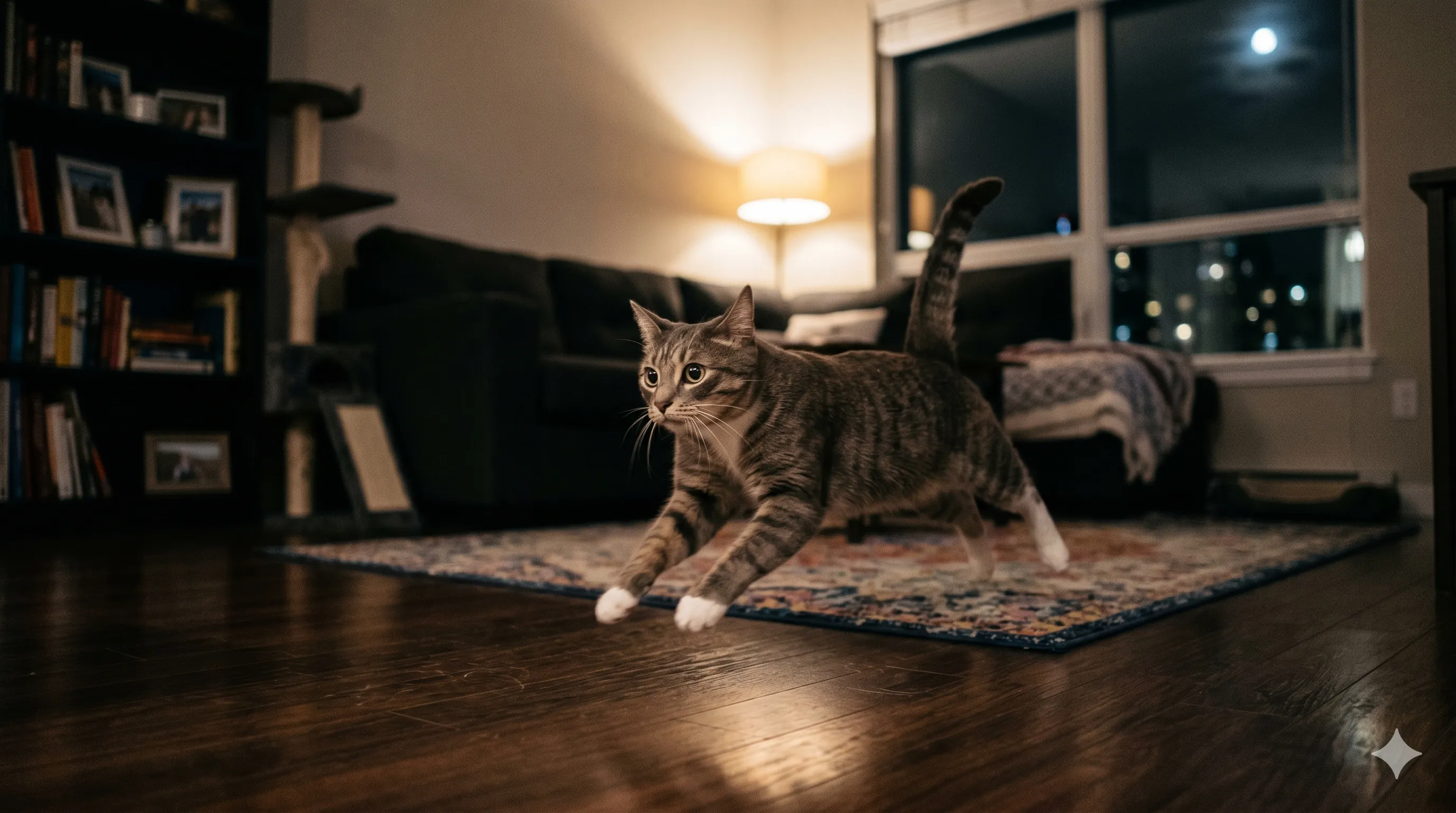
- Why Does My Cat Zoom Around the House? (Quick Answer)
- What Are Cat Zoomies?
- Cat Zoomies Causes & Solutions (Quick Guide)
- 6 Real Reasons Why Cats Get Zoomies
- 1. Your Cat Has Built-Up Energy
- 2. Zoomies Are Connected to Natural Hunting Instincts
- 3. Cats Naturally Become More Active at Night
- 4. Some Cats Get Zoomies After Using the Litter Box
- 5. Excitement and Environmental Stimulation Can Trigger Zoomies
- 6. Zoomies Sometimes Help Release Stress or Emotional Tension
- Normal vs Problematic Zoomies
- When Should You Be Concerned?
- How to Manage Cat Zoomies Effectively
- 1. Increase Interactive Daily Play
- 2. Create a Predictable Routine
- 3. Schedule Evening Play Sessions
- 4. Add More Environmental Enrichment
- 5. Allow Safe Energy Release Instead of Punishing It
- Ideal Evening Routine to Reduce Night Zoomies
- Common Mistakes Owners Make
- Real-Life Example
- Final Thoughts
Note: This article is for informational purposes only and does not replace professional veterinary advice.
One moment your cat is lying peacefully on the couch, looking completely relaxed and the next, they suddenly sprint across the house at full speed, leap over furniture, race down hallways, and disappear into another room like a tiny furry rocket.
If you've ever watched this happen, you've probably wondered: "why does my cat zoom around the house?" indoor cats with less physical activity often release excess energy through sudden bursts of movement
These sudden bursts of frantic energy are commonly called cat zoomies, and although they may seem chaotic or random, they are usually completely normal feline behavior.
In most cases, zoomies happen because cats are releasing built-up physical energy, responding to natural hunting instincts, reacting to excitement, or following their normal activity cycle.
However, excessive hyperactivity combined with stress signs, aggression, or inability to settle may occasionally signal emotional imbalance, boredom, or environmental stress.
Understanding why zoomies happen helps you manage them more effectively while also making your cat feel healthier, happier, and more mentally fulfilled.
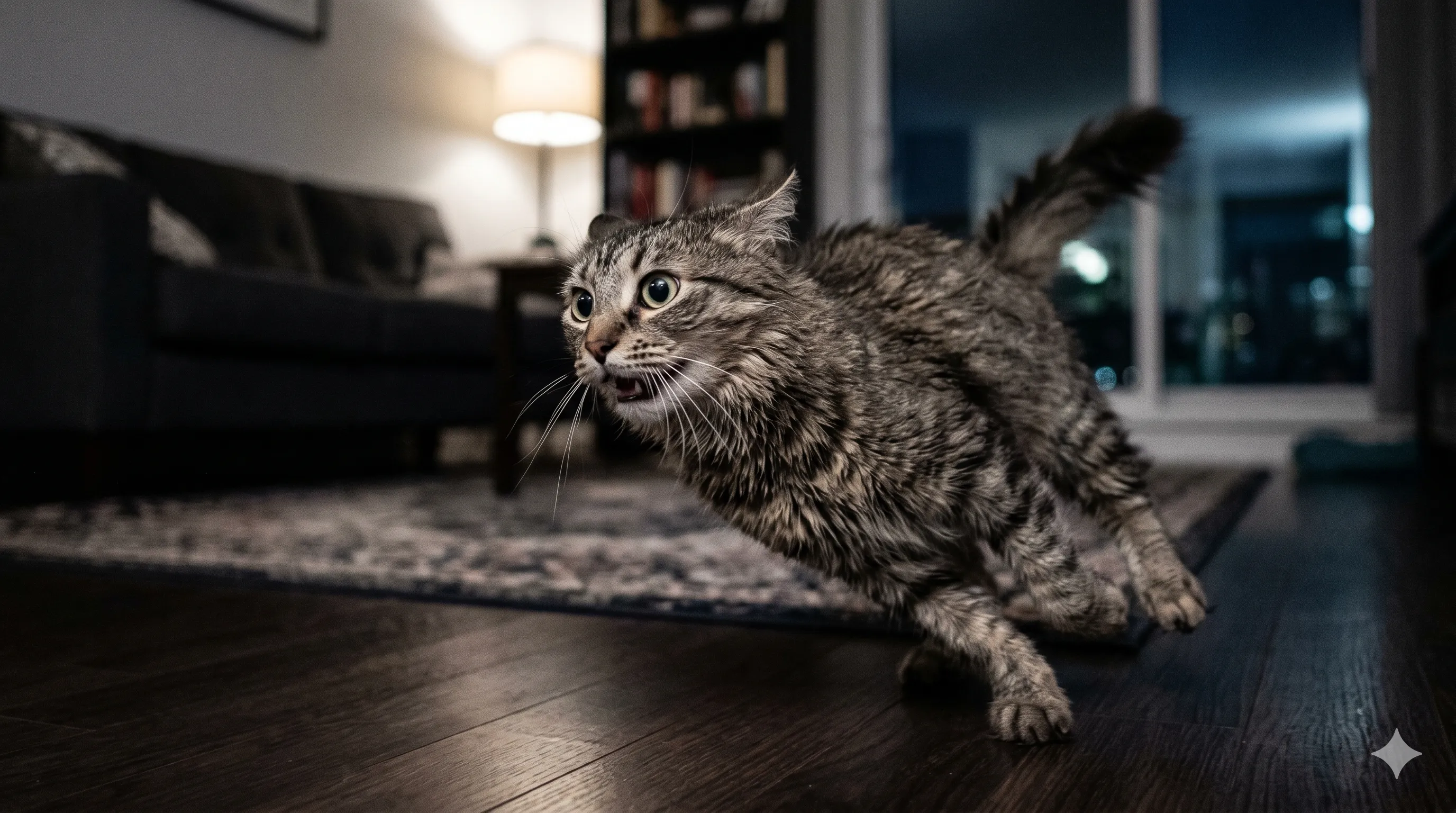
Why Does My Cat Zoom Around the House? (Quick Answer)
Cats zoom around the house because of excess energy, hunting instincts, excitement, nighttime activity patterns, or emotional stimulation. These sudden bursts of movement commonly called zoomies are usually healthy and natural. Indoor cats often experience stronger zoomies when they lack enough physical or mental stimulation during the day.
In most situations, zoomies are simply a sign of a healthy energetic cat.
What Are Cat Zoomies?
Cat zoomies refer to sudden explosive bursts of running, jumping, climbing, and frantic movement that often appear unexpectedly.
During zoomies, cats may:
- Sprint across rooms
- Jump on furniture
- Slide across floors
- Race up stairs
- Run in circles
- Chase invisible targets
These episodes are usually short and often end as suddenly as they begin.
For many cats, zoomies are simply a normal way of releasing physical and mental energy.
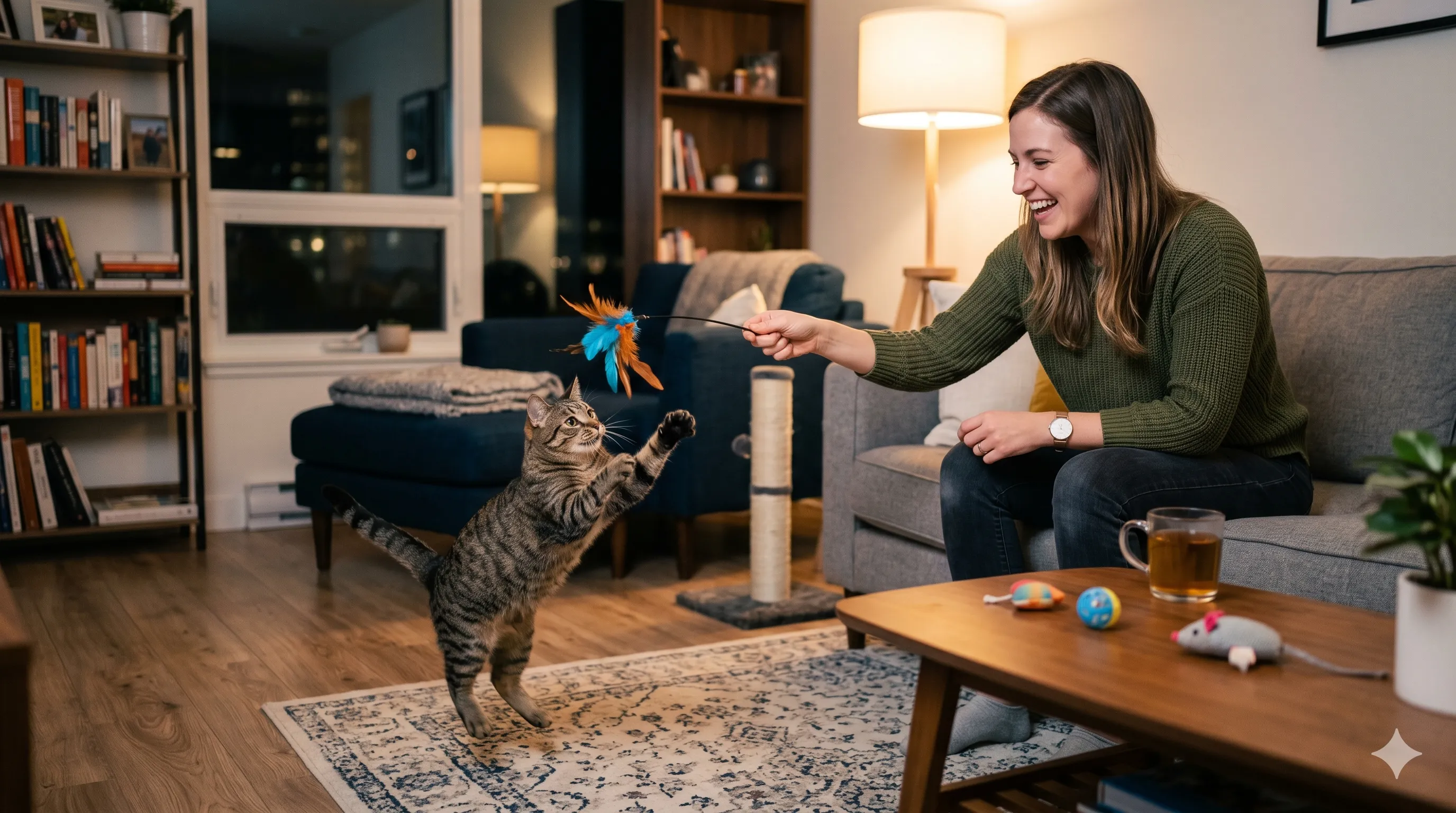
Cat Zoomies Causes & Solutions (Quick Guide)
| Cause | Possible Meaning | Helpful Solution |
|---|---|---|
| Excess energy | Not enough daytime activity | Increase interactive play |
| Hunting instinct | Natural predator behavior | Use chase and hunting toys |
| Night activity cycle | Natural dawn/dusk energy | Create evening routines |
| Excitement or stimulation | Environmental reaction | Provide structured play |
| Stress release | Emotional tension outlet | Maintain stable routines |
| Boredom | Lack of stimulation | Add enrichment activities |
6 Real Reasons Why Cats Get Zoomies
1. Your Cat Has Built-Up Energy
The most common cause of zoomies is simple energy release.
Indoor cats often sleep for long periods during the day. Without enough opportunities to climb, chase, explore, or play, physical and mental energy builds up over time.
Eventually, cats release that stored energy all at once through explosive running and movement.
Indoor cats with less physical activity often release excess energy through sudden bursts of movement. nighttime zoomies are often connected to the same natural activity cycle that causes cats to meow at night
This is especially common in:
- Young cats
- Kittens
- Indoor-only cats
- Highly energetic breeds
2. Zoomies Are Connected to Natural Hunting Instincts
Cats are instinctive predators.
In the wild, cats hunt using short bursts of speed, rapid movement, stalking, and pouncing behavior.
Even domesticated indoor cats still retain these strong instinctive patterns.
Zoomies often mimic:
- Chasing prey
- Escaping danger
- Practicing hunting skills
- Physical agility training
In many situations, your cat is simply acting out deeply rooted natural behavior.
3. Cats Naturally Become More Active at Night
Cats are crepuscular animals, meaning they are naturally most active during dawn and dusk.
This is why zoomies commonly happen:
- Late at night
- Early in the morning
- Before bedtime
- After long naps
Nighttime zoomies are often connected to the same natural activity cycle that causes cats to meow at night. cats that constantly follow their owners may also become overstimulated more easily during active interaction periods
Because many indoor cats sleep heavily during the day, they may become extremely energetic once the home becomes quiet.
4. Some Cats Get Zoomies After Using the Litter Box
Many owners notice sudden frantic running immediately after their cat uses the litter box.
This behavior is surprisingly common and usually harmless.
Experts believe post-litter box zoomies may happen because of:
- Relief sensation
- Sudden energy release
- Instinctive escape behavior
- Excitement after physical relief
In most cases, this behavior is completely normal unless accompanied by signs of pain or discomfort.
5. Excitement and Environmental Stimulation Can Trigger Zoomies
Cats often react strongly to exciting or stimulating environments.
Zoomies may appear after:
- Play sessions
- Visitors arriving
- Owner interaction
- Watching birds outside
- Environmental changes
Cats that constantly follow their owners may also become overstimulated more easily during active interaction periods. sudden hyperactive behavior can sometimes be linked to mild stress or anxiety-related energy release
Highly social cats especially tend to react strongly to stimulation and excitement.
6. Zoomies Sometimes Help Release Stress or Emotional Tension
In some situations, zoomies may help cats release emotional tension or mild stress.
This is especially true in indoor cats experiencing:
- Boredom
- Routine changes
- Environmental stress
- Under-stimulation
- Frustration
Sudden hyperactive behavior can sometimes be linked to mild stress or anxiety-related energy release. a stable environment and gradual routine changes help reduce stress-driven zoomies
Stress-related zoomies are usually more repetitive and less playful than normal energetic zoomies.
Normal vs Problematic Zoomies
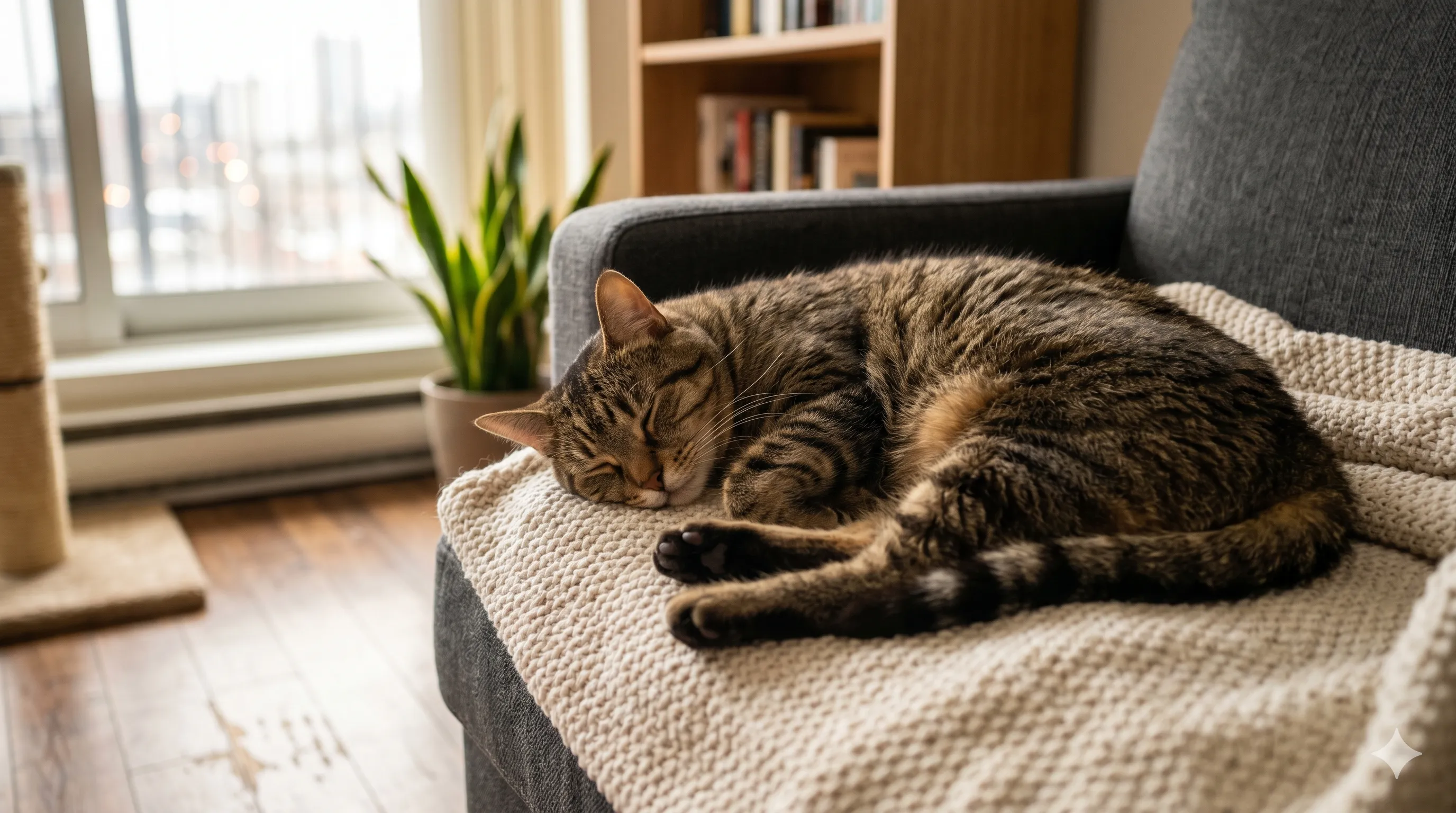
Most zoomies are healthy and completely harmless.
- Normal zoomies: Short energetic bursts followed by calm relaxed behavior
- Potential concern: Constant hyperactivity, aggression, obsessive pacing, or inability to settle down
The key difference is whether your cat can return to a calm emotional state afterward.
When Should You Be Concerned?
Zoomies become more concerning when they appear excessively or alongside other unusual behaviors.
Potential warning signs include:
- Multiple intense zoomie episodes daily
- Aggressive behavior
- Constant restlessness
- Compulsive pacing
- Hiding or anxiety signs
- Sudden personality changes
A stable environment and gradual routine changes help reduce stress-driven zoomies. pets that lack enough mental and physical stimulation are more likely to develop restless behavior and disrupted sleep cycles
If your cat suddenly becomes dramatically more hyperactive or distressed, additional behavioral or medical evaluation may be helpful.
How to Manage Cat Zoomies Effectively
1. Increase Interactive Daily Play
One of the best ways to reduce excessive zoomies is structured daily activity.
Interactive toys that mimic prey movement work especially well.
Good options include:
- Feather wands
- Laser toys
- Chase toys
- Ball tracks
- Puzzle feeders
Regular play allows cats to release energy gradually instead of explosively.
2. Create a Predictable Routine
Cats generally feel calmer when feeding, playtime, and sleep schedules remain consistent.
Routine reduces emotional stress and helps regulate energy patterns more naturally.
3. Schedule Evening Play Sessions
Evening playtime is especially helpful for reducing nighttime zoomies.
Try 20-30 minutes of active play before bedtime followed by feeding and a calm environment.
This often helps cats settle down more peacefully overnight.
4. Add More Environmental Enrichment
Pets that lack enough mental and physical stimulation are more likely to develop restless behavior. understanding healthy indoor exercise routines helps reduce boredom-related zoomies
Helpful enrichment options include:
- Cat trees
- Scratching posts
- Window perches
- Climbing shelves
- Interactive toys
Enrichment keeps indoor cats mentally engaged throughout the day.
5. Allow Safe Energy Release Instead of Punishing It
Zoomies are a natural feline behavior.
Trying to completely stop zoomies often creates unnecessary frustration and confusion.
Instead, focus on:
- Safe spaces
- Structured routines
- Healthy play outlets
- Stress reduction
The goal is management and balance, not elimination.
Ideal Evening Routine to Reduce Night Zoomies
Many owners notice significant improvement after creating a structured evening schedule.
- Interactive play: Burn physical energy
- Feeding session: Encourage relaxation afterward
- Low-stimulation environment: Reduce excitement before sleep
- Consistent bedtime: Stabilize activity patterns
This routine aligns more naturally with feline hunting and resting instincts.
Common Mistakes Owners Make
- Trying to completely stop zoomies
- Ignoring enrichment needs
- Failing to provide enough activity
- Using inconsistent routines
- Punishing natural energetic behavior
Real-Life Example
A young indoor cat regularly experienced intense nighttime zoomies that disrupted the owner's sleep almost every evening.
Initially, the owner tried discouraging the behavior verbally, but the zoomies continued because the cat still lacked proper stimulation during the day.
After introducing evening interactive play, climbing enrichment, feeding routines, and puzzle toys, the zoomies became shorter, calmer, and far more manageable within a few weeks.
Final Thoughts
Cat zoomies are usually a completely healthy and natural expression of energy, instinct, excitement, and playful behavior.
For most cats, these sudden bursts of movement simply reflect normal feline hunting patterns and physical energy release.
Understanding why cats get zoomies helps owners respond more calmly and create healthier routines that support emotional balance and stimulation. understanding why cats get zoomies helps owners respond more calmly and create healthier routines
With proper enrichment, structured routines, and regular activity, most cats can enjoy healthy zoomies without becoming overly disruptive or stressed.
This content is carefully reviewed and written to provide reliable, experience-focused guidance for cat owners and pet families.
Medical Disclaimer
This content is provided for informational and educational purposes only and should not be considered veterinary, medical, behavioral, or training advice. While we strive for accuracy, we make no guarantees regarding completeness or results. Always consult a licensed veterinarian or qualified pet care professional before making decisions about your pet’s health, diet, or behavior.
AI Illustration Notice
Some images in this article may have been generated or enhanced using artificial intelligence for illustrative purposes.
Frequently Asked Questions
Cats often zoom around the house at night because they naturally become more active during dawn and dusk hours and may release built-up energy.
Yes, zoomies are completely normal for most healthy cats and are usually a natural form of energy release and instinctive behavior.
Increase interactive play during the day and especially before bedtime to help your cat release energy gradually.
Post-litter box zoomies are common and may happen because of relief, excitement, or instinctive energy release after using the litter box.
Yes, stress and emotional tension can sometimes contribute to hyperactive zoomie behavior in certain cats.
Usually no, because zoomies are natural behavior, although safe environments and structured routines help manage them better.
Indoor cats often have fewer opportunities for natural activity, which can lead to stronger bursts of stored energy indoors.
You should become concerned if zoomies become obsessive, aggressive, constant, or appear alongside anxiety, hiding, or major behavioral changes.
Editorial Note
This article is part of PetNurture's educational library.
Topics are researched using publicly available educational resources, recognised veterinary organisations, academic publications and established animal welfare references where appropriate.
Every article is reviewed by the PetNurture editorial team for clarity, structure, readability and consistency before publication.
References
The information in this article has been reviewed and supported using the following sources.
PetMD
Confirms zoomies (frenetic random activity periods) are a normal energy-release behavior linked to crepuscular activity, and that sudden changes could signal anxiety or medical concerns; supports the quick-answer and 'When Should You Be Concerned' sections of this article.
Accessed Aug 6, 2026
VCA Animal Hospitals
Cat Behavior Problems - Nocturnal Activity
Confirms crepuscular activity patterns explain nighttime bursts of activity; supports the 'Cats Naturally Become More Active at Night' section of this article.
Accessed Aug 6, 2026
Pet Emergency Guidance
Every pet is unique. If your pet exhibits severe symptoms, sudden behavioral changes, or a medical emergency, do not rely on online guides — contact a licensed veterinarian or emergency clinic immediately.
About PetNurture
PetNurture is an educational library of pet care guides, interactive tools and practical resources for pet parents. We work continuously to keep our content accurate and up to date. Reader feedback helps us maintain content quality.
Related Articles
Popular Cat Guides
Cat
Cat Feeding Calculator
Calculate how much food your cat needs daily based on weight, age, and activity level.