Indoor Activities for Dogs: 10 Fun Ways to Keep a Bored Dog Busy at Home
- Indoor Activities for Dogs (Quick Answer)
- Quick Indoor Activities for Dogs
- Best Indoor Activities for Dogs (Comparison)
- Why Indoor Activities Are Important for Dogs
- 1. Prevents Boredom and Frustration
- 2. Supports Mental Health
- 3. Improves Overall Behavior
- 10 Best Indoor Activities for Dogs
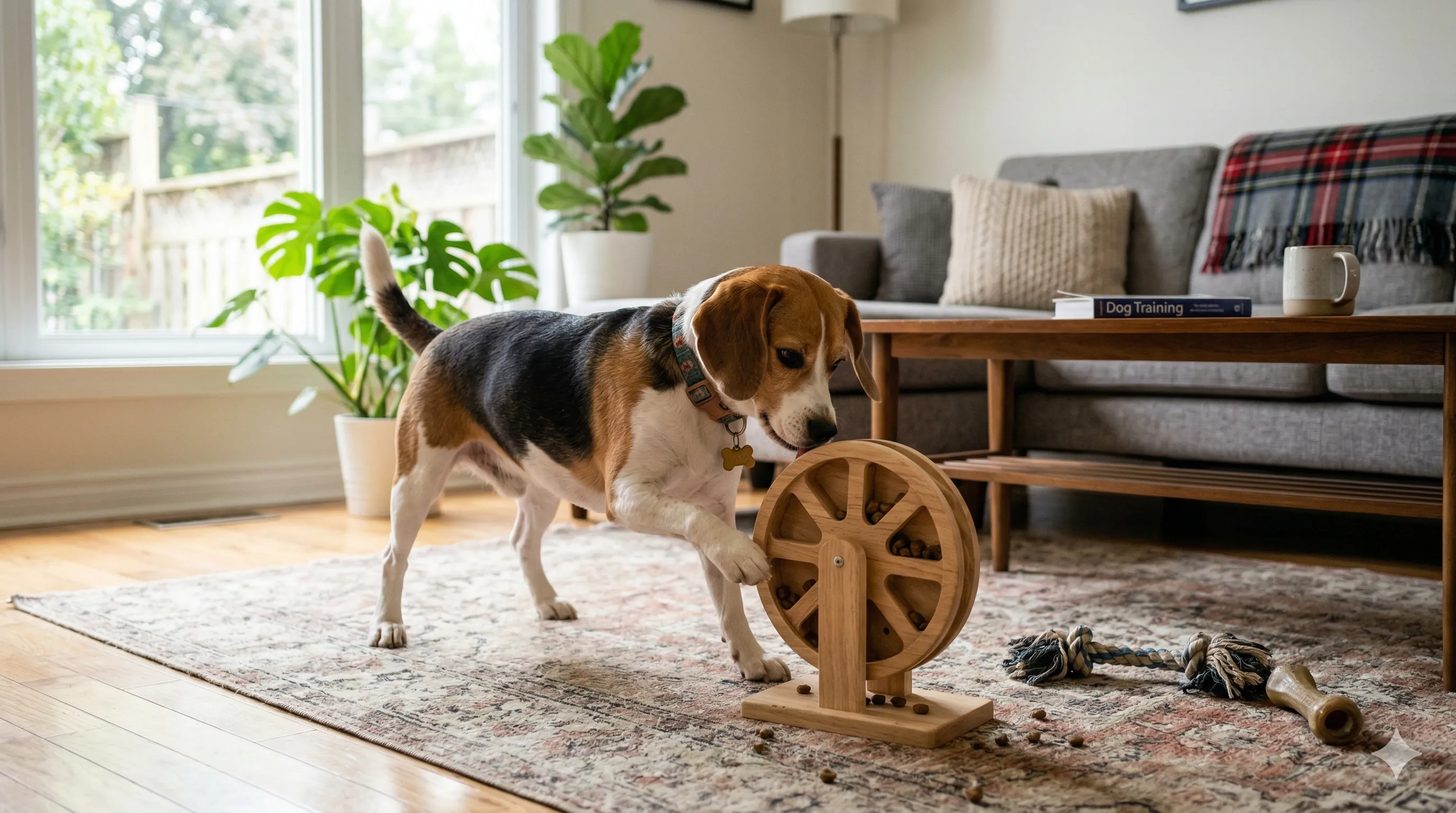
- 1. Puzzle Toys and Food Games
- 2. Hide-and-Seek
- 3. Indoor Fetch
- 4. Tug-of-War
- 5. Short Training Sessions
- 6. DIY Obstacle Courses
- 7. Scent Games
- 8. Toy Rotation
- 9. Interactive Feeding
- 10. Safe Chew Time
- Signs Your Dog Is Bored Indoors
- How Much Indoor Activity Does a Dog Need?
- Common Indoor Activity Mistakes to Avoid
- 1. Repeating the Same Activity Constantly
- 2. Ignoring Mental Stimulation
- 3. Overstimulating High-Energy Dogs
- 4. Choosing Activities That Don't Match the Dog
- Example Scenario
- Final Thoughts
Note: This article is for informational purposes only and does not replace professional veterinary advice.
Keeping a dog entertained indoors can sometimes feel surprisingly difficult, especially for energetic breeds or dogs that are used to daily outdoor activity. Whether bad weather, apartment living, busy schedules, or health limitations keep your dog inside, the right indoor activities can make a major difference in your dog's behavior and overall well-being. understand why dogs bark at night when they lack proper stimulation and exercise
Dogs need more than just physical exercise. Mental stimulation, enrichment, routine, and interaction are all essential for preventing boredom and frustration. Without enough stimulation, many dogs develop unwanted behaviors such as excessive barking, chewing, digging, restlessness, pacing, or attention-seeking habits.
Indoor activities are not simply about "keeping your dog busy." They help satisfy natural instincts, reduce stress, improve confidence, and create healthier behavior patterns.
In this guide, you'll discover the best indoor activities for dogs, how they help psychologically, how to choose the right activities for your dog's energy level, and practical ways to keep your dog happy and mentally stimulated at home.
Indoor Activities for Dogs (Quick Answer)
The best indoor activities for dogs include puzzle toys, scent games, training sessions, hide-and-seek, indoor fetch, obstacle courses, and interactive feeding games. These activities help reduce boredom, improve mental stimulation, and prevent destructive behavior indoors.
A balanced combination of physical activity, mental enrichment, and calm downtime usually creates the best results for long-term behavior improvement.

Quick Indoor Activities for Dogs
- Puzzle toys and food-dispensing games
- Indoor fetch with soft toys
- Hide-and-seek games
- Scent and sniffing games
- Short obedience training sessions
- Tug-of-war with rules and structure
- learn why dogs dig holes when they become bored or under-stimulated
- DIY indoor obstacle courses
- Interactive feeding activities
- Safe chew sessions for relaxation
Best Indoor Activities for Dogs (Comparison)
| Activity | Energy Level | Main Benefit | Best For |
|---|---|---|---|
| Puzzle toys | Low-Medium | Mental stimulation | Most dogs |
| Indoor fetch | Medium-High | Energy release | Active breeds |
| Tug-of-war | Medium | Bonding and engagement | Playful dogs |
| Scent games | Low | Natural enrichment | Anxious or reactive dogs |
| Training sessions | Low-Medium | Focus and obedience | Puppies and adult dogs |
| Obstacle courses | Medium | Confidence building | High-energy dogs |
Why Indoor Activities Are Important for Dogs
Many dog owners underestimate how important mental stimulation is for canine behavior.
A dog that receives physical exercise but lacks enrichment can still become bored, frustrated, and mentally under-stimulated. This often leads to unwanted behaviors that owners mistake for "bad behavior" when the real issue is unmet mental needs.
1. Prevents Boredom and Frustration
Dogs naturally need opportunities to explore, problem-solve, sniff, chew, and interact with their environment.
Without healthy outlets, boredom can turn into:
- Chewing furniture
- Excessive barking
- Digging
- Restlessness
- Attention-seeking behavior
- Destructive habits
2. Supports Mental Health
Enrichment activities help dogs feel calmer, more fulfilled, and emotionally balanced.
Mental stimulation activates problem-solving behavior and reduces stress-related frustration.
This is especially important for:
- Apartment dogs
- High-energy breeds
- Dogs left alone frequently
- Anxious dogs
- Puppies
3. Improves Overall Behavior
Dogs that regularly receive enrichment are often calmer and easier to manage.
Indoor activities help reduce:
- Hyperactivity
- Attention-seeking
- Impulse control problems
- Stress-related behaviors
- Destructive chewing
Many "problem behaviors" improve significantly once dogs receive enough physical and mental engagement.
10 Best Indoor Activities for Dogs
1. Puzzle Toys and Food Games
Puzzle toys are one of the best ways to mentally tire a dog indoors.
Food-dispensing toys encourage dogs to:
- Problem-solve
- Focus
- Work for rewards
- Stay mentally engaged
Even 15-20 minutes of mental work can tire some dogs more effectively than physical exercise alone.
Rotate puzzle toys regularly to prevent boredom.
2. Hide-and-Seek
Hide-and-seek is excellent for bonding and mental stimulation.
You can:
- Hide yourself and call your dog
- Hide treats around the room
- Hide favorite toys
This game encourages natural sniffing instincts while also building confidence and focus.
Dogs that use their nose regularly often become calmer and more mentally satisfied.
3. Indoor Fetch
Indoor fetch works especially well for high-energy dogs when outdoor exercise is limited.
For safety:
- Use soft lightweight toys
- Avoid slippery floors
- Keep throws short indoors
- Use hallways or open spaces carefully
Apartment owners can also adapt fetch into shorter controlled games to avoid overstimulation.
4. Tug-of-War
Tug-of-war is often misunderstood. When played with rules, it can actually improve impulse control and strengthen bonding.
Healthy tug games should include:
- "Drop it" practice
- Controlled excitement
- Breaks between rounds
- Clear start and stop cues
Avoid overly rough play that pushes dogs into excessive arousal.
5. Short Training Sessions
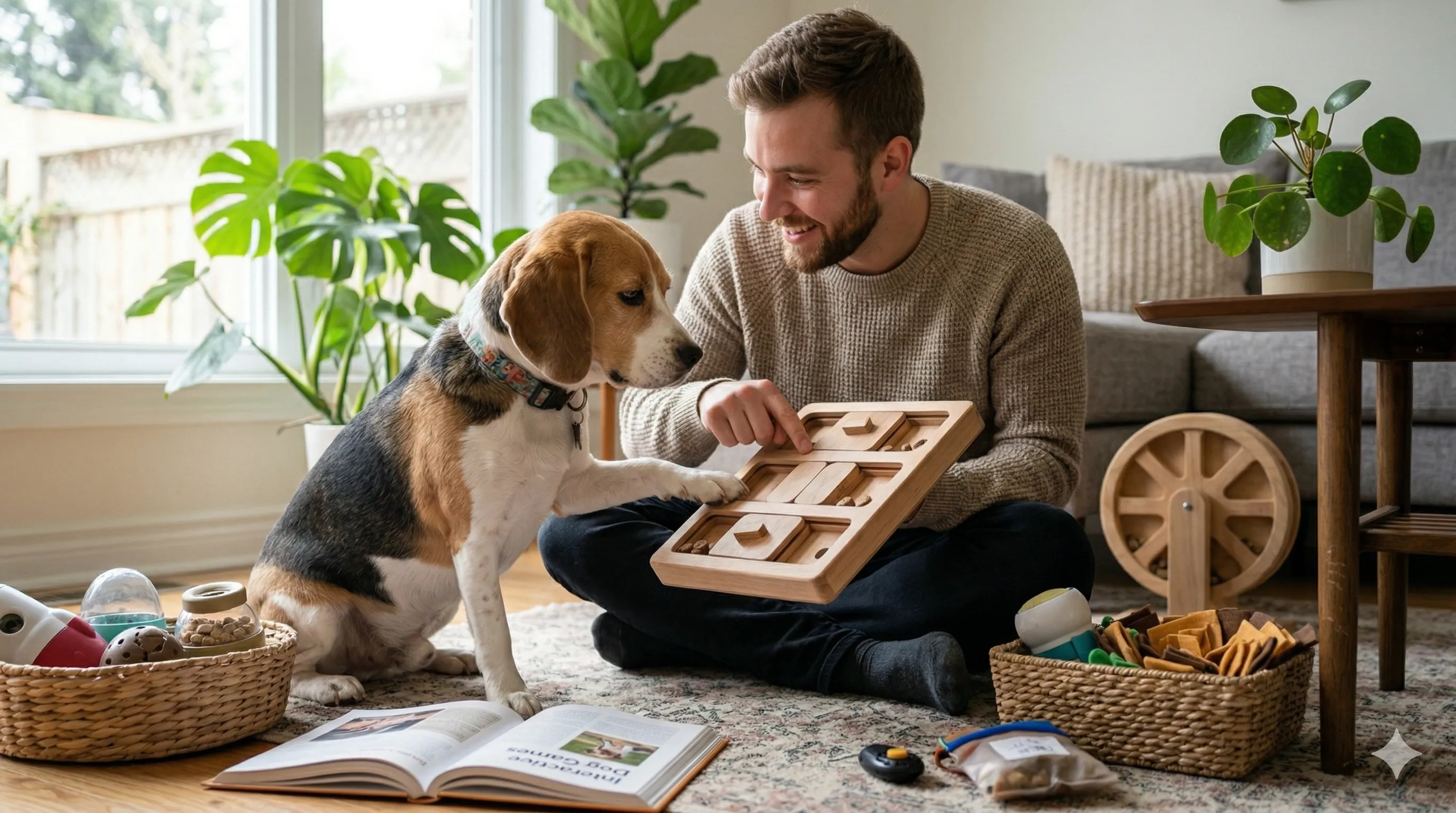
Training sessions are one of the most underrated indoor activities for dogs.
Teaching commands, tricks, or impulse-control exercises provides excellent mental stimulation.
mental stimulation can help stop dog barking at night caused by boredomGood indoor training ideas include:
- Sit
- Stay
- Place command
- Recall practice
- Spin
- Shake
- Leave it
Short 5-10 minute sessions work best for maintaining focus.
6. DIY Obstacle Courses
You can create simple obstacle courses using household furniture, pillows, boxes, and tunnels.
Obstacle courses help:
- Build confidence
- Burn energy
- Improve coordination
- Increase focus
For nervous dogs, gentle confidence-building activities can be especially beneficial.
7. Scent Games
Sniffing activities are incredibly enriching for dogs because scent work taps into natural canine instincts.
Simple scent games include:
- Hiding treats around the house
- Using snuffle mats
- "Find it" games
- Scent trails
Many behavior experts consider sniffing one of the best natural calming activities for dogs.
8. Toy Rotation
Dogs often lose interest in toys when they see the same ones constantly.
Instead of leaving every toy available all the time:
- Rotate toys every few days
- Reintroduce older toys later
- Mix chew toys with puzzle toys
This keeps familiar toys feeling new and exciting again.
9. Interactive Feeding
Turning meals into activities adds valuable mental stimulation.
Instead of feeding only from bowls, try:
- Slow feeders
- Scatter feeding
- Snuffle mats
- Treat-dispensing balls
Interactive feeding encourages natural foraging behavior and slows eating.
10. Safe Chew Time
Chewing is naturally calming for many dogs.
Providing safe chew options can help:
- Reduce stress
- Relieve boredom
- Support relaxation
- Prevent destructive chewing
Always supervise chew sessions and choose safe options appropriate for your dog's size and chewing style.
Signs Your Dog Is Bored Indoors
Dogs often show boredom through behavioral changes.
Common signs include:
- Excessive barking
- Chewing furniture
- Pacing around the house
- Restlessness
- Attention-seeking behavior
- Digging or scratching
- Hyperactivity
- Destructive habits
These behaviors are often signs that your dog needs more structure, exercise, enrichment, or mental stimulation.
How Much Indoor Activity Does a Dog Need?
The ideal amount depends on:
- Breed
- Age
- Energy level
- Health condition
- Temperament
High-energy breeds usually require significantly more stimulation than calmer companion breeds.
As a general guideline:
- 20-30 minutes of structured mental enrichment daily can help most dogs
- High-energy dogs may need much more
- Puppies benefit from shorter but frequent sessions
Balanced routines usually work better than intense activity bursts.
Common Indoor Activity Mistakes to Avoid
1. Repeating the Same Activity Constantly
Dogs can become mentally bored with repetitive routines.
Variety keeps enrichment more effective.
2. Ignoring Mental Stimulation
Physical exercise alone is not always enough.
Mental work is equally important for healthy behavior.
3. Overstimulating High-Energy Dogs
Too much intense play without calm periods can actually increase hyperactivity.
Balanced routines should include both stimulation and relaxation.
4. Choosing Activities That Don't Match the Dog
Not every dog enjoys the same games.
Shy dogs, seniors, puppies, and working breeds often need different enrichment styles.
Example Scenario
The scenario below is an illustrative example of how this situation can play out, not a documented case study.
One apartment owner struggled with a young Border Collie that barked constantly and chewed furniture during rainy weeks when outdoor exercise was limited.
After adding daily scent games, puzzle feeders, short obedience sessions, and indoor fetch routines, the dog became noticeably calmer within two weeks.
The owner initially believed the dog only needed more physical exercise, but mental stimulation turned out to be the missing piece.
This is extremely common among intelligent and high-energy breeds.
Final Thoughts
Indoor activities for dogs are about much more than entertainment. Proper enrichment helps reduce boredom, improve mental health, prevent destructive behavior, and create a calmer, more balanced dog.
Dogs thrive when their physical and mental needs are both fulfilled consistently.
By combining puzzle toys, scent games, training sessions, structured play, and calm routines, you can keep your dog happy and mentally stimulated even during long periods indoors.
Small daily enrichment habits often create major improvements in behavior over time.
This content is written to provide general educational guidance for dog owners. It should not replace professional veterinary or behavioral advice for severe anxiety or destructive behavior cases.
Medical Disclaimer
This content is provided for informational and educational purposes only and should not be considered veterinary, medical, behavioral, or training advice. While we strive for accuracy, we make no guarantees regarding completeness or results. Always consult a licensed veterinarian or qualified pet care professional before making decisions about your pet’s health, diet, or behavior.
AI Illustration Notice
Some images in this article may have been generated or enhanced using artificial intelligence for illustrative purposes.
Frequently Asked Questions
Puzzle toys, scent games, hide-and-seek, training sessions, indoor fetch, and interactive feeding games are some of the best indoor activities for dogs.
You can mentally stimulate your dog indoors using puzzle toys, sniffing games, obedience training, treat hunts, and enrichment activities.
Yes. Proper mental stimulation and structured activities often reduce boredom-related chewing, barking, pacing, and destructive behavior.
Most dogs benefit from at least 20–30 minutes of structured mental enrichment daily, although high-energy breeds usually need more.
Indoor activities can provide excellent stimulation, especially when combined with routines, training, enrichment, and occasional outdoor exercise when possible.
Dogs often become hyper indoors due to boredom, lack of exercise, overstimulation, or insufficient mental enrichment.
Puzzle toys, scent games, trick training, snuffle mats, calm chew sessions, and short indoor fetch games work especially well for apartment dogs.
Editorial Note
This article is part of PetNurture's educational library.
Topics draw on publicly available educational resources, recognised veterinary organisations, academic publications and established animal welfare references where appropriate.
The specific sources this article draws on are listed in its References section. If you spot an error, please let us know.
References
The information in this article has been reviewed and supported using the following sources.
American Kennel Club
Bored Dogs: How to Recognize and Solve Doggy Boredom
The AKC identifies destructive chewing, digging, tipping over trash cans, excessive barking, and restlessness at home as common signs that a dog is bored and mentally under-stimulated.
Accessed Aug 6, 2026
American Kennel Club
Bored Dogs: How to Recognize and Solve Doggy Boredom
The AKC notes that cognitive challenges like puzzle toys, hide-and-seek, scent games, and training sessions are just as important as physical exercise, since mental exhaustion helps reduce destructive behavior.
Accessed Aug 6, 2026
Pet Emergency Guidance
Every pet is unique. If your pet exhibits severe symptoms, sudden behavioral changes, or a medical emergency, do not rely on online guides — contact a licensed veterinarian or emergency clinic immediately.
About PetNurture
PetNurture is an educational library of pet care guides, interactive tools and practical resources for pet parents. We work continuously to keep our content accurate and up to date. Reader feedback helps us maintain content quality.
Related Articles

Popular Dog Guides

Dog
Dog Calorie Calculator
Find the right daily calorie target for your dog's weight and activity level.