
Why Do Dogs Eat Grass? Real Reasons, Health Risks & Safe Ways to Stop It
- Why Do Dogs Eat Grass? (Quick Answer)
- Dog Eating Grass: Quick Meaning Table
- Is It Normal for Dogs to Eat Grass?
- 7 Real Reasons Why Dogs Eat Grass
- 1. Natural Instinct and Evolution
- 2. Digestive Discomfort or Upset Stomach
- 3. Boredom and Lack of Mental Stimulation
- 4. Anxiety and Stress
- 5. Curiosity and Texture Enjoyment
- 6. Habit and Learned Routine
- 7. Possible Nutritional Imbalance
- Why Do Dogs Eat Grass and Vomit?
- Normal Grass Eating vs Dangerous Grass Eating
- When Should You Worry?
- Hidden Risks of Grass Eating
- How to Stop Dogs from Eating Grass Safely
- Increase Physical Exercise
- Provide Better Mental Stimulation
- Review Diet Quality
- Reduce Anxiety Triggers
- Redirect the Behavior Calmly
- Supervise Outdoor Areas
- Common Mistakes Dog Owners Make
- Example Scenario
- Final Thoughts
Note: This article is for informational purposes only and does not replace professional veterinary advice.
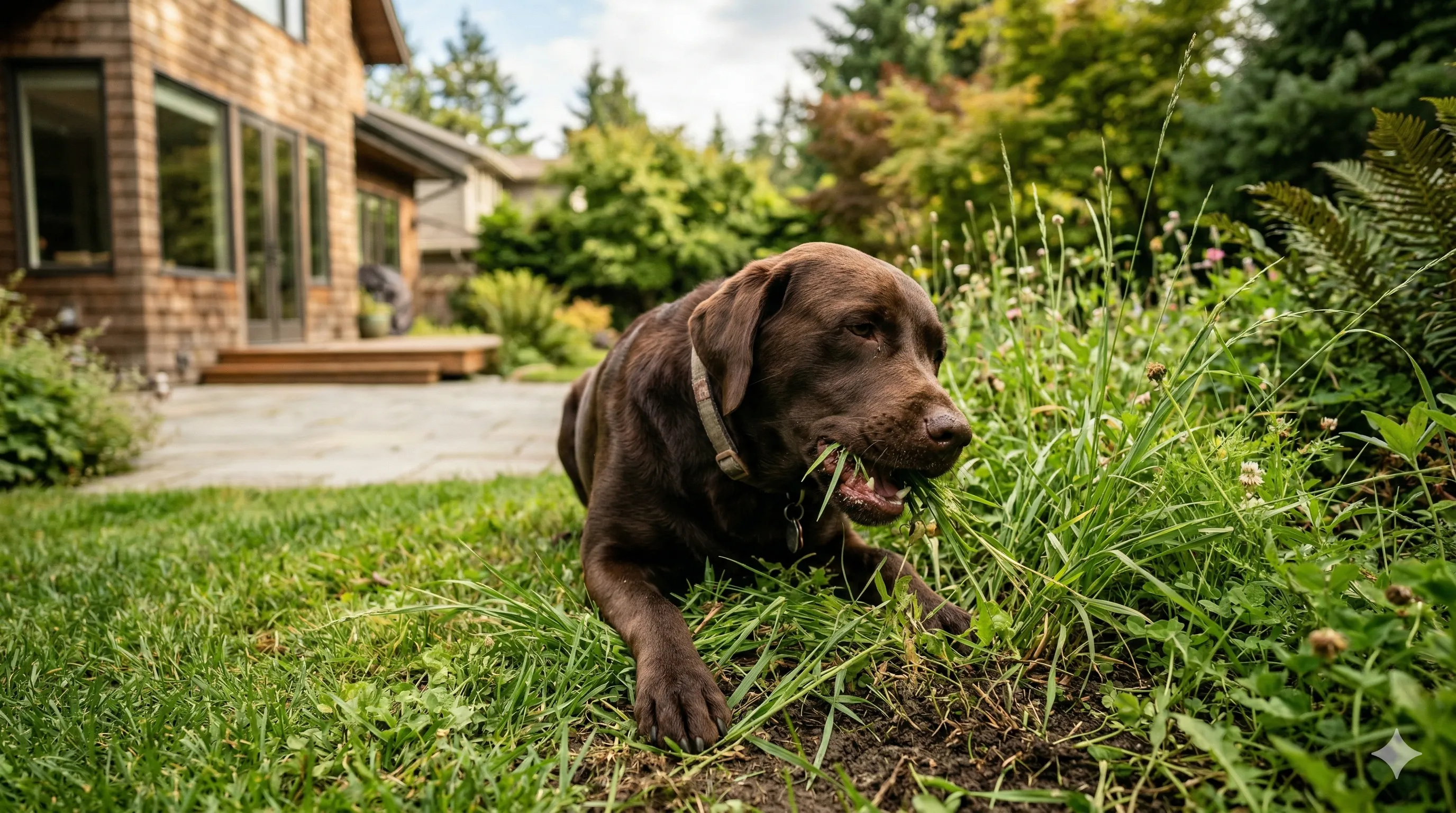
Many dog owners become confused or worried the first time they see their dog suddenly stop during a walk and start chewing grass. Some dogs nibble a few blades casually, while others seem determined to eat large amounts every chance they get. The behavior can become even more concerning if vomiting happens afterward.
If you have ever wondered why dogs eat grass, you are definitely not alone. It is one of the most common dog behaviors veterinarians hear about from pet owners. The good news is that occasional grass eating is usually harmless. However, excessive grass eating, repeated vomiting, appetite loss, or unusual behavior changes can sometimes point toward digestive discomfort, boredom, stress, or other underlying health concerns.
Understanding the reason behind this behavior is important because not every dog eats grass for the same reason. Some dogs do it instinctively, some out of curiosity, and others may use it as a response to stress or stomach irritation.
This guide explains the real reasons dogs eat grass, when the behavior is normal, when you should worry, and how to safely reduce excessive grass eating habits.
Why Do Dogs Eat Grass? (Quick Answer)
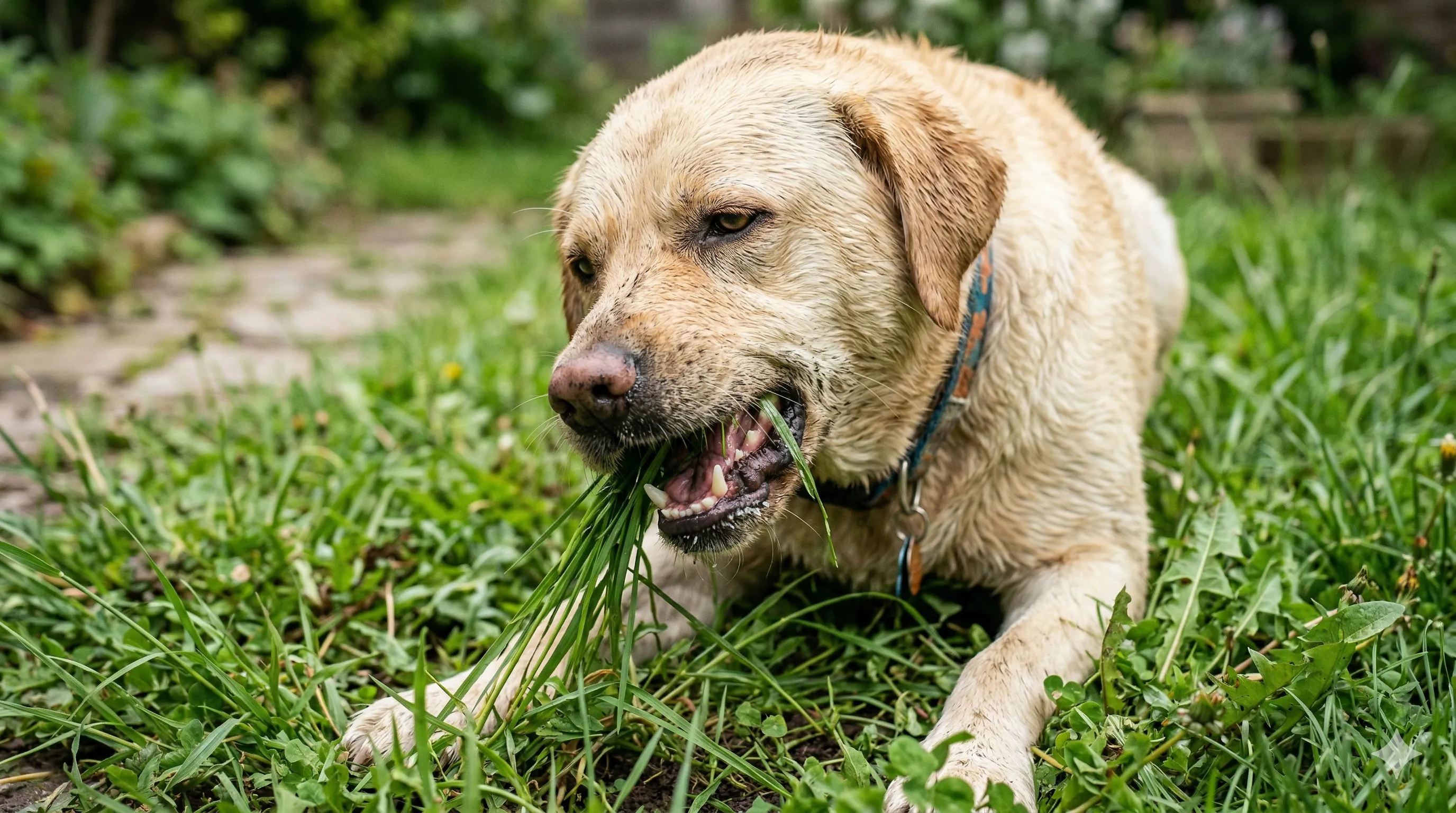
Dogs eat grass for several possible reasons including natural instinct, boredom, digestive discomfort, anxiety, curiosity, or habit. In most healthy dogs, occasional grass eating is completely normal and harmless. However, frequent grass eating combined with vomiting, lethargy, appetite loss, diarrhea, or obsessive behavior may indicate an underlying issue that deserves veterinary attention.
Dog Eating Grass: Quick Meaning Table
| Possible Cause | What It Means | Normal or Problem? | Recommended Action |
|---|---|---|---|
| Natural instinct | Inherited scavenger behavior | Usually normal | Monitor casually |
| Digestive discomfort | Mild stomach irritation | Sometimes concerning | Watch for vomiting |
| Boredom | Lack of stimulation | Usually manageable | Increase activity |
| Anxiety or stress | Compulsive coping behavior | Can become serious | Reduce stress triggers |
| Curiosity | Exploring textures or smells | Normal | No major concern |
| Diet imbalance | Possible nutritional issue | Needs monitoring | Review food quality |
Is It Normal for Dogs to Eat Grass?
Yes, occasional grass eating is considered normal for most dogs. Studies suggest that many healthy dogs eat grass from time to time without showing any signs of illness.
Dogs are naturally curious scavengers. Their ancestors consumed plant material in the wild, which means grass chewing may still exist as a deeply rooted instinctive behavior.
Most dogs that occasionally nibble grass do not require treatment. The behavior only becomes more concerning when it becomes obsessive or appears alongside symptoms such as:
- Frequent vomiting
- Loss of appetite
- Lethargy
- Weight loss
- Diarrhea
- Abdominal pain
- Compulsive behavior

7 Real Reasons Why Dogs Eat Grass
1. Natural Instinct and Evolution
One of the biggest reasons dogs eat grass is simple instinct. Wild canines often consumed plant matter while eating prey animals or scavenging food. Modern dogs may continue this inherited behavior even when living comfortable domestic lives.
This explains why many completely healthy dogs still chew grass occasionally without showing any medical problems.
2. Digestive Discomfort or Upset Stomach
Some dogs eat grass when they feel mild digestive discomfort. Grass may irritate the stomach lining enough to trigger vomiting, which could temporarily relieve nausea in certain cases.
However, not all dogs vomit after eating grass. In fact, many dogs eat grass without showing any signs of stomach illness.
If your dog repeatedly eats grass and vomits afterward, it may indicate:
- Mild stomach irritation
- Food sensitivity
- Digestive imbalance
- Parasites
- Underlying gastrointestinal issues
3. Boredom and Lack of Mental Stimulation
Dogs that lack physical exercise or mental stimulation often create repetitive habits to entertain themselves. Grass eating can become one of those habits.
This is especially common in:
- High-energy breeds
- Young puppies
- Dogs left alone frequently
- Understimulated indoor dogs
Many bored dogs simply turn grass eating into a routine outdoor activity.
4. Anxiety and Stress
Stress-related grass eating is more common than many owners realize. Dogs experiencing anxiety sometimes develop repetitive coping behaviors such as:
- Grass chewing
- Pacing
- Excessive licking
- Whining
- Destructive behavior
Stress triggers may include:
- Separation anxiety
- Changes in routine
- Loud environments
- Moving homes
- Lack of socialization
Dogs with anxiety-related grass eating often display additional nervous behaviors at the same time.
5. Curiosity and Texture Enjoyment
Some dogs simply enjoy chewing grass. Fresh grass has a unique smell, texture, and moisture level that some dogs find interesting.
Puppies especially explore the world using their mouths, making occasional grass chewing completely expected during early development.
6. Habit and Learned Routine
Dogs easily repeat behaviors that become familiar routines. If your dog regularly eats grass during walks without negative consequences, the behavior may simply become habitual over time.
Some dogs begin associating outdoor walks with grass chewing as part of their daily routine.
7. Possible Nutritional Imbalance
Although less common than people assume, some experts believe low fiber intake or nutritional imbalance may contribute to grass eating in certain dogs.
Dogs eating poor-quality diets may sometimes seek additional roughage or digestive stimulation.
Still, many dogs eating premium balanced diets also chew grass occasionally, so nutritional deficiency alone is rarely the only explanation.

Why Do Dogs Eat Grass and Vomit?
This is one of the most searched questions among dog owners.
Some dogs vomit shortly after eating grass because the grass irritates the stomach lining or because the dog already felt nauseous before eating it.
Possible explanations include:
- Grass triggering gag reflexes
- Eating too quickly
- Mild digestive upset
- Sensitive stomach issues
- Underlying gastrointestinal problems
Occasional vomiting may not be dangerous. However, repeated vomiting after grass eating should never be ignored because it can signal deeper digestive problems.
Normal Grass Eating vs Dangerous Grass Eating
| Normal Behavior | Potential Problem |
|---|---|
| Occasional grass chewing | Obsessive daily grass eating |
| No vomiting | Frequent vomiting |
| Normal appetite | Refusing food |
| Active behavior | Lethargy or weakness |
| Short-term curiosity | Compulsive repetitive behavior |
| No digestive symptoms | Diarrhea or stomach pain |
When Should You Worry?
You should contact a veterinarian if your dog:
- Vomits repeatedly after eating grass
- Stops eating normal meals
- Shows abdominal discomfort
- Appears weak or lethargic
- Loses weight unexpectedly
- Develops diarrhea regularly
- Eats grass obsessively every day
- Consumes chemically treated grass
These symptoms may point toward digestive illness, parasites, food intolerance, anxiety disorders, or other medical conditions.
Hidden Risks of Grass Eating
Grass itself is not usually dangerous, but the surrounding environment can create serious risks.
Potential dangers include:
- Pesticides
- Fertilizers
- Herbicides
- Toxic plants nearby
- Parasites
- Bacterial contamination
Dogs should never be allowed to eat grass from unknown public areas or chemically treated lawns.
How to Stop Dogs from Eating Grass Safely
Increase Physical Exercise
Exercise reduces boredom, improves digestion, and lowers stress levels. Many dogs naturally reduce grass eating once they receive enough physical activity.
Provide Better Mental Stimulation
Interactive toys, training sessions, puzzle feeders, sniff games, and enrichment activities help prevent repetitive habits.
Mental stimulation is extremely important for intelligent or high-energy breeds.
Review Diet Quality
Ensure your dog receives balanced nutrition appropriate for their age and activity level.
If digestive issues appear frequently, discuss dietary adjustments with your veterinarian.
Reduce Anxiety Triggers
Dogs experiencing stress often benefit from:
- Predictable routines
- Calm environments
- Positive reinforcement
- Regular exercise
- Comfortable safe spaces
Reducing anxiety often reduces compulsive grass eating behaviors as well.
Redirect the Behavior Calmly
If your dog begins eating grass during walks, calmly redirect attention using commands, toys, or treats.
Avoid punishment because grass eating is usually instinctive rather than disobedient behavior.
Supervise Outdoor Areas
Monitor where your dog walks and avoid areas treated with chemicals or containing toxic plants.
Common Mistakes Dog Owners Make
- Punishing normal grass eating
- Ignoring repeated vomiting
- Assuming every case is harmless
- Allowing access to treated lawns
- Overlooking boredom or anxiety
- Switching diets too quickly
- Ignoring behavioral changes
Observation and balance are usually far more effective than overreacting.
Example Scenario
The scenario below is an illustrative example of how this situation can play out, not a documented case study.
A Labrador owner noticed their dog eating grass aggressively during nearly every walk. Initially, they assumed it was harmless curiosity. However, the dog also showed mild anxiety whenever left alone.
After increasing daily exercise, adding puzzle toys, improving routine consistency, and reducing stressful triggers, the grass eating behavior decreased significantly within a few weeks.
Another owner discovered their dog only ate grass after consuming certain foods. Veterinary testing later revealed mild food sensitivity causing digestive irritation.
These examples show why observing the full behavioral picture is important before assuming grass eating is either harmless or dangerous.
Final Thoughts
Understanding why dogs eat grass helps owners separate normal instinctive behavior from possible warning signs.
For most dogs, occasional grass eating is harmless and completely normal. However, obsessive grass chewing, repeated vomiting, appetite loss, lethargy, or digestive symptoms should never be ignored.
Careful observation, balanced nutrition, proper exercise, mental stimulation, and stress management all help reduce excessive grass eating behaviors safely.
When in doubt, consulting a veterinarian is always the safest choice — especially if symptoms appear suddenly or become frequent.
Most importantly, remember that dogs communicate through behavior. Paying attention to small habits like grass eating can sometimes reveal important clues about your dog's physical or emotional health.
Medical Disclaimer
This content is provided for informational and educational purposes only and should not be considered veterinary, medical, behavioral, or training advice. While we strive for accuracy, we make no guarantees regarding completeness or results. Always consult a licensed veterinarian or qualified pet care professional before making decisions about your pet’s health, diet, or behavior.
AI Illustration Notice
Some images in this article may have been generated or enhanced using artificial intelligence for illustrative purposes.
Frequently Asked Questions
Dogs eat grass for reasons including instinct, boredom, digestive discomfort, anxiety, curiosity, or habit.
Yes, occasional grass eating is considered normal and harmless for most healthy dogs.
Some dogs vomit after eating grass because it irritates the stomach or because they already had mild digestive discomfort.
Occasional grass eating usually does not need intervention unless the behavior becomes excessive or dangerous.
You should worry if grass eating happens alongside vomiting, lethargy, appetite loss, diarrhea, or obsessive behavior.
Yes, stress and anxiety can contribute to repetitive behaviors such as grass chewing in dogs.
Yes, puppies may occasionally eat grass out of curiosity, but excessive eating or vomiting should still be monitored carefully.
Editorial Note
This article is part of PetNurture's educational library.
Topics draw on publicly available educational resources, recognised veterinary organisations, academic publications and established animal welfare references where appropriate.
The specific sources this article draws on are listed in its References section. If you spot an error, please let us know.
References
The information in this article has been reviewed and supported using the following sources.
VCA Animal Hospitals
VCA Animal Hospitals explains that wild dogs consumed entire prey animals, including stomach contents, which provided dietary fiber, and suggests modern dogs may retain this scavenging instinct since grass is itself a source of fiber that can aid digestion.
Accessed Aug 6, 2026
VCA Animal Hospitals
VCA Animal Hospitals cites research finding that fewer than 25% of dogs vomit after eating grass and only about 10% show any signs of illness beforehand, indicating most dogs eat grass without an underlying digestive problem.
Accessed Aug 6, 2026
VCA Animal Hospitals
VCA Animal Hospitals warns that while grass itself usually isn't harmful, herbicides and pesticides sprayed on lawns can be toxic to dogs, and grass can also carry intestinal parasites such as hookworms or roundworms.
Accessed Aug 6, 2026
Pet Emergency Guidance
Every pet is unique. If your pet exhibits severe symptoms, sudden behavioral changes, or a medical emergency, do not rely on online guides — contact a licensed veterinarian or emergency clinic immediately.
About PetNurture
PetNurture is an educational library of pet care guides, interactive tools and practical resources for pet parents. We work continuously to keep our content accurate and up to date. Reader feedback helps us maintain content quality.
Related Articles
Popular Dog Guides



Dog
Dog Calorie Calculator
Find the right daily calorie target for your dog's weight and activity level.
Dog
Dog Feeding Calculator
Calculate how much food your dog needs daily based on weight, age, and activity level.