
Safe Human Foods for Dogs: What Dogs Can & Cannot Eat + Complete Safety List
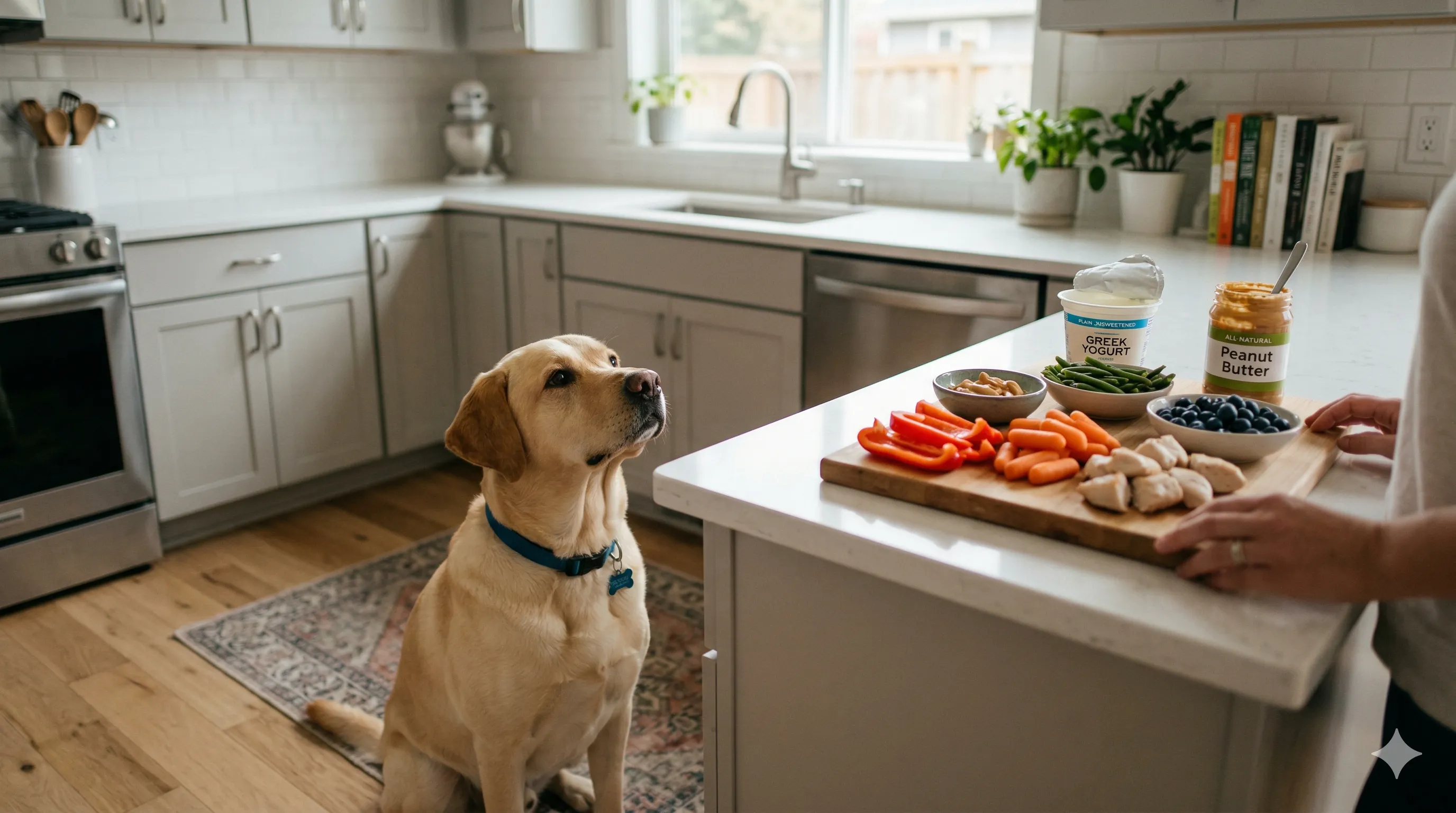
- Safe Human Foods for Dogs (Quick Answer)
- Safe vs Toxic Human Foods for Dogs
- Safe Human Foods Dogs Can Eat
- 1. Cooked Chicken
- 2. Carrots
- 3. Apples (Without Seeds)
- 4. Plain Rice
- 5. Peanut Butter (Without Xylitol)
- 6. Plain Yogurt
- 7. Blueberries
- 8. Pumpkin
- Human Foods Dogs Should Never Eat
- Chocolate
- Grapes and Raisins
- Onions and Garlic
- Xylitol
- Alcohol
- Cooked Bones
- Why Food Safety Matters for Dogs
- Warning Signs of Food Toxicity in Dogs
- How to Safely Feed Human Food to Dogs
- 1. Introduce New Foods Slowly
- 2. Avoid Seasonings and Oils
- 3. Keep Portions Small
- 4. Watch for Allergic Reactions
- How Much Human Food Is Safe for Dogs?
- Common Feeding Mistakes Dog Owners Make
- 1. Feeding Table Scraps Regularly
- 2. Assuming Natural Foods Are Always Safe
- 3. Ignoring Hidden Ingredients
- 4. Overfeeding Treats
- Example Scenario
- Final Thoughts
Note: This article is for informational purposes only and does not replace professional veterinary advice.
Most dog owners have shared food with their dog at some point, whether it's a small piece of chicken during dinner or a bite of fruit as a treat. But while some human foods are completely safe for dogs, others can be surprisingly dangerous even in very small amounts. learn why dogs eat grass when dealing with digestive discomfort or dietary imbalance
Understanding which foods dogs can safely eat is important because dogs process certain ingredients very differently than humans do. Foods that seem harmless to people can sometimes cause digestive upset, poisoning, organ damage, or even life-threatening emergencies in dogs.
The good news is that many healthy human foods can actually provide safe occasional treats when prepared correctly and fed in moderation. However, owners should always understand portion control, hidden ingredients, and toxic food risks before sharing meals with pets. You can look up individual foods in our safe and toxic food checker for dogs.
In this guide, you'll learn which human foods are safe for dogs, which foods should always be avoided, warning signs of food poisoning, and practical feeding guidelines to help keep your dog healthy. If your dog has already eaten something toxic, our dog poisoning symptoms and first aid guide covers the symptoms and first aid.
Safe Human Foods for Dogs (Quick Answer)
Dogs can safely eat certain plain human foods such as cooked chicken, carrots, apples without seeds, rice, blueberries, plain yogurt, and peanut butter without xylitol. However, foods like chocolate, grapes, onions, garlic, alcohol, and xylitol are toxic and should never be given to dogs.
Even safe foods should only be offered in moderation and without added salt, oils, spices, or seasonings.
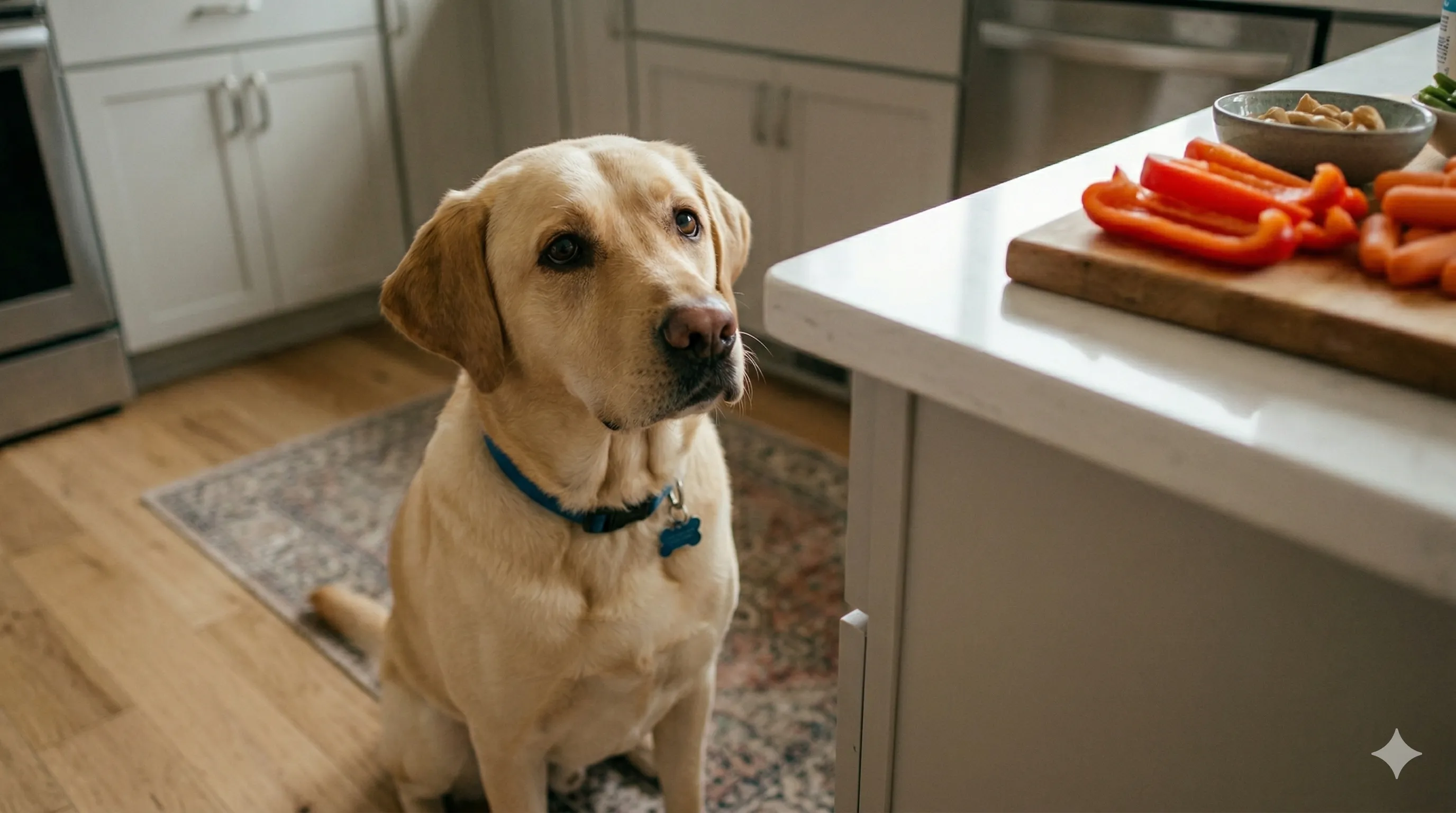
Safe vs Toxic Human Foods for Dogs
| Food | Safe or Toxic | Important Notes |
|---|---|---|
| Cooked chicken | Safe | Plain and fully cooked |
| Carrots | Safe | Low calorie and crunchy |
| Apples (without seeds) | Safe | Remove seeds and core |
| Rice | Safe | Helpful for mild stomach upset |
| Chocolate | Toxic | Can affect the nervous system |
| Grapes and raisins | Toxic | Risk of kidney failure |
| Onions and garlic | Toxic | Can damage red blood cells |
| Xylitol | Extremely Toxic | Emergency medical risk |
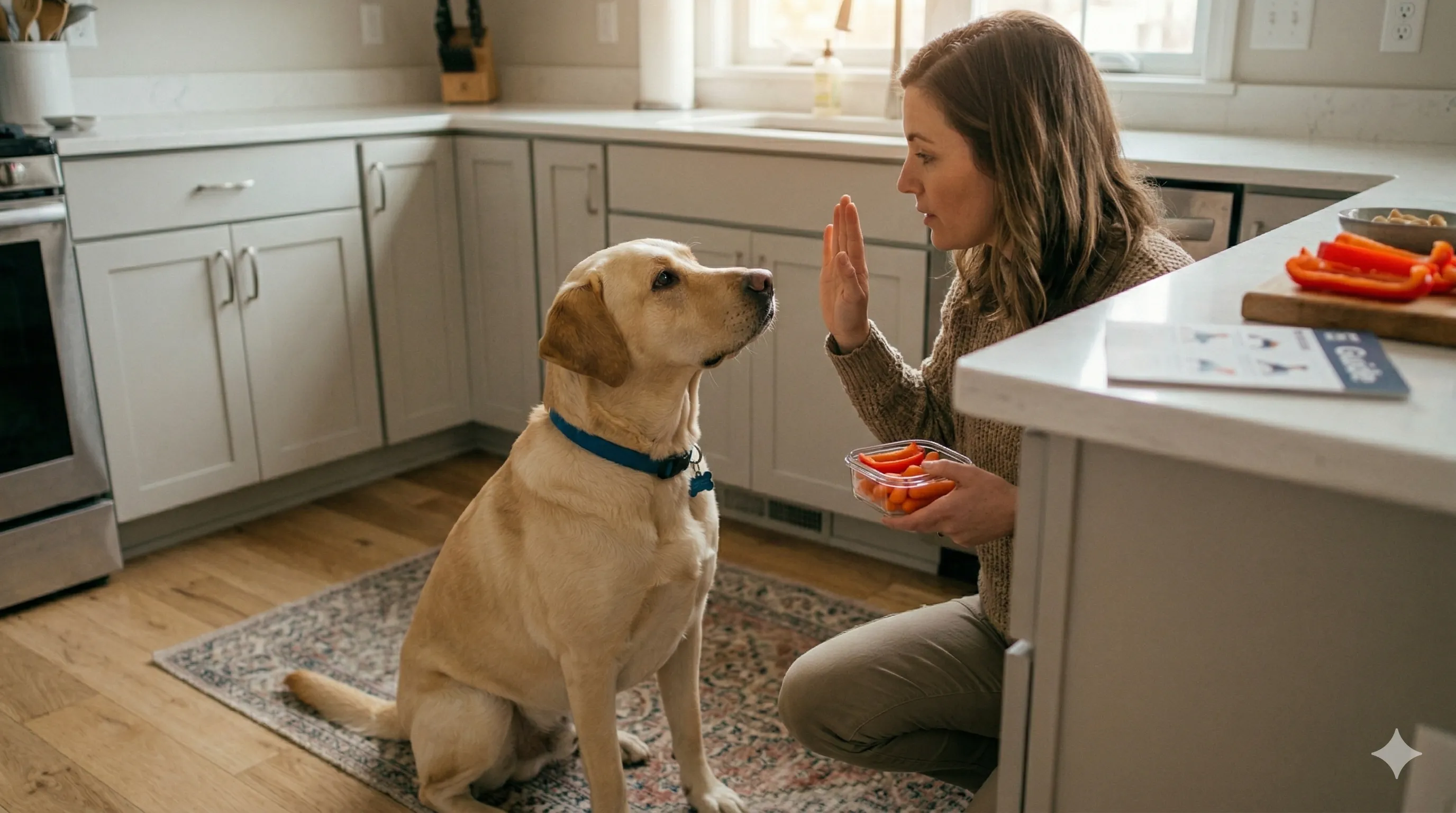
Safe Human Foods Dogs Can Eat
1. Cooked Chicken
Plain cooked chicken is one of the safest and most commonly recommended human foods for dogs.
Chicken provides:
- Lean protein
- Essential amino acids
- Easy digestion
- Energy support
Always serve chicken:
- Fully cooked
- Without seasoning
- Without garlic or onion powder
- Without cooked bones
Cooked bones are dangerous because they can splinter and cause internal injuries.
2. Carrots
Carrots are a healthy low-calorie snack that many dogs enjoy.
They provide:
- Fiber
- Vitamin A
- Crunchy texture for chewing
- Low-fat nutrition
Some owners also use chilled carrots during teething stages for puppies.
3. Apples (Without Seeds)
Apples can be a healthy occasional treat when prepared properly.
They contain:
- Fiber
- Vitamin C
- Hydration support
However, always remove:
- Seeds
- Core
Apple seeds contain compounds that may be harmful in larger amounts.
4. Plain Rice
Rice is commonly used for dogs experiencing temporary digestive upset because it is gentle on the stomach.
Plain white rice may help support dogs recovering from:
- Mild diarrhea
- Digestive irritation
- Temporary stomach sensitivity
Rice should still be fed in moderation as part of a balanced diet.
5. Peanut Butter (Without Xylitol)
Many dogs love peanut butter because of its smell and taste.
Peanut butter can work well for:
- Training rewards
- Puzzle toys
- Mental enrichment
However, owners must carefully check ingredients.
Some peanut butter products contain xylitol, an artificial sweetener that is extremely toxic to dogs.
6. Plain Yogurt
Plain unsweetened yogurt may support digestion in some dogs when offered in small amounts.
It can contain:
- Protein
- Calcium
- Beneficial probiotics
However, some dogs are sensitive to dairy products, so introduce yogurt gradually and monitor for digestive reactions.
7. Blueberries
Blueberries are often considered one of the healthiest fruit treats for dogs.
They contain antioxidants and are naturally low in calories.
Small portions make excellent training treats.
8. Pumpkin
Plain canned pumpkin without sugar or spices is often recommended for digestive support.
Pumpkin provides:
- Fiber
- Digestive support
- Hydration support
Always avoid pumpkin pie filling because it often contains sugar and spices.
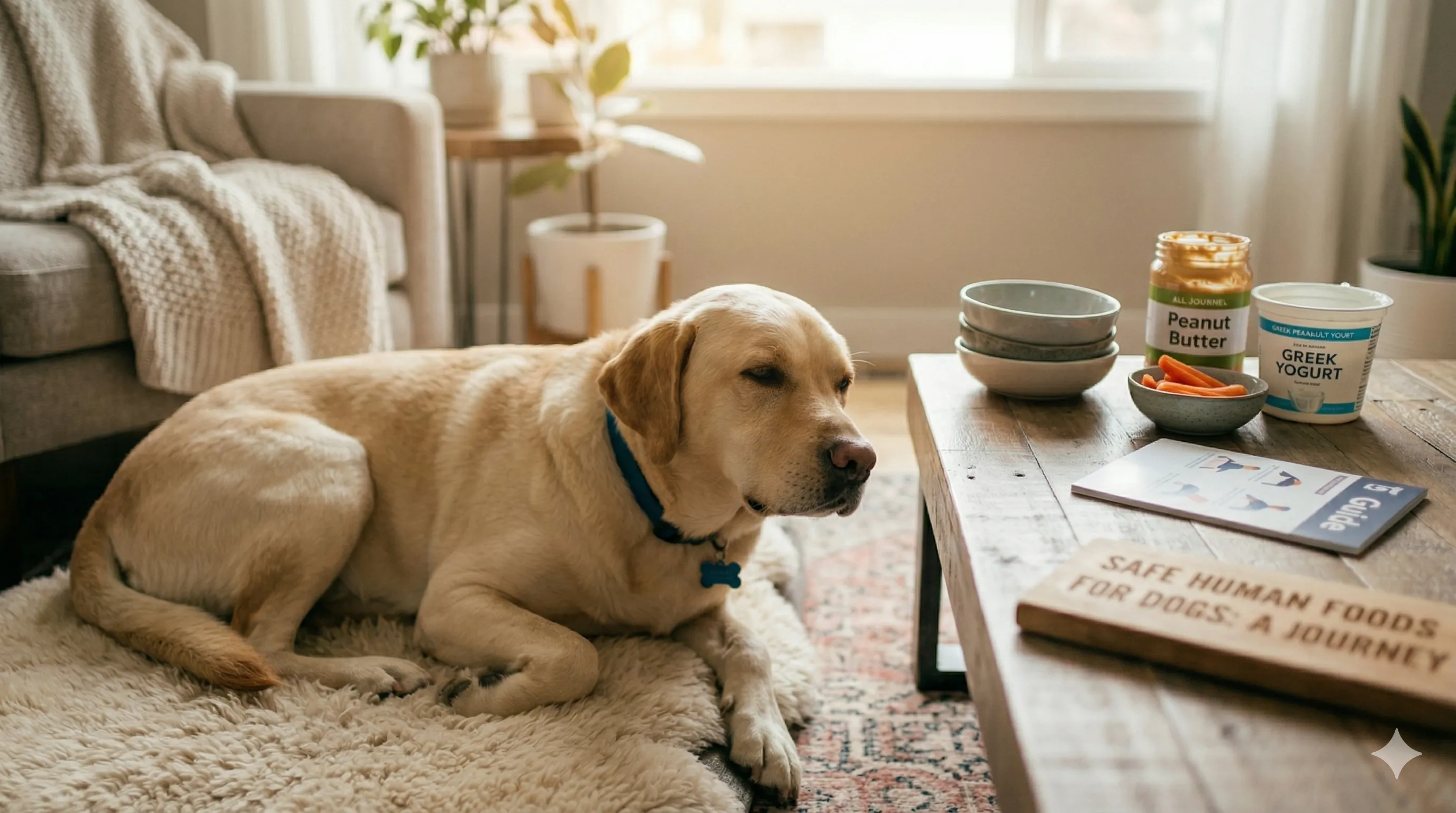
Human Foods Dogs Should Never Eat
Chocolate
Chocolate contains theobromine and caffeine, both of which are toxic to dogs.
Dark chocolate and baking chocolate are especially dangerous.
Symptoms may include:
- Vomiting
- Restlessness
- Rapid heart rate
- Tremors
- Seizures
Grapes and Raisins
Even small amounts of grapes or raisins can cause severe kidney damage in some dogs.
The exact toxic mechanism is not fully understood, which makes complete avoidance safest.
Onions and Garlic
Onions, garlic, and related foods can damage red blood cells and potentially lead to anemia.
These ingredients may appear in:
- Seasonings
- Sauces
- Prepared foods
- Soup bases
Many owners accidentally expose dogs through leftovers or seasoned meals.
Xylitol
Xylitol is one of the most dangerous food ingredients for dogs.
It is commonly found in:
- Sugar-free gum
- Peanut butter
- Candy
- Baked goods
- Protein products
Xylitol poisoning can cause rapid blood sugar drops and liver failure.
This is considered a medical emergency.
Alcohol
Even small amounts of alcohol can be dangerous for dogs because their bodies process alcohol differently than humans.
Cooked Bones
Cooked bones can splinter easily and create choking hazards or internal injuries.
Many owners mistakenly believe bones are always safe for dogs, but cooked bones are especially risky. If your dog is choking on a bone or other food, our dog choking symptoms and first aid guide explains the signs and what to do right away.
Why Food Safety Matters for Dogs
Dogs do not metabolize foods the same way humans do.
Ingredients that seem harmless to people may create serious health risks for dogs because of differences in:
- Digestive systems
- Body size
- Metabolism
- Organ sensitivity
Even safe foods can become unhealthy when overfed regularly.
maintaining proper hygiene and nutrition plays a major role in your dog’s overall healthPoor feeding habits may contribute to:
- Obesity
- Digestive problems
- Skin irritation
- Allergies
- Chronic health issues
Warning Signs of Food Toxicity in Dogs
If your dog accidentally eats toxic food, symptoms may appear quickly or gradually depending on the ingredient.
Warning signs include:
- Vomiting
- Diarrhea
- Lethargy
- Tremors
- Seizures
- Difficulty breathing
- Excessive drooling
- Loss of coordination
- Collapse
If you suspect poisoning, contact a veterinarian immediately.
recognizing early warning signs pets may be sick can help prevent serious complicationsHow to Safely Feed Human Food to Dogs
1. Introduce New Foods Slowly
Sudden diet changes may upset digestion.
Introduce small amounts gradually and monitor reactions.
2. Avoid Seasonings and Oils
Many seasonings safe for humans are unsafe for dogs.
Avoid:
- Salt-heavy foods
- Garlic powder
- Onion powder
- Spicy foods
- Excess oils
3. Keep Portions Small
Human food should remain an occasional supplement rather than the foundation of your dog's diet.
Overfeeding treats may lead to obesity and nutritional imbalance.
4. Watch for Allergic Reactions
Some dogs may react differently to certain foods.
Monitor for:
- Vomiting
- Itching
- Diarrhea
- Skin irritation
- Digestive upset
How Much Human Food Is Safe for Dogs?
Most veterinarians recommend limiting treats and human food to roughly 10% of your dog's daily calorie intake.
The majority of calories should come from balanced dog food formulated for proper nutrition.
Even healthy foods can become problematic when overfed regularly.
Small dogs are especially vulnerable to excessive treat calories because their calorie needs are much lower than large breeds.
Common Feeding Mistakes Dog Owners Make
1. Feeding Table Scraps Regularly
Frequent table scraps can encourage begging, unhealthy habits, and excessive calorie intake.
2. Assuming Natural Foods Are Always Safe
Many natural foods are still toxic to dogs.
Grapes and onions are common examples.
3. Ignoring Hidden Ingredients
Sauces, seasonings, artificial sweeteners, and oils often create hidden risks.
4. Overfeeding Treats
Even healthy treats should remain moderate.
Excessive treats can contribute to obesity and long-term health problems.
Example Scenario
The scenario below is an illustrative example of how this situation can play out, not a documented case study.
One dog owner regularly shared heavily seasoned leftovers during family dinners because the dog appeared to enjoy them. Over time, the dog developed digestive issues and unhealthy weight gain.
After switching to controlled portions of plain dog-safe foods and reducing table scraps, the dog's digestion and energy levels improved significantly within several weeks.
Many owners underestimate how quickly small feeding habits can affect long-term health.
Final Thoughts
Knowing which human foods are safe for dogs helps protect your dog from unnecessary health risks while allowing you to share occasional treats responsibly.
Many healthy human foods can safely supplement your dog's diet when served plain, prepared correctly, and fed in moderation.
At the same time, toxic foods such as chocolate, grapes, onions, garlic, and xylitol should always be strictly avoided.
When introducing any new food, prioritize safety, moderation, and careful observation.
If you are ever unsure whether a food is safe for your dog, contacting your veterinarian is always the safest choice.
This content is written to provide general educational guidance for dog owners. It should not replace professional veterinary advice during poisoning emergencies or severe health reactions.
Medical Disclaimer
This content is provided for informational and educational purposes only and should not be considered veterinary, medical, behavioral, or training advice. While we strive for accuracy, we make no guarantees regarding completeness or results. Always consult a licensed veterinarian or qualified pet care professional before making decisions about your pet’s health, diet, or behavior.
AI Illustration Notice
Some images in this article may have been generated or enhanced using artificial intelligence for illustrative purposes.
Frequently Asked Questions
Dogs can safely eat foods like cooked chicken carrots blueberries apples without seeds plain rice pumpkin and plain yogurt in moderation.
Chocolate grapes raisins onions garlic xylitol alcohol and cooked bones are some of the most dangerous foods for dogs.
Human food should only be given occasionally and should never replace a balanced dog diet.
Most veterinarians recommend limiting treats and human food to around 10 percent of daily calorie intake.
Peanut butter is safe only if it does not contain xylitol or harmful additives.
Contact a veterinarian immediately if your dog eats toxic food or develops symptoms like vomiting seizures or difficulty breathing.
Editorial Note
This article is part of PetNurture's educational library.
Topics draw on publicly available educational resources, recognised veterinary organisations, academic publications and established animal welfare references where appropriate.
The specific sources this article draws on are listed in its References section. If you spot an error, please let us know.
References
The information in this article has been reviewed and supported using the following sources.
ASPCA
People Foods to Avoid Feeding Your Pets
The ASPCA warns that chocolate's methylxanthines can cause vomiting, diarrhea, panting, abnormal heart rhythm, tremors, and seizures in dogs, with darker chocolate posing greater risk.
Accessed Aug 6, 2026
ASPCA
People Foods to Avoid Feeding Your Pets
The ASPCA states that tartaric acid is believed responsible for the kidney damage grapes and raisins can cause in dogs, which cannot process the compound effectively.
Accessed Aug 6, 2026
ASPCA
People Foods to Avoid Feeding Your Pets
The ASPCA notes that onions, garlic, and related Allium vegetables can cause gastrointestinal irritation and red blood cell damage that leads to anemia.
Accessed Aug 6, 2026
ASPCA
People Foods to Avoid Feeding Your Pets
The ASPCA explains that xylitol can cause low blood sugar and potentially liver damage in dogs, with initial vomiting, lethargy, and loss of coordination able to progress to seizures and liver injury within 12 to 24 hours.
Accessed Aug 6, 2026
Pet Emergency Guidance
Every pet is unique. If your pet exhibits severe symptoms, sudden behavioral changes, or a medical emergency, do not rely on online guides — contact a licensed veterinarian or emergency clinic immediately.
About PetNurture
PetNurture is an educational library of pet care guides, interactive tools and practical resources for pet parents. We work continuously to keep our content accurate and up to date. Reader feedback helps us maintain content quality.
Related Articles
Popular Dog Guides


Dog
Dog Calorie Calculator
Find the right daily calorie target for your dog's weight and activity level.
Dog
Dog Chocolate Toxicity Calculator
Assess chocolate toxicity risk based on your dog's weight and the amount eaten.