Warning Signs Your Cat May Be Sick: 12 Symptoms You Should Never Ignore

- Warning Signs Your Cat May Be Sick (Quick Answer)
- Quick Signs Your Cat May Be Sick
- Warning Signs Your Cat May Be Sick (Quick Comparison)
- 12 Warning Signs Your Cat May Be Sick
- 1. Loss of Appetite
- 2. Vomiting or Diarrhea
- 3. Lethargy or Low Energy
- 4. Unexplained Weight Loss
- 5. Behavioral Changes
- 6. Difficulty Breathing
- 7. Poor Coat Condition
- 8. Increased Thirst or Urination
- 9. Bad Breath or Drooling
- 10. Eye or Nose Discharge
- 11. Limping or Mobility Problems
- 12. Hiding More Than Usual
- Possible Causes of Illness in Cats
- When Should You See a Vet Immediately?
- How to Monitor Your Cat at Home
- Common Mistakes Cat Owners Should Avoid
- Example Scenario
- Final Thoughts
Note: This article is for informational purposes only and does not replace professional veterinary advice.
Cats are experts at hiding pain and illness, which is why even small behavioral or physical changes should never be ignored. If you suspect your cat may be sick, recognizing the warning signs early can make a major difference in treatment and recovery. understanding these warning signs your cat may be sick can help you take action early
Unlike dogs, cats often become quieter, hide more, or subtly change their routines when something is wrong. Many cat owners miss these early symptoms because the changes seem minor at first. However, loss of appetite, unusual behavior, vomiting, lethargy, breathing issues, or sudden weight loss can sometimes indicate serious health problems.
In this guide, you'll learn the most important warning signs your cat may be sick, what these symptoms may mean, when you should contact a veterinarian, and how to monitor your cat's health more effectively at home.
Warning Signs Your Cat May Be Sick (Quick Answer)
The most common warning signs your cat may be sick include appetite loss, vomiting, diarrhea, lethargy, weight loss, hiding, breathing problems, and unusual behavior changes. While some symptoms may improve quickly, others can become emergencies if ignored. Our free cat weight checker can help you judge whether your cat's weight is in a healthy range.
Early recognition and prompt veterinary care can help prevent serious complications and improve your cat's chances of recovery.
Quick Signs Your Cat May Be Sick
Here are some of the most common symptoms cat owners should watch carefully:
- Loss of appetite or refusing food
- Vomiting or diarrhea
- learn what it means when your cat is not eating and when to worry
- Extreme tiredness or unusual sleeping patterns
- Rapid weight loss
- Hiding more than usual
- Difficulty breathing
- Changes in litter box habits
- Bad breath or drooling
- Sudden aggression or behavior changes
If symptoms continue for more than 24–48 hours, worsen quickly, or appear severe, contact a veterinarian immediately.
Warning Signs Your Cat May Be Sick (Quick Comparison)
| Symptom | Severity | Recommended Action |
|---|---|---|
| Loss of appetite | Medium | Monitor closely for 24 hours |
| Repeated vomiting | Medium-High | Vet visit recommended |
| Difficulty breathing | High | Emergency veterinary care |
| Weight loss | Medium-High | Schedule veterinary exam |
| Lethargy | Medium | Monitor behavior and eating habits |
| Seizures or collapse | Critical | Immediate emergency care |
12 Warning Signs Your Cat May Be Sick
1. Loss of Appetite
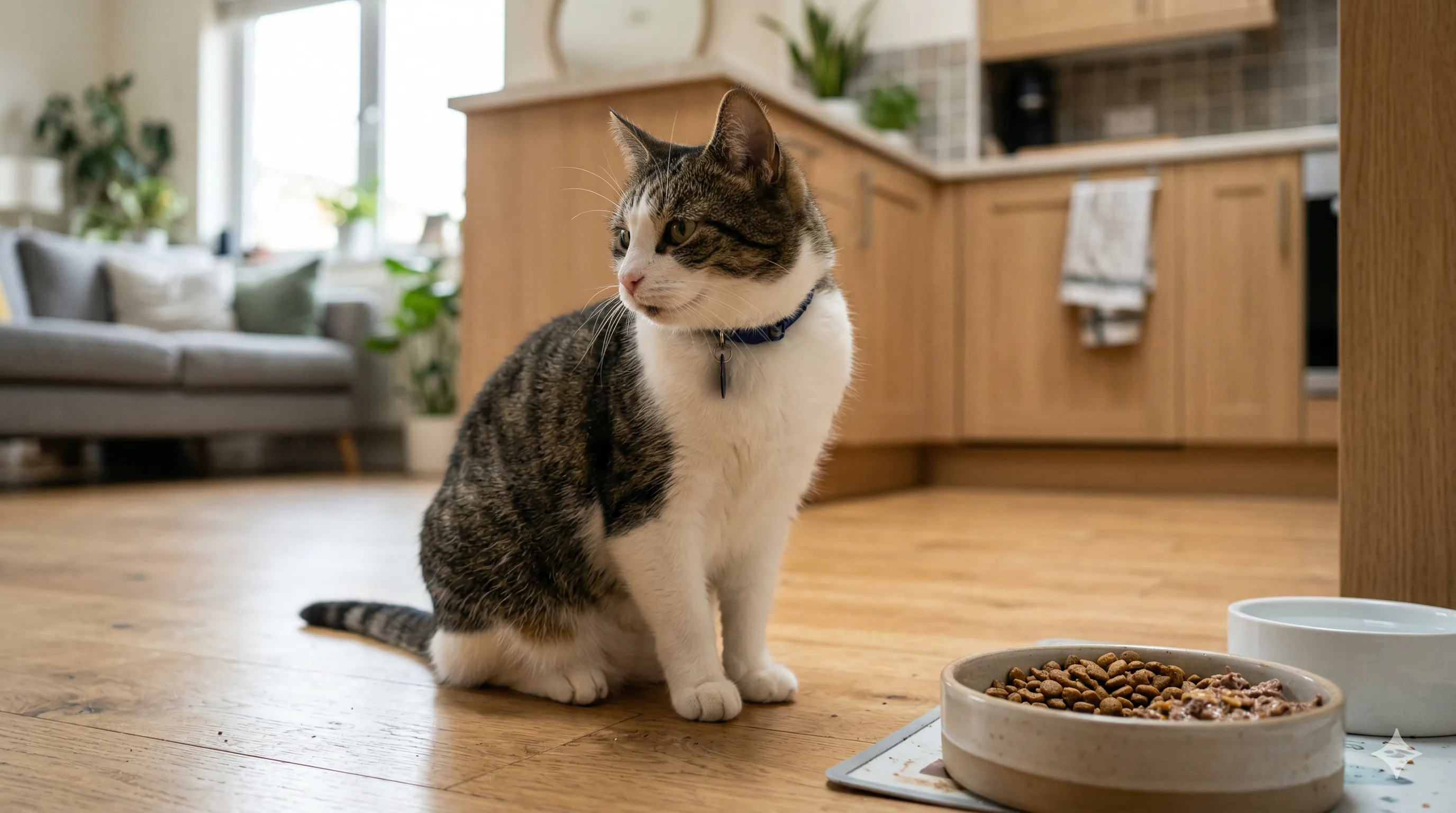
A reduced appetite is one of the earliest and most common warning signs of illness in cats. Some cats may stop eating completely, while others simply eat less than usual.
Appetite loss can be linked to:
- Dental pain
- Digestive issues
- Stress or anxiety
- Kidney disease
- Infections
- Serious internal illness
Cats should never go too long without eating because prolonged appetite loss may lead to dangerous liver complications.
2. Vomiting or Diarrhea
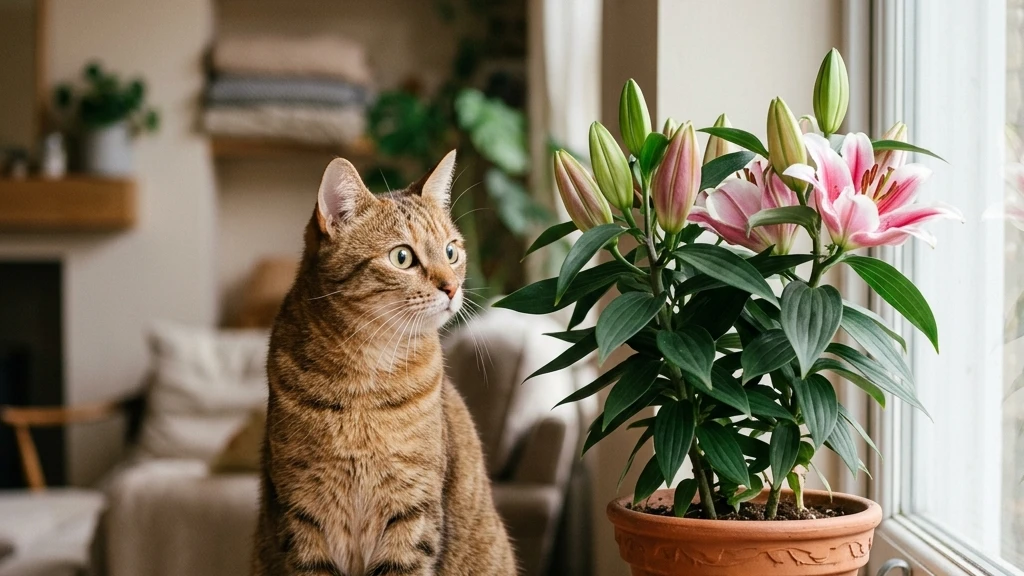
Occasional vomiting may happen because of hairballs or mild stomach irritation, but repeated vomiting or ongoing diarrhea should not be ignored. If vomiting comes with drooling, weakness, or known exposure to something toxic, see our cat poisoning symptoms and first aid guide right away.
Frequent digestive issues may indicate:
- Food intolerance
- Parasites
- Toxins
- Gastrointestinal disease
- Infections
- Kidney or liver problems
Dehydration can happen quickly, especially in kittens and senior cats.
3. Lethargy or Low Energy
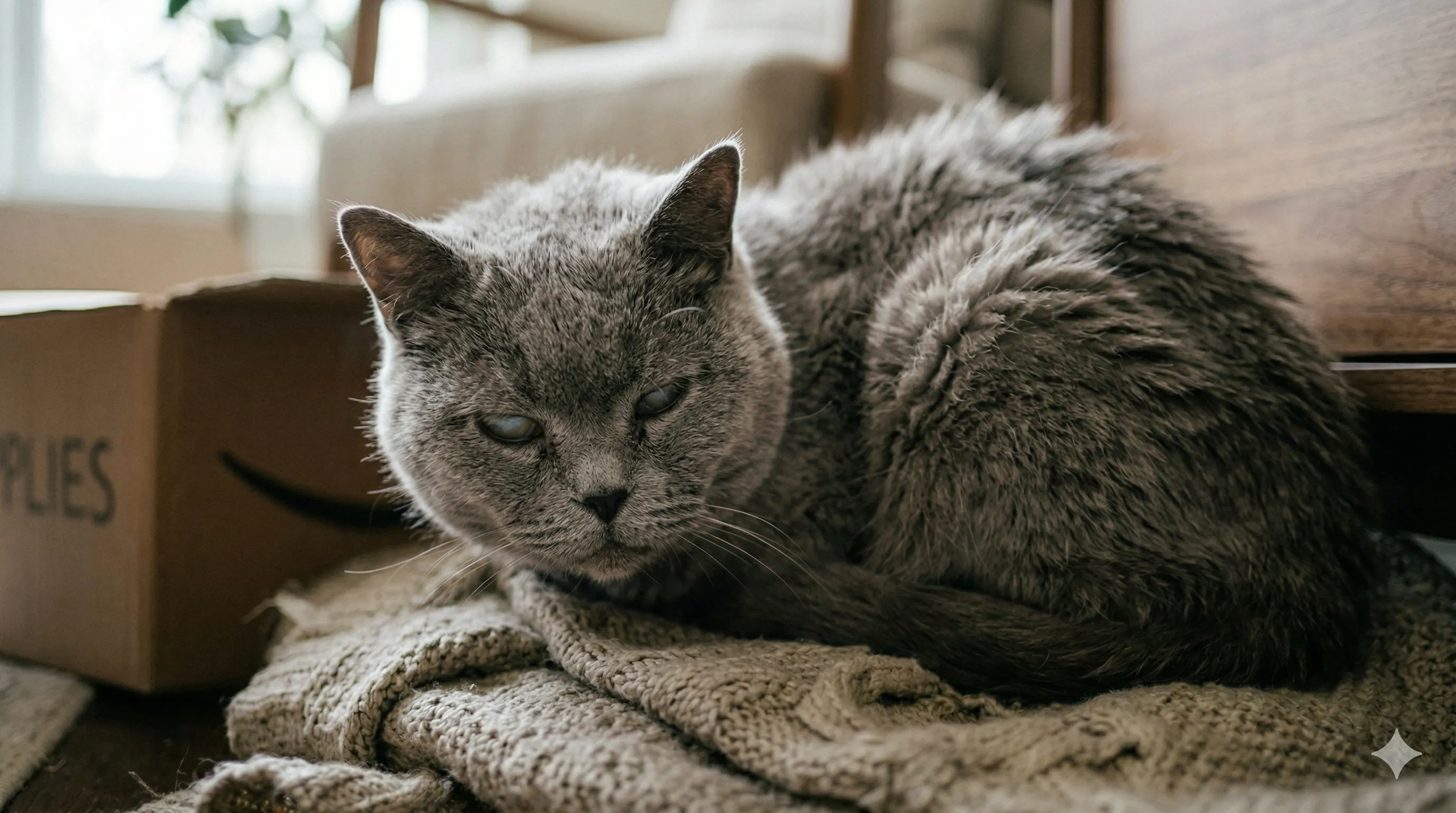
If your cat suddenly becomes inactive, sleeps excessively, avoids playtime, or appears weak, illness may be developing.
Lethargy is often one of the clearest indicators that something is wrong internally.
Pay attention if your normally social cat suddenly becomes withdrawn or uninterested in daily activities.
4. Unexplained Weight Loss
Gradual or sudden weight loss is always worth investigating, even if your cat still appears to eat normally.
Weight loss may be associated with:
- Hyperthyroidism
- Diabetes
- Digestive disorders
- Cancer
- Kidney disease
- Chronic infections
Subtle weight changes can sometimes go unnoticed for weeks, especially in long-haired cats.
5. Behavioral Changes
Cats often behave differently when they are uncomfortable, stressed, or sick.
Behavior changes may include:
- Hiding more often
- Aggression
- Avoiding interaction
- Restlessness
- Increased vocalization
- Sudden clinginess
6. Difficulty Breathing
Labored breathing, wheezing, open-mouth breathing, or rapid breathing should always be treated as serious symptoms.
Breathing problems may result from:
- Respiratory infections
- Heart disease
- Asthma
- Fluid buildup
- Severe allergic reactions
If your cat struggles to breathe, seek emergency veterinary care immediately.
7. Poor Coat Condition
A healthy cat usually maintains a clean and well-groomed coat. A greasy, dull, tangled, or messy coat can indicate illness, pain, obesity, or stress.
Cats that stop grooming themselves may not feel physically well enough to continue normal grooming habits.
8. Increased Thirst or Urination
If your cat suddenly drinks much more water or urinates more frequently, underlying medical conditions may be developing.
Common causes include:
- Kidney disease
- Diabetes
- Hyperthyroidism
- Urinary tract problems
Changes in litter box habits are important health indicators that should never be ignored.
9. Bad Breath or Drooling
Persistent bad breath may indicate dental disease, gum infections, or internal illness.
Excessive drooling can sometimes occur due to:
- Dental pain
- Mouth injuries
- Toxins
- Nausea
- Oral infections
Dental health problems are extremely common in cats and often become worse without treatment.
10. Eye or Nose Discharge
Discharge from the eyes or nose may indicate respiratory infections, allergies, irritation, or viral illness.
Watch for symptoms such as:
- Watery eyes
- Green or yellow discharge
- Sneezing
- Nasal congestion
- Swollen eyes
Kittens and senior cats can be especially vulnerable to respiratory infections.
11. Limping or Mobility Problems
If your cat hesitates to jump, limps, walks stiffly, or avoids movement, pain or injury may be involved.
Mobility issues may result from:
- Arthritis
- Injuries
- Joint problems
- Neurological conditions
- Paw injuries
Senior cats commonly develop arthritis gradually over time.
12. Hiding More Than Usual
Cats naturally seek quiet spaces when they feel vulnerable or sick. However, excessive hiding often indicates stress, discomfort, pain, or illness.
learn why cats hide and how it can be linked to illness or stressIf your cat suddenly avoids interaction for long periods, monitor them closely for additional symptoms.
Possible Causes of Illness in Cats
Cats can become sick for many different reasons. Some illnesses are mild and temporary, while others may become serious without early treatment.
Common causes include:
- Viral or bacterial infections
- Parasites
- Poor nutrition
- Stress and anxiety
- Kidney disease
- Dental disease
- Toxins or poisonous substances
- Chronic medical conditions
- Age-related health issues
Because cats hide illness so effectively, regular observation is extremely important for early detection.
know how often your cat should visit the vet for regular health checkups
When Should You See a Vet Immediately?
Some symptoms require urgent veterinary attention and should never be ignored.
Contact a veterinarian immediately if your cat:
- Cannot breathe normally
- Refuses food for more than 24 hours
- Experiences repeated vomiting or diarrhea
- Has seizures or collapses
- Shows signs of severe pain
- Becomes suddenly unable to walk
- Has blood in vomit, urine, or stool
- Appears severely lethargic or unresponsive
Quick treatment can sometimes save your cat's life.
How to Monitor Your Cat at Home
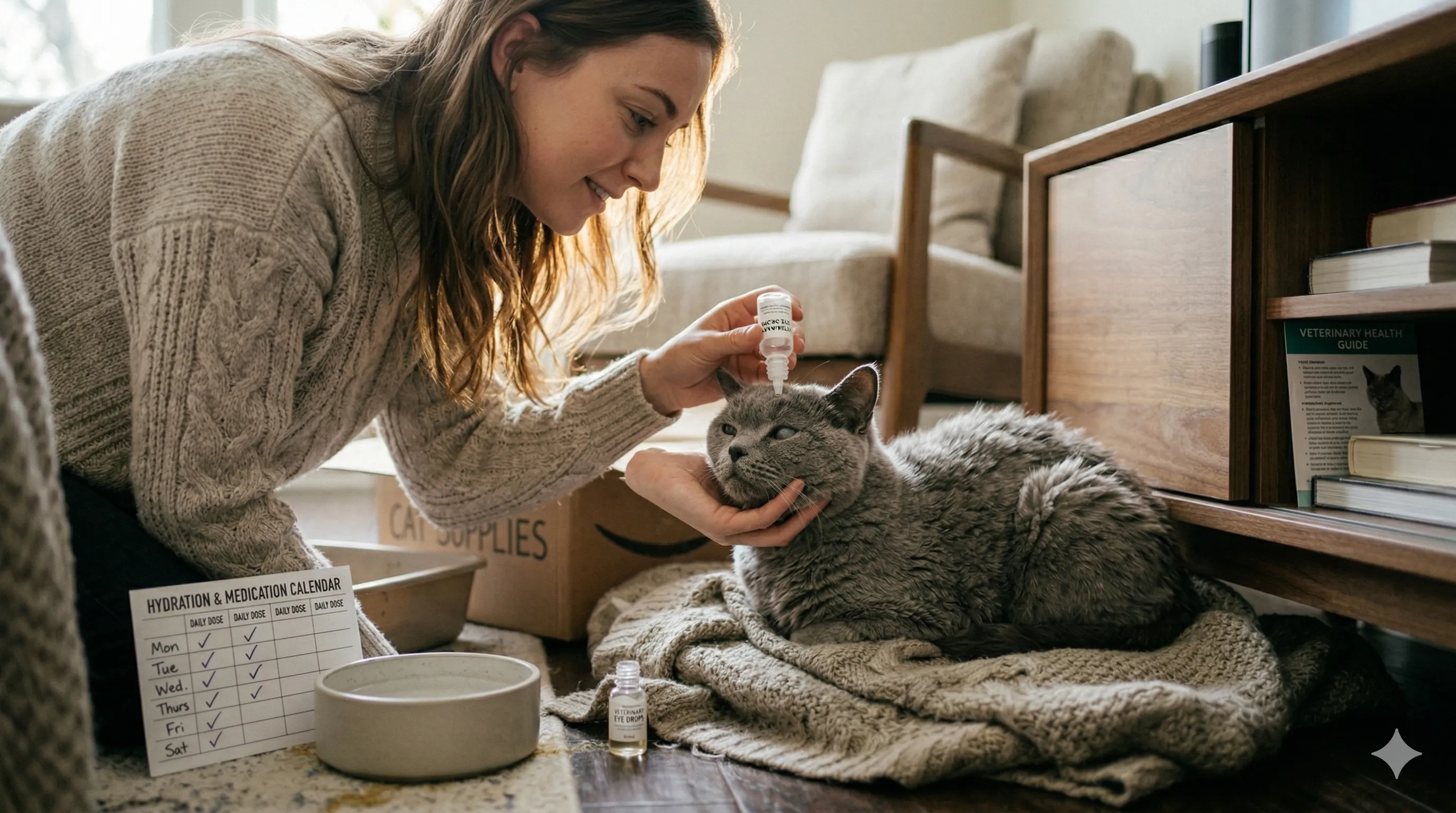
Monitoring your cat consistently can help you notice health problems earlier.
Pay attention to:
- Eating and drinking habits
- Litter box behavior
- Energy levels
- Weight changes
- Grooming habits
- Behavior changes
- Breathing patterns
- Mobility and posture
Even subtle changes may provide important clues about your cat's health.
Common Mistakes Cat Owners Should Avoid
- Ignoring early symptoms
- Waiting too long before calling a vet
- Assuming cats will recover on their own
- Using home remedies without veterinary advice
- Overlooking appetite or litter box changes
- Ignoring subtle behavior differences
Because cats hide illness well, delaying treatment can sometimes allow problems to become much more serious.
Example Scenario
The scenario below is an illustrative example of how this situation can play out, not a documented case study.
One cat owner noticed their normally playful cat suddenly hiding under the bed and refusing food. Although the symptoms seemed mild at first, a veterinary exam revealed an early-stage infection that required treatment.
Because the symptoms were recognized quickly, the cat recovered fully within days.
Small changes in behavior are often your cat's earliest warning signals.
Final Thoughts
Recognizing the warning signs your cat may be sick early can help you protect your cat's health and avoid serious complications.
Cats often hide illness until symptoms become more advanced, which makes careful observation extremely important for every cat owner.
If you notice appetite changes, unusual behavior, vomiting, breathing problems, or ongoing lethargy, trust your instincts and contact a veterinarian promptly.
Early action can make a major difference in your cat's comfort, recovery, and long-term health.
Waiting too long to see a vet is a documented national pattern, not just an individual lapse — see delayed veterinary care statistics for the real numbers on delayed care.
This content is written to provide general educational guidance for cat owners. It should not replace professional veterinary diagnosis or treatment.
Medical Disclaimer
This content is provided for informational and educational purposes only and should not be considered veterinary, medical, behavioral, or training advice. While we strive for accuracy, we make no guarantees regarding completeness or results. Always consult a licensed veterinarian or qualified pet care professional before making decisions about your pet’s health, diet, or behavior.
AI Illustration Notice
Some images in this article may have been generated or enhanced using artificial intelligence for illustrative purposes.
Frequently Asked Questions
Common warning signs include appetite loss, vomiting, lethargy, hiding, breathing problems, and unusual behavior changes.
Difficulty breathing, severe lethargy, seizures, collapse, or refusing food for more than 24 hours may indicate serious illness.
Yes. Cats commonly hide when they feel vulnerable, stressed, injured, or unwell.
You should contact a veterinarian if symptoms persist longer than 24–48 hours or worsen quickly.
Early signs often include lower appetite, behavior changes, excessive sleeping, vomiting, or reduced grooming.
Yes. Stress can cause appetite loss, hiding, digestive upset, and unusual behavior changes.
Increased sleeping may result from illness, pain, infections, aging, or low energy caused by medical conditions.
Editorial Note
This article is part of PetNurture's educational library.
Topics draw on publicly available educational resources, recognised veterinary organisations, academic publications and established animal welfare references where appropriate.
The specific sources this article draws on are listed in its References section. If you spot an error, please let us know.
References
The information in this article has been reviewed and supported using the following sources.
VCA Animal Hospitals
Recognizing the Signs of Illness in Cats
Directly confirms that cats instinctively hide illness and lists appetite loss, lethargy, hiding, breathing difficulty, and litter box changes as key warning signs, recommending twice-yearly veterinary exams; supports the quick-answer and multiple symptom sections of this article.
Accessed Aug 6, 2026
Cornell University College of Veterinary Medicine (Feline Health Center)
Confirms prolonged appetite loss risks hepatic lipidosis in cats; supports the 'Loss of Appetite' section of this article.
Accessed Aug 6, 2026
Pet Emergency Guidance
Every pet is unique. If your pet exhibits severe symptoms, sudden behavioral changes, or a medical emergency, do not rely on online guides — contact a licensed veterinarian or emergency clinic immediately.
About PetNurture
PetNurture is an educational library of pet care guides, interactive tools and practical resources for pet parents. We work continuously to keep our content accurate and up to date. Reader feedback helps us maintain content quality.
Related Articles


Popular Cat Guides