Why Is My Cat Not Eating? Causes, Warning Signs & When to Call a Vet
- Why Is My Cat Not Eating? (Quick Answer)
- How Long Can a Cat Go Without Eating?
- Why Appetite Loss in Cats Is Dangerous
- Is It Ever Normal for Cats to Skip Meals?
- The Most Common Reasons Cats Stop Eating
- 1. Stress and Environmental Changes
- 2. Dental Pain or Mouth Problems
- 3. Digestive Problems or Nausea
- 4. Illness or Infection
- 5. Food-Related Issues
- 6. Anxiety and Emotional Factors
- 7. Age-Related Health Changes
- Important Situations Cat Owners Commonly Notice
- Cat Not Eating But Drinking Water
- Cat Not Eating and Sleeping More
- Cat Hiding and Refusing Food
- Cat Refusing New Food
- Warning Signs That Require Immediate Veterinary Attention
- How to Encourage a Cat to Eat Safely
- Warm the Food Slightly
- Offer Wet Food
- Create a Calm Feeding Environment
- Monitor Hydration
- Avoid Force Feeding Without Guidance
- Signs of Dehydration in Cats
- Common Mistakes Cat Owners Make
- Waiting Too Long
- Changing Foods Repeatedly
- Ignoring Behavior Changes
- Assuming Indoor Cats Cannot Become Sick
- Example Scenario
- Final Thoughts
Note: This article is for informational purposes only and does not replace professional veterinary advice.
Few things worry cat owners faster than a sudden loss of appetite. Cats are naturally routine-oriented animals, so when a cat suddenly refuses food, eats far less than normal, or loses interest in favorite meals, it is often a sign that something is wrong physically, emotionally, or environmentally.
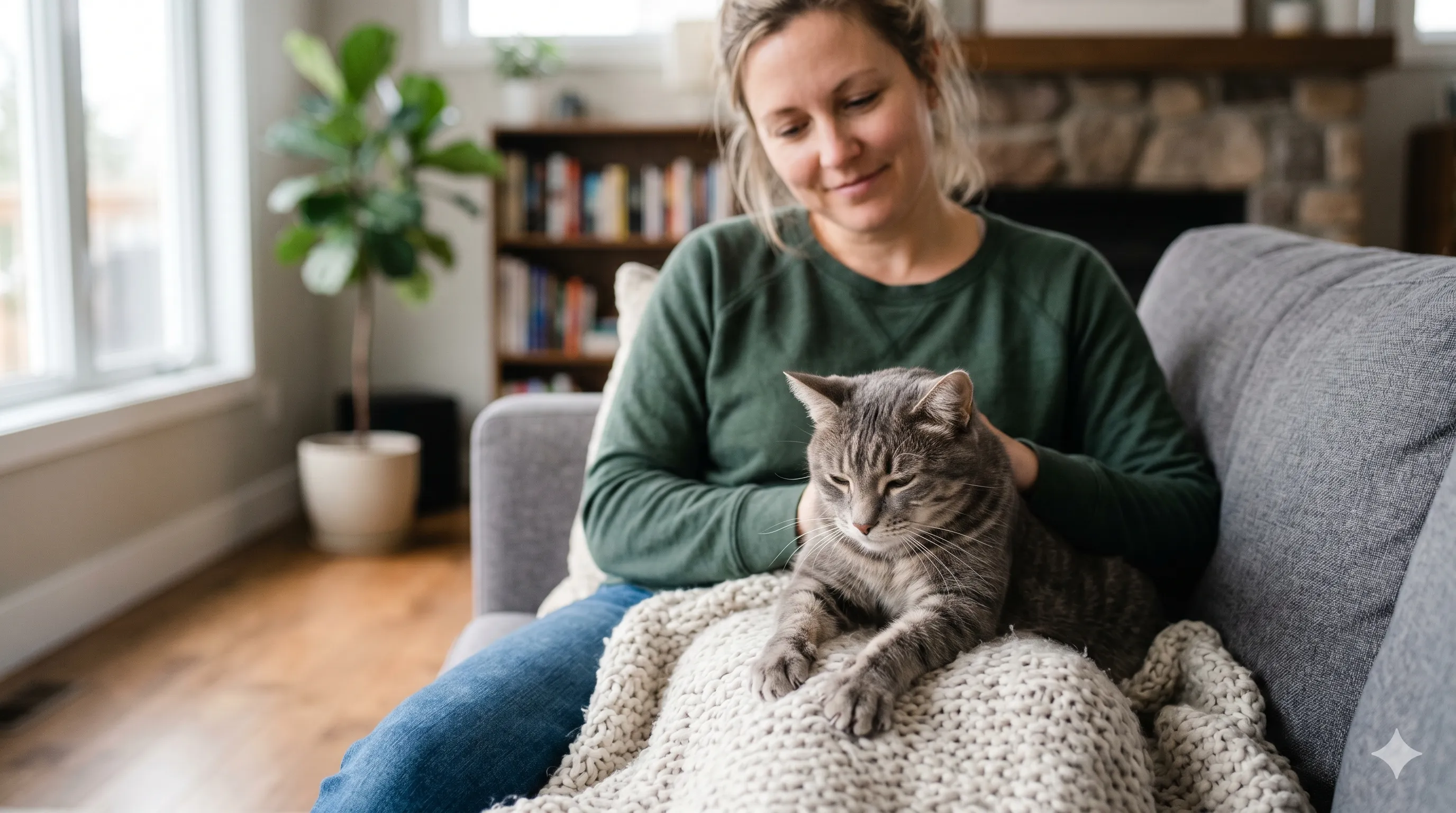
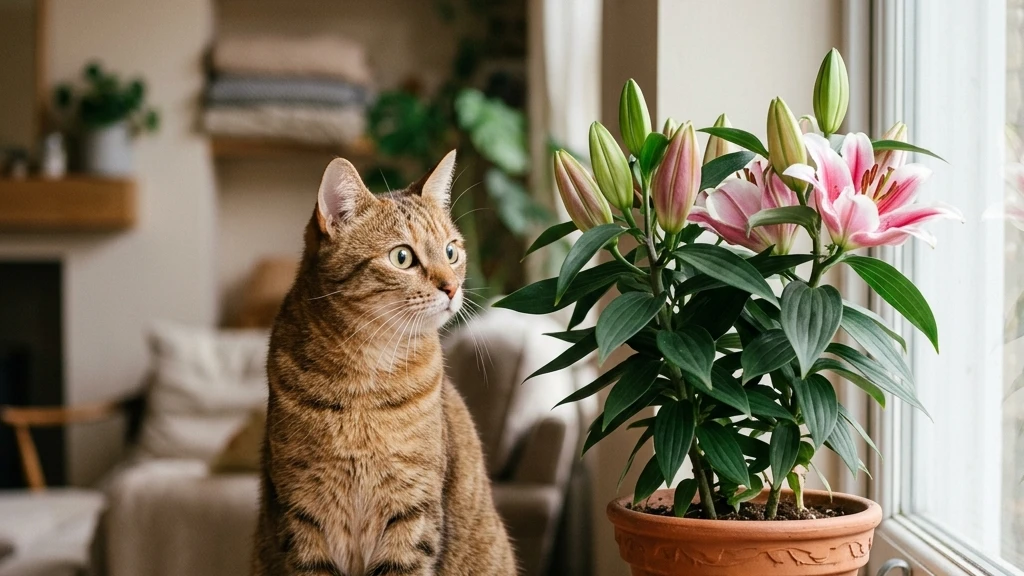
If you are asking yourself, "Why is my cat not eating?", the answer may range from mild stress or food dislike to serious medical conditions that require immediate veterinary attention. learn the warning signs your cat may be sick when appetite changes suddenly
Unlike some animals, cats should never go extended periods without food. Appetite loss in cats can quickly become dangerous because their bodies are highly sensitive to fasting, especially in overweight or senior cats. If you are unsure how much your cat normally needs each day, our free cat feeding calculator gives a daily estimate to compare against.
This guide explains the most common causes of appetite loss, warning signs you should never ignore, emergency situations that require urgent care, and practical steps owners can take while monitoring their cat safely.
Why Is My Cat Not Eating? (Quick Answer)
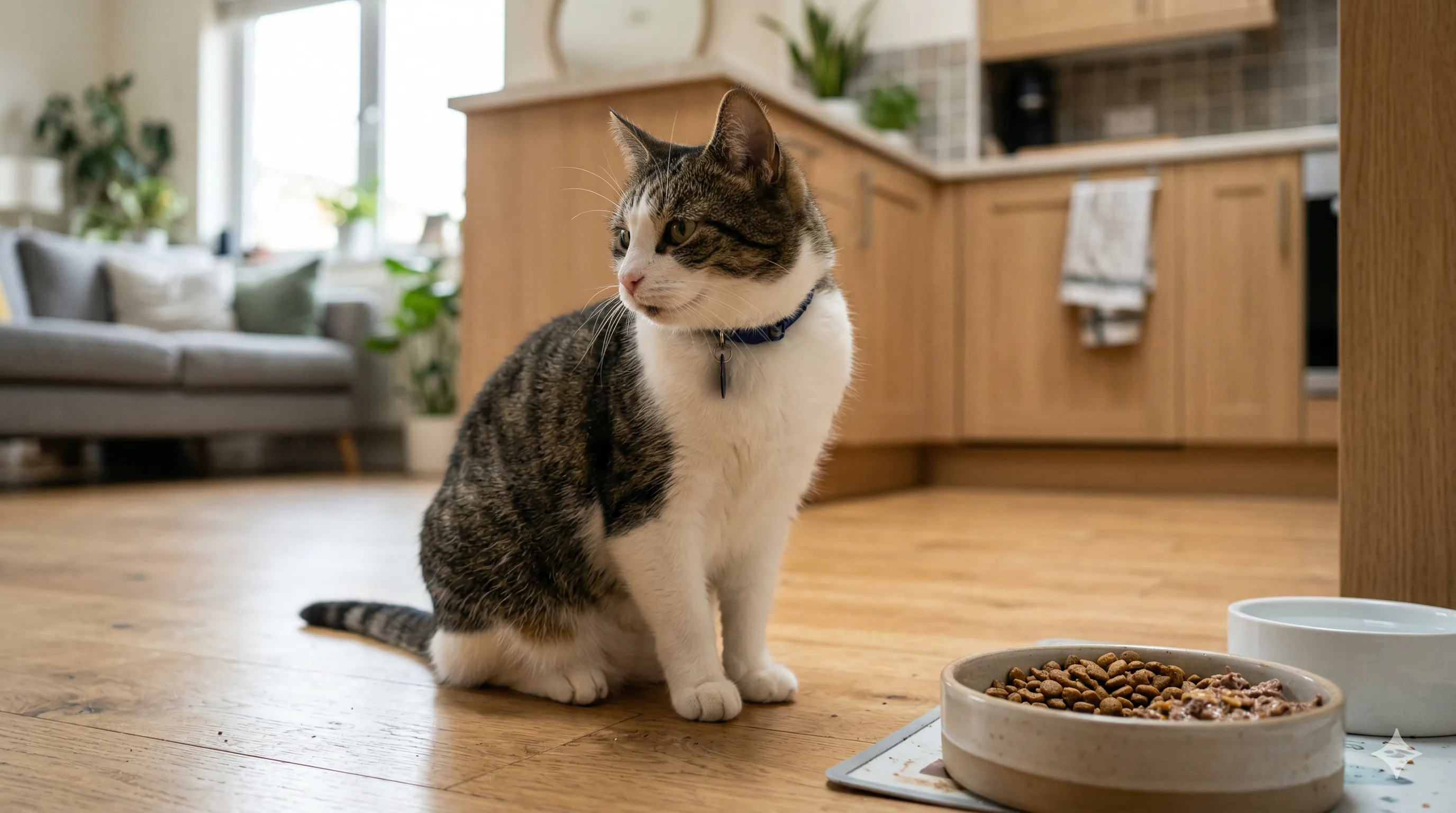
Cats may stop eating because of stress, illness, dental pain, digestive discomfort, food changes, anxiety, or underlying medical conditions. Missing a single meal occasionally may not be serious, but appetite loss lasting longer than 24 hours should always be monitored carefully.
Early intervention is extremely important because prolonged appetite loss in cats can quickly lead to serious health complications.
How Long Can a Cat Go Without Eating?
| Time Without Food | Risk Level | Recommended Action |
|---|---|---|
| Less than 12 hours | Low | Monitor appetite and behavior |
| 12-24 hours | Moderate | Encourage eating and observe closely |
| 24-48 hours | High | Contact a veterinarian |
| More than 48 hours | Critical | Immediate veterinary care required |
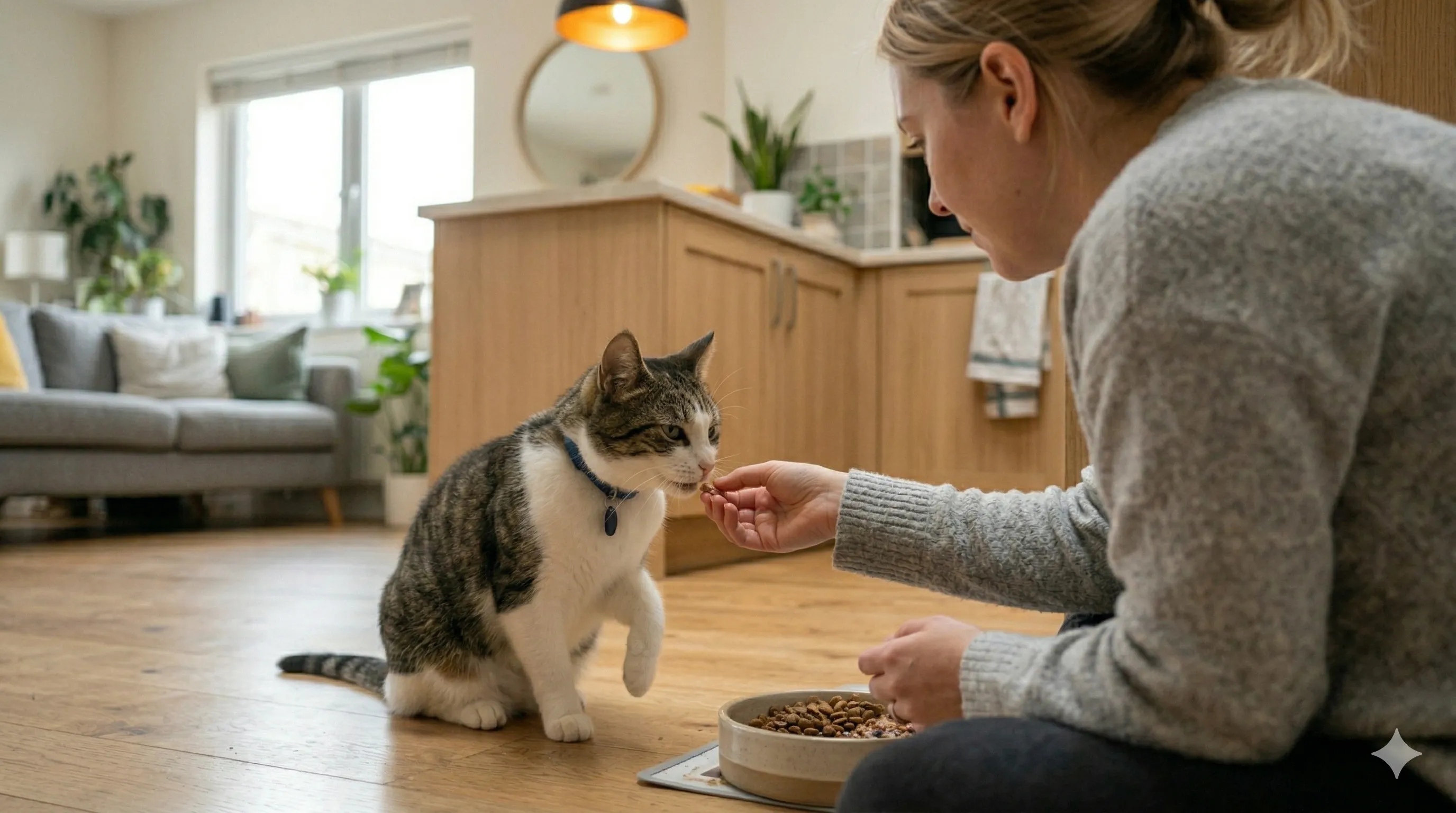
Why Appetite Loss in Cats Is Dangerous
Cats are very different from dogs when it comes to fasting.
If cats stop eating for too long, especially overweight cats, they can develop a serious condition called hepatic lipidosis, also known as fatty liver disease.
This condition occurs when the body rapidly breaks down fat for energy, overwhelming the liver.
Fatty liver disease can become life-threatening if not treated early.
This is one reason veterinarians take appetite loss in cats very seriously even when other symptoms appear mild.
Is It Ever Normal for Cats to Skip Meals?
Occasionally, some cats may briefly skip meals due to:
- Minor stress
- Weather changes
- Routine disruption
- Temporary mood changes
However, cats are generally consistent eaters.
Persistent refusal to eat is not considered normal and should always be investigated.
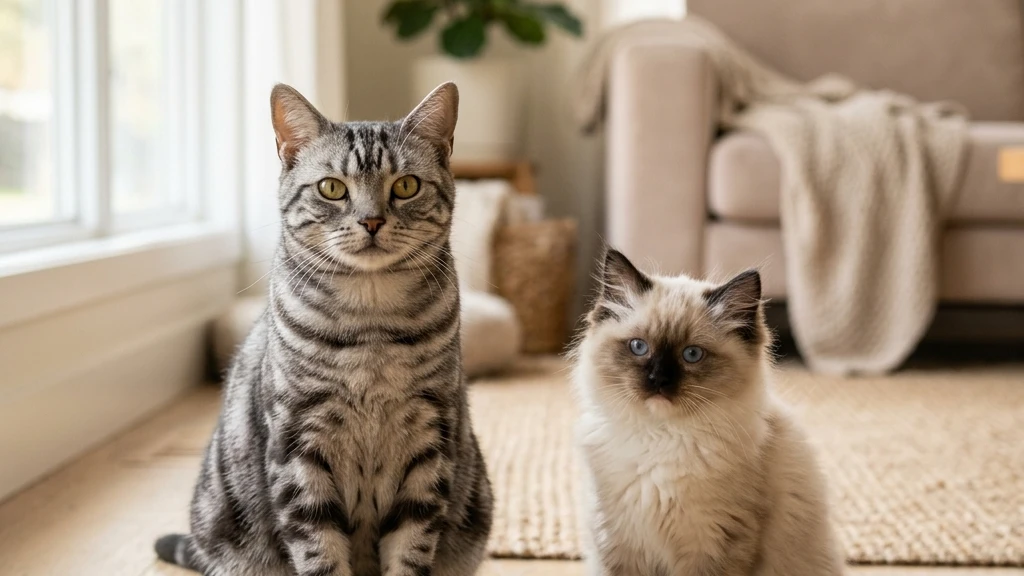
stress from introducing a new cat home can sometimes affect appetite and behaviorThe Most Common Reasons Cats Stop Eating
1. Stress and Environmental Changes
Cats are highly sensitive to environmental changes.
Even situations humans consider minor may affect appetite significantly.
Common stress triggers include:
- Moving homes
- New pets
- New people
- Loud noises
- Furniture rearrangement
- Routine changes
Stress-related appetite loss often appears alongside hiding or unusual behavior.
understand why cats hide when they feel stressed or unwell2. Dental Pain or Mouth Problems
Dental disease is a very common but overlooked cause of appetite loss.
Cats with mouth pain may:
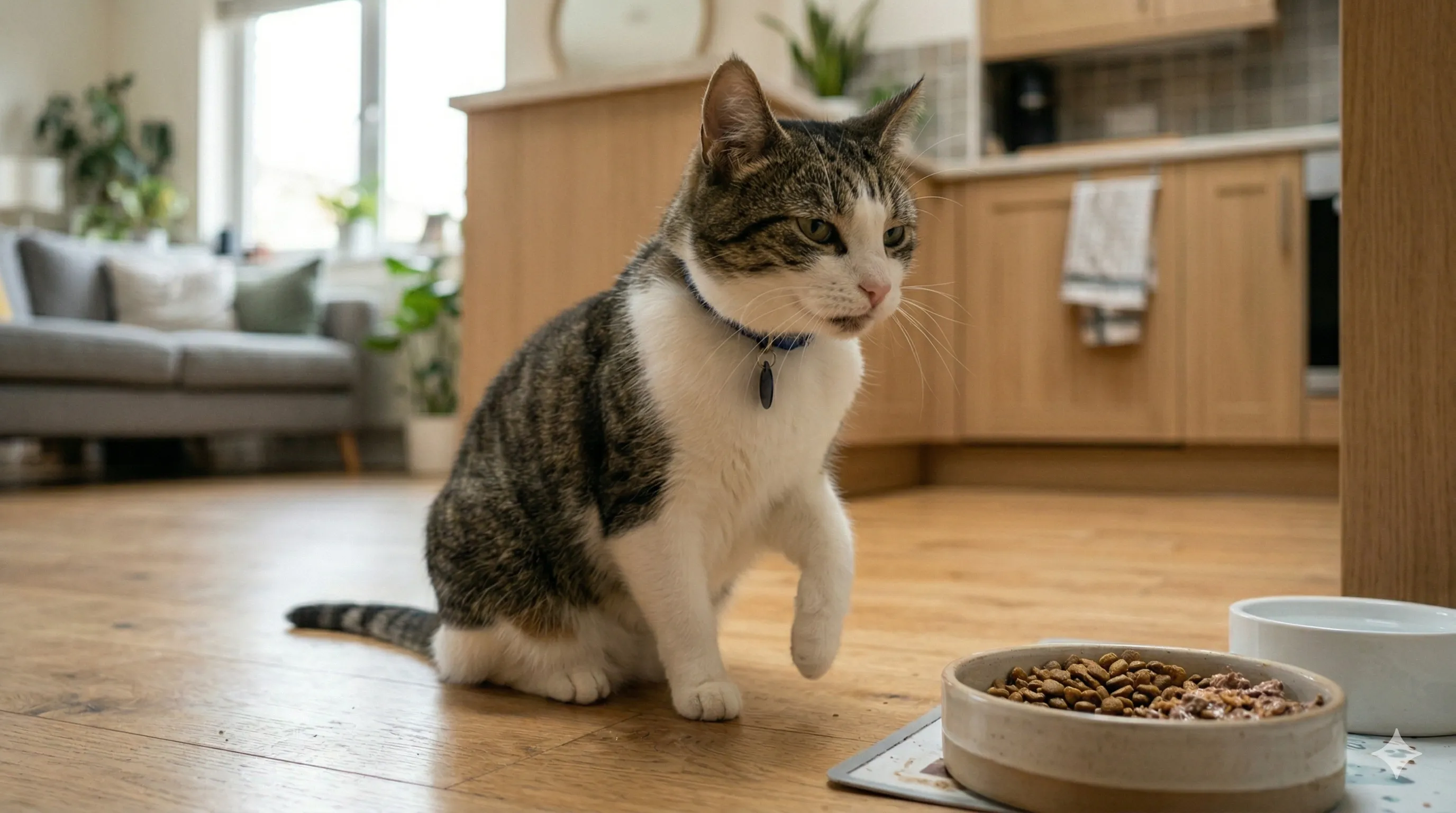
- Approach food but not eat
- Drop food while chewing
- Eat only soft food
- Paw at the mouth
- Show bad breath
Even small dental issues can make eating uncomfortable.
3. Digestive Problems or Nausea
Cats experiencing nausea or stomach discomfort often avoid food.
Digestive-related appetite loss may appear with:
- Vomiting
- Lip licking
- Drooling
- Hunched posture
- Reduced energy
Some cats may still drink water while refusing food.
4. Illness or Infection
Appetite loss is one of the earliest signs of many illnesses.
Conditions affecting appetite may include:
- Respiratory infections
- Kidney disease
- Liver disease
- Fever
- Inflammation
- Pain
Because cats instinctively hide illness, appetite changes often appear before more obvious symptoms.
5. Food-Related Issues
Some cats become extremely selective about food texture, smell, freshness, or temperature.
Common feeding-related causes include:
- Sudden diet changes
- Expired food
- Cold refrigerated food
- Flavor dislike
- Dirty food bowls
Cats generally prefer gradual food transitions rather than sudden changes.
6. Anxiety and Emotional Factors
Emotional stress can affect appetite significantly.
Cats experiencing anxiety may:
- Eat less
- Hide more frequently
- Avoid social interaction
- Sleep excessively
Emotionally sensitive cats often react strongly to environmental instability.
understand why cats sleep so much and when excessive sleeping may indicate illness7. Age-Related Health Changes
Senior cats may gradually develop appetite changes due to:
- Reduced smell sensitivity
- Dental decline
- Digestive changes
- Kidney disease
- Arthritis discomfort
Older cats require closer monitoring because subtle symptoms can progress quickly.
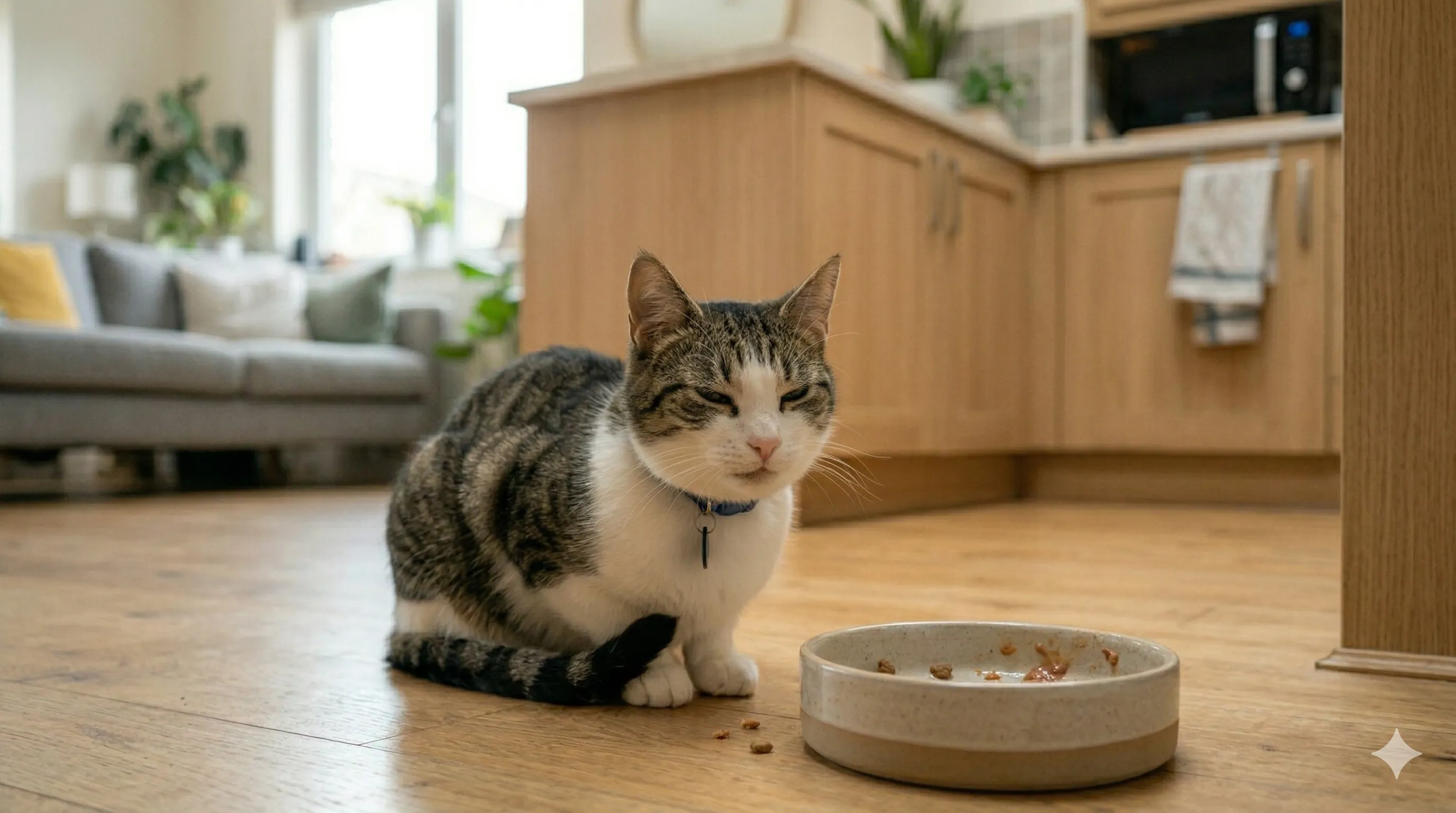
Important Situations Cat Owners Commonly Notice
Cat Not Eating But Drinking Water
This situation may indicate:
- Mild digestive upset
- Nausea
- Dental pain
- Stress
- Early illness
While drinking water is reassuring, ongoing food refusal still requires attention.
Cat Not Eating and Sleeping More
Low appetite combined with lethargy is more concerning.
This combination may suggest:
- Infection
- Pain
- Fever
- Underlying illness
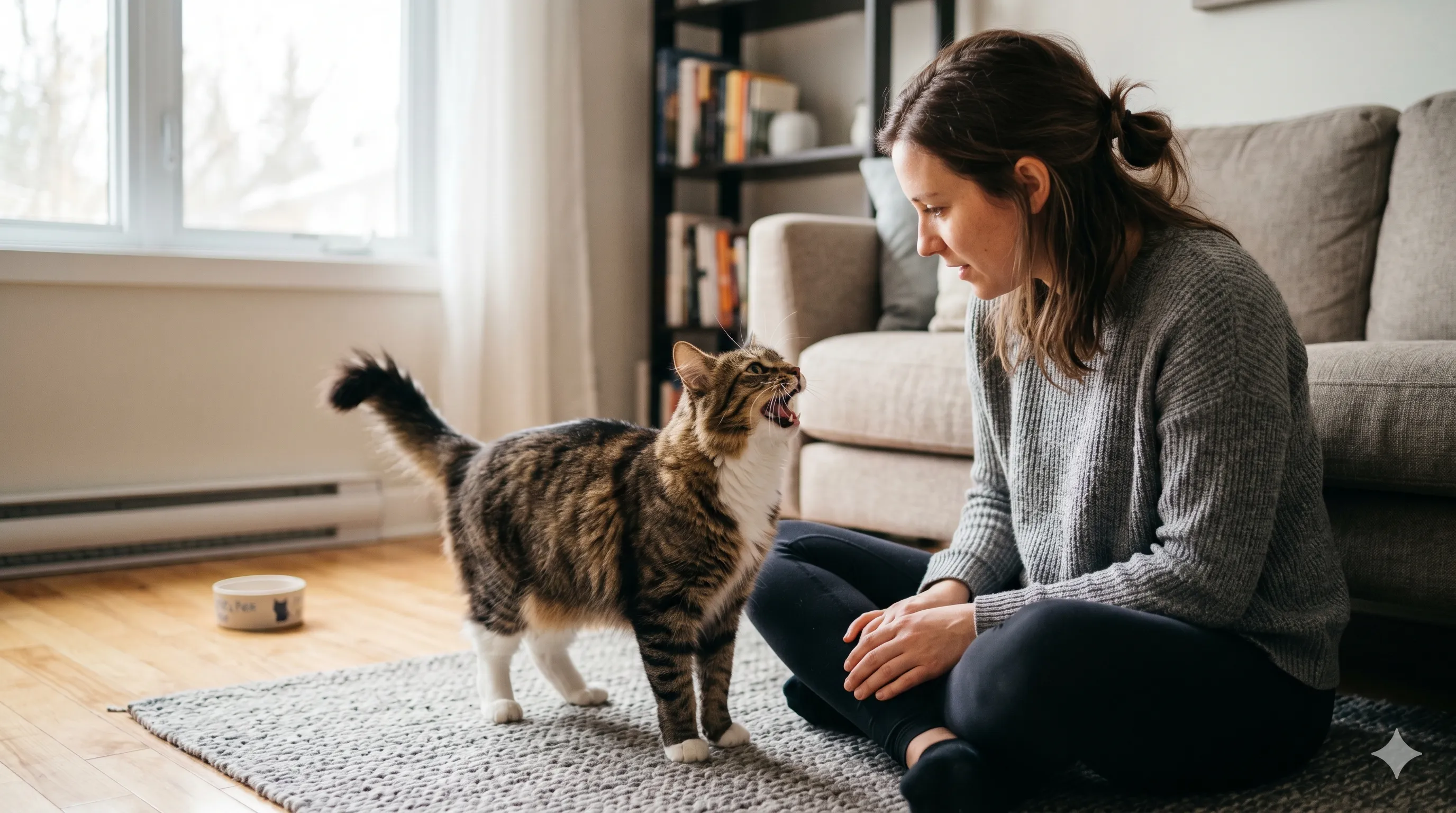
Cat Hiding and Refusing Food
Cats naturally hide when feeling vulnerable or unwell.
Hiding combined with appetite loss should never be ignored.
Cat Refusing New Food
Some cats simply dislike sudden food changes.
Gradual transitions over several days are usually much more successful.
Warning Signs That Require Immediate Veterinary Attention
Seek veterinary care immediately if your cat:
- Has not eaten for 24-48 hours
- Shows difficulty breathing
- Vomits repeatedly
- Appears extremely lethargic
- Has severe diarrhea
- Shows signs of dehydration
- Experiences sudden weight loss
- Collapses or becomes weak
Emergency symptoms should never be monitored at home for extended periods.
How to Encourage a Cat to Eat Safely
Warm the Food Slightly
Warming food slightly increases aroma, making it more appealing.
Cats rely heavily on smell when deciding whether to eat.
Offer Wet Food
Wet food is often easier to eat and more appealing than dry food during illness or stress.
Create a Calm Feeding Environment
Reduce stress around feeding time by:
- Limiting noise
- Separating pets
- Providing quiet feeding areas
- Maintaining routine
Monitor Hydration
Even if appetite decreases, hydration remains critical.
Watch carefully for signs of dehydration.
Avoid Force Feeding Without Guidance
Force feeding can increase stress and create food aversion if done incorrectly.
Veterinary guidance is safer for cats refusing food long-term.
Signs of Dehydration in Cats
Dehydration sometimes develops alongside appetite loss.
Warning signs include:
- Dry gums
- Sunken eyes
- Lethargy
- Weakness
- Poor skin elasticity
Dehydration can worsen quickly in sick cats.
Common Mistakes Cat Owners Make
Waiting Too Long
Many owners underestimate how serious appetite loss can become in cats.
Changing Foods Repeatedly
Constant food switching may increase stress and confusion.
Ignoring Behavior Changes
Appetite loss combined with hiding, lethargy, or unusual behavior deserves closer attention.
Assuming Indoor Cats Cannot Become Sick
Indoor cats still develop infections, dental disease, digestive issues, and chronic illness.
Example Scenario
The scenario below is an illustrative example of how this situation can play out, not a documented case study.
One indoor cat suddenly stopped eating after a new pet was introduced into the household.
Initially, the owners assumed the cat simply disliked the change.
However, after 24 hours of continued appetite loss and increased hiding behavior, veterinary evaluation revealed stress-induced digestive upset combined with mild dehydration.
After creating a quieter environment, separating feeding areas, and following veterinary recommendations, the cat gradually resumed normal eating within several days.
Final Thoughts
Appetite changes in cats should always be taken seriously because cats often hide illness until symptoms become more advanced.
While some cases involve temporary stress or mild digestive discomfort, prolonged refusal to eat can quickly become dangerous.
Pay close attention to how long your cat has gone without food, whether additional symptoms appear, and whether behavior changes accompany appetite loss.
changes in litter box habits combined with appetite loss can also signal an underlying issueEarly action, careful monitoring, and timely veterinary care provide the best chance of identifying problems quickly and protecting your cat’s long-term health.
This content is written for general educational purposes. It should not replace professional veterinary diagnosis, emergency care, or medical treatment.
Medical Disclaimer
This content is provided for informational and educational purposes only and should not be considered veterinary, medical, behavioral, or training advice. While we strive for accuracy, we make no guarantees regarding completeness or results. Always consult a licensed veterinarian or qualified pet care professional before making decisions about your pet’s health, diet, or behavior.
AI Illustration Notice
Some images in this article may have been generated or enhanced using artificial intelligence for illustrative purposes.
Frequently Asked Questions
Cats should not go more than 24–48 hours without food because serious complications can develop quickly.
A cat that drinks water but refuses food may be experiencing nausea, stress, dental pain, digestive problems, or early illness.
You should contact a veterinarian if your cat has not eaten for 24 hours, becomes lethargic, vomits repeatedly, or shows other unusual symptoms.
Yes. Environmental changes, anxiety, loud noises, new pets, or household disruptions can significantly affect appetite in sensitive cats.
No. Force feeding without proper guidance can increase stress and create food aversion. Veterinary advice is safer.
Cats can develop dangerous conditions like fatty liver disease when they stop eating for extended periods.
Senior cats may stop eating because of dental disease, kidney issues, digestive problems, reduced smell sensitivity, or chronic illness and should be evaluated promptly.
Editorial Note
This article is part of PetNurture's educational library.
Topics draw on publicly available educational resources, recognised veterinary organisations, academic publications and established animal welfare references where appropriate.
The specific sources this article draws on are listed in its References section. If you spot an error, please let us know.
References
The information in this article has been reviewed and supported using the following sources.
Cornell University College of Veterinary Medicine (Feline Health Center)
Directly confirms hepatic lipidosis (fatty liver disease) as a risk of prolonged appetite loss in cats, and that even 24 hours without food in adult cats (12 hours in kittens) can become dangerous; supports the 'Why Appetite Loss in Cats Is Dangerous' and 'How Long Can a Cat Go Without Eating' sections of this article.
Accessed Aug 6, 2026
ASPCA
Supports the link between stress/anxiety and reduced appetite in pets; supports the 'Stress and Environmental Changes' section of this article.
Accessed Aug 6, 2026
Pet Emergency Guidance
Every pet is unique. If your pet exhibits severe symptoms, sudden behavioral changes, or a medical emergency, do not rely on online guides — contact a licensed veterinarian or emergency clinic immediately.
About PetNurture
PetNurture is an educational library of pet care guides, interactive tools and practical resources for pet parents. We work continuously to keep our content accurate and up to date. Reader feedback helps us maintain content quality.
Related Articles
Popular Cat Guides