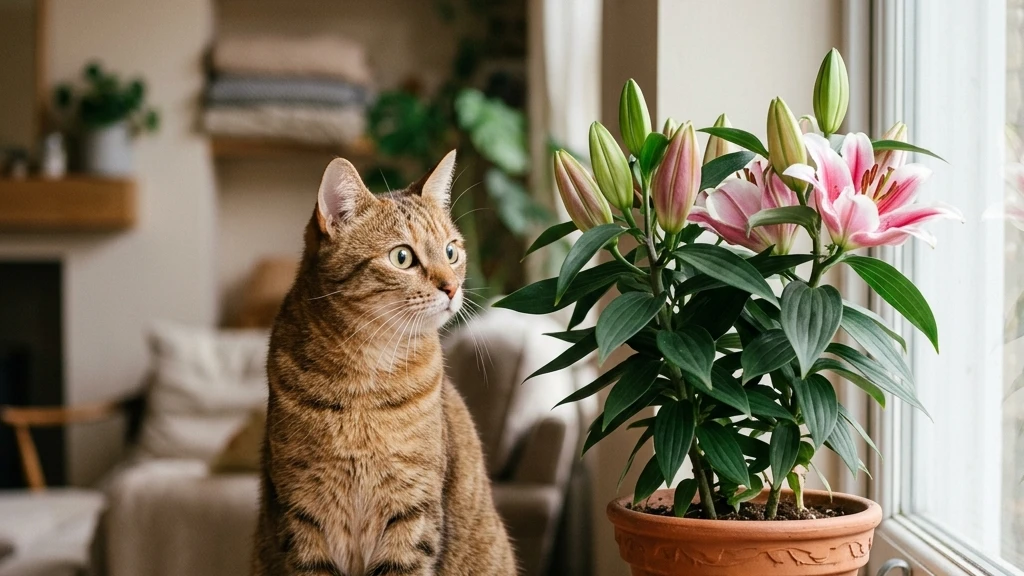
How Often Should You Take Your Cat to the Vet? Vet Visit Schedule by Age + Warning Signs
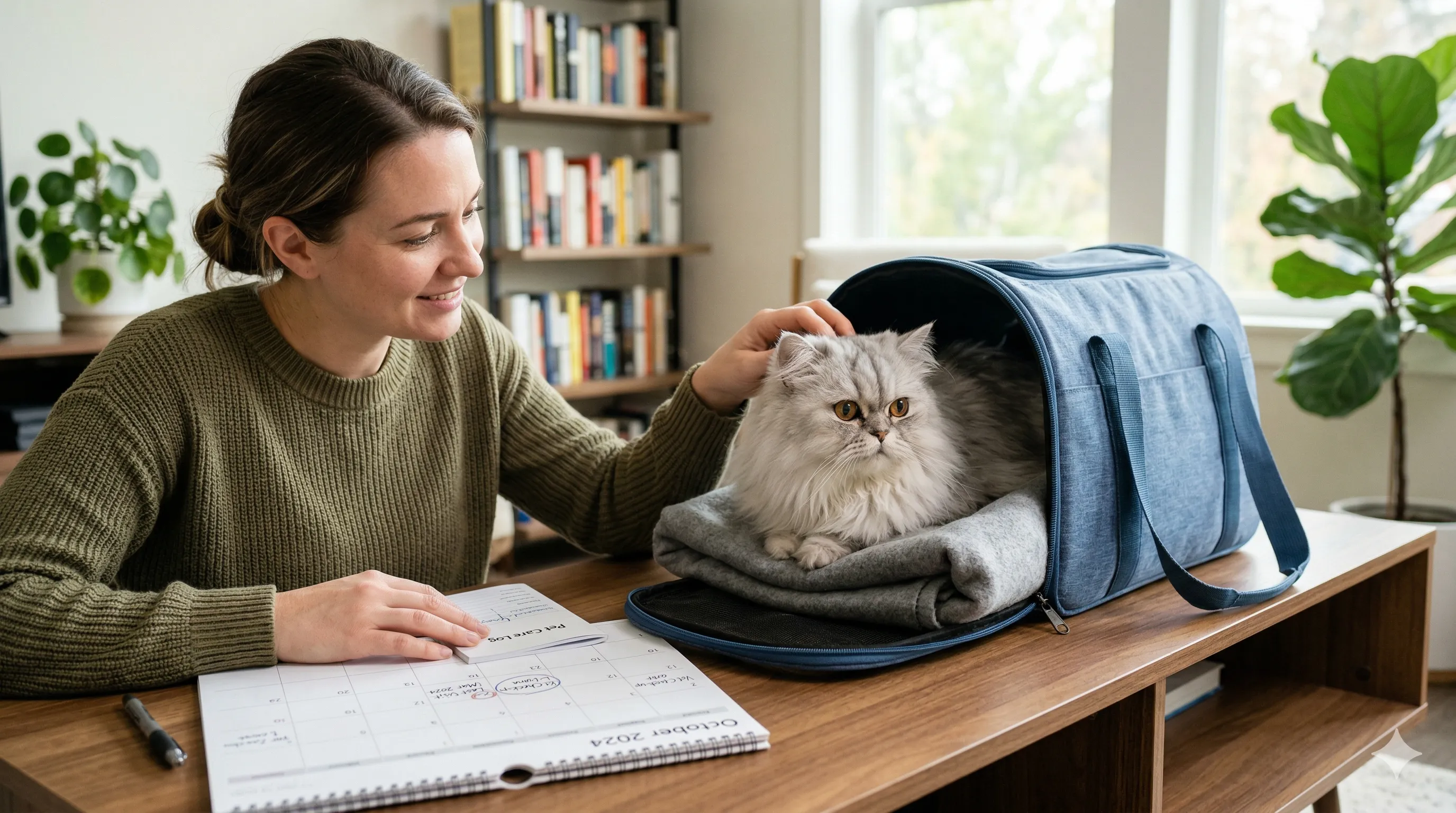
- How Often Should You Take Your Cat to the Vet? (Quick Answer)
- Cat Vet Visit Schedule by Age
- Why Regular Vet Visits Are Important
- 1. Early Detection of Health Problems
- 2. Preventive Care and Vaccinations
- 3. Monitoring Behavioral and Lifestyle Changes
- Vet Visit Schedule for Kittens
- Why Kittens Need Frequent Visits
- Common Kitten Veterinary Care Includes:
- Vet Visit Schedule for Adult Cats
- Do Indoor Cats Still Need Vet Visits?
- Vet Visit Schedule for Senior Cats
- Why Senior Cat Checkups Matter More
- Warning Signs Your Cat Needs an Immediate Vet Visit
- What Happens During a Routine Vet Visit?
- Typical Wellness Exams May Include:
- How to Prepare Your Cat for a Vet Visit
- Helpful Preparation Tips:
- Common Mistakes Cat Owners Should Avoid
- 1. Skipping Annual Checkups
- 2. Assuming Indoor Cats Don't Need Care
- 3. Ignoring Subtle Symptoms
- 4. Waiting Too Long During Emergencies
- Example Scenario
- Final Thoughts
Note: This article is for informational purposes only and does not replace professional veterinary advice.
Many cat owners assume that if their cat appears healthy, regular veterinary visits are unnecessary. Because cats are naturally independent and often hide discomfort well, it can be difficult to notice health problems early. However, routine veterinary care plays a major role in helping cats live longer, healthier lives. learn the warning signs your cat may be sick before symptoms become severe
Unlike obvious emergencies, many feline health conditions develop gradually and silently over time. Problems such as kidney disease, dental disease, diabetes, thyroid disorders, arthritis, and weight-related issues may progress for months before visible symptoms appear.
Regular vet visits are not only about treating illness. They are also essential for prevention, early detection, vaccinations, nutrition guidance, dental care, parasite prevention, and monitoring changes related to age or lifestyle. Our free cat age calculator converts your cat's age into human years to show which life stage they are in.
In this guide, you'll learn how often cats should visit the vet based on age and lifestyle, what happens during routine checkups, warning signs that require immediate care, and how preventive veterinary care helps protect your cat's long-term health.
How Often Should You Take Your Cat to the Vet? (Quick Answer)
Most healthy adult cats should visit the veterinarian at least once per year for routine wellness exams and preventive care. Kittens require more frequent visits during their first year, while senior cats usually benefit from veterinary checkups every 6 months.
The ideal schedule depends on your cat's age, medical history, lifestyle, and overall health condition.
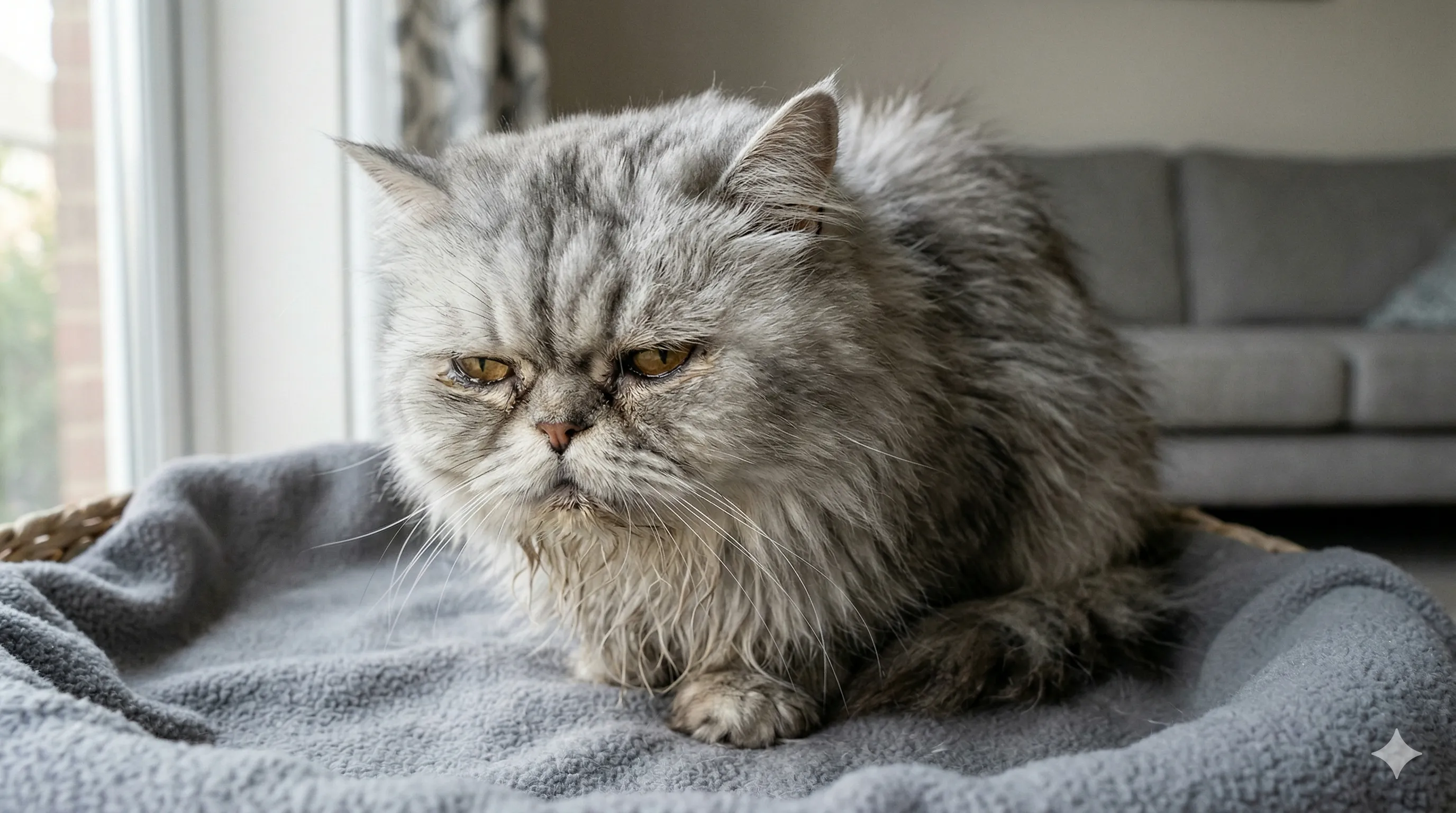
Cat Vet Visit Schedule by Age
| Cat Age | Recommended Visit Frequency | Main Purpose |
|---|---|---|
| Kittens (0-12 months) | Every 3-4 weeks initially | Vaccines, growth monitoring, parasite prevention |
| Adult Cats (1-7 years) | Once per year | Wellness exams and preventive care |
| Senior Cats (7+ years) | Every 6 months | Early detection of age-related illness |
| Cats with medical conditions | As recommended by vet | Condition monitoring and treatment |
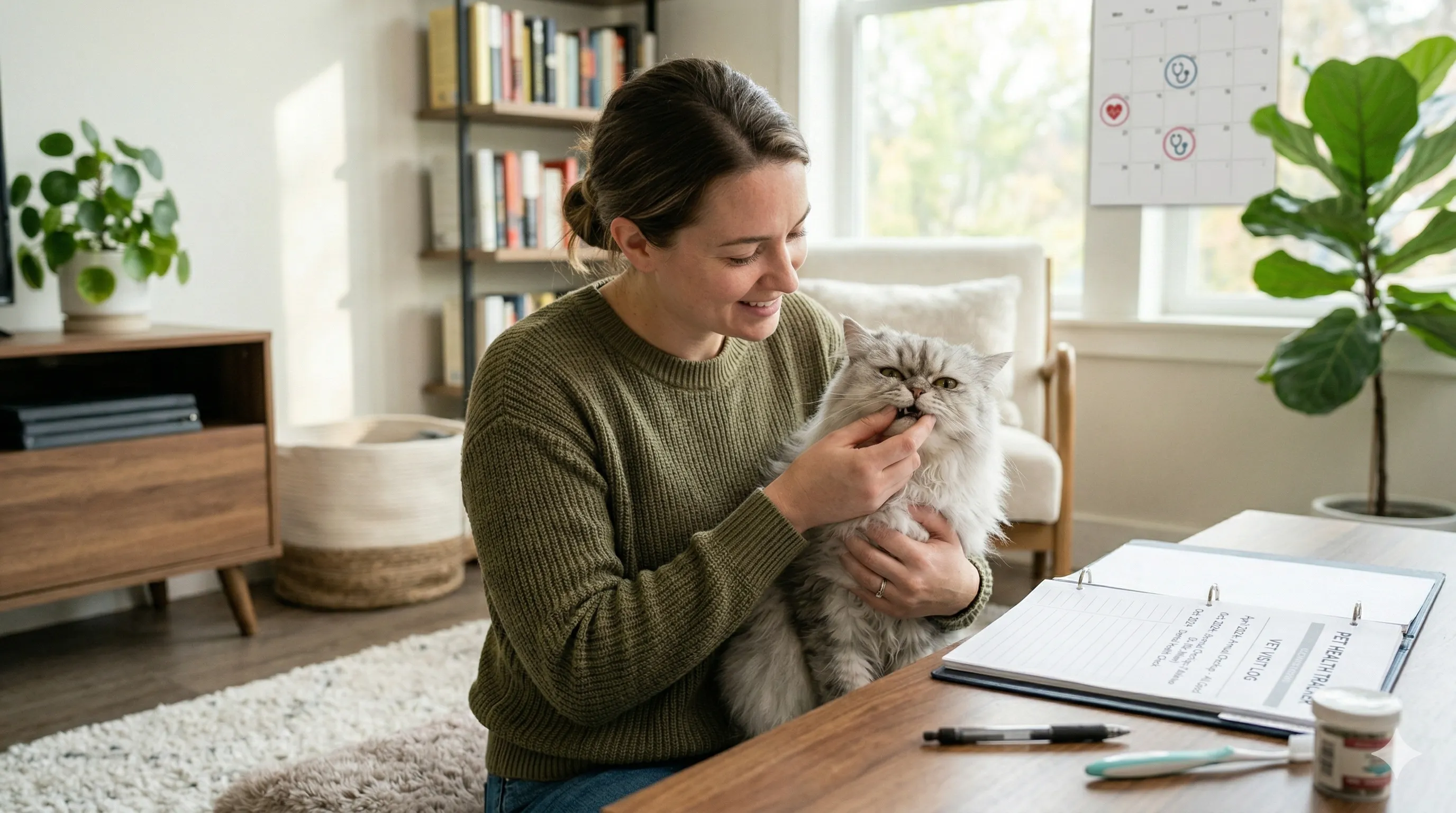
Why Regular Vet Visits Are Important
Many feline illnesses become much harder to treat once symptoms become obvious. Routine checkups help veterinarians detect subtle problems before they progress into serious conditions.
1. Early Detection of Health Problems
Cats instinctively hide pain and illness as a survival behavior. This means many owners do not realize something is wrong until the condition has already advanced.
Routine exams can help identify:
- Weight changes
- Dental disease
- Heart abnormalities
- Kidney problems
- Thyroid disorders
- Arthritis
- Digestive issues
Early detection often improves treatment success and reduces long-term medical complications.
2. Preventive Care and Vaccinations
Preventive care is one of the most important reasons cats need regular veterinary visits.
Preventive care may include:
- Vaccinations
- Parasite prevention
- Dental evaluations
- Nutritional guidance
- Weight management
- Routine bloodwork
Even indoor cats benefit from preventive veterinary care because many health issues are unrelated to outdoor exposure.
3. Monitoring Behavioral and Lifestyle Changes
Changes in appetite, litter box habits, grooming behavior, sleep patterns, or activity levels can provide important clues about your cat's health.
Veterinarians often notice subtle warning signs owners may overlook.
Vet Visit Schedule for Kittens
Why Kittens Need Frequent Visits
Kittens experience rapid physical development during their first year and require several veterinary visits for vaccines, deworming, growth monitoring, and health evaluations.
Most kittens visit the veterinarian every 3-4 weeks until their vaccination schedule is complete.
Common Kitten Veterinary Care Includes:
- Core vaccinations
- Deworming
- Growth monitoring
- Nutritional guidance
- Parasite prevention
- Spaying or neutering discussions
Early veterinary care also helps kittens become more comfortable with handling and future medical visits.
Vet Visit Schedule for Adult Cats
Healthy adult cats between 1-7 years old usually require annual wellness exams.
During these visits, veterinarians commonly assess:
- Weight and body condition
- Dental health
- Heart and lung function
- Skin and coat condition
- Joint mobility
- Behavior changes
Annual visits are especially important because many chronic illnesses develop gradually during adulthood.
Do Indoor Cats Still Need Vet Visits?
Yes. Indoor cats still need routine veterinary care.
Many owners mistakenly assume indoor cats face little health risk, but indoor cats can still develop:
- Dental disease
- Obesity
- Kidney disease
- Diabetes
- Arthritis
- Digestive problems
- Behavioral stress
Indoor cats often live longer than outdoor cats, which makes long-term preventive care even more important.
Vet Visit Schedule for Senior Cats
Senior cats often require veterinary visits every 6 months because age-related illnesses become much more common after age 7.
Older cats frequently develop:
- Kidney disease
- Hyperthyroidism
- Arthritis
- Diabetes
- High blood pressure
- Cognitive decline
Because cats hide illness well, routine senior screenings can detect problems before symptoms become severe.
discover what it means when your cat is not eating and when to seek veterinary careWhy Senior Cat Checkups Matter More
Many senior cats appear "normal" even while developing significant medical conditions.
Owners may mistakenly assume:
- Sleeping more is normal aging
- Weight loss is expected
- Reduced activity is harmless
However, these changes can sometimes signal serious underlying illness.
learn why cats hide when they are stressed anxious or feeling unwellWarning Signs Your Cat Needs an Immediate Vet Visit
Some symptoms require urgent veterinary attention and should never be ignored.
Contact a veterinarian immediately if your cat shows:
- Difficulty breathing
- Loss of appetite lasting over 24 hours
- Repeated vomiting or diarrhea
- Sudden lethargy
- Seizures
- Difficulty urinating
- Sudden weight loss
- Collapse or weakness
- Severe behavior changes
Fast treatment can sometimes prevent life-threatening complications.
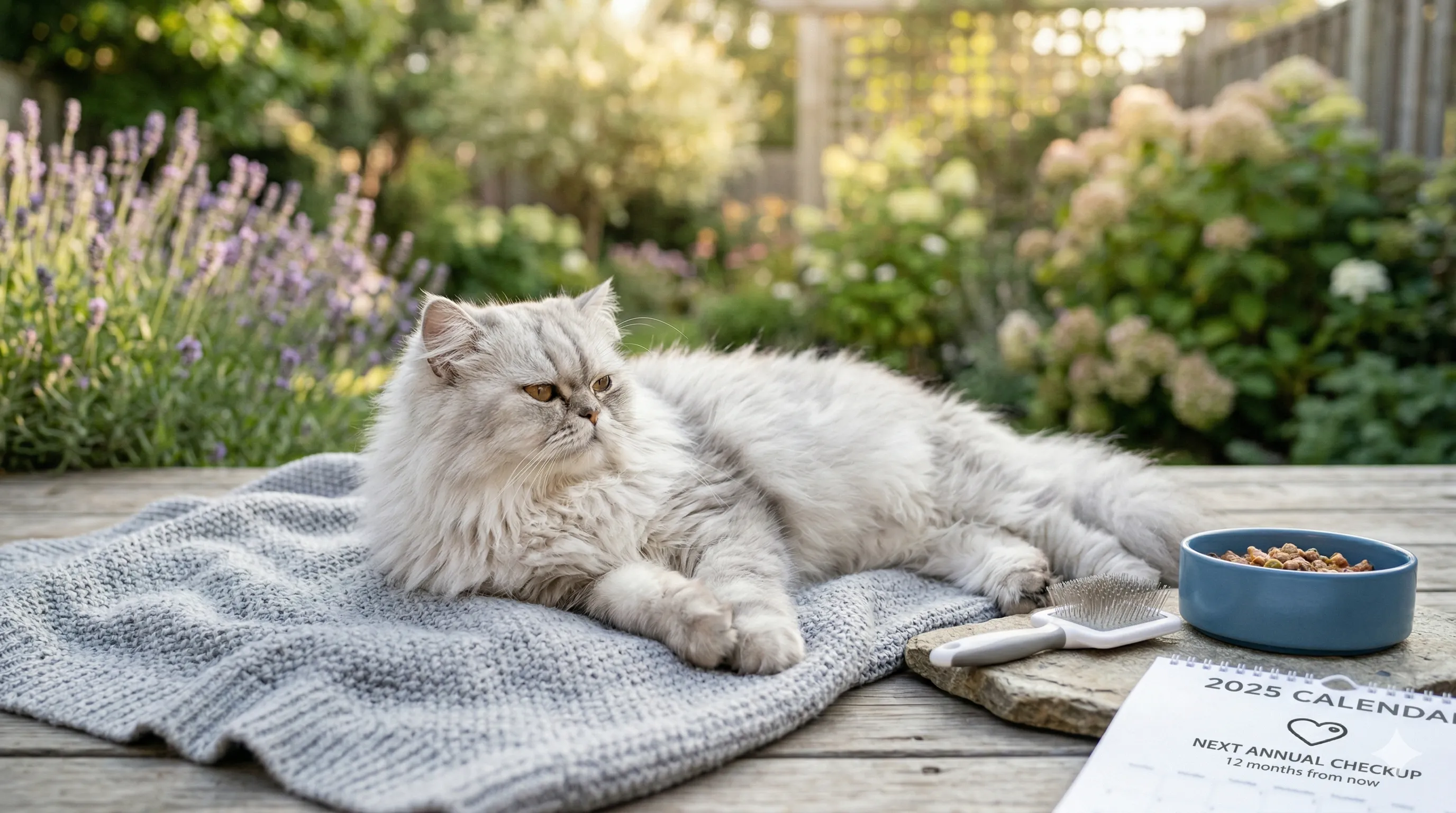
What Happens During a Routine Vet Visit?
Many cat owners feel anxious about veterinary appointments, especially if their cat dislikes carriers or travel.
Understanding what happens during routine visits can help owners feel more prepared.
Typical Wellness Exams May Include:
- Physical examination
- Weight and body condition assessment
- Dental examination
- Heart and lung evaluation
- Vaccinations if needed
- Parasite screening
- Blood or urine testing
Veterinarians may also discuss:
- Diet
- Behavior
- Exercise
- Hydration
- Litter box habits
- Preventive care plans
How to Prepare Your Cat for a Vet Visit
Many cats become stressed during travel or unfamiliar situations.
Simple preparation can make vet visits much easier.
Helpful Preparation Tips:
- Use a secure and comfortable carrier
- Leave the carrier out regularly at home
- Place familiar blankets inside
- Avoid loud environments before travel
- Handle your cat calmly
- Bring medical history if needed
Carrier training and positive experiences can gradually reduce fear associated with vet visits.
Common Mistakes Cat Owners Should Avoid
1. Skipping Annual Checkups
Many health problems are easiest to treat when detected early.
Waiting until symptoms appear can sometimes allow illnesses to progress significantly.
2. Assuming Indoor Cats Don't Need Care
Indoor cats still require preventive care, vaccinations, dental evaluations, and wellness monitoring.
3. Ignoring Subtle Symptoms
Small changes in appetite, litter habits, grooming, or activity may indicate illness.
a sudden change in litter box habits is one of the subtle signs worth a vet check4. Waiting Too Long During Emergencies
Cats can deteriorate quickly once serious illness develops.
Prompt medical attention is critical when symptoms appear severe.
Example Scenario
The scenario below is an illustrative example of how this situation can play out, not a documented case study.
One cat owner scheduled an annual wellness exam for a 9-year-old indoor cat that appeared perfectly healthy at home.
During the visit, routine bloodwork revealed early-stage kidney disease before noticeable symptoms had developed.
Because the condition was detected early, dietary adjustments and ongoing monitoring helped slow disease progression significantly.
Without preventive testing, the illness may not have been discovered until it became much more advanced.
Final Thoughts
Understanding how often you should take your cat to the vet is one of the most important parts of responsible pet ownership.
Routine veterinary care helps detect hidden illnesses early, supports preventive health, improves quality of life, and gives your cat the best chance at long-term wellness.
Even cats that appear healthy can develop silent medical conditions over time.
Regular checkups, preventive screenings, proper monitoring, and fast action when symptoms appear can make a major difference in your cat's overall health and longevity.
Nationally, delayed veterinary care is common — see how often U.S. pet owners actually visit the vet for real visit-frequency and delayed-care data.
This content is written to provide general educational guidance for cat owners. It should not replace professional veterinary diagnosis or treatment.
Medical Disclaimer
This content is provided for informational and educational purposes only and should not be considered veterinary, medical, behavioral, or training advice. While we strive for accuracy, we make no guarantees regarding completeness or results. Always consult a licensed veterinarian or qualified pet care professional before making decisions about your pet’s health, diet, or behavior.
AI Illustration Notice
Some images in this article may have been generated or enhanced using artificial intelligence for illustrative purposes.
Frequently Asked Questions
Most healthy adult cats should visit the veterinarian once per year, while kittens and senior cats usually require more frequent checkups.
Yes. Indoor cats still need regular veterinary care for preventive screenings, dental health, vaccinations, and routine wellness monitoring.
Senior cats are generally recommended to visit the vet every 6 months because age-related health conditions become more common over time.
You should seek immediate veterinary care if your cat has difficulty breathing, refuses food for over 24 hours, vomits repeatedly, or shows sudden severe behavior changes.
Regular vet visits help detect health problems early, support preventive care, monitor overall wellness, and improve long-term quality of life.
Editorial Note
This article is part of PetNurture's educational library.
Topics draw on publicly available educational resources, recognised veterinary organisations, academic publications and established animal welfare references where appropriate.
The specific sources this article draws on are listed in its References section. If you spot an error, please let us know.
References
The information in this article has been reviewed and supported using the following sources.
American Animal Hospital Association / American Association of Feline Practitioners
2021 AAHA/AAFP Feline Life Stage Guidelines
Directly confirms the recommended annual wellness exam schedule for healthy adult cats and semi-annual exams for cats 7 years and older; supports the 'Cat Vet Visit Schedule by Age' table in this article.
Accessed Aug 6, 2026
Cornell University College of Veterinary Medicine (Feline Health Center)
The Special Needs of the Senior Cat
Supports the emphasis on more frequent monitoring for age-related illness in senior cats; supports the 'Vet Visit Schedule for Senior Cats' section of this article.
Accessed Aug 6, 2026
Pet Emergency Guidance
Every pet is unique. If your pet exhibits severe symptoms, sudden behavioral changes, or a medical emergency, do not rely on online guides — contact a licensed veterinarian or emergency clinic immediately.
About PetNurture
PetNurture is an educational library of pet care guides, interactive tools and practical resources for pet parents. We work continuously to keep our content accurate and up to date. Reader feedback helps us maintain content quality.
Related Articles
Popular Cat Guides

Cat
Cat Pregnancy Calculator
Estimate your cat's due date, pregnancy timeline, and key gestation milestones.