Why Do Cats Knead Blankets? Real Meaning, Reasons & When to Worry
- Why Do Cats Knead Blankets? (Quick Answer)
- What Cat Kneading Usually Means
- What Is Cat Kneading?
- 5 Real Reasons Why Cats Knead Blankets
- 1. Kittenhood Comfort Memory
- 2. A Sign of Relaxation and Emotional Safety
- 3. Marking Territory with Scent Glands
- 4. Preparing a Comfortable Resting Spot
- 5. Self-Soothing During Mild Stress
- Why Do Cats Knead Their Owners?
- Why Some Cats Purr While Kneading
- Why Some Cats Suck or Bite Blankets While Kneading
- Is Kneading Normal for All Cats?
- When Should You Be Concerned About Kneading?
- How to Manage Kneading Comfortably
- 1. Provide Soft Blankets
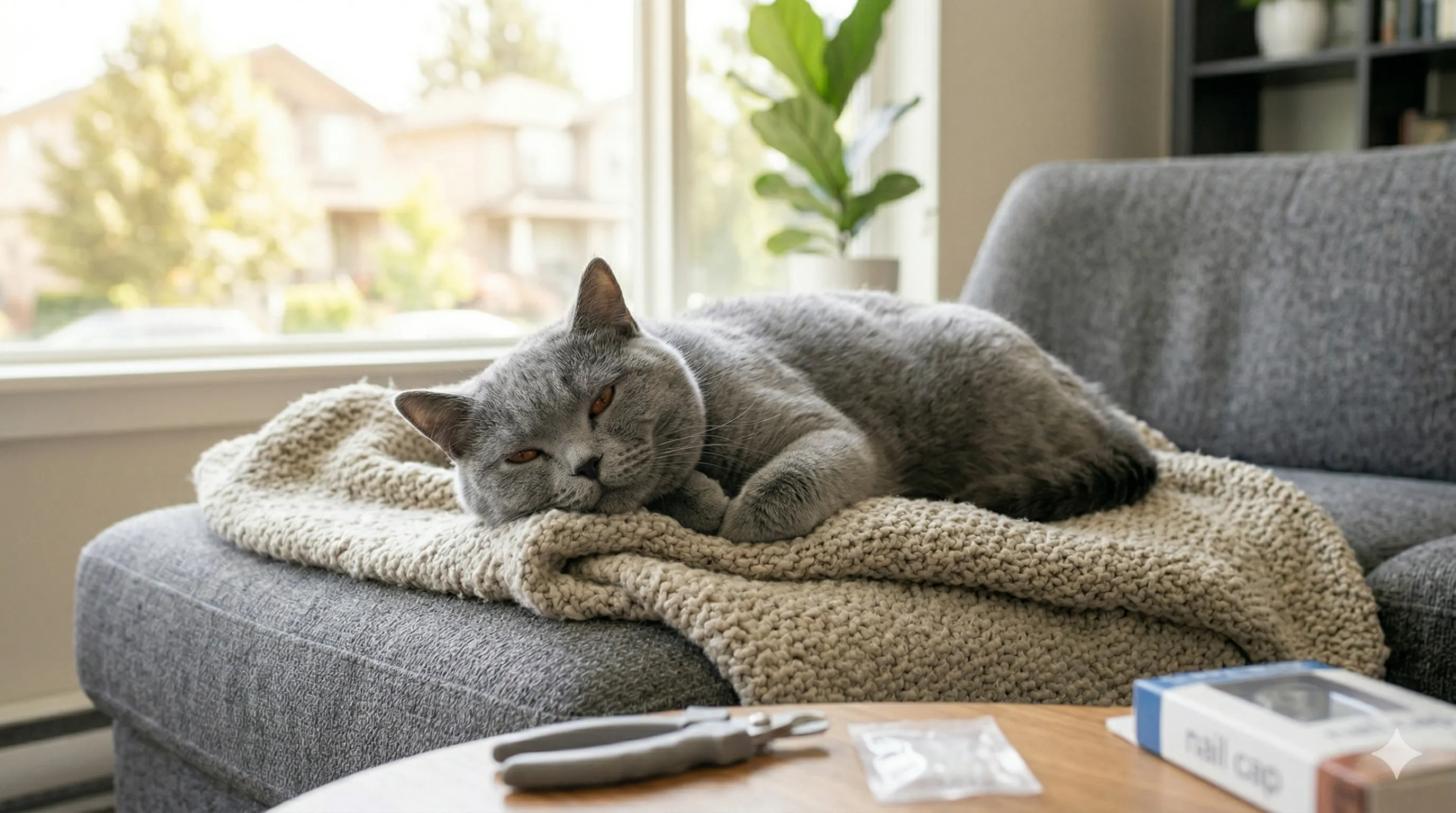
- 2. Trim Nails Regularly
- 3. Use Gentle Redirection if Necessary
- 4. Monitor Emotional Changes
- Common Mistakes Owners Make
- 1. Punishing Kneading
- 2. Misinterpreting the Behavior as Aggression
- 3. Ignoring Nail Care
- 4. Ignoring Sudden Behavioral Changes
- Example Scenario
- Final Thoughts
Note: This article is for informational purposes only and does not replace professional veterinary advice.
If your cat climbs onto a soft blanket, starts purring, and rhythmically presses their paws back and forth, you are witnessing one of the most recognizable feline behaviors known as kneading. Many cat owners describe it as cats "making biscuits", but naturally wonder why cats knead blankets and what the behavior actually means. learn why cats purr loudly when they feel safe and emotionally relaxed
In most cases, kneading is a positive and emotionally comforting behavior deeply connected to instinct, kittenhood memories, relaxation, and bonding. Cats often knead when they feel especially safe, secure, and content in their environment.
Although kneading is usually harmless, understanding the emotional and behavioral reasons behind it helps owners better interpret their cat's mood and identify when the behavior may signal stress or anxiety instead of comfort.
In this guide, you'll learn why cats knead blankets, why some cats knead people, the emotional meaning behind the behavior, when kneading may become excessive, and how to manage it comfortably at home.
Why Do Cats Knead Blankets? (Quick Answer)
Cats knead blankets because the behavior is linked to kittenhood comfort, emotional security, scent marking, relaxation, and instinctive nesting behavior. Most cats knead when they feel calm, safe, affectionate, or emotionally comfortable.
In most situations, kneading is completely normal and healthy feline behavior.
What Cat Kneading Usually Means
| Behavior | Common Meaning | Should You Worry? |
|---|---|---|
| Gentle kneading with purring | Comfort and emotional relaxation | No |
| Kneading before sleep | Preparing a resting area | No |
| Kneading people | Trust and bonding | No |
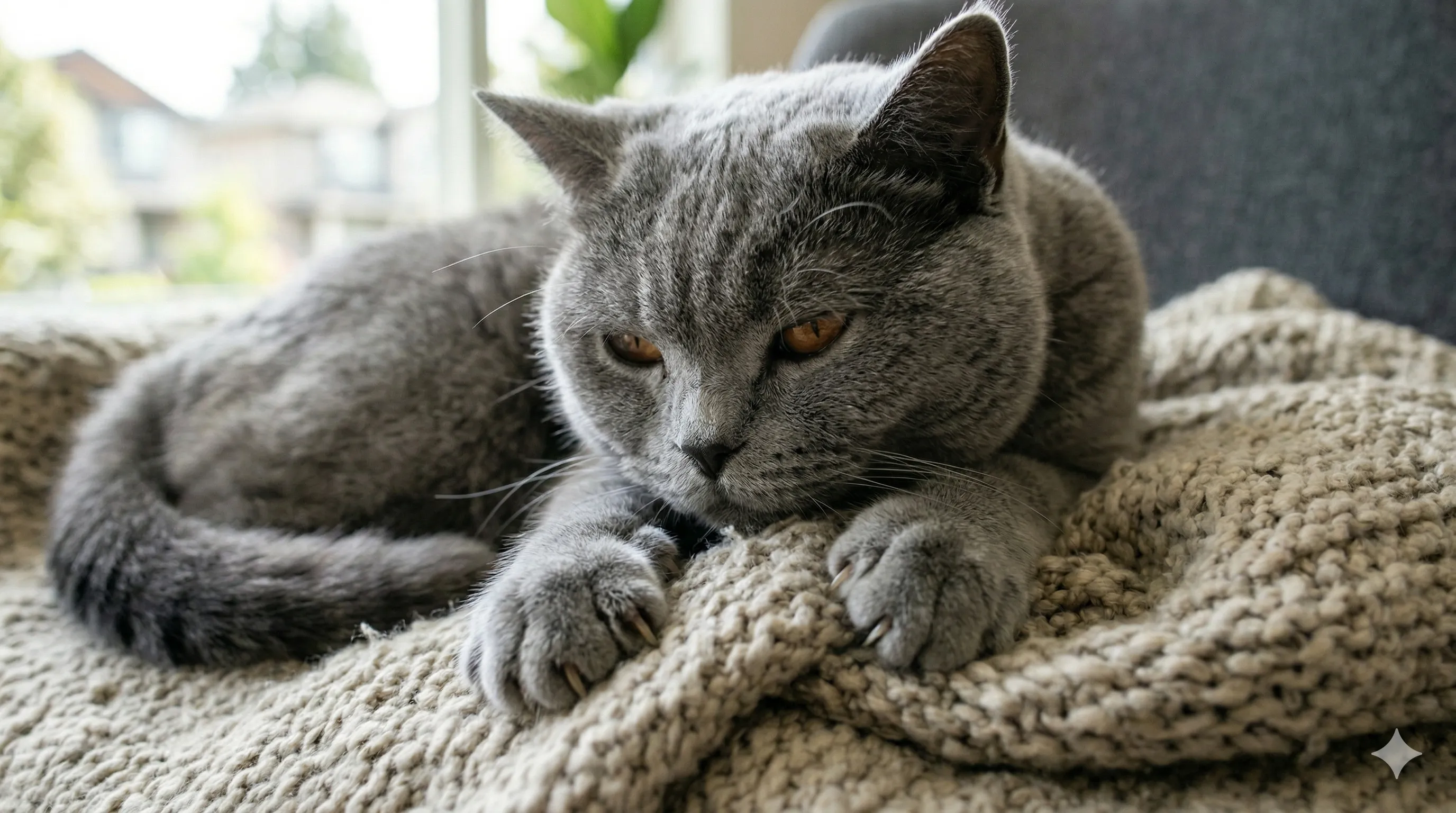
| Kneading with claws extended | Strong comfort response | Usually no |
| Excessive compulsive kneading | Possible stress or anxiety | Monitor |
| Sudden behavior changes | Possible discomfort or illness | Yes |
What Is Cat Kneading?
Kneading is a repetitive motion where cats push their front paws alternately against a soft surface such as:
- Blankets
- Pillows
- Bedding
- Furniture
- Their owner's lap
Many cats also:
- Purr while kneading
- Close their eyes
- Drool slightly
- Suckle blankets
- Appear deeply relaxed
This behavior is strongly tied to emotional comfort and instinctive feline behaviors developed early in life.
5 Real Reasons Why Cats Knead Blankets
1. Kittenhood Comfort Memory
One of the strongest explanations behind kneading comes from kittenhood.
When nursing, kittens instinctively knead their mother's belly to stimulate milk flow.
This creates an extremely strong emotional association between kneading and feelings of:
- Comfort
- Warmth
- Security
- Safety
Even as adults, many cats continue kneading because it triggers those comforting emotional memories.
This is why cats often knead soft blankets that resemble warm resting areas.
2. A Sign of Relaxation and Emotional Safety
Cats usually knead most often when they feel completely relaxed.
Kneading commonly appears during moments of:
- Purring
- Cuddling
- Resting
- Sleeping preparation
- Owner bonding
For many cats, kneading functions as a form of emotional self-soothing similar to comfort habits seen in humans.
3. Marking Territory with Scent Glands
Cats have scent glands located in their paw pads.
When cats knead blankets, beds, or people, they may also be leaving behind familiar scent markers.
This helps cats create a sense of:
- Ownership
- Familiarity
- Environmental security
From your cat's perspective, kneading can help turn an area into a trusted safe space.
4. Preparing a Comfortable Resting Spot
Wild feline ancestors often flattened grass or soft surfaces before resting.
Many experts believe kneading behavior may partly remain from these nesting instincts.
Cats frequently knead immediately before:
- Napping
- Sleeping
- Curling up comfortably
This instinctive preparation behavior may help cats feel more secure while resting.
5. Self-Soothing During Mild Stress
Some cats knead more frequently during periods of mild stress, uncertainty, or emotional overstimulation.
Kneading may help cats regulate emotions and calm themselves.
discover why your cat sleeps on you as a sign of trust and emotional bondingThis does not necessarily mean something is wrong. Many cats simply use kneading as a comforting coping behavior.
Why Do Cats Knead Their Owners?
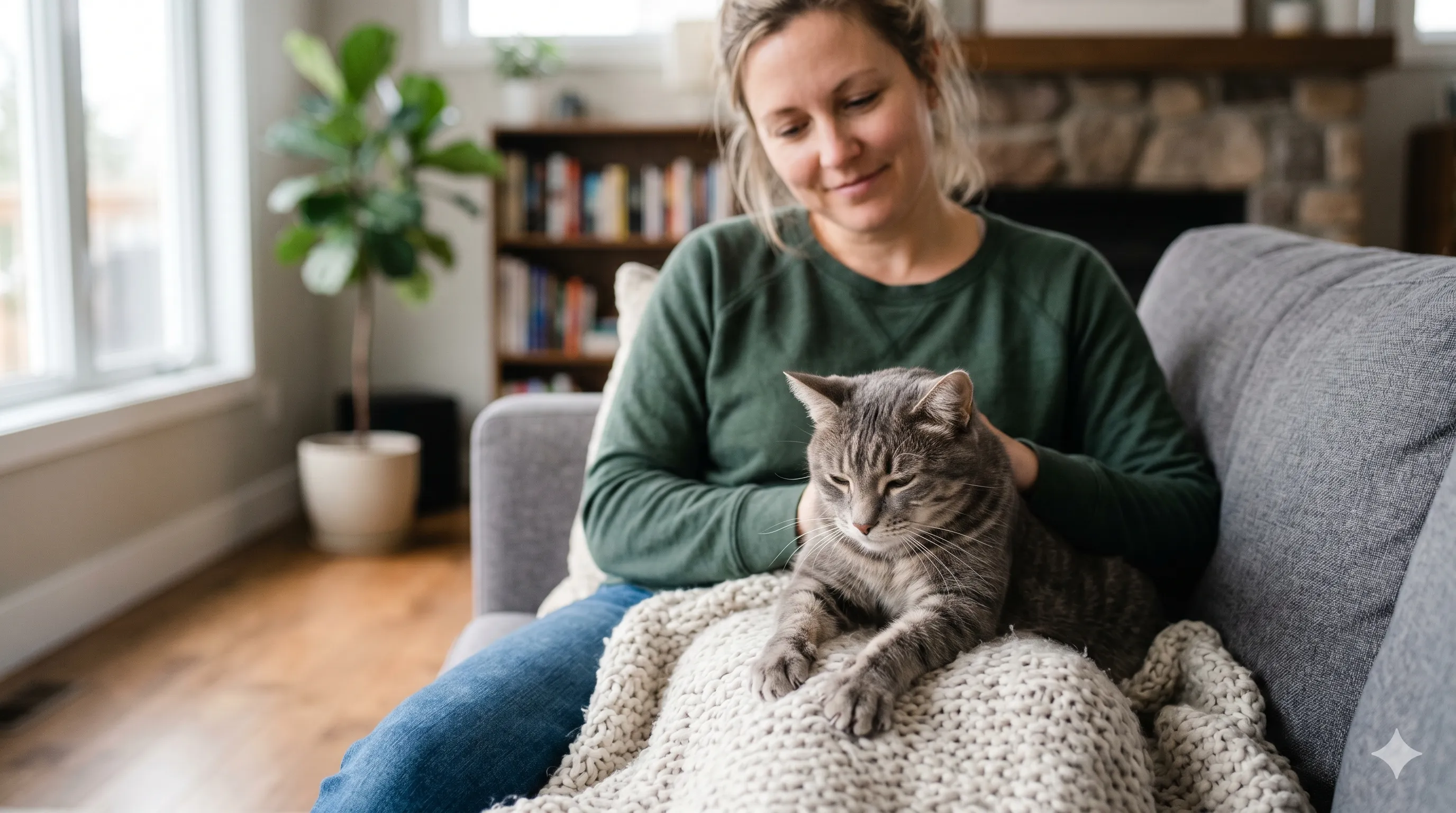
If your cat kneads directly on your lap, chest, or stomach, it is usually a strong sign of trust and emotional bonding.
Most cats only knead people they feel deeply safe around.
This behavior often means your cat associates you with:
- Comfort
- Security
- Warmth
- Affection
Although kneading claws can sometimes feel uncomfortable, emotionally it is usually a very positive sign.
Why Some Cats Purr While Kneading
Purring and kneading frequently happen together because both behaviors are strongly connected to relaxation and emotional comfort.
Many cats enter a deeply calm emotional state during kneading sessions.
Purring may reinforce feelings of:
- Safety
- Trust
- Relaxation
- Contentment
Some cats even become sleepy immediately afterward.
Why Some Cats Suck or Bite Blankets While Kneading
Some cats suck, chew, or nibble blankets while kneading.
This behavior is often called:
- Wool sucking
- Blanket suckling
It is especially common in cats that were:
- Weaned early
- Highly comfort-seeking
- Strongly attached to soft textures
In mild cases, blanket sucking is usually harmless.
However, compulsive chewing of fabric should be monitored carefully to avoid swallowing dangerous materials.
Is Kneading Normal for All Cats?
Most cats knead at some point during their lives, but frequency varies greatly between individuals.
Some cats knead daily while others rarely display the behavior at all.
Factors that influence kneading include:
- Personality
- Comfort level
- Early socialization
- Breed tendencies
- Stress levels
The absence of kneading does not mean your cat is unhappy or emotionally distant.
When Should You Be Concerned About Kneading?
Normal kneading is usually calm, rhythmic, and emotionally relaxed.
However, certain changes may indicate stress or discomfort.
Monitor the behavior if your cat:
- Suddenly starts kneading excessively
- Appears restless or anxious
- Combines kneading with obsessive licking
- Shows sudden personality changes
- Stops eating or hiding frequently
Excessive or compulsive kneading can occasionally be linked to anxiety, stress, or medical discomfort.
How to Manage Kneading Comfortably
1. Provide Soft Blankets
Many cats prefer soft textures for kneading.
Providing designated blankets can help protect furniture while allowing your cat to continue natural behavior comfortably.
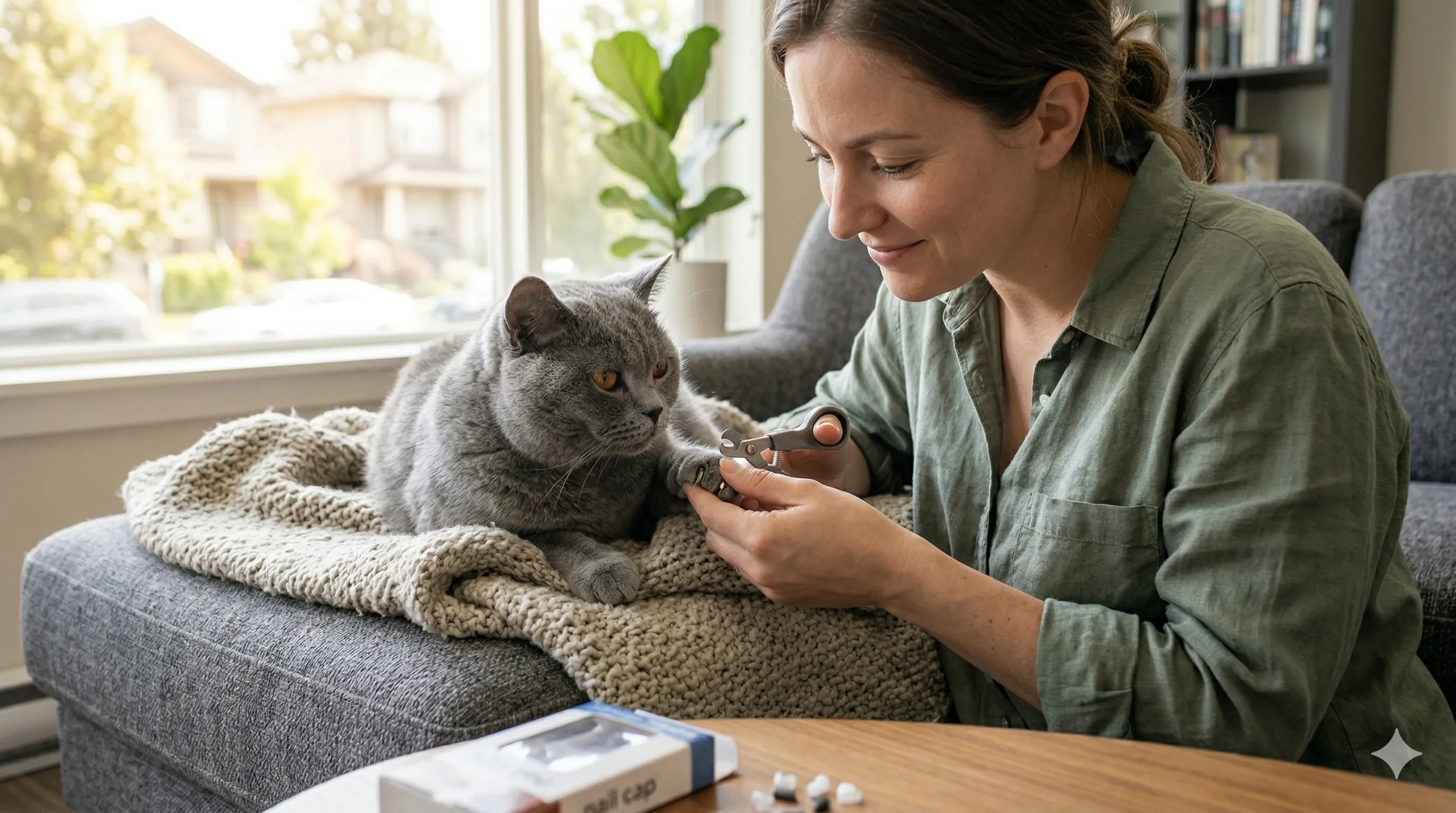
2. Trim Nails Regularly
Sharp claws can make kneading uncomfortable for owners.
Routine nail trimming helps reduce accidental scratching.
3. Use Gentle Redirection if Necessary
If kneading becomes uncomfortable:
- Place a blanket between you and the cat
- Redirect to a nearby cushion
- Move calmly without punishment
Never yell at or punish kneading because the behavior is usually emotionally comforting for the cat.
4. Monitor Emotional Changes
If kneading patterns suddenly change dramatically, pay attention to other behavioral or health symptoms.
if kneading changes alongside other symptoms, find out how often your cat should visit the vetCommon Mistakes Owners Make
1. Punishing Kneading
Punishing a cat for kneading may increase stress and confusion.
2. Misinterpreting the Behavior as Aggression
Kneading is almost always associated with comfort rather than hostility.
3. Ignoring Nail Care
Regular nail maintenance helps keep kneading comfortable for both cats and owners.
4. Ignoring Sudden Behavioral Changes
Although kneading itself is usually harmless, sudden compulsive behavior shifts deserve attention.
Example Scenario
The scenario below is an illustrative example of how this situation can play out, not a documented case study.
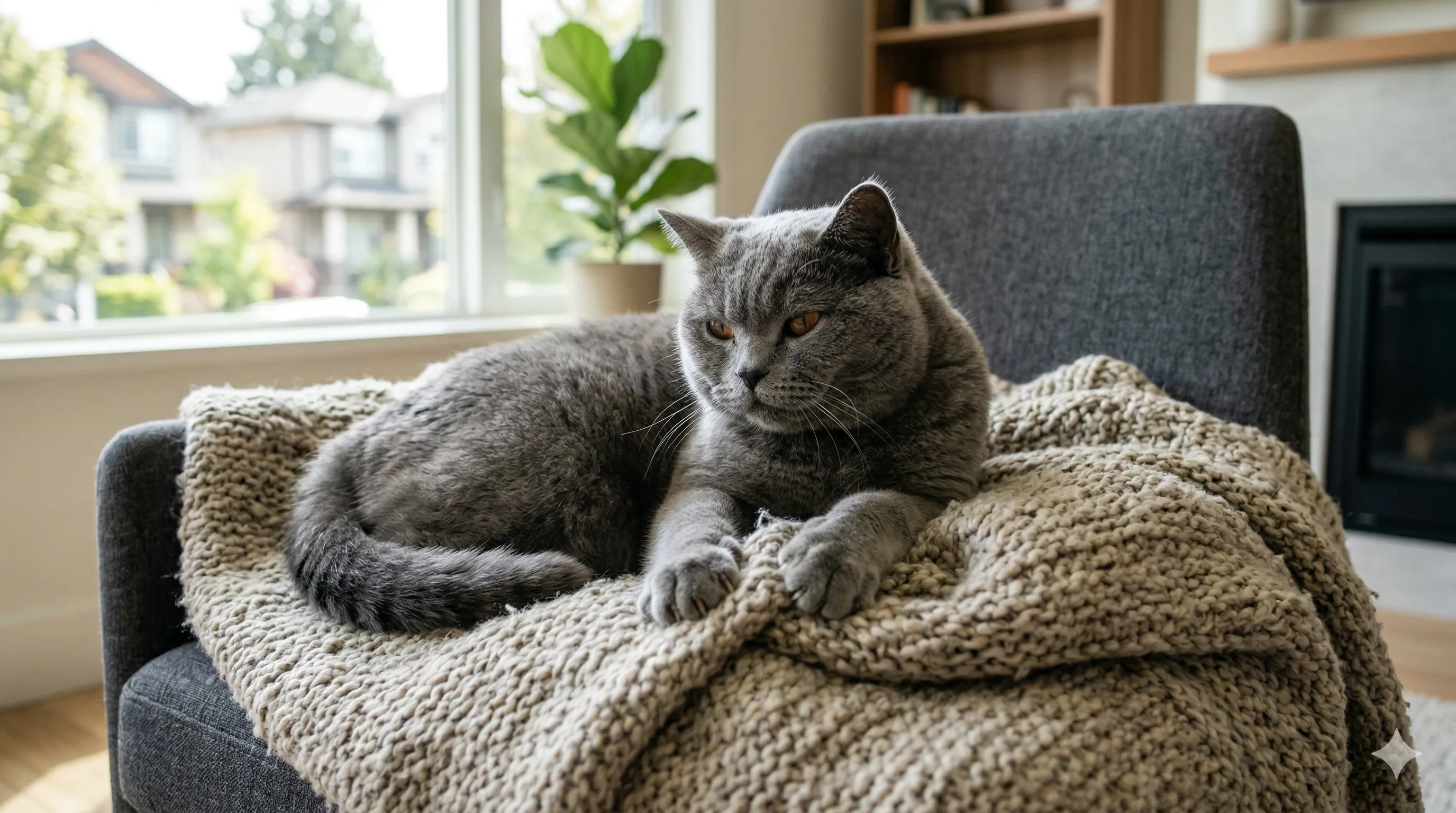
One indoor cat regularly climbed onto the owner's blanket every evening, kneading rhythmically while purring loudly before falling asleep nearby.
The behavior became especially frequent after stressful situations such as loud visitors or thunderstorms.
Over time, the owner noticed the kneading clearly functioned as a calming comfort routine rather than problematic behavior.
This pattern is extremely common among emotionally attached indoor cats.
Final Thoughts
Kneading is one of the clearest signs that a cat feels emotionally comfortable, safe, and relaxed in their environment.
Although the behavior may sometimes feel strange or repetitive to owners, it is deeply connected to instinct, comfort memories, bonding, and self-soothing behavior developed during kittenhood.
In most cases, kneading blankets or people is completely normal and healthy.
By understanding the emotional meaning behind kneading, owners can better recognize when their cat is feeling secure, affectionate, and emotionally connected.
This content is written to provide general educational guidance for cat owners. It should not replace professional veterinary or behavioral advice for compulsive or medically concerning behaviors.
Medical Disclaimer
This content is provided for informational and educational purposes only and should not be considered veterinary, medical, behavioral, or training advice. While we strive for accuracy, we make no guarantees regarding completeness or results. Always consult a licensed veterinarian or qualified pet care professional before making decisions about your pet’s health, diet, or behavior.
AI Illustration Notice
Some images in this article may have been generated or enhanced using artificial intelligence for illustrative purposes.
Frequently Asked Questions
Cats knead blankets because the behavior is connected to comfort kittenhood memories emotional security and instinctive nesting behavior.
Cats usually knead people they trust because the behavior is strongly linked to affection bonding and feelings of safety.
Yes, kneading is a natural and emotionally normal behavior seen in many healthy cats.
Purring and kneading often happen together because both behaviors are associated with relaxation comfort and emotional contentment.
No, kneading is usually harmless although gentle redirection may help if claws become uncomfortable.
You should monitor kneading if it suddenly becomes obsessive excessive or is combined with stress hiding appetite loss or unusual behavior.
Editorial Note
This article is part of PetNurture's educational library.
Topics draw on publicly available educational resources, recognised veterinary organisations, academic publications and established animal welfare references where appropriate.
The specific sources this article draws on are listed in its References section. If you spot an error, please let us know.
References
The information in this article has been reviewed and supported using the following sources.
VCA Animal Hospitals
Why Do Cats Knead? (Or, the Art of Biscuit Making!)
VCA Animal Hospitals explains that kittens knead on their mother while nursing to stimulate milk production, and adult cats often continue the behavior because it feels comforting and relaxing.
Accessed Aug 6, 2026
PetMD
PetMD notes cats have scent glands between their toes, so kneading soft objects or people may also be a way of marking them with a familiar scent.
Accessed Aug 6, 2026
Pet Emergency Guidance
Every pet is unique. If your pet exhibits severe symptoms, sudden behavioral changes, or a medical emergency, do not rely on online guides — contact a licensed veterinarian or emergency clinic immediately.
About PetNurture
PetNurture is an educational library of pet care guides, interactive tools and practical resources for pet parents. We work continuously to keep our content accurate and up to date. Reader feedback helps us maintain content quality.
Related Articles


Popular Cat Guides
Cat
Cat Feeding Calculator
Calculate how much food your cat needs daily based on weight, age, and activity level.