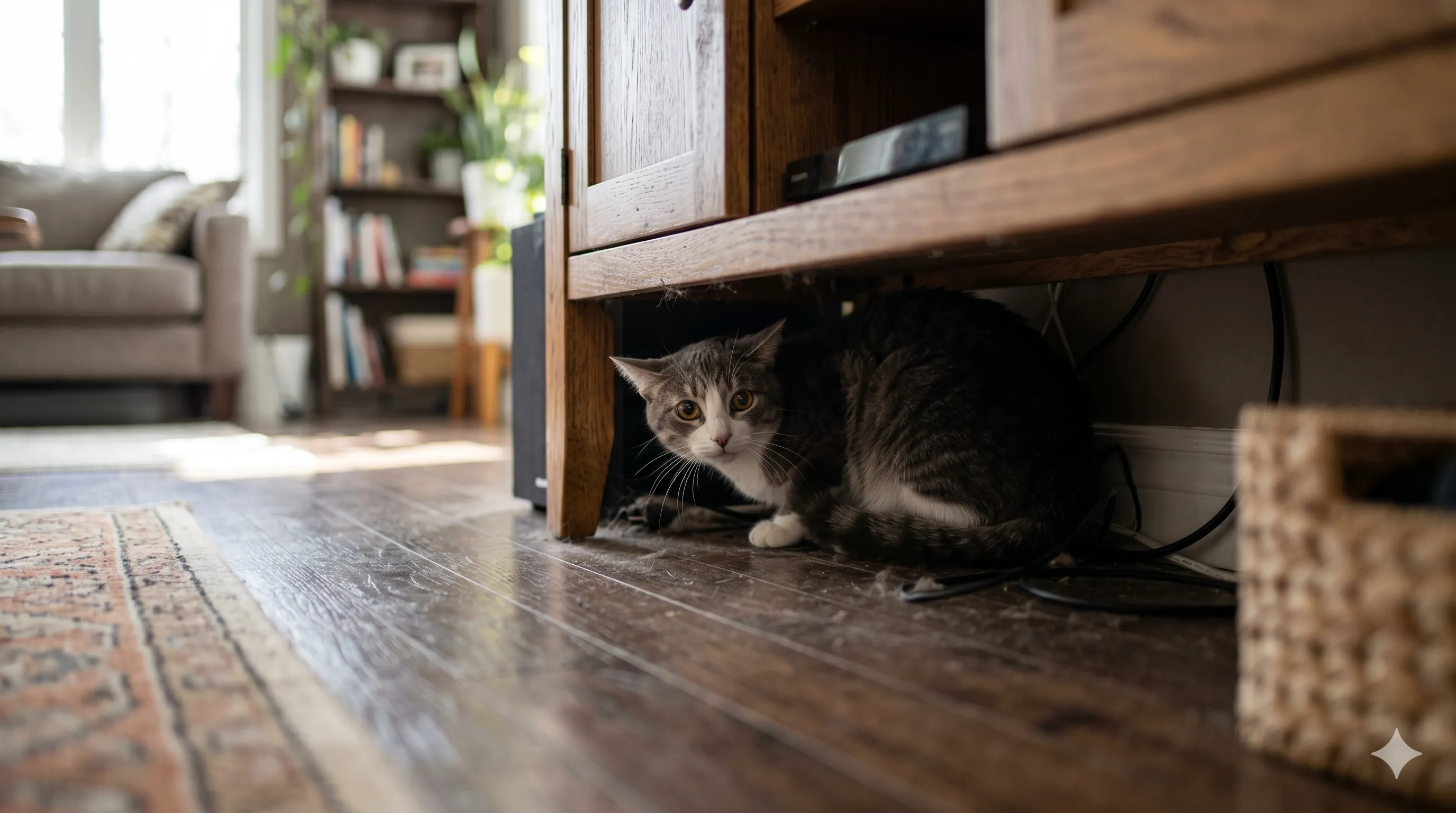
Why Do Cats Meow at Night? Real Reasons and How to Stop It
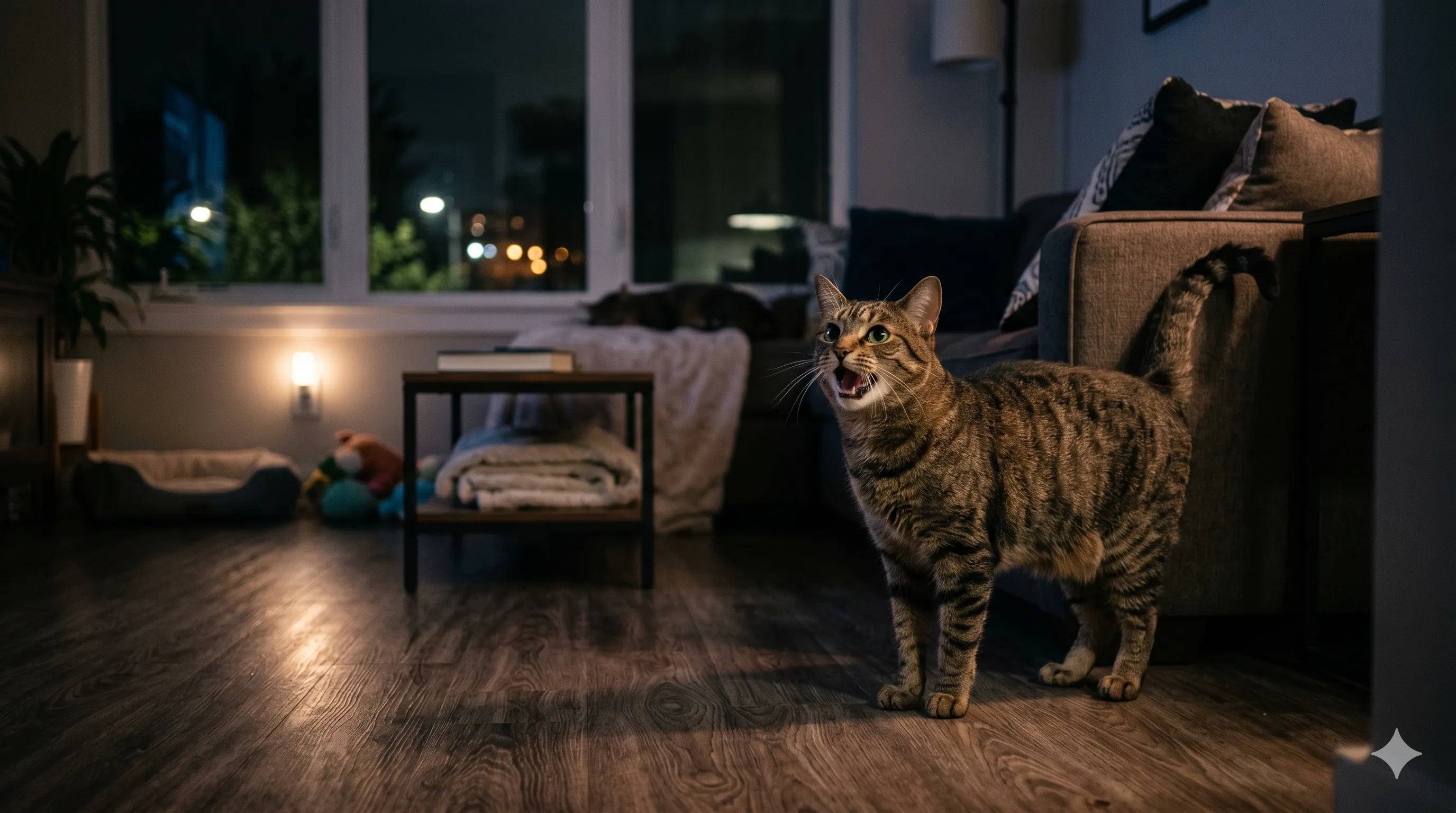
- Why Do Cats Meow at Night? (Quick Answer)
- Why Cats Naturally Become More Active at Night
- Nighttime Cat Meowing Causes & Solutions (Quick Guide)
- 6 Real Reasons Why Cats Meow at Night
- 1. Your Cat Has Too Much Built-Up Energy
- 2. Cats Naturally Become More Active During Dawn and Dusk
- 3. Hunger and Feeding Schedules Can Trigger Meowing
- 4. Your Cat Wants Attention or Interaction
- 5. Loneliness or Emotional Stress May Increase Vocalization
- 6. Age-Related Changes Can Affect Night Behavior
- Normal vs Problematic Night Meowing
- When Should You Be Concerned?
- How to Stop Cats From Meowing at Night
- 1. Increase Evening Play Sessions
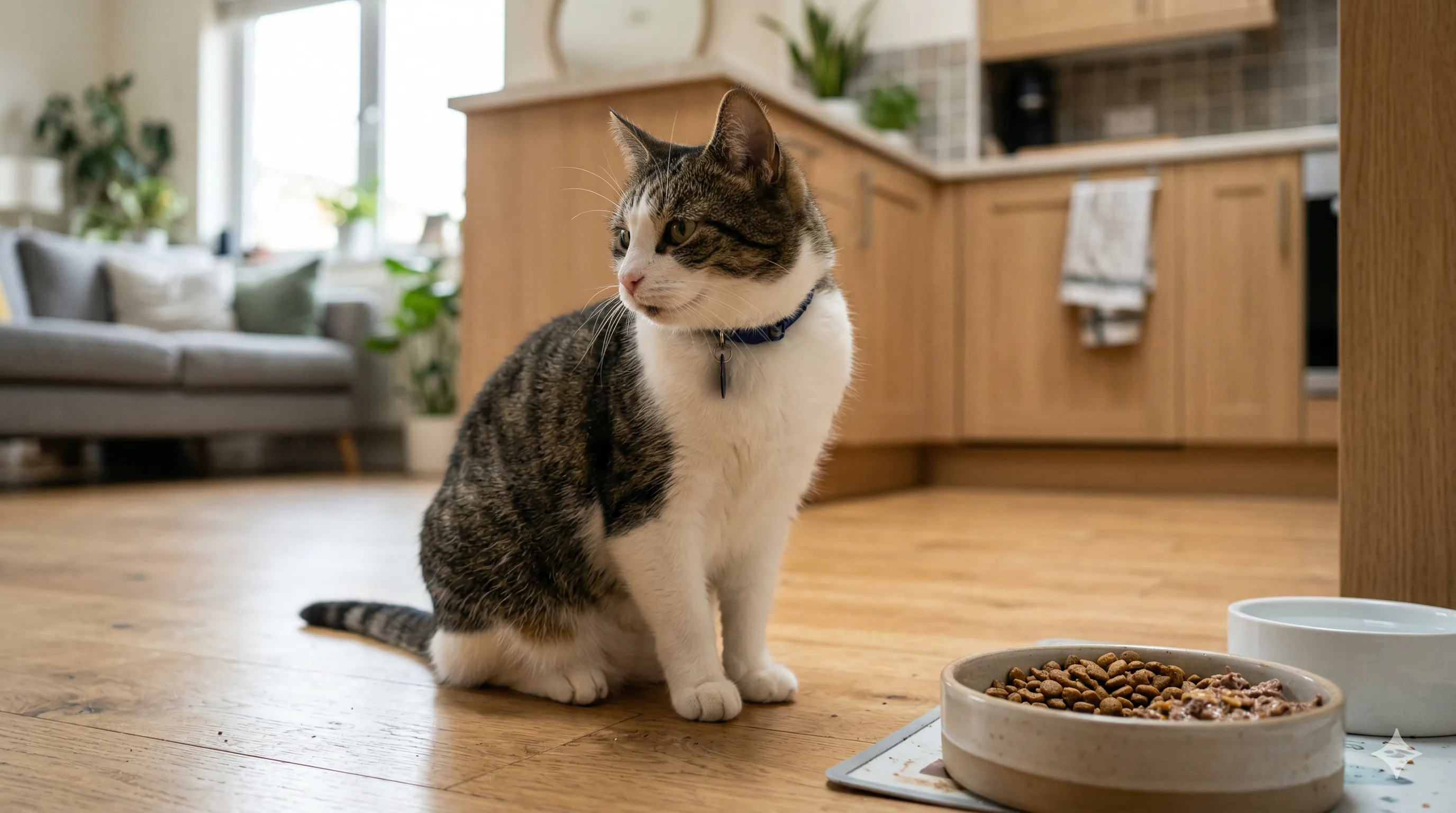
- 2. Feed Your Cat Before Bedtime
- 3. Avoid Reinforcing the Meowing
- 4. Create a Predictable Daily Routine
- 5. Provide Nighttime Enrichment
- 6. Make Sleeping Areas Feel Safe and Comfortable
- Ideal Evening Routine for Better Sleep
- Common Mistakes Owners Make
- Real-Life Example
- Final Thoughts
Note: This article is for informational purposes only and does not replace professional veterinary advice.
You finally settle into bed after a long day, the house becomes quiet, and suddenly your cat starts loudly meowing in another room. For many cat owners, nighttime vocalization quickly becomes frustrating, confusing, and exhausting.
If you've been wondering "why does my cat meow at night?", you're definitely not alone. Nighttime meowing is one of the most common behavior concerns among indoor cat owners. indoor pets often need extra mental stimulation to avoid nighttime activity and restlessness
In many cases, nighttime meowing is completely normal and connected to your cat's natural activity cycle, energy levels, attention-seeking habits, or feeding routine.
However, persistent vocalization can sometimes signal boredom, loneliness, anxiety, stress, aging-related confusion, or even medical issues depending on the situation.
The good news is that once you understand why your cat is meowing, the behavior often becomes much easier to reduce using structured routines, environmental enrichment, and consistent responses.
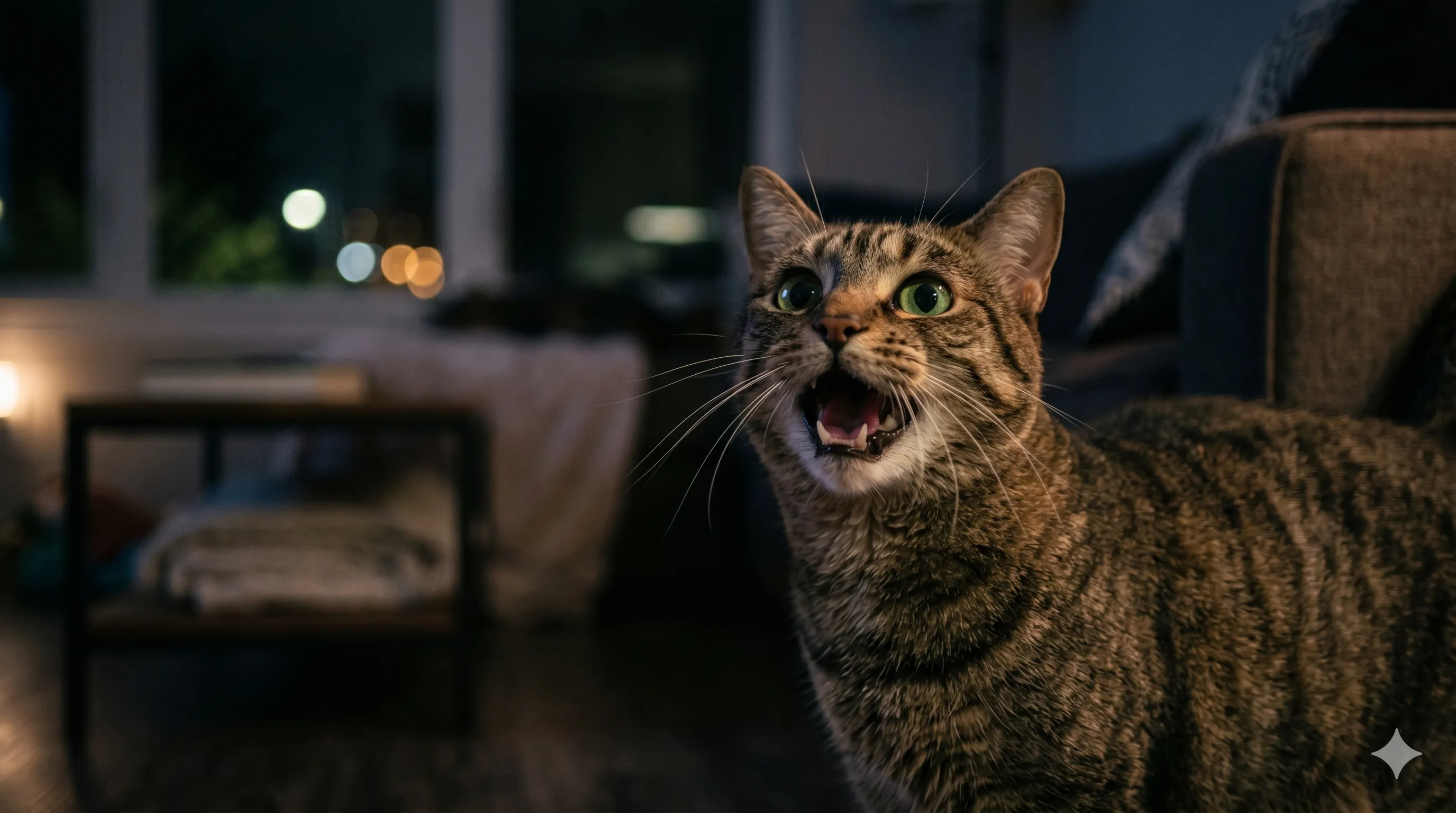
Why Do Cats Meow at Night? (Quick Answer)
Cats meow at night because of excess energy, hunger, attention-seeking behavior, natural nighttime activity instincts, stress, or environmental stimulation. Occasional nighttime vocalization is usually normal, but sudden excessive meowing combined with unusual behavior may indicate emotional stress, boredom, aging-related confusion, or health problems.
The key to solving the problem is identifying what is triggering the vocalization.
Why Cats Naturally Become More Active at Night
Cats are crepuscular animals, which means they are naturally most active during dawn and dusk.
This instinct comes from their ancestral hunting behavior. Wild cats historically hunted small prey during low-light hours when activity levels were highest.
Even fully domesticated indoor cats still retain many of these natural instincts today.
As a result, many cats naturally become:
- More alert at night
- More playful during early morning hours
- More vocal when bored or restless
- More energetic after sleeping all day
This is why nighttime zoomies, vocalization, and sudden bursts of activity are extremely common in indoor cats.
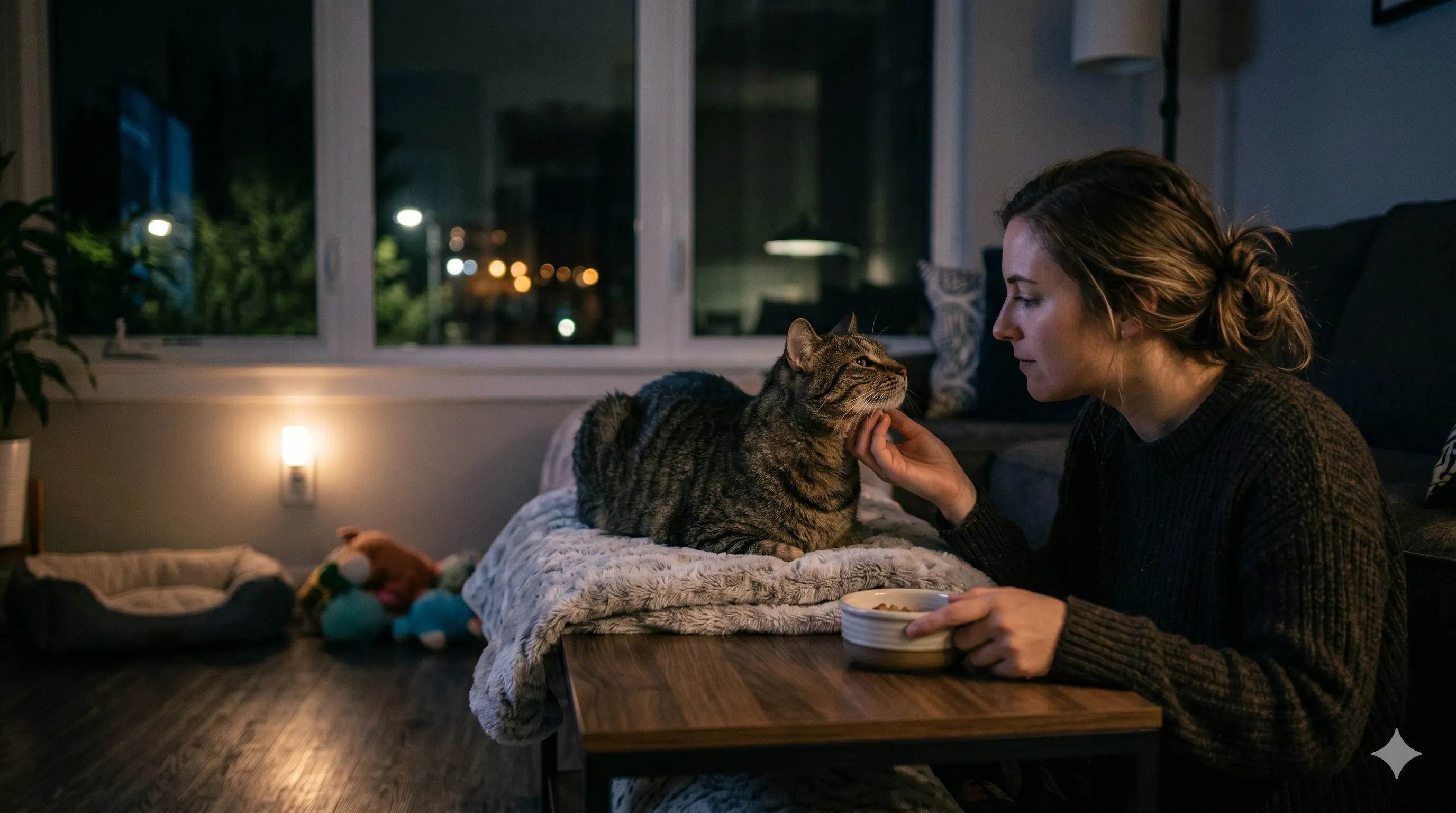
Nighttime Cat Meowing Causes & Solutions (Quick Guide)
| Cause | Possible Meaning | Helpful Solution |
|---|---|---|
| Excess energy | Not enough daytime stimulation | Increase evening playtime |
| Hunger | Feeding routine mismatch | Feed before bedtime |
| Attention-seeking | Learned behavior | Avoid reinforcing meowing |
| Loneliness | Needs interaction | Increase bonding time |
| Stress or anxiety | Emotional insecurity | Create predictable routines |
| Health issues | Pain or confusion | Consult a veterinarian |
6 Real Reasons Why Cats Meow at Night
1. Your Cat Has Too Much Built-Up Energy
Indoor cats often spend large portions of the day sleeping or resting quietly.
If they do not receive enough physical activity or mental stimulation during daytime hours, they may release that unused energy at night through:
- Running
- Playing
- Scratching
- Climbing
- Meowing
Indoor pets often need extra mental stimulation to avoid nighttime activity and restlessness. cats that constantly follow their owners may also seek attention more frequently at night
This is especially common in younger indoor cats and highly energetic breeds.
2. Cats Naturally Become More Active During Dawn and Dusk
Even well-behaved cats may become temporarily more vocal at night because of natural biological rhythms.
Your cat may simply feel:
- Alert
- Curious
- Ready to hunt or play
- Interested in environmental sounds
These instincts are strongest during early morning and nighttime hours.
This behavior is often more noticeable in quiet homes where nighttime sounds become easier for cats to detect.
3. Hunger and Feeding Schedules Can Trigger Meowing
Many cats strongly associate certain times with food.
If your cat expects feeding during nighttime or early morning hours, they may begin vocalizing to remind you.
This becomes even more likely when owners accidentally reinforce the behavior by feeding cats immediately after nighttime meowing.
Over time, the cat learns:
- Meowing gets attention
- Meowing leads to food
- Night vocalization works successfully
4. Your Cat Wants Attention or Interaction
Cats are highly observant and quickly learn which behaviors trigger human responses.
If nighttime meowing consistently causes you to:
- Talk to your cat
- Get out of bed
- Pet them
- Feed them
- Open doors
your cat may continue the behavior because it successfully creates interaction.
Cats that constantly follow their owners may also seek attention more frequently at night. loud nighttime vocalization is sometimes paired with excessive purring or attention-seeking behavior
Even frustrated reactions can unintentionally reinforce the habit.
5. Loneliness or Emotional Stress May Increase Vocalization
Some cats vocalize more frequently when they feel bored, isolated, anxious, or emotionally under-stimulated.
This is especially common in:
- Single indoor cats
- Cats left alone for long periods
- Highly social cats
- Cats experiencing environmental changes
Loud nighttime vocalization is sometimes paired with excessive purring or attention-seeking behavior. changes in appetite combined with nighttime meowing should never be ignored
Environmental stress often becomes more noticeable at night because the home is quieter and less distracting.
6. Age-Related Changes Can Affect Night Behavior
Senior cats sometimes experience changes in sleep patterns, hearing, vision, or cognitive function.
Older cats may become:
- Disoriented at night
- Confused in dark environments
- More anxious after sunset
- More vocal unexpectedly
Nighttime confusion in older cats should never be ignored, especially if behavior changes suddenly.
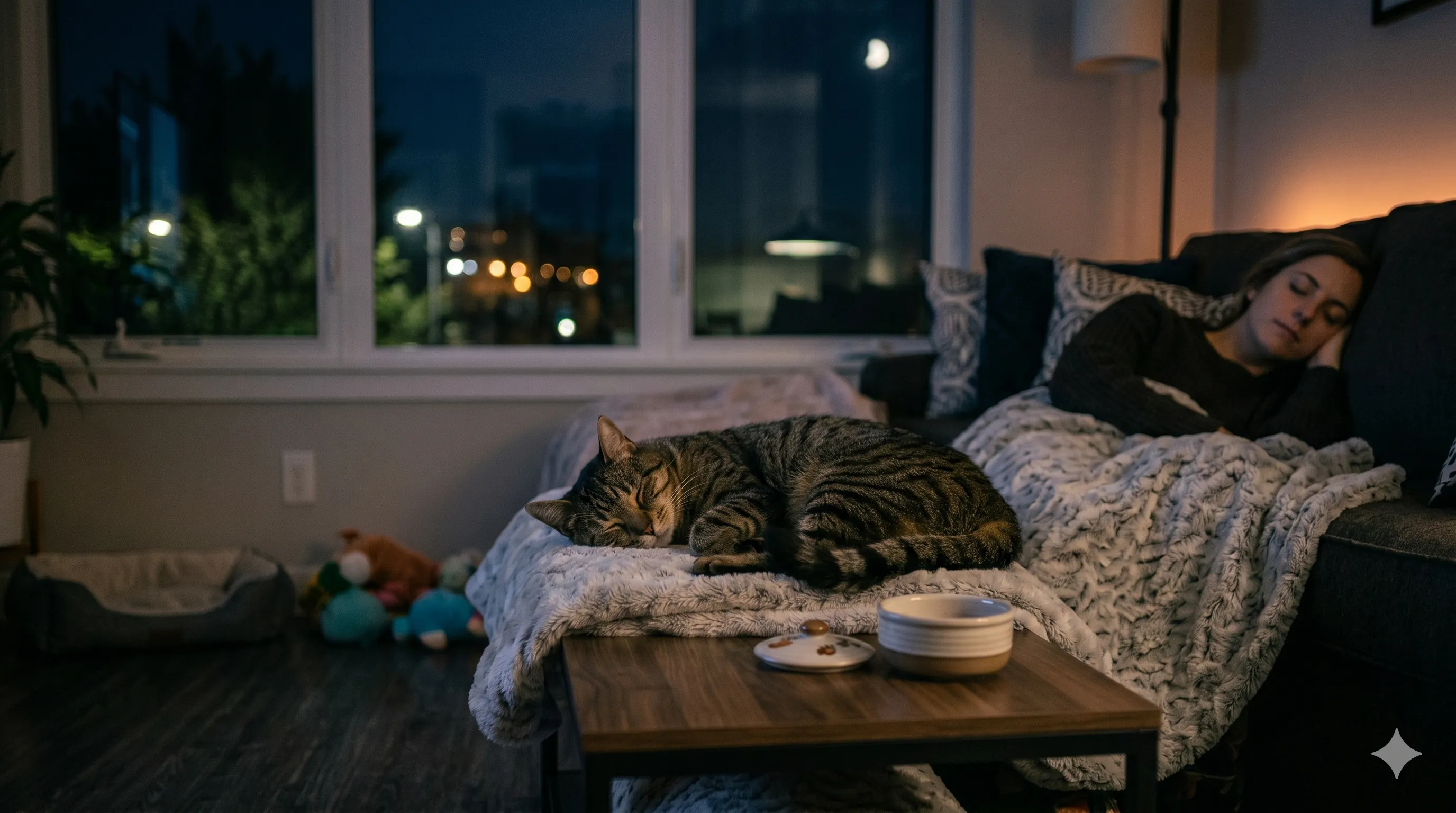
Normal vs Problematic Night Meowing
Occasional nighttime meowing is extremely common and usually harmless.
- Normal behavior: Brief vocalization with otherwise healthy, relaxed, and playful behavior
- Potential concern: Persistent distressed meowing, confusion, hiding, appetite changes, or anxiety signs
The context surrounding the vocalization matters much more than the sound alone.
When Should You Be Concerned?
Nighttime meowing becomes more concerning when it suddenly increases or appears alongside major behavioral or physical changes.
Potential warning signs include:
- Disorientation or confusion
- Loss of appetite
- Excessive hiding
- Weight loss
- Aggressive behavior
- Lethargy
- Sudden personality changes
Changes in appetite combined with nighttime meowing should never be ignored. cats that sleep close to their owners often feel more secure and relaxed at night
If these symptoms appear together, veterinary evaluation may be appropriate.
How to Stop Cats From Meowing at Night
1. Increase Evening Play Sessions
One of the most effective solutions is structured evening exercise.
Interactive play helps burn off physical and mental energy before bedtime.
Good options include:
- Wand toys
- Laser toys
- Chasing games
- Puzzle feeders
- Climbing activity
Aim for at least 20-30 minutes of active play before sleep.
2. Feed Your Cat Before Bedtime
A full stomach naturally encourages relaxation and rest.
Many cats settle down more easily after a late-evening meal following playtime.
This routine closely matches natural hunting-and-rest behavior patterns.
3. Avoid Reinforcing the Meowing
Consistency is extremely important.
If you respond differently every night, your cat may continue trying because occasional success reinforces the behavior strongly.
Ignoring attention-seeking meowing is difficult initially but often necessary for long-term improvement.
4. Create a Predictable Daily Routine
Cats generally feel safer and calmer when routines remain consistent.
Try keeping:
- Feeding times consistent
- Play sessions predictable
- Bedtime routines stable
- Environmental changes minimal
Predictability helps regulate your cat's internal rhythm.
5. Provide Nighttime Enrichment
Leaving safe toys, scratching areas, climbing spaces, or puzzle feeders available overnight can reduce boredom-related vocalization.
This is especially helpful for energetic indoor cats.
6. Make Sleeping Areas Feel Safe and Comfortable
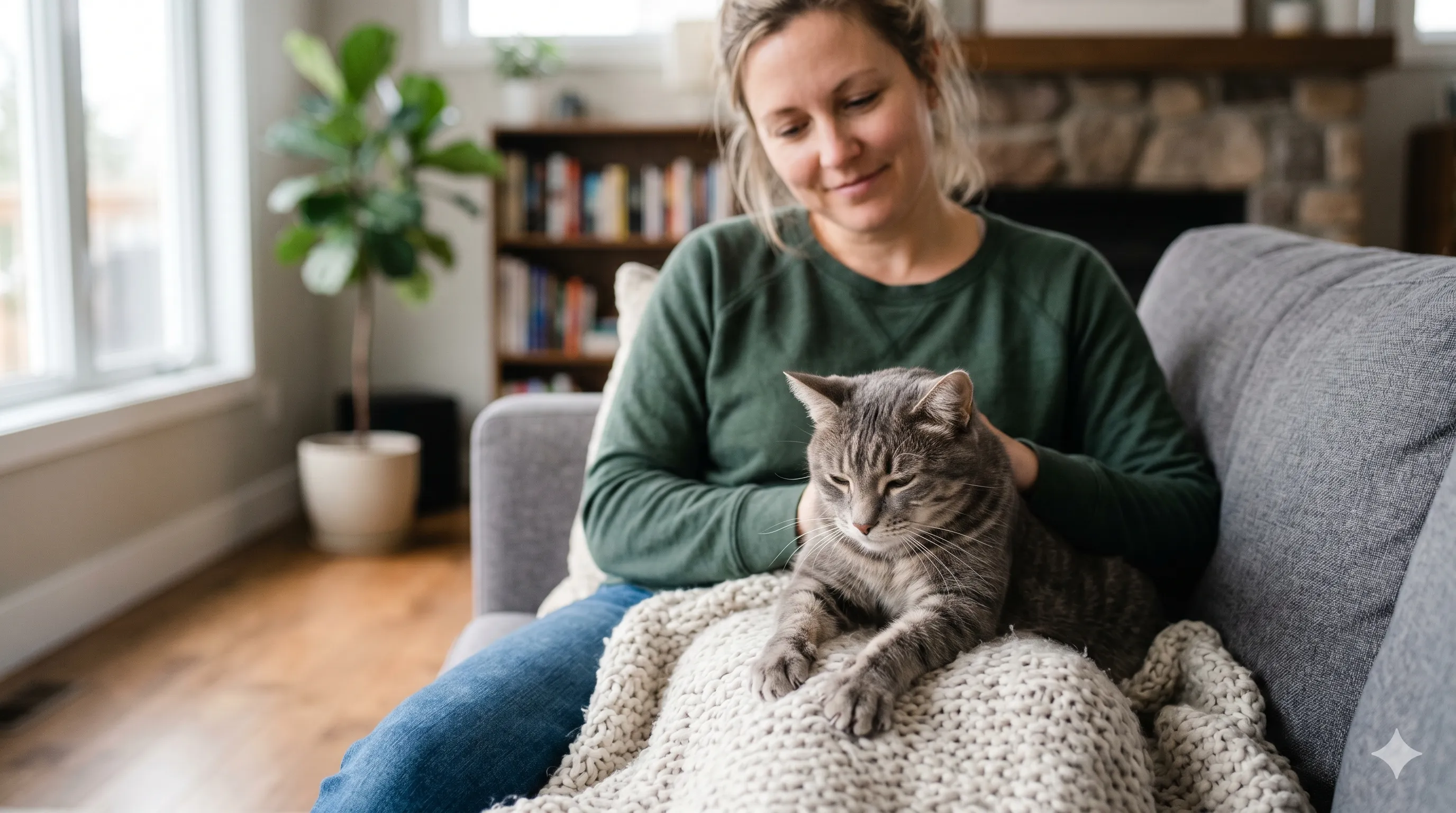
Cats that sleep close to their owners often feel more secure and relaxed at night. understanding normal feline nighttime behavior helps owners create healthier and calmer daily routines for their cats
Warm beds, soft blankets, elevated sleeping spots, and low-stress environments often improve nighttime relaxation significantly.
Ideal Evening Routine for Better Sleep
Many cat owners notice major improvement after creating a structured nighttime routine.
A simple routine may include:
- Evening play: Burn excess energy
- Feeding session: Encourage post-meal relaxation
- Quiet bonding time: Calm emotional stimulation
- Consistent bedtime: Stabilize sleep patterns
This approach works because it aligns more naturally with feline behavioral instincts.
Common Mistakes Owners Make
- Rewarding nighttime meowing accidentally
- Skipping evening play sessions
- Using inconsistent feeding schedules
- Ignoring signs of stress or illness
- Expecting immediate overnight improvement
Real-Life Example
A young indoor cat regularly woke its owner every night around 3 a.m. with loud vocalization and restless activity.
Initially, the owner responded by feeding the cat immediately, which unintentionally reinforced the behavior further.
After introducing structured evening play sessions, delayed morning feeding, and consistent nighttime routines, the excessive meowing reduced significantly within two weeks.
Final Thoughts
Nighttime meowing is usually caused by a combination of natural instincts, energy imbalance, learned behavior, or emotional needs.
For many indoor cats, the behavior improves dramatically once routines, stimulation, feeding schedules, and environmental comfort become more balanced.
Understanding normal feline nighttime behavior helps owners create healthier and calmer daily routines for their cats. understanding common cat stress signals can help identify emotional discomfort earlier
With patience, consistency, and proper enrichment, most cats can develop much quieter and more peaceful nighttime habits.
This content is carefully reviewed and written to provide reliable, experience-focused guidance for cat owners and pet families.
Medical Disclaimer
This content is provided for informational and educational purposes only and should not be considered veterinary, medical, behavioral, or training advice. While we strive for accuracy, we make no guarantees regarding completeness or results. Always consult a licensed veterinarian or qualified pet care professional before making decisions about your pet’s health, diet, or behavior.
AI Illustration Notice
Some images in this article may have been generated or enhanced using artificial intelligence for illustrative purposes.
Frequently Asked Questions
Cats usually meow at night because of excess energy, hunger, attention-seeking behavior, natural activity instincts, or emotional needs.
Increase evening playtime, feed your cat before bed, maintain consistent routines, and avoid rewarding nighttime vocalization.
Yes, occasional nighttime meowing is normal, especially because cats are naturally more active during dawn and dusk hours.
Older cats may meow more at night because of confusion, cognitive changes, vision decline, hearing loss, or disrupted sleep cycles.
Yes, indoor cats that lack enough mental stimulation or exercise often become more vocal and restless at night.
Ignoring attention-seeking meowing is often necessary because responding inconsistently can reinforce the behavior further.
Indoor cats commonly become active at night because they sleep frequently during the day and retain natural crepuscular instincts.
You should become concerned if nighttime meowing suddenly increases or appears alongside confusion, appetite loss, hiding, or other behavioral changes.
Editorial Note
This article is part of PetNurture's educational library.
Topics are researched using publicly available educational resources, recognised veterinary organisations, academic publications and established animal welfare references where appropriate.
Every article is reviewed by the PetNurture editorial team for clarity, structure, readability and consistency before publication.
References
The information in this article has been reviewed and supported using the following sources.
ASPCA
The ASPCA recommends feeding a cat at prescribed times so it learns that meowing for food outside those times is unproductive, and advises rewarding quiet behavior rather than responding to attention-seeking meowing.
Accessed Aug 6, 2026
VCA Animal Hospitals
Cat Behavior Problems - Vocalization
VCA Animal Hospitals recommends a stimulating daytime routine with regular food, social play and exploratory toys to help reduce nighttime vocalization in cats.
Accessed Aug 6, 2026
Pet Emergency Guidance
Every pet is unique. If your pet exhibits severe symptoms, sudden behavioral changes, or a medical emergency, do not rely on online guides — contact a licensed veterinarian or emergency clinic immediately.
About PetNurture
PetNurture is an educational library of pet care guides, interactive tools and practical resources for pet parents. We work continuously to keep our content accurate and up to date. Reader feedback helps us maintain content quality.
Related Articles
Popular Cat Guides
Cat
Cat Feeding Calculator
Calculate how much food your cat needs daily based on weight, age, and activity level.