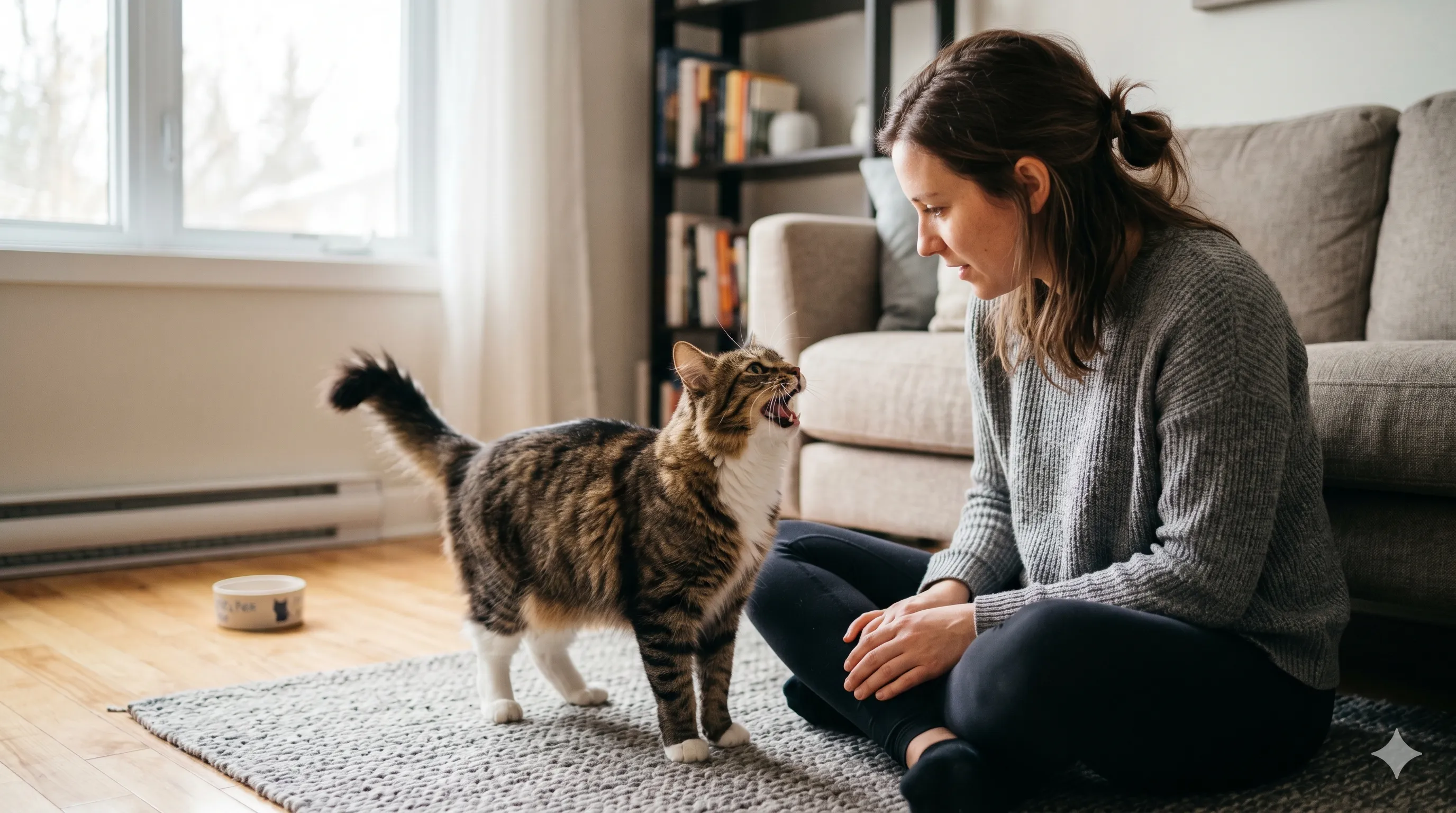
Why Does My Cat Sleep on Me? Real Meaning Behind This Bonding Behavior
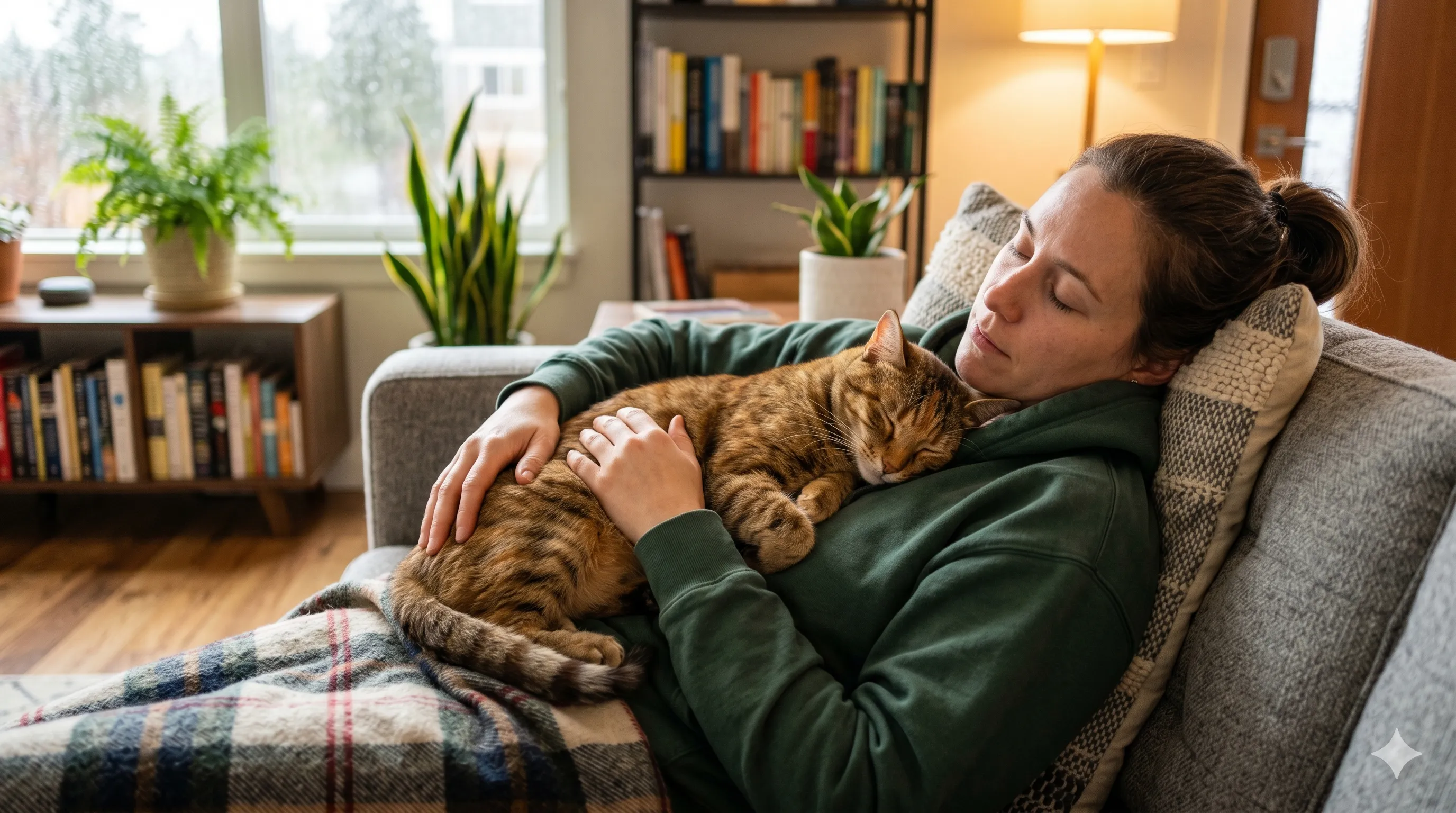
- Why Does My Cat Sleep on Me? (Quick Answer)
- Why Sleeping Is a Big Sign of Trust for Cats
- Cat Sleeping on You Meaning (Quick Guide)
- 6 Real Reasons Why Cats Sleep on Their Owners
- 1. Your Body Provides Warmth and Comfort
- 2. Your Cat Feels Safe and Secure Around You
- 3. Sleeping on You Strengthens Emotional Bonding
- 4. Your Scent Feels Familiar and Comforting
- 5. It Has Become Part of Their Daily Routine
- 6. Your Cat May Be Seeking Comfort During Stress
- What Your Cat's Sleeping Position Says About Them
- Sleeping on Your Chest
- Sleeping on Your Lap
- Sleeping Near Your Head
- Sleeping on Your Legs
- Normal vs Clingy Sleeping Behavior
- When Should You Be Concerned?
- How to Respond the Right Way
- 1. Allow the Behavior if You're Comfortable
- 2. Set Gentle Boundaries When Necessary
- 3. Provide Warm Alternative Sleeping Spaces
- 4. Maintain Consistent Routines
- 5. Monitor Sudden Behavioral Changes
- Common Mistakes Owners Make
- Real-Life Example
- Final Thoughts
Note: This article is for informational purposes only and does not replace professional veterinary advice.
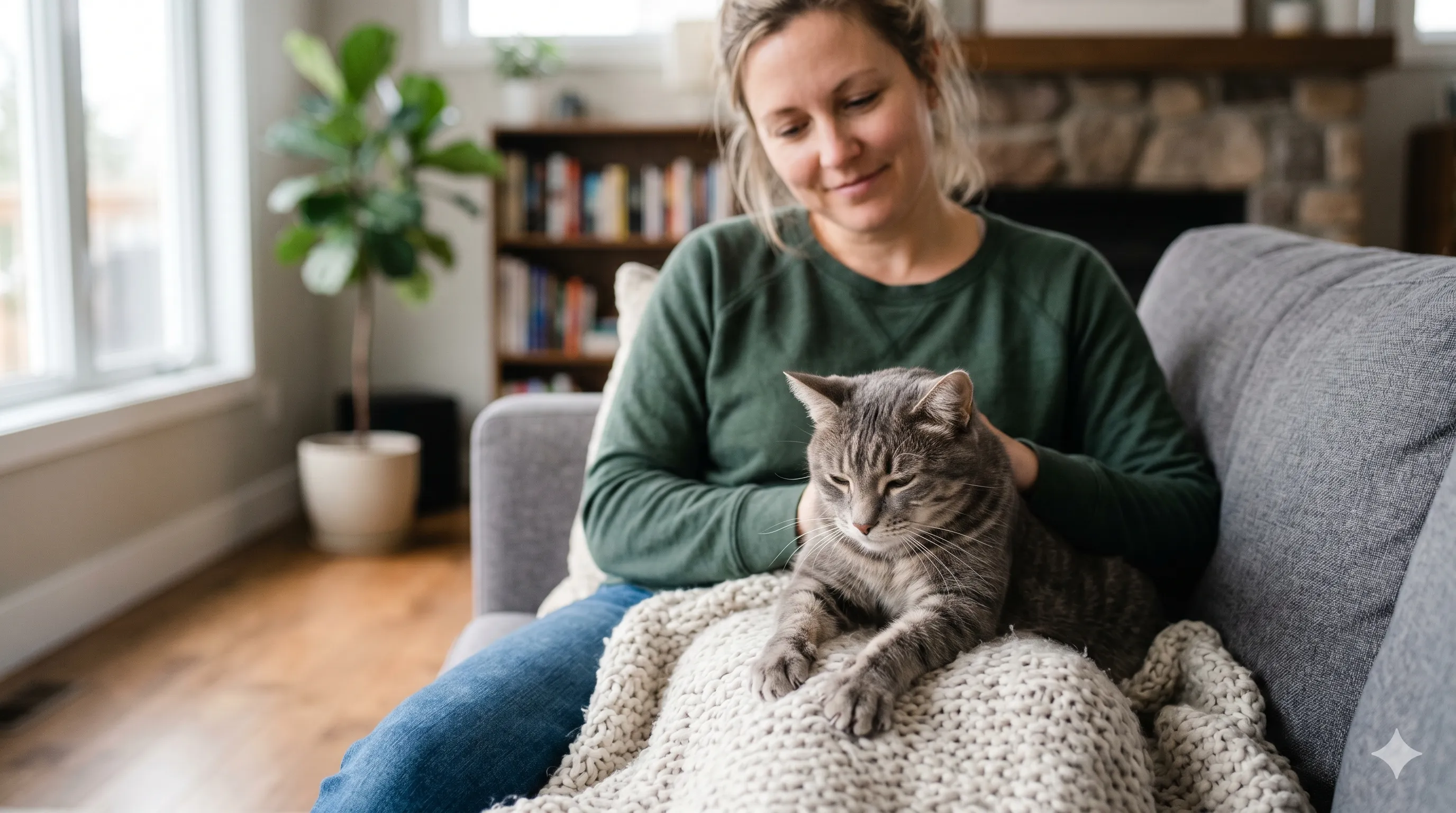
Your cat ignores expensive beds, soft blankets, and cozy furniture yet somehow still chooses to curl up directly on top of you.
Whether your cat sleeps on your chest, lap, legs, or beside your head every night, this behavior is usually much more meaningful than simple comfort. loud purring is another strong sign your cat feels relaxed and emotionally connected
If you're asking "why does my cat sleep on me?", the answer often involves trust, warmth, emotional bonding, routine, and instinctive feline behavior.
Cats are naturally cautious animals and tend to sleep where they feel safest. Because sleeping leaves them physically vulnerable, the places and people they choose for rest often reveal a great deal about their emotional state and attachment.
In most situations, a cat sleeping on you is a positive sign that reflects comfort, security, and emotional trust. However, sudden clingy sleeping behavior or dramatic changes in sleeping habits can sometimes indicate stress, anxiety, illness, or environmental changes.
Understanding the difference helps you interpret your cat's emotional needs more accurately.
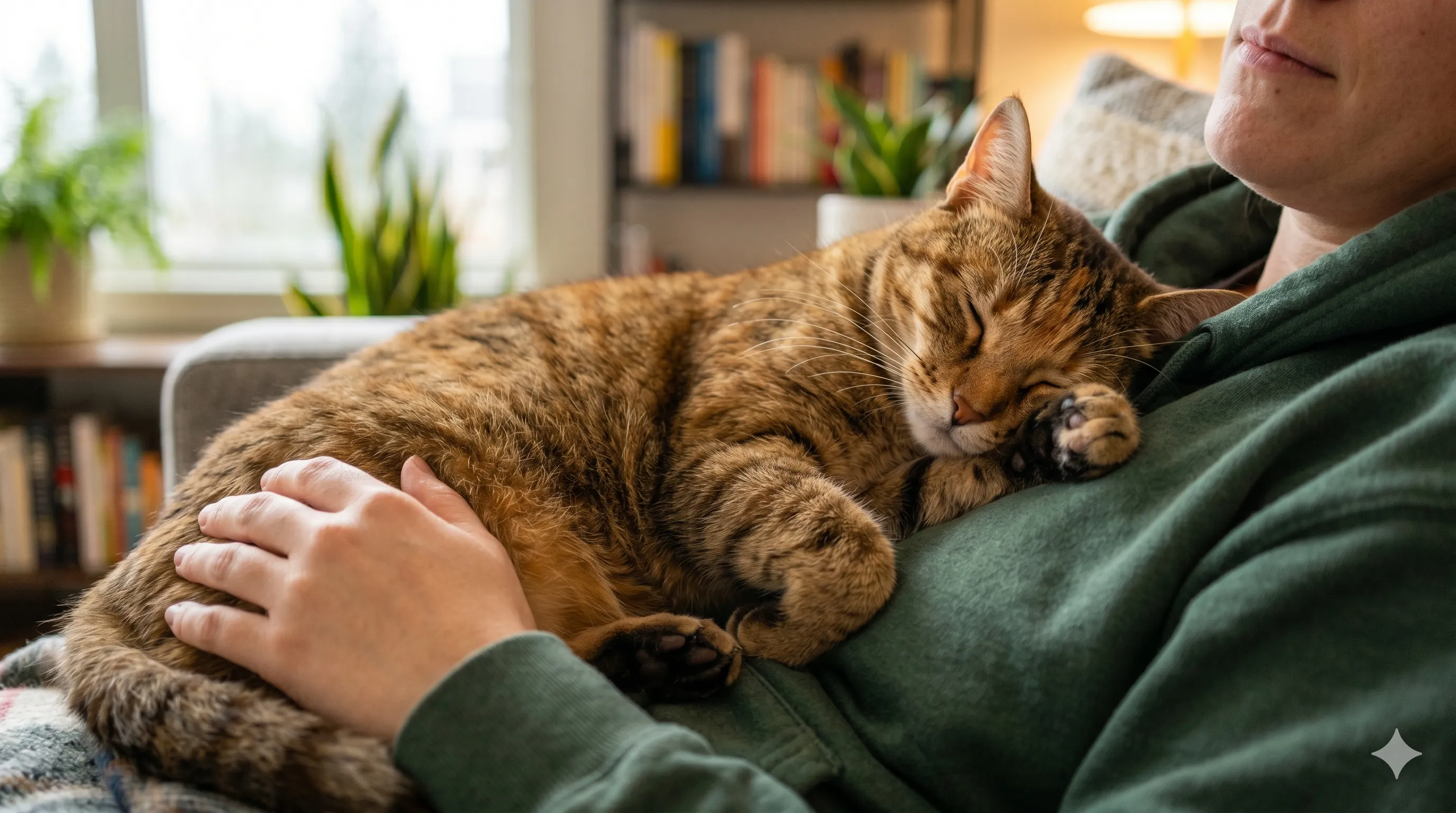
Why Does My Cat Sleep on Me? (Quick Answer)
Cats sleep on their owners because they feel safe, warm, emotionally connected, and comfortable. Sleeping on humans often reflects trust, affection, routine bonding, and a desire for security. In some cases, clingy sleeping behavior may also increase during stress, anxiety, or major life changes.
The meaning often depends on where your cat sleeps on your body, how often it happens, and whether other behavior changes are present.
Why Sleeping Is a Big Sign of Trust for Cats
Sleep is one of the most vulnerable states for animals.
In the wild, cats needed to remain cautious even while resting because predators and environmental dangers were always possible.
Although domestic cats live very different lives today, many of those instincts still remain deeply rooted.
When a cat chooses to sleep directly on you, they are essentially saying:
- "I feel safe here"
- "I trust you"
- "I can relax around you"
This is one of the strongest emotional trust signals cats commonly show toward humans.
Loud purring is another strong sign your cat feels relaxed and emotionally connected. cats that follow their owners closely often show similar attachment behaviors
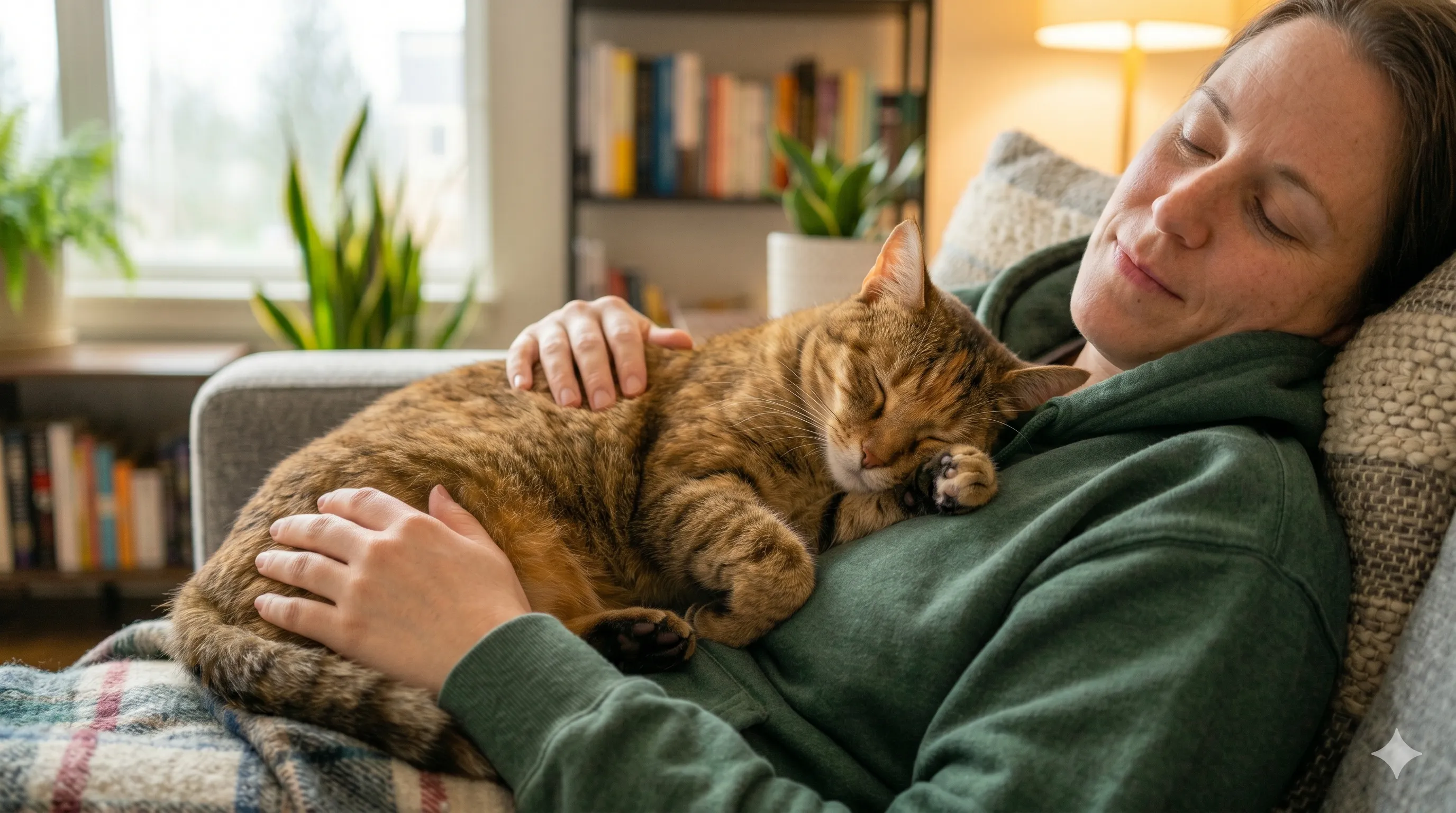
Cat Sleeping on You Meaning (Quick Guide)
| Behavior | Possible Meaning | What You Should Know |
|---|---|---|
| Sleeping calmly on you | Trust and bonding | Usually completely normal |
| Sleeping on you nightly | Routine attachment | Common in bonded cats |
| Sudden clingy sleeping | Stress or insecurity | Monitor behavior changes |
| Sleeping only on you | Strong attachment | Encourage healthy independence |
| Sleeping while purring heavily | Comfort and relaxation | Positive emotional sign |
6 Real Reasons Why Cats Sleep on Their Owners
1. Your Body Provides Warmth and Comfort
Cats naturally seek warm sleeping spots because warmth helps conserve energy and promotes relaxation.
Your body acts like a large heated surface that remains consistently warm throughout the night.
This is one reason many cats prefer sleeping:
- On chests
- On laps
- Near legs
- Under blankets
- Beside heads or shoulders
For many cats, sleeping on humans is simply the warmest and most comfortable option available.
2. Your Cat Feels Safe and Secure Around You
Cats only sleep deeply where they feel emotionally secure.
If your cat chooses to sleep on you regularly, it usually means they trust your presence and feel protected around you.
This is especially common in:
- Rescue cats
- Indoor-only cats
- Strongly bonded cats
- Cats attached to one person
Cats that follow their owners closely often show similar attachment behaviors throughout the day. kneading behavior is also linked to comfort trust and emotional bonding
3. Sleeping on You Strengthens Emotional Bonding
Physical closeness plays an important role in feline social bonding.
Many cats use sleeping behavior as a way to maintain emotional connection with trusted humans.
This behavior often appears alongside:
- Slow blinking
- Purring
- Kneading
- Head rubbing
- Following behavior
Kneading behavior is also linked to comfort, trust, and emotional bonding. stress-related behavior may also explain why cats hide more than usual during emotional discomfort or environmental changes
Highly bonded cats often prefer sleeping near the people they feel most emotionally connected to.
4. Your Scent Feels Familiar and Comforting
Cats rely heavily on scent for emotional familiarity and environmental comfort.
Your scent signals safety, routine, and territory to your cat.
Sleeping on your clothing, blanket, lap, or chest helps reinforce that sense of emotional security.
This is one reason cats sometimes sleep on:
- Recently worn clothes
- Pillows
- Blankets carrying your scent
- Your favorite chair
To your cat, these places often feel emotionally calming and predictable.
5. It Has Become Part of Their Daily Routine
Cats are creatures of habit.
If your cat has slept on you repeatedly over time, the behavior may simply become part of their normal routine and nighttime comfort pattern.
Once routines form, many cats strongly prefer maintaining them because predictability helps them feel emotionally stable.
6. Your Cat May Be Seeking Comfort During Stress
Sometimes cats become more clingy during periods of emotional stress, insecurity, illness, or environmental change.
Your presence may help them feel calmer and safer during uncertain situations.
Stress-related behavior may also explain why cats hide more than usual during emotional discomfort or environmental changes. introducing environmental changes slowly can help reduce stress and insecurity in sensitive cats
Increased clingy sleeping may appear after:
- Moving homes
- New pets
- Loud environments
- Changes in routine
- Illness
- Household stress
What Your Cat's Sleeping Position Says About Them
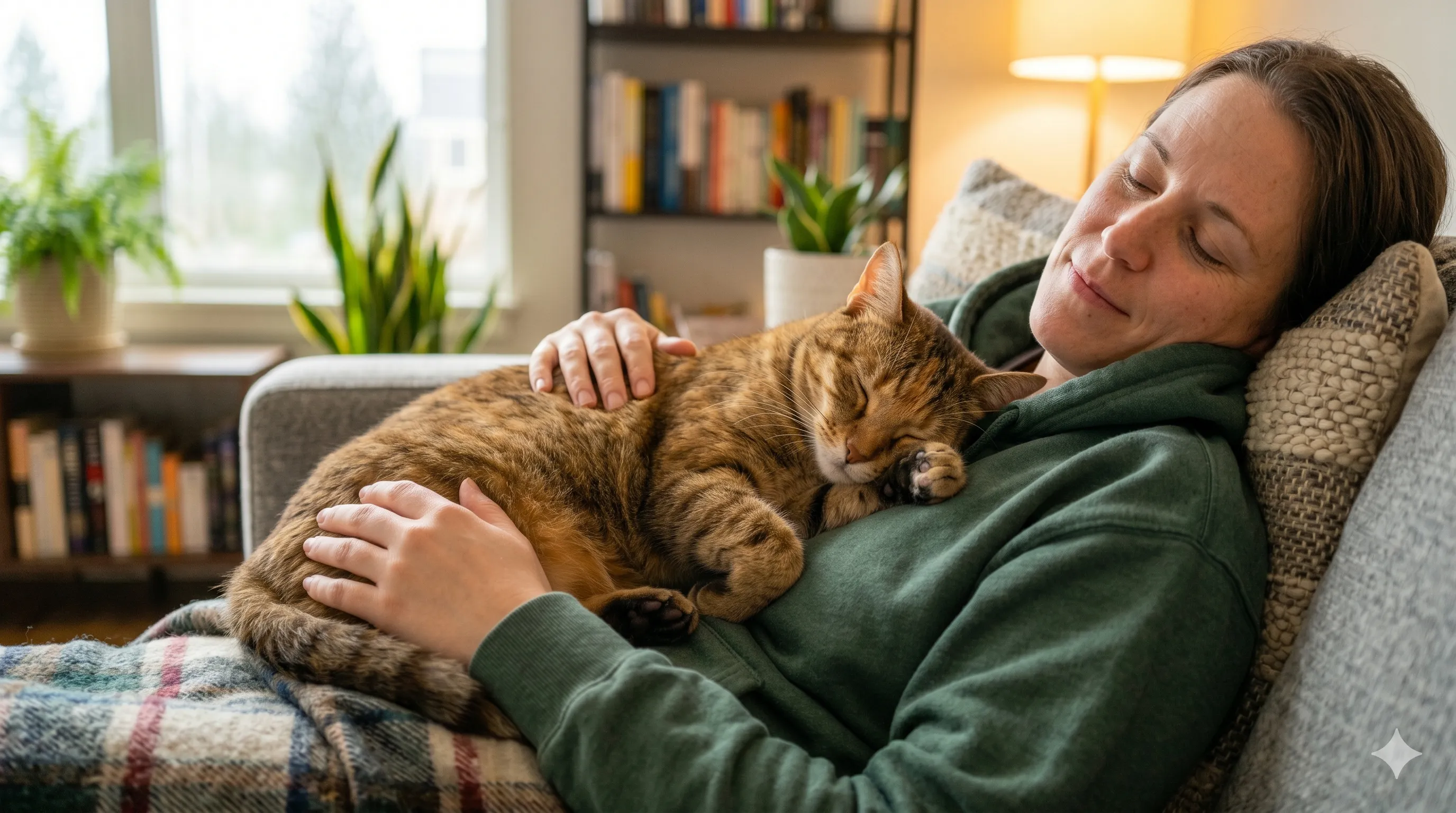
Sleeping on Your Chest
This usually indicates very strong trust and emotional comfort.
Your heartbeat, breathing, body warmth, and scent create an emotionally calming environment for many cats.
Some cats also enjoy the gentle movement and rhythmic feeling of breathing while they sleep.
Sleeping on Your Lap
Lap sleeping is often linked to warmth, relaxation, and calm bonding time.
Many cats prefer laps because they provide both physical comfort and emotional closeness without too much movement.
Sleeping Near Your Head
Cats sometimes sleep near human heads because this area moves less during sleep.
Your pillow also retains warmth and strong scent familiarity.
For some cats, this position offers both stability and emotional comfort.
Sleeping on Your Legs
This often reflects moderate attachment combined with some independence.
Your cat still wants physical closeness while maintaining a bit more personal space.
Normal vs Clingy Sleeping Behavior
Sleeping on you occasionally is usually completely normal.
The main concern is whether the behavior becomes emotionally dependent or anxiety-driven.
- Healthy attachment: Relaxed sleeping, independent behavior during the day
- Potential clinginess: Constant need for contact, distress when separated, anxiety signs
Sudden extreme attachment combined with stress behaviors should always be observed carefully.
When Should You Be Concerned?
Although sleeping on owners is usually harmless, sudden behavior changes should not be ignored.
Potential warning signs include:
- Sudden increase in clinginess
- Reduced appetite
- Low energy levels
- Aggressive behavior
- Excessive hiding
- Changes in grooming habits
- Signs of pain or discomfort
These changes may sometimes indicate stress, anxiety, illness, or emotional insecurity.
How to Respond the Right Way
1. Allow the Behavior if You're Comfortable
For many cats, sleeping on owners is a healthy and emotionally positive bonding behavior.
If you enjoy it and your cat remains emotionally balanced, there is usually no reason to stop it.
2. Set Gentle Boundaries When Necessary
If sleeping behavior disrupts your sleep or comfort, gently redirect your cat toward nearby sleeping areas instead of pushing them away harshly.
3. Provide Warm Alternative Sleeping Spaces
Soft cat beds, heated pads, blankets, and elevated sleeping spots help encourage healthy independence.
4. Maintain Consistent Routines
Cats often feel emotionally safer when feeding, sleeping, and play schedules remain predictable.
Consistency helps reduce insecurity and stress-related clinginess.
5. Monitor Sudden Behavioral Changes
If your cat suddenly becomes unusually clingy or dramatically changes sleeping habits, pay attention to other physical or emotional symptoms.
Common Mistakes Owners Make
- Pushing cats away harshly
- Ignoring major behavior changes
- Encouraging excessive dependency constantly
- Punishing normal bonding behavior
- Overlooking possible stress triggers
Real-Life Example
A young indoor cat slept on its owner's chest almost every night and became highly dependent on physical closeness during bedtime.
After gradually introducing a heated cat bed beside the owner and maintaining a consistent nighttime routine, the cat slowly became more comfortable sleeping independently while still remaining affectionate.
This type of balanced transition is common in strongly bonded indoor cats.
Final Thoughts
Sleeping on you is one of the strongest signs of trust, comfort, and emotional bonding your cat can show.
For most cats, this behavior simply reflects safety, warmth, routine, affection, and emotional connection with a trusted human.
Cats naturally sleep for long hours each day, and understanding normal feline sleeping habits can make these behaviors easier to interpret. cats naturally sleep for long hours each day and understanding normal feline sleeping habits can make these behaviors easier to interpret
As long as your cat remains emotionally healthy and balanced, sleeping on you is usually a positive sign of companionship and trust.
This content is carefully reviewed and written to provide reliable, experience-focused guidance for cat owners and pet families.
Medical Disclaimer
This content is provided for informational and educational purposes only and should not be considered veterinary, medical, behavioral, or training advice. While we strive for accuracy, we make no guarantees regarding completeness or results. Always consult a licensed veterinarian or qualified pet care professional before making decisions about your pet’s health, diet, or behavior.
AI Illustration Notice
Some images in this article may have been generated or enhanced using artificial intelligence for illustrative purposes.
Frequently Asked Questions
Cats often sleep on owners every night because they feel emotionally secure, comfortable, warm, and bonded through routine behavior.
Yes, sleeping on you is usually a strong sign your cat feels safe, emotionally connected, and comfortable around you.
Cats often sleep on chests because body warmth, heartbeat sounds, breathing rhythm, and scent provide emotional comfort.
Sudden clingy sleeping behavior may happen due to stress, insecurity, illness, routine changes, or increased emotional attachment.
You usually do not need to stop the behavior unless it disrupts your sleep, comfort, or encourages unhealthy dependency.
Cats sometimes sleep near heads because pillows retain warmth and scent while remaining relatively stable during sleep.
Yes, sudden clinginess combined with anxiety, hiding, or behavior changes may sometimes indicate emotional stress or insecurity.
Yes, cats are very selective about vulnerable sleeping locations and usually sleep closely with people they deeply trust.
Editorial Note
This article is part of PetNurture's educational library.
Topics are researched using publicly available educational resources, recognised veterinary organisations, academic publications and established animal welfare references where appropriate.
Every article is reviewed by the PetNurture editorial team for clarity, structure, readability and consistency before publication.
References
The information in this article has been reviewed and supported using the following sources.
PetMD
Supports sleeping-on-owner behavior as a bonding and trust indicator; supports the 'Why Sleeping Is a Big Sign of Trust for Cats' section of this article.
Accessed Aug 6, 2026
VCA Animal Hospitals
Is Your Pet Sleeping Too Much?
Supports the distinction between healthy attachment sleeping and stress-related clinginess described in the 'Normal vs Clingy Sleeping Behavior' section of this article.
Accessed Aug 6, 2026
Pet Emergency Guidance
Every pet is unique. If your pet exhibits severe symptoms, sudden behavioral changes, or a medical emergency, do not rely on online guides — contact a licensed veterinarian or emergency clinic immediately.
About PetNurture
PetNurture is an educational library of pet care guides, interactive tools and practical resources for pet parents. We work continuously to keep our content accurate and up to date. Reader feedback helps us maintain content quality.
Related Articles
Popular Cat Guides

Cat
Cat Feeding Calculator
Calculate how much food your cat needs daily based on weight, age, and activity level.