How to Reduce Cat Shedding: Proven Tips to Control Excessive Cat Hair
- How to Reduce Cat Shedding (Quick Answer)
- Normal vs Excessive Cat Shedding
- Why Do Cats Shed?
- 1. Natural Coat Renewal
- 2. Seasonal Changes
- 3. Indoor Living and Artificial Lighting
- 4. Poor Nutrition
- 5. Stress and Anxiety
- 6. Health Problems
- 7 Proven Ways to Reduce Cat Shedding
- 1. Brush Your Cat Regularly
- 2. Improve Diet Quality
- 3. Keep Your Cat Properly Hydrated
- 4. Reduce Stress and Anxiety
- 5. Bathe Occasionally When Needed
- 6. Use the Right Grooming Tools
- 7. Maintain a Clean Home Environment
- When Should You Be Concerned About Shedding?
- Overgrooming vs Normal Grooming
- Normal Grooming:
- Possible Overgrooming:
- How to Reduce Hairballs While Managing Shedding
- Common Grooming Mistakes Owners Make
- 1. Skipping Regular Brushing
- 2. Using Poor-Quality Food
- 3. Ignoring Stress Signals
- 4. Using Incorrect Brushes
- 5. Ignoring Medical Warning Signs
- How to Keep Your Home Cleaner with a Shedding Cat
- Example Scenario
- Final Thoughts
Note: This article is for informational purposes only and does not replace professional veterinary advice.
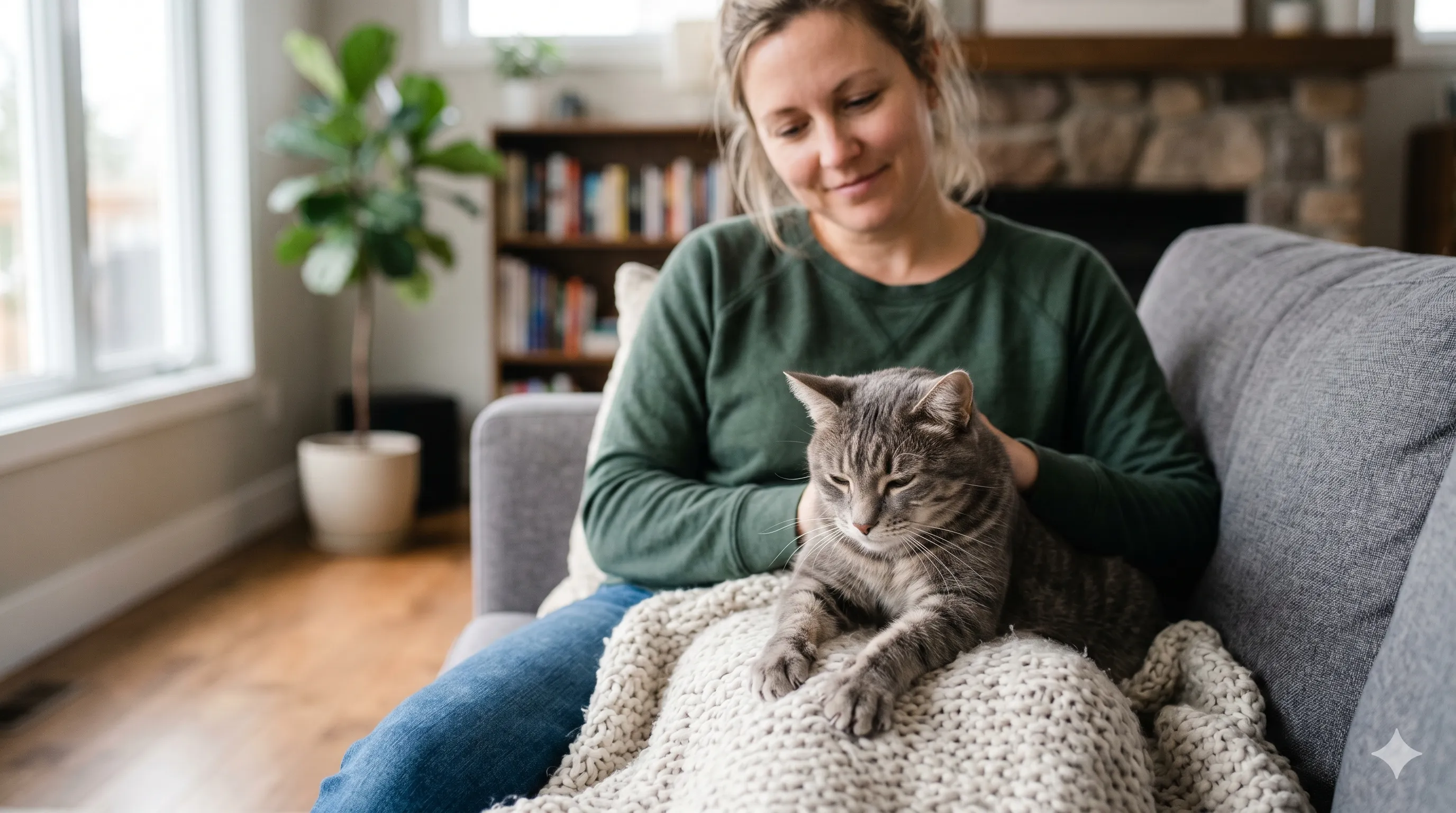
If you share your home with a cat, you already know that fur somehow ends up everywhere on furniture, clothing, carpets, and even places you would never expect. While shedding is completely normal for cats, excessive loose hair can quickly become frustrating for owners and may sometimes signal underlying health or stress-related issues. environmental stress, such as introducing changes to your cat's home, can also affect coat and skin health
The good news is that although you cannot completely stop a cat from shedding, you can significantly reduce excess fur with proper grooming, nutrition, hydration, stress management, and coat care routines.
Understanding why cats shed is important because not all shedding is the same. Some hair loss is part of a healthy natural coat cycle, while sudden or excessive shedding may indicate problems such as stress, allergies, poor nutrition, parasites, or skin irritation.
In this guide, you'll learn why cats shed, how much shedding is normal, the best ways to reduce loose fur, warning signs to watch for, and realistic strategies to keep both your cat and your home cleaner and healthier.
How to Reduce Cat Shedding (Quick Answer)
To reduce cat shedding, brush your cat regularly, improve diet quality, keep them hydrated, reduce stress, maintain healthy skin, and use proper grooming tools. Most cats shed less when they receive consistent grooming and balanced nutrition.
While shedding cannot be eliminated completely, healthy routines can significantly reduce excess fur around your home.
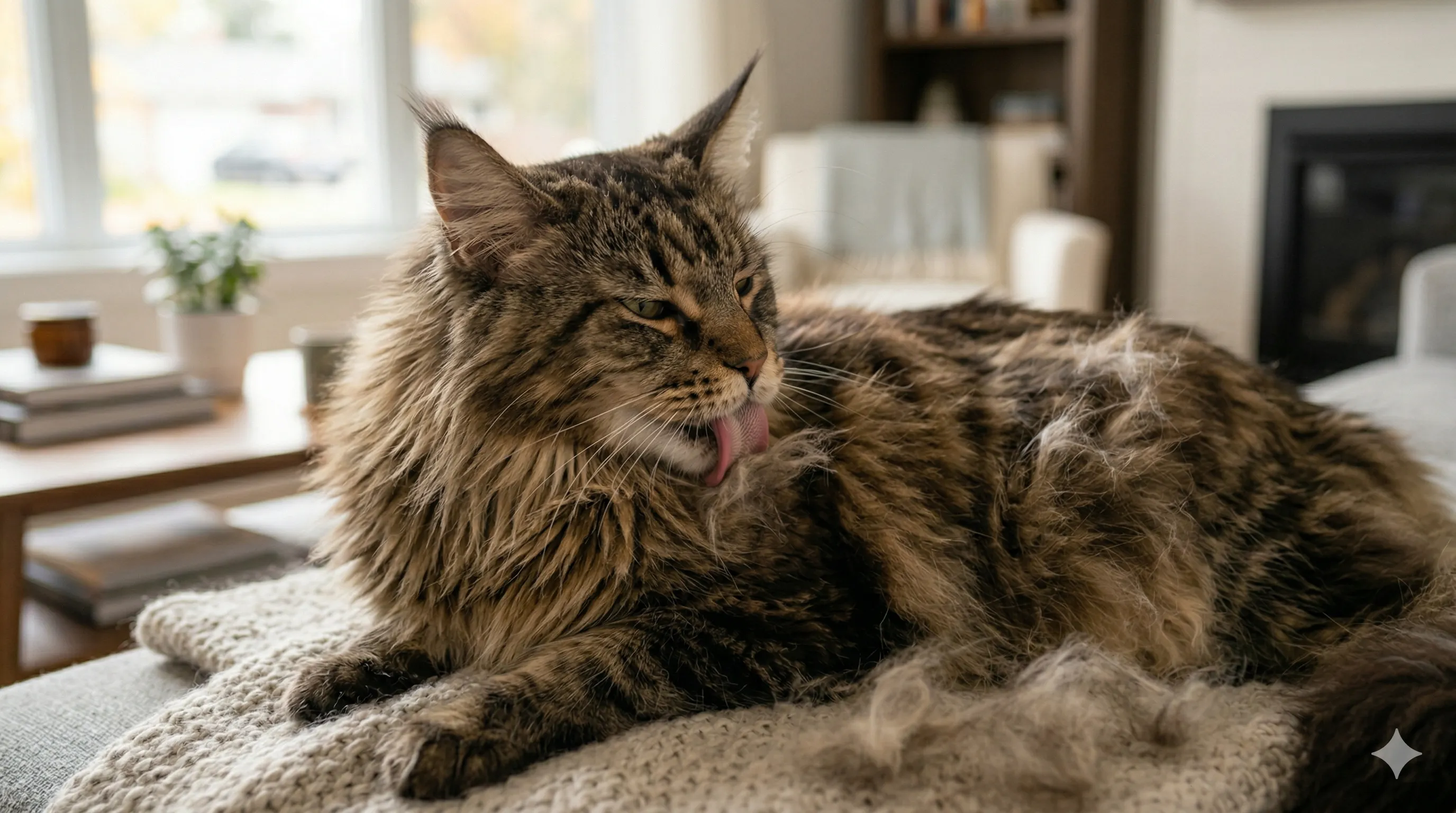
Normal vs Excessive Cat Shedding
| Type of Shedding | What It Looks Like | Should You Worry? |
|---|---|---|
| Normal shedding | Light consistent hair loss | No |
| Seasonal shedding | Temporary increase during season changes | Usually no |
| Indoor year-round shedding | Continuous mild shedding | Usually normal |
| Excessive shedding | Heavy loose fur or thinning coat | Possibly |
| Patchy hair loss | Bald spots or irritated skin | Yes |
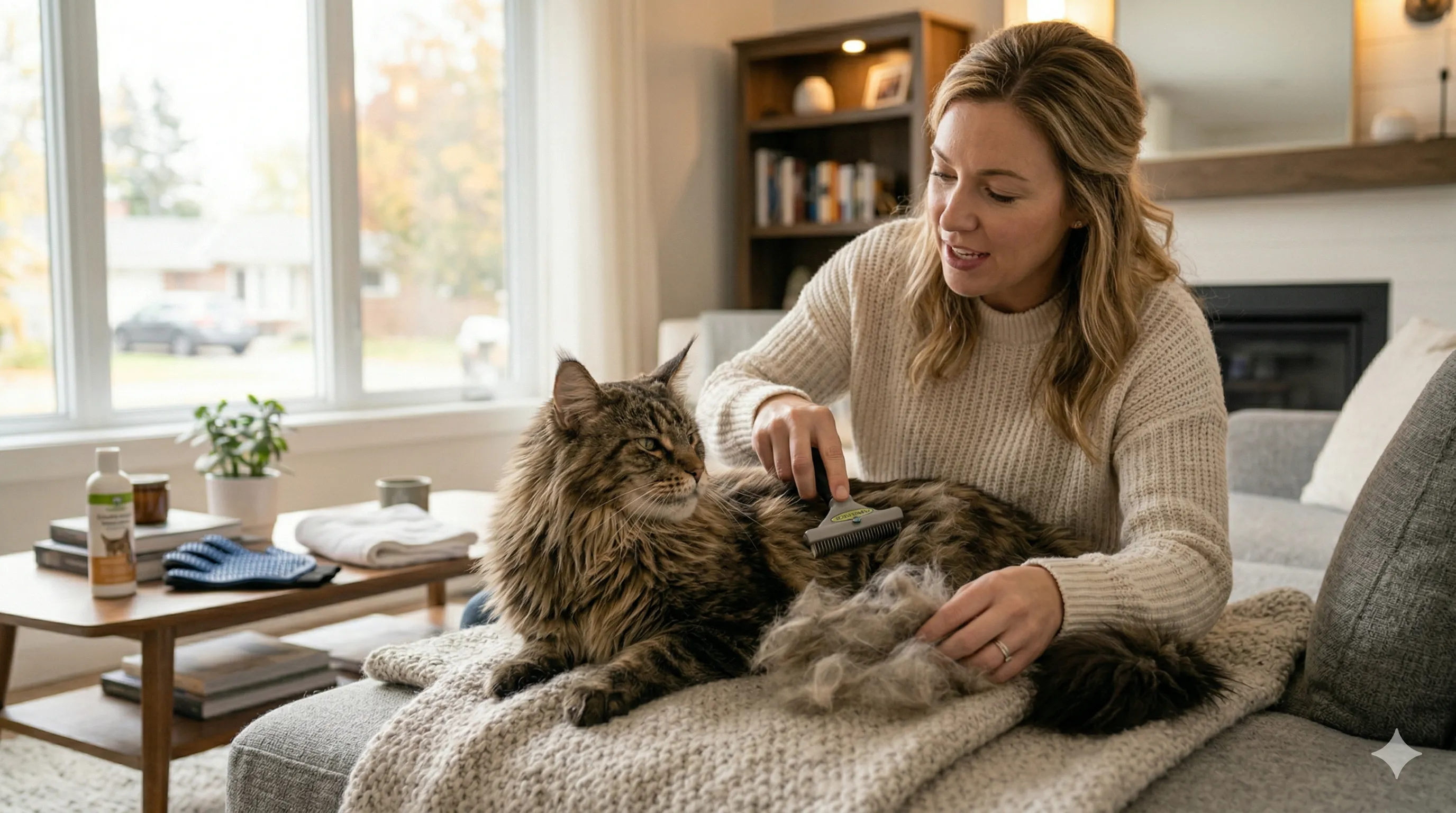
Why Do Cats Shed?
Shedding is part of a cat's natural hair growth cycle. Old or damaged hair naturally falls out so new healthy fur can grow in.
However, several factors influence how much a cat sheds.
1. Natural Coat Renewal
All cats shed to some degree because fur constantly renews itself.
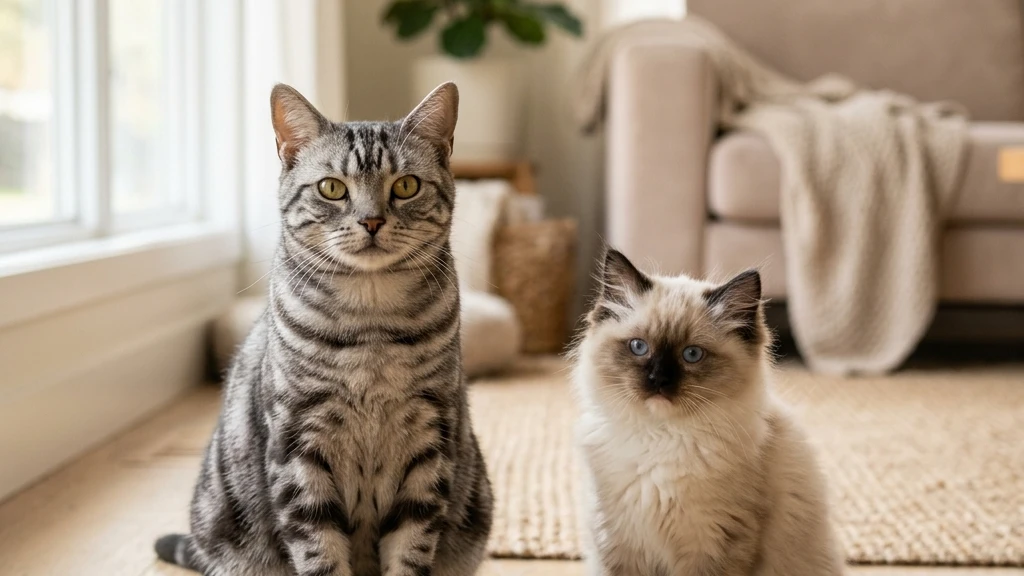
Some breeds naturally shed more than others, especially:
- Long-haired breeds
- Dense double-coated cats
- Seasonally adaptive breeds
Short-haired cats may appear to shed less, but they still lose hair regularly.
2. Seasonal Changes
Many cats shed more heavily during spring and fall as their coats adjust to temperature and daylight changes.
Outdoor cats usually experience stronger seasonal shedding cycles than indoor cats.
3. Indoor Living and Artificial Lighting
Indoor cats often shed year-round because artificial indoor lighting and climate control reduce natural seasonal coat cycles.
This is why many indoor cats appear to shed continuously instead of only during seasonal changes.
4. Poor Nutrition
Diet quality directly affects skin and coat health.
Poor nutrition may contribute to:
- Dry skin
- Brittle fur
- Excessive shedding
- Dull coat appearance
5. Stress and Anxiety
Stress can significantly increase shedding in cats.
Many cats shed more during:
- Vet visits
- Household changes
- Travel
- New pet introductions
- Loud environments
Stress hormones can temporarily affect coat condition and grooming behavior.
learn why cats hide when stress or discomfort affects their behavior6. Health Problems
Excessive shedding may sometimes indicate:
- Allergies
- Parasites
- Skin infections
- Hormonal imbalances
- Poor hydration
- Underlying illness
Sudden or severe coat changes should never be ignored.
7 Proven Ways to Reduce Cat Shedding
1. Brush Your Cat Regularly
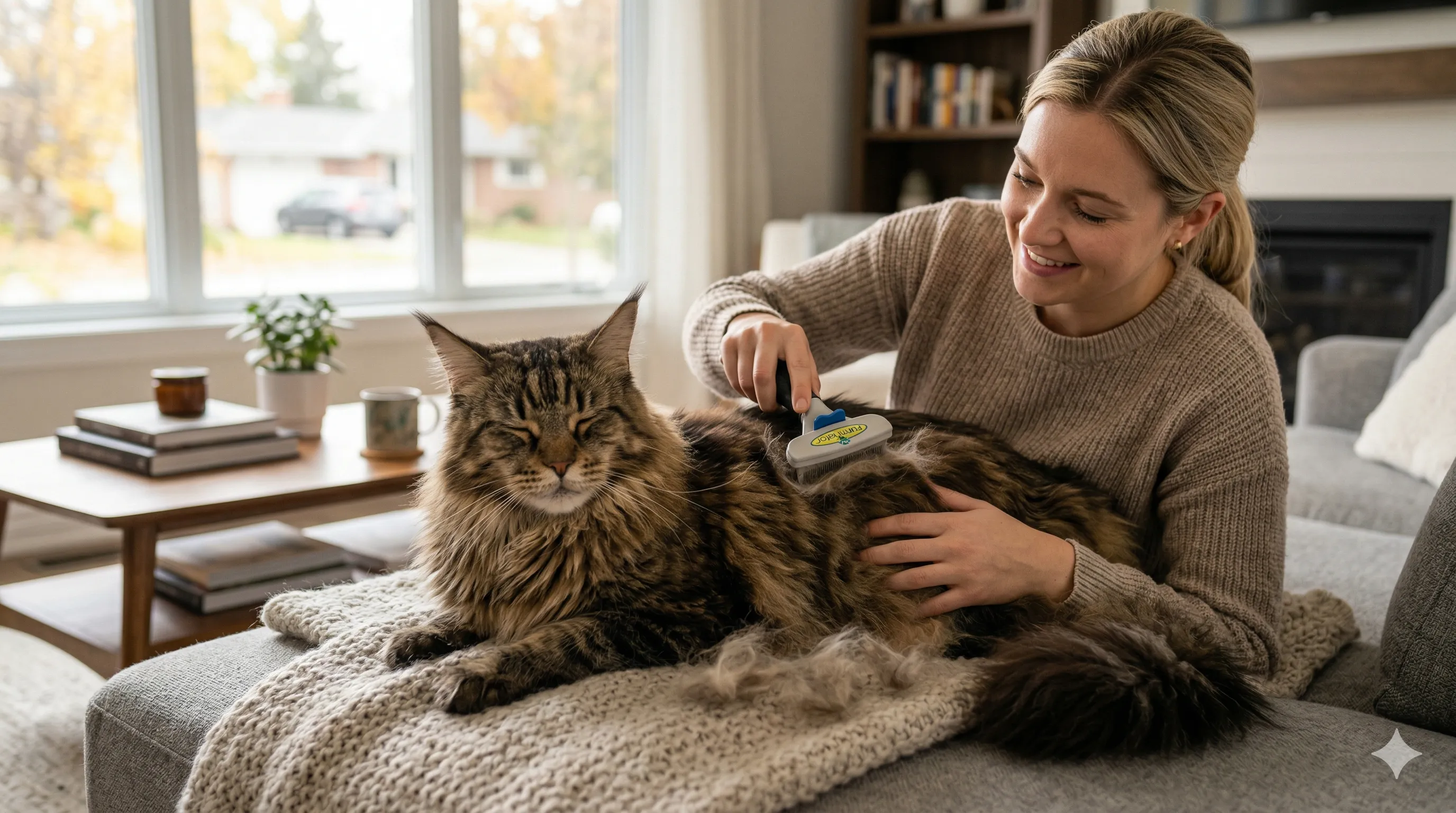
Brushing is one of the most effective ways to control shedding because it removes loose fur before it spreads around your home.
Recommended brushing frequency:
- Short-haired cats: 1-3 times weekly
- Long-haired cats: Daily or near-daily
- Heavy shedders: More frequent grooming during seasonal changes
Regular brushing also helps:
- Reduce hairballs
- Distribute natural oils
- Improve coat shine
- Reduce matting
Start slowly if your cat dislikes grooming and keep sessions calm and positive.
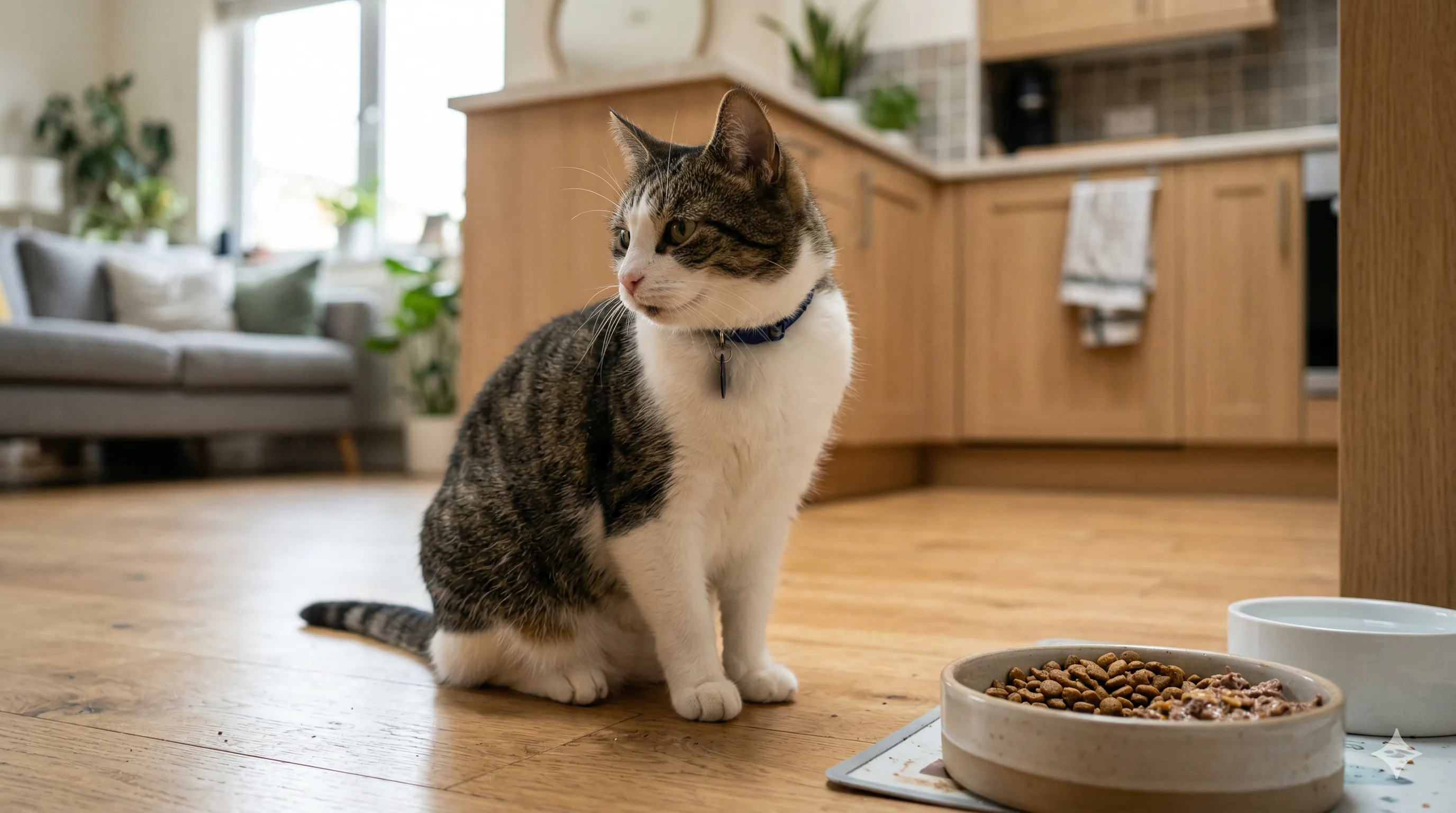
2. Improve Diet Quality
Healthy skin and coat health begin with proper nutrition.
A balanced diet rich in:
- High-quality protein
- Omega fatty acids
- Essential vitamins
- Proper hydration
can improve coat condition significantly.
Low-quality diets sometimes contribute to poor coat texture and increased shedding.
3. Keep Your Cat Properly Hydrated
Dehydration can negatively affect skin and coat health.
Encourage hydration by:
- Providing fresh water daily
- Using water fountains
- Offering wet food when appropriate
- Placing multiple water bowls around the home
Many cats naturally drink less water than they should, especially indoor cats.
4. Reduce Stress and Anxiety
Stress-related shedding is extremely common in cats.
Cats thrive in predictable environments with stable routines and safe spaces.
To reduce stress:
- Maintain consistent feeding routines
- Provide quiet resting areas
- Avoid sudden environmental changes
- Use enrichment and play
- Provide vertical climbing spaces
5. Bathe Occasionally When Needed
Some cats benefit from occasional bathing, especially long-haired cats or cats that struggle with self-grooming.
Bathing can help remove:
- Loose fur
- Dander
- Skin debris
However, excessive bathing may dry the skin and worsen shedding.
Most cats do not require frequent baths.
6. Use the Right Grooming Tools
Different coat types require different grooming tools.
Popular options include:
- Deshedding brushes
- Slicker brushes
- Grooming gloves
- Wide-tooth combs
Using the wrong brush may irritate the skin or fail to remove loose undercoat properly.
7. Maintain a Clean Home Environment
Managing cat hair is easier when cleaning routines stay consistent.
Helpful strategies include:
- Frequent vacuuming
- Washable furniture covers
- Regular bedding cleaning
- Air purifiers
- Lint rollers
Reducing loose fur buildup also improves comfort for allergy-sensitive households.
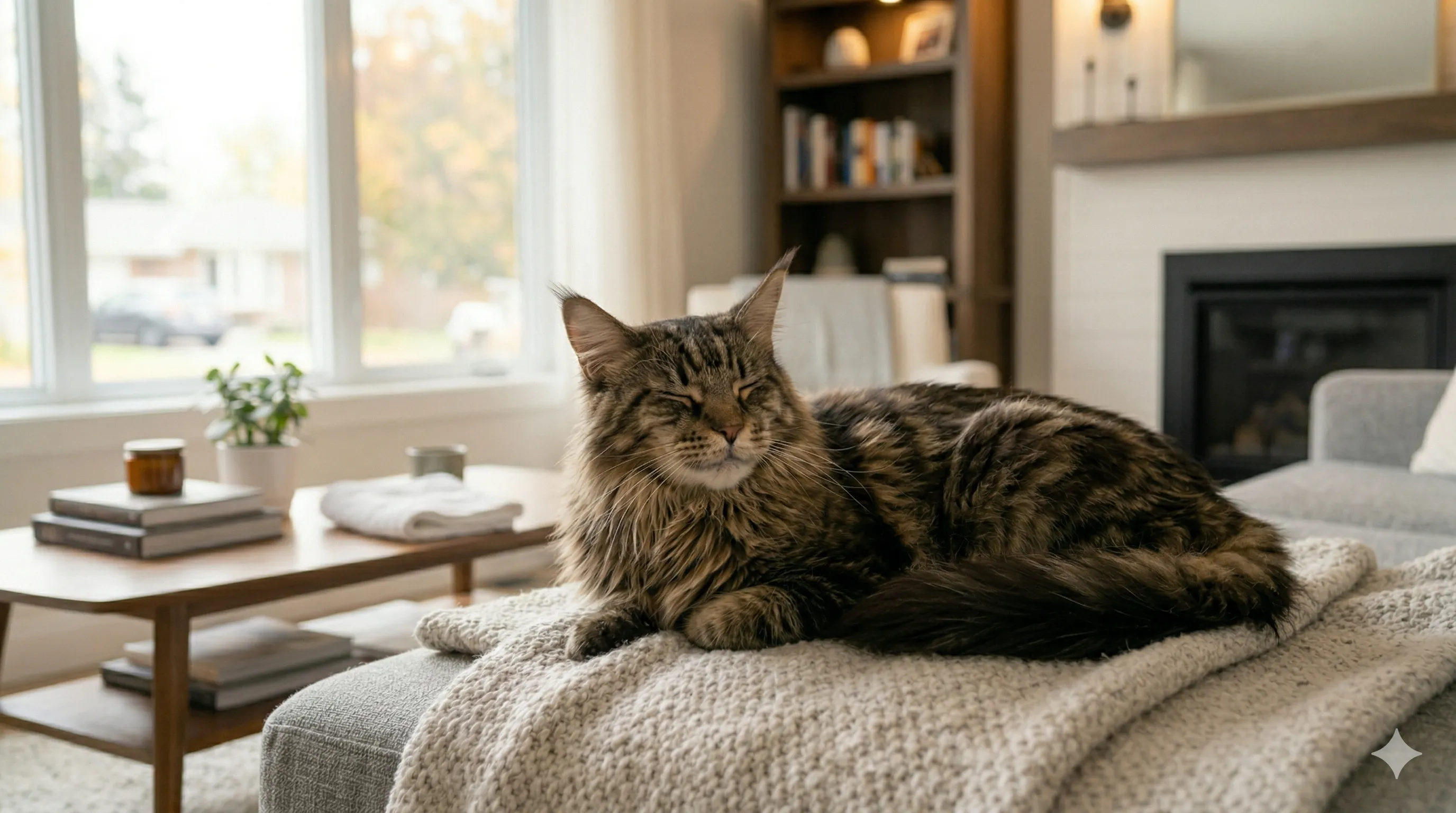
When Should You Be Concerned About Shedding?
Normal shedding usually looks gradual and consistent.
However, certain symptoms may indicate a medical issue.
Contact a veterinarian if you notice:
- Bald patches
- Skin redness
- Excessive scratching
- Sudden major shedding increase
- Open sores
- Dull or greasy coat
- Frequent overgrooming
These signs may point to allergies, parasites, infections, hormonal issues, or stress-related problems.
Overgrooming vs Normal Grooming
Cats naturally groom themselves frequently, but stress or medical issues can sometimes lead to overgrooming.
Normal Grooming:
- Regular licking throughout the day
- Healthy coat appearance
- No bald spots
Possible Overgrooming:
- Excessive licking in one area
- Thin fur or bald patches
- Skin irritation
- Compulsive grooming behavior
Overgrooming often requires medical or behavioral evaluation.
How to Reduce Hairballs While Managing Shedding
Loose fur swallowed during grooming often contributes to hairballs.
Reducing shedding also helps reduce hairball frequency.
Helpful prevention methods include:
- Regular brushing
- Hydration support
- Fiber-rich diets when appropriate
- Hairball-control products recommended by veterinarians
Common Grooming Mistakes Owners Make
1. Skipping Regular Brushing
Inconsistent grooming allows loose fur to build up quickly.
2. Using Poor-Quality Food
Nutrition strongly affects skin and coat condition.
3. Ignoring Stress Signals
Stress-related shedding often worsens if environmental stress continues.
4. Using Incorrect Brushes
Different coat types need different grooming tools.
5. Ignoring Medical Warning Signs
Patchy fur loss or sudden heavy shedding should not be dismissed as "normal".
How to Keep Your Home Cleaner with a Shedding Cat
Even healthy cats will still shed to some degree.
To control fur around the home:
- Vacuum frequently
- Use washable blankets on furniture
- Brush cats before peak shedding builds up
- Wash bedding regularly
- Use lint rollers consistently
Small daily cleaning habits usually work better than occasional deep cleaning.
Example Scenario
The scenario below is an illustrative example of how this situation can play out, not a documented case study.
One indoor cat owner struggled with constant fur buildup throughout the apartment, especially during seasonal changes. The cat was rarely brushed and ate a low-quality diet.
After introducing a regular grooming schedule, improving food quality, and using a water fountain to encourage hydration, shedding noticeably improved within several weeks.
The owner also noticed fewer hairballs and a shinier coat over time.
This situation is extremely common among indoor cats with inconsistent grooming routines.
Final Thoughts
Although shedding is a completely natural part of feline life, excessive fur does not have to take over your home.
Consistent grooming, proper nutrition, hydration, stress reduction, and regular health monitoring can significantly reduce loose fur and improve overall coat health.
Most importantly, pay attention to sudden coat changes or unusual shedding patterns because they can sometimes signal underlying health problems.
With the right care and realistic expectations, you can successfully manage cat shedding while helping your cat maintain a healthier and more comfortable coat.
This content is written to provide general educational guidance for cat owners. It should not replace professional veterinary advice for severe skin conditions or medical concerns.
Medical Disclaimer
This content is provided for informational and educational purposes only and should not be considered veterinary, medical, behavioral, or training advice. While we strive for accuracy, we make no guarantees regarding completeness or results. Always consult a licensed veterinarian or qualified pet care professional before making decisions about your pet’s health, diet, or behavior.
AI Illustration Notice
Some images in this article may have been generated or enhanced using artificial intelligence for illustrative purposes.
Frequently Asked Questions
Regular brushing healthy nutrition hydration stress reduction and proper grooming tools can help reduce cat shedding naturally.
Some shedding is normal but sudden heavy shedding bald spots or irritated skin may indicate health problems.
Indoor cats often shed year round because artificial lighting and climate control affect natural seasonal coat cycles.
Short haired cats usually need brushing several times weekly while long haired cats often require daily grooming.
Yes, stress can temporarily increase shedding and affect overall coat condition in many cats.
You should contact a veterinarian if shedding becomes sudden patchy excessive or is accompanied by itching redness or skin irritation.
Editorial Note
This article is part of PetNurture's educational library.
Topics draw on publicly available educational resources, recognised veterinary organisations, academic publications and established animal welfare references where appropriate.
The specific sources this article draws on are listed in its References section. If you spot an error, please let us know.
References
The information in this article has been reviewed and supported using the following sources.
VCA Animal Hospitals
Grooming and Coat Care for Your Cat
VCA Animal Hospitals recommends daily brushing for long-haired cats and less frequent brushing for short-haired cats, noting that regular brushing reduces the hair a cat swallows during self-grooming and therefore reduces hairballs.
Accessed Aug 6, 2026
VCA Animal Hospitals
Coat and Skin Appearance in the Healthy Cat
VCA Animal Hospitals notes that a cat eating an inadequate diet will have a dull, dry coat and may shed excessively, and that illness or stress can also affect a coat's shine, texture and shedding.
Accessed Aug 6, 2026
Pet Emergency Guidance
Every pet is unique. If your pet exhibits severe symptoms, sudden behavioral changes, or a medical emergency, do not rely on online guides — contact a licensed veterinarian or emergency clinic immediately.
About PetNurture
PetNurture is an educational library of pet care guides, interactive tools and practical resources for pet parents. We work continuously to keep our content accurate and up to date. Reader feedback helps us maintain content quality.
Related Articles


Popular Cat Guides