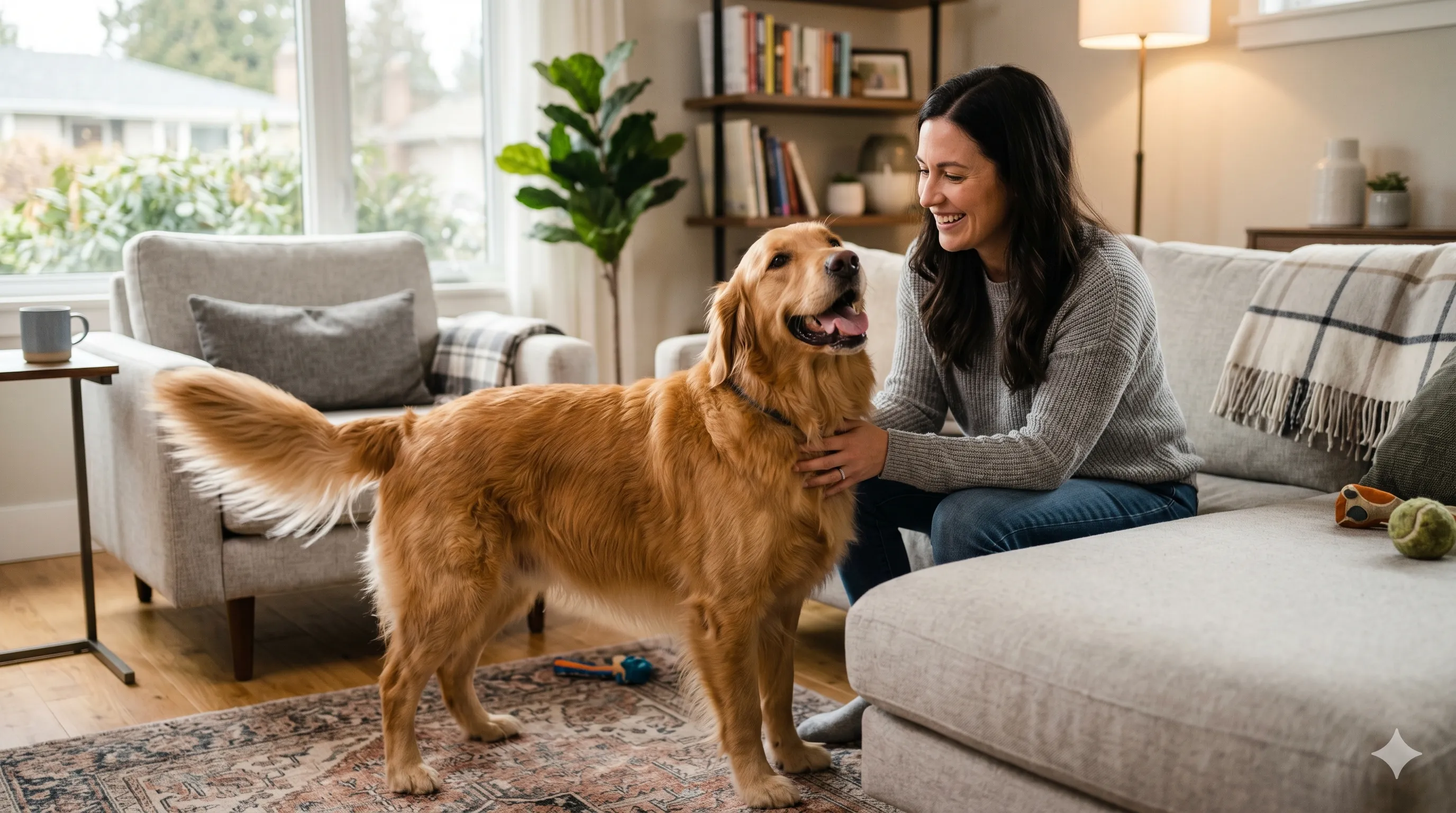
Why Does My Dog Follow Me Everywhere? Real Reasons Behind Velcro Dog Behavior
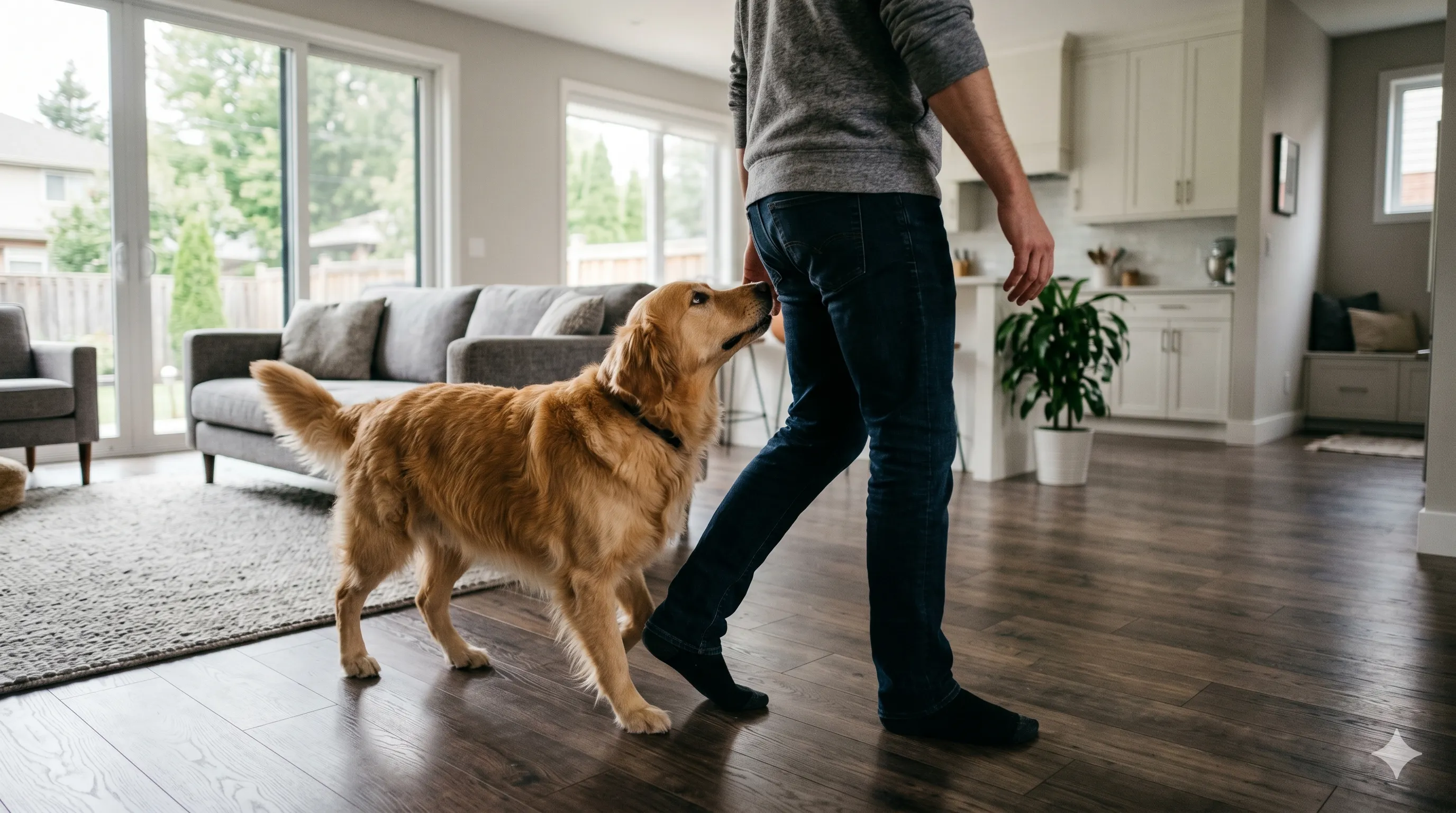
- Why Does My Dog Follow Me Everywhere? (Quick Answer)
- What Is a "Velcro Dog"?
- Dog Following Behavior Meaning (Quick Guide)
- 7 Real Reasons Why Your Dog Follows You Everywhere
- 1. Your Dog Sees You as Part of Their Social Group
- 2. Your Dog Has Formed a Deep Emotional Bond With You
- 3. Your Dog Has Learned That Following You Leads to Rewards
- 4. Your Dog Is Curious and Wants Mental Engagement
- 5. Your Dog May Be Bored
- 6. Some Dog Breeds Naturally Become "Velcro Dogs"
- 7. Anxiety or Insecurity May Be Developing
- Healthy Attachment vs Unhealthy Dependency
- Common Situations Explained
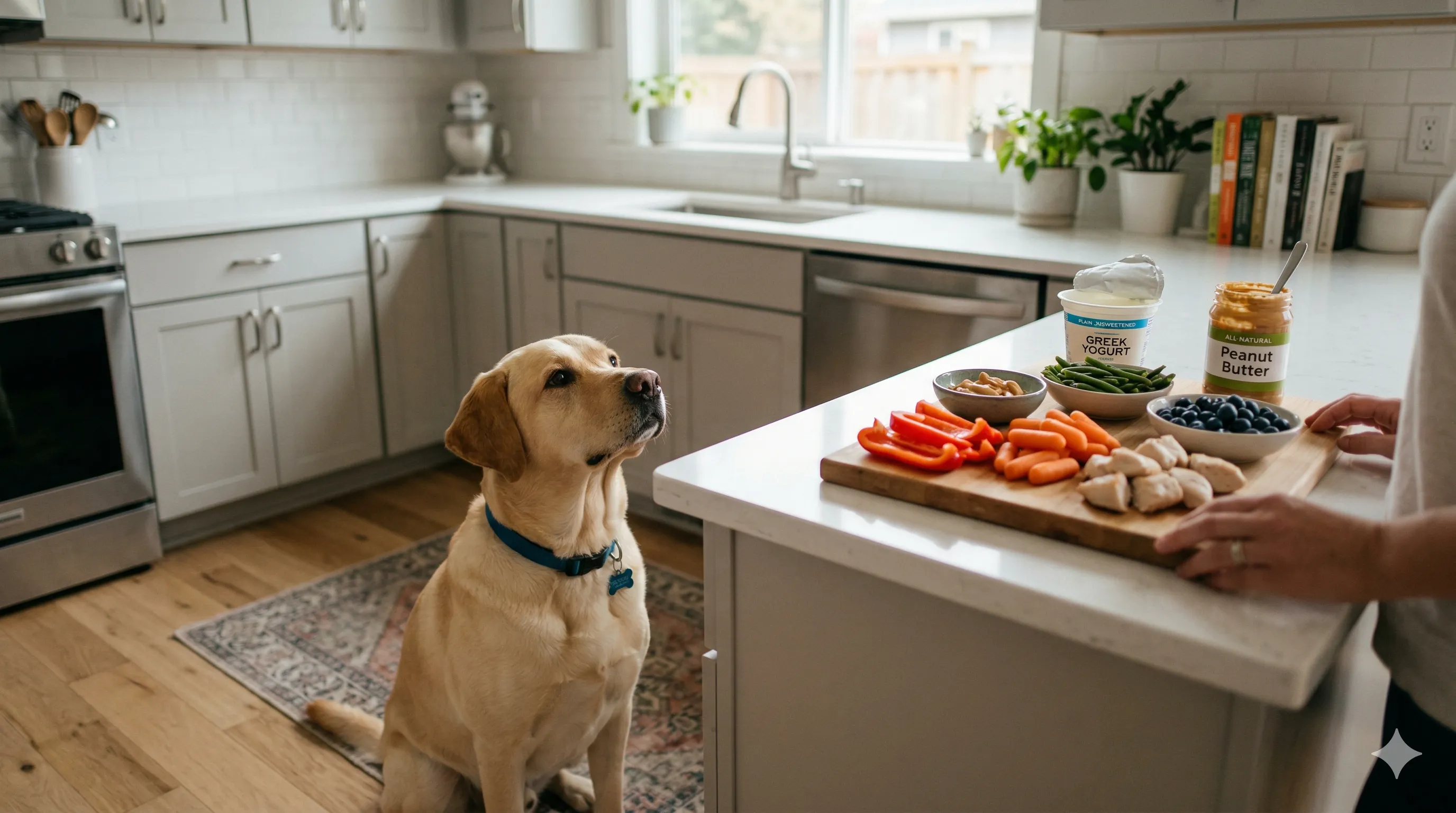
- Why Does My Dog Follow Me to the Kitchen?
- Why Does My Dog Follow Me to the Bathroom?
- Why Does My Dog Suddenly Follow Me More Than Before?
- When Should You Be Concerned?
- How to Reduce Over-Dependency
- 1. Encourage Small Independent Moments
- 2. Provide More Mental Stimulation
- 3. Build Predictable Routines
- 4. Avoid Rewarding Constant Shadowing
- 5. Stay Calm During Departures
- Common Mistakes Owners Make
- Real-Life Example
- Final Thoughts
Note: This article is for informational purposes only and does not replace professional veterinary advice.
You stand up to grab a glass of water, and within seconds your dog is right behind you. They follow you into the kitchen, wait outside the bathroom door, and sometimes even get up from a deep sleep the moment you move.
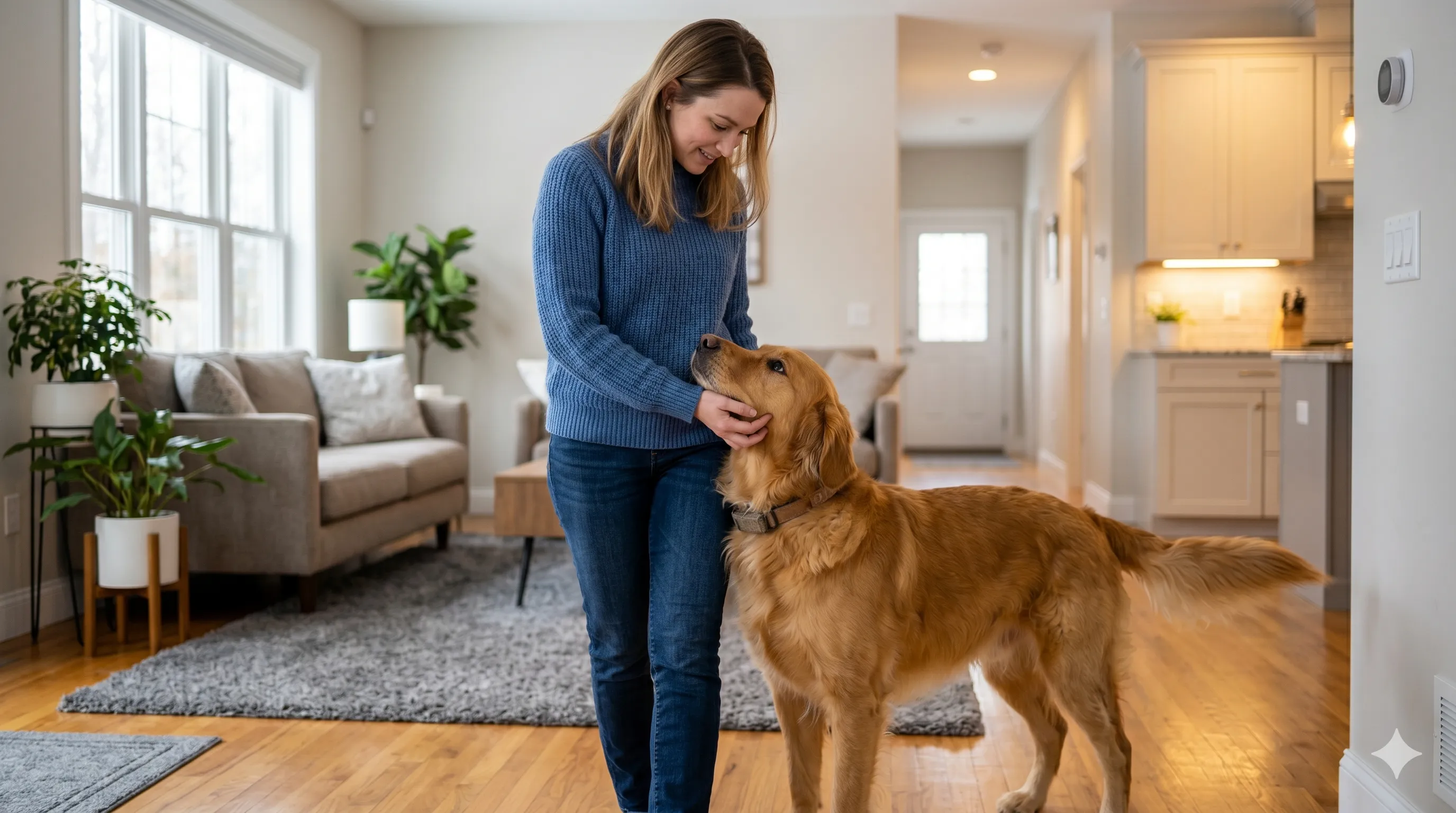
If you've ever wondered "why does my dog follow me everywhere?", you're not alone. This is one of the most common behaviors dog owners notice, especially in highly attached or emotionally sensitive dogs. tail wagging is another common sign of emotional bonding and trust
For many dogs, following their owner is completely normal and simply reflects trust, companionship, and social bonding. However, in some situations, excessive shadowing behavior may point toward boredom, anxiety, insecurity, or emotional dependency.
Understanding the difference between healthy attachment and unhealthy clinginess is important because the meaning behind this behavior depends heavily on your dog's body language, emotional state, routine, and personality.
Some dogs casually follow their owners throughout the day and remain perfectly relaxed when alone. Others become stressed, anxious, or panicked whenever separation happens, even briefly.
Learning why your dog follows you everywhere can help you better understand their emotional needs while also preventing dependency problems before they become severe.
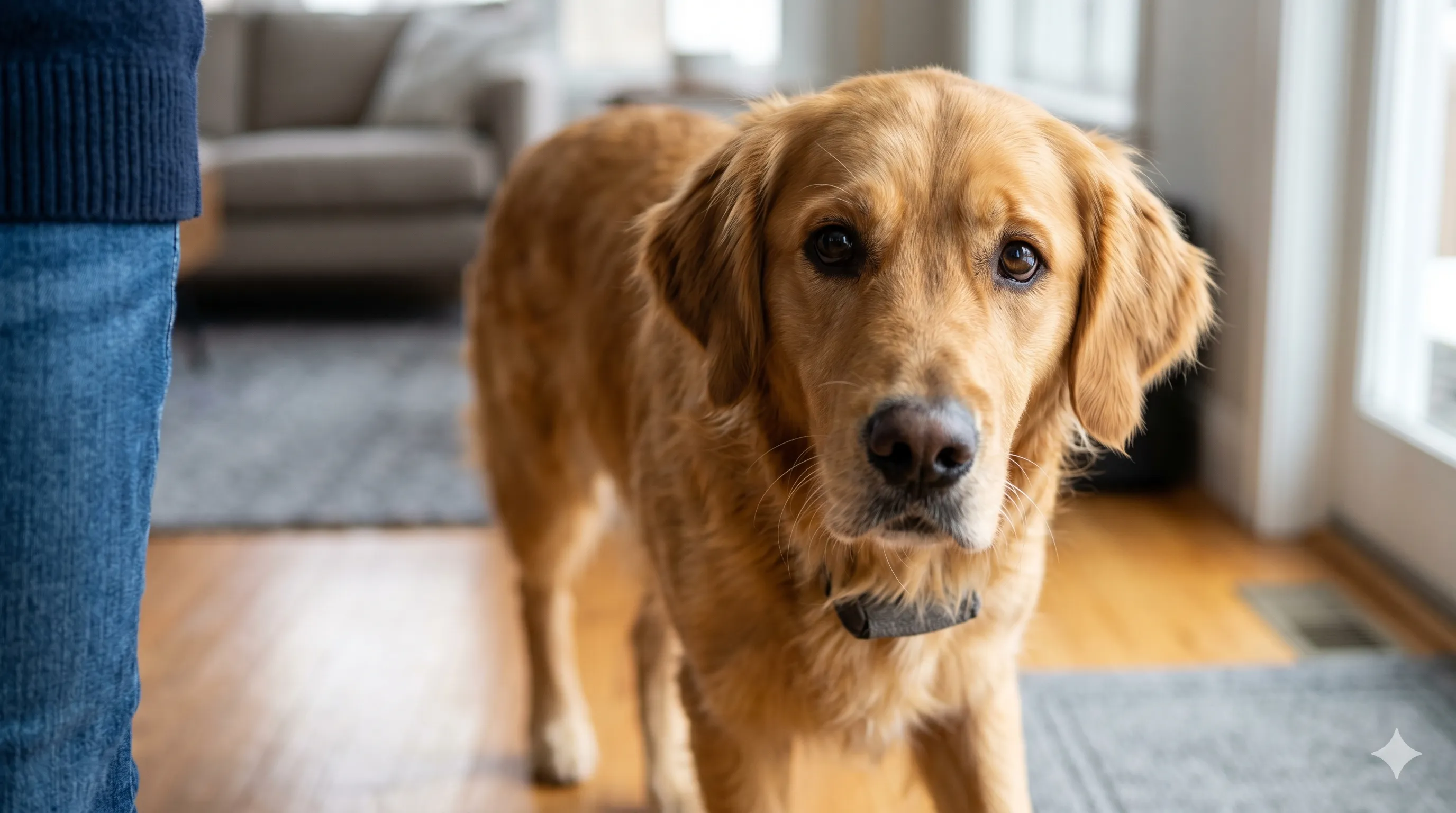
Why Does My Dog Follow Me Everywhere? (Quick Answer)
Dogs follow their owners because of bonding, instinct, routine, curiosity, emotional attachment, and learned behavior. In most cases, it is a normal social behavior that reflects trust and companionship. However, excessive following combined with distress or panic may indicate anxiety, insecurity, or over-dependency.
The key difference is whether your dog can comfortably relax independently when you are unavailable.
What Is a "Velcro Dog"?
A "Velcro dog" is a term commonly used to describe dogs that stay extremely attached to their owners and prefer constant physical closeness.
These dogs often shadow their favorite person from room to room, follow them during daily activities, and remain nearby almost all the time.
Some Velcro dogs simply have affectionate personalities and enjoy companionship. Others may develop unhealthy dependency patterns where they struggle emotionally whenever separation occurs.
Dogs that struggle to stay alone may also develop separation anxiety behaviors over time. dogs that struggle to stay alone may also develop separation anxiety behaviors
Certain breeds are naturally more prone to Velcro behavior because they were historically bred to work closely with humans for companionship, protection, or assistance.
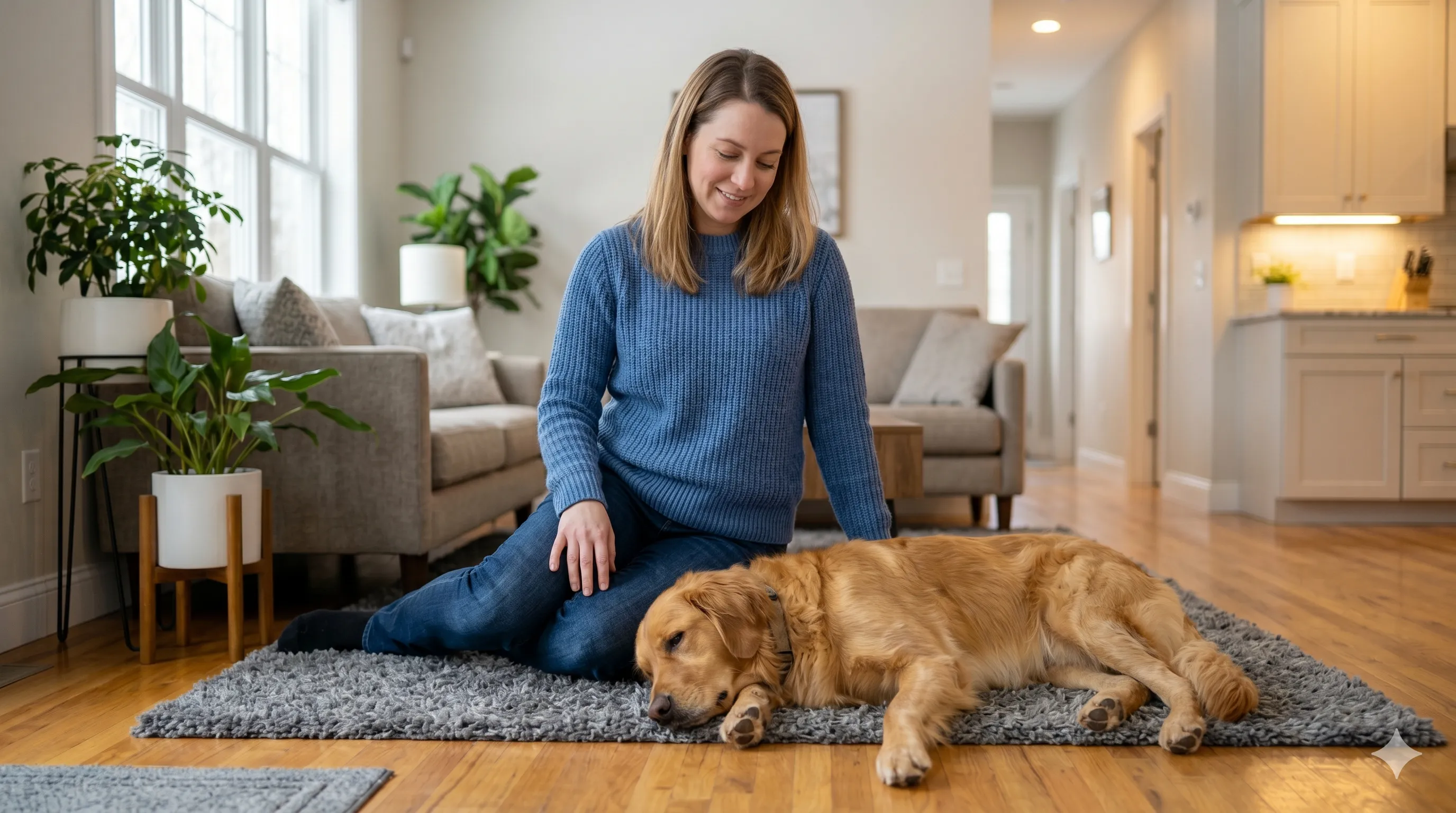
Dog Following Behavior Meaning (Quick Guide)
| Behavior | Meaning | What to Do |
|---|---|---|
| Casual following | Bonding and trust | Usually normal |
| Following during activities | Curiosity or expectation | Observe routine patterns |
| Constant close following | Strong attachment | Encourage independence |
| Following with distress | Anxiety or insecurity | Address emotional triggers |
| Panic during separation | Possible separation anxiety | Behavioral support may help |
7 Real Reasons Why Your Dog Follows You Everywhere
1. Your Dog Sees You as Part of Their Social Group
Dogs are naturally social animals that prefer staying connected with trusted members of their group.
Even though modern dogs live very differently from their wild ancestors, they still retain strong social attachment instincts.
In nature, staying close to trusted companions improved safety, survival, and emotional security. Domestic dogs often transfer this instinct directly to their human family.
When your dog casually follows you around the house, they may simply feel safer and more relaxed knowing where you are.
This behavior is especially common in:
- Indoor dogs
- Single-owner dogs
- Recently adopted dogs
- Social and affectionate breeds
- Dogs with strong emotional bonds
2. Your Dog Has Formed a Deep Emotional Bond With You
Many dogs become extremely attached to the person who provides food, comfort, play, affection, and emotional reassurance daily.
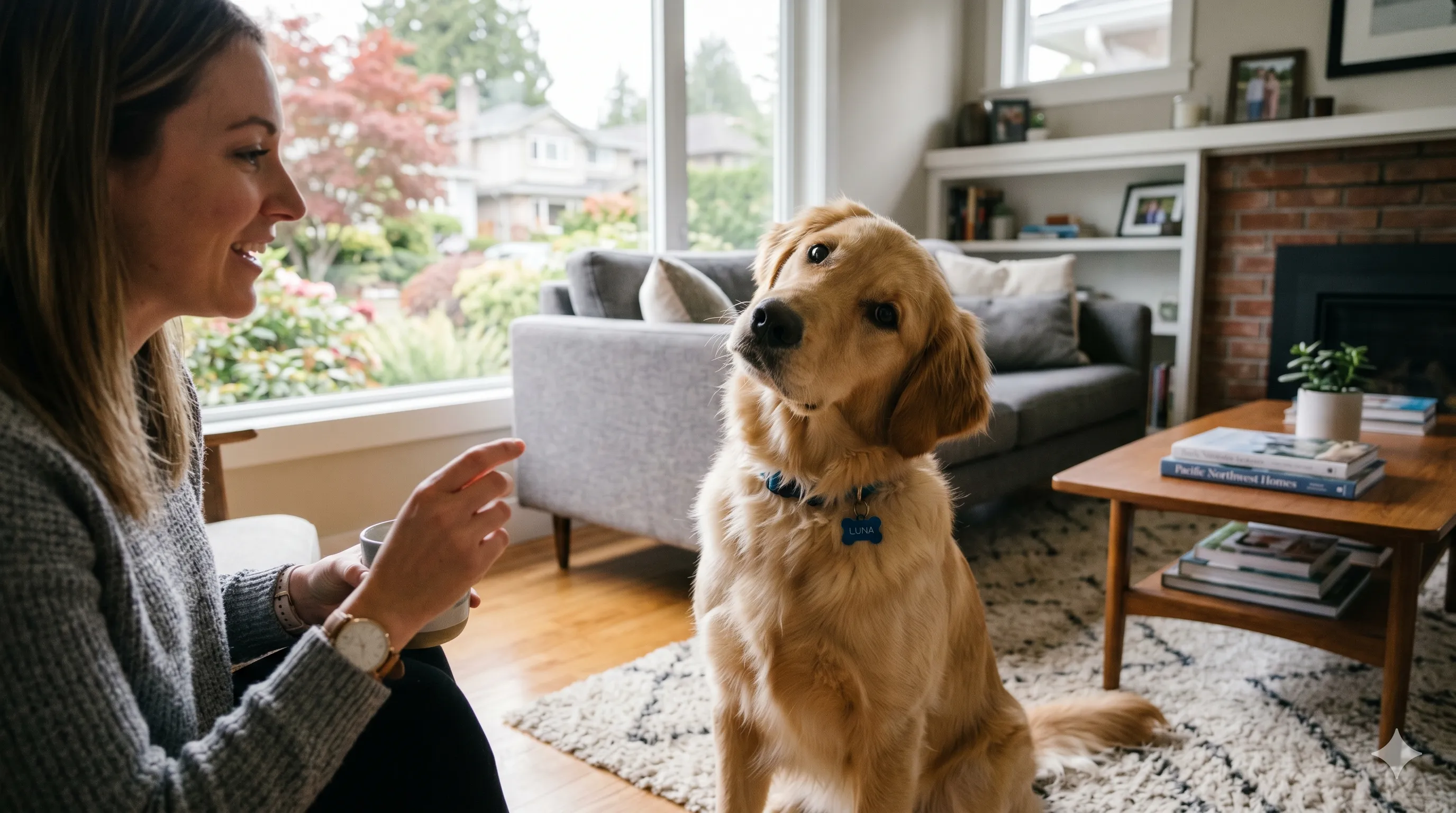
Dogs often communicate attachment through behaviors like staring at their owners, resting nearby, leaning against people, or quietly monitoring their movements around the house. dogs often communicate attachment through behaviors like staring at their owners
Emotionally bonded dogs often feel happiest when they are physically near the people they trust most.
This attachment can become even stronger after:
- Adoption or rescue
- Recovery from illness
- Major household changes
- Increased time spent together
- Emotional stress or insecurity
In many cases, following behavior is simply one of the ways dogs maintain emotional connection and companionship.
3. Your Dog Has Learned That Following You Leads to Rewards
Dogs quickly learn patterns and routines.
If following you often leads to food, walks, treats, outdoor time, cuddles, or play, your dog naturally begins repeating the behavior because it predicts positive outcomes.
For example:
- Walking toward the kitchen may lead to snacks
- Moving near the leash may mean a walk
- Heading toward the couch may mean cuddle time
- Going outside may mean adventure or stimulation
Over time, your movements become highly interesting because your dog associates them with exciting opportunities.
4. Your Dog Is Curious and Wants Mental Engagement
Some dogs simply enjoy staying involved in household activity.
Highly intelligent and observant dogs naturally monitor their environment more closely than calm or independent breeds.
Working breeds like Border Collies, German Shepherds, and Australian Shepherds often prefer staying mentally engaged rather than sleeping through the day.
These dogs may follow owners not because they are anxious, but because they are naturally alert, observant, and curious.
This type of following behavior is usually relaxed rather than emotionally distressed.
5. Your Dog May Be Bored
Dogs that lack exercise or mental stimulation often turn their owners into their main source of entertainment.
If your dog spends long periods inactive, they may begin following you constantly simply because nothing else feels stimulating enough.
Dogs that lack physical exercise or mental stimulation often become overly dependent on owners for entertainment. dogs that lack physical exercise or mental stimulation often become overly dependent on owners for entertainment
Common signs boredom may be contributing include:
- Restlessness
- Pacing
- Attention-seeking behavior
- Excessive excitement
- Demand barking
- Constant monitoring of your movements
Increasing exercise, enrichment activities, training sessions, and interactive play can often reduce clingy behavior significantly.
6. Some Dog Breeds Naturally Become "Velcro Dogs"
Certain breeds are naturally more people-focused and emotionally attached than others.
Dogs originally bred for close companionship or cooperative work with humans often prefer remaining near their owners throughout the day.
Common Velcro dog breeds include:
- Vizsla
- Labrador Retriever
- Golden Retriever
- German Shepherd
- Border Collie
- Australian Shepherd
- Italian Greyhound
- Cavalier King Charles Spaniel
These breeds often thrive on human interaction and may struggle emotionally when isolated for long periods without stimulation.
7. Anxiety or Insecurity May Be Developing
Sometimes clingy behavior becomes excessive because the dog feels emotionally insecure.
Dogs experiencing anxiety may constantly monitor their owner's location because it helps them feel safer and more emotionally stable.
This is especially common after:
- Moving to a new home
- Schedule changes
- Loss of another pet
- Stressful experiences
- Extended isolation
- Traumatic events
Learning how to calm an anxious dog can help reduce clingy and insecure behaviors before they become more severe. learning how to calm an anxious dog can help reduce clingy and insecure behaviors
Healthy Attachment vs Unhealthy Dependency
Not all following behavior is unhealthy.
Many emotionally balanced dogs casually follow their owners while still remaining confident and independent when necessary.
The biggest concern is whether your dog can emotionally cope with temporary separation.
| Healthy Attachment | Potential Dependency |
|---|---|
| Follows casually | Cannot relax alone |
| Comfortable in another room | Panic when separated |
| Relaxed body language | Constant pacing or whining |
| Naps independently | Needs constant physical contact |
| Temporary following | Extreme distress during departures |
Common Situations Explained
Why Does My Dog Follow Me to the Kitchen?
This behavior is usually linked to routine and food expectations.
Dogs quickly learn that kitchens often lead to treats, smells, feeding routines, or dropped food.
Even dogs that are not highly clingy may become very interested whenever owners move toward food-related areas.
Why Does My Dog Follow Me to the Bathroom?
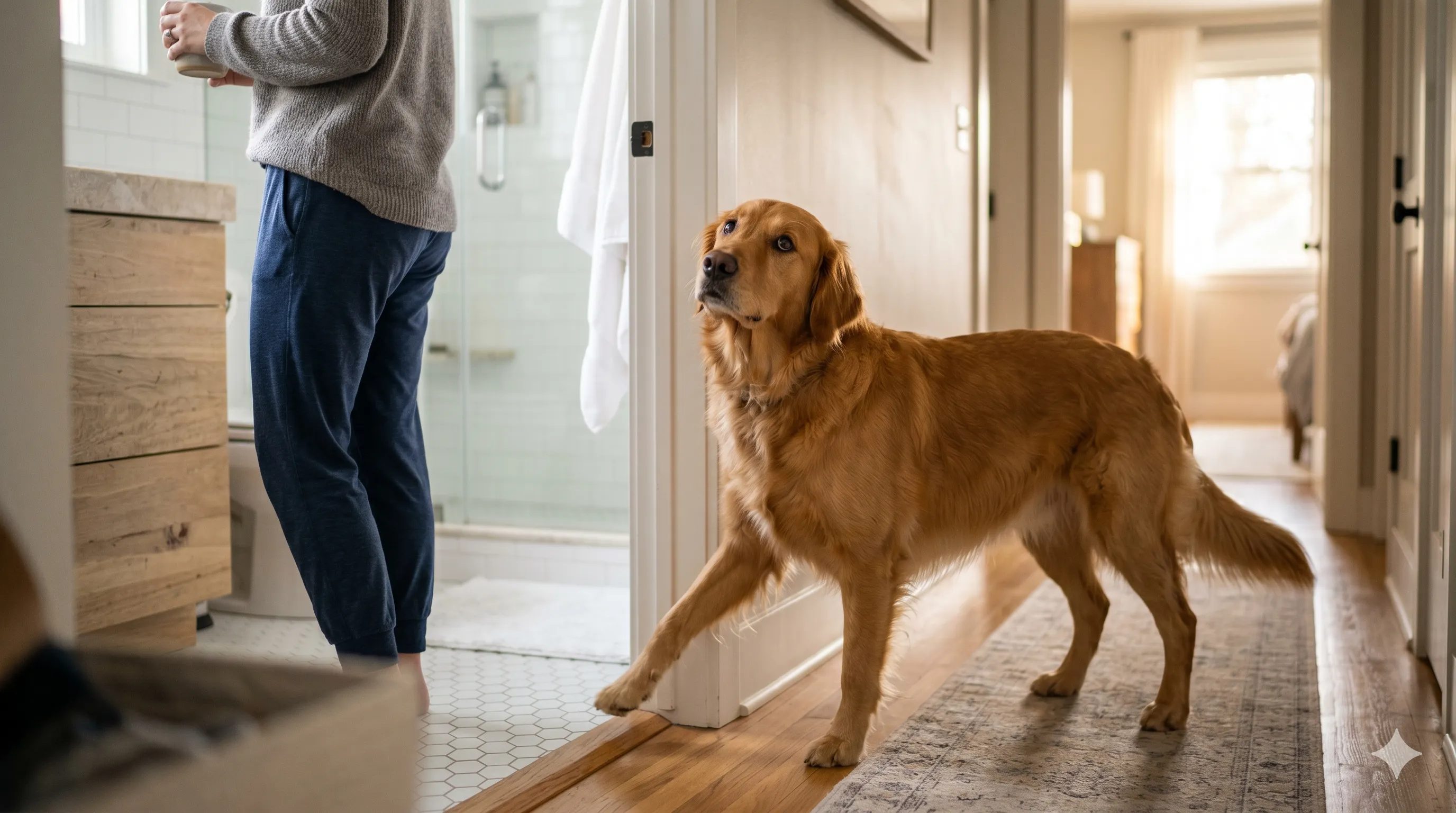
Many dogs also follow their owners to the bathroom because temporary separation feels uncomfortable to them. many dogs also follow their owners to the bathroom because temporary separation feels uncomfortable to them
Dogs generally do not understand privacy boundaries the same way humans do. To your dog, closing the bathroom door may simply feel like unnecessary separation from someone important.
Why Does My Dog Suddenly Follow Me More Than Before?
Sudden clinginess should always be observed carefully.
Behavior changes can sometimes appear after illness, stress, aging, emotional insecurity, environmental changes, or disrupted routines.
Senior dogs may also become more attached due to reduced confidence caused by hearing loss, vision decline, or cognitive changes.
When Should You Be Concerned?
Following behavior becomes concerning when it turns into emotional distress instead of relaxed companionship.
Warning signs may include:
- Panic when left alone
- Destructive chewing
- Constant whining or barking
- Scratching doors
- Indoor accidents
- Refusing to eat alone
- Pacing constantly
- Hyper-attachment to one person
Dogs with severe anxiety are not simply being needy. They may genuinely feel overwhelmed or emotionally unsafe during separation.
How to Reduce Over-Dependency
1. Encourage Small Independent Moments
Teach your dog that short periods of separation are safe and temporary.
Allow them to rest independently while you remain nearby in another room.
2. Provide More Mental Stimulation
Puzzle feeders, sniff games, training exercises, and enrichment activities help reduce emotional over-focus on owners.
3. Build Predictable Routines
Dogs often feel emotionally safer when daily routines remain consistent.
Regular feeding, walks, training, and rest schedules help reduce insecurity.
4. Avoid Rewarding Constant Shadowing
If every instance of following immediately results in attention, dogs may unintentionally learn to repeat the behavior constantly.
Reward calm independent behavior as well.
5. Stay Calm During Departures
Overly emotional goodbyes can sometimes reinforce anxiety in sensitive dogs.
Keeping departures calm and routine-based often helps reduce stress over time.
Common Mistakes Owners Make
- Accidentally rewarding clingy behavior constantly
- Ignoring boredom and lack of stimulation
- Never teaching independent relaxation
- Punishing anxious behavior instead of addressing the cause
- Assuming all following behavior is harmless
Real-Life Example
A rescue Labrador began following its owner constantly after adoption and became visibly stressed whenever left alone.
Initially, the behavior seemed affectionate and harmless. However, over time the dog developed pacing, whining, and destructive chewing whenever separation occurred.
After introducing structured exercise, confidence-building routines, enrichment games, and gradual alone-time practice, the dog's anxiety improved significantly within several weeks.
This type of emotionally dependent behavior is very common in highly attached dogs.
Final Thoughts
Following behavior is one of the most common ways dogs stay emotionally connected with the people they trust most. following behavior is often one of the strongest signs of emotional attachment between dogs and owners
In many homes, a dog quietly shadowing its owner is simply a sign of affection, curiosity, trust, companionship, and emotional bonding.
However, when clinginess becomes emotionally intense or anxiety-driven, building healthy independence becomes important for your dog's long-term emotional well-being.
This content is carefully reviewed and written to provide reliable, experience-focused guidance for dog owners and pet families.
Medical Disclaimer
This content is provided for informational and educational purposes only and should not be considered veterinary, medical, behavioral, or training advice. While we strive for accuracy, we make no guarantees regarding completeness or results. Always consult a licensed veterinarian or qualified pet care professional before making decisions about your pet’s health, diet, or behavior.
AI Illustration Notice
Some images in this article may have been generated or enhanced using artificial intelligence for illustrative purposes.
Frequently Asked Questions
Dogs usually follow their owners because of bonding, emotional attachment, curiosity, routine, and social instinct.
A Velcro dog is a dog that stays extremely close to its owner and prefers constant physical proximity.
Yes, moderate following behavior is completely normal and often reflects trust, comfort, and companionship.
Sudden clinginess may develop due to stress, anxiety, illness, aging, environmental changes, or emotional insecurity.
Many dogs follow owners to the bathroom because they dislike temporary separation and remain curious about household activity.
Yes, dogs that lack exercise and mental stimulation may become overly dependent on their owners for entertainment and engagement.
Encouraging independence, providing mental stimulation, and avoiding reinforcement of clingy behavior can help reduce excessive following.
You should become concerned if your dog shows panic, destructive behavior, constant whining, pacing, or severe distress whenever left alone.
Editorial Note
This article is part of PetNurture's educational library.
Topics are researched using publicly available educational resources, recognised veterinary organisations, academic publications and established animal welfare references where appropriate.
Every article is reviewed by the PetNurture editorial team for clarity, structure, readability and consistency before publication.
References
The information in this article has been reviewed and supported using the following sources.
American Kennel Club
Why Does My Dog Follow Me Everywhere? It's in Their Genes
Explains pack mentality, imprinting, and energy levels as reasons dogs follow their owners everywhere; supports the '7 Real Reasons Your Dog Follows You Everywhere' section of this article.
Accessed Aug 6, 2026
ASPCA
Supports the distinction between healthy attachment and separation-anxiety-driven following behavior described in the 'Healthy Attachment vs Unhealthy Dependency' section of this article.
Accessed Aug 6, 2026
Pet Emergency Guidance
Every pet is unique. If your pet exhibits severe symptoms, sudden behavioral changes, or a medical emergency, do not rely on online guides — contact a licensed veterinarian or emergency clinic immediately.
About PetNurture
PetNurture is an educational library of pet care guides, interactive tools and practical resources for pet parents. We work continuously to keep our content accurate and up to date. Reader feedback helps us maintain content quality.
Related Articles
Popular Dog Guides
Dog
Dog Chocolate Toxicity Calculator
Assess chocolate toxicity risk based on your dog's weight and the amount eaten.
Dog
Dog Calorie Calculator
Find the right daily calorie target for your dog's weight and activity level.