
Cat Poisoning: Symptoms, Emergency First Aid & What to Do Fast
- Common Signs of Cat Poisoning
- Toxins Shared With Dogs That Still Matter for Cats
- Cat-Specific Dangers Most Owners Don't Know About
- Lilies
- Human Pain Relievers
- Permethrin in Dog Flea Products
- Essential Oils
- What to Do in the First Few Minutes
- What Not to Do
- What Happens at the Vet
- Expert Tips: Poison-Proofing Your Home
- Common Mistakes to Avoid
- Final Thoughts
Note: This article is for informational purposes only and does not replace professional veterinary advice.
Quick Answer
Cats face poisoning risks that work differently than in dogs, including lilies, human pain relievers like acetaminophen, permethrin in dog flea products, and essential oils. Watch for vomiting, drooling, tremors, or sudden lethargy, and call the ASPCA Animal Poison Control Center at (888) 426-4435 or the Pet Poison Helpline at (855) 764-7661 immediately rather than waiting to see if symptoms pass.
Cats face a genuinely different set of poisoning risks than dogs do, and several of the most dangerous ones aren't well known even among experienced owners. A single lily petal, one dose of a human pain reliever meant for a headache, or a dog flea treatment applied by mistake can all turn fatal within hours. Because cats groom themselves constantly, anything that gets on their fur or paws often ends up ingested even if the cat never directly ate it. This guide covers the general warning signs of poisoning, the specific cat-only dangers most articles gloss over, exactly what to do in the first few minutes, real poison control numbers, and what to expect once you reach the vet.
Common Signs of Cat Poisoning
Poisoning symptoms vary a lot depending on what a cat was exposed to, but several signs show up across most cases and should always prompt a same-day call to a vet or poison control.
- Sudden vomiting or diarrhea, especially if it starts abruptly with no diet change
- Drooling or foaming at the mouth
- Unusual lethargy, weakness, or wobbliness
- Tremors, twitching, or seizures
- Difficulty breathing or rapid breathing
- a sudden loss of appetite paired with any of the signs above, rather than a cat simply being a picky eater that day
Toxins Shared With Dogs That Still Matter for Cats
Several common household toxins are dangerous to both cats and dogs, even though this guide focuses mainly on the cat-specific risks below. Chocolate, xylitol found in sugar-free gum and some peanut butters, grapes and raisins, and onions and garlic in any form all carry real risk for cats too, generally in smaller amounts relative to a cat's size than for a dog. If you also share your home with a dog, worth reading alongside this guide for the fuller shared-toxin picture.
Cat-Specific Dangers Most Owners Don't Know About
A lot of general poisoning advice online is written with dogs in mind, but several of the most dangerous substances for cats work completely differently in their bodies. These four deserve special attention.
Lilies
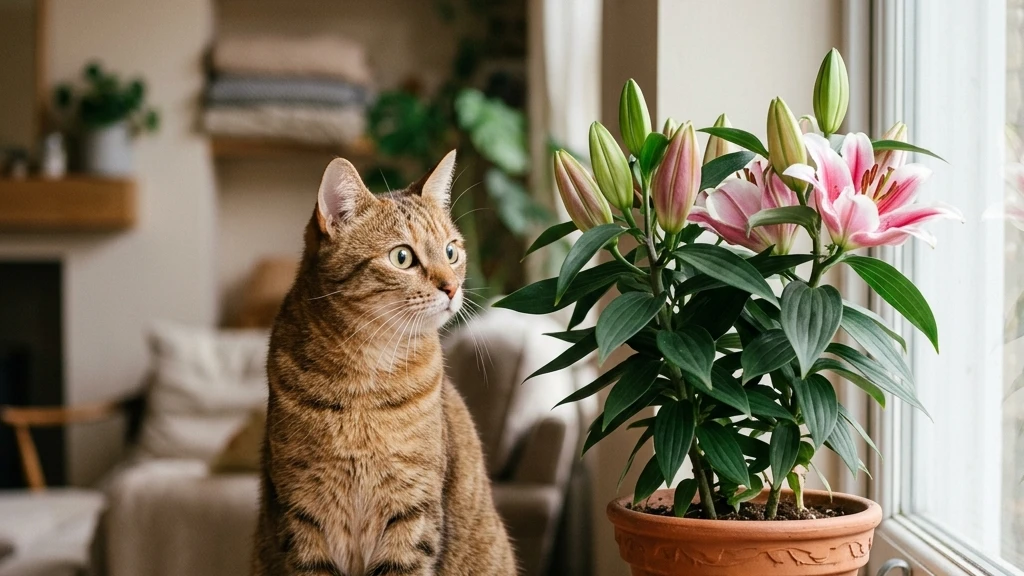
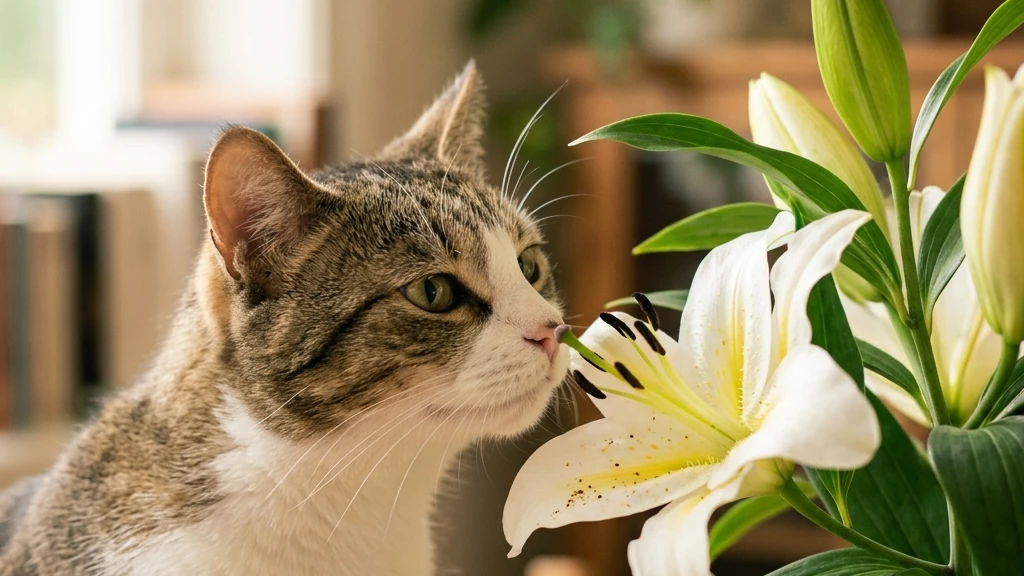
True lilies, including Easter lilies, tiger lilies, and daylilies, are extremely toxic to cats and can cause irreversible kidney failure starting within 24 hours of exposure. Every part of the plant is dangerous, including the pollen and even the water in a vase, and a cat doesn't need to eat much for it to be fatal. If you have cats, treat any lily in the house as a genuine hazard rather than just a plant to keep out of reach.
Human Pain Relievers
Acetaminophen is especially dangerous for cats because their liver cannot process it the way a human's or even a dog's liver can, so a single tablet meant for a person can be life-threatening. Ibuprofen and naproxen are also unsafe and can cause kidney failure and stomach ulcers even in small amounts. No human pain medication should ever be given to a cat without a vet's direct instruction.
Permethrin in Dog Flea Products
Permethrin is a common ingredient in flea treatments, sprays, and collars made for dogs, and it is safe for them but highly toxic to cats because a cat's liver cannot break it down the same way. Exposure often happens by accident, either applying the wrong product directly to a cat or a cat grooming permethrin off a dog's fur after the dog was treated. Watch for drooling, muscle twitching, and seizures, which can appear within hours but sometimes take up to a day to show up.
Essential Oils
Cats have a harder time metabolizing essential oils than most other pets do, and oils like tea tree, eucalyptus, peppermint, citrus, cinnamon, and wintergreen can cause liver damage, breathing problems, and neurological symptoms even from small exposures. This includes oils used in diffusers, cleaning products, and topical remedies that seem harmless for household use.

What to Do in the First Few Minutes
- Move your cat away from the suspected source right away, and if the exposure was inhaled, get them into fresh air immediately
- If the poison is on the fur or skin, rinse thoroughly with lukewarm water and a mild soap, wearing gloves so it doesn't transfer to you
- Collect the packaging, plant, or product involved so you can describe exactly what it was to the vet or poison control
- Call your vet, an emergency animal hospital, or a poison control hotline immediately: ASPCA Animal Poison Control Center (888) 426-4435 or Pet Poison Helpline (855) 764-7661, both staffed 24/7
- Be ready to share your cat's weight, what was ingested or touched, roughly how much, and when it happened
What Not to Do
Do not induce vomiting unless a vet or poison control specifically tells you to, since some substances cause more damage coming back up than staying down. Do not give any home remedy, human medication, milk, or oil without direction, and do not wait to see if symptoms improve on their own, since several of the toxins above have a delayed onset that makes early-looking calm misleading.
What Happens at the Vet
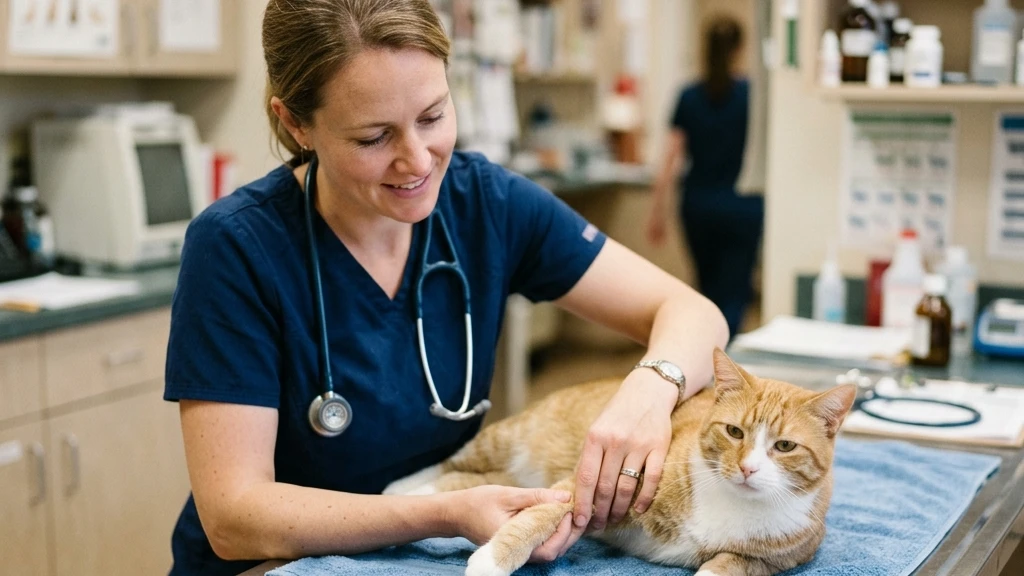
Depending on the toxin and timing, a vet may induce vomiting under controlled conditions, give activated charcoal to bind the toxin, or start IV fluids to support the kidneys and flush the system. Cats exposed to permethrin or another neurological toxin often need supportive care to manage tremors and seizures directly, since there typically isn't a specific antidote for it. Bloodwork is common afterward to check kidney and liver function, especially after lily or acetaminophen exposure, since damage doesn't always show up immediately. Following up with a recommended follow-up vet visit after any poisoning event, even a mild one, helps catch delayed organ damage before it turns into something serious.
Expert Tips: Poison-Proofing Your Home
- Never keep true lilies in a home with cats, including cut flowers in a bouquet
- Store all medications, including your own, in a closed cabinet a cat cannot access or knock over
- Only use flea and tick products labeled specifically for cats, and never apply a dog product to a cat or let cats and dogs groom each other right after treatment
- Keep essential oil diffusers and undiluted oils out of rooms your cat has access to
- Save the ASPCA and Pet Poison Helpline numbers in your phone before an emergency happens, not during one
- If your cat is hiding more than usual alongside any of the signs above, treat it as a possible poisoning red flag rather than ordinary pickiness
Common Mistakes to Avoid
- Assuming a substance is safe for cats because it's safe for dogs, which is exactly backward for permethrin and several other common products
- Keeping lilies in the house without realizing every part of the plant is dangerous
- Giving a cat human pain medication for what looks like minor discomfort
- Waiting to see if vomiting or lethargy passes instead of calling a vet or poison control right away
- Inducing vomiting without being told to, which can make some poisonings worse
- Not knowing the ASPCA or Pet Poison Helpline number until the middle of an actual emergency
Final Thoughts
Cat poisoning often comes down to substances that are perfectly fine for people or even dogs but genuinely dangerous for a cat's liver and kidneys, which is exactly why lilies, human pain relievers, dog flea products, and essential oils deserve their own place on every cat owner's radar. Acting in the first few minutes, having real poison control numbers ready, and never assuming it's probably fine gives your cat the best possible outcome. If your cat is showing broader signs of feeling unwell rather than a clear poisoning event, the broader warning signs your cat may be sick can help you figure out whether it's time to call the vet.
Any cat showing vomiting, drooling, tremors, or sudden lethargy after possible exposure to a toxin needs a vet or poison control call immediately, not a wait-and-see approach.
This guide is for general education and is not a substitute for veterinary care. Any cat showing signs of poisoning should be seen by a veterinarian right away, and the ASPCA Animal Poison Control Center or Pet Poison Helpline can advise on immediate steps before you're able to get there.
Medical Disclaimer
This content is provided for informational and educational purposes only and should not be considered veterinary, medical, behavioral, or training advice. While we strive for accuracy, we make no guarantees regarding completeness or results. Always consult a licensed veterinarian or qualified pet care professional before making decisions about your pet’s health, diet, or behavior.
AI Illustration Notice
Some images in this article may have been generated or enhanced using artificial intelligence for illustrative purposes.
Frequently Asked Questions
Common early signs include sudden vomiting or diarrhea along with drooling and unusual lethargy. Tremors seizures and difficulty breathing point to a more severe or advanced exposure and need immediate emergency care.
Yes. Every part of a true lily including the pollen and vase water can cause irreversible kidney failure in cats starting within 24 hours of exposure. Cats should never share a home with lilies of any kind.
No. Acetaminophen is especially dangerous since a cat's liver cannot process it and even one tablet can be fatal. Ibuprofen and naproxen are also unsafe and can cause kidney failure so no human pain reliever should ever be given without direct vet instruction.
Many dog flea products contain permethrin which a cat's liver cannot break down the way a dog's can. This can cause drooling twitching and seizures either from direct application or from a cat grooming it off a treated dog.
Only if a vet or poison control specifically tells you to. Some substances cause more damage coming back up than staying down so inducing vomiting on your own can make things worse.
Call the ASPCA Animal Poison Control Center at (888) 426-4435 or the Pet Poison Helpline at (855) 764-7661. Both are staffed 24/7 and can advise on immediate steps before you reach a vet.
No. Cats struggle to metabolize essential oils such as tea tree eucalyptus and peppermint which can cause liver damage and breathing problems even from small exposures. Keep diffusers and undiluted oils out of any room your cat can access.
It depends on the toxin. Some substances like permethrin can take hours to show clear signs and up to a full day in some cases so a calm-looking cat right after exposure doesn't rule out a real problem.
Treatment depends on the toxin and timing but often includes inducing vomiting under controlled conditions activated charcoal or IV fluids to support the kidneys. Bloodwork afterward checks kidney and liver function since damage doesn't always appear right away.
Keep lilies out of the house entirely and store all medications in a closed cabinet a cat cannot reach. Use only cat-labeled flea products and keep essential oil diffusers out of rooms your cat has access to.
Normal vs. Concerning Symptoms
A general guide to help you tell everyday variation apart from something worth a vet visit. This is educational context, not a diagnosis.
| Symptom | What's Normal | When to Be Concerned |
|---|---|---|
| Appetite and behavior | Normal eating and typical activity level | Sudden vomiting, diarrhea, or refusal to eat paired with lethargy |
| Mouth and drooling | No excess drooling | Drooling or foaming at the mouth |
| Movement | Normal coordinated movement | Tremors, twitching, wobbliness, or seizures |
| Breathing | Calm steady breathing | Rapid, labored, or difficult breathing |
What Should I Do Next?
A general decision guide — always use your own judgement and contact a veterinarian for anything beyond routine care.
- Remove your cat from the source immediately Get them into fresh air for an inhaled poison or away from a spill, plant, or product right away.
- Rinse any poison off the fur or skin Use lukewarm water and mild soap while wearing gloves to avoid transferring it to yourself.
- Call poison control or your vet immediately ASPCA Animal Poison Control (888) 426-4435 or Pet Poison Helpline (855) 764-7661 are both staffed 24/7.
- Do not induce vomiting unless told to Some substances cause more damage coming back up so only do this on direct professional instruction.
- Bring the packaging or plant with you Identifying the exact substance speeds up correct treatment significantly.
Common Mistakes
- Assuming a substance is safe for cats because it's safe for dogs, which is exactly backward for permethrin and several other common products
- Keeping lilies in the house without realizing every part of the plant is dangerous
- Giving a cat human pain medication for what looks like minor discomfort
- Waiting to see if vomiting or lethargy passes instead of calling a vet or poison control right away
- Inducing vomiting without being told to, which can make some poisonings worse
- Not knowing the ASPCA or Pet Poison Helpline number until the middle of an actual emergency
Prevention Tips
- Never keep true lilies in a home with cats including cut flowers in a bouquet
- Store all medications in a closed cabinet a cat cannot access or knock over
- Only use flea and tick products labeled specifically for cats
- Keep essential oil diffusers and undiluted oils out of rooms your cat can access
- Save the ASPCA and Pet Poison Helpline numbers in your phone before an emergency happens
- Separate cats and dogs right after a dog receives a topical flea treatment until it's fully dry
Illustrative Example
Consider an owner who receives a bouquet of flowers as a gift and doesn't realize a few stems are true lilies. Within a day their cat starts vomiting and seems unusually withdrawn, and the owner remembers reading that lilies are dangerous and immediately calls the ASPCA Animal Poison Control Center. Vet staff start supportive IV fluids right away to protect the kidneys before more serious damage sets in, and bloodwork over the following days confirms the cat's kidney values are recovering. Because the connection between the bouquet and the symptoms was made quickly instead of assuming it was an unrelated stomach bug, treatment started early enough to prevent permanent kidney damage.
Practical Checklist
- Identify and remove the suspected toxin source immediately
- Rinse any poison off fur or skin with mild soap and water
- Call ASPCA Animal Poison Control or the Pet Poison Helpline right away
- Do not induce vomiting unless specifically instructed to
- Bring the product packaging or plant to the vet visit
- Poison-proof the home afterward including lilies medications and flea products
Editorial Note
This article is part of PetNurture's educational library.
Topics draw on publicly available educational resources, recognised veterinary organisations, academic publications and established animal welfare references where appropriate.
The specific sources this article draws on are listed in its References section. If you spot an error, please let us know.
References
The information in this article has been reviewed and supported using the following sources.
ASPCA
Confirms the real ASPCA Animal Poison Control Center phone number and 24/7 availability; supports the emergency contact information used throughout this article.
Accessed Aug 21, 2026
International Cat Care
Confirms permethrin toxicity mechanism, common exposure routes (dog flea products, grooming a treated dog), and symptom onset timing; supports the Permethrin section of this article.
Accessed Aug 21, 2026
PetMD
What Things Are Poisonous to Cats?
Confirms lily toxicity mechanism and timeline, acetaminophen and NSAID toxicity in cats, and essential oil risks; supports the Cat-Specific Dangers section of this article.
Accessed Aug 21, 2026
Pet Emergency Guidance
Every pet is unique. If your pet exhibits severe symptoms, sudden behavioral changes, or a medical emergency, do not rely on online guides — contact a licensed veterinarian or emergency clinic immediately.
About PetNurture
PetNurture is an educational library of pet care guides, interactive tools and practical resources for pet parents. We work continuously to keep our content accurate and up to date. Reader feedback helps us maintain content quality.
Related Articles



Popular Cat Guides

Cat
Cat Feeding Calculator
Calculate how much food your cat needs daily based on weight, age, and activity level.