
Flea and Tick Prevention for Dogs: Signs, Removal & Protection

- Why Flea and Tick Prevention Matters
- Signs Your Dog Has Fleas or Ticks
- Signs of Fleas
- Signs of Ticks
- The Flea Dirt Test
- How to Safely Remove a Tick
- How Tick-Borne Illness Can Show Up Later
- Year-Round Prevention: What Actually Works
- Veterinary Prevention Options
- Post-Walk Tick Checks
- Treating Your Home and Yard
- Understanding the Flea Life Cycle
- Which Dogs and Situations Carry Higher Risk
- Puppies, Senior Dogs, and Flea Allergy Dermatitis
- Multi-Pet Households and the Cat Warning
- Outdoor Dogs, Rural Areas, and Wooded Trails
- Expert Tips for Staying Ahead of Fleas and Ticks
- Common Mistakes That Make Fleas and Ticks Worse
- Final Thoughts
Note: This article is for informational purposes only and does not replace professional veterinary advice.
Quick Answer
Check for fleas by looking for small dark flea dirt specks that turn reddish brown on a damp paper towel, and check for ticks by running hands over the ears, armpits, groin, and toes after outdoor walks. Remove an attached tick with fine-tipped tweezers, pulling straight up without twisting, then keep prevention consistent year-round rather than seasonally.
A single flea can multiply into a full-blown infestation inside a home within weeks, and a tick can transmit a serious illness in the time it takes to finish a walk. Both are common, both are preventable, and both are easy to miss until a dog is already uncomfortable. This guide covers how to spot the early signs of fleas and ticks, exactly how to remove a tick safely, the health risks they actually carry, and the year-round prevention habits that keep them from becoming a problem in the first place.
Why Flea and Tick Prevention Matters
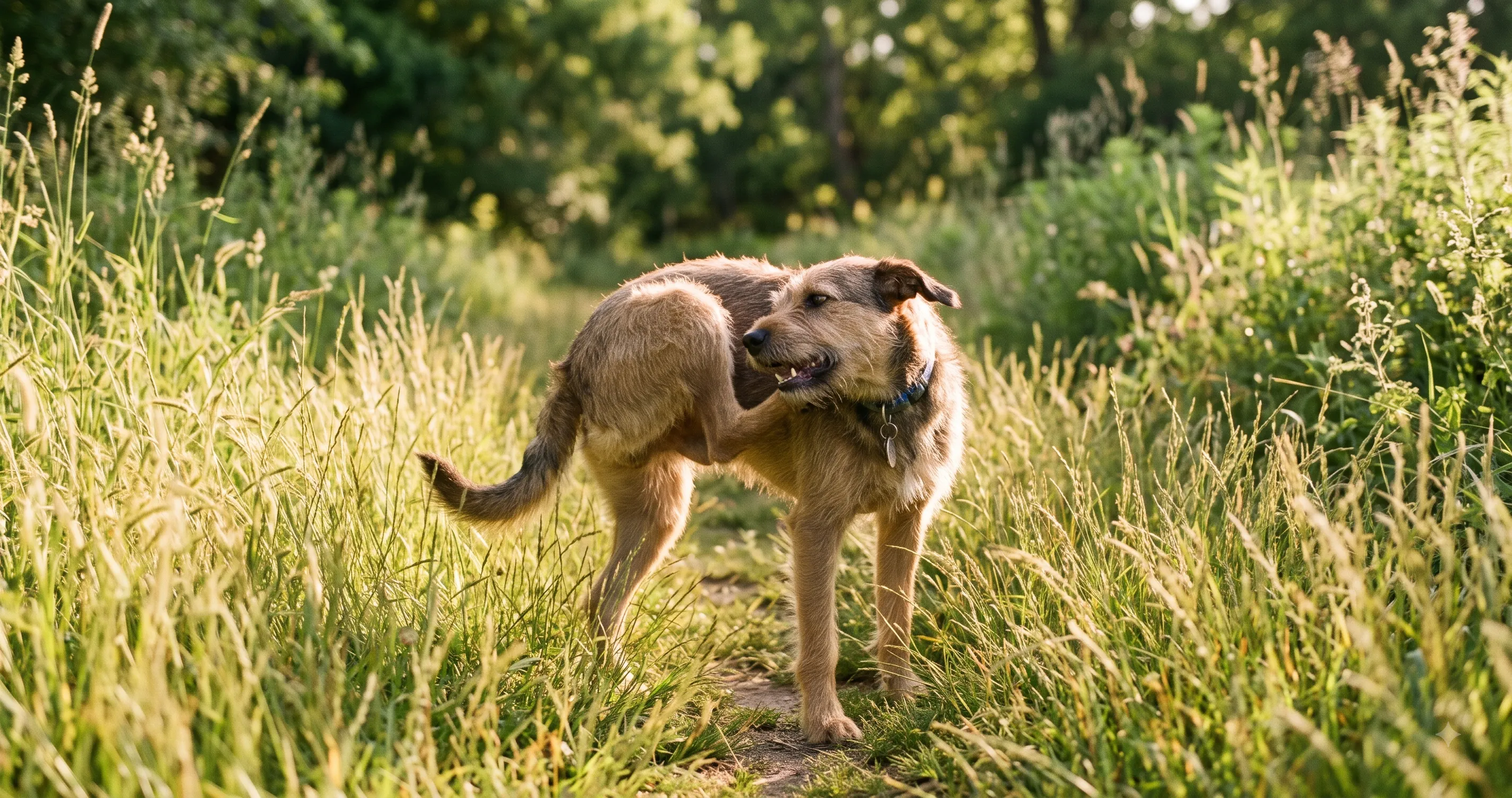
Fleas and ticks are not just an itch-inducing nuisance. Fleas can trigger flea allergy dermatitis in sensitive dogs, cause tapeworm infections if swallowed during grooming, and in severe infestations lead to anemia, especially in puppies and small dogs. Ticks can transmit Lyme disease, ehrlichiosis, and anaplasmosis, illnesses that can take weeks to show symptoms after a bite.
Both parasites are also far more resilient than most owners assume. Fleas can live and reproduce indoors year-round regardless of season, and ticks stay active any time the temperature climbs above about 40°F, which in many regions means there is no true off-season.
Signs Your Dog Has Fleas or Ticks
Catching an infestation early makes it far easier to treat and far less uncomfortable for a dog.
Signs of Fleas
- Frequent scratching, biting, or licking at the same spot, especially around the tail base, belly, or thighs
- Small red bumps or scabs on the skin
- Patchy hair loss from constant scratching
- Restlessness or difficulty settling down, particularly at night
Signs of Ticks
- A small bump on the skin that feels firm rather than soft
- A visible attached tick, often in warm hidden spots like the ears, armpits, groin, or between the toes
- Localized swelling or redness around a bite
- Limping or favoring one leg if a tick has attached near a joint
The Flea Dirt Test
Part a dog's fur down to the skin and look for tiny dark specks that resemble ground pepper. Brush a few onto a damp white paper towel. If they turn reddish brown as they dissolve, that confirms flea dirt rather than ordinary debris, since it is made up of digested blood. This is one of the most reliable early signs of fleas even before any bites are visible on the skin, and licking or biting at irritated skin afterward is a common reaction that licking or biting at irritated skin can also point toward.
How to Safely Remove a Tick
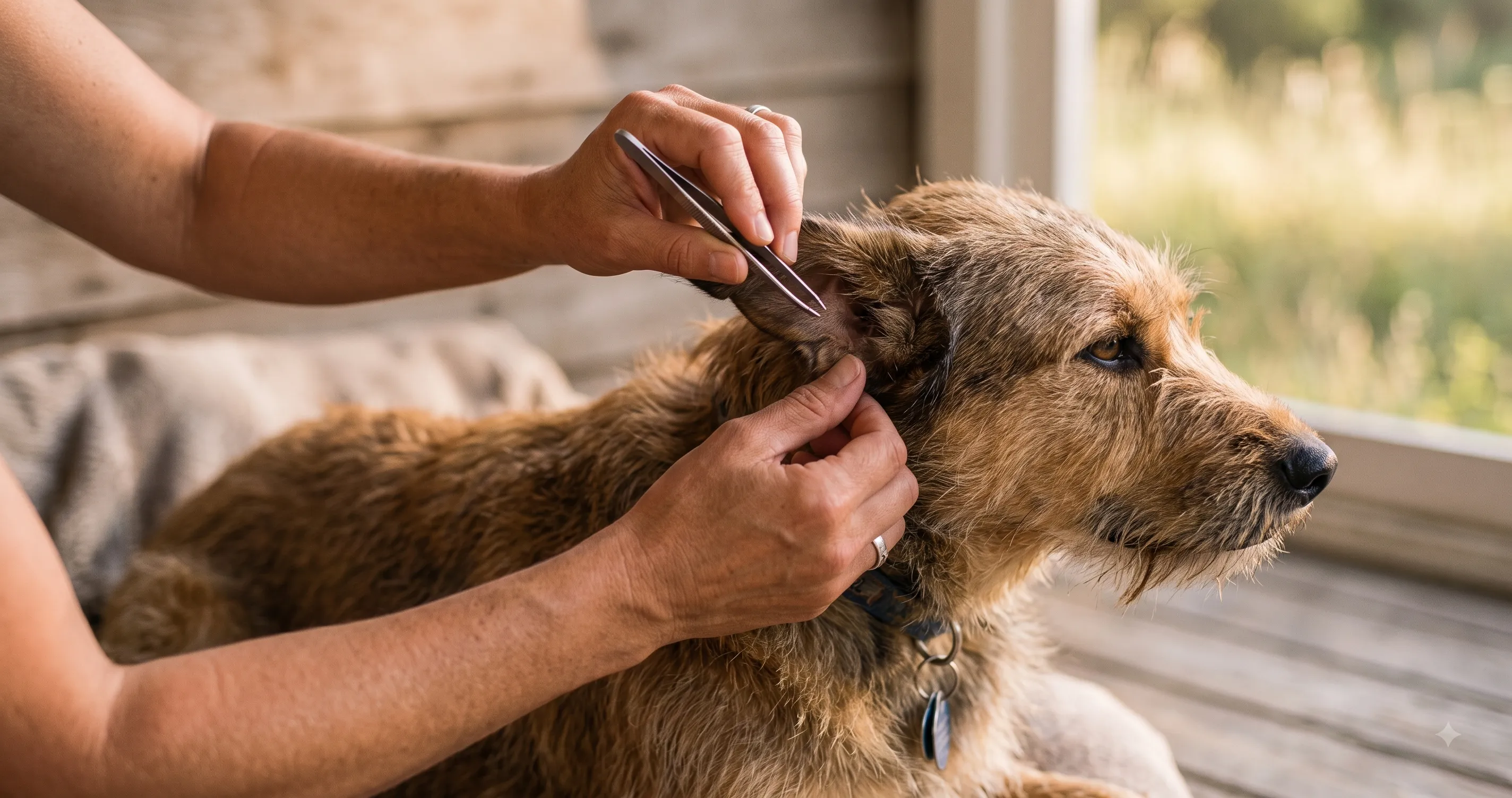
Speed matters less than technique here. A tick that has been attached for a short time is far easier to remove cleanly than one that has been squeezed or twisted first.
- Gather fine-tipped tweezers or a tick removal tool. Fingernails or blunt tweezers make it too easy to squeeze the tick's body.
- Grasp the tick as close to the dog's skin as possible. Aim for the head and mouthparts rather than the body.
- Pull straight up with slow, steady pressure. Do not twist or jerk, which can leave mouthparts embedded in the skin.
- Clean the bite area and your hands. Soap and water or rubbing alcohol both work well.
- Save the tick if possible. Sealing it in a bag or submerging it in alcohol makes identification easier if symptoms appear later.
- Watch the area and the dog for the following few weeks. Contact a vet if you notice fever, lethargy, loss of appetite, or lameness.
How Tick-Borne Illness Can Show Up Later
One of the trickier parts of tick-borne illness is timing. Symptoms often do not appear right away and can take anywhere from a few days to several weeks to develop after a bite. Fever, joint swelling or stiffness, appetite loss, and low energy are the most commonly reported signs across the tick-borne illnesses that affect dogs. Because these signs can look like general tiredness or a minor limp at first, mentioning a recent tick bite to a vet is genuinely useful information, even weeks after removal, and it should never be assumed the risk has passed just because the tick itself is long gone.
Year-Round Prevention: What Actually Works
Consistency matters more than any single product. Fleas and ticks are opportunistic, and a gap of even a few weeks in prevention is often enough for an infestation to take hold.
Veterinary Prevention Options
Common categories include oral chewables, topical spot-on treatments, and flea and tick collars. Oral chewables tend to work well for dogs who swim or bathe often since nothing sits on the skin to wash off. Topical spot-on treatments are applied directly to the skin and can be a good fit for dogs that refuse pills or treats. Collars offer longer continuous coverage but need to fit snugly and be checked regularly to stay effective. Each option has different pros depending on a dog's age, weight, health history, and lifestyle, so a veterinarian is the right person to help choose the safest and most effective option for an individual dog rather than picking one off a shelf at random.
Post-Walk Tick Checks
Ticks are usually picked up while brushing through tall grass, brush, or wooded trails, so keeping your dog on a controlled leash through brush and then doing a quick check afterward makes an easy habit to build into the routine. Running hands slowly over the ears, armpits, groin, and between the toes after every outdoor walk catches most ticks before they have had time to attach firmly.
Treating Your Home and Yard
During an active infestation, treating only the dog is rarely enough. Flea eggs and larvae live in carpets, bedding, and shaded areas of a yard, so washing bedding on high heat, vacuuming frequently, and keeping grass trimmed short all help break the life cycle alongside any veterinary treatment.
Understanding the Flea Life Cycle
Adult fleas visible on a dog's coat are usually only a small fraction of the actual problem. Eggs, larvae, and pupae typically make up the majority of an infestation, and they live in the environment rather than on the pet itself, tucked into carpet fibers, cracks in flooring, and shaded soil outdoors. Pupae are especially stubborn since they can stay dormant in a protective cocoon for weeks, waiting for vibration or body heat to signal a host is nearby before hatching. This is exactly why a single bath or one round of treatment on the dog rarely solves a real infestation. Vacuuming, washing bedding, and treating the yard need to happen alongside pet treatment to interrupt the parts of the life cycle happening off the animal.
Which Dogs and Situations Carry Higher Risk
Puppies, Senior Dogs, and Flea Allergy Dermatitis
Puppies and small-breed dogs have less blood volume to spare, so a heavy flea infestation can lead to anemia faster than it would in a large adult dog. Some dogs also develop flea allergy dermatitis, an intense allergic reaction to flea saliva that causes severe itching from just a bite or two. A dog that suddenly seems unusually tired or withdrawn during a flea problem is worth watching closely, since unusual tiredness or low energy paired with pale gums can be a sign anemia has developed and a vet visit should not wait.
Multi-Pet Households and the Cat Warning
Households with both dogs and cats need one extra layer of caution. Many dog flea and tick products contain ingredients such as permethrin that are safe for dogs but can be seriously toxic, even fatal, to cats. Never apply a dog-labeled flea or tick product to a cat, and keep treated dogs separated from cats until any topical product has fully dried, per the product label.
Outdoor Dogs, Rural Areas, and Wooded Trails
Location changes exposure more than most owners expect. Dogs that spend significant time in wooded areas, tall grass, or rural properties encounter far more ticks over a season than a dog whose exercise is mostly sidewalks and a fenced yard. That does not mean city dogs are immune, since parks, dog runs, and even a neighbor's overgrown yard can carry fleas and ticks too, but it does mean higher-exposure dogs benefit from more frequent coat checks and a stricter prevention schedule rather than an occasional one.
Expert Tips for Staying Ahead of Fleas and Ticks
- Do a hands-on coat check every time a dog comes in from a walk in grass, brush, or wooded areas, not just occasionally, since a same-day check catches most ticks before they attach firmly.
- Keep prevention going through winter in most climates. Indoor heating keeps fleas active year-round, and many regions never get cold enough for long enough to fully stop ticks either.
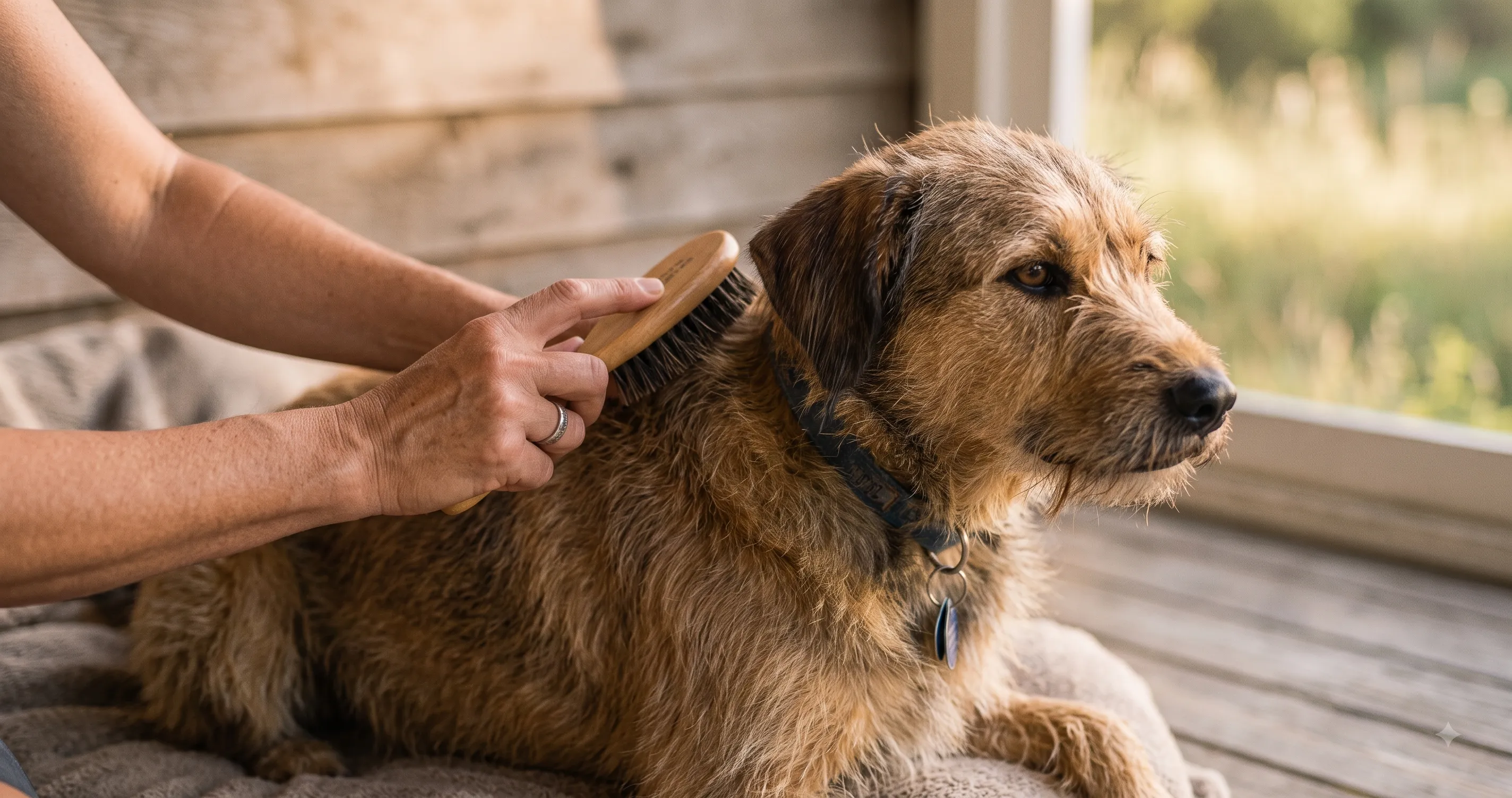
- Brush a dog regularly rather than only at bath time. Grooming sessions are often when flea dirt or an attached tick gets noticed first, well before scratching becomes obvious.
- Ask a veterinarian to recommend a product timeline rather than guessing, since missed or delayed doses are one of the most common reasons prevention fails in practice.
- Keep the yard trimmed and shaded areas cleared of leaf litter, which is where ticks tend to wait for a host to brush past on the way to somewhere shadier.
- Mark prevention doses on a calendar or set a recurring reminder, since a memory-based schedule is easy to let slip during a busy month.
Common Mistakes That Make Fleas and Ticks Worse
- Trying to remove a tick with a lit match or petroleum jelly, an old myth that does not work and can cause the tick to release more saliva into the bite
- Squeezing or twisting a tick's body during removal, which raises the risk of leaving mouthparts embedded or pushing fluids into the wound
- Using a dog-labeled flea or tick product on a cat in the same household, which can be seriously toxic
- Stopping prevention during colder months, assuming fleas and ticks disappear for the winter
- Treating only the dog during an active flea infestation while skipping bedding, carpets, and the yard
Final Thoughts
Fleas and ticks are two of the most common parasite problems a dog owner will deal with, but they are also among the most preventable once the early signs and the right habits are in place. A quick coat check after outdoor time, consistent year-round prevention, and knowing exactly how to remove a tick safely go a long way toward keeping a dog comfortable and healthy.
Regular grooming sessions are also one of the easiest times to catch a problem early, and a regular bathing and brushing schedule makes coat checks a natural part of the routine instead of a separate chore.
Ticks are also the main carrier of Lyme disease in dogs, and rates vary widely by region — see how common Lyme disease is by state for state-by-state test data.
The most effective flea and tick defense is consistent year-round prevention paired with a quick coat check after every outdoor walk.
This guide is for general education and is not a substitute for veterinary care. Always consult a veterinarian before starting any flea or tick prevention product, especially in multi-pet households.
Medical Disclaimer
This content is provided for informational and educational purposes only and should not be considered veterinary, medical, behavioral, or training advice. While we strive for accuracy, we make no guarantees regarding completeness or results. Always consult a licensed veterinarian or qualified pet care professional before making decisions about your pet’s health, diet, or behavior.
AI Illustration Notice
Some images in this article may have been generated or enhanced using artificial intelligence for illustrative purposes.
Frequently Asked Questions
The earliest signs are frequent scratching or biting at one spot along with small red bumps on the skin. Patchy hair loss and restlessness at night often follow soon after. A flea dirt check is the fastest way to confirm a suspicion before symptoms get worse.
Run your hands slowly over the ears armpits groin and between the toes since ticks prefer warm hidden spots. A tick feels like a small firm bump rather than a soft skin lump. Limping or favoring one leg can also signal a tick attached near a joint.
Flea dirt is flea feces made of digested blood and it looks like tiny dark specks resembling ground pepper in a dog's coat. Brush a few specks onto a damp white paper towel and watch for a reddish brown stain. That color change confirms flea dirt rather than ordinary debris.
Use fine-tipped tweezers to grasp the tick as close to the skin as possible then pull straight up with steady pressure. Never twist or jerk since that can leave mouthparts embedded. Clean the bite area afterward and watch the dog for symptoms over the following weeks.
Yes. Fleas can cause allergic skin reactions tapeworms and in severe cases anemia especially in puppies. Ticks can transmit illnesses such as Lyme disease and anaplasmosis that sometimes take weeks to cause noticeable symptoms after a bite.
Yes, in most climates. Fleas can survive indoors year-round regardless of outside temperature and ticks stay active whenever it climbs above roughly 40°F. Stopping prevention for the winter is one of the most common reasons infestations return in spring.
No. Many dog-labeled flea and tick products contain ingredients that are safe for dogs but can be seriously toxic to cats. Always use a product labeled specifically for cats and keep species separated until a topical treatment has fully dried.
Check after every walk through grass brush or wooded trails since that is when ticks are most commonly picked up. A quick hands-on check takes only a minute and catches most ticks before they have had time to attach firmly.
Yes. Fleas can be carried inside on clothing shoes or another pet and once established they live and reproduce in carpets bedding and furniture. An indoor-only dog can still develop a flea problem without ever stepping into a yard.
A dog with flea allergy dermatitis can react intensely to just one or two bites with severe itching and skin irritation. Consistent year-round flea prevention is the most effective way to manage this condition and a vet can recommend additional relief for flare-ups.
Normal vs. Concerning Symptoms
A general guide to help you tell everyday variation apart from something worth a vet visit. This is educational context, not a diagnosis.
| Symptom | What's Normal | When to Be Concerned |
|---|---|---|
| Scratching | An occasional scratch after being outside that stops on its own | Persistent scratching or biting at the same spot along with visible red bumps |
| Coat and skin | Clean coat with no visible debris close to the skin | Tiny dark specks that turn reddish brown on a damp paper towel, or patchy hair loss |
| Bumps | No new bumps or a single mild bite that fades within a day | A small firm bump that does not go away, especially in the ears, armpits, or groin |
| Energy level | Normal activity and appetite | Unusual tiredness or pale gums during an active flea problem, a possible sign of anemia |
What Should I Do Next?
A general decision guide — always use your own judgement and contact a veterinarian for anything beyond routine care.
- Gather fine-tipped tweezers or a tick removal tool Avoid fingernails or blunt tweezers, which make it too easy to squeeze the tick.
- Grasp the tick close to the skin Aim for the head and mouthparts rather than the body.
- Pull straight up with steady pressure Do not twist or jerk to avoid leaving mouthparts embedded in the skin.
- Clean the bite area and your hands Use soap and water or rubbing alcohol on both the dog and yourself.
- Save the tick if possible Sealing it in a bag or submerging it in alcohol helps with identification if symptoms appear later.
- Monitor for the following few weeks Contact a vet if fever, lethargy, appetite loss, or lameness develop.
Common Mistakes
- Trying to remove a tick with a lit match or petroleum jelly, an old myth that does not work and can cause the tick to release more saliva into the bite
- Squeezing or twisting a tick's body during removal, which raises the risk of leaving mouthparts embedded or pushing fluids into the wound
- Using a dog-labeled flea or tick product on a cat in the same household, which can be seriously toxic
- Stopping prevention during colder months, assuming fleas and ticks disappear for the winter
- Treating only the dog during an active flea infestation while skipping bedding, carpets, and the yard
Prevention Tips
- Keep a dog on a vet-recommended flea and tick product year-round rather than seasonally
- Do a hands-on coat check after every walk through grass, brush, or wooded areas
- Wash a dog's bedding on high heat regularly during an active flea problem
- Keep grass trimmed short and clear leaf litter from shaded yard areas
- Brush a dog regularly so flea dirt or an attached tick gets noticed early
- Never apply a dog-labeled product to a cat in a multi-pet household
Illustrative Example
Consider a dog that spends a Saturday afternoon hiking through tall grass and light brush. That evening, the owner runs a hand along the dog's coat out of habit and notices a small firm bump behind one ear. Using fine-tipped tweezers, the owner grasps the tick close to the skin and pulls straight up with steady pressure rather than twisting, removing it fully on the first try. The bite area gets cleaned with soap and water, and the tick is sealed in a bag with the date written on it in case symptoms appear later. Because the check happened the same evening rather than days later, the tick had not been attached long enough to transmit an infection, which is the outcome a same-day post-walk check is designed to produce.
Practical Checklist
- Run hands over the ears, armpits, groin, and between the toes after every outdoor walk
- Check for flea dirt during regular brushing sessions
- Confirm the current flea and tick prevention dose is up to date
- Wash pet bedding on a regular schedule, more often during an active problem
- Keep the yard trimmed and free of leaf litter near resting areas
- Separate dogs and cats until any topical flea treatment has fully dried
Editorial Note
This article is part of PetNurture's educational library.
Topics draw on publicly available educational resources, recognised veterinary organisations, academic publications and established animal welfare references where appropriate.
The specific sources this article draws on are listed in its References section. If you spot an error, please let us know.
References
The information in this article has been reviewed and supported using the following sources.
American Kennel Club
Keep Your Dog Safe From Fleas and Ticks With 11 Prevention Tips
Confirms year-round prevention needs, high-risk attachment areas for ticks, and general prevention product categories; supports the Signs and Year-Round Prevention sections of this article.
Accessed Aug 13, 2026
PetMD
The Complete Guide to Flea and Tick Prevention and Treatment for Dogs
Confirms flea dirt identification, tick-borne and flea-borne health risks, and the recommendation to treat the home environment alongside the pet; supports the Health Risks and Home Treatment sections of this article.
Accessed Aug 13, 2026
Pet Emergency Guidance
Every pet is unique. If your pet exhibits severe symptoms, sudden behavioral changes, or a medical emergency, do not rely on online guides — contact a licensed veterinarian or emergency clinic immediately.
About PetNurture
PetNurture is an educational library of pet care guides, interactive tools and practical resources for pet parents. We work continuously to keep our content accurate and up to date. Reader feedback helps us maintain content quality.
Related Articles



Popular Dog Guides


Dog
Dog Calorie Calculator
Find the right daily calorie target for your dog's weight and activity level.
Dog
Dog Chocolate Toxicity Calculator
Assess chocolate toxicity risk based on your dog's weight and the amount eaten.