Rabbit GI Stasis: Emergency Warning Signs & What to Do Fast
- What Is GI Stasis and Why It's So Dangerous
- Early Warning Signs You Should Never Ignore
- Fecal and Appetite Signs
- Behavioral and Physical Signs
- Which Rabbits Face Higher Risk
- The Dental Connection
- What Causes GI Stasis
- The Emergency Timeline: Why Hours Matter
- What Happens at the Vet
- Is It GI Stasis or Just a Slow Day?
- Expert Tips: Lowering Your Rabbit's Risk
- Common Mistakes Owners Make
- Final Thoughts
Note: This article is for informational purposes only and does not replace professional veterinary advice.
Quick Answer
GI stasis is a rabbit's digestive system slowing or stopping, and it can turn fatal within 24 to 48 hours. Watch for reduced appetite, smaller or fewer fecal pellets, a hunched posture, and teeth grinding, and get to a rabbit-savvy vet within hours rather than waiting overnight.
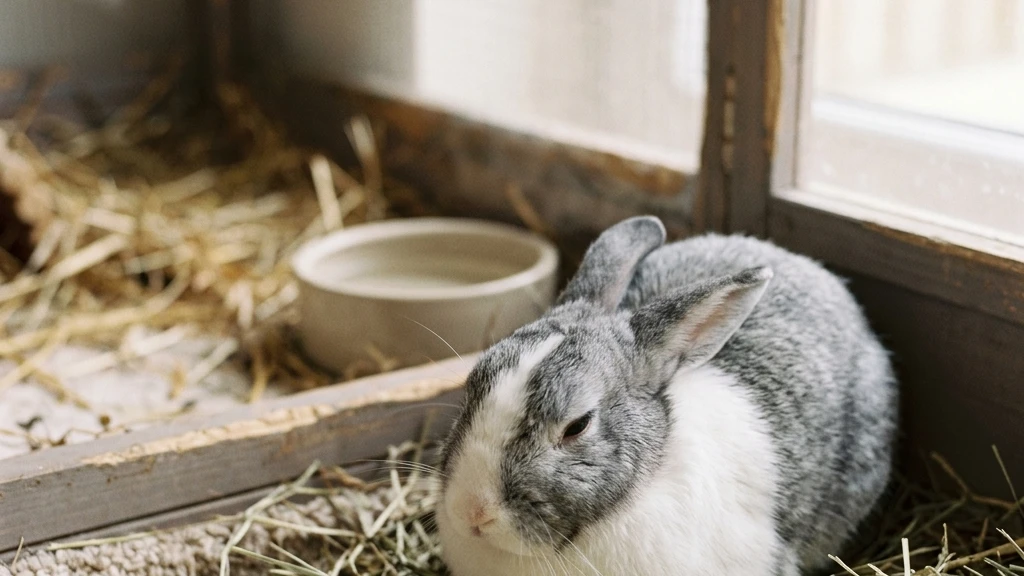
GI stasis is the single most common life-threatening emergency in pet rabbits, and it's often called "the silent killer" because a rabbit can go from acting slightly off to critically ill within a day or two. It happens when a rabbit's digestive system slows down or stops moving food through the gut, which lets gas and harmful bacteria build up fast. The tricky part is that rabbits are prey animals that hide pain and illness by instinct, so the first sign an owner notices is often already a real emergency rather than an early warning. This guide covers the early signs to watch for, what actually causes GI stasis, why the first several hours matter so much, what treatment at the vet typically involves, and the daily habits that lower your rabbit's risk.
What Is GI Stasis and Why It's So Dangerous
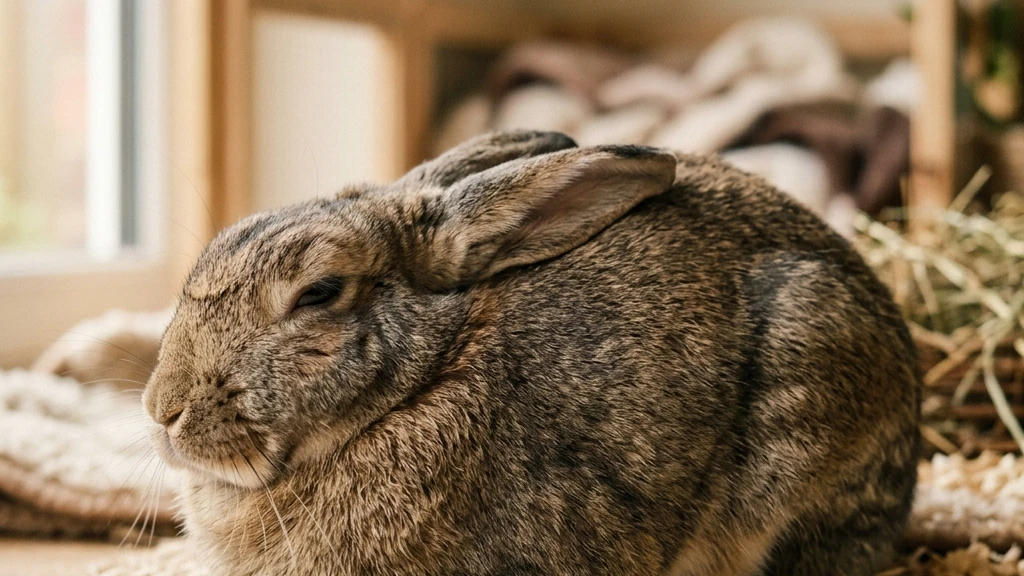
A healthy rabbit's gut is almost always in motion, constantly moving fiber and food through the digestive tract. GI stasis is what happens when that motion slows down or stops. Once movement slows, gas builds up, ingested hair and food can lodge in the gut, and harmful bacteria that are normally kept in check can multiply and release toxins. Left untreated this cascade can turn fatal within 24 to 48 hours, which is why rabbit-savvy vets treat any suspected case as a true emergency rather than something to monitor overnight.
Early Warning Signs You Should Never Ignore
Because rabbits mask illness so well, a combination of subtle signs is often more reliable than waiting for one dramatic symptom.
Fecal and Appetite Signs
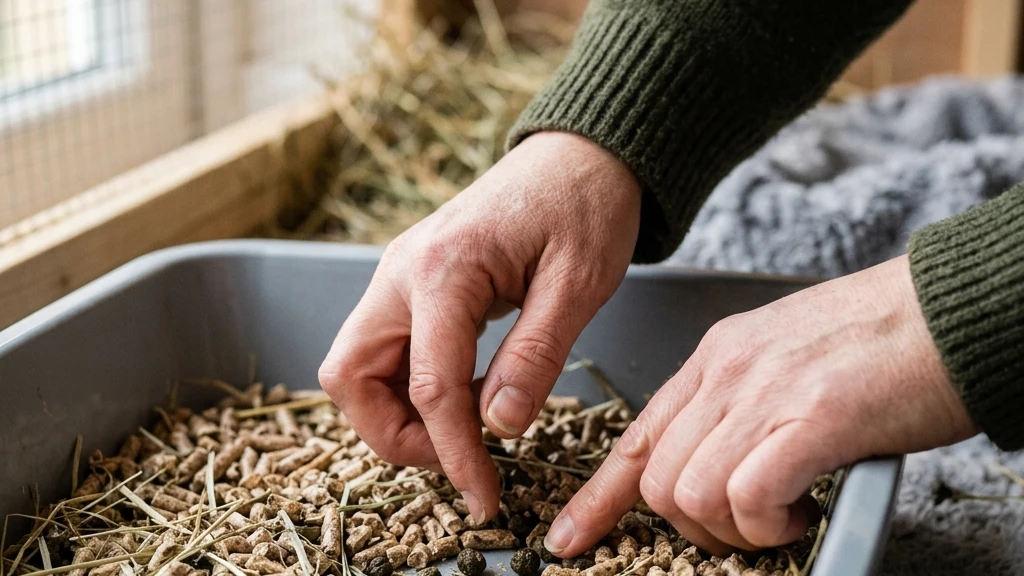
- No fecal pellets at all or pellets that are unusually small, misshapen, or strung together with mucus
- Refusing hay, pellets, or even favorite treats, which is one of the clearest signs covered in why your rabbit isn't eating
- Reduced water intake alongside reduced appetite
Behavioral and Physical Signs
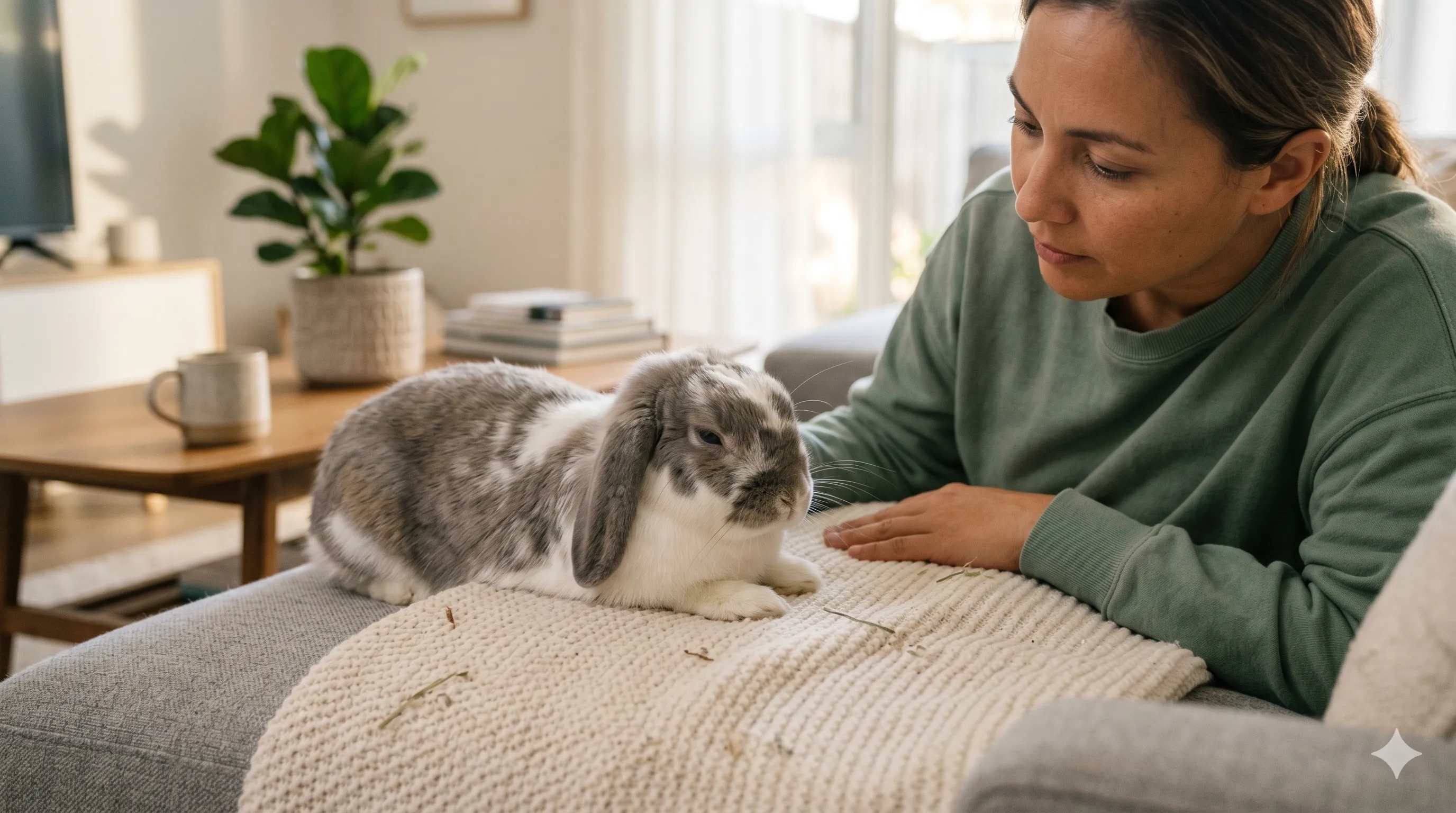
- Sitting hunched in a tight ball with an uninterested or withdrawn posture
- Unusual lethargy or reluctance to move around the enclosure
- Audible teeth grinding, which is a rabbit pain signal rather than the normal soft teeth-purring sound
- A belly that feels bloated, gassy, or unusually firm to a gentle touch
- unusual trembling or shaking that appears alongside any of the signs above, since trembling paired with a hunched posture often points to abdominal pain
No single sign on its own always means GI stasis, but two or more of these together should be treated as a genuine warning rather than something to watch for another day.
Which Rabbits Face Higher Risk
Any rabbit can develop GI stasis, but a few situations raise the odds noticeably. Senior rabbits and rabbits with ongoing dental disease are more prone to it since dental pain directly discourages eating, which slows the gut. Rabbits recovering from a recent surgery or illness, rabbits going through a stressful change like boarding, travel, or a new animal in the home, and overweight rabbits with reduced activity all carry higher risk as well. None of this means a healthy young rabbit is immune. It simply means these situations call for extra attention to appetite and litter box output.
The Dental Connection
Dental disease is one of the most under-recognized triggers behind repeat cases of GI stasis. Overgrown or misaligned teeth make chewing hay painful, and a rabbit that quietly chews less to avoid discomfort ends up with a gut that has less fiber to keep it moving. This is why a rabbit that has recovered from one stasis episode still benefits from a dental check, since treating the eating problem without addressing a painful mouth often just sets up the next episode.
What Causes GI Stasis
GI stasis is rarely caused by just one thing, and a vet visit after recovery matters partly because the underlying trigger needs identifying so it doesn't simply repeat.
- Low-fiber or high-carbohydrate diet: a diet too heavy in pellets or treats and too light in unlimited hay removes the fiber that keeps the gut moving on its own
- Stress: a new home, a boarding stay, travel, loud noises, or a new animal in the household can slow digestion in a genuinely sensitive prey species
- Underlying pain: dental disease, arthritis, or another illness can make a rabbit eat less without any obvious outward sign at first
- Dehydration: insufficient water intake makes gut contents harder to move along, especially when paired with a low-moisture diet
- Reduced activity: a sedentary rabbit with limited exercise time tends to have slower gut motility than one with regular time to move around
The Emergency Timeline: Why Hours Matter
Veterinary sources including the House Rabbit Society describe any rabbit that has stopped eating or producing feces for roughly 12 hours as a genuine emergency, and many rabbit-savvy vets recommend seeking care even sooner, around the 3 to 4 hour mark, once a rabbit is clearly refusing food. This isn't an overreaction. A rabbit's digestive system has very little reserve, and the same bacterial overgrowth that causes bloating and pain can progress to a life-threatening state within a day or two once it takes hold. Waiting to "see if she gets better overnight" is one of the most common and most dangerous mistakes an owner can make with this condition.
What Happens at the Vet
A rabbit-savvy vet will typically start with a physical exam and often imaging to check for a true blockage versus a functional slowdown, since the treatment path differs between the two. Supportive care generally includes fluid therapy to rehydrate the gut, pain relief, and medication aimed at restarting normal gut motility, along with encouraging the rabbit to eat again once pain is under control. Surgery is sometimes needed if a physical obstruction is confirmed, but many cases resolve with aggressive supportive care alone. Recovery at home usually involves closely tracking appetite, water intake, and fecal output over the following days, plus a follow-up exam to confirm the gut has genuinely returned to normal rather than assuming a single good day means the episode is over. This article intentionally does not list specific drug names or doses, since correct treatment depends entirely on an individual rabbit's exam findings and should always come from a licensed veterinarian.
Is It GI Stasis or Just a Slow Day?
Not every skipped meal or quiet afternoon means an emergency, and treating every minor mood shift as a crisis isn't realistic either. A rabbit that eats a little less on an unusually hot day but is still producing normal fecal pellets and acting alert is likely just having an off moment. What separates a genuine warning from a normal fluctuation is the combination and the duration: reduced appetite paired with smaller or fewer fecal pellets, a hunched posture, or teeth grinding that lasts more than a few hours is where a wait-and-see approach stops being reasonable. When in doubt, a quick call to a rabbit-savvy vet to describe what you're seeing costs far less than waiting through a night that turns out to matter.
Expert Tips: Lowering Your Rabbit's Risk
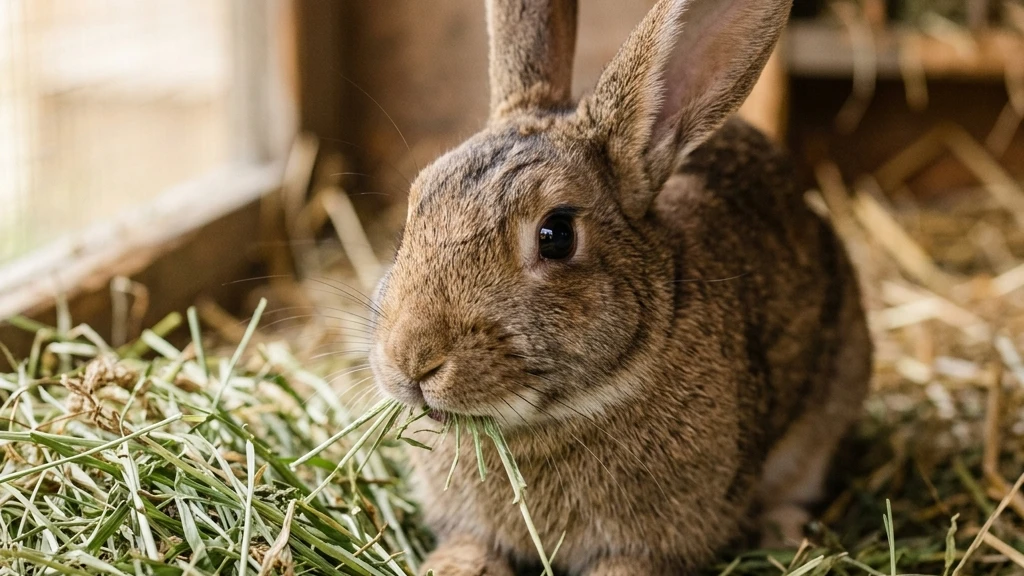
- Keep unlimited grass hay available at all times, since fiber is what keeps the gut moving consistently
- Weigh your rabbit weekly and keep a simple log, since a drop in weight often shows up before an owner notices reduced eating
- Check the litter box daily for fecal pellet size and volume rather than only glancing at the enclosure
- Keep routines and environment as stable as possible, since stress is a recognized trigger for stasis
- Build safe daily free-roam exercise time into a normal daily routine rather than only letting your rabbit out occasionally
- Save the contact information for a rabbit-savvy emergency vet before you ever need it, since not every emergency clinic has rabbit experience
Common Mistakes Owners Make
- Waiting overnight to see if a rabbit that has stopped eating improves on its own
- Feeding a pellet-heavy diet with limited hay instead of unlimited hay as the foundation
- Mistaking hunched posture or teeth grinding for a rabbit simply resting rather than a pain signal
- Assuming smaller or fewer fecal pellets are a minor issue instead of an early stasis warning sign
- Trying home remedies like forced feeding or gas relief products without veterinary guidance first
- Not knowing in advance which nearby emergency clinics actually treat rabbits
Final Thoughts
GI stasis moves fast, but it also gives real warning signs before it becomes critical, from smaller fecal pellets to a rabbit refusing its favorite treat. Checking the litter box daily, keeping hay unlimited, and treating any drop in appetite or output as urgent rather than a wait-and-see situation gives your rabbit the best possible odds. If you're also noticing changes in what's actually in the litter box, a full rabbit poop meaning chart can help you tell a normal variation from a genuine red flag.
Any rabbit that stops eating or stops producing normal fecal pellets for more than a few hours needs a rabbit-savvy vet the same day, not the next morning.
This guide is for general education and is not a substitute for veterinary care. GI stasis can turn fatal within 24 to 48 hours, so any rabbit showing these signs should be seen by a rabbit-experienced veterinarian immediately rather than monitored at home.
Medical Disclaimer
This content is provided for informational and educational purposes only and should not be considered veterinary, medical, behavioral, or training advice. While we strive for accuracy, we make no guarantees regarding completeness or results. Always consult a licensed veterinarian or qualified pet care professional before making decisions about your pet’s health, diet, or behavior.
AI Illustration Notice
Some images in this article may have been generated or enhanced using artificial intelligence for illustrative purposes.
Frequently Asked Questions
GI stasis is when a rabbit's digestive system slows down or stops moving food normally through the gut. It allows gas and harmful bacteria to build up quickly and can become life-threatening within 24 to 48 hours if untreated.
Early signs include reduced appetite or refusing treats along with smaller or fewer fecal pellets than usual. A hunched posture and audible teeth grinding are also common early pain signals.
Many rabbit-savvy vets recommend seeking care within 3 to 4 hours of a rabbit clearly refusing food. Veterinary sources treat 12 hours without eating or producing feces as a definite emergency.
Yes. Untreated GI stasis can progress to a fatal outcome within 24 to 48 hours because bacterial overgrowth and gas buildup place severe stress on the body. This is why any suspected case needs same-day veterinary care.
Common causes include a low-fiber or high-carbohydrate diet and stress from environment or routine changes. Underlying pain from dental problems or another illness along with dehydration and low activity are also frequent contributors.
Unlimited grass hay keeps fiber moving steadily through a rabbit's digestive tract which supports normal gut motility. A diet too heavy in pellets and too light in hay is one of the most common dietary triggers for stasis.
Loud audible teeth grinding is generally a pain signal rather than the soft teeth-purring sound rabbits make when content. Paired with reduced appetite or fewer fecal pellets it should be treated as a warning sign.
Treatment generally involves fluid therapy to rehydrate the gut along with pain relief and medication to help restart normal motility. Imaging is often used to rule out a physical blockage that could require surgery.
No. Home remedies without veterinary guidance can delay real treatment and worsen the outcome so a rabbit-savvy vet should always be involved right away. Supportive care at home only helps once a vet has assessed the underlying cause.
Keep unlimited hay available and check the litter box daily for changes in fecal pellet size or volume. Weighing your rabbit weekly and keeping routines stable also helps catch or prevent early warning signs.
Normal vs. Concerning Symptoms
A general guide to help you tell everyday variation apart from something worth a vet visit. This is educational context, not a diagnosis.
| Symptom | What's Normal | When to Be Concerned |
|---|---|---|
| Fecal pellets | Consistent size and steady daily volume | Very small, misshapen, mucus-covered, or absent pellets |
| Appetite | Eager interest in hay, pellets, and treats | Refusing food including favorite treats |
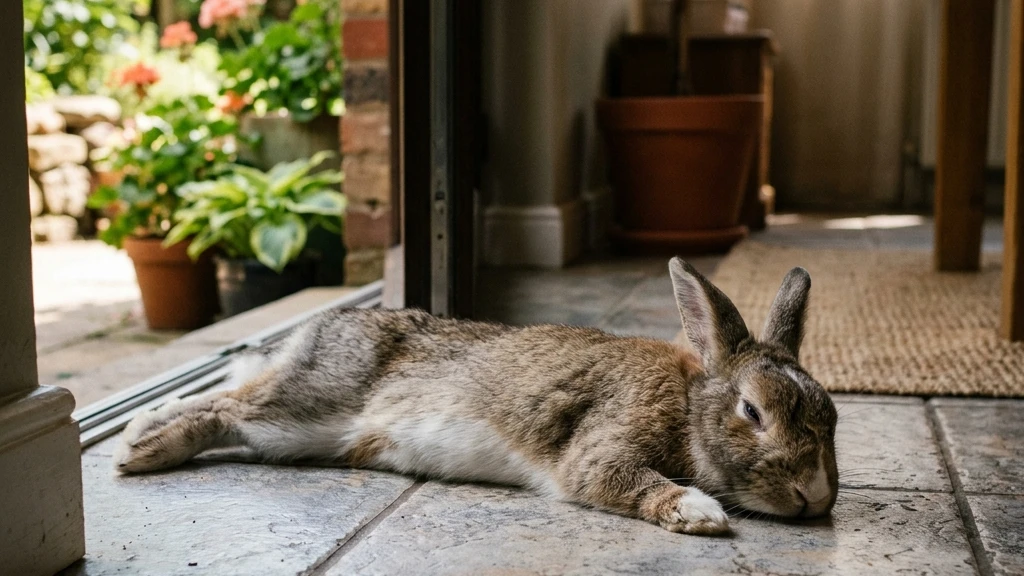
| Posture | Relaxed stretched-out or loafed position | Hunched tight ball with withdrawn behavior |
| Sounds | Soft gentle teeth purring when content | Loud audible teeth grinding from pain |
| Abdomen | Soft to a gentle touch | Bloated, gassy, or unusually firm |
What Should I Do Next?
A general decision guide — always use your own judgement and contact a veterinarian for anything beyond routine care.
- Note the exact time your rabbit stopped eating or pooping This timeline matters directly for how urgently to act and what to tell the vet.
- Call a rabbit-savvy vet or emergency clinic immediately Not every emergency vet treats rabbits so confirm rabbit experience when you call rather than after arriving.
- Do not wait overnight to see if things improve GI stasis can progress from mild to life-threatening within 24 to 48 hours.
- Avoid home remedies without veterinary guidance Forced feeding or gas-relief products without direction can worsen an underlying blockage.
- Bring notes on diet stress and any recent changes This helps the vet identify the underlying trigger and reduce the chance of it happening again.
Common Mistakes
- Waiting overnight to see if a rabbit that has stopped eating improves on its own
- Feeding a pellet-heavy diet with limited hay instead of unlimited hay as the foundation
- Mistaking hunched posture or teeth grinding for a rabbit simply resting rather than a pain signal
- Assuming smaller or fewer fecal pellets are a minor issue instead of an early stasis warning sign
- Trying home remedies like forced feeding or gas relief products without veterinary guidance first
- Not knowing in advance which nearby emergency clinics actually treat rabbits
Prevention Tips
- Keep unlimited grass hay available as the foundation of the diet at all times
- Weigh your rabbit weekly and log the numbers to catch early changes
- Check the litter box daily for fecal pellet size and volume
- Keep environment and routine as stable and low-stress as possible
- Provide daily exercise and time out of the enclosure
- Save the contact information for a rabbit-savvy emergency vet before you need it
Illustrative Example
Consider a rabbit owner who notices their bunny leaving noticeably smaller fecal pellets one morning and skipping a favorite treat that evening. Rather than waiting to see if appetite returns by morning, they call a rabbit-savvy emergency vet the same night and describe the timeline along with the rabbit's hunched posture. The vet confirms early GI stasis, starts fluid and pain support right away, and the rabbit is back to eating normally within two days. Because the owner treated reduced appetite and smaller pellets as urgent rather than waiting to see if it resolved on its own, treatment started early enough to avoid the more dangerous later stage of the condition.
Practical Checklist
- Note when your rabbit last ate and last produced fecal pellets
- Check for a hunched posture or audible teeth grinding
- Call a confirmed rabbit-savvy vet or emergency clinic right away
- Avoid home remedies or forced feeding without veterinary direction
- Bring notes on recent diet stress or environment changes to the vet visit
- Keep unlimited hay and daily litter box checks as an ongoing prevention habit
Editorial Note
This article is part of PetNurture's educational library.
Topics draw on publicly available educational resources, recognised veterinary organisations, academic publications and established animal welfare references where appropriate.
The specific sources this article draws on are listed in its References section. If you spot an error, please let us know.
References
The information in this article has been reviewed and supported using the following sources.
House Rabbit Society
Confirms the 12-hour emergency threshold, core symptom list, and the description of GI stasis as a leading cause of rabbit death; supports the Warning Signs and Emergency Timeline sections of this article.
Accessed Aug 21, 2026
PetMD
Gastrointestinal (GI) Stasis in Rabbits
Confirms common causes (low-fiber diet, stress, dental pain, dehydration) and general treatment approach (fluids, motility support, pain relief, surgery for confirmed blockage); supports the Causes and Vet Treatment sections of this article.
Accessed Aug 21, 2026
Pet Emergency Guidance
Every pet is unique. If your pet exhibits severe symptoms, sudden behavioral changes, or a medical emergency, do not rely on online guides — contact a licensed veterinarian or emergency clinic immediately.
About PetNurture
PetNurture is an educational library of pet care guides, interactive tools and practical resources for pet parents. We work continuously to keep our content accurate and up to date. Reader feedback helps us maintain content quality.
Related Articles
Popular Rabbit Guides